
Reviewed · THIRD REICH & WORLD WAR II TOURS
Hitler’s Germany: Berlin During the Third Reich & WWII
Berlin has layers, and this tour reads them. It maps the Nazi takeover onto real streets, starting with the decimation of Berlin’s nearby Jewish district and ending at the Reichstag, while you also see the site of Hitler’s bunker and the Holocaust Memorial. I especially like the way the tour is guided by passionate people with native-level English, with names like Rebecca, Glen, and Jonathan N often popping up for a reason: they keep you focused and make the facts stick.
My second favorite thing is the balance between scale and specificity. You walk past the former Nazi Air Ministry, Gestapo HQ, and Propaganda Ministry, then you get a museum break at Topography of Terror, which helps put the story of terror, propaganda, and genocide into context. One consideration: you should expect a heavy, emotionally serious route, and the tour does not include entering buildings during the walk, so plan to absorb history from the street and memorial spaces.
In This Review
- Key Things That Make This Tour Worth Your Time
- A Route That Ties Berlin Streets to Real Human Consequences
- 4 Hours, One Metro Ride, and a Walking Pace That Makes Sense
- Jewish Quarter Start and Holocaust Memorial Focus
- Anhalter Bahnhof, WWII Ruins, and Why Trains Matter
- Luftwaffe HQ and the Former Nazi Government District Streets
- Gestapo and SS Headquarters, Topography of Terror Break
- Propaganda, the T4 Program, and the March Toward Genocide
- Tiergarten Remembrance Walks: Sinti and Roma and the 96 Arrested Politicians
- Reichstag Finale, Germania Plans, and the Battle of Berlin
- Price, What You Get, and Whether $23 Is Real Value
- Who This Tour Fits Best (and Who Might Want Another Option)
- Should You Book This Berlin Third Reich Tour?
- FAQ
- How long is the tour?
- Where does the tour take place?
- What sites does the tour include?
- Does the tour enter buildings?
- Do I need a public transport ticket?
- What languages are the guides?
- Is cancellation free if plans change?
Key Things That Make This Tour Worth Your Time
- From Jewish Quarter to Nazi power centers, you see how persecution was built into everyday life.
- Hitler’s bunker site, Reichstag, and Holocaust Memorial are treated as part of one connected story, not random stops.
- A short metro ride to Anhalter Bahnhof saves time and keeps the itinerary from feeling like a long slog.
- Walk past Nazi ministries and HQs including the Luftwaffe headquarters connected to Hermann Göring.
- Topography of Terror break helps you understand the machinery behind the terror.
- Tiergarten remembrance stops add names, targets, and dates, including Sinti and Roma victims and the 96 politicians arrested in 1933.
A Route That Ties Berlin Streets to Real Human Consequences
What I like about this tour is that it doesn’t treat the Third Reich like a museum-style exhibit. It starts with the Jewish district and the Nazis’ decimation of that community, which forces you to picture real people, not just regimes. Then the route turns toward the institutions of control, so you see the path from persecution to organized terror.
It also helps that guides vary in style but share the same goal: keep the story clear and grounded. You may hear the narrative carried by guides such as Rebecca or Glen, who are repeatedly praised for engaging delivery, or by Jonathan N, noted for humor and storytelling while still handling a brutal subject responsibly. That mix matters because you will spend most of the day learning things that are hard to process.
If you’re the type who prefers facts with context, this route fits. If you want a light walk or a quick photo tour, this is not that. It is a serious Berlin tour, built for understanding.
Further Third Reich and wartime history tours:
- Berlin: Third Reich & Cold War Guided Walking Tour
★ 4.9 · 8,378 reviews - Berlin’s Best: 2 Hour Walking Tour Third Reich and the Cold War
★ 5.0 · 5,486 reviews - Third Reich Berlin: Hitler and WWII Walking Tour
★ 5.0 · 3,301 reviews
4 Hours, One Metro Ride, and a Walking Pace That Makes Sense
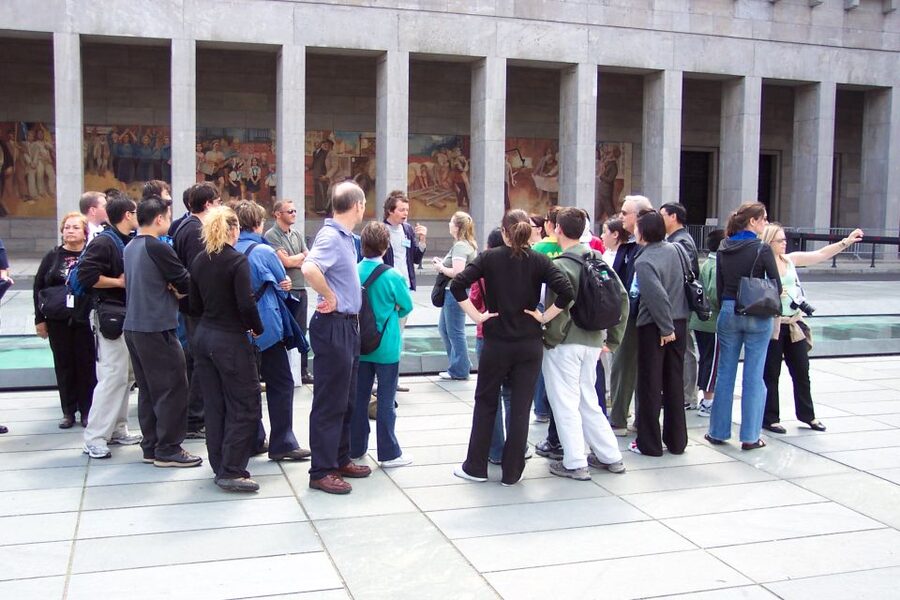
The tour lasts about 4 hours, and that time is spent with a purpose. You meet your guide in central Berlin, then you get an overview of what the Nazis did to the nearby Jewish district before heading to the WWII-damaged setting at Anhalter Bahnhof.
A short metro ride is part of the plan. That is a practical touch, because it keeps you from wasting time shuttling across big distances on foot. Once you get going, you’ll mostly be walking through the former Nazi government district area, then continuing toward Berlin’s largest park, the Tiergarten.
Also, the tour runs in all weather, including public holidays. In practice, that means you should dress for the day, not the forecast you hope for. Some guides have been praised for bringing practical extras like spare umbrellas, but treat that as a bonus, not a guarantee.
Jewish Quarter Start and Holocaust Memorial Focus
The beginning matters here. You start with the Nazis’ decimation of the nearby Jewish district, and the guide connects what you see later in government buildings and memorial sites back to what happened to a targeted community. That approach gives you a lens to interpret later stops without losing the human scale.
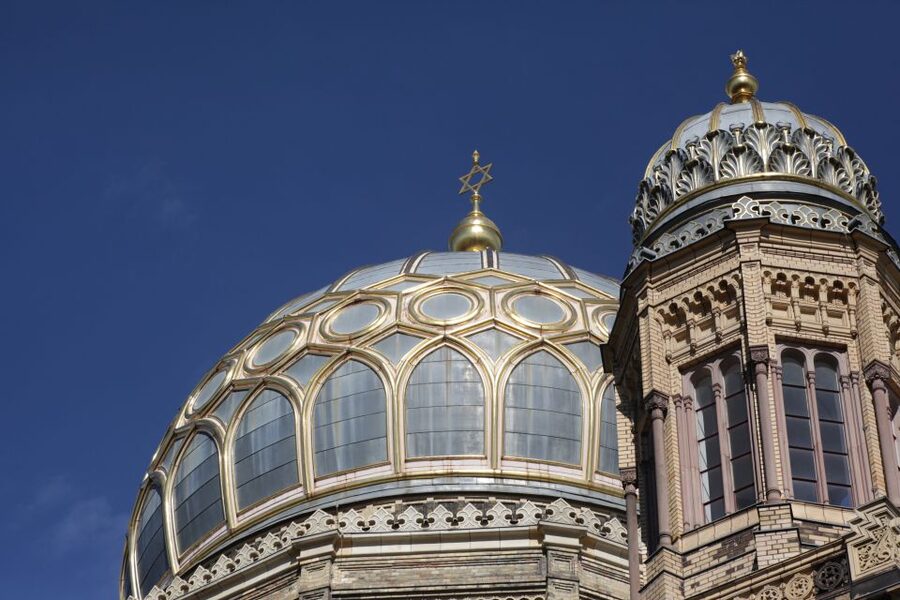
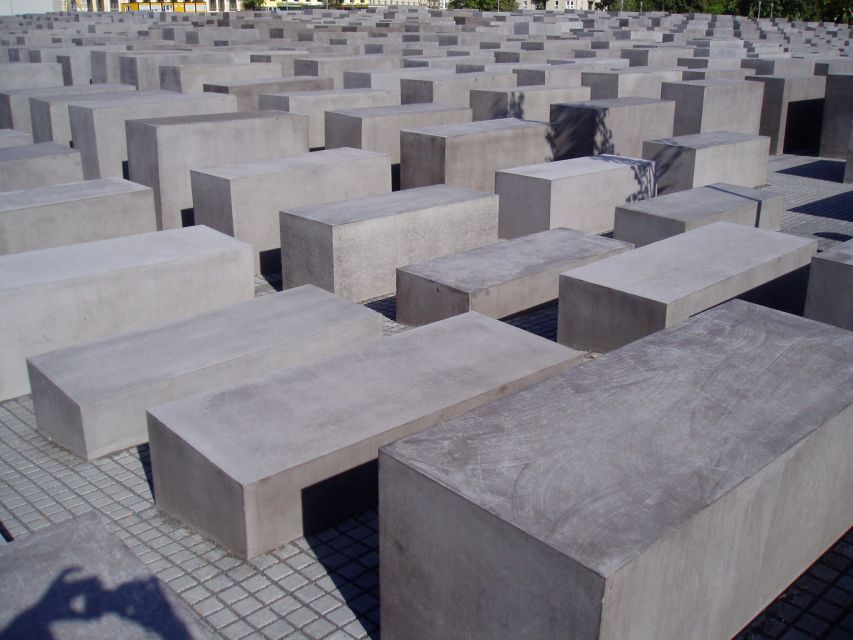
The tour includes time linked to the Holocaust Memorial, and you’ll also “stroll through the Jewish Quarter” to learn about life, persecution, and memory. I like that the story explicitly includes memory, because Berlin does not just show ruins. It shows how societies decide what to remember, and how to mark the victims so the past does not vanish.
One practical note: because the material is heavy, pace yourself mentally. Take breaks when you can, especially at memorial spaces. If you treat those stops like quick scenic stops, you might miss the point.
Anhalter Bahnhof, WWII Ruins, and Why Trains Matter
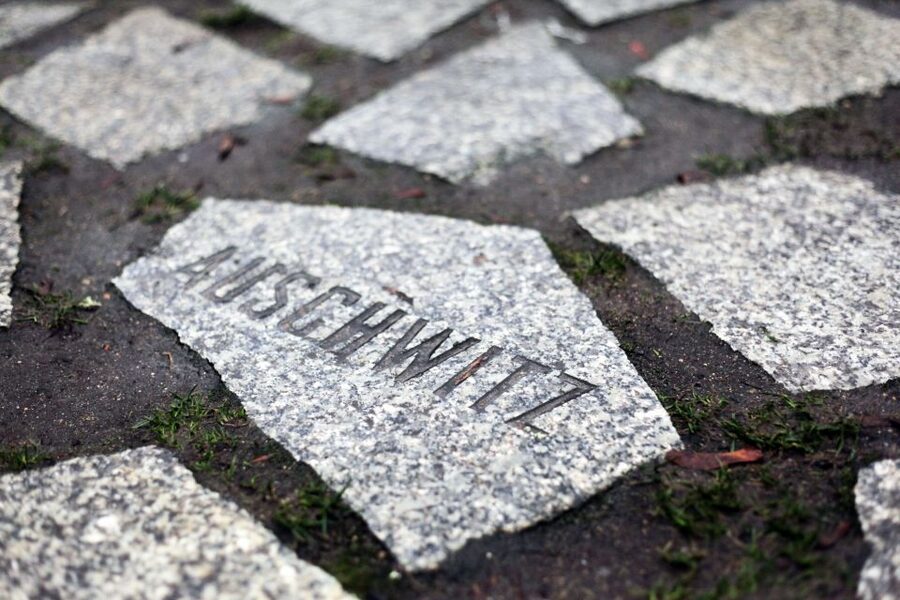
One of the first major waypoints is a WWII setting: Anhalter Bahnhof, a huge train station destroyed during the war. The guide takes you there after the initial overview and the metro ride, and you get a story that makes the destruction feel connected to the larger Nazi era rather than just a random casualty of bombing.
This is where Berlin’s layers really show. A station is movement, daily life, and connectivity. When that kind of place is destroyed in WWII, it becomes a symbol of how thoroughly the war broke normal life.
Even if you’ve been to Berlin before, Anhalter Bahnhof can be a spot you might walk past without understanding why it mattered. This tour gives you a reason to look twice.
Luftwaffe HQ and the Former Nazi Government District Streets
Next comes the former Nazi government district, where the story becomes architectural. You walk through the area toward the colossal former Luftwaffe headquarters, the German air force HQ connected to Hermann Göring. The guide frames it as one of the best surviving examples of Nazi architecture, which is important because it explains why the building style itself still matters today.
As you go, you also walk past what used to be other power structures, including the former Nazi Air Ministry, Gestapo HQ, and Propaganda Ministry. The way the tour sequences these sites helps you see the Nazi state as a system: military power, secret police, and information control moving together.
What I like here is that the tour doesn’t freeze history in one building. Instead, it uses a chain of sites to show how power operated across functions. You start connecting the dots between what governments planned, what police enforced, and what propaganda sold.
Also holding a platform in Berlin



Gestapo and SS Headquarters, Topography of Terror Break
Then you reach the Gestapo and SS headquarters area, now home to Topography of Terror. The tour includes a museum break here, which is a key moment to pause before the story moves deeper into specific crimes.
This is also where the tour’s seriousness becomes unavoidable in the best way. You are not just seeing names of agencies. You’re learning what those agencies did, and why the Nazi system relied on surveillance, fear, and coercion. If you only did highlights at the Holocaust Memorial, you would still miss the institutional machinery. This stop adds that missing layer.
A small but meaningful detail: because the tour is described as not entering buildings during the walk, you’re not likely to get a sprawling indoor experience across multiple attractions. Instead, the main focus stays on the streets and memorial spaces, with the museum break as a dedicated moment to absorb.
Propaganda, the T4 Program, and the March Toward Genocide
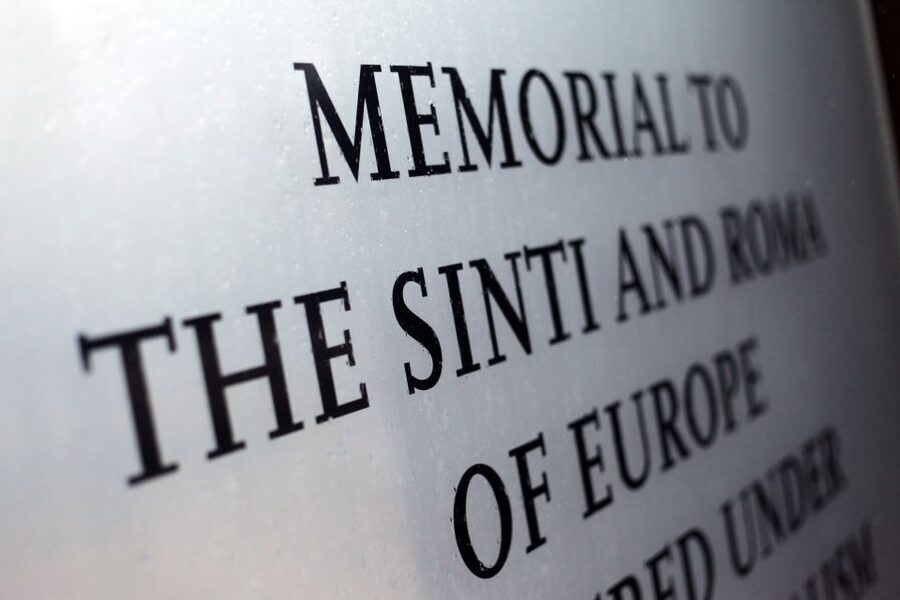
After the Topography of Terror moment, the guide keeps moving through the Nazis’ darkest actions. You’ll cover Joseph Goebbels’ use of propaganda, the ‘T4’ euthanasia program, and then the Holocaust.
I appreciate the way this is framed as progression. Propaganda is how ideas spread and consent is manufactured. ‘T4’ shows how those ideas were translated into state violence framed as policy. Then the Holocaust becomes the full reality of what that logic produced at scale.
This part also tends to be where the guides earn their praise. In the reviews, guides like Jonathan N, Artie, and Jimmy stand out for keeping groups engaged through tough material, often using storytelling and Q and A moments. If that style clicks for you, you’ll likely find this section stays readable even when the topics hurt.
If you prefer short, fact-only segments, consider asking the guide to slow down at points that matter to you. This is exactly the kind of tour where a good guide can adapt without turning it into a lecture monologue.
Tiergarten Remembrance Walks: Sinti and Roma and the 96 Arrested Politicians
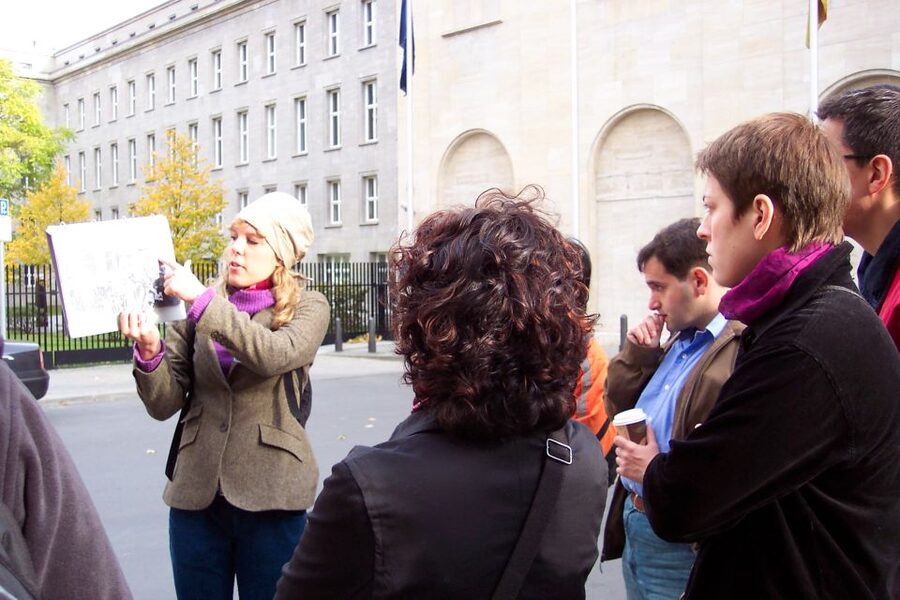
As you make your way toward the Tiergarten, the tour adds remembrance stops that widen the story beyond one group or one date. You visit the Memorial to the Sinti and Roma Victims of National Socialism, which is crucial because it places those victims clearly within the Nazi system of persecution.
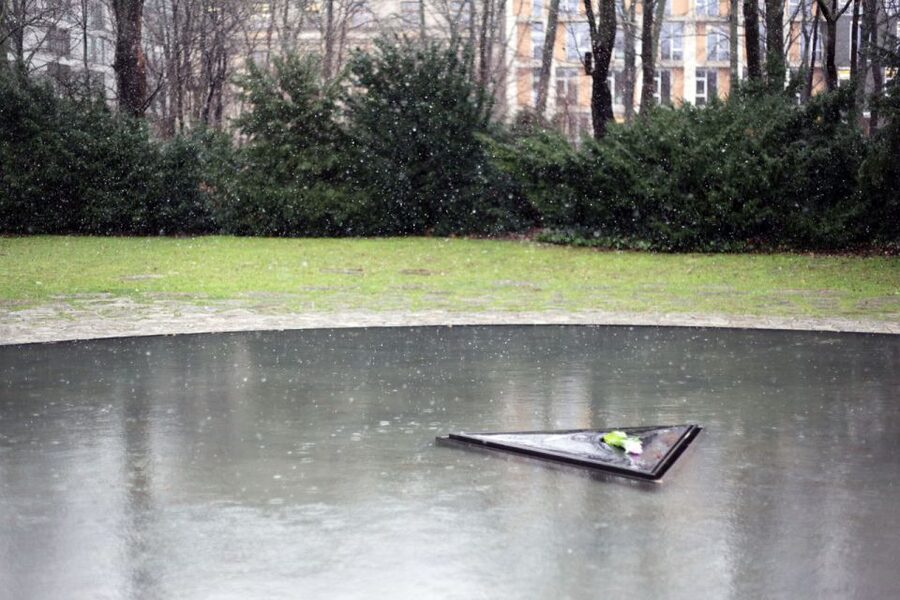
You also visit the memorial for 96 politicians arrested by the Nazis when the Nazis seized power in 1933. That stop is a useful reminder that terror was not only aimed at those the Nazis targeted by race or origin. It also struck political opponents, shaping the environment in which later mass crimes became possible.
I like this portion because it shows memory in multiple directions: victims of genocide, and people silenced or removed as the regime tightened control. It helps you understand the Nazi state as a full political ecosystem, not only an elimination project.
Reichstag Finale, Germania Plans, and the Battle of Berlin
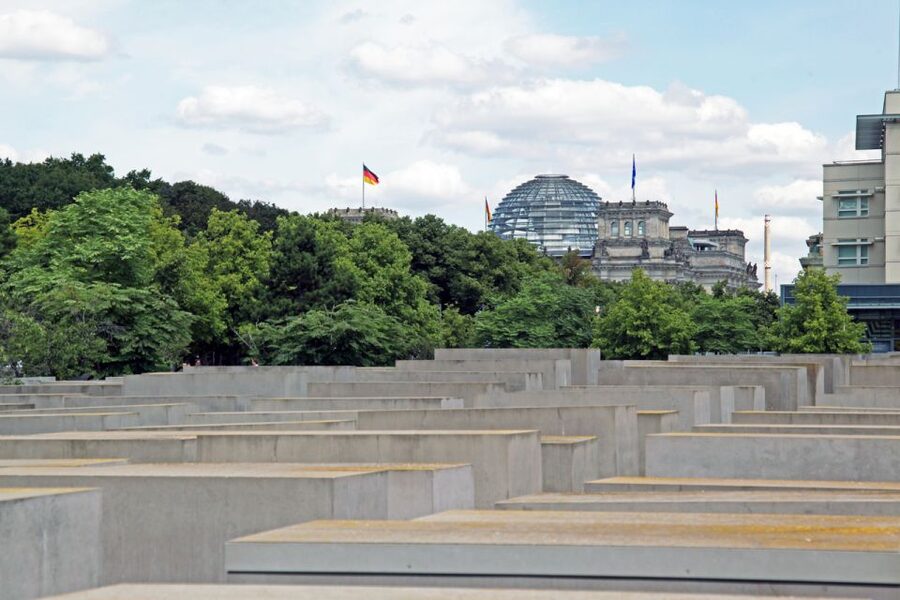
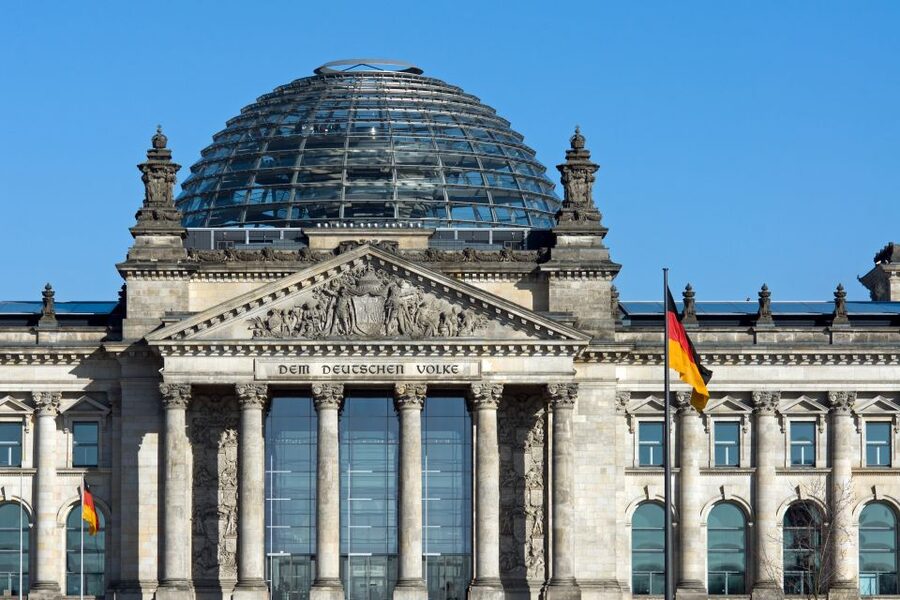
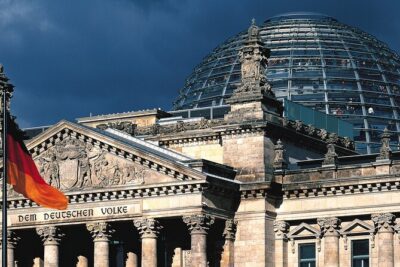
The tour ends in front of the Reichstag, with the guide explaining Hitler and Albert Speer’s plan to completely redesign Berlin as ‘Germania.’ This is where the story becomes both grand and chilling. The idea of rebuilding a capital to symbolize empire is not just fantasy. It connects directly to what the Nazis imagined and what they were willing to do to achieve it.
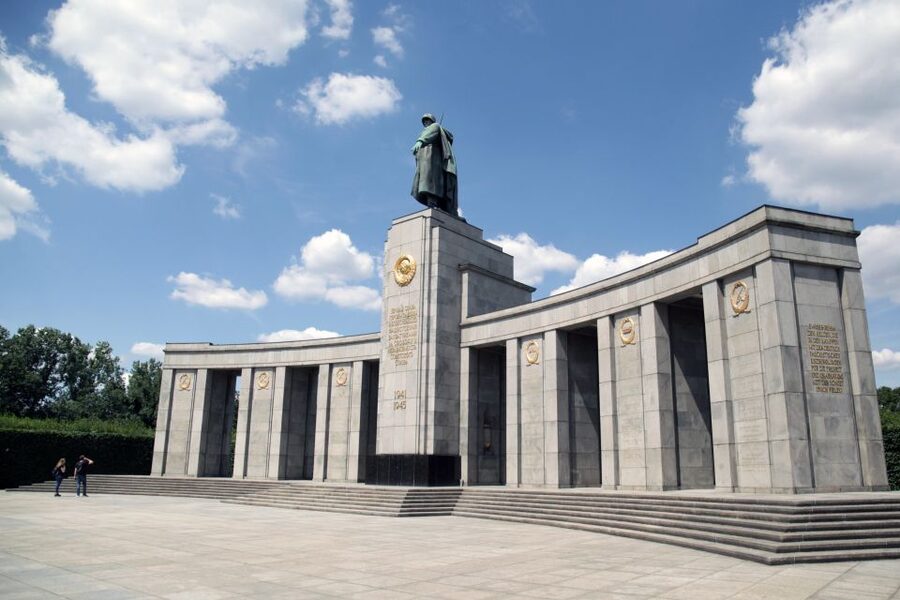
Then the guide ties it to the Battle of Berlin. You hear how Soviet soldiers assaulted the Reichstag under anti-aircraft fire, and how Hitler was committing suicide not even a mile away. That closing narrative gives the day a sharp emotional finish, because it puts the Reichstag into a final chapter of collapse.
If you’ve ever looked at the Reichstag from afar and felt like you only saw a landmark, this ending reframes it. You see it as a stage for ideology, power, and finally defeat.
Price, What You Get, and Whether $23 Is Real Value
At $23 per person for a 4-hour guided experience, the price feels fair because you get more than a walk past a few iconic buildings. You get an expert guide with native-level English, a route that links multiple key Nazi-era sites, and a structured sequence that covers major topics like propaganda, the T4 program, and the Holocaust.
One cost factor to keep in mind: a public transport ticket is needed on the tour if required. The tour is built around a metro ride to Anhalter Bahnhof, so plan for transit costs in your day budget.
Also, since no buildings are entered during the tour (beyond the described museum break), you should treat it as a street and memorial experience. If that matches your style, the value is strong. If you were hoping for a lot of indoor ticketed time, you might feel differently.
Who This Tour Fits Best (and Who Might Want Another Option)
This is ideal if you want history with a route plan, not just standalone monuments. It fits well for:
- First-time Berlin visitors who want the Nazi-era story in a logical order
- WWII history fans who like connecting architecture to events
- People who appreciate a guide who can handle heavy topics with clear structure
It may be less ideal if you want a light afternoon, or if you strongly prefer only positive, celebratory sightseeing. You will be learning about persecution, coercion, and genocide. The best guides keep the tone respectful, but you still need to mentally prepare.
Should You Book This Berlin Third Reich Tour?
Book it if you want your Berlin Nazi-era sites stitched into one coherent story, with time at the Holocaust Memorial, Topography of Terror, and the Reichstag area, plus coverage of propaganda and the path from policy to mass murder. The guides being repeatedly praised for engagement, humor, and staying focused on what matters is a big reason this tour consistently earns high marks.
Skip it if you only want quick photo stops or if you are not ready for very dark history on a walking route. In Berlin, you can always do lighter days. But if you came specifically to understand the Third Reich and WWII in context, this is a smart way to do it in one half-day.
FAQ
How long is the tour?
The tour duration is 4 hours.
Where does the tour take place?
It takes place in Berlin, Germany.
What sites does the tour include?
The tour includes stops and walking views tied to Hitler’s bunker site, the Reichstag, the Holocaust Memorial, Anhalter Bahnhof, Topography of Terror, and memorials including those for the Sinti and Roma victims and the 96 politicians arrested in 1933.
Does the tour enter buildings?
The tour notes that it does not enter any buildings during the tour.
Do I need a public transport ticket?
Yes, a public transport ticket is needed on this tour.
What languages are the guides?
The tour is offered with live guides in English and German.
Is cancellation free if plans change?
The tour offers free cancellation up to 24 hours in advance for a full refund.
Fresh on the arrivals board for Berlin



Third Reich & World War II Tours, compared.

Berlin’s Best: 2 Hour Walking Tour Third Reich and the Cold War
Read our review →
Third Reich Berlin: Hitler and WWII Walking Tour
Read our review →
Walking Tour of Former Nazi Party Rally Grounds
Read our review →
Browse the lists this tour appears in