

Reviewed · MUSEUMS
Hamburg: Ticket for the Paradox Museum
Your brain plays along here. Paradox Museum Hamburg turns optical illusions and math into hands-on, photo-friendly rooms right on Alter Wall in central Hamburg. You move at your own pace through 14 colorful spaces, using your eyes and body to test what you think you see.
I especially like the hands-on approach, because you are not just watching an illusion, you are interacting with it. I also like how the museum blends art and science, including works by Hamburg artists that make the concepts feel less like homework.
One thing to consider, especially if you hate crowds or busy photo spots, is that the most popular interactive areas can be a bit hectic when many people arrive at the same time.
In This Review
- Key things to know before you go
- Paradox Museum Hamburg on Alter Wall: why this ticket is worth your time
- What 14 colorful rooms and 50+ exhibits really means for your visit
- Entering and getting oriented at reception
- Zero Gravity Room: where you feel the idea of weightlessness
- The giant illusion and other perception-bending interactions
- Mirror rooms: when walking straight ahead becomes the challenge
- Photo spots and smartphone sharing that actually works
- Art plus science, including Hamburg artists
- Timing your 60 to 90 minutes without feeling rushed
- Price and value: is the $27 ticket a good deal?
- Who should book Paradox Museum Hamburg?
- Practical tips so your visit stays fun
- Should you book Paradox Museum Hamburg ticket?
- FAQ
- How long does the Paradox Museum Hamburg visit take?
- Where do I go to validate my ticket?
- What is included with the $27 ticket?
- Is the museum wheelchair accessible?
- What should I bring for the experience?
- How do payments work at the museum?
- Is the museum language-friendly for non-German speakers?
Key things to know before you go
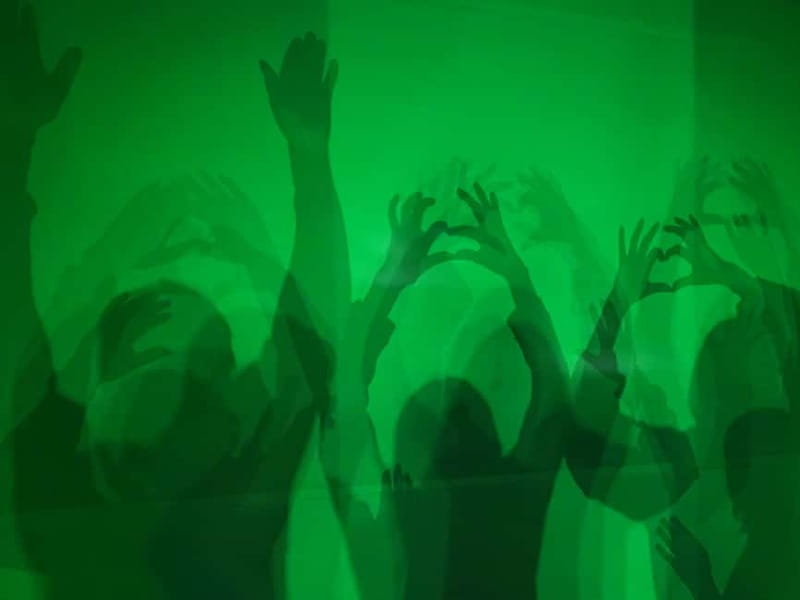
- 50+ interactive exhibits spread across 1,300 sqm of exhibition space for real room-to-room variety
- 14 colorful rooms that mix physical tricks, mathematical ideas, and optical confusion
- Smartphone-friendly moments, with staff helping you find the best photo spots
- Zero Gravity Room and other illusion scenes that make you feel the concept, not just read it
- Family-friendly across ages, from kids to adults, because so much is playful and hands-on
Paradox Museum Hamburg on Alter Wall: why this ticket is worth your time
Hamburg has plenty of museums, but Paradox Museum is different in the best way. Instead of standing at a distance, you actively trigger the experience, then immediately see how your perception changes. You spend your time exploring rather than listening.
The ticket gives you entry to the Paradox Museum Hamburg, with an expected visit window of about 60 to 90 minutes. That time is perfect for most schedules because you can do it as a standalone stop or squeeze it in between other Hamburg sights without feeling like you need a full half day.
If you enjoy optical illusions, hands-on science, or just taking pictures that actually look like you are doing something, this fits. It is also a strong choice if you want an attraction that does not depend on language skills, since much of what you do is visual and physical. Still, some content is shown in the original language, so a few small explanations might be less clear if you do not read German.
More Museum Tours in Hamburg
- Hamburg: International Maritime Museum Entrance Ticket
★ 4.7 · 547 reviews - Hamburg: Entrance to the Museum Ship Cap San Diego
★ 4.7 · 467 reviews - Hamburg: Museum of Illusions Ticket
★ 4.3 · 366 reviews
What 14 colorful rooms and 50+ exhibits really means for your visit
The museum spans 14 rooms and more than 50 interactive exhibits over about 1,300 square meters. In plain terms, that means you will not get stuck repeating the same idea five times. Each room tends to shift the kind of illusion or physical effect you are experimenting with.
I like the structure because you can approach it like a scavenger hunt. One room might challenge how you judge size or distance, then the next room might turn gravity or movement into the show. When you move room to room, you also get a natural break from any one exhibit that feels confusing or crowded.
Because it is interactive, the experience can also be a little unpredictable in a fun way. You might think you understand an illusion, then your body does something slightly different in the moment, and the result surprises you. That is part of the point, and it keeps the energy high for both kids and adults.
There is also a built-in “share it” culture here. You will find many moments designed for quick photos, and the hallways have staff who help you locate the best photo spots. If you like posting, this is one of those places where your camera does not feel like an afterthought.
Entering and getting oriented at reception

Your visit starts at reception. You go there to have your ticket validated, which is the one “official” step before you wander into the rooms.
This matters because it prevents that awkward start where you are standing around trying to figure out where to line up or what to do first. Once your ticket is validated, you can get moving and spend your time in the exhibits instead of waiting.
After that, I suggest you take one quick scan of the space before committing to the first room. With 14 rooms total, you will make the visit feel smoother if you have a rough plan for pacing. If you head straight into the busiest area, you may find yourself circling later when the crowd thins.
Zero Gravity Room: where you feel the idea of weightlessness
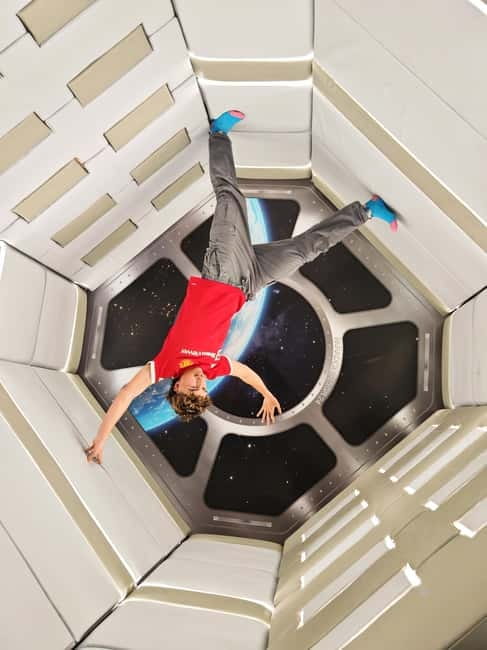
One of the most memorable highlights is the Zero Gravity Room. Instead of lecturing about physics, the room creates the sensation of weightlessness through interactive illusions and visual cues. You step into the effect and your movement helps finish the experience.
Even if you do not remember the science later, you will likely remember how it felt in your body. That is the strength of this museum. It turns abstract concepts into something you can attempt, fail, adjust, then try again for a better moment and a better photo.
If you are going with kids, this is usually the kind of space that gets immediate buy-in. Older kids and teens often enjoy it too, because it looks cool in photos and also feels like a “real” experiment.
A small consideration: anything involving people staging photos can get busier at peak times. If you want a calmer experience, consider entering earlier in your day or shifting your schedule so you hit the most popular rooms at a quieter moment.
The giant illusion and other perception-bending interactions
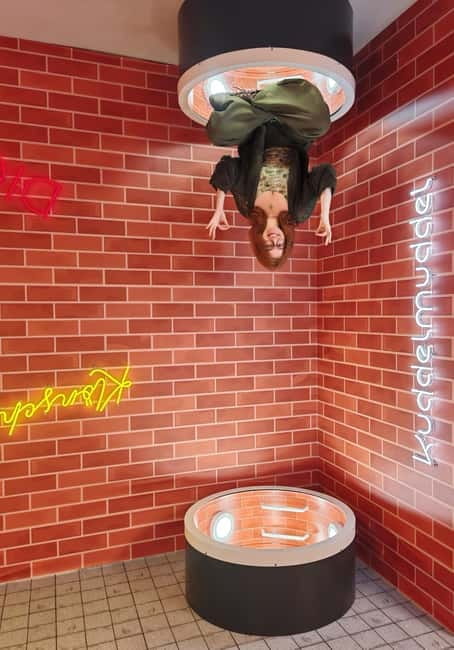
The museum uses classic illusion setups, but with a practical advantage: you get to test the illusion yourself. The experience includes moments where you may become a giant, and other interactions that play with how your brain measures scale and motion.
This type of exhibit works well because it tricks a basic assumption we all rely on. We expect our sense of size and distance to behave consistently. Then you see how easily it can be nudged off track by angles, perspective, and how the environment frames you.
I like that this kind of room also rewards attention. If you watch what you do, not just what the illusion looks like, you start to notice patterns. It becomes a game of “what changed,” which is more satisfying than passive sightseeing.
And since the museum is designed with photography in mind, these scenes often become your “hero shots.” Staff in the hallways can help you find the best photo spots, which is useful when the exhibit is visually clever but the exact camera position is not obvious.
More museum halls between train times:

Mirror rooms: when walking straight ahead becomes the challenge
Mirror rooms are another major draw. They confuse your senses enough that even walking straight ahead can feel tricky. This is not just a visual gimmick. You are asked to adapt in real time to what you think your body should be doing.
That makes mirror rooms a great stop if you like being mentally challenged. They are also good fun for groups, because you can try different stances and watch how others react when their expectations get scrambled.
If you are prone to motion sickness or you get overstimulated by visual effects, take it slower here. You can keep the experience enjoyable by moving gently, pausing, and avoiding rapid back-and-forth movement.
Best practical tip: give yourself enough space to reset between photo tries. With mirrors, one bad camera angle or one awkward step can take your attention away from the experience. If you breathe and reset, you will get more out of it.
Photo spots and smartphone sharing that actually works
This is a museum built for smartphones. The exhibits and the layout strongly encourage taking pictures, and you will find areas that are clearly designed for photos you can share right away.
What I appreciate is that staff help you find the best photo spots. That takes the guesswork out of trying to figure out where the camera should go to make the illusion look right. It also prevents a common frustration in interactive attractions, where you spend more time searching for the perfect position than enjoying the exhibit.
If you want your photos to look good, bring a charged smartphone and be ready to move quickly between poses. Many of the best results come from small timing adjustments, not complicated camera settings.
Also bring a camera if you prefer a different device. But for most people, a smartphone is plenty here, because the highlight is the visual illusion and your interaction within it.
Art plus science, including Hamburg artists
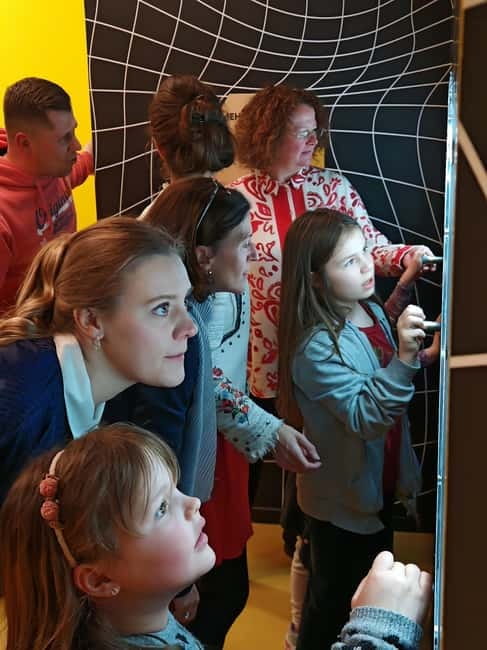
Paradox Museum Hamburg is not only about tricks. It also includes works by Hamburg artists that combine art and science. That matters because it keeps the experience from feeling like a one-note novelty.
When art and science meet, the result often feels more thoughtful. You are playing, yes, but you are also experiencing how concepts like perception, geometry, and physical effects can be translated into creative spaces. The museum’s design across 14 rooms supports that idea with color, mood, and theme shifts.
You also get a local angle. Having Hamburg artists involved helps you connect the experience to the city, rather than treating it like a generic touring attraction. Even if you only catch a few details, the presence of local work adds meaning beyond the photo ops.
If you like museums where you can talk about what you saw after, this is one of those experiences. People can debate what fooled them, which room they liked best, and what they think caused the illusion.
Timing your 60 to 90 minutes without feeling rushed
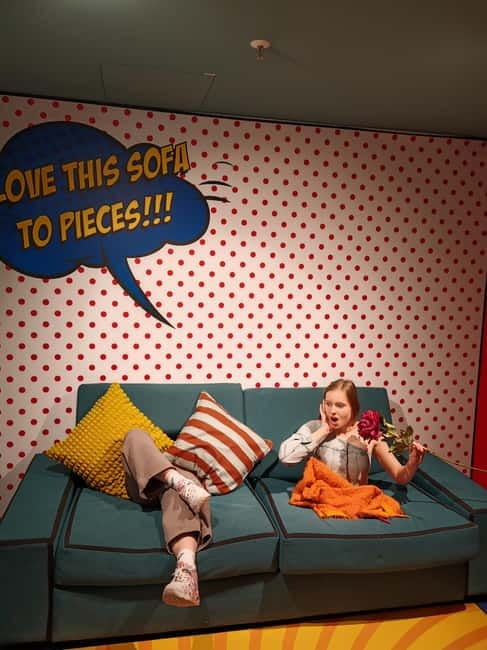
The visit length is typically 60 to 90 minutes. I find this a sweet spot for interactive museums, because it allows you to repeat one or two favorites without turning the visit into a marathon.
A good pacing strategy is to pick one “must-do” highlight, like the Zero Gravity Room or mirror rooms, then build your route around it. After that, you can enjoy the rest of the exhibits in a loop rather than trying to see everything in the first half hour.
Don’t try to do all 14 rooms perfectly. Instead, treat it like active wandering. You will likely spend extra time where something catches you, then move on when you have enough.
If you have kids, the flexible pacing is a big advantage. Interactive experiences can be hard to control with standard museum schedules, but here the activities naturally invite repeated attempts and longer play.
Price and value: is the $27 ticket a good deal?
At about $27 per person, the Paradox Museum Hamburg ticket is a straightforward purchase for a high-effort, hands-on attraction. You are paying for time, space, and interaction, not just entry to a room with static displays.
For value, consider the scale: 14 rooms, 50+ interactive exhibits, and around 1,300 square meters of exhibition space. That is a lot of “content per minute.” You should feel like your ticket is paying for physical experiences, not an hour of looking at the same thing.
Also consider that it works across ages. When an attraction keeps multiple age groups engaged at once, it can become better value for families than splitting into separate activities.
Where value can wobble is timing and expectations. If you only want quiet, contemplative art and you do not like photo staging or interactive play, you might feel less satisfied. If you want an active, playful science-art break, it is good value for the time you get.
Who should book Paradox Museum Hamburg?
This ticket is especially appealing if you are traveling with a family, because it is designed to be fun for kids, teens, and adults. The experience is physical and visual, so younger visitors can join without needing deep explanations.
It is also a strong choice for adults who enjoy curiosity-based attractions. You get optical illusions, perception puzzles, and playful physics ideas. You do not need a background in math to have fun, but if you like thinking, you will probably enjoy noticing the patterns.
If you are on a short stop in Hamburg, it is a practical indoor option. You can spend your visit in about 60 to 90 minutes, then move on without losing the day to transportation or weather.
One more good fit: if you like a shared activity where everyone can talk and compare what tricked them, this museum creates that. People usually leave with strong opinions about which room was funniest or most surprising.
Practical tips so your visit stays fun
Bring a charged smartphone so you can capture the illusion moments and share them right away. A camera is optional, but it is listed as something to bring if you prefer dedicated photos.
Plan for card-only payments on site. That is a simple detail, but it can save you time if you were thinking of using cash.
If you are wheelchair users, the museum is wheelchair accessible. I would still suggest going with realistic pacing so you can enjoy the rooms without rushing, since interactive spaces can get busy where people gather for photos.
Before you leave, check out the boutique. After the exhibits, you can buy gifts, books, games, T-shirts, umbrellas, and other souvenirs. If you want something to remind you of the room you liked most, this is a good place to browse while it is still fresh in your mind.
Should you book Paradox Museum Hamburg ticket?
Yes, if you want a playful, hands-on stop in central Hamburg that mixes optical illusions with art and science. The combination of 14 colorful rooms, 50+ interactive exhibits, and smartphone-ready moments makes it feel like an experience, not just a ticketed entry.
Skip it only if you dislike interactive environments, do not want to participate in photo-based staging, or you prefer quiet museums with lots of reading. Otherwise, this is one of those rare attractions that can satisfy families, pairs, and solo curious travelers in the same hour.
If you are deciding between a “typical museum day” and an “active break,” Paradox Museum Hamburg is a smart counterbalance. You get a memorable brain trick, plenty of motion, and a pile of visual proof that you were there and you participated.
FAQ
How long does the Paradox Museum Hamburg visit take?
You should plan on about 60 to 90 minutes to experience the interactive exhibits and optical illusions.
Where do I go to validate my ticket?
Go to reception to have your ticket validated.
What is included with the $27 ticket?
The ticket includes entry to the Paradox Museum Hamburg and access to the interactive exhibits and optical illusion rooms.
Is the museum wheelchair accessible?
Yes, the museum is listed as wheelchair accessible.
What should I bring for the experience?
Bring a camera, a credit card, and a charged smartphone.
How do payments work at the museum?
Only card payments are accepted on site.
Is the museum language-friendly for non-German speakers?
Some content is shown in its original language, so not everything may be explained in English or other languages.
Fresh on the arrivals board for Hamburg



Museums, compared.



Skip-the-Line: Berlin Wall Museum at Checkpoint Charlie
Read our review →Browse the lists this tour appears in