
Reviewed · MUSEUMS
Hamburg: RICKMER RICKMERS Museum Entry Ticket
A real sailing ship, right in Hamburg. The RICKMER RICKMERS is a restored three-master windjammer where you get full access to carefully kept crew and officers quarters, plus panoramic skyline views over the port. The one caution, though, is that it is not wheelchair friendly and baby strollers are not allowed, so plan around the ship’s layout.
For around $8, you can spend a full day moving through the ship’s museum and exhibition sections at your own pace, with an information booklet to keep you oriented. I like that the experience is organized into clear parts, so you always know what you are looking at, and you can slow down where you want.
In This Review
- Key things I think you will love most
- Why Hamburg’s RICKMER RICKMERS Feels Different Than a Normal Museum
- Getting to Landing Bridge 1 and Planning Your One-Day Visit
- First Steps Onboard: The Museum Area and the Restored Core
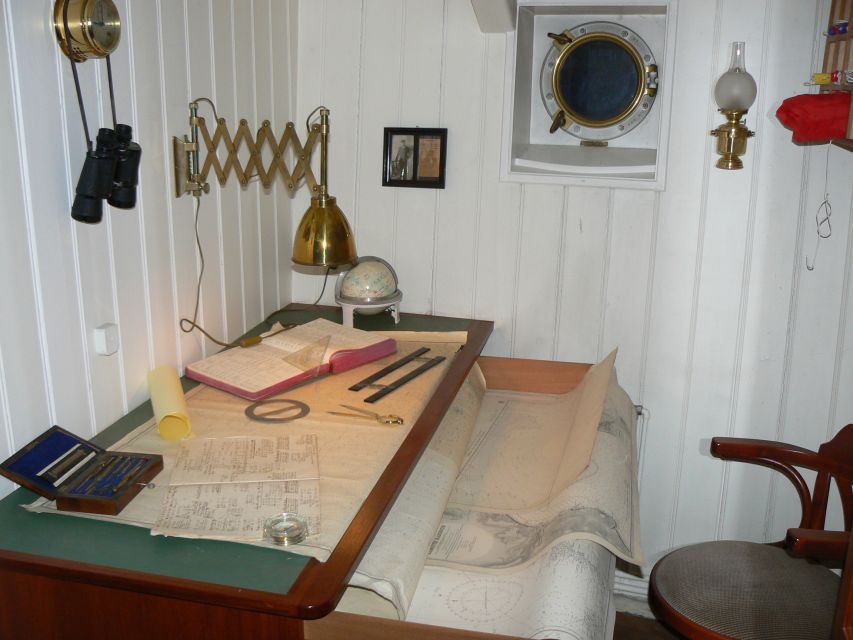
- Inside the Crew and Officers Quarters, Restored for Real Life
- The Exhibition Area: Nautical Objects, Plus Changing Art and Photos
- Learning Life Onboard a Windjammer in a Way That Sticks
- Honorary Captains, and Why the Human Story Matters
- Panoramic Skyline Views From the Ship Deck
- Taking a Break at the Onboard Restaurant, Without Expecting It Included
- Price and Value: Is Around $8 Worth It?
- Who This Museum Ship Is Best For
- Quick Practical Tips Before You Go
- Should You Book This RICKMER RICKMERS Entry Ticket?
- FAQ
- How much is the RICKMER RICKMERS museum entry ticket?
- How long should I plan for this visit?
- Where is the ship located for entry?
- What is included with the ticket?
- Is food and drink included in the ticket price?
- Is the museum ship suitable for wheelchair users or mobility impairments?
- Are baby strollers allowed on the ship?
- What are my options if plans change?
Key things I think you will love most
- Crew and officers quarters restored with real attention to detail
- Special maritime exhibitions plus rotating art and photography displays
- A clear look at day to day life onboard a windjammer
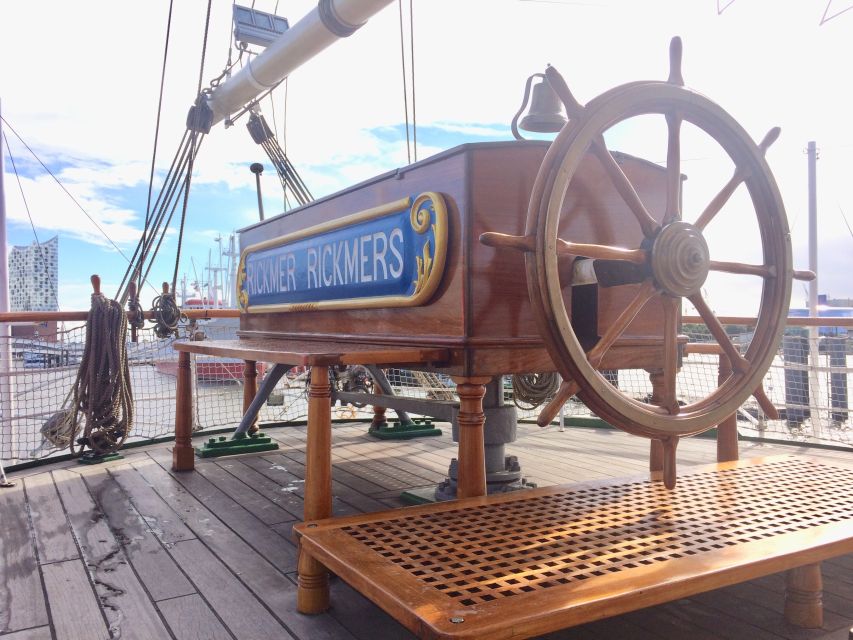
- Panoramic views from onboard, right in the heart of Hamburg port
- Honorary captains that add a human story to the ship
Why Hamburg’s RICKMER RICKMERS Feels Different Than a Normal Museum
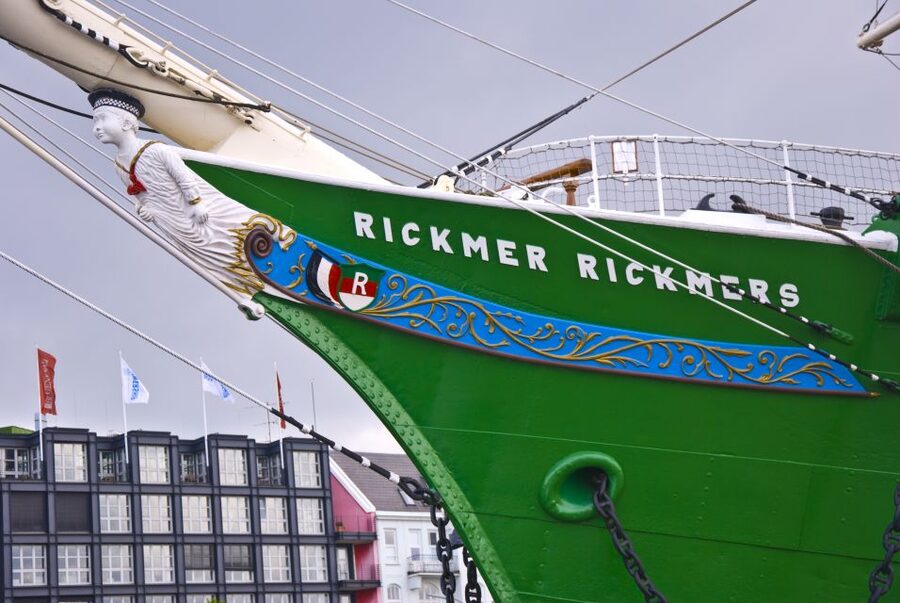
Most museums tell you what the past was like. This one lets you stand inside it. The RICKMER RICKMERS is one of the last great sailing ships, a three-master built by a German shipyard and used as a merchant ship. Now it sits in the middle of the Hamburg port area and works as an interactive museum ship.
I love that it is not trying to be precious or distant. The ship is divided into sections, and you move from history to objects to restored living spaces in a way that feels practical, not staged. If you like maritime stuff, you will get plenty to look at and read, without it turning into a lecture.
The other thing I like is the contrast. Indoors, you get the restored quarters and museum interpretation. Then you step out and get views over the skyline and port. It makes the whole visit feel tied to real place, not just a building.
More Museum Tours in Hamburg
- Hamburg: International Maritime Museum Entrance Ticket
★ 4.7 · 547 reviews - Hamburg: Entrance to the Museum Ship Cap San Diego
★ 4.7 · 467 reviews - Hamburg: Museum of Illusions Ticket
★ 4.3 · 366 reviews
Getting to Landing Bridge 1 and Planning Your One-Day Visit
Your entry starts at Landing Bridge 1. Follow the signs to the entrance area, and then you are in. The ticket is valid for one day, so you can take your time without feeling locked into a strict tour route.
Because the experience is structured by ship areas, I suggest you treat this like a slow walk with stops, not a sprint. Wear comfortable shoes, because you will be on your feet in different parts of the ship. If your plan is tight, give yourself buffer time to get oriented at the entrance and then settle into the museum sections.
Also, keep in mind the entry ticket is for full access to exhibition and museum areas. That matters. You are not paying just to see a small portion. You can explore all the connected areas in the ship during your one-day window.
First Steps Onboard: The Museum Area and the Restored Core
Once you are inside, start with the museum area. This is where the ship’s history and the basics of onboard life are laid out, and it is meticulously restored. In other words, you are not guessing what you are looking at. The museum space gives you the framework so the rest of the ship makes sense.
This section is also where you get that satisfying feeling of details being purposeful. You can look closely at the ship’s story and how life aboard worked in a merchant sailing context. Even if you are not a maritime expert, the restoration and interpretation help you connect what you see later in the quarters to the bigger ship life.
A simple tip: use the information booklet early. It can act like your low-tech guide while you move through the ship. I find that helps a lot on museum ships, because you can choose when to read and when to just observe.
Inside the Crew and Officers Quarters, Restored for Real Life
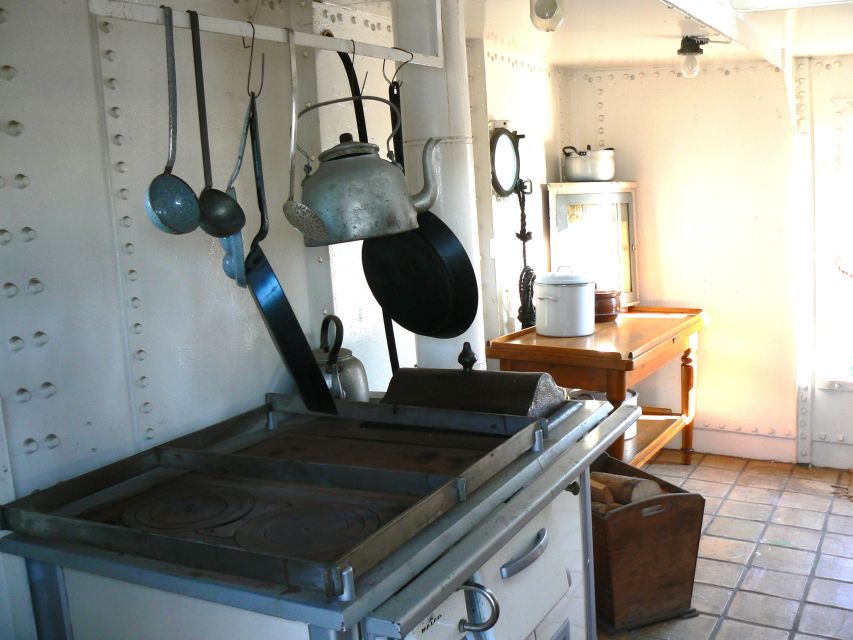
The standout for me is the restored crew and officers’ quarters. This is where the museum becomes personal. You are not just seeing gear and charts. You are seeing spaces designed for different ranks and roles onboard a working sailing ship.
The ship is described as having quarters that are carefully restored, and that is exactly what you want from a museum ship. The goal is not to shock you with how uncomfortable it might have been, or to turn it into a theme park. It is to show how people lived and worked within the limits of a merchant sailing vessel.
Why it is valuable for your trip: this is the part that helps you understand the human side of seamanship. Once you have a sense of space and routine from the quarters, the ship’s objects and exhibitions land more clearly.
If you are short on time, do not skip this. The museum history sections are important, but the quarters give the emotional memory of the visit.
The Exhibition Area: Nautical Objects, Plus Changing Art and Photos
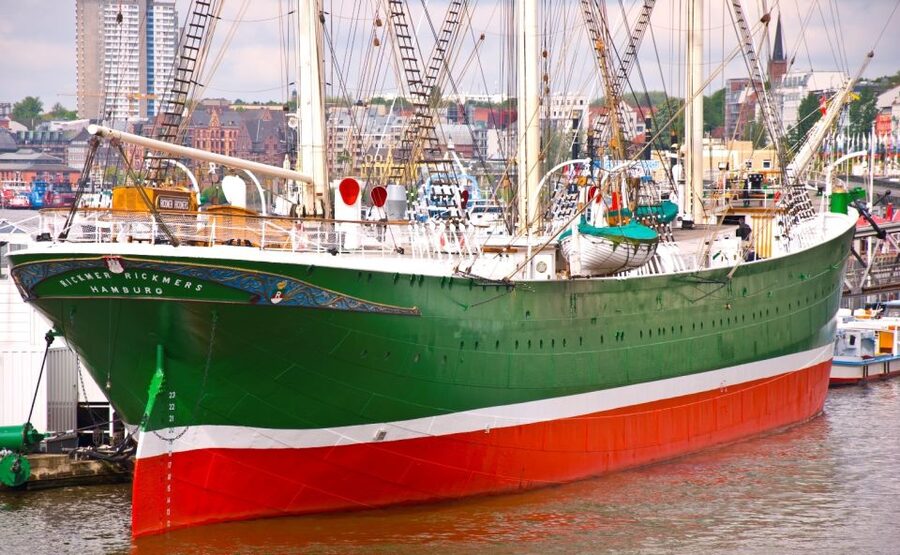
Next, head to the exhibition area. Think of it as a mix of restored nautical objects and rotating temporary displays, including art and photography. This is a smart setup because it keeps the experience from feeling frozen in time.
You get the anchor of maritime artifacts, and then you get temporary exhibits that can add new angles. That matters if you are the type of person who likes to return to a place when you are traveling, or if you just want your visit to feel fresh rather than purely repetitive.
One practical consideration: because there are temporary elements, the exact focus might shift depending on when you go. So approach it with a flexible mindset. If you like photography, give that section extra time. If you prefer nautical objects, you can focus on those and still get value from the rotating displays.
More museum halls between train times:

Learning Life Onboard a Windjammer in a Way That Sticks
The whole point of the museum is to show life onboard a windjammer. You can see it in how the ship is divided into museum and exhibition areas, and in how the restored quarters support the interpretation. The experience is built to turn objects and spaces into a story about work, routines, and ship life.
I like that it is not only about romance. Windjammer life here is tied to what the ship actually was doing: serving as a merchant ship. That context helps you understand why certain things onboard existed, and why the crew and officers needed specific spaces.
If you are traveling with someone who normally does not care about ships, this is still a strong pick. The quarters help people visualize daily life quickly. And once you can picture a routine, maritime history becomes more concrete.
Honorary Captains, and Why the Human Story Matters
One of the special parts of the ship experience is the section about honorary captains of RICKMER RICKMERS. That detail is easy to overlook if you rush, but it gives the ship a living connection. Ships like this are not just steel and wood. They carry roles, reputations, and people tied to their legacy.
For your visit, the value is simple. Honorary captains help you understand how the ship’s story continued beyond its working years. It adds a layer that is more personal than a purely technical explanation.
If you notice you are getting information overload, focus here. Reading about people tied to the ship can reset your attention and make the rest of the onboard story easier to follow.
Panoramic Skyline Views From the Ship Deck
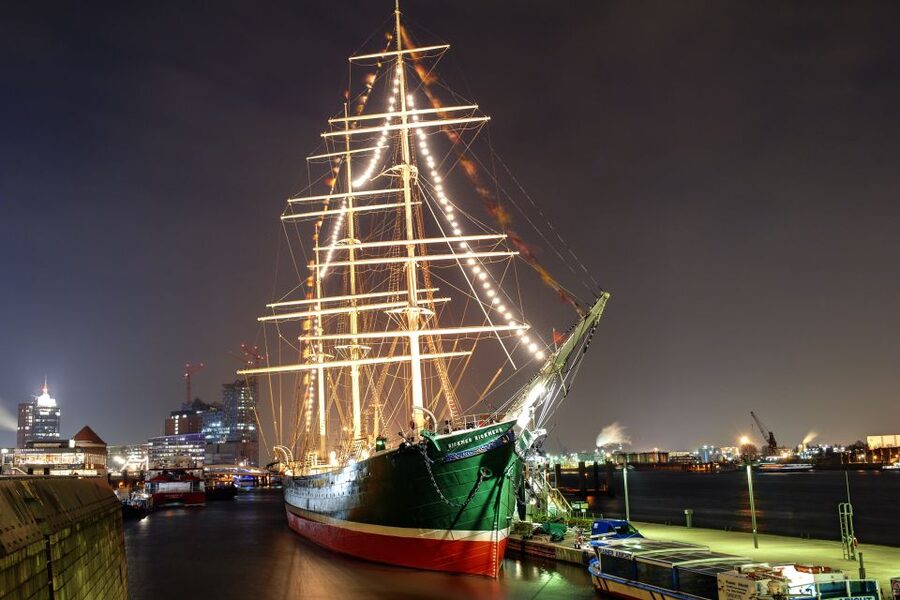
After the indoor sections, make time for the views. Hamburg’s port setting is right there, and the ship offers panoramic skyline views onboard. This is one of those museum features that feels like more than a bonus.
Why it is worth it: the ship is in the heart of the Hamburg port, so you are looking at the city and working harbor in the same frame. Even if you do not know much maritime history, you will get the sense of scale immediately.
Practical move: take a slow lap and stand in spots that give you a good line of sight. You are paying for full access, and the views are part of the value. If you just rush through, you miss the best payoff.
Taking a Break at the Onboard Restaurant, Without Expecting It Included
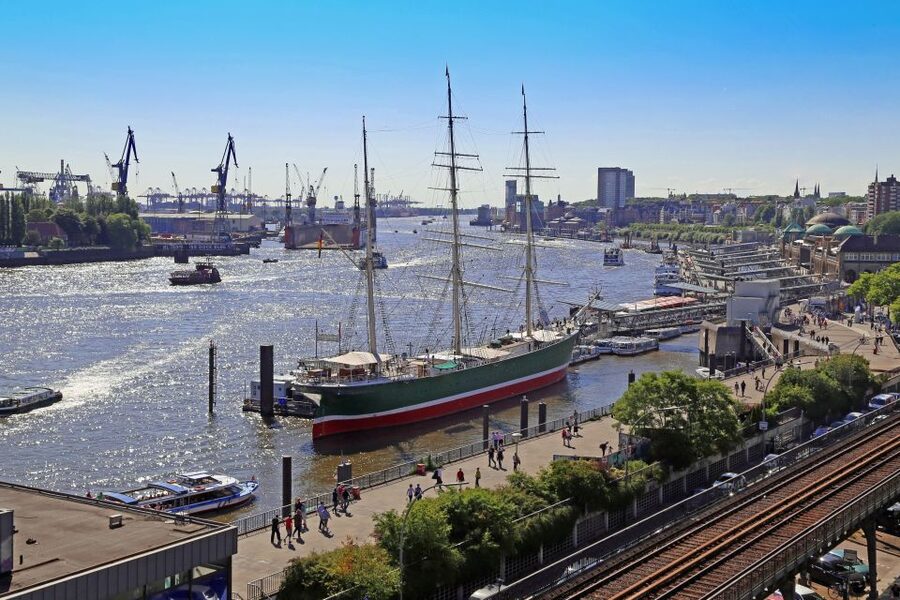
There is an onboard restaurant, and it is a good place to sit down. It serves authentic Hamburg dishes as well as typical nautical food. This is not included with your ticket, so plan to spend extra if you eat on board.
I like having the option because it keeps you from having to leave the ship when you get tired. And because the menu includes nautical themed choices, it feels consistent with the museum idea rather than like a random tourist stop.
If you are trying to save time, you can treat the restaurant as your reset moment. Sit, look at the ship again from a slower pace, and then head back to the areas you want to revisit.
Price and Value: Is Around $8 Worth It?
Yes, this is strong value. At about $8 per person, you get full access to the ship’s museum and exhibition areas plus an information booklet. You are also getting multiple layers of experience in one place: history, restored quarters, maritime exhibitions, rotating art and photography, and port views.
What makes the price feel fair is the scope. You are not limited to a single room or a short walkthrough. The ship is organized into sections, and the ticket gives you permission to explore them all during your one-day visit.
Another value factor is location. Hamburg port is not a distant museum complex you have to travel to and then leave again. The ship is already in the city’s working harbor zone. When you factor in the panoramic views onboard, you get a mix of culture and scenery that justifies the ticket.
Could you spend more to go on a guided tour elsewhere? Sure. But if you want control and flexibility, this ticket hits the sweet spot.
Who This Museum Ship Is Best For
This entry ticket is especially good if you:
- Like maritime history and want to see it in physical spaces
- Enjoy photography and rotating art displays
- Want a clear, self-paced way to learn about windjammer life
- Prefer experiences with good views built in
It may be less suitable if you need wheelchair access or you rely on mobility assistance, because it is not suitable for people with mobility impairments and wheelchair users. Baby strollers are also not allowed, so if you are traveling with very young kids, you might need an alternative plan.
If you are visiting Hamburg for a short time and want something that feels both local and distinctive, this works well. It is one of those stops that feels different from the usual city attractions.
Quick Practical Tips Before You Go
- Bring comfortable shoes. You are walking around a ship layout.
- Use the information booklet early to help you connect rooms, objects, and the ship’s story.
- Plan at least a meaningful chunk of time, since the ship has multiple sections.
- If you are sensitive to crowds, go at a calmer time of day when you can, and focus on one section at a time.
Also, note the restrictions. Baby strollers are not allowed. And the museum ship is not suitable for wheelchair users or people with mobility impairments. If you fall into either group, this is a key decision point before you buy.
Should You Book This RICKMER RICKMERS Entry Ticket?
If you want an authentic Hamburg experience that mixes restored ship spaces, maritime exhibits, and real port views, I would book this ticket. The full access model is a big win, and the restored crew and officers quarters are the kind of detail that stays in your memory after you leave the port.
I would only hesitate if accessibility is a concern for your group, since this one is explicitly not suitable for wheelchair users or people with mobility impairments. And if you are looking for a hands-off, purely informational museum with zero walking, a ship museum may feel too active.
Overall, this is a straightforward, good-value way to see Hamburg through the lens of a working merchant sailing past, while still giving you skyline moments right onboard.
FAQ
How much is the RICKMER RICKMERS museum entry ticket?
The price is listed as $8 per person.
How long should I plan for this visit?
The experience is listed as 1 day.
Where is the ship located for entry?
The ship is located at Landing Bridge 1. Follow the signs to the entrance area.
What is included with the ticket?
The ticket includes entrance to the ship with full access to the exhibition and museum area, plus an information booklet.
Is food and drink included in the ticket price?
No. Food and drinks are not included.
Is the museum ship suitable for wheelchair users or mobility impairments?
No. It is not suitable for people with mobility impairments or wheelchair users.
Are baby strollers allowed on the ship?
No. Baby strollers are not allowed.
What are my options if plans change?
You can cancel up to 24 hours in advance for a full refund, and there is also a reserve now & pay later option if available at checkout.
Fresh on the arrivals board for Hamburg



Museums, compared.




Skip-the-Line: Berlin Wall Museum at Checkpoint Charlie
Read our review →Browse the lists this tour appears in