
Reviewed · MUSEUMS
Berlin: Neues Museum Entry Ticket
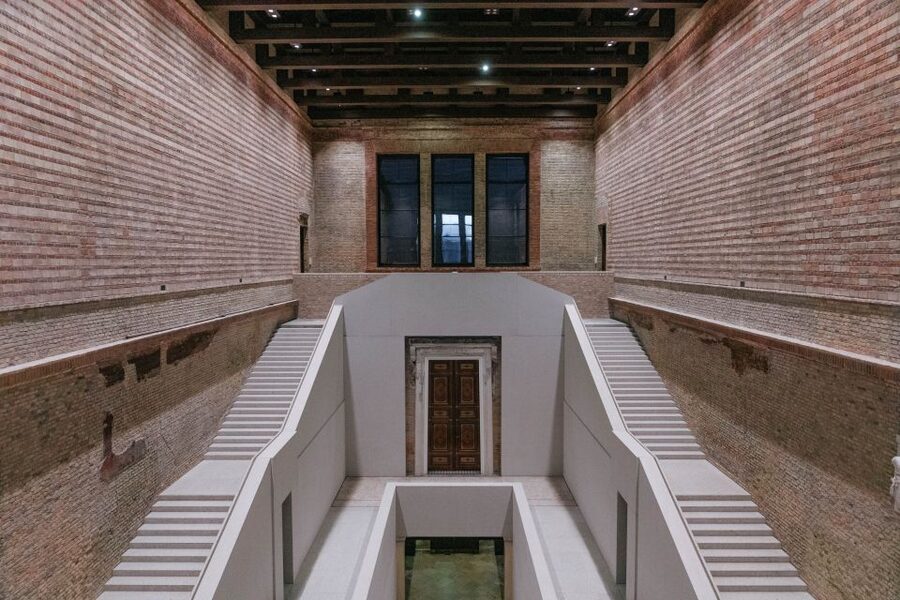
Berlin’s Neues Museum is a clock-stop on Museum Island. You get one focused ticket that takes you through standout Egyptian, antiquities, and early-history displays without the usual hassle. I especially like the way the collection layout makes it easy to move room to room, and the fact that the included audio guide helps you understand what you are actually looking at.
One thing to consider: backpacks are not allowed, and the cloakroom space is limited, so plan to travel light.
In This Review
- Key highlights before you go
- Why the Neues Museum ticket feels like the right Berlin move
- Ticket timing: 15-minute activation, then stay as long as you want
- Arriving at the visitors’ entrance of the James Simon Gallery
- What’s actually inside: the three collections you’ll see
- Egyptian Museum highlights: Nefertiti, the Green Head, and iconic treasures
- Prehistory and Early History: the big geographic story in one museum route
- Antiquities and Roman connections: Xanten Boy and Helios
- How to use the included audio guide without wasting time
- Museum Island value: what you get for $16
- Practical notes that affect your comfort: lockers, backpacks, and seating
- How long you should plan for (yes, it often takes longer)
- Who this ticket suits best
- Should you book the Neues Museum entry ticket?
- FAQ
- How much does the Neues Museum entry ticket cost?
- How long is the ticket valid?
- What is included with the ticket?
- Which languages are available for the audio guide?
- Where do I meet for this activity?
- Can I stay longer than the 15-minute validity?
- Are backpacks allowed inside the exhibition?
- Is the museum wheelchair accessible?
- Does this ticket include entry to other Museum Island museums?
- Can I cancel for a refund?
Key highlights before you go
- Museum Island big-hitters in one ticket: Egyptian Museum, Antique Collection, and Prehistory and Early History
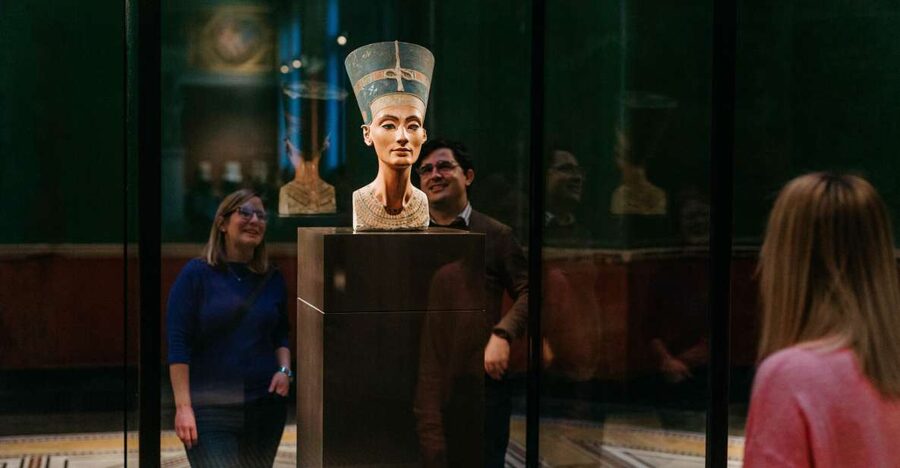
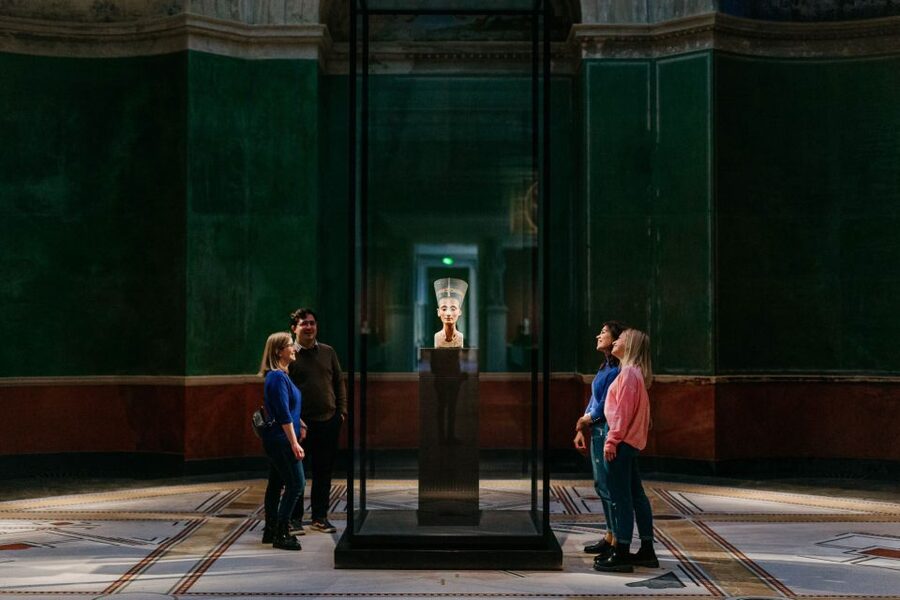
- Nefertiti’s bust plus other famous heads and treasures: including the Green Head and Priam’s Treasure
- A long-enough museum route that does not feel rushed: the visit is designed to be self-paced once you’re inside
- Included audio guide in multiple languages: Spanish, English, French, German, Italian
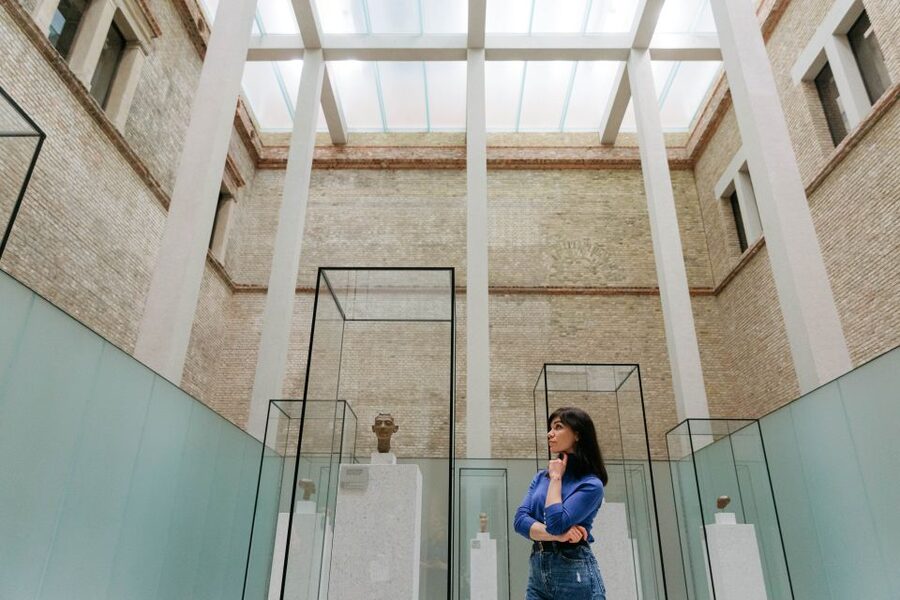
- Real architectural atmosphere: the museum building and display spaces feel dramatic and worth lingering in
- Practical boarding: lockers are helpful, but limited: keep an eye on your bag situation
Why the Neues Museum ticket feels like the right Berlin move
The Neues Museum is one of those places in Berlin where you stop seeing a museum as a checklist and start seeing it as a storyline. In this ticket, you are not hopping between three separate reservations. You are entering one museum building with exhibits spanning ancient Egypt, classical antiquities, and major threads of early human history.
Two things make this ticket work well for most itineraries. First, you get the most famous Egyptian anchor points, including Nefertiti’s bust, without needing extra add-ons. Second, the included audio guide turns the displays from “wow, artifacts” into “oh, that’s how these cultures connect,” especially when you see how the museum groups items across time and geography.
The only true gotcha is logistics. You cannot bring backpacks into the exhibition, and there is limited locker and cloakroom space, which can slow you down if you show up with a big bag.
Ticket timing: 15-minute activation, then stay as long as you want
The ticket has a simple rhythm: it is valid for 15 minutes from first activation. That is your window for entering, activating your admission, and getting your bearings. The good news is that the museum itself does not force a short visit. You can stay for as long as you like once you are inside.
For planning, treat it like this. The entry moment takes minutes, but the museum takes time. Many people end up going slower because the displays are arranged in an order that encourages you to keep following themes rather than sprinting to one headline item.
If your schedule is tight, you can still do a focused run. Prioritize the Egyptian highlights first, then circle back for early history and antiquities. If you have more time, let the route set the pace and stop where something grabs your attention.
Arriving at the visitors’ entrance of the James Simon Gallery
Your meeting point is straightforward: the visitors’ entrance of the James Simon Gallery, Bodestrasse, 10178 Berlin. This is a good arrival choice because it is close to the Museum Island complex vibe, and you are essentially walking into the museum ecosystem rather than wandering around trying to find the right entrance.
When you arrive, aim for a calm pace. Even if there is little or no line at the counter, you still need a few minutes to handle your admission materials and any bag situation. One practical tip: lockers and cloakrooms help a lot, but space is limited, so do not wait until the last second if you travel with more than a small day bag.
Once you are in the flow, the museum experience tends to feel organized and easy to navigate. People often note that the route is clear and that there are places to pause, which matters when you are looking at dozens of objects and labels back-to-back.
What’s actually inside: the three collections you’ll see
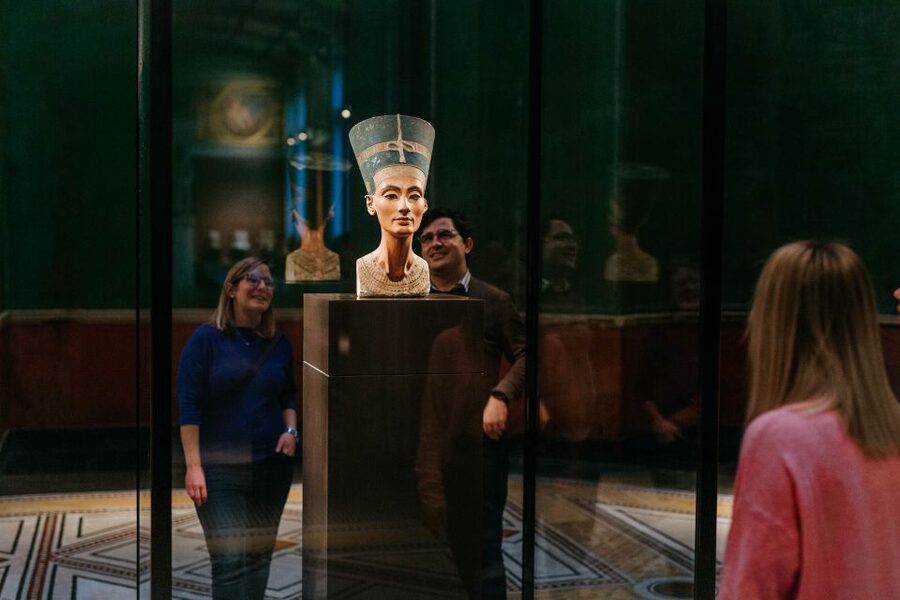
This entry ticket is not just for Egyptian artifacts, even though that is the first magnet for many visitors. The museum experience covers three collections in one building:
- Egyptian Museum: where the headline pieces live
- Antique Collection: classical objects and sculptures
- Museum of Prehistory and Early History: key developments of prehistoric cultures across regions
What I like about this structure is that it gives your brain “bridges.” You are not seeing random items. You are seeing how the museum treats culture as connected across time, including movement of people, tools, beliefs, and artistic styles.
You also get a sense of the museum’s mission around the 19th century history of art, museums, and technology. That angle can add an extra layer to your visit, especially when you start noticing how restoration, reconstruction, and display methods shape what you think you know about the past.
Egyptian Museum highlights: Nefertiti, the Green Head, and iconic treasures
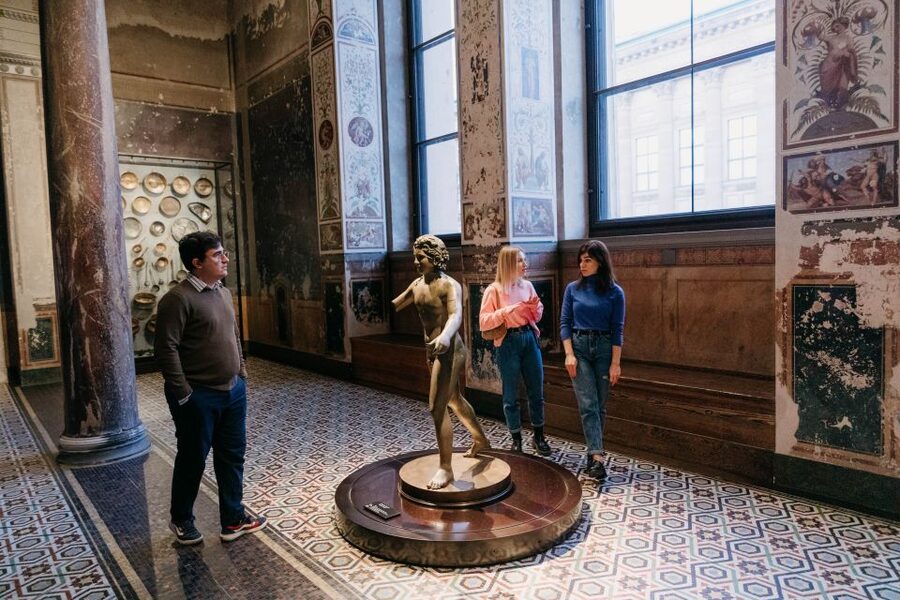
If you came for one reason, it is probably this section. The Neues Museum is famous for Egyptian masterpieces, and this ticket gets you to the heart of them.
Plan to spend extra time at the items everyone talks about. You will see Nefertiti’s bust, one of the museum’s most powerful stop points. The audio guide is especially useful here, because it helps you understand what the object represents and why it became such a global icon.
Other standout works include the Green Head and Priam’s Treasure from Heinrich Schliemann’s collection. Yes, that name belongs to a different ancient world, but within the museum experience it becomes part of the broader theme of how major finds shaped archaeology and collecting.
Two additional objects that make this museum section feel concrete rather than just famous:
- a replica of an Egyptian sarcophagus
- the Berlin Gold Hat
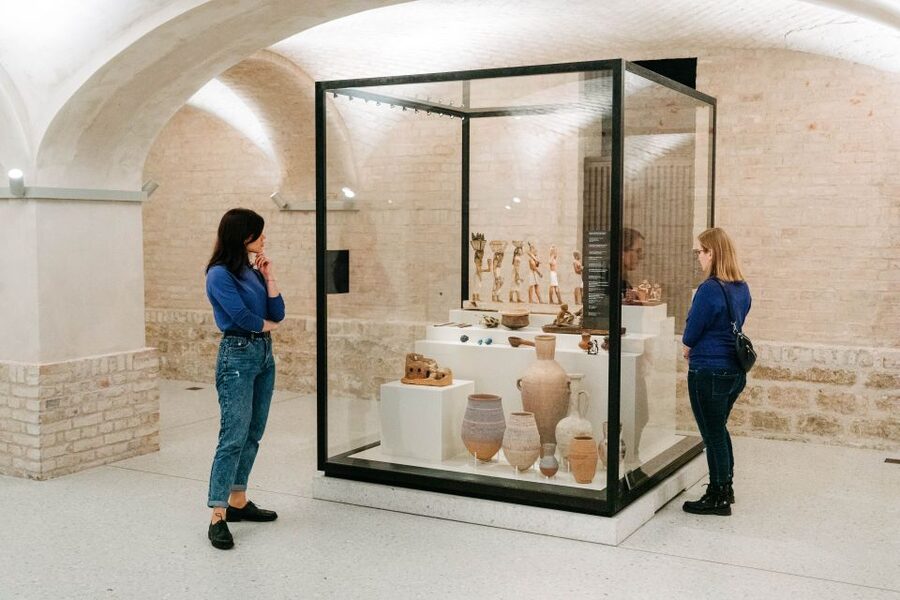
Seeing a sarcophagus replica helps you grasp funerary art in context, without needing to guess how such objects were made or used. The Gold Hat, on the other hand, is the kind of piece that makes you stop reading and just look. Gold artifacts can be impressive anywhere, but the museum’s display style helps you see details you might miss if you rush.
Prehistory and Early History: the big geographic story in one museum route
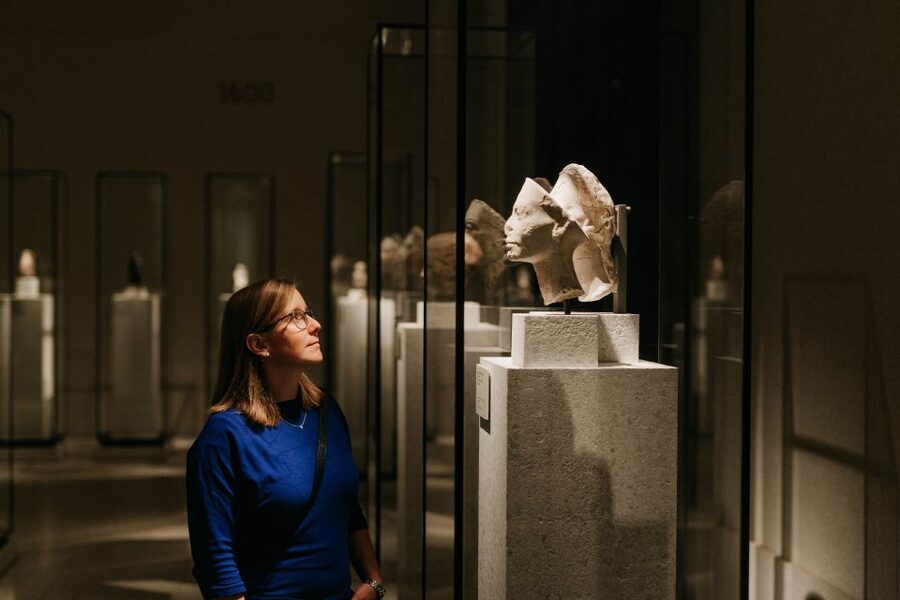
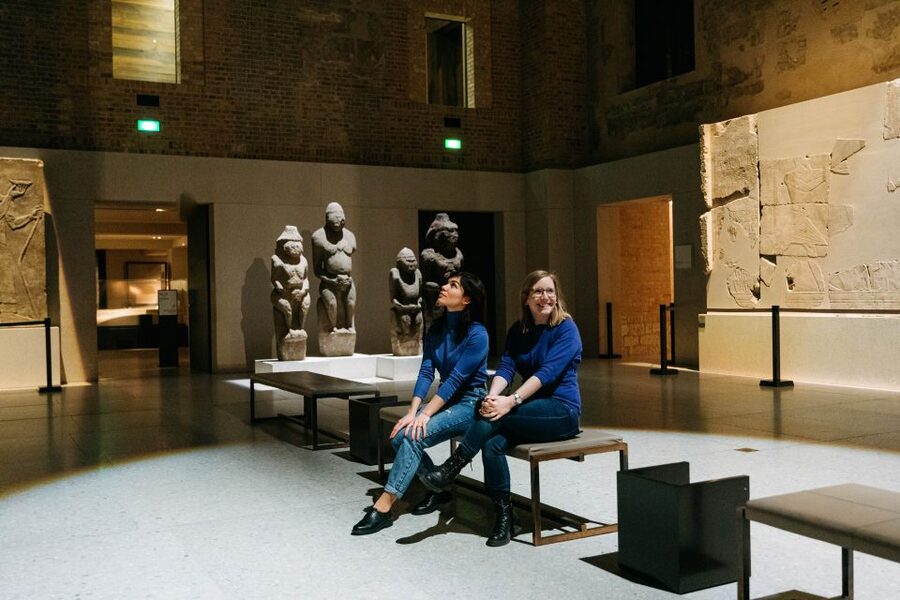
The most satisfying surprise for many visitors is how good this museum section is at making you understand “scale.” You are not just looking at artifacts from one area. The display focuses on the development of prehistoric cultures across a huge map, from the Middle East to the Atlantic, and from North Africa to Scandinavia.
That geographic sweep changes how you read the objects. Instead of thinking “these are old things,” you start thinking “these are patterns across regions.” Tools, styles, and ways of living traveled and transformed, and the museum helps you notice that logic.
In practical terms, the audio guide helps you connect what you see to what you are supposed to understand. If you are someone who likes structure when you visit museums, this section rewards you. If you prefer a quick pass, you can still do it, but you will likely want to slow down at least a few times.
One thing to be ready for: the museum experience can be visually intense. Some showcases can feel darker than you expect, and one review noted that a bit more lighting would make certain displays easier to read. If you rely on text labels, bring your best patience and plan to lean into the audio guide.
Antiquities and Roman connections: Xanten Boy and Helios
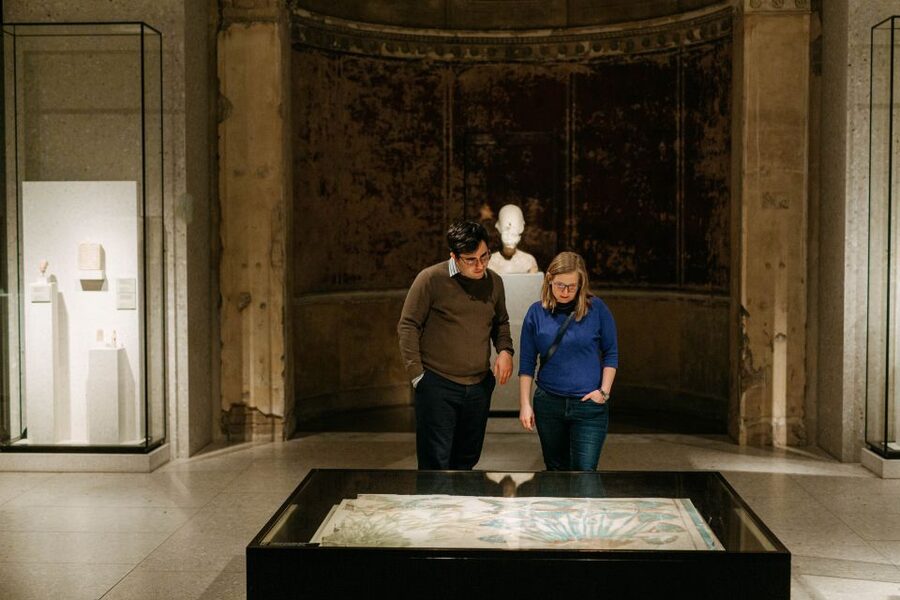
The Antique Collection adds another mood shift. This is where you start seeing how Greek and Roman art, symbolism, and iconography carry forward into later interpretations and museum collections.
You will encounter the Xanten Boy and one of the surviving statues of the Roman sun god Helios. Helios is a great anchor for understanding why Romans loved visible gods of nature and power. When you see Helios in sculpture form, you can start imagining how “sun imagery” worked as more than decoration.
What I find useful here is the museum’s pacing. It does not dump everything at you at once. You tend to experience classical pieces after you have built context from Egyptian and prehistoric rooms. That order helps your eye see similarities in how cultures render faces, figures, and meaning.
How to use the included audio guide without wasting time
Your ticket includes an audio guide, and the museum offers it in Spanish, English, French, German, and Italian. This matters because the museum’s displays are dense, and walking by artifacts without any explanation can turn a great museum into a room full of pretty things.
My advice is simple: use the audio guide as your filter. Start it when you enter a section, then pause it briefly when you see something visually striking. Let the narration help you interpret first, then look longer once you understand why the object matters.
There are also a couple practical quirks you should expect. Some people experienced missing or changing audio tracks in English, and one review said the guide seemed confusing. If you hit a section where the audio feels incomplete, it is still worth reading the wall labels and switching your focus to the objects themselves, since the museum’s layout still does a lot of the work.
Also, the audio guide stations and setup are designed to be straightforward once you find them. People often note the center is easy to locate right after entering.
Museum Island value: what you get for $16
At $16 per person, this ticket is priced like an efficient “anchor museum” for Berlin. The value comes from two angles:
- You are paying for admission to one of Berlin’s museum centerpiece buildings plus an audio guide included in the same purchase.
- You are getting a wide range of collections, not one narrow theme.
You are also buying back time. Prebooking tends to reduce stress, especially on rainy days or peak periods. Even when the museum is not chaotic, arriving with your admission already handled can make the day feel more relaxed.
If you compare it to the cost of paying for a single famous artifact only, the math gets better fast. You are also paying for the building itself and for the experience of moving through rooms that feel curated by history and display design.
Practical notes that affect your comfort: lockers, backpacks, and seating
Read the backpack rule before you plan your outfit. Backpacks are not allowed in the exhibition, and cloakroom and locker space is limited. That means you should plan to bring a small bag that fits what the museum allows, or be ready to use the lockers quickly when you arrive.
One review highlighted that lockers were a nice bonus because it allowed an easier walk through exhibits without dragging everything around. Another mentioned that lockers and seating can make the route more comfortable, which is important if you decide to take your time.
Seating also matters in the Neues Museum experience. Multiple reviews mention there is good seating along the route. That is not a small detail. When you are looking at objects for more than an hour, “somewhere to sit” helps you stay patient and keep enjoying the visit.
Photo rules can be specific to individual objects. One review said you cannot take photos of Nefertiti, while another pointed out you can take a photo of her if you stand behind a certain line. Treat it like this: check the signage at the exhibit when you are there.
How long you should plan for (yes, it often takes longer)
Even though the ticket description lists 15 minutes, that is about activation and entry. Real enjoyment tends to take longer because the museum has multiple collections and famous stops.
A lot of visitors report being able to do the museum in about two hours, while others take two and a half to three hours if they slow down and read carefully. If you are the type who likes to watch what people miss, plan for at least two to three hours and give yourself permission to rest.
If you want a structured approach, do it in layers:
- Start with Egyptian highlights, including Nefertiti and the most famous Egyptian objects
- Move into Prehistory and Early History for the big geographic story
- Finish with Antiquities and Roman pieces like Helios
That order keeps you from getting tired and then ending on something less memorable.
Who this ticket suits best
This ticket is a good match if you want a high-impact Museum Island stop that does not require complicated planning. It works well for:
- First-time Berlin visitors who want the big names plus real context
- Egyptian history fans who also want adjacent worlds like prehistoric culture patterns
- Travelers who prefer self-paced exploration with audio guidance
- Anyone who wants a single entry to a museum building that spans several major collections
If you dislike museum pacing and you prefer quick, single-gallery visits, you might find the museum a bit much. But even then, the audio guide helps you keep it under control.
Should you book the Neues Museum entry ticket?
Book it if you want one efficient ticket that delivers the museum’s main pillars: Egyptian Museum highlights, early history across a wide map, and classical sculptures. The included audio guide in five languages plus the chance to see headline pieces like Nefertiti makes this a strong use of time on Museum Island.
Skip booking only if you are traveling with a large backpack and you would rather not deal with lockers. Also, if you are the kind of visitor who refuses audio guides and only wants one single object, you may feel it is more museum than you need.
If you are trying to make Berlin feel smart and not stressful, this is an easy yes.
FAQ
How much does the Neues Museum entry ticket cost?
It costs $16 per person.
How long is the ticket valid?
The ticket is valid for 15 minutes from first activation.
What is included with the ticket?
The ticket includes entry to the Neues Museum and an audio guide.
Which languages are available for the audio guide?
The audio guide is available in Spanish, English, French, German, and Italian.
Where do I meet for this activity?
The meeting point is the visitors’ entrance of the James Simon Gallery, Bodestrasse, 10178 Berlin.
Can I stay longer than the 15-minute validity?
Yes. You can stay in the museum as long as you like.
Are backpacks allowed inside the exhibition?
No. Backpacks are not allowed in the exhibition.
Is the museum wheelchair accessible?
Yes. The whole building is wheelchair accessible.
Does this ticket include entry to other Museum Island museums?
No. Entry to other museums on Museum Island is not included.
Can I cancel for a refund?
No. This activity is non-refundable.
Halls Between Trains
- Berlin: Jewish Museum Berlin Entrance Ticket
★ 4.5 · 8,393 reviews - Berlin: DDR Museum Tickets
★ 4.3 · 3,443 reviews - Berlin: Natural History Museum Entrance Ticket
★ 4.6 · 3,382 reviews - Berlin: Museum Island Multiple Museum Entry Ticket
★ 4.4 · 2,861 reviews
Museums, compared.



Skip-the-Line: Berlin Wall Museum at Checkpoint Charlie
Read our review →
Browse the lists this tour appears in