

Reviewed · MUSEUMS
Stuttgart: Mercedes-Benz Museum Entry Ticket
Cars tell stories in every hall. The Mercedes-Benz Museum in Stuttgart is built around a big idea: put automotive history in the context of technology, daily life, society, and pop culture. I really like that you get a free audioguide in 8 languages, so the museum works whether you read every label or just want the highlights while you move.
What makes this ticket worth it is scale plus structure. The permanent exhibition spreads across 16,500 square meters and features 160+ vehicles, from early automobiles to legendary racing machines and futuristic research concepts. The one drawback to plan for is time: even with a good route, a quick stop can feel short, since 90 minutes often leaves you skipping chunks of the collection.
In This Review
- Key things to know before you go
- Where the Mercedes-Benz Museum story starts in Stuttgart
- Ticket value and why $18 feels fair for this much space
- What you will actually see: 160+ vehicles across multiple eras
- The two tour narratives: Legend vs Collection, and how to choose
- Legend route: follow the storyline
- Collection route: browse the machinery with a tighter focus
- My simple recommendation
- Timing game plan: plan more time than you think
- The free audioguide in 8 languages, and how to use it well
- “More than cars”: why the exhibits matter even if you do not live for engines
- Inside logistics: multi-story layout, walking distance, and rest stops
- For families and younger visitors: activities plus a kid-friendly pace
- Gift shop, photos, and the end-of-route feeling
- Should you book this Mercedes-Benz Museum entry ticket?
- FAQ
- What days and hours is the Mercedes-Benz Museum open?
- Is the audioguide included in the entry ticket?
- Which languages are available for the audioguide?
- How many vehicles are on display?
- How much exhibition space is there?
- Where do I enter the museum?
- Is there a skip-the-line option with this ticket?
- How long should I plan for a visit?
- Is the museum wheelchair accessible?
Key things to know before you go
- Skip the ticket line so your day starts inside the museum faster
- Free audioguide in 8 languages helps you follow the story without getting lost
- 160+ vehicles cover everything from early cars to concept and racing
- Two narrative routes let you choose a more story-style visit or a more collection-style browse
- Big space, lots of floors means you will move more than you expect
Where the Mercedes-Benz Museum story starts in Stuttgart
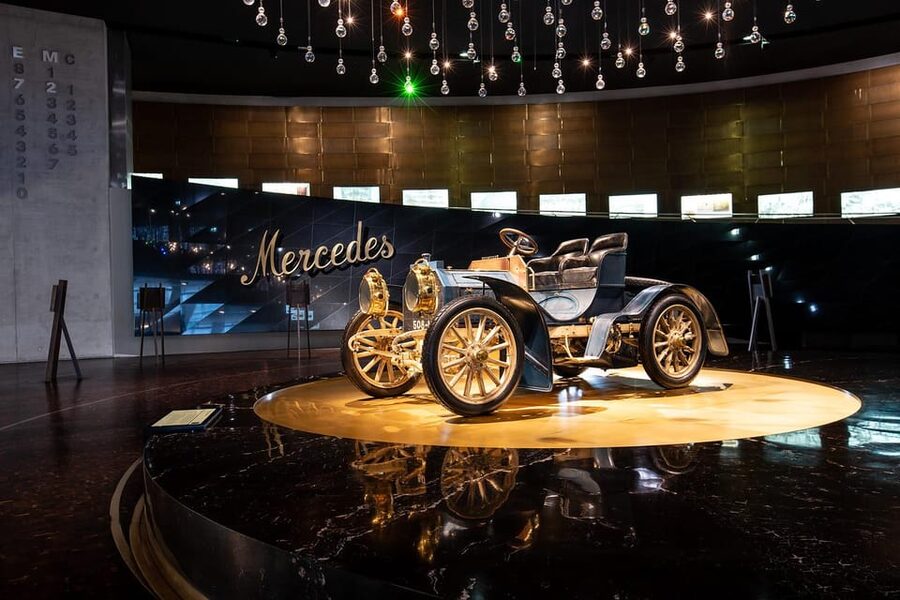
The Mercedes-Benz Museum sits in Stuttgart, Baden-Württemberg, and it is all about one turning point: the automobile linked to Carl Benz in 1886. From the moment you enter, the museum frames cars as more than shiny objects. You will see how engines and design changed, how cars fit into everyday routines, and how the wider world shaped what companies built.
The building and the layout do a good job setting expectations. This is a serious museum, but it does not feel cold. The exhibition is organized into a set of rooms, and the vehicle displays are arranged so you keep getting new chapters instead of repeating the same era over and over. If you like engineering, you will appreciate the way technical progress is explained through real machines you can walk past.
More museum halls between train times:
- Stuttgart: Stuttgart Wine Museum Wine Tasting
★ 4.7 · 55 reviews - Berlin: Jewish Museum Berlin Entrance Ticket
★ 4.5 · 8,393 reviews - Berlin: DDR Museum Tickets
★ 4.3 · 3,443 reviews
Ticket value and why $18 feels fair for this much space
At about $18 per person, this entry ticket is priced like you are buying access to a major museum, not a small add-on. That matters, because the experience is anchored by huge physical space and a lot of exhibits, not one or two standout cars.
Here is what you get that makes the price easier to swallow:
- Audioguide included, in German, English, Italian, Spanish, French, Chinese, Japanese, Russian
- Admission to the permanent exhibition across 12 rooms and 16,500 square meters
- Skip-the-line entry, which saves time when you are traveling with a tight schedule
Also, you are not forced into a single way to see it. The museum offers two narrative tours, and the audioguide helps you follow either one. That flexibility is a real value for visitors who might only have half a day.
What you will actually see: 160+ vehicles across multiple eras
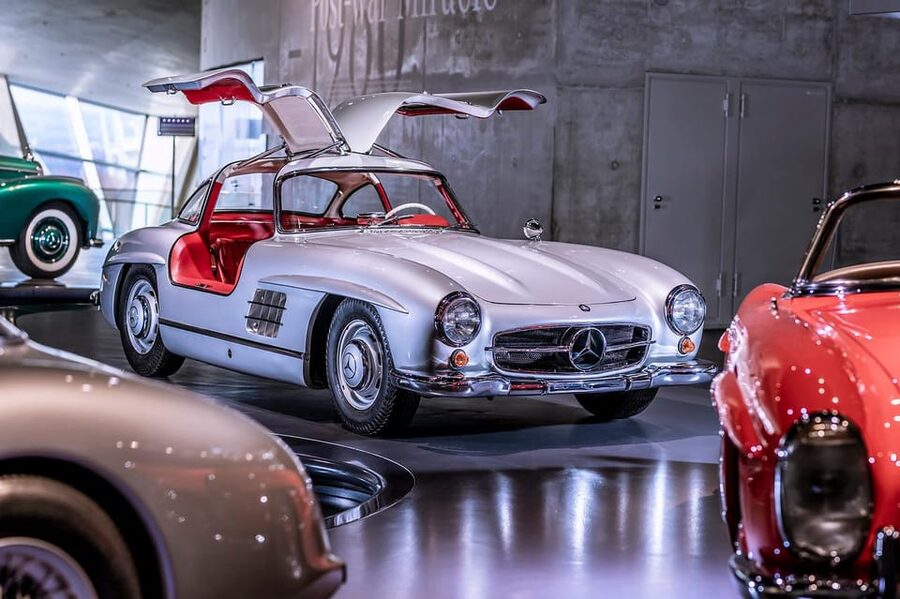
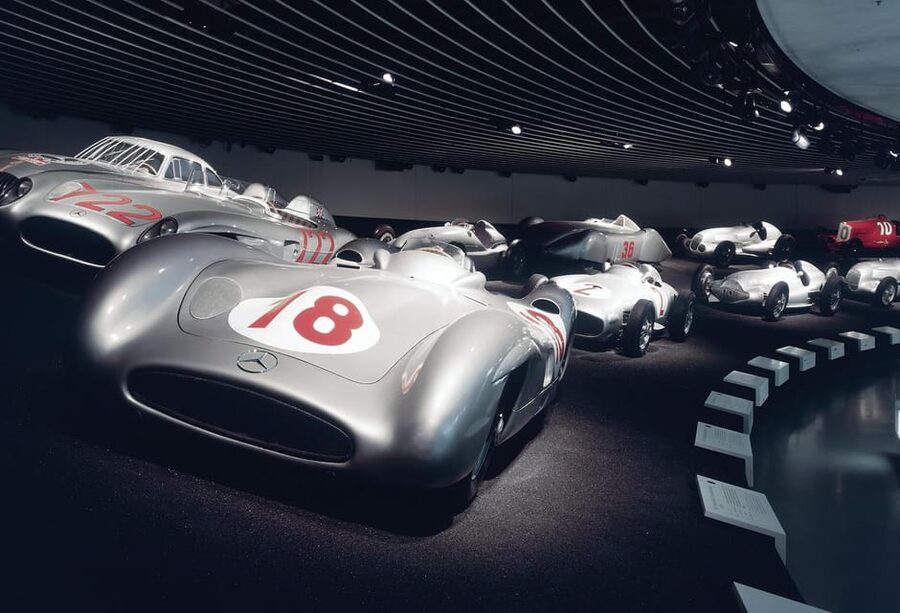
The museum is vehicle-forward, and that is the fun part. More than 160 vehicles show up as the main characters in the exhibition. You will see some of the oldest automobiles ever built, alongside cars that became legends through racing and performance. Then the museum swings toward future-facing research vehicles and concept designs.
I like how the vehicles are not treated like museum trophies behind glass. Many displays feel like scenes in a timeline, with explanation tying them to the era around them. That context is what keeps the visit from turning into a simple photo walk.
Two practical notes for your expectations:
- You will spend more time looking upward and moving between floors than you probably expect from a car museum.
- The “small details” matter here, because the story is spread out across rooms and floors, not concentrated in one room.
The two tour narratives: Legend vs Collection, and how to choose
The museum has two ways to guide your route through the permanent exhibition. Both use a narrative approach, but they feel different depending on how you like to visit.
Legend route: follow the storyline
If you want a more story-like experience, the “Legend” tour is the better match. The emphasis is on the way certain vehicles and moments fit into the larger mythos of the automobile. In practical terms, it can feel like you are watching how key ideas evolve from one era to the next.
A good sign you chose well: you keep feeling pulled forward, because the route connects what you just saw to the next big turning point.
Also holding a platform in Stuttgart




Collection route: browse the machinery with a tighter focus
If you prefer a more structured browse of the collection, the “Collection” tour works well. It is still part of the museum’s guided narrative, but it can feel more like you are working your way through the vehicles and their categories in a more checklist-friendly way.
You might like this option if you are traveling with someone who likes cars but also wants control over pace. It also helps if you are the kind of person who wants to linger in front of specific cars and then move on without losing the thread.
My simple recommendation
If you have only one visit planned, choose Legend. If you are short on time but still want the route to hold you together, choose the one that fits your pace better and trust the audioguide to keep you oriented.
Timing game plan: plan more time than you think
The museum is open Tuesday to Sunday from 9:00am to 6:00pm, with last admission at 5:00pm. The opening hours sound generous, but the interior is big. You are walking through 12 rooms filled with exhibits that reward slow reading and repeat glances.
Realistic expectations from common visit patterns:
- If you have 1 hour, you can see a slice, but you will likely feel rushed.
- If you have 3 hours, you can do more than a quick hit, but it still can feel like you are skipping sections.
- A 4 to 5 hour visit is the sweet spot for most people, especially if you want the audioguide to do its job.
So here is the travel move I recommend: arrive earlier rather than later. A later entry compresses the best part of the museum, which is moving from era to era and letting the timeline click.
The free audioguide in 8 languages, and how to use it well
Getting the audioguide included is one of the smartest parts of this ticket. You can use it in German, English, Italian, Spanish, French, Chinese, Japanese, and Russian. That means you can get explanations while you walk, without needing to stop every few steps to read.
A few practical tips to make it work better:
- Do a quick check at the start that your headset is working and loud enough.
- If the museum environment feels noisy, your ears might need the volume turned up early rather than waiting.
- Let the audio guide set your pace. If you try to speed-read everything and listen at the same time, you will end up doing half the experience.
Some visitors run into minor headset issues or wished staff helped more with activation. If yours does not start properly, address it early. It is worth solving in the first area rather than losing your flow.
“More than cars”: why the exhibits matter even if you do not live for engines
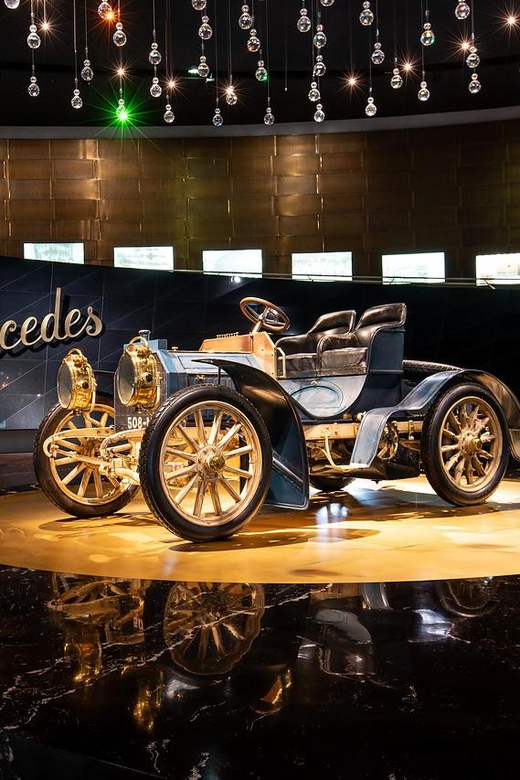
This is a car museum, but it is not only about cars in a vacuum. The museum connects the automobile to wider changes: technology, daily life, social history, and popular culture. That framing is useful because it explains why inventions matter, not just what they look like.
I also like that the museum does not treat Mercedes-Benz as a bubble. The timeline-style presentation helps show impacts on Germany’s industrial story. And for visitors who want science beyond car design, you may see connections to other transportation and technology categories, including aircraft and trams mentioned in the exhibit interpretations.
So if you are visiting with someone who is more arts-and-culture than horsepower, you still have reasons to stay interested. You can follow the people-and-society angle while they follow engineering and vehicles.
Inside logistics: multi-story layout, walking distance, and rest stops
The museum feels multi-story and roomy, and that is part of the challenge. People often mention a lot to see across multiple levels, and it can add up fast in walking time and stair steps.
One practical consideration: resting spots are not a guaranteed feature the way it is in some museums. That means you should plan for breaks when you need them. Carry water if you are sensitive to long exhibit runs.
For accessibility, the museum is wheelchair accessible, which is a big plus for visitors who want to see the full range of rooms. If you need slower pacing, you can still make progress because the route is narrative-based. You do not need to “do everything” to follow the story.
For families and younger visitors: activities plus a kid-friendly pace
If you are traveling with kids, the museum is not just a glass-box experience. There are special activities for children, including coloring. Many families also enjoy the kid audio guide plus puzzles, which help keep attention while you move room to room.
The museum also has videos on each floor, which gives you a visual reset every so often. That matters for kids and for adults too, because it breaks the monotony of standing and reading in the same tone for hours.
And yes, the gift shop gets positive mentions for being worth a browse. If your child likes models or souvenirs, this can be a tidy way to end the visit without dragging.
Gift shop, photos, and the end-of-route feeling
By the time you reach the later parts of the exhibition, the museum often moves toward racing cars and performance icons, which gives the visit a satisfying payoff. If you like closing with the high-energy stuff, you will probably enjoy how the route builds toward those machines.
Photo-wise, you can expect plenty of angles of vehicles, but it is still a museum, so keep your pace respectful near display areas. The real value is in the way the displays connect to the timeline, so take a few photos and then return to listening and reading.
If you want a smooth finish, plan to visit the gift shop right after your last route section. That way you do not feel like you are delaying the best part of the museum.
Should you book this Mercedes-Benz Museum entry ticket?
Yes, you should book if you want a well-organized, large-scale museum experience in Stuttgart without wasting time on entry lines. The biggest reasons to go are the free multi-language audioguide and the sheer volume of vehicles, 160+ in 16,500 square meters. It is one of those rare tickets where the structure actually helps you enjoy the space.
Book with extra care if you are the type who hates long walking or you are only available for a short window. This museum rewards time. If you only have 1 to 2 hours, you might leave feeling like you saw the front door but missed half the story.
If you have a half-day to most of the day, you are in the sweet spot. You will get a chronological journey through the evolution of the automobile, and you will likely come away with new ways to think about how cars shaped daily life and culture, not just how they looked.
FAQ
What days and hours is the Mercedes-Benz Museum open?
The museum is open Tuesday to Sunday from 9:00am to 6:00pm, with last admission at 5:00pm.
Is the audioguide included in the entry ticket?
Yes. The ticket includes an audioguide.
Which languages are available for the audioguide?
The audioguide is available in German, English, Italian, Spanish, French, Chinese, Japanese, and Russian.
How many vehicles are on display?
The museum’s permanent exhibition features more than 160 vehicles.
How much exhibition space is there?
The permanent exhibition covers about 16,500 square meters across twelve rooms.
Where do I enter the museum?
Please enter through the Mercedes-Benz Museum main entrance.
Is there a skip-the-line option with this ticket?
Yes. This ticket includes skip the ticket line.
How long should I plan for a visit?
Plan more time than you think. Many visits run around 4 to 5 hours, and shorter visits can feel rushed.
Is the museum wheelchair accessible?
Yes, the museum is wheelchair accessible.
Fresh on the arrivals board for Stuttgart






Museums, compared.




Skip-the-Line: Berlin Wall Museum at Checkpoint Charlie
Read our review →Browse the lists this tour appears in