
Reviewed · WINE TOURS
Stuttgart: Stuttgart Wine Museum Wine Tasting
Wine talk that fits your schedule. I like how the Stuttgart Wine Museum tasting teaches you about local grapes and viticulture while you sip three regional glasses, and I also like that the weekly-changing red, white, and rose selection keeps it feeling fresh. One thing to consider: the live guide speaks German only, so you will need to follow along in that language.
In about one hour, you get a relaxed evening vibe without the long commitment. You’ll pair your pours with a small plate of salami, olives, cheese cubes, and bread, plus museum context about the region. It is a simple plan that works great before dinner or as an easy first stop for a Stuttgart weekend.
In This Review
- Key highlights worth showing up for
- Why the Stuttgart Wine Museum tasting is a smart 1-hour plan
- Three pours, one lesson: how the tasting is set up
- Grape varieties you might taste, from Riesling to Lemberger
- Snacks that make the wines easier to enjoy
- What the German guide focuses on, and how to follow
- Price and value for a $31, guided wine intro
- The museum vibe: why the surroundings matter
- Who should book, and who should skip
- Getting ready: what to bring and when to plan it
- Should you book this Stuttgart Wine Museum tasting?
- FAQ
- How long is the Stuttgart Wine Museum wine tasting?
- How many wines are included?
- What food is included with the wine?
- What language is the tour guide?
- Is the tour suitable for children?
- What do I need to bring?
- Is it wheelchair accessible?
- Can I change my plans after booking?
Key highlights worth showing up for
- Weekly-changing wine line-up so you can return without it feeling like the same tasting again
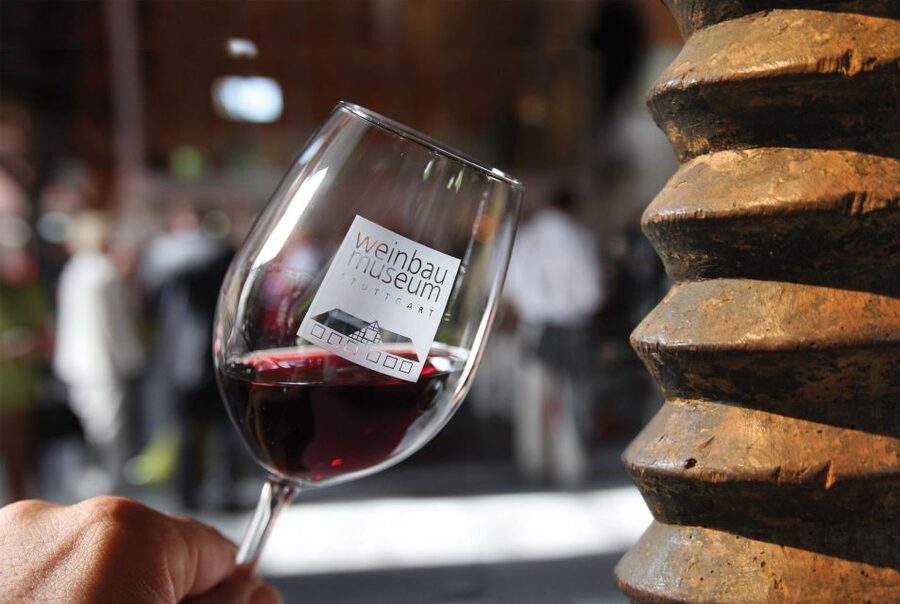
- Three wine styles in one session: white, red, and rosé, each in a 0.1 l tasting glass
- Grape growing lessons tied to what you drink, including regional varieties
- Real food pairing basics with salami, olives, cheese, and bread
- German-only live guide, which is great if you can follow, and a dealbreaker if you cannot
Why the Stuttgart Wine Museum tasting is a smart 1-hour plan
If your weekend in Stuttgart has lots of places you want to see, this kind of tasting is exactly the right length. One hour means you can fit it in without losing half a day, and you still leave with a clearer idea of what makes Swabian and Württemberg-style wines tick.
I also like that it starts the evening in a low-pressure way. You are not signing up for a long seminar, you are tasting real wines and learning as you go. The museum setting matters too, because the guide can explain why certain grape varieties thrive here, not just recite facts.
More German kitchens, doors open:
- Stuttgart: Bean District Walking Tour with Swabian Food
★ 4.6 · 40 reviews - Stuttgart: Guided Wine Walk & Wine Tasting
★ 4.6 · 28 reviews - Cologne: Brewery Tour with 3 Kölsch Beer Tastings
★ 4.7 · 3,108 reviews
Three pours, one lesson: how the tasting is set up
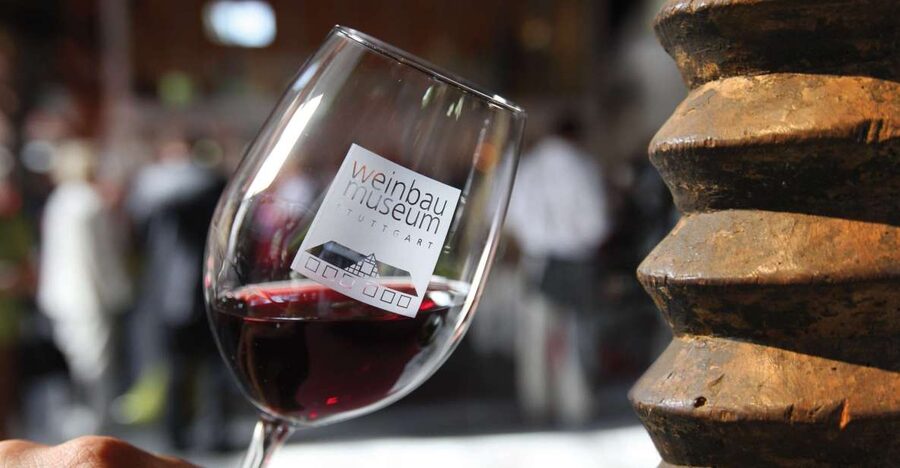
The structure is refreshingly straightforward. You taste three regional wines, one glass each of white, red, and rosé, with each pour at 0.1 l. That gives you a quick but balanced view of the region’s range, not just one style.
Each week, the selection changes, so the focus stays on how grape varieties behave in Stuttgart’s setting. If you come with even a little curiosity about wine, the session makes it easier to connect taste to the idea behind the wine. And if you are brand-new, you get a guided path through the basics without needing prior knowledge.
Grape varieties you might taste, from Riesling to Lemberger
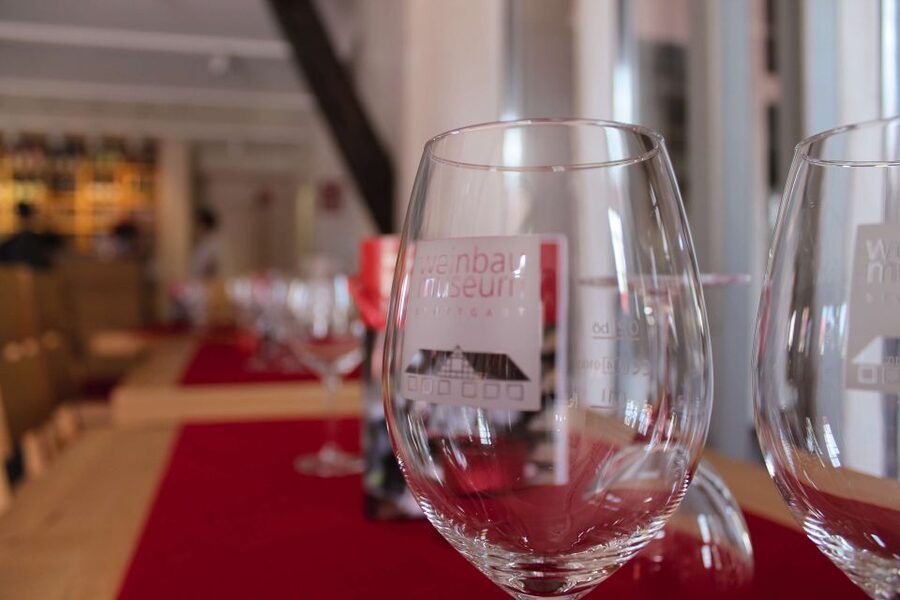
The tasting is built around recognizable regional grapes, so you are not stuck with mystery bottles. Depending on the weekly rotation, you may taste styles such as tangy Riesling, Pinot Gris, and spicy Lemberger. That mix is useful because it shows how different grapes can lead to very different flavor directions.
Here is what those grape names can help you understand while tasting:
- Riesling often gives you crisp, tangy notes that feel bright and food-friendly.
- Pinot Gris can land in a smoother, rounder zone, usually with richer fruit or gentle spice depending on the wine.
- Lemberger is a good example of a more distinctive regional character, sometimes bringing a peppery or savory edge.
The guide also explains background on wineries and the broader viticulture story, so you start tasting with context instead of guessing.
Snacks that make the wines easier to enjoy
Wine tastings are better when the food helps you notice differences, not when it distracts you. Here, the snack is a classic, practical pairing set: salami, olives, cheese cubes, and bread.
This matters because salty and fatty foods can change how you perceive acidity, fruit, and tannins. With the bread and cheese, you can reset your palate between sips. With the salami and olives, you get a salty, punchy counterpoint that can make the next wine feel clearer.
The snack portion is intentionally small, which is part of the value. You leave satisfied enough to keep going for dinner, not stuffed in a way that kills your appetite.
What the German guide focuses on, and how to follow
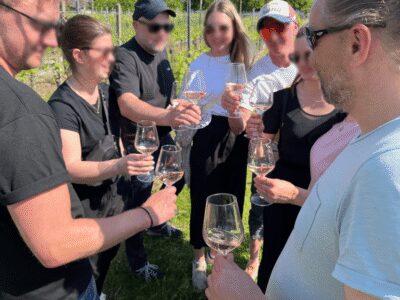
The tour runs with a live wine expert who speaks German only. That can be a downside if your German is limited, but it can also be a win if you like learning through direct explanations.
In a good tasting, you want the guide to connect grape traits to what you smell and taste. That is exactly the point here. The guide introduces Stuttgart’s viticulture, gives background on grape varieties, and walks you through what is happening in the wines you are drinking.
Practical tip: if German is not your strength, have a translation app ready for key words like grape variety, acidity, and aroma. Also, focus on simple cues. You will usually catch the shape of the explanation through pacing and repeated wine comparisons, even if every detail is not perfect.
Also holding a platform in Stuttgart



Price and value for a $31, guided wine intro
At $31 per person for about one hour, the value comes from what you receive in that short window. You get three tasting glasses, each at 0.1 l, plus a guided explanation by a wine expert and a snack plate.
If you only cared about drinking wine, you might find cheaper options. But you would likely lose the structure that helps you understand what you are tasting. What you are paying for is not just the liquid, it is the regional lesson: grape variety, viticulture background, and the reasons behind the flavor.
Also, the weekly-changing lineup adds value. If you plan multiple nights in Stuttgart, you can pick a different week’s selection and learn more without feeling like you are repeating the same tasting notes.
The museum vibe: why the surroundings matter
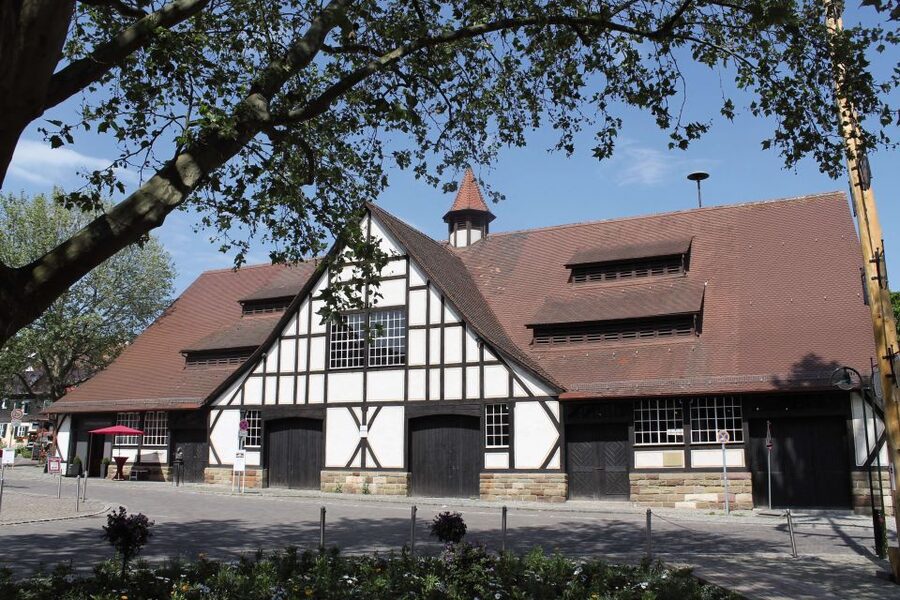
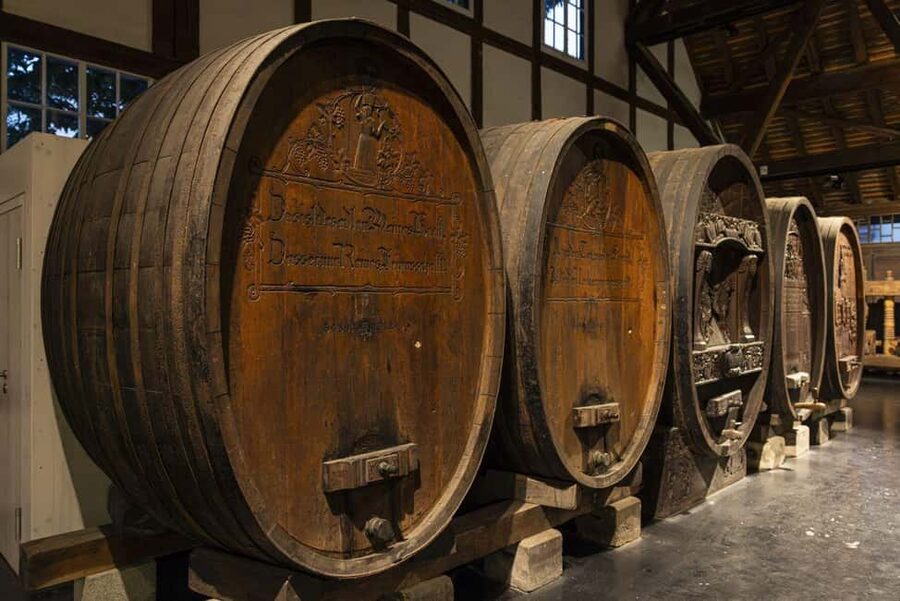
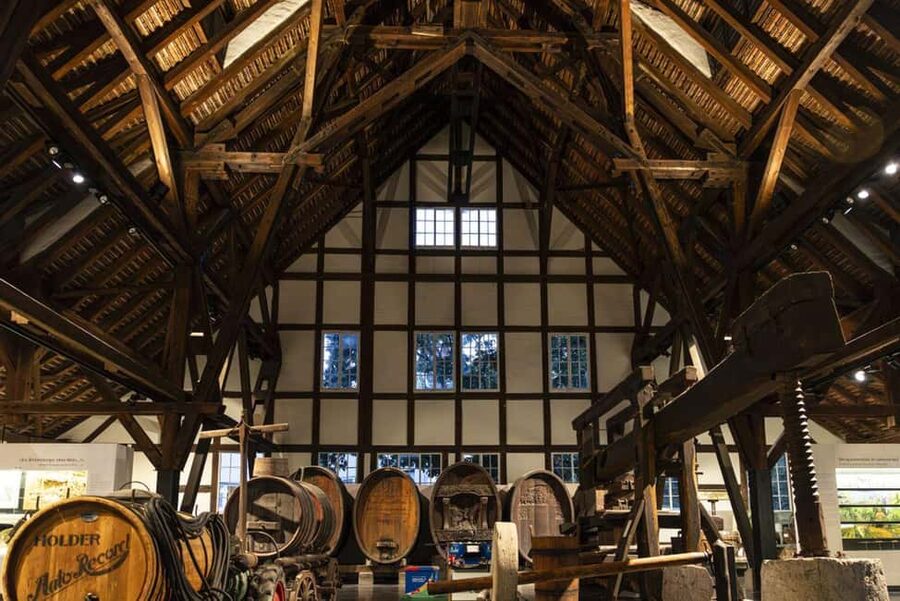
This tasting does not feel like it happens in a generic room with random bottles. The session ties into a museum setting, and that context helps explain why Stuttgart wine is approached the way it is.
One of the most praised aspects is how much information you get, especially about cultivation and the story around the museum and its surroundings. That is useful because wine culture can feel abstract if nobody connects it to where the grapes come from and how the region thinks about growing them.
So even if you are not a hardcore wine person, you leave with better mental hooks. You can turn wine choices into something more than labels, which makes future tastings in Germany far more enjoyable.
Who should book, and who should skip
This is best for adults who want a guided intro to Stuttgart wines and regional grape varieties. It also fits well if you are the type who enjoys small, practical activities during a weekend, not long tours that run late.
You should probably skip it if any of these apply:
- You need an English-language guide. The tour is in German only.
- You are traveling with children. It is not suitable for children under 18.
- You dislike tastings that mix learning with drinking. The expert-led explanations are part of the experience.
If you are a solo traveler, a couple, or a small group of friends, it can be a fun, low-stress evening where conversation naturally flows. The combination of wine, snack, and explanation gives you something to talk about without forcing it.
Getting ready: what to bring and when to plan it
Plan for a one-hour session and check starting times before you lock in your evening. You will want to bring an ID, such as a passport or ID card, since it is required.
A couple more practical notes to set expectations:
- The guide is live and the language is German only.
- The experience is wheelchair accessible.
- The provider is Stuttgart-Marketing GmbH, so it is tied to the city’s tourism infrastructure.
If you like flexibility, you can reserve now and pay later. And if plans change, free cancellation is available up to 24 hours in advance for a full refund.
Should you book this Stuttgart Wine Museum tasting?
Yes, if you want a short, guided introduction to Stuttgart’s wines and grape logic, book it. For $31, you get three structured tastings, a regional lesson from a wine expert, and a simple snack that makes the wines easier to enjoy.
Skip it if you cannot comfortably follow German. The tasting is designed around the expert’s explanations, and the experience depends on that live, German-only context. If your German is enough to catch the main ideas, you will likely walk away with a better palate and more confidence choosing Stuttgart wines later.
FAQ
How long is the Stuttgart Wine Museum wine tasting?
It lasts one hour.
How many wines are included?
You taste three regional wines: one white, one red, and one rosé. Each is 0.1 l.
What food is included with the wine?
You get a small snack that includes salami, olives, cheese cubes, and bread.
What language is the tour guide?
The live tour guide speaks German only.
Is the tour suitable for children?
No. It is not suitable for children under 18.
What do I need to bring?
Bring your passport or ID card.
Is it wheelchair accessible?
Yes, the experience is wheelchair accessible.
Can I change my plans after booking?
You can reserve now and pay later. You can cancel up to 24 hours in advance for a full refund.
Halls Between Trains
- Stuttgart: Mercedes-Benz Museum Entry Ticket
★ 4.8 · 1,400 reviews - Berlin: Jewish Museum Berlin Entrance Ticket
★ 4.5 · 8,393 reviews - Berlin: DDR Museum Tickets
★ 4.3 · 3,443 reviews - Berlin: Natural History Museum Entrance Ticket
★ 4.6 · 3,382 reviews
Fresh on the arrivals board for Stuttgart





Wine Tours, compared.






Advent Tour with Stollen Tasting and Mulled Wine
Read our review →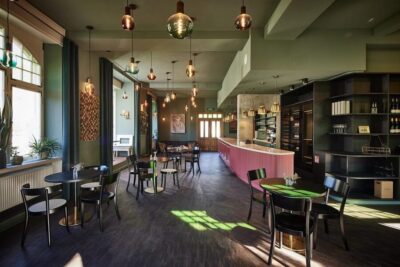
Browse the lists this tour appears in