
Reviewed · SACHSENHAUSEN MEMORIAL VISITS FROM BERLIN
From Berlin: Sachsenhausen Concentration Camp Guided Tour
A visit that really lands. This private Sachsenhausen Concentration Camp guided tour from Berlin pairs a licensed guide with key memorial sights, so you get context and clarity instead of just walking through alone. I like the private group setup for a calmer pace, and I also love that museum admission is included. The one drawback is the subject matter is heavy, and with only 4 hours, you will not have time for endless wandering.
You are picked up from your accommodation in Berlin in an air-conditioned vehicle, then taken out to the Memorial and Museum Sachsenhausen for a guided route through major parts of the camp. You’ll see places tied to Nazi and later Soviet operations, including barracks, prison areas, and sites connected to executions and cremation. Bring warm clothing, because you’ll spend meaningful time on the grounds.
In This Review
- Key highlights worth caring about
- Berlin to Sachsenhausen with a private, air-conditioned ride
- What Sachsenhausen was: a model camp, then a machine of terror
- The licensed guide experience, and why language matters here
- Command Headquarters and the camp layout you can actually understand
- Prison spaces, barracks, and the first crematorium site
- Mass graves, burial grounds, and memorials that keep names in view
- Gas chamber-related sites and the execution system mindset
- Museum exhibitions: forced labor, prisoner abuses, and who was targeted
- How 4 hours plays in real life, and what you might miss
- Price and value: $512 per person for a private day out
- What to wear and ask your guide before you arrive
- Who should book this Sachsenhausen Concentration Camp tour
- Should you book this tour?
- FAQ
- How long is the Sachsenhausen Concentration Camp guided tour?
- Is pickup included from Berlin?
- What is included in the tour with the guide?
- What languages are available for the live guide?
- Is the tour wheelchair accessible?
- What should I bring?
Key highlights worth caring about
- Private car transfer from Berlin: avoid cramped buses and keep the day comfortable
- Licensed guide in your language: German, English, French, Italian, Spanish, or Polish
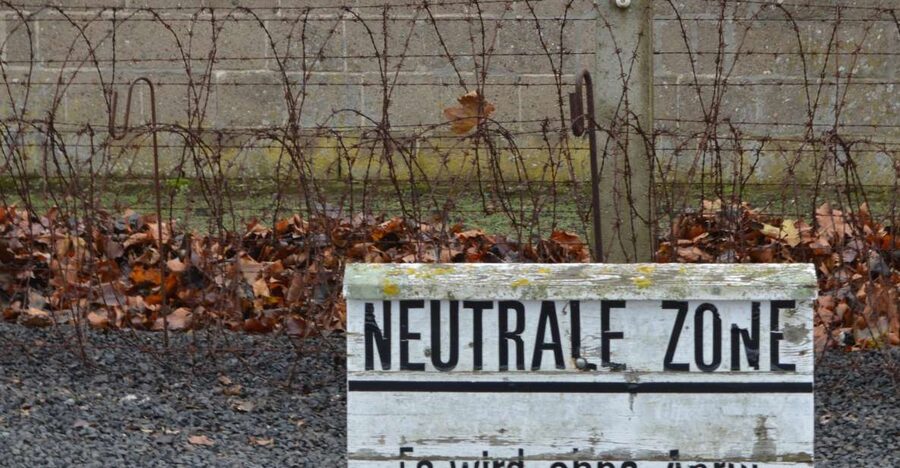
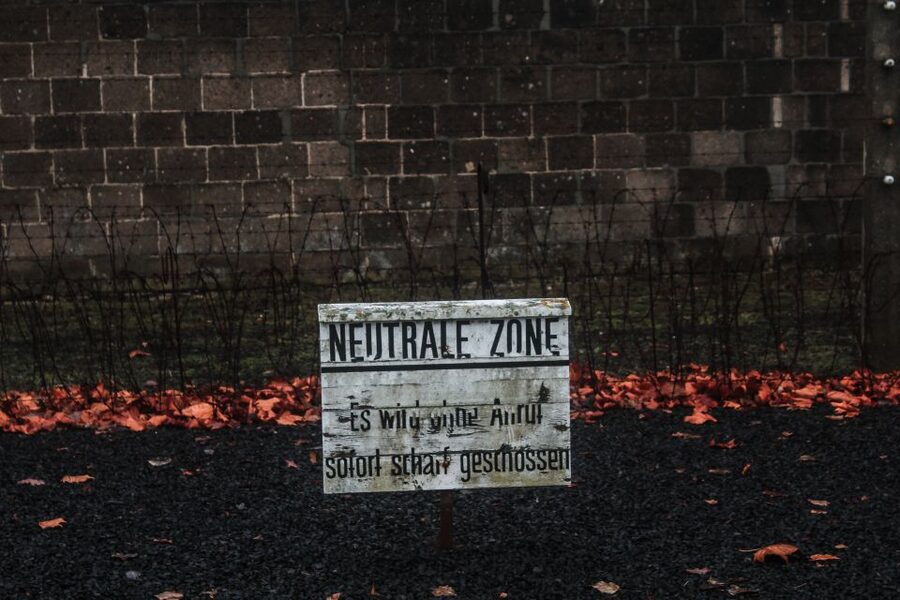
- Major camp sites on the route: command areas, barracks, prison spaces, and more
- Memorial and museum access included: you get free entry as part of the tour
- Covers Nazis and Soviets: exhibitions explain systems of terror, forced labor, and killings
- Prominent prisoner stories: from political figures to Jews, Jehovah’s Witnesses, Soviet POWs, and others
Berlin to Sachsenhausen with a private, air-conditioned ride
This tour works because it removes friction. You start with pickup directly from your accommodation in Berlin, and you ride in a clean, air-conditioned vehicle reserved for your group. That matters, because Sachsenhausen is not a quick “pop out and back” type stop. Getting there smoothly helps you focus on the guide’s explanation once you arrive.
The format is also practical. Instead of planning transport on your own, you let the provider handle the Berlin-to-Sachsenhausen run and the return drop-off at your lodging. In my view, this is a rare case where paying for convenience makes sense, since the visit is emotionally demanding and you do not want your day derailed by transit hassles.
Other visits to the Sachsenhausen memorial:
- Berlin: Sachsenhausen Concentration Camp Tour in English
★ 5.0 · 5,711 reviews - Berlin: Sachsenhausen Concentration Camp Memorial Tour
★ 4.7 · 3,716 reviews - Sachsenhausen Concentration Camp Bus Tour in English from Berlin
★ 5.0 · 1,962 reviews
What Sachsenhausen was: a model camp, then a machine of terror
Sachsenhausen Concentration Camp is described as a model and training camp. That alone is an important clue to what the site will teach you. The camp was used by the Nazis to perfect “efficient” execution methods for later use in death camps, meaning you are not only looking at suffering, you are also looking at systems designed to run like industrial processes.
The tour also frames the camp in the wider WWII and Holocaust context, including how Nazi extremism led to catastrophic consequences. And it does not stop at the Nazi period. The museum exhibitions you’ll see also address camp operations under the Nazis and under the Soviets, so you get a fuller picture of how brutality can be repurposed by different regimes.
That may sound academic, but on the ground it helps you connect the dots. You start to understand how forced labor, prisoner abuse, and executions were not random cruelty. They were organized control, built to break people and erase dignity.
The licensed guide experience, and why language matters here
This is a private tour with a licensed guide fluent in your chosen language. Languages offered include German, English, French, Italian, Spanish, and Polish, which is a big deal for a site like this.
When you can fully follow the explanation, you can ask questions and stay with the meaning of what you’re seeing. You’ll also get historical facts about WWII and the Holocaust as part of the guided experience, not just a list of locations. The goal is educational, but the tone is also described as touching, which tells you the guide is likely to handle the material with care rather than treat it like a checklist.
From past tours, guides such as Gunnar have been praised for compassionate handling and strong grasp of Sachsenhausen’s significance and legacy. Silvia has also been highlighted for deep knowledge of both the place and the journey, plus a willingness to answer questions. If you value clarity and sensitivity, this is exactly what you want to see in a guide for a subject this difficult.
Command Headquarters and the camp layout you can actually understand
Once you arrive at the Memorial and Museum Sachsenhausen, you join a licensed guide for a private tour of key areas. One of the most important stops is the Command Headquarters. This is where the visitor perspective shifts from “what happened to prisoners” to “how the system was run.”
You will also see prisoner barracks and other built spaces that help you visualize daily life under confinement. Even without dramatization, the layout gives you structure, so the guide’s facts land better. You can connect what you hear about forced labor and abuses to the physical environment where people were trapped.
A thoughtful guide also helps you avoid the common mistake of turning the visit into pure shock. Instead, you start noticing how control worked: separation, surveillance, routine, and punishment, all supported by the camp’s design.
Prison spaces, barracks, and the first crematorium site
The highlights for the camp tour include seeing the former camp prison and barracks, plus the site of the first crematorium. That combination is powerful, because it moves through different layers of the Nazi killing system.
Prison areas help you understand containment. Barracks show where people were kept, and they reinforce the reality that imprisonment was not a side story. It was the core framework.
Then the crematorium site brings you to the question of what happened next. If you want a tour that connects the dots between incarceration, torture, and death, this route gives you those signposts. It is not just looking at ruins. You’re watching the story become visible in the places tied to it.
Also holding a platform in Berlin



Mass graves, burial grounds, and memorials that keep names in view
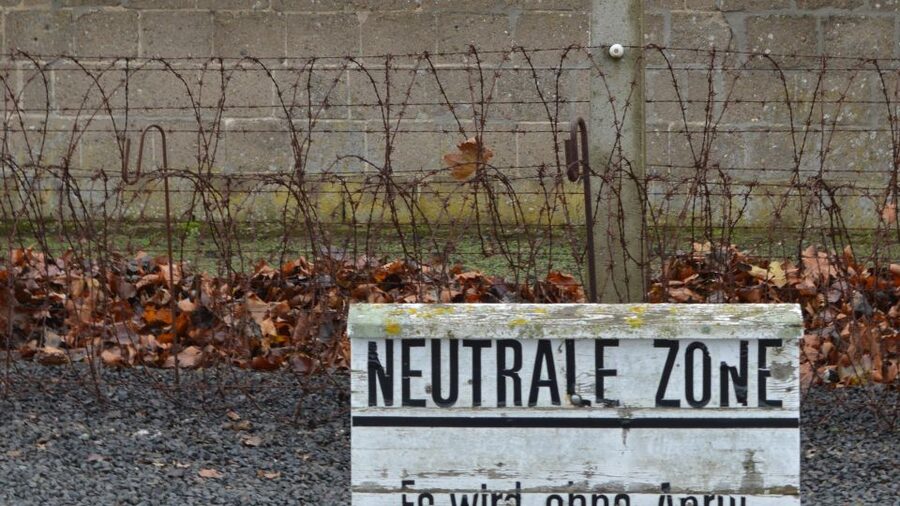
A major part of this visit is the Mass Graved for Concentration Camp Victims, along with burial grounds and memorials. This is where the tour becomes less about buildings and more about remembrance.
Seeing mass burial sites can be psychologically tough. The value of having a guide here is that you’re not left alone with interpretation. You’re guided through meaning, and you learn what each memorial area represents in the broader effort to document crimes and honor victims.
Even if you consider yourself well-read on the Holocaust, a site-based visit can change how you relate to what you already know. The space makes history physical. And because this tour includes these memorial points, it prevents the experience from becoming purely operational or mechanical.
Gas chamber-related sites and the execution system mindset

The tour description also lists seeing the gas chamber and additional camp features. This is the part of the story that explains how murder was carried out within a broader machinery.
If you are choosing this tour because you want to understand systems, not just tragedy, this is one of the key reasons to pick a guided format. A good guide will explain what you are seeing and how it connects to the camp’s role in Nazi plans. Without context, those sites can blur together, and you might miss the historical logic behind the horror.
A practical note for your own stamina: plan to take pauses. You will likely feel the emotional weight, and it’s fine to slow down. With a private group, you can manage your pace a bit better than on a crowded day tour.
Museum exhibitions: forced labor, prisoner abuses, and who was targeted
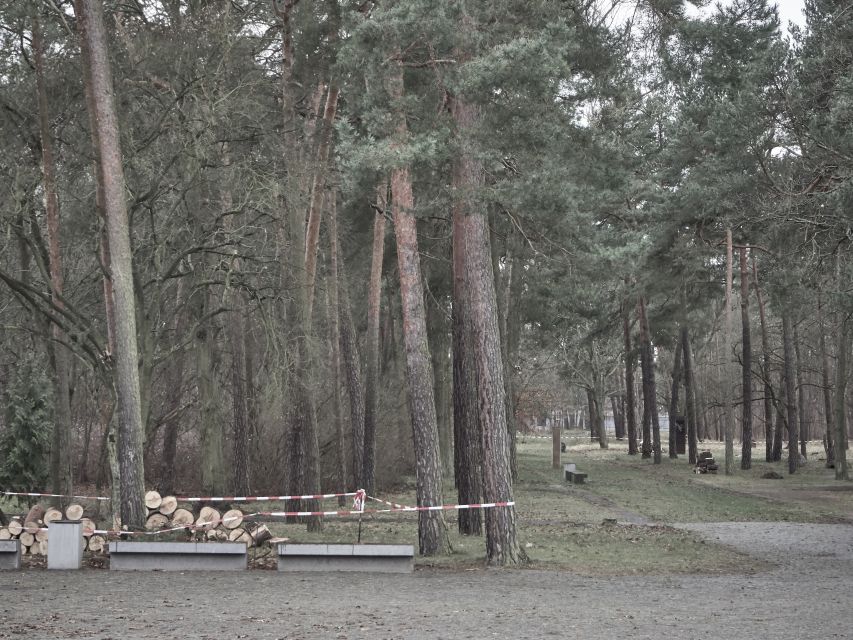
After you’ve walked through camp spaces, the museum exhibitions fill in the operating details. You’ll see exhibits on how the camp functioned under the Nazis and the Soviets, including torture and executions.
One of the tour’s most useful features is that it doesn’t frame prisoners as one single category. You’ll encounter names and groups tied to widely different backgrounds, including political prisoners and communities targeted by Nazi ideology. The tour information includes specific examples such as Joseph Stalin’s oldest son, the penultimate PM of France, and the family of the Crown Prince of Bavaria.
It also includes religious and other groups such as Jehovah’s Witnesses, plus Soviet POWs, Poles, Jews, Homosexuals, and Freemasons. For me, that list matters because it shows Nazi persecution was not selective in the way people sometimes assume. The system was designed to classify, dehumanize, and destroy many groups at once.
How 4 hours plays in real life, and what you might miss
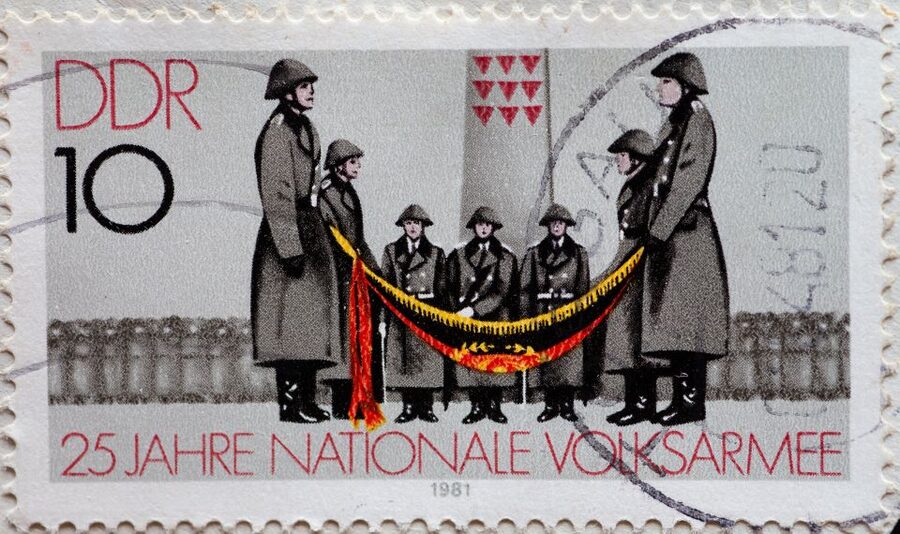
This is a 4-hour tour. That’s a short window for a place with huge historical weight. The private guided format helps, but you should still expect you’re getting an edited, focused route through the site rather than every corner of the grounds or every exhibit in total detail.
So here’s my practical take: if you want a sampler that gives you strong orientation and key sites with a guide, 4 hours is a workable length. If you are the type who needs time to read everything slowly, you may want a follow-up visit on your own afterward.
The upside is that the structure keeps you moving with purpose. You are not wandering while overwhelmed. A guide keeps the day coherent and ensures you hit the sites most tied to the story.
Price and value: $512 per person for a private day out
At $512 per person, this is not a bargain. But it is also not only “a guide fee.” The price includes the private trip from Berlin to Sachsenhausen with pickup and drop-off at your accommodation, a licensed guide in your chosen language, and free admission to the Sachsenhausen Memorial and Museum.
In value terms, you’re paying for three things:
- Private transportation in a clean, air-conditioned vehicle
- A licensed guide who can tailor explanations to your language
- Museum admission included, so you’re not hunting for tickets or adding costs
If you’re traveling with a small group or you simply do not want the stress of public transport, the price starts to make sense. If you are solo and strict on budget, you may want to compare other options. But if your priority is comfort plus meaning, this format is designed exactly for that.
What to wear and ask your guide before you arrive
The tour asks you to bring warm clothing. Treat that as a real instruction, not a suggestion. Camp memorial grounds can be cold and exposed, and you’ll be outside enough that discomfort will distract you from the explanation.
Also, come with one or two questions. Since the tour includes historical facts and prominent prisoner stories, ask how the guide wants you to connect the museum exhibits to the physical camp spaces. Questions like these help you get more from your time in 4 hours.
If your language is not English, confirm it at booking. The guide being fluent in your language is one of the most valuable parts of this experience, especially when the content is complex.
Who should book this Sachsenhausen Concentration Camp tour
This tour is a strong fit if you want:
- A private guided route with orientation and context
- A visit that covers Nazi and Soviet-era aspects at the memorial and museum
- The ability to follow details in your chosen language
- Comfort and simplicity, with pickup and drop-off in Berlin
It may not be the best fit if you need a relaxed sightseeing style trip. This is educational but also described as touching, and it deals directly with executions, abuses, and mass graves. If you know you get overwhelmed easily by this kind of subject, consider whether you can handle a structured, emotionally heavy day.
Should you book this tour?
If your goal is to understand Sachsenhausen with a guide, in your language, and with private Berlin transportation, I think it’s an excellent choice. The combination of Command Headquarters, barracks and prison spaces, crematorium-related sites, mass graves and memorials, plus museum exhibitions covering Nazis and Soviets gives you a coherent story in a limited time.
Book it if you want clarity and care, not just a quick walk through the grounds. Pass if you need unlimited time on-site or you prefer to read and explore without any structure. In this case, structure is the value.
FAQ
How long is the Sachsenhausen Concentration Camp guided tour?
The duration is 4 hours.
Is pickup included from Berlin?
Yes. You get pickup from your accommodation in Berlin, and the tour includes private car transfer with drop-off back at your accommodation.
What is included in the tour with the guide?
A licensed guide fluent in your chosen language provides historical facts about WWII and the Holocaust, and you get free admission to the Sachsenhausen Memorial and Museum.
What languages are available for the live guide?
The live guide is available in German, English, French, Italian, Spanish, and Polish.
Is the tour wheelchair accessible?
Yes, the tour is wheelchair accessible.
What should I bring?
Warm clothing is recommended.
Fresh on the arrivals board for Berlin
Sachsenhausen Memorial Visits from Berlin, compared.
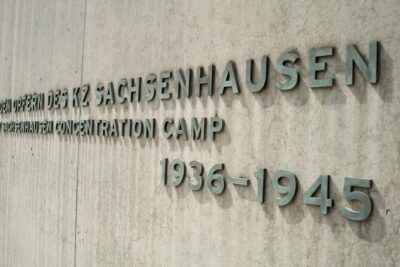
Sachsenhausen Concentration Camp Tour in English
Read our review →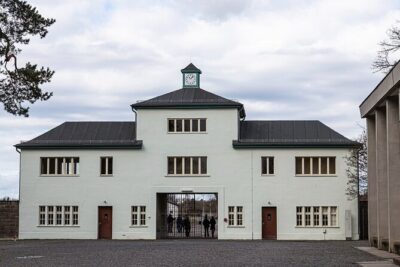
Sachsenhausen Concentration Camp Memorial Tour
Read our review →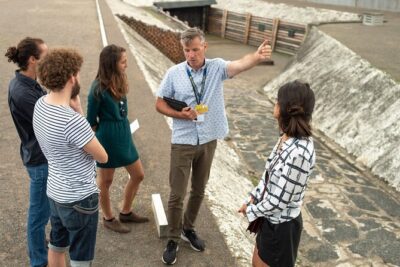
Sachsenhausen Concentration Camp Bus Tour in English from Berlin
Read our review →Sachsenhausen Concentration Camp Tour in English
Read our review →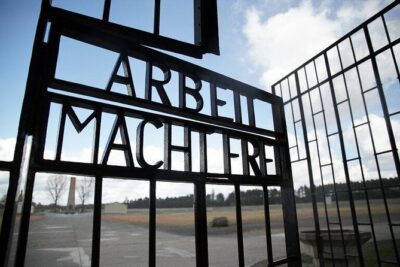
Sachsenhausen Concentration Camp Memorial Tour (Max. 15 Guests)
Read our review →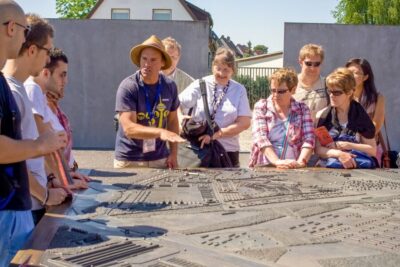
English Bus Tour to Sachsenhausen Concentration Camp
Read our review →
Sachsenhausen Concentration Camp and Potsdam Tour
Read our review →
Sachsenhausen Concentration Camp Memorial Tour
Read our review →Browse the lists this tour appears in