
Reviewed · WALKING TOURS
Frankfurt: Must-See Attractions Walking Tour with a Guide
This walk turns Frankfurt into a story you can follow. I especially love Römer, the medieval city hall complex that has operated for centuries, and I also love the skyline views from Eiserner Steg. The only drawback to plan around: two hours goes fast, so you may want to save any museum time for a separate visit.
It is a private walking tour, which means you can set the pace and focus, and your guide can answer questions on the spot. I also like that it is designed to mix big landmarks with practical local guidance, so you leave with a clearer plan for what to do next.
If you are going to Frankfurt for the first time, this format helps you get oriented quickly without feeling like you are stuck reading plaques. And with guides available in English, Spanish, and German, you should be able to connect with the details that matter most.
In This Review
- Key highlights worth prioritizing
- A smart way to see Frankfurt in just two hours
- Meeting at the Fountain of Justice, then stepping into civic Frankfurt
- Römer: the medieval heart that still feels official
- St Bartholomew Cathedral: Roman Gothic, city symbol energy
- Crossing Eiserner Steg for skyline views that actually teach you the city
- Art and banking contrast: Städel Museum and the Eurotower area
- Goethe House: seeing literature start at street level
- St Pauls Church: politics in a place you can feel
- Kleinmarkthalle: a market walk that helps you eat like a local
- Alte Oper: the grand finish that makes the walk feel complete
- Private guide value, and how to get more from your 2 hours
- Price and time: does $53 feel like a win?
- Who this tour is best for
- Should you book this Frankfurt walking tour?
- FAQ
- How long is the Frankfurt walking tour?
- Where does the tour meet?
- Is this a private tour?
- What is the price per person?
- What languages are available for the live guide?
- Is the tour wheelchair accessible?
- What is included in the tour price?
- What is not included?
- Can the tour be customized?
- Is there free cancellation?
Key highlights worth prioritizing
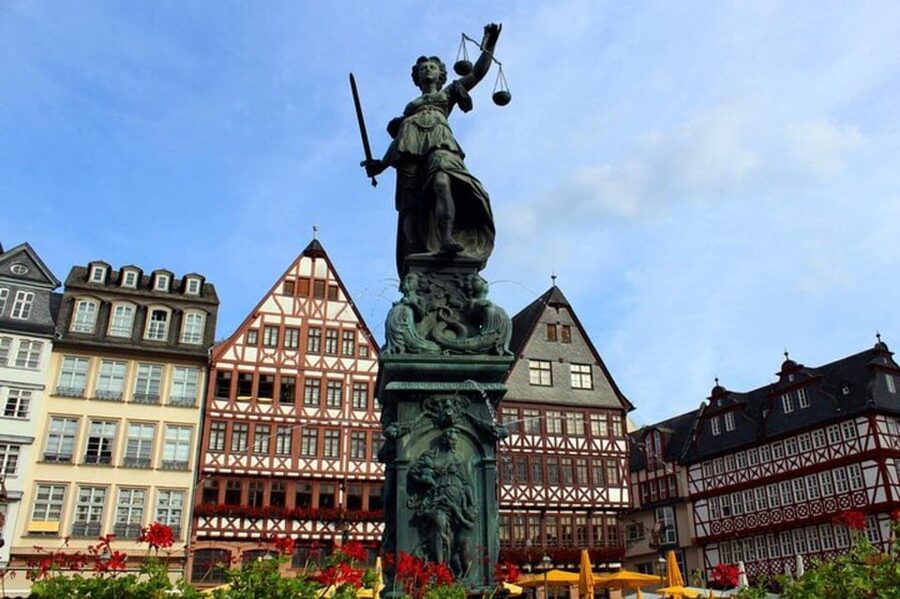
- Start at the Fountain of Justice, a smart central meeting point that kicks off the story of civic Frankfurt
- Römer’s 600 plus years as city hall, where weddings and civil registrations have long taken place
- St Bartholomew Cathedral, the Roman Gothic centerpiece, with a tower, organ, and vaulted interiors worth slowing down for
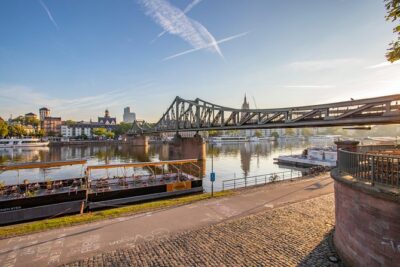
- Eiserner Steg for skyline photos, a historic iron footbridge that frames Frankfurt like a postcard
- Goethe House plus St Pauls Church, pairing literature and Germany’s political turning points in one walk
- Alte Oper as a classic finish, a grand opera house with the kind of architecture you remember later
A smart way to see Frankfurt in just two hours
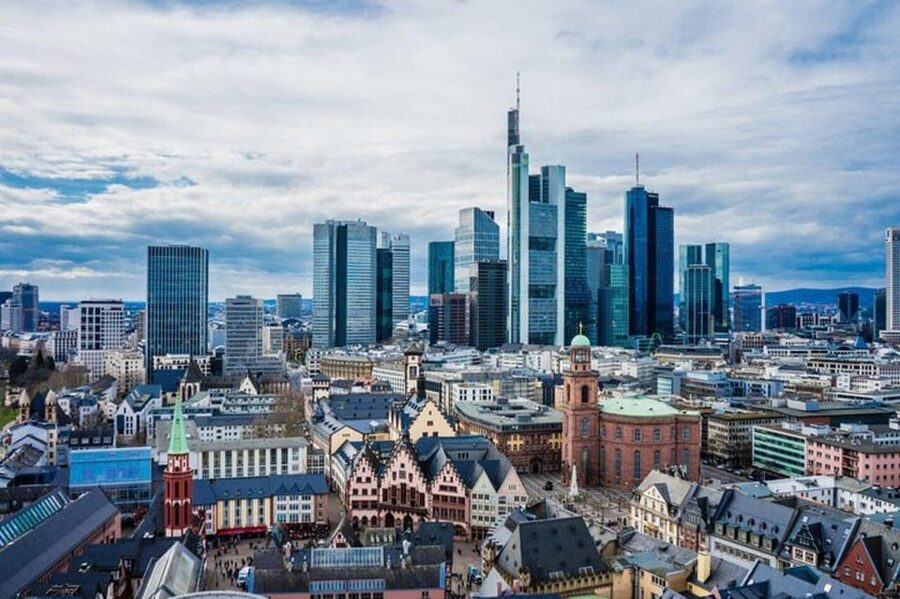
Two hours is not a lot of time, but it is enough time to get the layout of the Old Town and the big themes of the city. This tour works because it targets places that answer three questions fast: Where did Frankfurt govern itself, where did it worship and gather, and where did it shape culture?
I like that the tour is private and customizable. That matters because Frankfurt can feel split between old core streets and newer business districts, and you can steer the guide toward what you care about most.
You also get practical local advice along the way. Even if you already have a tight itinerary, it helps to have a guide point out what is worth your next hour, not just your next stop.
More Walking Tours in Frankfurt
- Frankfurt Highlights English Walking Tour
★ 5.0 · 1,203 reviews - Frankfurt on Foot Daily Walking Tour in English
★ 4.9 · 323 reviews - Frankfurt: Private or Shared Walking Tour
★ 4.5 · 158 reviews
Meeting at the Fountain of Justice, then stepping into civic Frankfurt
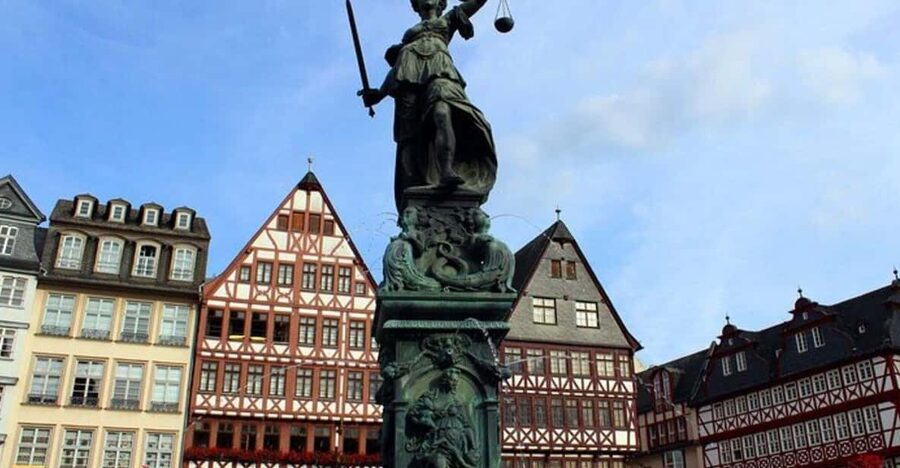
Your walk starts near the Fountain of Justice, a fitting place to begin because it signals the city’s civic identity from minute one. The early moments are about orientation, then the guide pulls you into how Frankfurt organized public life, not just how it looked on the outside.
This start point is convenient, too. It makes the tour feel grounded, not like you are being shuffled from one distant landmark to another.
From here, you move into the medieval core where the city’s power shows up in stone and ceremony.
Römer: the medieval heart that still feels official
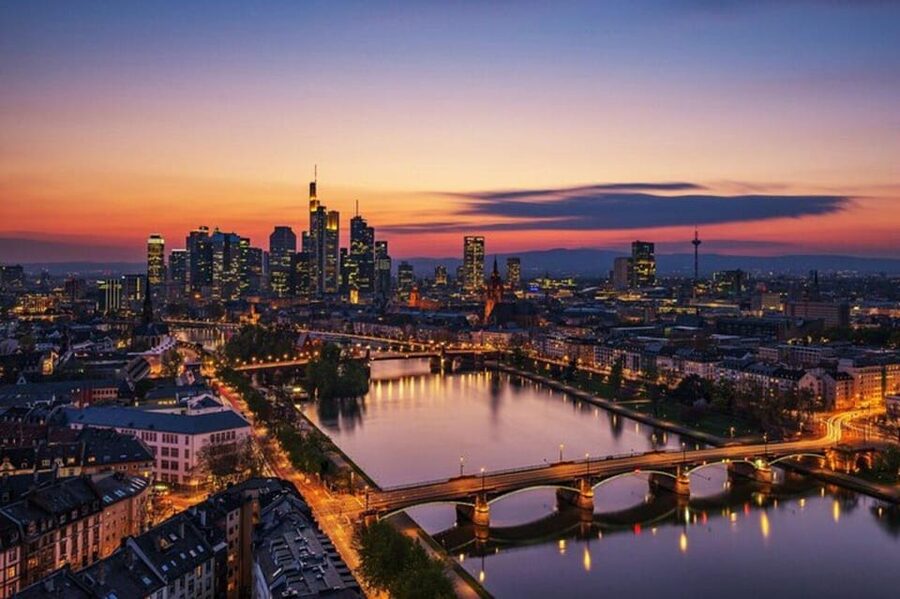
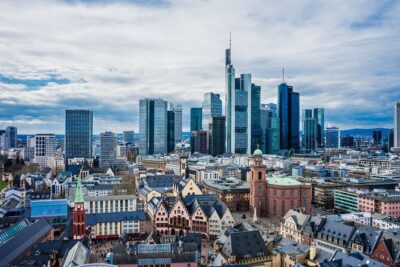
The Römer complex is where you will understand why Frankfurt is Frankfurt. It is a set of nine medieval houses that have served as city hall for more than 600 years, which means this was never just decoration for postcards. It has been a working place, including roles like hosting weddings and handling civil registrations.
I love how your guide connects the architecture to everyday meaning. You are not just seeing old walls, you are seeing how a city historically ran its public life.
One practical tip: if you care about details, ask your guide to point out how the building groups read from different angles. Even on a quick walk, you can catch variations that make the complex feel less like a single monument and more like a lived-in neighborhood.
St Bartholomew Cathedral: Roman Gothic, city symbol energy
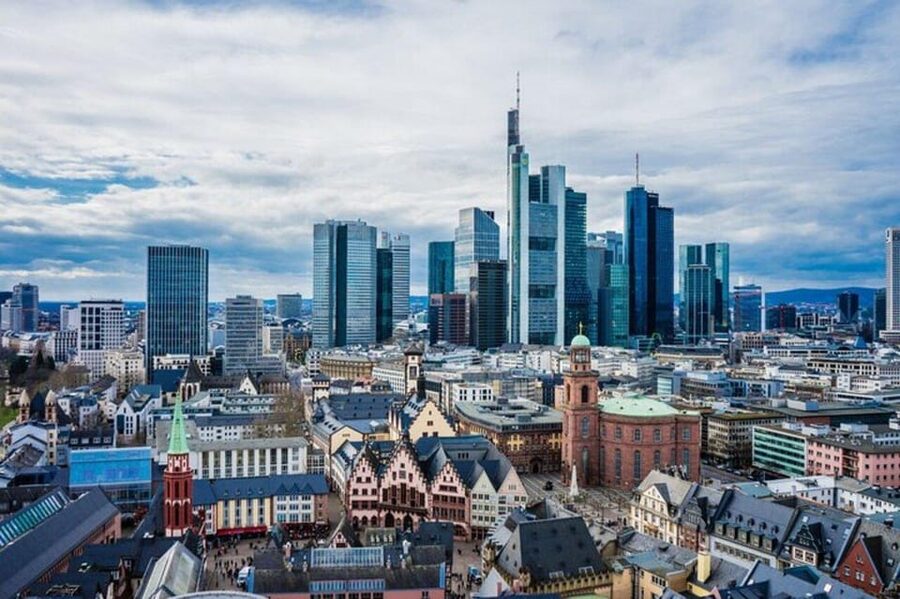
Next is St Bartholomew Cathedral, the largest Roman Gothic church in Frankfurt. This is one of those stops where your guide can turn what you see into something you understand, especially if you like symbolism and how places represent identity.
You will look at the tower, the organ, and vaulted ceilings. The guide will also explain why the cathedral became a symbol of unity during the Empire era, which helps you read the church as a political statement as much as a religious one.
A consideration: churches move at your pace. If you want quick photos only, two hours can feel tight. If you like lingering to take in ceiling lines and proportions, you might wish you had 30 more minutes here.
Crossing Eiserner Steg for skyline views that actually teach you the city
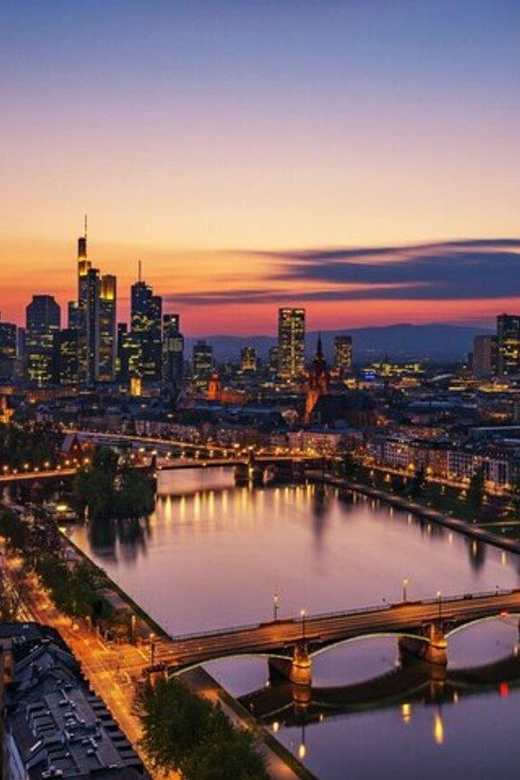
Then you cross the Iron Footbridge, known as Eiserner Steg. This is where the walk shifts gears from medieval stone to modern Frankfurt’s skyline energy.
I like this stop because it gives you a visual map. From the bridge, you can start spotting how the city’s business district sits relative to the older core.
If you care about photos, bring your phone and pay attention to how the guide positions you. Some guides have a strong eye for composition, and they will take time to help you frame the skyline with the right angle and background.
More German cities at walking speed:


Art and banking contrast: Städel Museum and the Eurotower area
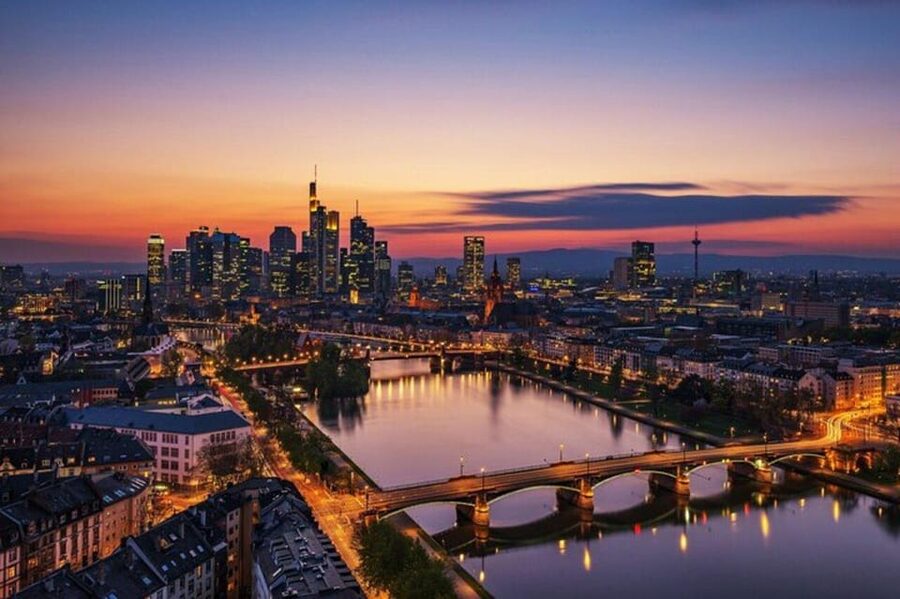
As you pass by Städel Museum, you get a taste of Frankfurt’s art side without committing to a full museum detour. The museum is famous for its collection, and even if you only take a quick look from outside, it signals that Frankfurt is not only about trade and politics.
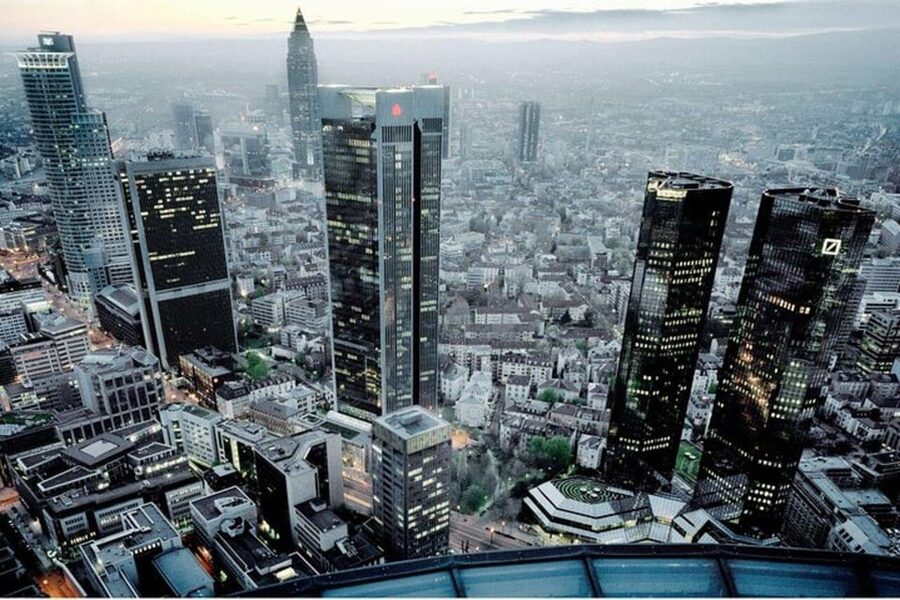
The tour also brings you past the Eurotower, a skyscraper that once served as the seat of the European Central Bank. This stop is useful because it reminds you that Frankfurt has played a big role in European institutions, not just German local affairs.
I find this old and new contrast satisfying. It prevents the tour from becoming only about medieval streets, and it gives your next day planning a clearer direction.
Goethe House: seeing literature start at street level
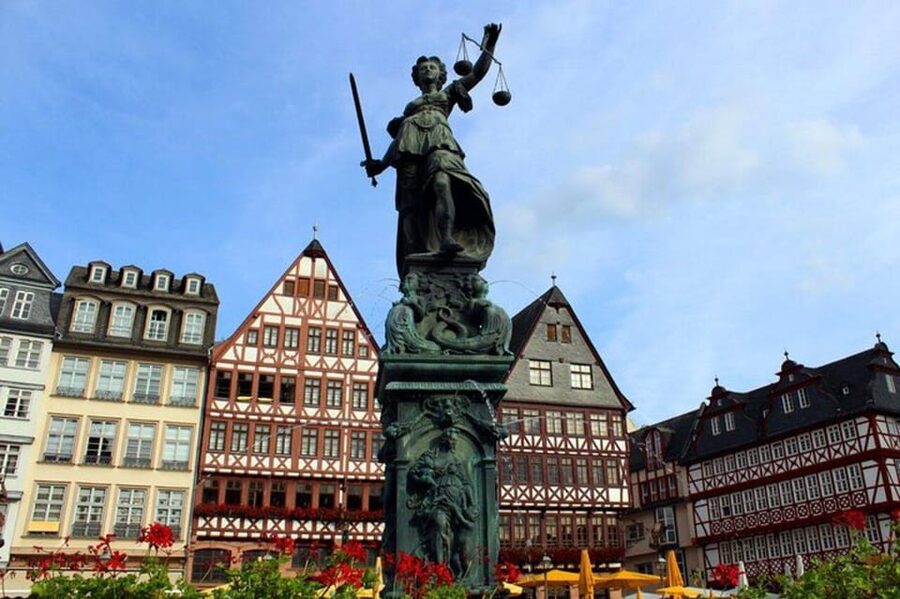
Goethe House is one of those stops that can change how you picture a famous writer. You visit the birthplace and childhood home of Johann Wolfgang von Goethe and explore his early works.
This is not just a name drop. Your guide connects the physical space to the early influences, so the author feels less like a textbook character and more like a person shaped by where he grew up.
If you are traveling with kids or teens, this stop often lands well because it turns a cultural figure into a place you can point to. It also helps adult visitors, because it adds texture to Frankfurt’s role in European culture.
St Pauls Church: politics in a place you can feel
St Pauls Church is a major political symbol in Germany. It is also the seat of the first Frankfurt Parliament in 1848, which makes it one of the key stops if you want to understand Germany’s democratic turning points.
I like that your guide frames this church in practical terms: where people gathered, what the space represented, and why a building could carry political weight. Even if you do not consider yourself a politics person, the human story behind the space tends to hold your attention.
If you are short on time, this is a stop to focus on visuals plus the core story. You do not need to memorize details, but you do want the why.
Kleinmarkthalle: a market walk that helps you eat like a local
Next comes Kleinmarkthalle, a busy market where fresh foods and delicacies get you out of sightseeing mode. Even without buying a lot, a market stop helps you reset your senses. You see how Frankfurt tastes, smells, and shops.
Food is not included, so plan to decide in the moment. You might grab something small if your schedule allows it, but you can also just use the market as inspiration for later.
If you are the type who likes planning meals, ask your guide what is worth trying first. A good market suggestion can save you from taking a random path for lunch.
Alte Oper: the grand finish that makes the walk feel complete
The tour ends at Alte Oper, the Old Opera House, and it is a strong closer. It has hosted many major operas and concerts, and the architecture around it gives you that classic Frankfurt cultural vibe.
You will also see the Opera Square in front of it. That space helps you remember the tour as more than a checklist of points, because it ties the city’s cultural side together at the end.
If you are up for it, this is a great place to pause and decide your next step. You might head toward a meal, or you might simply enjoy the area and watch how people move through the square.
Private guide value, and how to get more from your 2 hours
The biggest value of a private walking tour is that you get a conversation, not a script. Your guide can tailor the pacing, which matters because every person has different interests, architecture lovers, history buffs, and casual sightseers all need different speeds.
In past departures, guides like Ellyn and Chris have been praised for professionalism and strong English, and Heidrun for special access relationships when available. Florin and Annibal have also been singled out for making the tour feel personal, including helping with photography and giving thoughtful recommendations beyond the main stops.
You can boost your results with two simple questions:
- What should I do next that is closest and easiest?
- What should I skip to avoid wasting time?
Also, since the tour includes walking plus public transport in general, ask your guide how the route will move. That helps you keep comfortable, especially if you have limited mobility or tight timing.
Price and time: does $53 feel like a win?
$53 per person for a two-hour private tour is a solid price point if you compare it to the alternative of spending your limited vacation hours trying to figure things out alone. You are paying for more than walking. You are paying for interpretation, routing, and local recommendations.
You also get help booking tickets for the visits you want. That is useful if you are trying to fit popular sites into a schedule without turning your day into a logistics puzzle.
The best value comes when you use the private format actively. If you ask questions, point out what you care about, and let the guide steer you, the cost feels justified quickly.
Who this tour is best for
This is a great match if you want a first-time orientation of Frankfurt’s Old Town plus a few high-impact modern anchors. It also works well for people who like a structured route but still want freedom to adjust.
If you are traveling with family, the short duration and clear stops make it easier to keep everyone engaged. If you are solo, the private nature means you still get personal attention instead of blending into a crowd.
Wheelchair accessibility is listed, so the tour is set up to be reachable for guests who need it.
Should you book this Frankfurt walking tour?
Yes, if you want a guided, efficient introduction to Frankfurt without spending hours reading maps and guessing what matters. The combination of Römer, St Bartholomew Cathedral, Eiserner Steg, Goethe House, St Pauls Church, and Alte Oper hits the city’s key stories in a way that is easy to build on later.
Skip it only if you already have a long list of museums you plan to do during the same block of time. With just two hours, you might want a longer format that includes more indoor time. For most people, though, this is a smart, value-packed way to turn Frankfurt from unfamiliar to understandable fast.
FAQ
How long is the Frankfurt walking tour?
The tour lasts 2 hours.
Where does the tour meet?
Meet your guide near the Fountain of Justice.
Is this a private tour?
Yes. It is private and exclusive, and there will not be anyone else in your group.
What is the price per person?
The price is $53 per person.
What languages are available for the live guide?
The live tour guide is available in English, Spanish, and German.
Is the tour wheelchair accessible?
Yes, it is listed as wheelchair accessible.
What is included in the tour price?
The tour includes the walking tour, public transport (except if you select one of the option), and help from the team to book tickets for the desired visits.
What is not included?
Food or drinks are not included.
Can the tour be customized?
Yes, the tour is private and customizable.
Is there free cancellation?
Yes, there is free cancellation up to 24 hours in advance for a full refund.
Fresh on the arrivals board for Frankfurt


Walking Tours, compared.

Berlin City walk Government District and Places of Democracy
Read our review →
Berlin’s Best: 2 Hour Walking Tour Third Reich and the Cold War
Read our review →
Browse the lists this tour appears in