
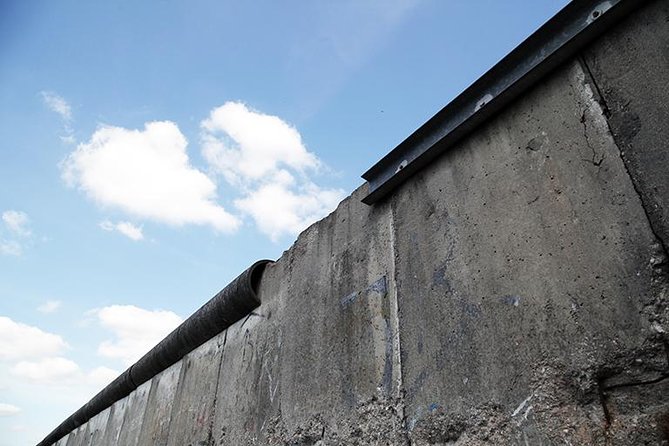
Reviewed · GUIDED WALKS IN BERLIN
East Berlin and the Berlin Wall 2-Hour Walking Tour
The Berlin Wall still has fingerprints. I love how this tour lets you touch preserved wall remains and gives a birds-eye look at the death strip, so the Cold War feels physical. I also like the human-scale way the guide explains daily life under East German rule. One caution, two hours is fast, so you may want follow-up time if you want museum depth.
You start near Hackescher Markt and move through the parts of the city that explain how Berlin got divided and how it reunited. Expect an English walking tour with a small group (max 20), guided all weather with a mobile ticket in hand.
Guides matter here, and the tour has a strong track record with folks like Anastasia, Ariel, Dylan, Tom, Georgia, and Jimmy, who tend to connect big Cold War events to real people. In one tour style, you also get practical orientation, the kind that helps you plan what to see next once you’re done.
In This Review
- Key highlights you will actually feel walking
- Hackescher Markt and Friedrichstraße: where the Cold War starts to make sense
- Palace of Tears: the border crossing where goodbye was the main event
- Berlin Wall Memorial at Bernauer Straße: preserved wall + the death strip lesson
- Chapel of Reconciliation and the old relic stops: how the wall shaped the city
- Bornholmer Straße on November 9, 1989: the night things changed fast
- Stasi headquarters: surveillance explained as a daily system
- Alexanderplatz finish: ending at a former East Berlin center
- Why this tour works so well in 2 hours
- Price and value: what $21.78 buys you, plus the costs to plan
- What the small group size changes for your experience
- Tips so you get the most out of the walk
- Should you book this East Berlin and Berlin Wall walking tour?
- FAQ
- How long is the East Berlin and Berlin Wall 2-hour walking tour?
- Where does the tour start and what meeting point should I use?
- What time does the tour start?
- Is the tour offered in English?
- What is included in the price?
- What is not included, like transport or the TV tower?
- Can I cancel for a full refund?
Key highlights you will actually feel walking
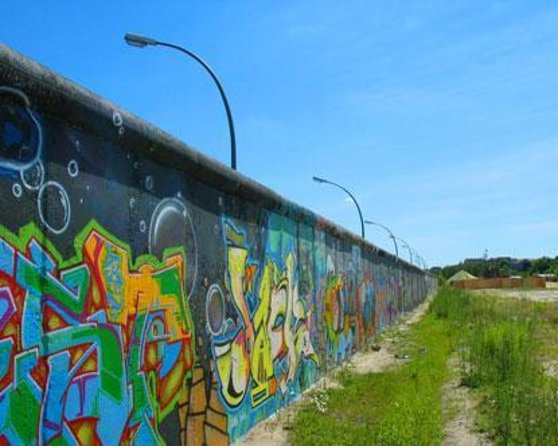
- Touch a preserved section of the Berlin Wall to make history less abstract
- Death strip views that explain the shoot-to-kill policy without turning it into a lecture
- Palace of Tears context for what separation felt like at the border
- Stasi headquarters and surveillance lessons that clarify how control worked day to day
- Bornholmer Straße on November 9, 1989, where the story turns from tension into sudden change
Hackescher Markt and Friedrichstraße: where the Cold War starts to make sense
This is a classic first-stop Berlin Wall tour route because it begins in East Berlin’s everyday core, then slides you toward the places where the rules got strict. You meet near Hackescher Markt, in an area that still feels like normal city life, which makes the later border and wall sections hit harder.
Your guide sets the tone right away by framing the Cold War as a power struggle that got very real in one city. They also connect the idea of two military blocs to the very specific question, why Berlin became the pressure point. That framing matters because otherwise you can leave the wall tour feeling like you only saw artifacts.
The walk then shifts toward Friedrichstraße, one of those central Berlin corridors that used to carry people, trade, and tension all at once. Even if you are only passing through now, the guide’s explanation helps you picture how different the street felt when it served as a functional border zone.
More Guided Walks in Berlin
- Discover Berlin Half-Day Walking Tour
★ 5.0 · 9,624 reviews - Berlin City walk Government District and Places of Democracy
★ 4.7 · 8,467 reviews - Berlin: Third Reich & Cold War Guided Walking Tour
★ 4.9 · 8,378 reviews
Palace of Tears: the border crossing where goodbye was the main event
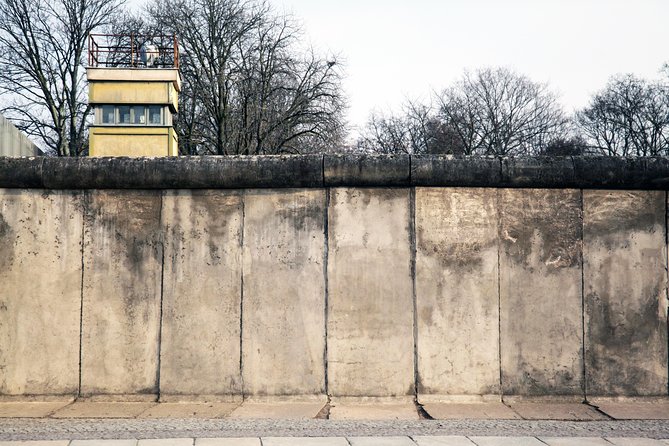
One of the most emotionally pointed segments is the area known as the Palace of Tears. The point is not the building itself, it is the human situation around it, East Germans saying goodbye to families and visitors headed back toward West Germany.
This stop works best when you let the guide’s pacing slow down just a bit. Border crossings were where rules became personal, and that is the lesson you carry with you as the tour moves into more overtly brutal wall imagery.
Practical tip: you will likely stand and listen a bit here, so wear shoes you can handle for a couple hours of city walking. If you tend to get cold quickly, bring a light layer, too, since the border-related stops can feel exposed.
Berlin Wall Memorial at Bernauer Straße: preserved wall + the death strip lesson
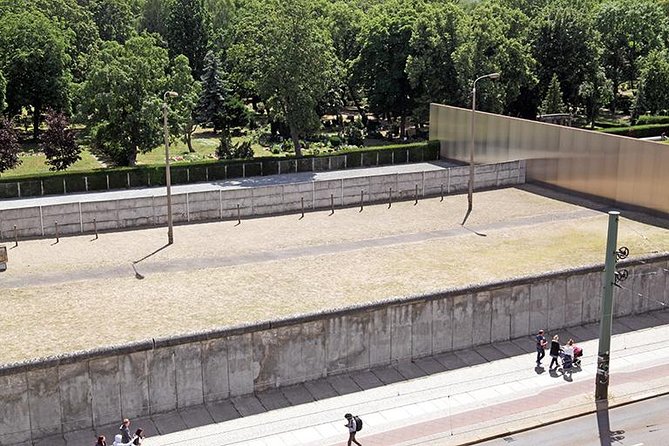
The center of gravity is the Berlin Wall Memorial (Gedenkstätte Berliner Mauer), where you see a section preserved in its original state. This is where the tour shifts from history to lived danger, because the wall is not reconstructed as a generic picture. You get that rare feeling of seeing something that used to operate like infrastructure.
What I really like for first-timers is the combination of viewpoints. You are guided to understand the layout concept, then given a birds-eye view over the death strip, including how the system was designed to catch escape attempts. The tour also includes the unique chance to touch the remains of the Wall, which is a simple act that makes your brain stop treating this as distant newsreel.
You should be ready for a more serious tone here. It is one thing to read about the Berlin Wall, it is another to stand near a preserved section and hear how the rules worked.
Also note a useful boundary: you will not be stuck for hours. The memorial portion is long enough to absorb the story, but the overall structure keeps the tour moving so you still get the Cold War big picture by the end.
Chapel of Reconciliation and the old relic stops: how the wall shaped the city
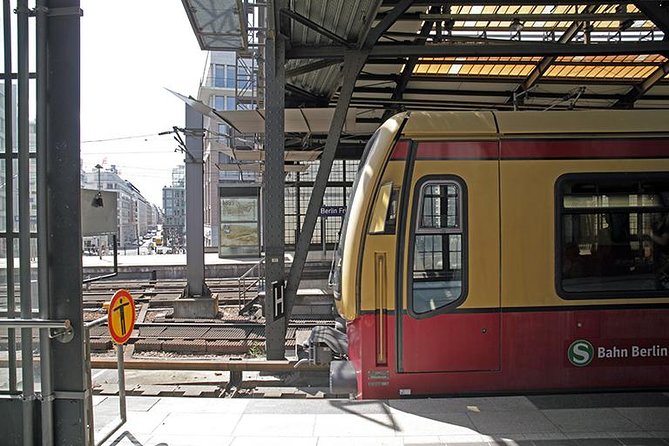
After the main memorial segment, you continue into smaller stops that explain how the wall rewired daily space. The Chapel of Reconciliation (Kapelle der Versöhnung) is a great example. It is a place of worship, but the guide will show you how that meaning changed when the wall and border logic forced new realities onto the area.
You then move to the GDR watch tower, described as the oldest relic of the Berlin Wall. This is the kind of stop where the guide’s details matter most, because you start seeing the wall not as one object but as a system, with observation as part of the control.
Ackerstraße is another quick but meaningful stop. Even when the time on each location is short, the tour uses these points like visual punctuation. You leave with a clearer map in your head, which helps you later if you want to spot similar features on your own walk.
Possible drawback to plan around: because the tour is only about two hours, each stop is focused and brief. If you want to linger, take a few photos, and then re-read every information plaque, this may feel a bit quick. The tradeoff is that you still get multiple key Cold War locations in one outing.
Bornholmer Straße on November 9, 1989: the night things changed fast
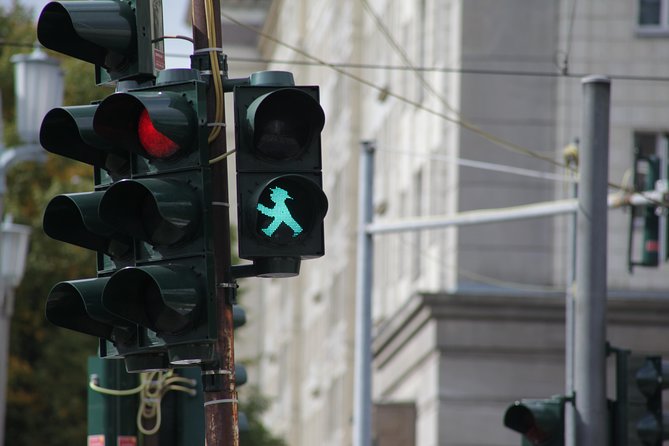
One of the best parts of this tour is that it does not stop at the wall as a symbol. It gets you to Bornholmer Straße, where you learn how the Wall came down on November 9, 1989.
The guide tells the story in a way that emphasizes the odds and the near-mistakes behind historical turning points. You learn about an East German politician’s mistake and why that misstep helped trigger the collapse of the barrier. It is a good reminder that history is not only caused by grand speeches, it can be set off by one wrong instruction in a tense system.
This segment is also where the tour can feel lighter, not because the topic becomes happy, but because the narrative becomes motion and possibility. You understand what people meant when they talked about escape, reunification, and suddenly being able to move.
More traces of the Wall through Berlin:

Stasi headquarters: surveillance explained as a daily system
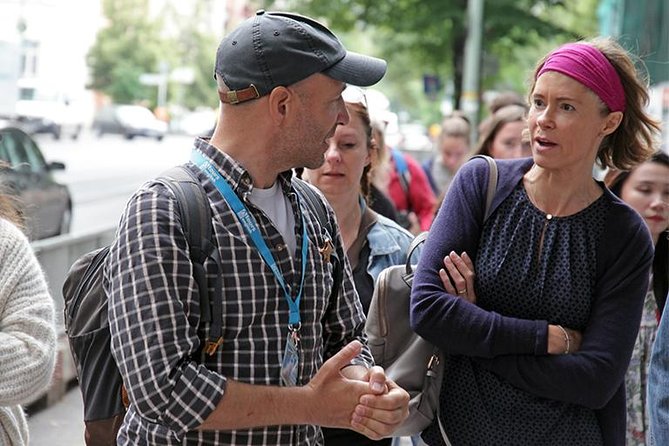
Next comes the part many people remember long after the photos. You visit the headquarters of East Germany’s secret police, the Stasi, and you learn how the state increasingly spied on its own people.
The most valuable aspect of this stop is the explanation of control as a system, not just a single bad actor. The guide walks you through how spying fed government control, and how that pressure shaped everyday behavior. It helps you see why the Wall was not only about stopping people from leaving. It was also about managing what people could safely think and do.
If you like Cold War stories, this is the stop that adds texture to the wall story. The wall shows force. The Stasi story shows how power works in quieter, more personal ways.
From a tour-experience standpoint, this is also where your guide’s speaking style really matters. The best guides keep it clear and grounded, so you understand the logic without feeling overwhelmed.
Alexanderplatz finish: ending at a former East Berlin center
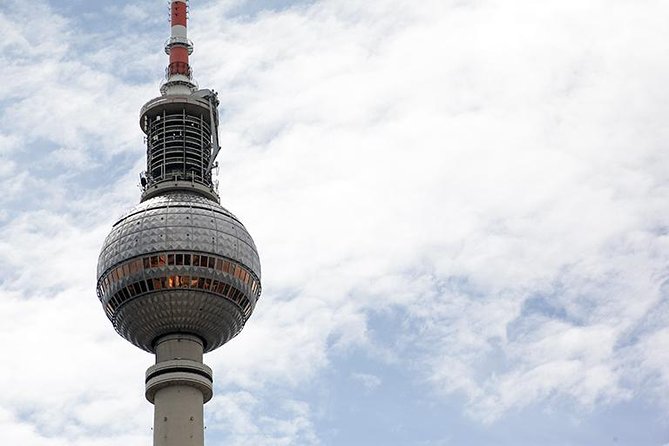
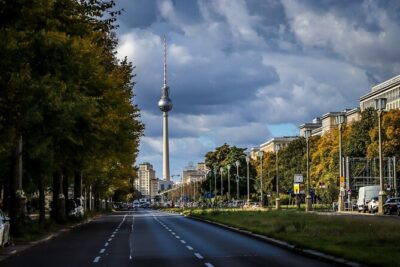
You finish in the heart of the former East German capital, around Alexanderplatz, an area tied to the iconic TV tower. The idea here is to land you back in a place that looks modern now, so you can mentally swap timelines.
Alexanderplatz helps the story click. You see how a city that was once divided became a city where the skyline carries reunified Berlin energy. It is not a time-travel museum, it is a living place, which makes the Cold War feel less like a chapter and more like a scar that shaped the present.
One practical note: the tour description says it finishes near Alexanderplatz, and the operator also notes the tour ends close to S-Bahn Nordbahnhof. Either way, the goal is the same, wrap up with an easy transit option so you can keep exploring without stress.
Why this tour works so well in 2 hours
The format is short, but it is not random. The tour hits a sequence: origin of division, border experience, physical wall evidence, fall of the Wall, then the Stasi explanation, and finally a reunification-era anchor point.
That ordering is a smart value move. If you only do the memorial, you miss the system that kept people trapped. If you only do the Stasi story, you miss the visible barrier that shaped escape and fear.
You should book this length if you are doing Berlin for the first time and you want one high-impact Wall and Cold War outing without burning half your day. It is also a good fit for people who prefer walking tours with a guide who can explain while you see.
Who might not love the 2-hour pace: if you are the type who likes long museum reading time, or if you plan to take a ton of photos and linger at every plaque, you might feel rushed. The fix is easy, add extra time after, especially around the memorial area.
Price and value: what $21.78 buys you, plus the costs to plan
At $21.78 per person, this is priced like a short, high-value guided experience, not a big-ticket museum day. What you get that matters is a professional guide and a structured route through multiple key points, including the Berlin Wall Memorial and Stasi headquarters.
Many stops include free access where admission is free. The Berlin TV tower admission is not included, so if you want the tower ride, budget separately.
Also plan for transit. The tour does not include a Berlin transport pass for the AB zone, listed at about 10.60 euros. If you do not already have day tickets, factor that into your total. The tour is near public transportation, which helps, but you may still want transit coverage for getting between points smoothly.
Bottom line on value: you are paying for a guided storyline through East Berlin. If you would otherwise try to stitch those locations together alone, the guide time is what makes the price feel fair.
What the small group size changes for your experience
The maximum group size is 20 travelers. That cap is not just a number. It tends to mean you can hear the guide clearly at stops and ask questions without the whole group feeling like a classroom.
The reviews also give you a clue about guide style. People highlight guides like Ariel for engaging delivery with jokes, Dylan for answering group questions, and Tom for combining big-picture events with individual stories. That mix is exactly what you want on a complex subject like East Berlin.
Some guides also point out details that many visitors miss, like a ghost station and lines where tunnels were dug. Even when those moments are quick, they add a real-world edge to the wall narrative, because they hint at the desperate engineering and planning people tried.
Tips so you get the most out of the walk
Start your morning with a calm mindset. This tour packs emotion into a short schedule, so if you are already tired, the story will feel like more than it needs to be.
Dress for walking in all weather, since the tour operates in all conditions. Bring a compact umbrella or a light rain layer if rain is likely.
Wear shoes that grip well. You will do city walking between stops, and you want to be steady when you pause for viewpoints.
If you like to plan your day, leave some buffer afterward. Many guides share follow-up suggestions, like where to watch the sunset nearby. Even if you do not follow those exact tips, having extra time after makes it easier to process what you just saw.
Should you book this East Berlin and Berlin Wall walking tour?
Yes, if you want one guided outing that turns the Berlin Wall from an iconic photo into a whole Cold War system. The best reasons to book are the Wall memorial preserved section, the death strip viewpoints, and the chance to touch the remains of the Wall, all paired with the Stasi surveillance explanation.
Skip it only if you know you need long independent museum time, or if you strongly dislike guided pacing. For a focused, high-impact overview with expert storytelling, this is a very practical buy.
FAQ
How long is the East Berlin and Berlin Wall 2-hour walking tour?
The tour lasts about 2 hours.
Where does the tour start and what meeting point should I use?
The tour begins next to Hackescher Markt train station. The meeting point listed is Neue Promenade 3, 10178 Berlin.
What time does the tour start?
The start time is 10:00 am.
Is the tour offered in English?
Yes, the tour is offered in English.
What is included in the price?
The price includes a professional guide and the 2-hour walking tour, with a mobile ticket.
What is not included, like transport or the TV tower?
You may need a Berlin Transport AB Zone pass (about 10.60 euros), and Berlin TV Tower admission is not included.
Can I cancel for a full refund?
Yes, you can cancel for free up to 24 hours in advance for a full refund.
Cities at Walking Speed
- Berlin: Discover Berlin Walking Tour
★ 4.9 · 5,998 reviews - Berlin: Hidden Backyards Guided Walking Tour
★ 4.8 · 5,360 reviews - Third Reich Berlin: Hitler and WWII Walking Tour
★ 5.0 · 3,301 reviews - Berlin: Third Reich, Hitler, and WWII Walking Tour
★ 4.9 · 1,757 reviews
Fresh on the arrivals board for Berlin



Guided Walks in Berlin, compared.
Berlin City walk Government District and Places of Democracy
Read our review →
Berlin’s Best: 2 Hour Walking Tour Third Reich and the Cold War
Read our review →
Third Reich Berlin: Hitler and WWII Walking Tour
Read our review →
Browse the lists this tour appears in