
Reviewed · MUSEUMS
Dresden: Guided City Walk and City Museum Entrance Ticket
Dresden moves fast, in the best way. I like how this tour strings together Baroque landmarks such as Frauenkirche, Semperoper, and Zwinger with stories that make the city feel readable.
My second big plus is the follow-up ticket, which gets you into the City Museum and the Städtische Gallery right in the old town. One thing to plan for: the walking guide does not go with you inside the museum, so you will need to switch into self-guided mode on your own.
In This Review
- Key things to know before you go
- The 1.5-hour plan: see the icons, then step into 800 years
- Finding the guide at QF Passage and starting at Neumarkt
- Frauenkirche towers to Semperoper: why Dresden looks the way it does
- Zwinger fountains and Baroque spectacle in water and stone
- Residenzschloss and Fürstenzug: power, ceremony, and a quick time jump
- City Museum at Landhausstrasse 2: exhibits, inventions, and 1989
- Städtische Gallery: art from 1500 to the present
- Practical tips, language notes, and the one drawback to plan for
- Price and value: when $20 makes sense
- Should you book Dresden walk plus museum tickets?
- FAQ
- Where is the meeting point for the tour?
- What landmarks are included in the walking route?
- How long is the tour?
- Is the City Museum and Städtische Gallery ticket included?
- Does the guide walk with you inside the City Museum?
- What language is the live guide tour?
- Is the tour suitable for wheelchair users?
- What is the price?
- Is there free cancellation?
Key things to know before you go
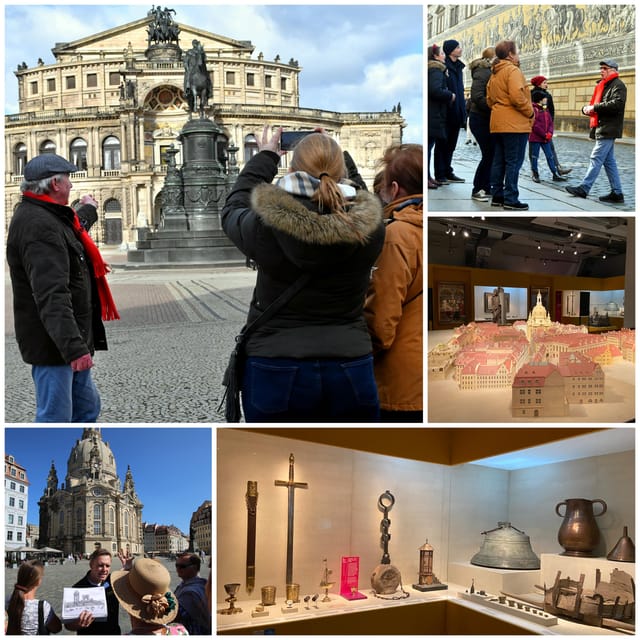
- A 1.5-hour hit list that covers the top Dresden sights in about 100 minutes on foot
- Skip-the-line tickets for the City Museum and Städtische Gallery at Landhausstrasse 2
- Stitching together centuries, from medieval beginnings to GDR life and 1989
- Art on a wide timeline, with works in the Städtische Gallery from 1500 to the present
- One guide, many eras, with live German commentary that turns streets into a timeline
The 1.5-hour plan: see the icons, then step into 800 years
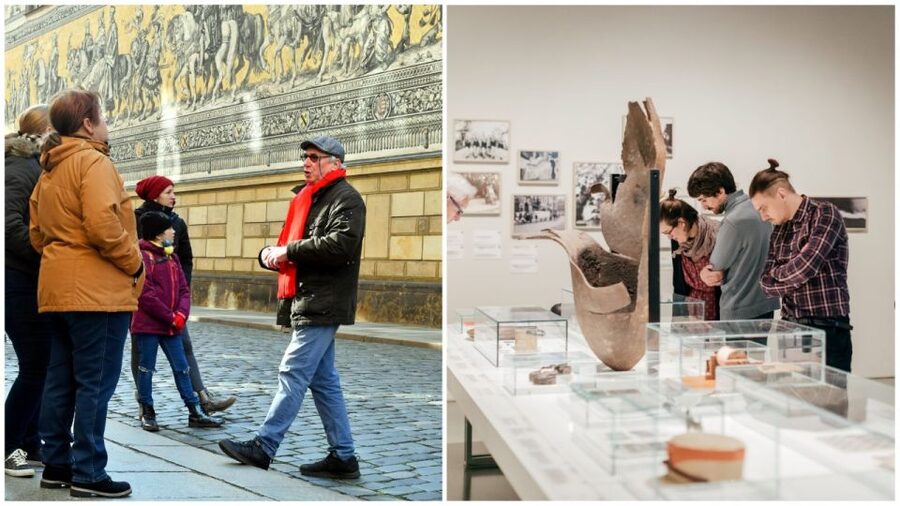
This is built for people who want the big Dresden moments without a half-day commitment. You get a live walking tour for about 1.5 hours total, and the stops are designed to give you the map first, then the meaning.
The route is tight, but not frantic. The idea is simple: walk past the headline buildings, then use the museum time to slow down and absorb how Dresden got from early settlement to Baroque splendor, to wartime loss and postwar rebuilding, to the GDR era and the events around the peaceful revolution of 1989.
Where this tour shines is the way it connects architecture with everyday life. You are not just looking at famous facades. You are also hearing how Dresden’s power and culture worked, and what ordinary people lived through.
More Walking Tours in Dresden
- Dresden: City & Semperoper Guided Walking Tour
★ 4.8 · 2,397 reviews - Dresden: Guided City Walk
★ 4.6 · 2,075 reviews - Dresden: Complete Walking Tour with Frauenkirche Visit
★ 4.8 · 700 reviews
Finding the guide at QF Passage and starting at Neumarkt
You meet in the Untergeschoss (basement level) of the QF Passage. The exact meetup point is in the seating area of the Dresden Information office.
Take a minute for orientation before you start walking. A previous participant specifically asked for clearer meetup directions, which tells me the location can be easy to miss if you arrive late or rush in. I recommend getting there a bit early, scanning for the Dresden Information desk, and then matching the group’s language and size.
From there, the tour begins at Neumarkt, the historic old town area that was badly damaged during the Second World War. That matters because Neumarkt is not just a postcard square. It is a place where Dresden’s story of destruction and rebuilding is visible in the surrounding buildings and the way the city reasserted itself.
Frauenkirche towers to Semperoper: why Dresden looks the way it does
Frauenkirche is one of those stops that you feel in your body before you even start listening. The tour frames it as a Gothic-style church with high towers, and it helps you understand why it became such a powerful symbol for the city’s identity.
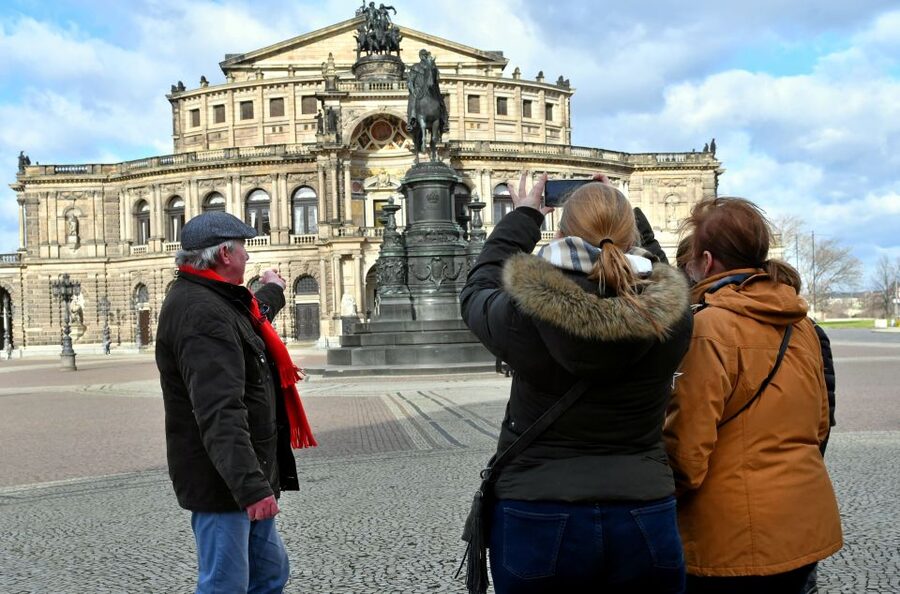
Then you move on to Semperoper, the opera house. This is where the tour gives you more than architecture. You hear how major composers and premieres shaped Dresden’s cultural reputation, with works by Strauss and Wagner mentioned as part of the opera’s story.
I like this part of the tour because it shifts you from “look up at the building” into “why does the city invest here.” Opera is expensive and political. A city that puts that energy into performance is telling you something about its priorities.
Zwinger fountains and Baroque spectacle in water and stone
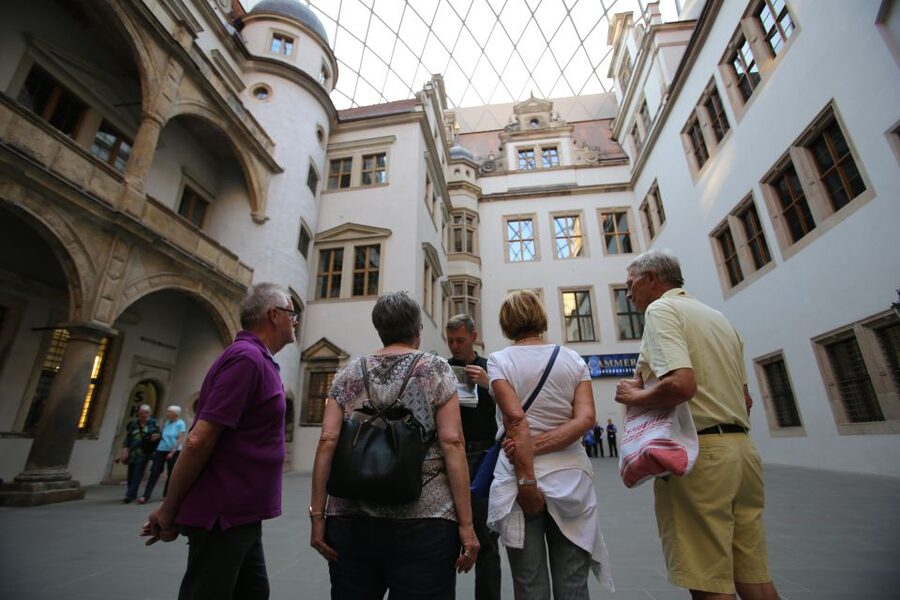
Next comes the Baroque Zwinger, described as one of Germany’s most important Baroque buildings. Even if you have seen Zwinger photos before, seeing it in person does something different. The proportions feel deliberate, and the details reward slow looking.
The tour focuses on the area around the Zwinger’s water features, including the fountains and the green lawns surrounding them. If you have even a few minutes of patience, look at how the garden space and the building work together, like Dresden designed an outdoor stage.
This is also where you get the Baroque “why” in plain language. Baroque architecture is not only about beauty. It is about power, about order, and about showing off a city’s wealth and confidence. Zwinger is the easiest place in Dresden to sense that in one glance.
Residenzschloss and Fürstenzug: power, ceremony, and a quick time jump

Along the way, the walking route includes major landmarks like the Residenzschloss and the Fürstenzug. These stops help you connect Dresden’s royal and civic identity to what you see today.
The Residenzschloss is one of those sites that feels like a centerpiece even when you are only walking past it. The tour’s timing helps you place it inside the broader story, rather than treating it as a random stop.
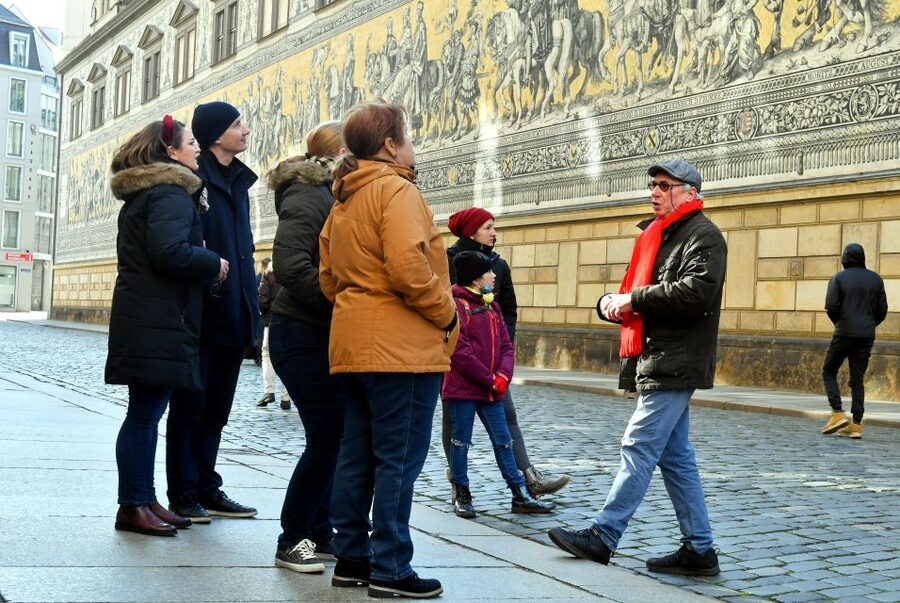
Fürstenzug is different. It is the kind of attraction that makes you pause, because it is visually loaded. You can think of it as Dresden’s story told in figures and scenes. The guide’s job here is to stop you from just scanning for famous names and instead notice the themes, the period cues, and how people wanted to remember themselves.
If you like history that you can point to on a street map, this is a strong part of the itinerary.
More German cities at walking speed:




City Museum at Landhausstrasse 2: exhibits, inventions, and 1989
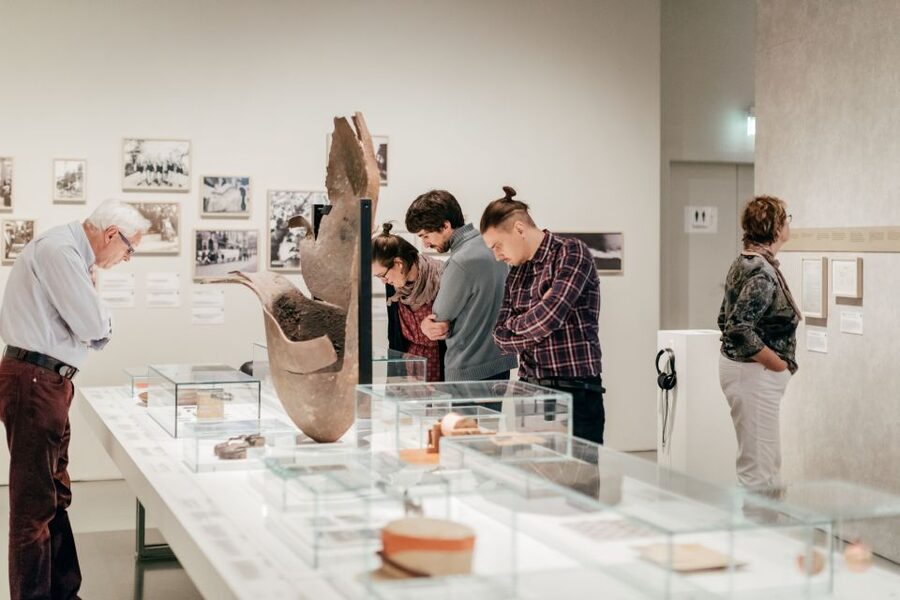
Now for the value move: the included ticket gets you into the City Museum and the Städtische Gallery in central old town at Landhausstrasse 2. The museum experience is positioned as a journey through about 800 years of Dresden, with around 1,000 exhibits and a mix of media like rare film footage and ancient documents.
The museum’s theme is not just dates. It is how people lived and how the city changed its self-image. You start from early settlement in the Elbe valley, move through the founding and the golden age of the Baroque period, and then come to the fall of the old city.
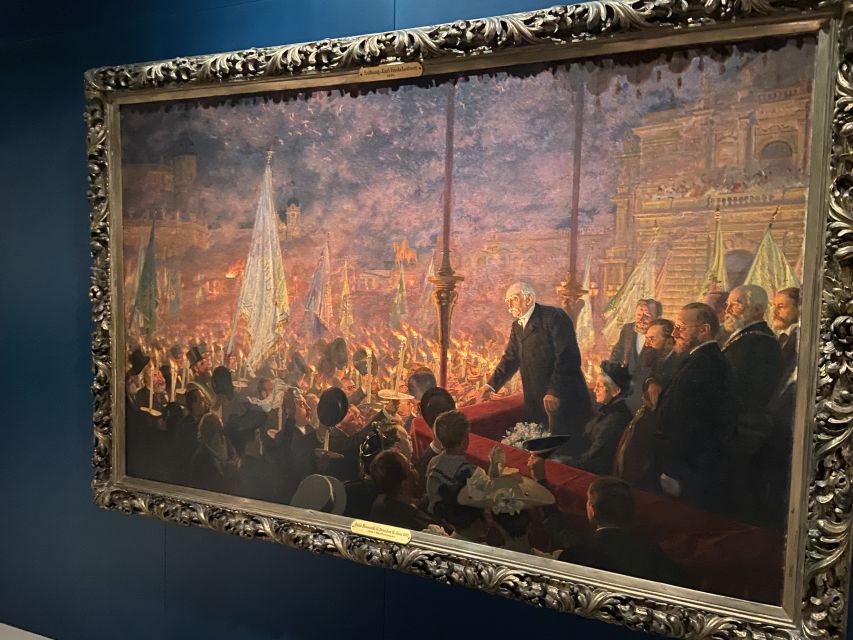
One of the most practical reasons to come here is the way the museum ties the twentieth century to the street-level Dresden you saw on the walk. The guide’s stories on the outside set you up to understand what you will meet inside. The GDR era and the events around the peaceful revolution of 1989 are described as part of that same storyline, not as a separate topic.
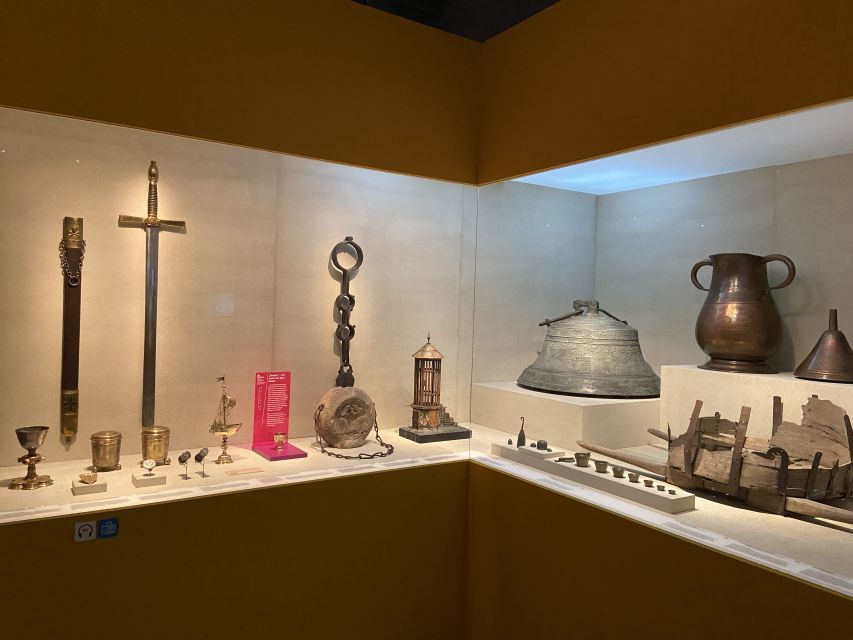
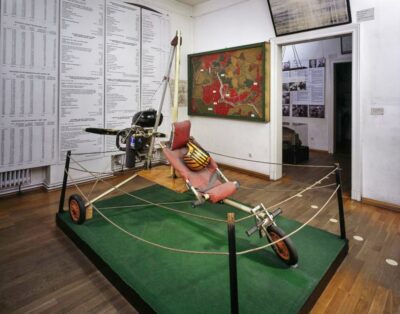
The City Museum also includes offbeat curiosities, such as the Sophienschatz and inventions linked to Dresden. It even mentions oddball display pieces like a neck ring for quarrelsome women and a fool’s house for drunks. That kind of detail is useful, because it reminds you that history lives in everyday habits, not only in big speeches.
Important note for your planning: the guide does not accompany you into the City Museum and Städtische Gallery. You are on your own once you arrive. That can be a plus if you like to explore at your own speed, but it can also feel like a cliff if you expected a guided museum walk.
One previous participant also described some uncertainty about how the museum entry process works, but they still managed to get in and even received an app on their phone. If you like having options, I suggest bringing your own headphones, just in case the museum uses phone audio or an app-based guide.
Städtische Gallery: art from 1500 to the present
The Städtische Gallery is included as part of your ticket, and it is a great counterweight to the museum’s narrative history. Instead of focusing on events and documents, you shift into visual culture.
The range goes from 1500 to the present, which is wider than many visitors expect. That time span matters. It helps you see how Dresden’s taste and artistic identity changed over time, including across major political and social shifts.
I recommend you pick a few works that catch your eye rather than trying to see everything. With a time-limited experience, it is better to look closely at the pieces that connect to themes from the walk, like Baroque style, civic identity, and twentieth century change.
The Städtische Gallery is also a good place to pause. After a walking circuit that covers famous sights, art gives you a slower tempo.
Practical tips, language notes, and the one drawback to plan for
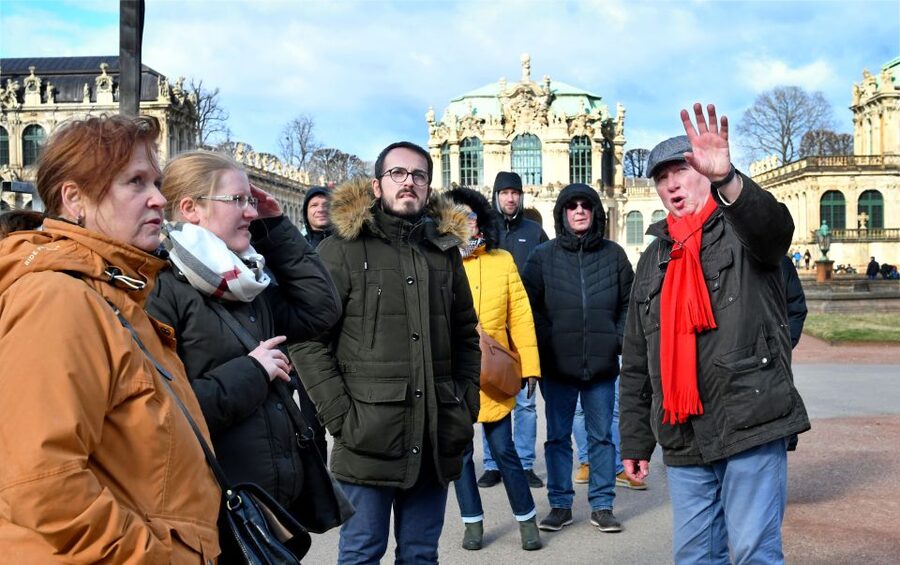
This tour runs with a live guide in German. If you do not speak German, you might still enjoy it, but the tour will likely feel less smooth. The main value is the guide’s storytelling during the walk, so plan accordingly.
The tour is wheelchair accessible, and it is designed for a straightforward city route, which is helpful if you prefer not to navigate too much on your own.
Here is the main practical drawback: the guide does not go with you inside the museum. So, think of this as two experiences stitched together: a guided walking orientation plus self-guided museum time. If you want a true guided museum tour, this format might feel incomplete. If you like independence, it is a nice trade.
For the best experience, come into the museum with a mental checklist. You saw Frauenkirche, Semperoper, Zwinger, Residenzschloss, and Fürstenzug on the outside. When you are inside, keep asking yourself how Dresden rebranded after war, how culture and politics overlapped, and what the museum means by the city’s myths and turning points.
Price and value: when $20 makes sense
At around $20 per person, you are paying for three connected things: the guided walking tour, and then entrance to both the City Museum and the Städtische Gallery. You also get skip-the-ticket-line access.
That combination is where the value lives. Many Dresden sightseeing options either focus on walking alone or on museum time alone. Here you get orientation first, ticket access second, and you do not have to spend your precious vacation hours figuring out entry logistics.
Also, the duration is short enough that you can fit it into a busy travel day. You are not stuck with a long museum commitment before you have even learned the city’s layout.
If you are already visiting Dresden only briefly, this is a smart way to cover a lot without losing your energy.
Should you book Dresden walk plus museum tickets?
Book it if you want a clear Dresden overview and you like history that connects streets to eras. The guide component is a real strength, with people praising the way the city is explained and the tour pace that covers the big sights in time.
Skip it or choose a different option if you need a guided museum experience, where someone walks you room by room and explains each highlight. Here, you will mostly explore the City Museum and Städtische Gallery on your own after the walk.
If your goal is to get bearings fast, see Frauenkirche, Semperoper, and Zwinger, and then spend museum time on 800 years of Dresden, this is a solid, well-priced way to do it.
FAQ
Where is the meeting point for the tour?
You meet in the basement level of the QF Passage, in the seating area of the Dresden Information office.
What landmarks are included in the walking route?
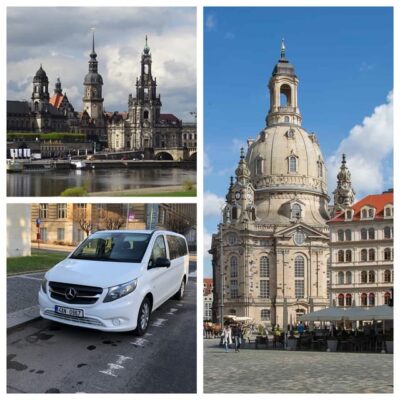
The walking tour includes stops at Frauenkirche, Semperoper, Zwinger, Residenzschloss, and Fürstenzug.
How long is the tour?
The total duration is about 1.5 hours, with a walking route that covers the main sights in roughly 100 minutes.
Is the City Museum and Städtische Gallery ticket included?
Yes. Your ticket includes entrance to the City Museum and the Städtische Gallery.
Does the guide walk with you inside the City Museum?
No. The guide does not accompany you to the City Museum and Städtische Gallery.
What language is the live guide tour?
The live tour guide speaks German.
Is the tour suitable for wheelchair users?
Yes, the tour is wheelchair accessible.
What is the price?
The price is listed as about $20 per person.
Is there free cancellation?
Yes. You can cancel up to 24 hours in advance for a full refund.
Halls Between Trains
- Dresden: Church of Our Lady Guided Tour of Gallery
★ 4.7 · 2,421 reviews - Dresden: Dresden Transport Museum Entrance Ticket
★ 4.6 · 189 reviews - Dresden: Semperoper and Old Masters Picture Gallery
★ 4.5 · 91 reviews - Tickets Dresden Transport Museum
★ 4.0 · 23 reviews
Fresh on the arrivals board for Dresden




Museums, compared.


Skip-the-Line: Berlin Wall Museum at Checkpoint Charlie
Read our review →Browse the lists this tour appears in