

Reviewed · MUSEUMS
Dresden: Semperoper and Old Masters Picture Gallery
The Semperoper is a feast for the eyes. This combo tour pairs a guided look inside the Semperoper with a visit to the Old Masters Picture Gallery and the Sculpture Collection up to 1800 in the renovated Zwinger area. I especially love the way the tour makes the opera house feel practical, not just pretty, by explaining the acoustics and showing how the auditorium is arranged. Another big plus for me is seeing top works like Raphael’s Sistine Madonna and Rembrandt’s Ganymede in a museum setting that has finally been refreshed after years of partial closure. The one drawback to plan for: you can end up with timing stress in only a 2-hour window, and one booking mistake (like a date mismatch) can create real hassle.
If your visit to Dresden is packed, this is a smart way to focus your time. You get a German live guide, skip the ticket line, and still cover two major stops without wandering around lost in translations or paper maps. I’d just suggest you arrive a bit early and double-check the day you booked, because the Old Masters Picture Gallery has a Monday timing restriction that can affect when you can use your ticket.
In This Review
- Key points before you go
- Why the Semperoper is worth your time
- Hitting the right meeting point at Schinkelwache
- Inside the Semperoper: Italian High Renaissance style, up close
- Acoustics lessons: how the auditorium is meant to work
- From partial closure to new splendor at the Zwinger
- Old Masters Picture Gallery: the route through the schools
- Sculpture Collection up to 1800: why it pairs so well
- Price and value: is $35 a good deal?
- The fine print that affects your day
- Who this tour suits best in Dresden
- Should you book this Semperoper and Old Masters tour?
- FAQ
- How long is this tour?
- What language is the live guide?
- What is included in the price?
- Where do I meet the guide?
- Is there an extra cost for photos?
- Are there restrictions on when I can use the Old Masters Picture Gallery ticket?
Key points before you go
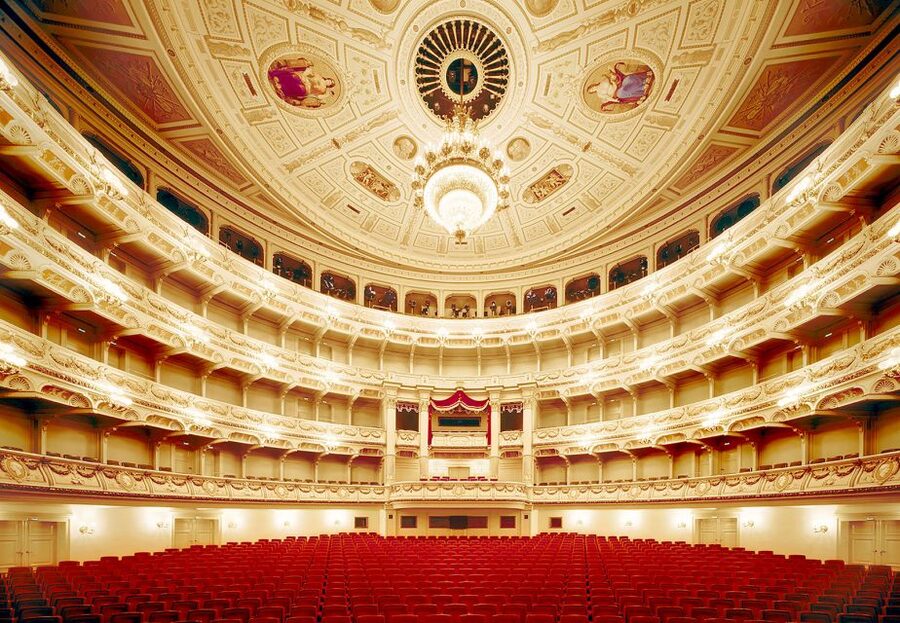
- Semperoper architecture plus acoustic know-how: you’re shown what to look for, then told why it matters.
- Old Masters and sculptures together (up to 1800): the renovated presentation links painting and sculpture in one flow.
- After partial closure, the Zwinger area feels new: the Semper Building is back in full shine.
- Big-name masterpieces are part of the route: plan to see Sistine Madonna, Ganymede, and Bernardo Bellotto’s Dresden vedute.
- German guide, short format: the experience runs tight at 2 hours, so paying attention helps.
Why the Semperoper is worth your time

Dresden’s Semperoper is one of those places that looks impressive from the outside, then gets even better when you step inside. The building is famous for performances, but what makes it work for day-trippers is the guided story that connects the glam details to how the space actually functions.
I like that this tour explains the house as a real machine for sound. You get a guided look at the Italian High Renaissance style interiors and the artful layout of the auditorium, so you’re not just staring at gold and paint. At the same time, you’re learning why certain architectural choices influence what you hear.
The other reason I’d put this on your short list is the pairing with the Zwinger’s art collections. After the opera house, you head into the Old Masters Picture Gallery and the Sculpture Collection up to 1800, so your eyes shift from performance space to museum space without feeling like you’re starting over from zero.
More museum halls between train times:
- Dresden: Church of Our Lady Guided Tour of Gallery
★ 4.7 · 2,421 reviews - Dresden: Guided Walking Tour and Chocolate Museum Ticket
★ 4.5 · 479 reviews - Dresden: Dresden Transport Museum Entrance Ticket
★ 4.6 · 189 reviews
Hitting the right meeting point at Schinkelwache
You meet at the ticket office in the Schinkelwache, Theaterplatz 2, 01067 Dresden, at the stop Theaterplatz. That location is helpful because Theaterplatz is one of those central areas where you can orient fast, and the Semperoper is nearby enough that you won’t waste your 2-hour window in transit.
If you’re using a voucher, you’ll exchange it for a valid ticket at the regular ticket office at Schinkelwache. During Schinkelwache ticket office closing times, the voucher exchange can be done at the cash desk at the main entrance of the Semperoper, so you’re not stuck if your timing is off.
Because the whole program is only 2 hours, you should treat arriving early as part of the plan, not an optional extra. Once the guide starts moving the group, there’s little room for delays.
Inside the Semperoper: Italian High Renaissance style, up close
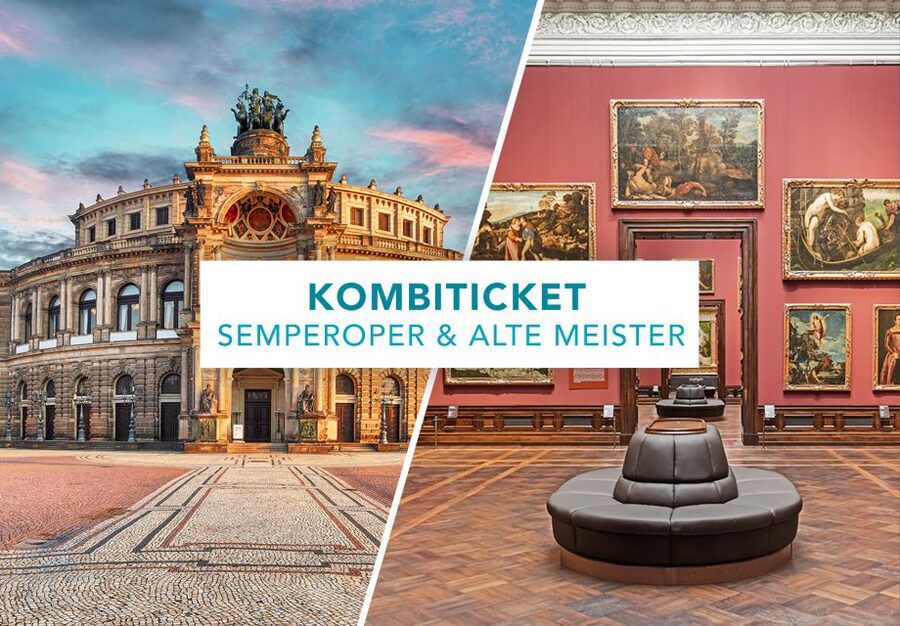
The Semperoper tour focuses on the building as a designed experience, not just a background landmark. You’ll see the richly decorated interiors, and the guide frames them in the context of the house’s reconstruction and its original-plan ideas.
I like that you’re not just told the building looks grand. You’re shown what’s where, and why it was restored the way it was. That matters in Dresden, because the city has layers of rebuilding and reinvention, and the Semperoper is a visible example of that.
One practical note, based on how these visits typically run: keep your focus on the guide’s pacing. In a short tour like this, the most satisfying part is connecting the visual details to the story as you go, instead of trying to remember everything later.
Acoustics lessons: how the auditorium is meant to work
The Semperoper is famous for sound, and this tour gives you the “how” behind the reputation. You’ll learn background information about the incredible acoustics and the artfully arranged auditorium, so you can understand what you’re hearing even if you do not attend a full performance.
This is one of the most praised parts of the experience because it turns the opera house into something you can grasp quickly. You get a guided explanation that makes the auditorium feel designed, not accidental. Even if you’re not an opera superfan, it helps you notice the layout and the intent.
If you’re the kind of person who likes to understand spaces before judging them, this section is a big win. You come away with more than a photo and a memory, you come away with a mental model for why the room performs the way it does.
From partial closure to new splendor at the Zwinger
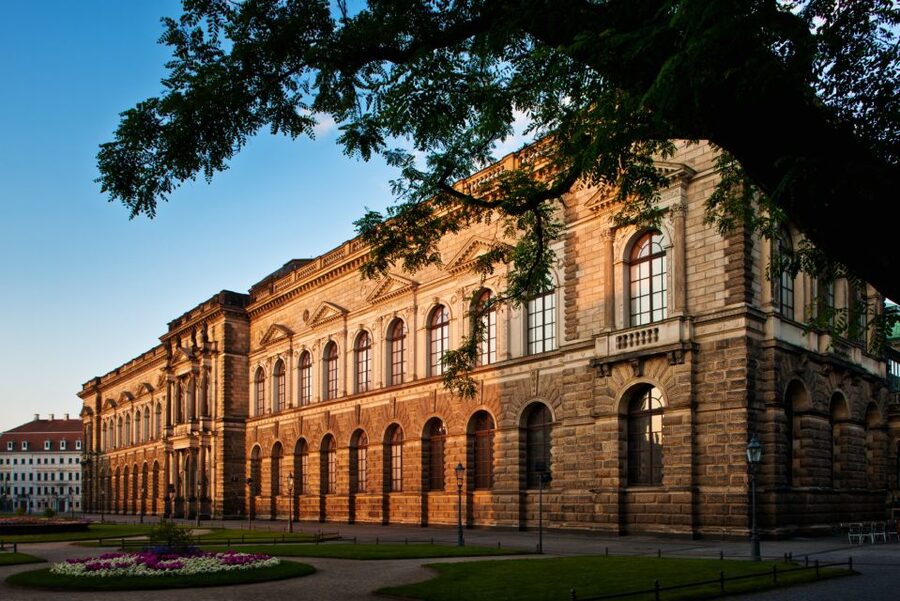
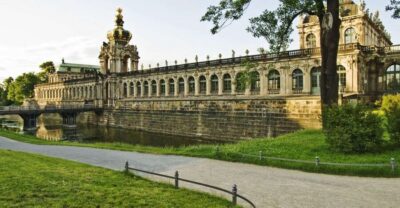
After the Semperoper stop, the program shifts to the Old Masters Picture Gallery in the Zwinger area. There’s a specific “after years of change” feeling here: the famous 19th-century Semper Building at the Zwinger shines in new splendour after seven years of partial closure.
That restoration period matters for your visit. It means you’re seeing a museum presentation that was rebuilt with modern visitor flow in mind, not just a patchwork of temporary access. The result is a smoother way to move through the art and compare works without constantly reorienting.
This is also where the experience gets especially interesting for people who like seeing collections connected. For the first time, the Old Masters Picture Gallery and the Sculpture Collection up to 1800 present their works together in the extensively renovated museum building. That pairing changes how you experience the gallery, because painting and sculpture stop feeling like separate worlds.
Also holding a platform in Dresden



Old Masters Picture Gallery: the route through the schools
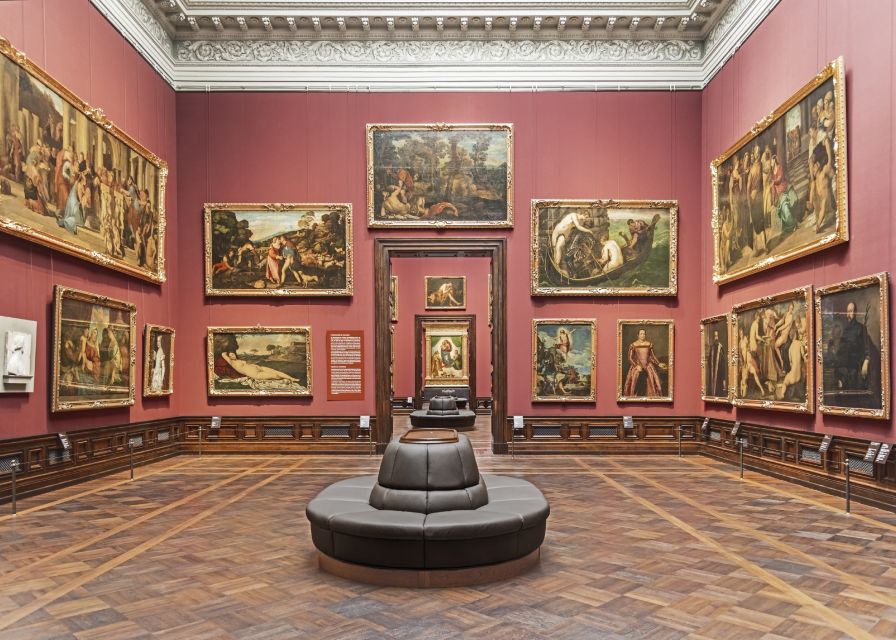
The Old Masters Picture Gallery uses a permanent exhibition concept that follows geographical division by schools and focuses on main themes of each period. Translation for your brain: you’re more likely to understand why a painting hangs where it hangs, instead of treating the museum like a random walk.
The guide points out fixed points that anchor the visit. Expect to see world-famous masterpieces such as Raphael’s Sistine Madonna, Rembrandt’s Ganymede, and Bernardo Bellotto’s Dresden vedute. Those works do more than impress you, they set reference points so the rest of the collection makes sense in context.
Because the time window is tight, it helps to have a strategy. Pick a few “must-see” works in your mind before you start. Then let the guide connect the dots to adjacent works and themes. That keeps you from trying to do everything and remembering nothing.
Sculpture Collection up to 1800: why it pairs so well
A lot of art museum visits separate painting and sculpture like they are from different planets. Here, you get them together, at least within the same renovated building concept and visit flow up to 1800.
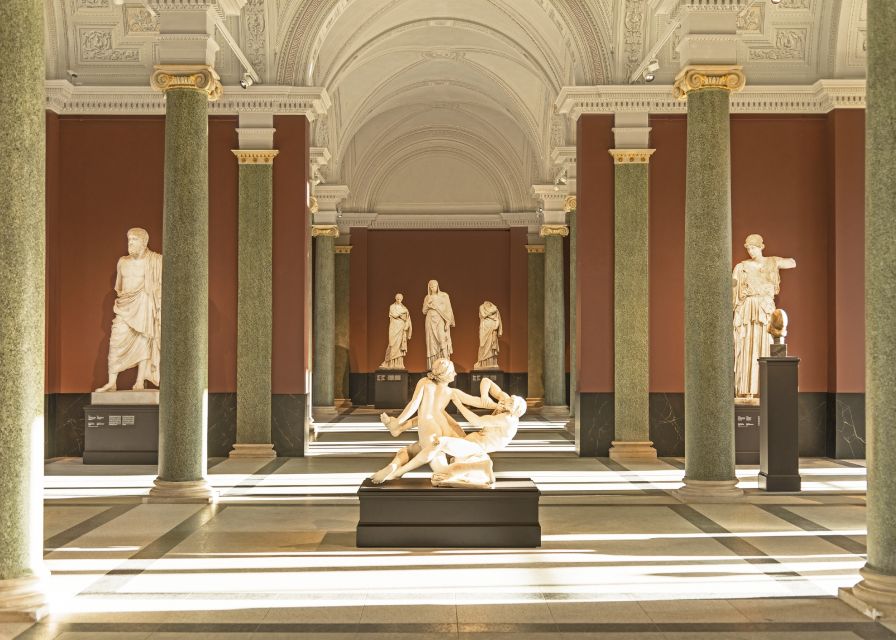
That’s important if you want a more complete view of how European taste developed. Sculpture adds a physical, three-dimensional angle to the story that painting alone can’t fully provide. When you switch from fresco-like drama in a painting to carved form and texture in sculpture, you notice how artists solved different problems: light, posture, realism, emotion, and symbolism.
In this combined setup, the sculpture hall becomes a second “language” for the same time periods. You’ll also be reminded that the collection goes beyond a few famous faces. It’s built to give you breadth, so you can appreciate more than just the headlines.
Price and value: is $35 a good deal?
At about $35 per person for a 2-hour experience, the value depends on what you’re comparing it to. If you’re only thinking of entry tickets, you’re probably leaving value on the table because the experience includes a guided tour of the Semperoper plus entry for the Old Masters Picture Gallery, with the combined presentation of the Sculpture Collection up to 1800.
I think this is best value if:
- You want an efficient plan that covers two heavyweight Dresden art stops.
- You’d rather spend your time learning what to notice than reading signs for two museums.
- You appreciate architecture and sound, not just museum highlights.
It may not feel like the best deal if you’re visiting in a totally flexible way with unlimited time. If you can linger for half a day at each site, you may prefer to roam independently. But if you’re trying to see the top material without turning the day into a stamp-collecting sprint, this combo format makes sense.
The fine print that affects your day
A few rules will shape how smooth your visit feels. Food and drinks are not allowed, pets are not allowed, and smoking is not allowed. Also, the tour does not include a license for taking photos, so don’t assume you can photograph everywhere for free.
The program also works on a single entry into the Old Masters Picture Gallery, tied to the combined tickets you receive. The combined tickets can be used on different days, which is a helpful flexibility if the timing on your day changes.
There’s also a specific Monday restriction: Old Masters Picture Gallery tickets can be redeemed on all days except on Mondays between 10am and 5pm. If your travel plan hits Monday, decide in advance whether you’ll use the ticket before 10am or after 5pm, or switch the gallery visit to another day.
Who this tour suits best in Dresden
This is a strong fit if you like architecture, performance spaces, and museum storytelling that helps you connect what you see. The Semperoper portion works well even if you do not attend an opera, because the tour explains the space and sound design.
It’s also a good fit for art fans who want an efficient path through major works. You’ll leave with the anchors like Sistine Madonna, Ganymede, and Bellotto’s Dresden vedute, plus the surrounding works and themes organized by schools and periods.
If you’re traveling with limited time, the 2-hour format is a plus. If you need very slow museum pacing, you might find it a bit too tight for your style, especially since the program moves you from one major site to the next.
Should you book this Semperoper and Old Masters tour?
Yes, I’d book it if you want a guided, time-efficient way to see Dresden at two major cultural levels. The Semperoper is a “see it and understand it” kind of stop here, not just a quick photo break, and the Old Masters and Sculpture Collection pairing in the renovated Zwinger building adds real depth.
Skip booking only if your schedule is so flexible that you can build a slower, self-paced day without worrying about the 2-hour format, or if German is a barrier and you prefer everything in your own language. If you do book, come with a couple of must-see titles in mind, and double-check your booking date so you don’t lose time sorting out a mix-up.
If you want one practical strategy: treat the Semperoper as the “sound and design” chapter, then let the Old Masters and sculpture halls be your “context and contrast” chapter. That mindset makes the whole 2 hours feel like more than the sum of its parts.
FAQ
How long is this tour?
It lasts 2 hours.
What language is the live guide?
The live tour guide speaks German.
What is included in the price?
The price includes a guided tour of the Semperoper and entry to the Old Masters Picture Gallery.
Where do I meet the guide?
Meet at the ticket office in the Schinkelwache, Theaterplatz 2, 01067 Dresden, at the stop Theaterplatz.
Is there an extra cost for photos?
A license for taking photos is not included.
Are there restrictions on when I can use the Old Masters Picture Gallery ticket?
Yes. The tickets for the Old Masters Picture Gallery can be redeemed on all days except on Mondays between 10am and 5pm.
Fresh on the arrivals board for Dresden


Museums, compared.


Skip-the-Line: Berlin Wall Museum at Checkpoint Charlie
Read our review →Browse the lists this tour appears in