
Reviewed · WALKING TOURS
Dresden: Complete Walking Tour with Frauenkirche Visit
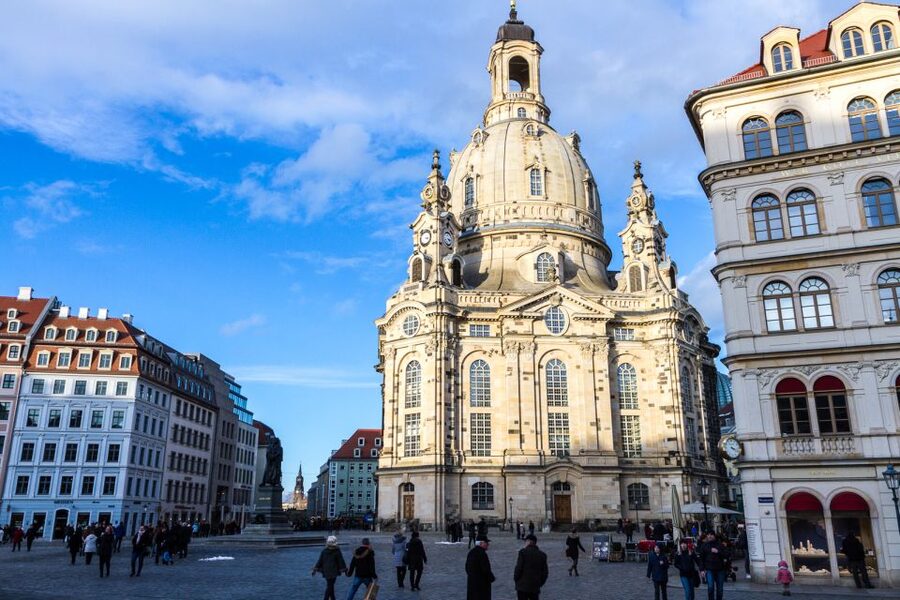
Dresden clicks into place fast. This walking tour strings together the city’s top landmarks with headsets so you can follow the stories clearly, and it includes a real inside visit to the Frauenkirche. The only real watch-out is that, on rare days, the church visit can be affected by major events, so it’s smart to be prepared for possible changes.
I also like the pacing. In just two hours, you get a compact hit of Saxon history and baroque art, from Neumarkt and Hofkirche through Theaterplatz, Brühlsche Terrasse, and into the Zwinger District. The small group limit (10 people) helps the guide keep questions flowing, but it does mean you should arrive on time at the meeting point.
If you want Dresden in one clean, guided loop, this is a strong value. It’s priced at $16 per person for a live German guide, and you walk away with orientation and a postcard souvenir, not just photos.
In This Review
- Key Things You’ll Notice on This Tour
- Where You Start: Neumarkt 2, Headsets On, and Questions Welcome
- The Old Town Spine: Stallhof, Fürstenzug, Neumarkt, and Schlossplatz
- Catholic Hofkirche and the Meaning of Dresden’s Religious Architecture
- Inside Frauenkirche: Altar, Murals, Crypt, and the Lower Church
- Theaterplatz, Semper Opera, and a Royal-Palace Perspective
- Brühlsche Terrasse Over the Elbe: The View Has a Purpose
- Zwinger District and Saxon Baroque: Sandstone Sculptures and Court Culture
- Price and Duration: Why $16 for Two Hours Feels Fair
- Who Should Book This Frauenkirche Walking Tour
- Should You Book This Dresden Walking Tour?
- FAQ
- How long is the tour?
- How much does it cost?
- Where do I meet the guide?
- What time does the tour start?
- Is a guide included?
- What language is the tour conducted in?
- Do I need headphones or audio equipment?
- Are museum tickets included?
- Is the tour suitable for wheelchair users?
- How big is the group?
- Is the Frauenkirche visit guaranteed?
Key Things You’ll Notice on This Tour
- Headsets for clear listening: you hear the guide without leaning in or missing details
- Frauenkirche inside visit: altar, murals, crypt, and both church spaces are part of the stop
- A guided story thread across districts: old town landmarks connect to Saxon baroque at Zwinger
- Small group size (max 10): easier questions, better flow through tight areas
- Postcard souvenir included: a small touch that makes it feel finished
- Museum entries not included: you see the best exterior and key interiors included, then leave the timed museum stuff to you
Where You Start: Neumarkt 2, Headsets On, and Questions Welcome
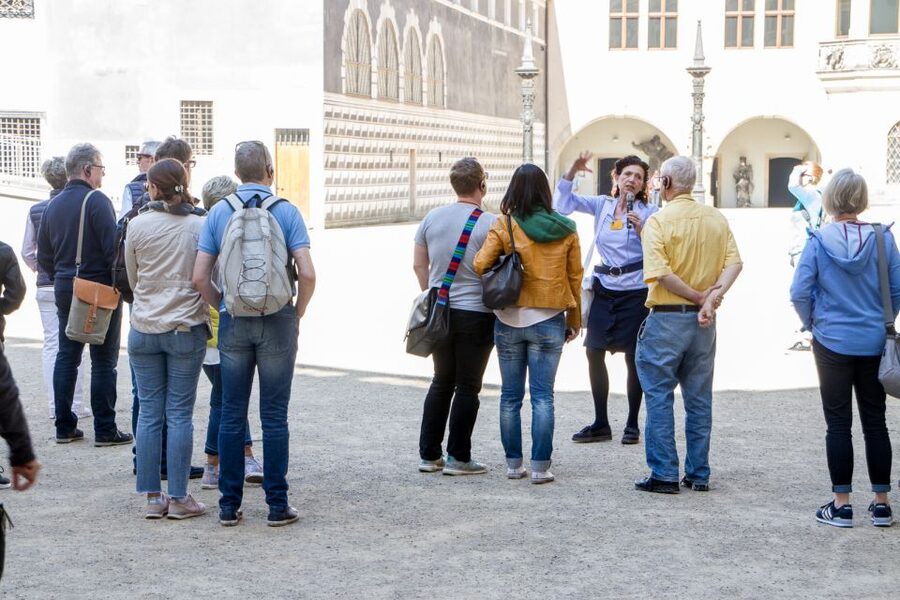
The tour begins at Neumarkt 2, 01067 Dresden, meeting in front of the tourist information in the sub-level floor of the QF Passage. The guide holds a sign marked Glanzlichter Dresdens, and you’ll want to arrive 5 to 10 minutes early so you’re not rushing at the start time.
Once you find the group, you get kitted out with headphones/headsets. This sounds like a small detail, but it changes everything for a walking tour. Dresden is easy to wander in, yet it’s the guide’s timing and explanations that turn scattered buildings into a clear picture of what mattered and why.
This is also where you set expectations. The tour is live and in German, and the audio support is in German too. If you don’t read German confidently, you can still enjoy the visuals, but you’ll get the most if you can follow at least basic German terms, or if you’re comfortable with listening.
Finally, the group is intentionally small (limited to 10 participants). That matters in historic centers, where narrow streets and crowded squares can slow everything down. A compact group helps you keep moving at a pace that still leaves room to stop, look, and actually hear the story.
More Walking Tours in Dresden
- Dresden: City & Semperoper Guided Walking Tour
★ 4.8 · 2,397 reviews - Dresden: Guided City Walk
★ 4.6 · 2,075 reviews - Dresden: Walking Tour with a Night Watchman including a Meal
★ 4.5 · 535 reviews
The Old Town Spine: Stallhof, Fürstenzug, Neumarkt, and Schlossplatz
After meeting, you start with Dresden’s historic old-town core. The tour focuses on key landmarks that help you understand the city’s “how it worked” layout. Instead of treating Dresden like a set of photo spots, the route connects the dots between power, faith, and architecture.
One early highlight is Stallhof, a courtyard space that gives you a sense of how impressive the inner-city plan was. You then move to Fürstenzug, the famous processional mural. Even if you’ve never studied Saxon rulers, this kind of art helps you picture the long timeline of rule and ambition behind the buildings you’re seeing.
From there, you pass through Neumarkt’s historic area. This square is a natural orientation point because it’s surrounded by major structures tied to Dresden’s public life. You also visit Schlossplatz, where the city’s civic and ceremonial center feel comes through quickly.
A practical note here: this section works best if you let your eyes wander in patterns. Notice how each stop changes the “tone” of the street, from the formal courtyard feel into square space, and then toward palace-adjacent areas. The guide is building a mental map for you as you walk.
If you’re someone who likes to understand what you’re looking at before you take the perfect picture, this early stretch pays off.
Catholic Hofkirche and the Meaning of Dresden’s Religious Architecture
The tour includes the Catholic Hofkirche (Court Church). This stop adds an important layer to Dresden’s identity. Dresden isn’t only about one period or one religious story, and that comes through in how the Catholic court church fits into the wider old-town scene.
Here, the guide ties together why court churches mattered to rulers and how architecture expressed authority. You’re not just seeing a big, impressive building. You’re learning what it signaled in its time: who held power, which traditions were honored, and how public life looked around major institutions.
This is also a good moment to reset your expectations for interior visiting. Earlier sights are more about shape, position, and symbolism. Then the tour pivots toward the Frauenkirche, where the explanations become more detailed and personal, down to specific features inside.
Even if you only remember one thing from this stop, it’s that Dresden’s story runs through more than one “strand.” The guide keeps that connection clear as you transition from squares and courtyards into places designed for ceremony, art, and memory.
Inside Frauenkirche: Altar, Murals, Crypt, and the Lower Church
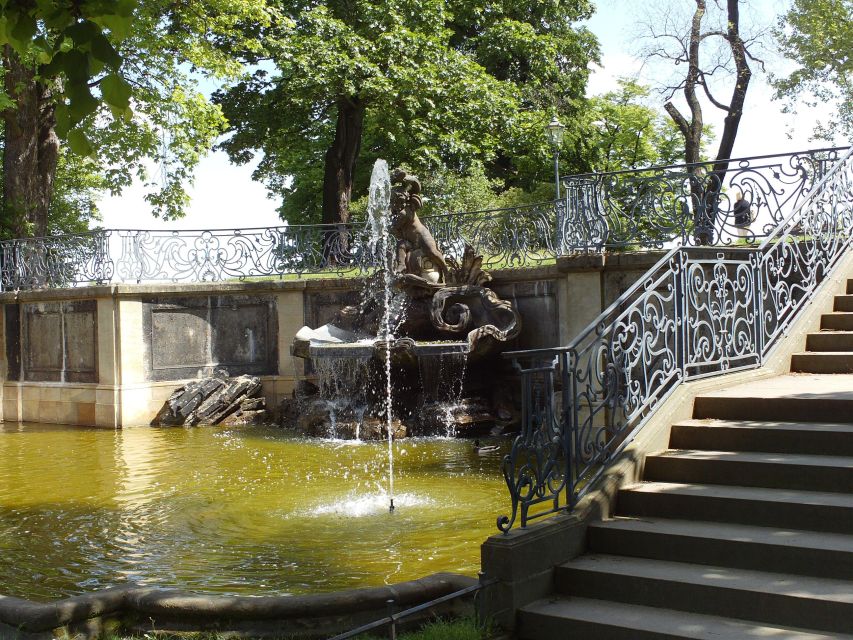
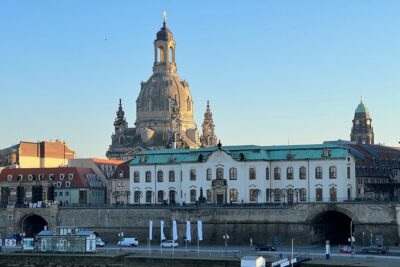
The Frauenkirche visit is the emotional and architectural center of the whole experience. The church of our Lady is stunning outside, but the real value is stepping inside with a guide who explains what you’re looking at.
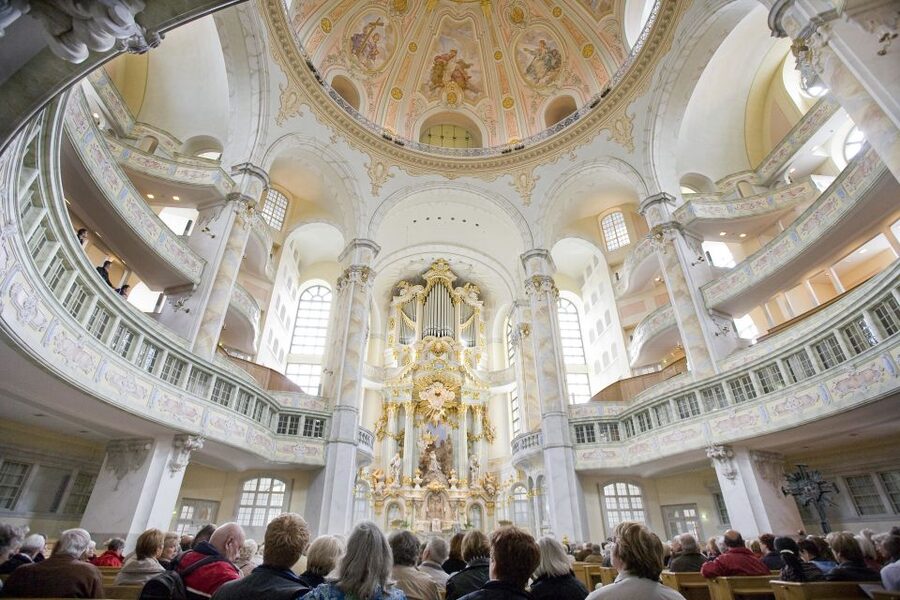
You’ll learn about the altar, the stunning murals, and the historic crypt. Those details matter because they turn a beautiful interior into a narrative space. Instead of guessing, you understand what the features represent and how they fit into Dresden’s larger story.
One reason this stop feels especially worthwhile is that you also experience more than one space within the building. You marvel at the baroque splendor of the nave, and you get a look at the impressive lower church too. That variety makes the visit feel complete in the limited time you have.
There is one consideration to keep in mind. In at least one instance, a Frauenkirche visit was not possible due to preparations connected with national television. It’s not something you can fully predict, so I’d treat the church entry as a strong planned highlight, but also keep flexible expectations on the day.
If you’re traveling with limited time, this is still a smart pick because the guide’s explanations focus on why the Frauenkirche is significant, not just on getting you into one room and out again.
Theaterplatz, Semper Opera, and a Royal-Palace Perspective
After the Frauenkirche, the tour heads toward Theaterplatz, another key piece of Dresden’s map. This is where the energy shifts from religious monument to cultural and royal institutions.
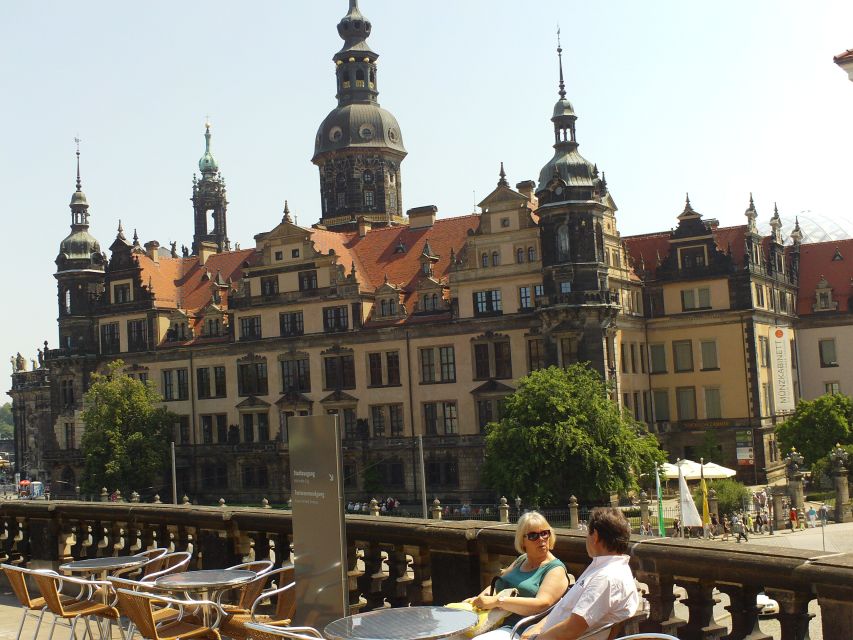
Here you see the Royal Palace and the Semper Opera. Even when you’re not stepping inside, the perspective helps you understand how Dresden arranged public life around major venues. It’s also a good contrast with the church visit. The tone changes from sacred symbolism to performance, civic identity, and the look of power expressed through theaters and palaces.
For your photos, Theaterplatz is useful because it gives you broader sightlines than you get in tighter old-town streets. For your understanding, it gives you context: Dresden’s rulers weren’t only building for eternity, they were building for court life, festivals, and public spectacle.
The guide’s stories help you connect what you’re seeing to what came before. So by the time you reach the river terrace later, you won’t feel like you’re just chasing viewpoints. You’ll know why this part of Dresden was designed the way it was.
More German cities at walking speed:




Brühlsche Terrasse Over the Elbe: The View Has a Purpose
A walk in Dresden should include a river moment, and this tour makes that happen at Brühlsche Terrasse. From here, you get views across the Elbe landscape and a sense of how the city opens up beyond its buildings.
This stop works because it’s not just sightseeing. The guide uses the view to reinforce what you’ve learned so far, especially the city’s “showcase” areas tied to major institutions and royal planning.
Timing matters too. You’re moving through multiple historic areas in sequence, and this terrace stop gives you a breather. It lets you look outward while your mind still holds the same story thread the guide has been explaining.
For practical planning, bring comfortable shoes. Terrace areas can be slick depending on weather, and you’ll be standing and walking around viewpoints while listening. If you’re prone to cold ears, keep that in mind, even in mild weather, since your headsets can make you forget you’re outdoors.
Zwinger District and Saxon Baroque: Sandstone Sculptures and Court Culture
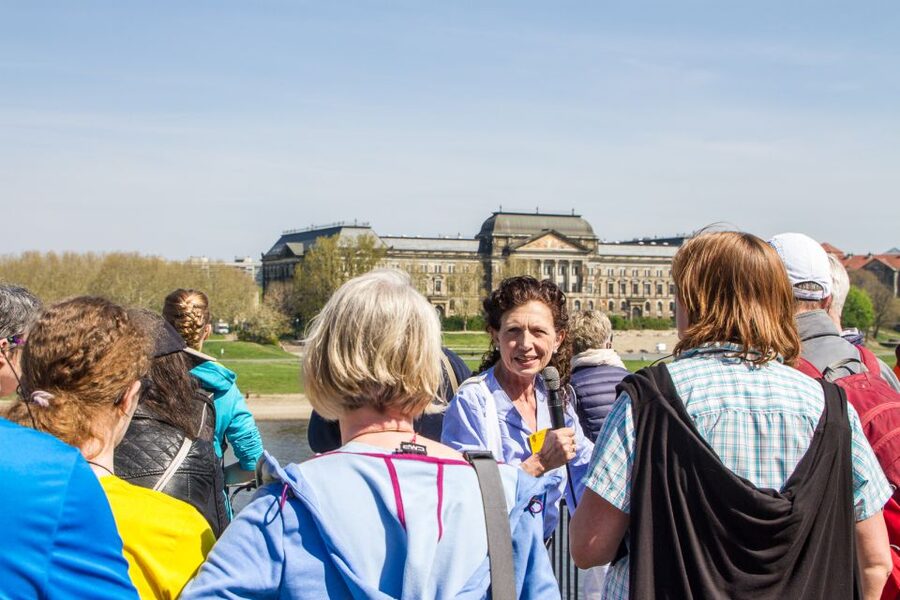
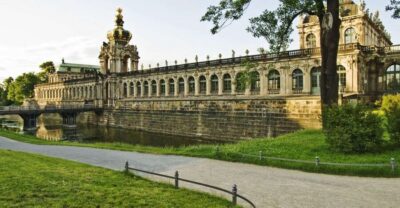
Then you roll into the Zwinger District, where Saxon Baroque takes over. This is a major payoff for art lovers and architecture fans. The Zwinger is one of those places where details reward you, and the tour helps you notice them instead of just passing them.
You get close-up views of sandstone sculptures with historic stories attached. The guide also explains the former function of the statues and ties the visuals to festival culture at the court of Augustus the Strong. That connection is the difference between admiring decorative stone and understanding how that decoration worked for court life and public celebration.
You’ll also learn about the statues’ current use as part of museum settings. That matters because it frames the Zwinger as a living cultural space, not only a relic. You’re seeing how art and architecture shift roles over time, from designed court theater back into public interpretation.
One important reality check: museum entries in the royal castle, Zwinger, or Semper Opera are not included. You’ll still get the core viewing and guided context, but if you want to go inside paid museum spaces, you’ll need to plan that separately.
If you only have two hours, this is still a great way to understand Dresden’s baroque language quickly. You finish the tour with a stronger sense of what to seek later on your own.
Price and Duration: Why $16 for Two Hours Feels Fair
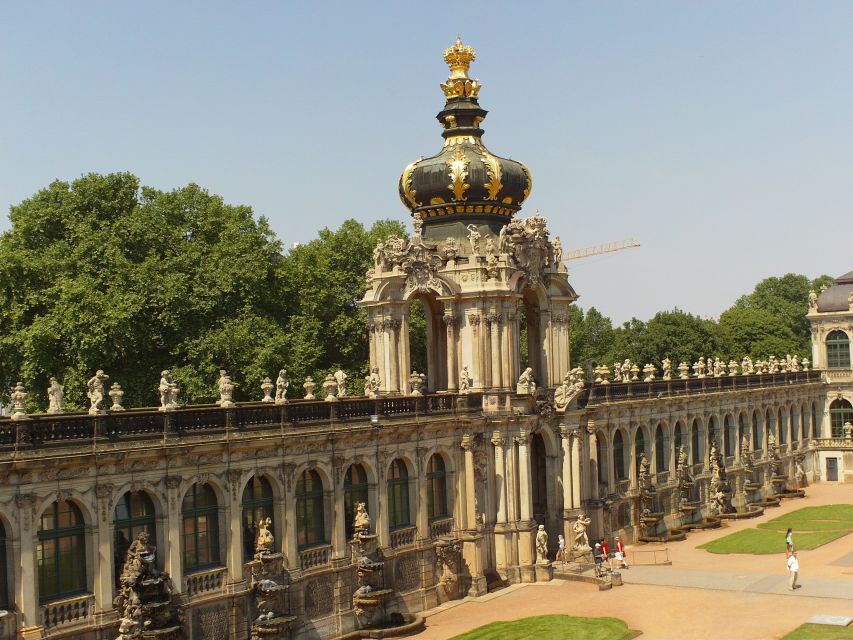
At $16 per person for a 2-hour guided walk, the value comes from how the time is used. You’re not just paying for a route. You’re paying for a live guide, headsets for clear audio, and a structure that covers multiple districts without feeling rushed.
Small-group format also matters for cost. When you’re limited to 10 participants, the guide can answer questions and adjust explanations if people get stuck. It’s hard to do that in large groups, and it shows in the experience.
You also get a postcard souvenir included. It sounds small, but it’s a “take-away” that matches what this tour aims for, quick orientation plus a souvenir that reminds you where you started.
Balance note: the tour is in German. If you want explanations in English, this may not be the best match. But if you’re comfortable listening, even at a basic level, the visuals and structure make it worthwhile.
And remember the practical scope: museum entry is not included. The tour focuses on key sights and interiors like the Frauenkirche, but you’ll likely want extra time later if you want full museum deep dives.
Who Should Book This Frauenkirche Walking Tour
This tour fits best if you want a guided “Dresden foundation” in a short time window. It’s especially good for first-timers who feel overwhelmed by how much Dresden has to offer.
If you like learning while walking, and you enjoy being pointed toward what to notice, you’ll do well here. The guide approach, often with humor and warmth (including praise for Dagmar Renger’s competence and comedic, heartfelt delivery), makes the city feel less like a list and more like a story you can follow.
It’s also a solid option if you want a plan that naturally moves across key districts without needing public transit. You can focus on the city rather than logistics.
Wheelchair accessibility is supported, which is a big plus for travelers who need more stable, planned routes. That said, the tour duration is still tight, so if you have mobility limitations, consider pacing needs and ask ahead if you want specifics.
Should You Book This Dresden Walking Tour?
Yes, if you want an efficient, guided route that includes Frauenkirche inside access and a strong dose of Saxon landmarks without paying museum entry fees. The headset setup is a real quality-of-life upgrade, and the small group size keeps it from feeling like a conveyor belt.
I’d hold off or double-check plans if your schedule is extremely sensitive around the Frauenkirche itself. On rare days, access can be impacted by major event preparations, and that would affect the highlight you came for.
If you can be flexible and you enjoy short, story-led sightseeing, this is a smart booking. You’ll leave with a clearer mental map of Dresden, plus enough context to enjoy the rest of the city on your own.
FAQ
How long is the tour?
The tour lasts 2 hours.
How much does it cost?
The price is $16 per person.
Where do I meet the guide?
Meet at Neumarkt 2, 01067 Dresden, in front of the tourist information in the sub-level floor of the QF Passage. The guide holds a sign marked Glanzlichter Dresdens.
What time does the tour start?
The meeting time is 10:30 AM.
Is a guide included?
Yes. A live tour guide is included.
What language is the tour conducted in?
The tour is in German, and the audio support is also German.
Do I need headphones or audio equipment?
Yes. Headsets are provided so you can hear the guide clearly.
Are museum tickets included?
No. Entry to the royal castle, Zwinger, or the Semper Opera is not included.
Is the tour suitable for wheelchair users?
Yes, the tour is wheelchair accessible.
How big is the group?
It’s a small group limited to 10 participants.
Is the Frauenkirche visit guaranteed?
The tour includes a Frauenkirche visit, but in some cases access may be affected by special preparations.
Fresh on the arrivals board for Dresden


Walking Tours, compared.

Berlin City walk Government District and Places of Democracy
Read our review →
Berlin’s Best: 2 Hour Walking Tour Third Reich and the Cold War
Read our review →
Browse the lists this tour appears in