
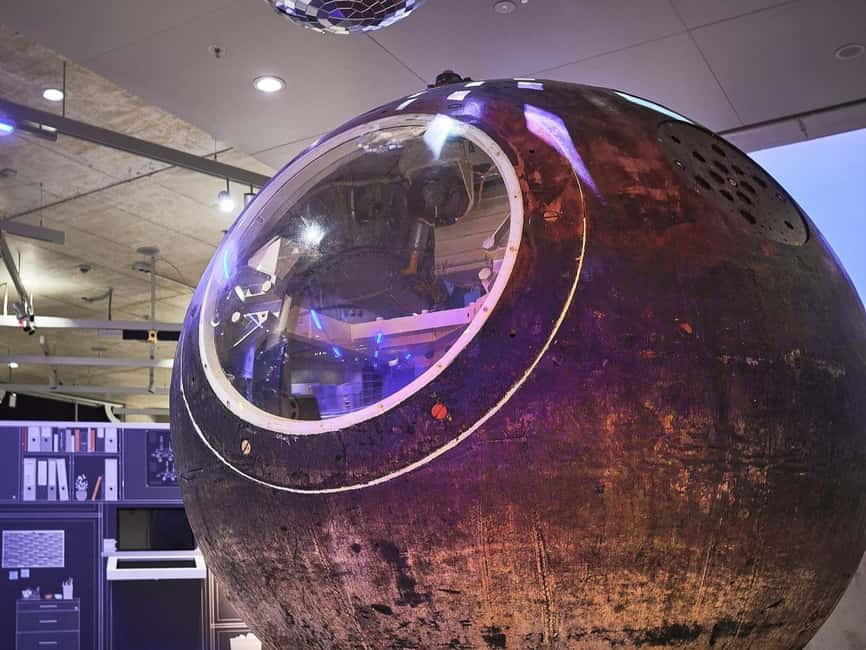
Reviewed · MUSEUMS
Deutsches Museum Nürnberg – das Zukunftsmuseum
Future tech, made practical and human. Deutsches Museum Nürnberg is the future minded wing of the Deutsches Museum, and it turns big questions about tomorrow into things you can actually see and try. I love the hands on style that keeps the ideas grounded, especially around AI and automation.
My second big favorite is the Body and Mind area, where you get healthcare breakthroughs alongside ethical considerations you can’t ignore. One possible drawback: there are a lot of themes in a single day, so without a quick plan you might end up rushing the sections that interest you most.
In This Review
- Key things I’d circle before you go
- Why Deutsches Museum Nürnberg feels different from a typical science museum
- Planning your one day so you don’t feel rushed
- Work and Daily Life: automation, AI, and what changes at your job
- Body and Mind: personalized medicine, neuro enhancements, and ethics
- Urban Systems: smart cities, congestion, and environmental impact
- Earth Systems: climate change, biodiversity, and the tech behind protecting nature
- Space and Time: space travel and the cosmos as a future question
- Interactive exhibits and workshops: how to make your ticket feel like more
- Museum shop and your post visit plan
- Price and value: why $7 can be a smart stop
- Who this experience fits best
- Should you book this future museum ticket?
- FAQ
- How much does Deutsches Museum Nürnberg cost?
- How long is the experience?
- What is included in the ticket?
- Are meals and beverages included?
- Can I skip the ticket line?
- Is the museum wheelchair accessible?
- Do children need to be accompanied?
Key things I’d circle before you go
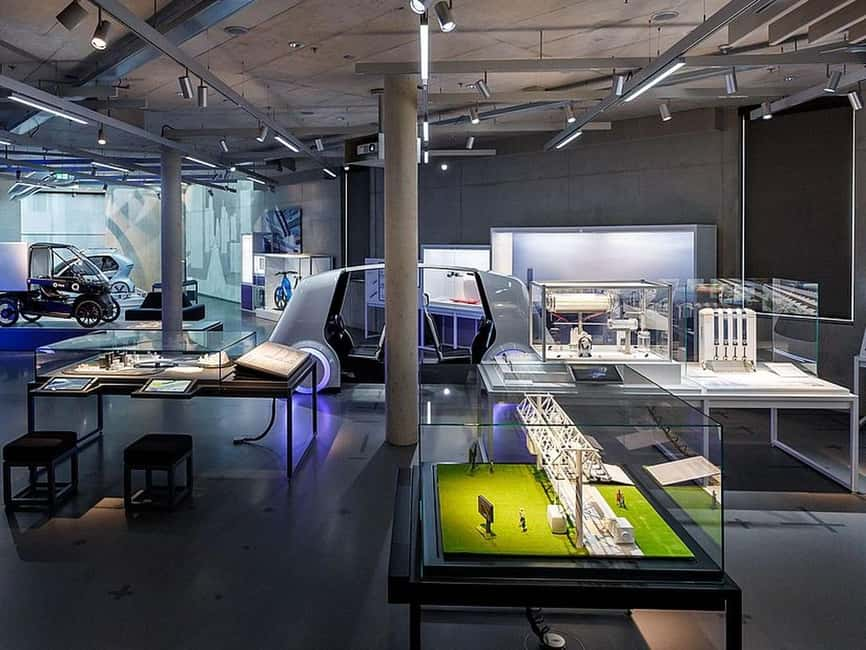
- AI at work, explained through scenarios that connect automation to everyday jobs and routines
- Body and Mind with ethics built in, including personalized medicine and neuro enhancements
- Urban Systems for real city problems like congestion and environmental impact
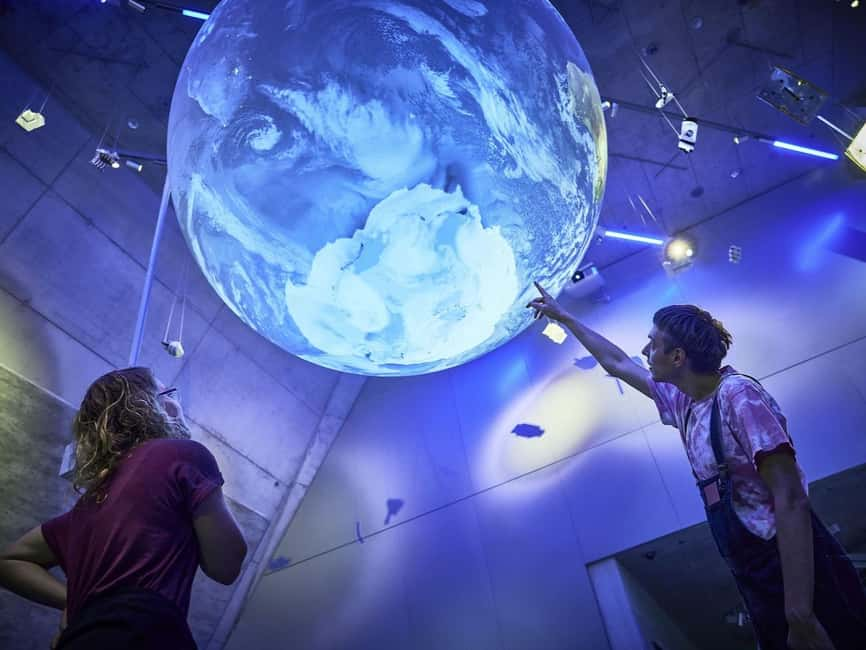
- Earth Systems on climate and biodiversity with interactive displays tied to the planet’s health
- Space and Time for big picture thinking, from space travel to the search for life beyond Earth
- Workshops included, so you are not just reading panels all day
Why Deutsches Museum Nürnberg feels different from a typical science museum
This museum is built around one simple idea: the future is not just gadgets. It is work, health, cities, the planet, and space, all interacting with daily life. When you visit Deutsches Museum Nürnberg – das Zukunftsmuseum, you are not hunting for trivia. You are learning how technology choices can shape people and society.
I also like that the place is organized by theme, not by strict academic categories. That matters because you can follow what you care about, whether it is AI in daily jobs or the science behind the human body. One review even called out seeing strong AI focus on an early level, so arriving with curiosity pays off.
More museum halls between train times:
- Stein: Public guided tour of the “Old Mine” museum
★ 4.5 · 18 reviews - Berlin: Jewish Museum Berlin Entrance Ticket
★ 4.5 · 8,393 reviews - Berlin: DDR Museum Tickets
★ 4.3 · 3,443 reviews
Planning your one day so you don’t feel rushed
You’ve got a full day ticket, but the content is not spread out like a slow art museum. Plan on moving. Still, you do not need to race if you make a couple smart choices.
Here’s how I’d pace it:
- Start with the exhibition that matches your biggest interest (AI at work, healthcare, cities, climate, or space).
- Spend enough time to try the interactive parts, not only read the text.
- Return to the next two sections that connect to your first one.
The museum covers five major themes: Work and Daily Life, Body and Mind, Urban Systems, Earth Systems, and Space and Time. Because they all link back to the future of everyday life, you will get more out of the day if you treat it like a set of connected chapters.
Work and Daily Life: automation, AI, and what changes at your job
If you are curious about how technology affects work, this is your starting point. In Work and Daily Life, the museum looks at how automation and AI can reshape professions and routines. The goal is not to predict a single future job market. It is to show plausible scenarios so you can ask better questions about what comes next.
What you can expect is a mix of explanations and situations that put technology inside work environments. The exhibits focus on outcomes like productivity and job satisfaction, which is a refreshing shift from fear based tech talk. You get to think about how tools might support people, but also what new skills and changes might be required.
Tip for your visit: if you noticed that the AI content is highlighted on an early level, use that as a warm up. Getting oriented early makes the rest of the day easier, because you start noticing how the museum repeats patterns, for example how systems thinking connects work, health, and cities.
Body and Mind: personalized medicine, neuro enhancements, and ethics
This is the section I’d call the emotional core of the museum. Body and Mind brings healthcare innovations together with biology, then slows down just enough for you to consider the human side.
You will see themes tied to personalized medicine and neuro enhancements. And you will also face ethics directly. That matters, because the future of healthcare is not only about what technology can do. It is about what it should do, and who decides.
This is also where you can connect personal questions to bigger science. If you care about the brain, learning, therapy, or medical data, you will probably spend extra time here. One review called Body and Mind their favorite, so it has a track record with people who want both science and conscience.
A practical way to get more out of this section: pause at the exhibits that mention ethical tradeoffs, and ask yourself what you would want if you were the patient, the caregiver, or the decision maker. The museum is encouraging that kind of thinking.
Urban Systems: smart cities, congestion, and environmental impact
Next up is Urban Systems. This is where the museum turns the future into urban planning and everyday infrastructure problems. You are not just learning definitions. You are looking at why cities struggle and how “smart” approaches aim to respond.
Expect content that tackles challenges such as congestion and environmental impact. The museum frames smart city initiatives as systems, meaning they rely on coordination, data, and planning, not a single gadget. That systems view helps you see why solutions can have side effects, and why tradeoffs are part of the deal.
If you like technology that improves real life, you’ll probably enjoy this section. It is also a good bridge from Work and Daily Life, because city planning and transportation affect commuting, jobs, and quality of life.
Also holding a platform in Nuremberg




Earth Systems: climate change, biodiversity, and the tech behind protecting nature
In Earth Systems, the museum points toward technologies aimed at combating climate change and preserving biodiversity. The tone stays practical, with interactive displays that aim to connect human activity and the planet’s wellbeing.
This is not only about climate facts. It is about tech approaches that help reduce harm and support healthier ecosystems. You’ll likely find yourself thinking about how solutions have to work across many scales, from daily choices to larger environmental management.
One supplied review mentioned topics that can touch on plants as well as other everyday items like food and cultural dishes. That suggests the museum is not locked into only climate diagrams. It may connect living systems to daily life themes, which is exactly the kind of learning that sticks.
My advice: in this section, look for exhibits where you can interact or test an idea. Climate and biodiversity can feel abstract fast, and hands on learning is what helps the message land.
Space and Time: space travel and the cosmos as a future question
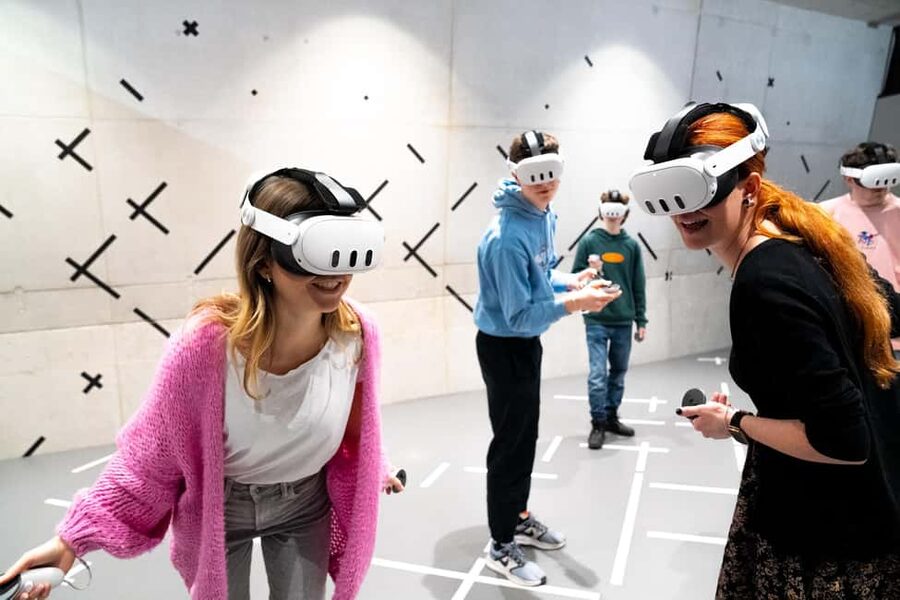
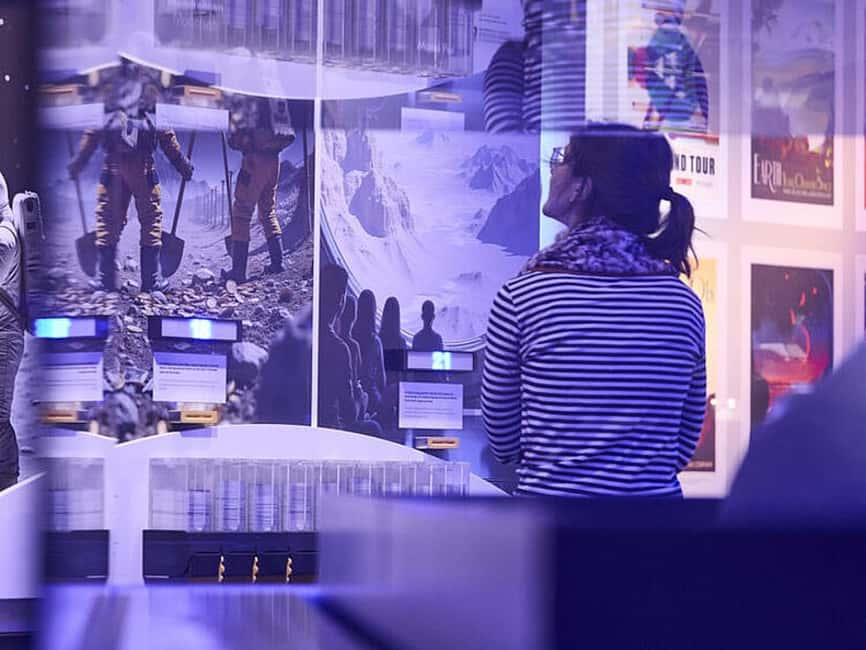
Then you get to Space and Time, where the museum shifts from Earth problems to humanity’s reach outward. This section invites you to ponder space travel and the cosmos, and it also touches on the search for extraterrestrial life.
The value here is mindset. Space exploration is not just about rockets. It is about what we learn, what we risk, and how we expand technology and scientific methods. Even if you are not a lifelong space fan, the museum’s framing helps you connect cosmic questions back to human curiosity and future capability.
If you enjoyed the ethics angle in Body and Mind, keep that same lens here. Space exploration carries ethical, financial, and scientific questions too, and the museum’s future minded approach encourages that kind of thinking.
Interactive exhibits and workshops: how to make your ticket feel like more
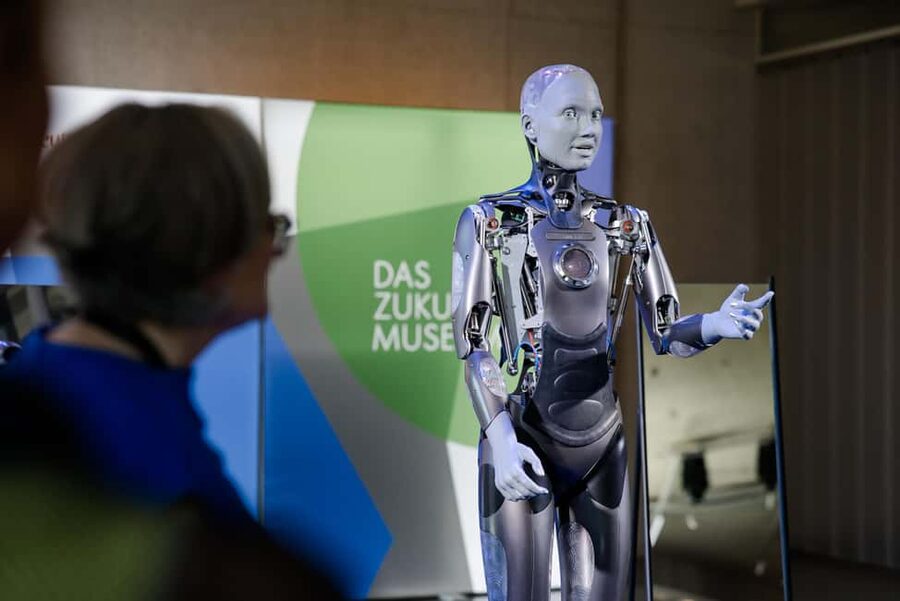
Your ticket includes access to all exhibitions and interactive workshops. That is important value, because a future themed museum can easily become a “read only” experience. Here, the museum is leaning into participation.
Since workshop details are not broken down in the info you provided, I’d handle it like this: when you see an interactive area, treat it as part of your core route, not a side stop. Those moments help you translate the big ideas into something your brain can model.
Also, plan time for repeats. You might want to go back to an exhibit after you’ve seen another theme. For example, the way systems thinking appears in Urban Systems can make the climate discussions in Earth Systems feel more connected. That is when the museum starts feeling like one whole experience.
Museum shop and your post visit plan
Don’t skip the shop at the end. The museum shop is a practical add on, with books, games, and gifts that match the themes you just saw. It is a nice way to keep the future topics going once you’re on the street again.
One more practical move: if you’re traveling with kids or teens, consider picking up something short and topic specific. Future tech can feel huge, and a game or book can help you turn museum takeaways into a conversation later.
Price and value: why $7 can be a smart stop
At around $7 per person for one day, this is strong value if you like interactive learning. You are paying for entry to all exhibitions and workshops, not just a single display area. And because it is a branch of a well known museum, you get a recognizable quality of science storytelling.
What is not included matters too. Meals and beverages are not part of the ticket, so plan where you’ll eat before you get hungry. Since the museum is future themed and content heavy, you will probably want a break that is outside the exhibits, ideally somewhere with a calmer pace.
Also, if you buy souvenirs, budget extra. The ticket includes exhibitions and workshops, but purchases are on you, like at any museum.
Who this experience fits best
This museum is a solid fit if you:
- enjoy technology topics but want them explained in plain terms
- want science that connects to real life, like work, healthcare, and city planning
- are traveling with family members who like interactive exhibits
- are a student group looking for future studies themes
- like space and want the big ideas framed as future thinking, not only facts
It might feel like too much if you only want one narrow topic. Because the museum covers five main themes, it rewards curiosity and planning. If you are very pressed for time, pick two themes as your “must see” and let the other two support your day.
Should you book this future museum ticket?
I’d book it if you want a one day visit that makes the future feel tangible. The combination of five themed exhibitions, interactive learning, and included workshops gives you a lot of educational return for the price.
I would not book it only if you hate multi topic museums or you want a slow, purely contemplative visit. In that case, you might feel pulled in too many directions.
If you can, go with a simple mindset: pick your favorite theme first, let the others broaden your view, and give the ethics parts extra time. That is where the museum earns its reputation as a Zukunftsmuseum, because it helps you think, not just watch.
FAQ
How much does Deutsches Museum Nürnberg cost?
The price is listed as $7 per person.
How long is the experience?
The entry is valid for 1 day.
What is included in the ticket?
Your ticket includes the entry ticket, access to all exhibitions, and interactive workshops.
Are meals and beverages included?
No, meals and beverages are not included.
Can I skip the ticket line?
Yes, the info says skip the ticket line.
Is the museum wheelchair accessible?
Yes, it is wheelchair accessible.
Do children need to be accompanied?
Yes. Children under age 12 must be accompanied by an adult.
Fresh on the arrivals board for Nuremberg



Museums, compared.


Skip-the-Line: Berlin Wall Museum at Checkpoint Charlie
Read our review →Browse the lists this tour appears in