
Reviewed · BERLIN WALL TOURS
Berlin Wall: Small Group Guided Tour
Berlin Wall stories hit different when you can walk them. This small group tour traces key Wall-era spots starting at Bornholmer Straße, then follows the former border line where cherry trees grew along parts of the former death strip. You get a physical sense of how close, how controlled, and how tense everyday life could be.
I also like the way the walk connects multiple famous Wall landmarks into one smooth, human route, including the Ulbrichtkurve path and crossings near Mauerpark. One consideration: the live guide speaks German, so if you want lots of English detail, you may need to rely on your own German or be comfortable catching highlights by context.
At 2.5 hours, it is paced for learning without rushing. You are also covered for weather with rain ponchos, and the tour includes a bit of time to slow down for coffee (you pay for it).
In This Review
- Key highlights at a glance
- Entering the Berlin Wall story at Bornholmer Straße
- Walking the former death strip, cherry trees, and Ulbrichtkurve
- Mauerpark and Schwedter Steg Bridge, where the Wall meets today’s Berlin
- Chapel of Reconciliation, a quieter stop with a clear purpose
- Gleim Tunnel, the yearly party that keeps the location alive
- Berlin Nordbahnhof, the ghost station feeling you can still sense
- Guides, pace, and how small group tours help you ask better questions
- Price and what you really get for $24 in 2.5 hours
- What to do before you go, and what to pack
- Who should book this Berlin Wall: Small Group Guided Tour
- Should you book it?
- FAQ
- How long is the Berlin Wall Small Group Guided Tour?
- Where do I meet the guide?
- Which public transport stops are near the meeting point?
- What are the main places the tour includes?
- Is the tour in English?
- What happens if it rains?
- Is food included in the price?
- How much does the tour cost?
- Is there a minimum number of participants?
- Can I cancel and get a refund?
Key highlights at a glance
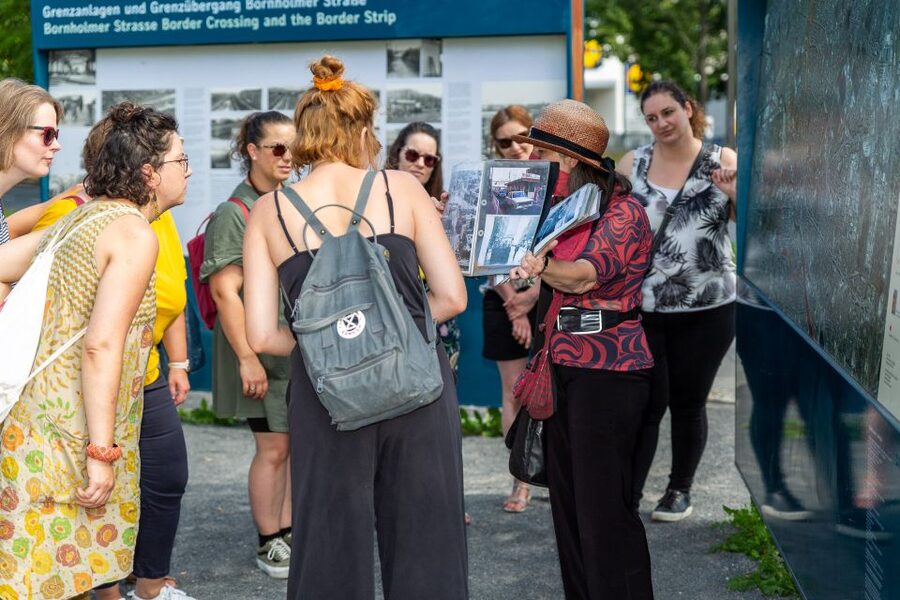
- Bornholmer Straße border crossing, the moment East and West met when the wall fell
- Cherry trees along the former death strip, a strange, visual reminder of what used to be there
- Ulbrichtkurve, a well known stretch you walk while hearing what happened there
- Schwedter Steg Bridge near Mauerpark, where Wall geography meets today’s city life
- Gleim Tunnel, famous for the big yearly party held there
- Nordbahnhof, a former ghost station where the story shifts back to real streets
Entering the Berlin Wall story at Bornholmer Straße
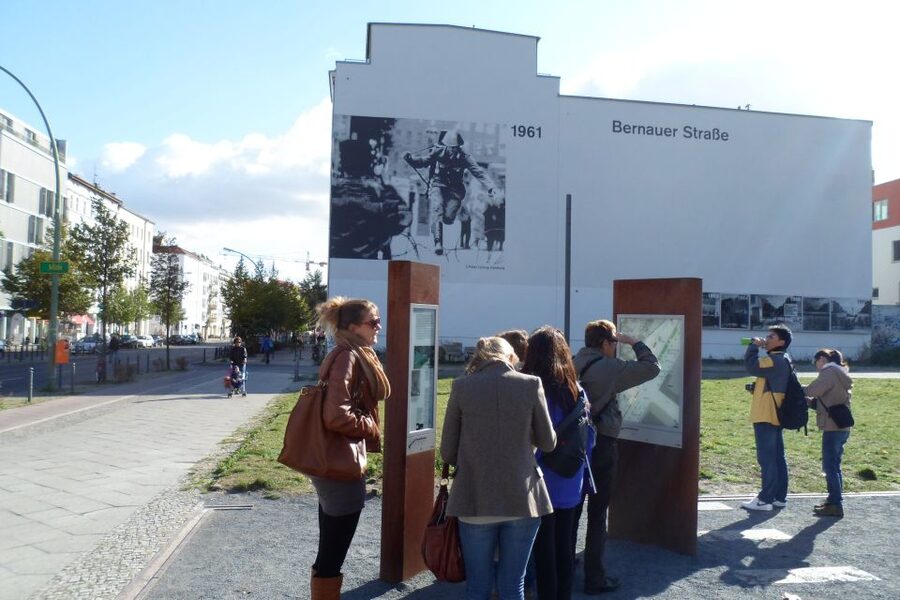
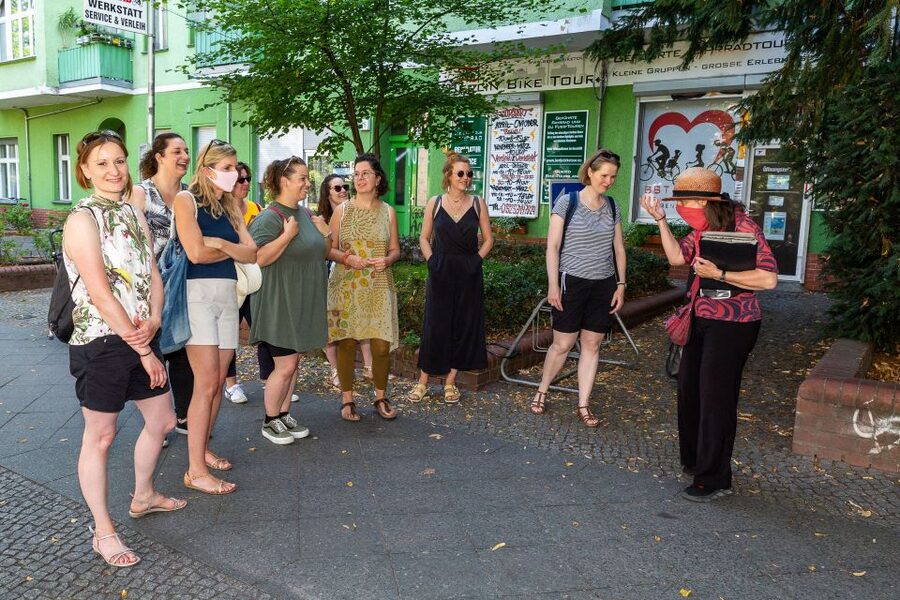
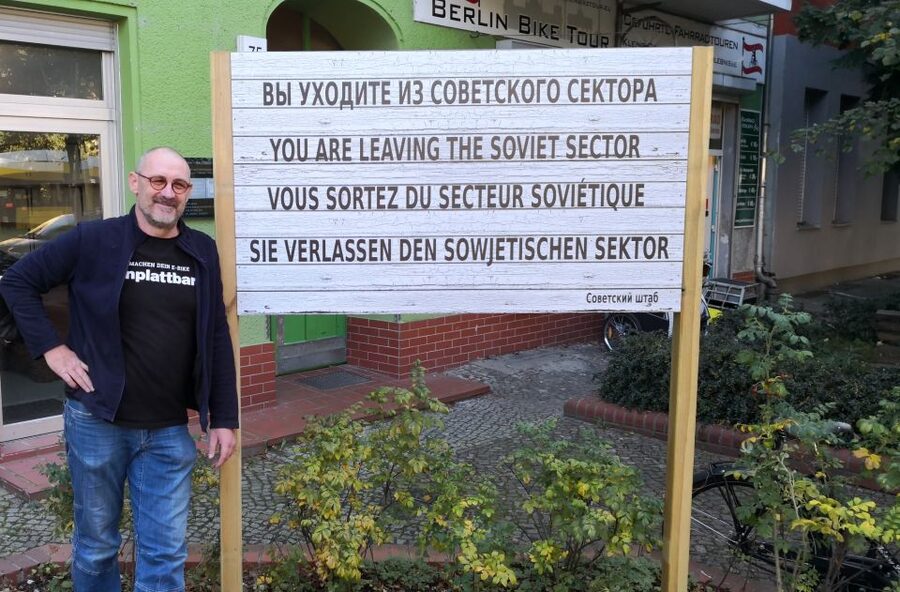
Starting at the Berlin Bike Tours office in the BBT bicycle shop area, you begin with the kind of orientation that helps the rest click fast. From there, the route is built around key Wall-era geography instead of a random list of monuments.
Bornholmer Straße is the anchor. It matters because this is one of the places tied to the first meetings between people from East and West on the day the wall fell. Even if you already know the basics, hearing that connection while you are standing at the actual crossing area makes the timeline feel more immediate and less like a textbook.
This is also where you learn to read the street-level clues. The Wall was not just a wall. It was systems, lines, access points, and surveillance. So when you move a few blocks at a time, you start seeing the city as it was managed, not just as it is photographed today.
More traces of the Wall through Berlin:
- Berlin: Third Reich & Cold War Guided Walking Tour
★ 4.9 · 8,378 reviews - Berlin’s Best: 2 Hour Walking Tour Third Reich and the Cold War
★ 5.0 · 5,486 reviews - Skip-the-Line: Berlin Wall Museum at Checkpoint Charlie
★ 4.1 · 2,041 reviews
Walking the former death strip, cherry trees, and Ulbrichtkurve
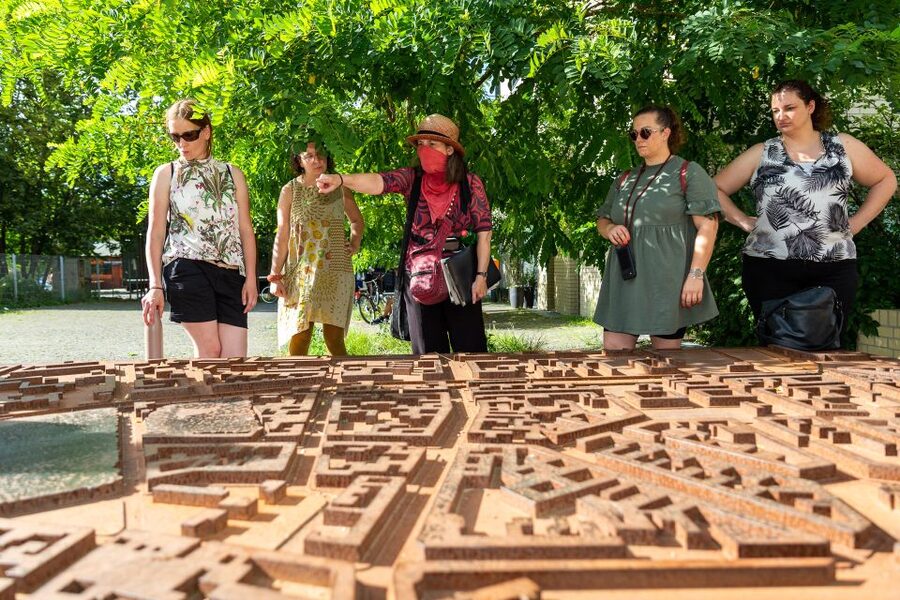
The heart of the tour is the section that follows the former death strip. You will see traces of the Wall that are sometimes subtle, and that is part of the value. Some remains are obvious, but others are harder to spot unless somebody points them out.
Then comes one of the most memorable visual details: the cherry trees that grew along parts of the Wall line. It feels almost surreal, like a reminder that nature and rebuilding can take over even after something engineered to prevent movement has been removed. It is a powerful contrast, and it also gives you a landmark you can picture later.
As you keep walking, you reach the Ulbrichtkurve, one of the well known stretches people associate with Cold War tensions and attempted control of movement. When you walk this section on foot, you can get a better sense of why that curve was so significant, not just that it exists on a map.
Practical tip: wear shoes you trust for walking. This tour is outdoors, and the route includes areas where the ground can be uneven or wet after rain.
Mauerpark and Schwedter Steg Bridge, where the Wall meets today’s Berlin
Once the route hits Mauerpark, the mood changes in a good way. You go from the constraints of the Wall era to a place that now plays host to performances and social life. That contrast helps you understand something important: the city did not just remember the Wall. It reoccupied the space.
Near Mauerpark, you cross over Schwedter Steg Bridge. Walking over a bridge on a Wall tour sounds simple, but it gives you a strong sense of direction and placement. It helps you imagine how the former border areas shaped movement, sight lines, and how people tried to navigate risk.
If you have not done a Berlin Wall walk before, this part can be the moment when everything starts to connect. You stop thinking in terms of isolated sites and start understanding the Wall as a connected system across neighborhoods.
Chapel of Reconciliation, a quieter stop with a clear purpose
The Chapel of Reconciliation adds a different tone to the walk. Instead of focusing only on physical traces, it gives you a moment to reflect on what the Wall represented beyond politics and architecture.
This stop is not just a pause. It is a reminder that the Wall affected people in everyday, personal ways. If you enjoy tours that balance facts with emotion, this is one of the best moments on the route because it slows your pace without stopping the story.
Even if you are not religious, you will likely appreciate how the site frames the theme of separation and rebuilding.
Gleim Tunnel, the yearly party that keeps the location alive
One of the most interesting stops is the Gleim Tunnel. It is known for hosting a huge party every year, which is a striking contrast to its Wall-era association.
That is exactly why this stop works on a small group tour. You are not only learning what happened. You are seeing how Berlin repurposes places, sometimes in ways that feel surprising at first and then surprisingly logical once you think about it.
I like that the tour does not treat the Wall as something sealed in the past. It shows how sites get reused, how communities reclaim spaces, and how memory can exist alongside normal life.
Also holding a platform in Berlin



Berlin Nordbahnhof, the ghost station feeling you can still sense
The tour ends at Berlin Nordbahnhof, a former ghost station. The phrase ghost station is not just marketing. When you are on site, it helps you understand what it meant to be trapped by infrastructure controlled by the state.
This is a great final stop because it shifts from the line of the Wall to the broader transportation and mobility story. The Wall disrupted more than walking routes. It shaped travel, work life, and where people could reasonably go.
By the time you reach Nordbahnhof, you also have enough context from the earlier stops that the ending feels earned. You are not dropping into history at random. You have been building a mental map.
Guides, pace, and how small group tours help you ask better questions
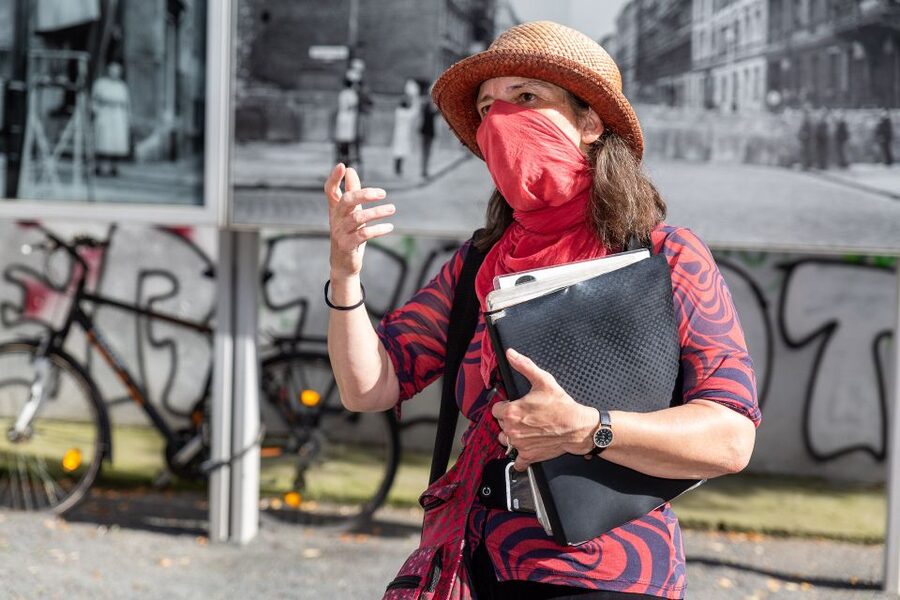
The format is a guided walk for a small group. That matters because the best Wall tours are not just about seeing. They are about asking why something was placed where it was, and how it affected decisions on the ground.
Guides can vary, but the tour tends to shine when the person leading the walk brings stories and local context. In past departures, Katrin has been praised for being from Berlin and sharing her own experience, and Ferenc has been praised for making the history of divided Berlin feel real. Those kinds of details are what help the facts stop feeling abstract.
Another practical advantage of a smaller group: if you get a tight cluster, you can usually ask follow-up questions without feeling like you are interrupting a lecture. If your group ends up being only a handful of people, you get more room to steer the conversation.
Price and what you really get for $24 in 2.5 hours
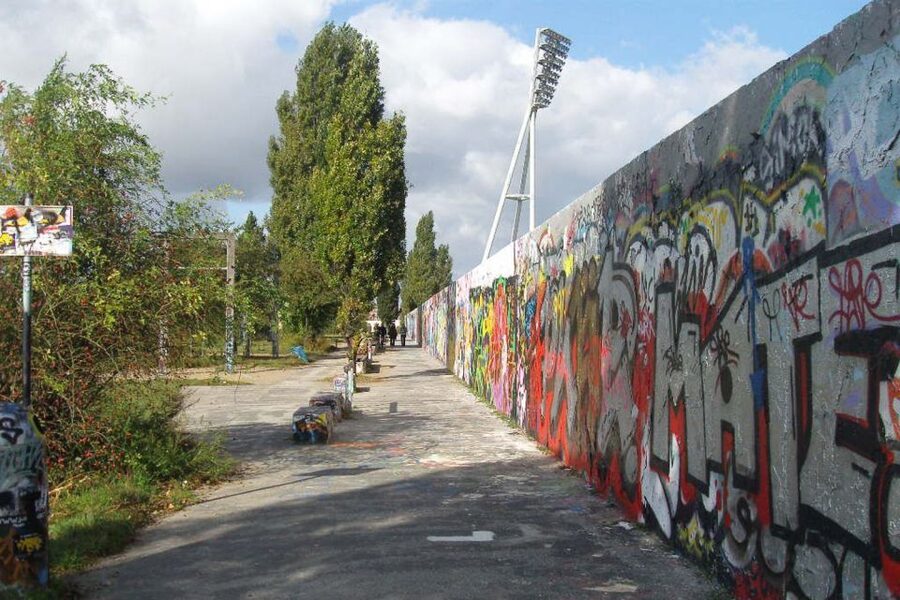
At about $24 per person for a 2.5-hour guided walk, this is solid value for a Wall-focused experience. You are paying for more than the route. You are paying for interpretation, the ability to point out traces you might miss on your own, and the skill to connect multiple sites into one coherent story.
The included items are straightforward: a guide, extras, and rain ponchos if needed. Food and drink are not included, which is normal for a short walking tour. The good part is that you still have time to stop for coffee if you want, but you will want to budget for it separately.
Is it worth it if you already have a lot of Berlin Wall reading? In my view, yes, if you want the Wall to become a walkable map. It is a different kind of learning than books or videos.
What to do before you go, and what to pack
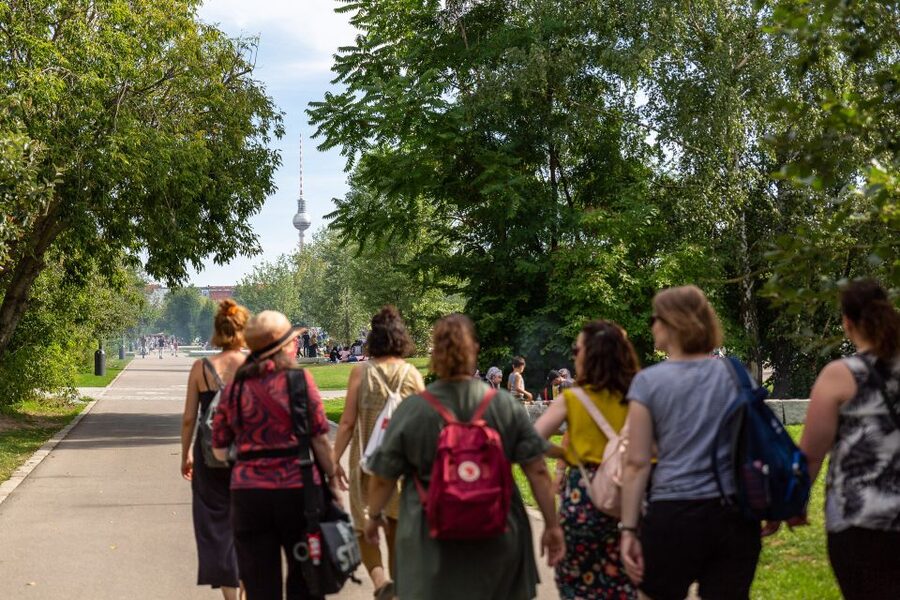
Because the tour runs in all weathers, you should plan for discomfort, not perfection. Rain ponchos are provided, which helps a lot, but you will still feel wetter if you wear the wrong shoes. Bring a light waterproof layer and consider grippy soles.
Also think about language. Since the guide speaks German, your enjoyment will depend on how comfortable you are with German, even if you are only picking up key terms. If you are not comfortable, you can still follow the route and learn from the physical landmarks, but you will likely get more out of it with at least basic German or a plan to read signs on your own.
Finally, keep your expectations aligned with the time. This is a compact route designed to fit 2.5 hours, so it is not trying to cover every possible Wall site in Berlin.
Who should book this Berlin Wall: Small Group Guided Tour
This tour is a great fit if you want:
- A focused Berlin Wall walk that connects Bornholmer Straße, Mauerpark, Nordbahnhof, and key in between locations
- A guide who can point out traces along the route, including details like the cherry tree line and Ulbrichtkurve
- A manageable length at 2.5 hours, with time to stop and absorb
- A small group experience where questions can actually happen
It might be less ideal if:
- You need a fully English guided experience and do not feel comfortable with German
- You dislike walking outdoors and would rather do indoor museums only
Should you book it?
I would book it if you want the Wall story to feel physical, not just historical. Starting at Bornholmer Straße, walking the former death strip clues, and ending at a former ghost station is a strong arc, and the added contrast stops like Mauerpark and the Gleim Tunnel help the experience feel grounded in real Berlin today.
The decision comes down to one big thing: language. If you can follow German at least at the level of key facts and directions, this is a good value Wall walk for your time in Berlin.
If you cannot, you might still enjoy it for the route and sights, but you may not get the full benefit of what the guide can explain in real time.
FAQ
How long is the Berlin Wall Small Group Guided Tour?
The tour lasts 2.5 hours.
Where do I meet the guide?
Meet your guide at the Berlin Bike Tours office at BBT – Fahrradladen, Fahrradwerkstatt & Fahrradverleih.
Which public transport stops are near the meeting point?
You are about 1 minute on foot from tram-stop Björnsonstraße (Lines M1, M13, M50) and about 2 minutes on foot from S-Bahn station Bornholmer Straße (Lines S1, S2, S8, S25, S85, S85 is also listed), plus about 10 minutes on foot from Schönhauser Allee (S- and U-Bahn).
What are the main places the tour includes?
It includes Bornholmer Straße, the Berlin Wall Memorial area, the former death-strip area with cherry trees, the Ulbrichtkurve, Schwedter Steg Bridge near Mauerpark, the Mauerpark area, the Chapel of Reconciliation, Gleim Tunnel, and Berlin Nordbahnhof.
Is the tour in English?
No, the live guide speaks German.
What happens if it rains?
The tour takes place in all weathers. Rain ponchos are provided if necessary.
Is food included in the price?
No. Food and drink are not included.
How much does the tour cost?
The price is $24 per person.
Is there a minimum number of participants?
Yes. A minimum number of 2 participants is required, and the operator may cancel at short notice if the minimum is not reached.
Can I cancel and get a refund?
Yes. You can cancel up to 24 hours in advance for a full refund.
Fresh on the arrivals board for Berlin



Berlin Wall Tours, compared.
Berlin’s Best: 2 Hour Walking Tour Third Reich and the Cold War
Read our review →
Skip-the-Line: Berlin Wall Museum at Checkpoint Charlie
Read our review →
East Side Gallery Spree Cruise in a Solar Catamaran
Read our review →
Cold War, Berlin Wall, Spies and the East Side Gallery
Read our review →
Cold War & Berlin Wall History Guided Bike Tour
Read our review →
Browse the lists this tour appears in