
Reviewed · MUSEUM TOURS IN BERLIN
Berlin: Tickets to the Computer Games Museum
A day at the Computer Games Museum Berlin is a time machine you can touch. You’ll walk through roughly 70 years of computer gaming history, with 300-plus exhibits and lots of playable stations that turn museum rules into actual play. It is one of those Berlin stops that works for both nostalgia lovers and curious first-timers.
What I love most is the mix of tech history and game culture. I really like the Wall of Hardware idea, where you can spot how machines evolved from older home computers through handhelds, including examples like Commodore, Game & Watch, and PlayStation. Second, I like how much of the museum is interactive, so you are not just reading labels while your feet go numb.
One consideration: the most popular arcade-style areas can get busy. If you want to spend lots of time on the coin-operated cabinets and interactive challenges, plan for occasional waiting during peak times.
In This Review
- Quick hits before you go
- Ticket value and what your $22 actually buys
- Where games history starts: permanent exhibition flow
- The Wall of Hardware: where nostalgia turns into real understanding
- Hands-on highlights: Pong, Nimrod, PainStation, and the big controls
- The coin-op arcade area: Donkey Kong and Space Invaders
- 3D games and the handheld 3DS: how to make that tech matter
- “How long should I budget?” A realistic one-day game plan
- Which visitors get the most from this museum
- Practical details that save time (and prevent stress)
- Is $22 worth it for Berlin? The value case
- Should you book the Computer Games Museum ticket?
- FAQ
- Where is the Computer Games Museum Berlin meeting point?
- How long is the ticket valid?
- What is included with the $22 ticket?
- Is a guide included?
- Are transfers included?
- Is the museum wheelchair accessible?
- Can I cancel for a refund?
Quick hits before you go
- 300-plus exhibits across decades of game design and hardware
- Interactive play stations for both classic and newer game formats
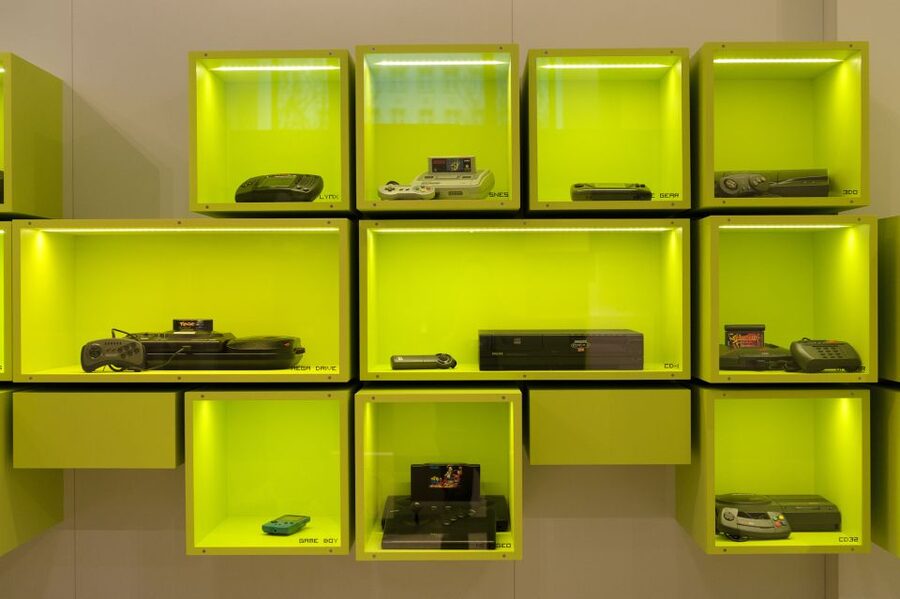
- The Wall of Hardware spotlights machines from Commodore to Game & Watch to PlayStation
- A small coin-op arcade with games like Donkey Kong and Space Invaders
- Big focus on milestones, including famous titles such as Pac-Man, Bomb Jack, and Grand Theft Auto IV
- 3D gaming demos, with a 3D television and handheld 3DS featured in the experience
Ticket value and what your $22 actually buys
Your ticket is for a full day at the Computer Games Museum Berlin in Karl-Marx-Allee (Karl-Marx-Allee 93a, 10243 Berlin). The price is $22 per person, and that includes entry to the permanent exhibition plus the special exhibition. That matters, because you are not paying a second fee to add variety after you see the main rooms.
Also, this is a museum where your time does more than passively “fill up.” Many areas are built around trying, pressing buttons, and playing on period hardware. When a place is this hands-on, the cost tends to feel fair because you get to do things, not just look at them behind glass.
There is no guide included with this ticket, so if you want extra context, you may need to add a guided tour separately. One review notes that guided tours can add a small extra cost, and that they provide helpful background if you want the story behind the screens.
More Museum Tours in Berlin
- Berlin: DDR Museum Tickets
★ 4.3 · 3,443 reviews - Berlin: Natural History Museum Entrance Ticket
★ 4.6 · 3,382 reviews - Berlin: Museum Island Multiple Museum Entry Ticket
★ 4.4 · 2,861 reviews
Where games history starts: permanent exhibition flow
The permanent exhibition is the backbone of the visit. This is where you get the structured sweep through computer gaming milestones, supported by both hardware displays and game highlights. Expect a museum setup that nudges you forward like a timeline, with major “marker” games and machines placed so you can see how things changed.
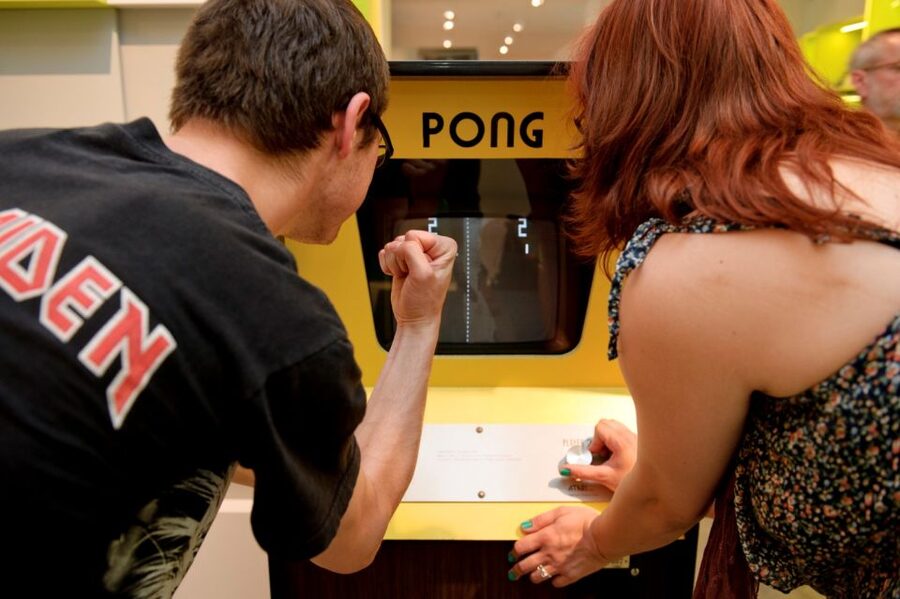
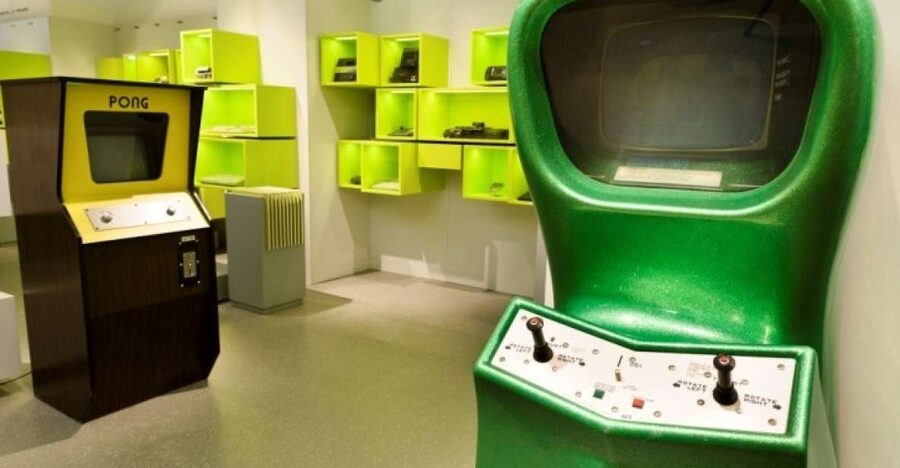
A standout theme is the way the museum mixes game design with the tech that made it possible. You do not just see famous names. You also encounter older systems that explain why early games look and feel the way they do. For example, you are likely to come across legendary arcade pieces like Pong, along with other named exhibits and challenges.
The museum also sets you up for “I remember that” moments. A set of 52 highlights of famous games includes titles such as Pac-Man, Bomb Jack, and Grand Theft Auto IV. That combination is smart for value. It gives you a reason to move through the space even if you are not a hardcore collector, because familiar game names keep popping up.
Practical tip: if you get overwhelmed by too much to read, start with the interactive sections, then circle back for the timeline highlights. You learn faster when you have actually played the machine you are seeing.
The Wall of Hardware: where nostalgia turns into real understanding
If you like seeing how technology evolves, make the Wall of Hardware one of your first stops. The museum frames it as a look at favorite machines across generations, spanning examples like Commodore, Game & Watch, and PlayStation. That snapshot style is perfect early in the day, because it gives you mental categories.
What I like about this approach is that it makes the later game machines feel more meaningful. When you later play on older consoles or handheld-style devices, you can connect what you are doing to what the hardware era was trying to solve: input style, display limits, and how games were made to run in real life.
The museum also keeps the energy going by nearby arcade-style distractions. Just around the corner, there is a small amusement arcade with coin-operated machines like Donkey Kong and Space Invaders. It is a clever spatial trick. You can be doing timeline learning in one room and then switch to action in the next, which helps keep families and mixed-age groups from drifting apart.
Hands-on highlights: Pong, Nimrod, PainStation, and the big controls

This is the part that most people feel most strongly about, because the museum does not treat play like an afterthought. It treats play like the main event.
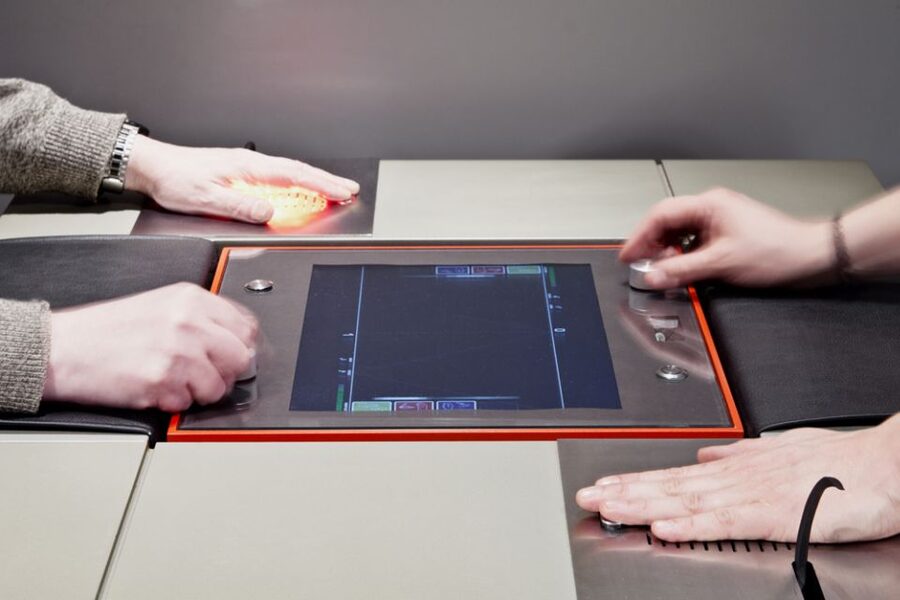
You can find classic arcade attractions and named interactive experiences across the museum. Highlights mentioned include the Pong arcade machine, Nimrod, PainStation, and a Giant Controller or giant control-style challenges. The museum style here is simple: you press, you play, and you earn a little bragging rights for surviving the challenge.
One of the most memorable examples is the PainStation. A review notes it gives shocks or hits for every ball you miss, and another review jokes about needing confidence with your Pong skills before taking it on. That tells you the vibe. This is not just a button mashing photo op. It is designed to be difficult enough to feel like an event.
Why this is worth your time: hands-on museums are easy to do wrong. Here, the interaction feels built into the exhibits rather than stapled on. Even if you are not a gamer, it is hard not to laugh, compete, or at least keep moving when the museum keeps offering you something you can try.
Small drawback to keep in mind: some classic games can feel slow or basic compared to modern expectations. That can be part of the charm for adults, but kids might get impatient if they are expecting fast action and slick graphics.
The coin-op arcade area: Donkey Kong and Space Invaders
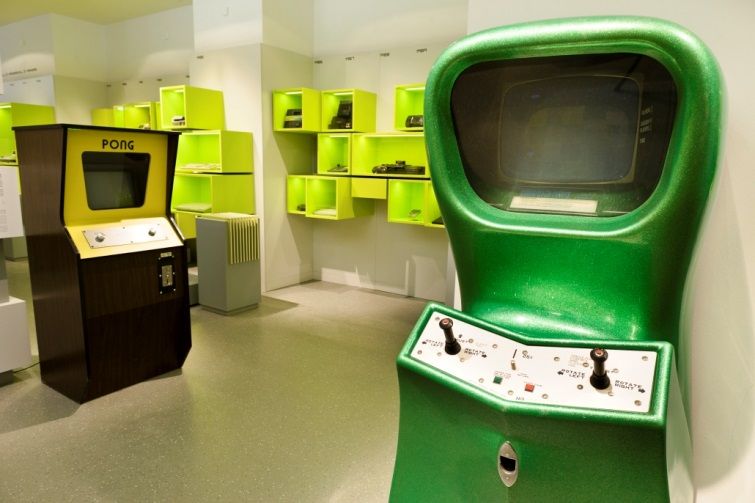
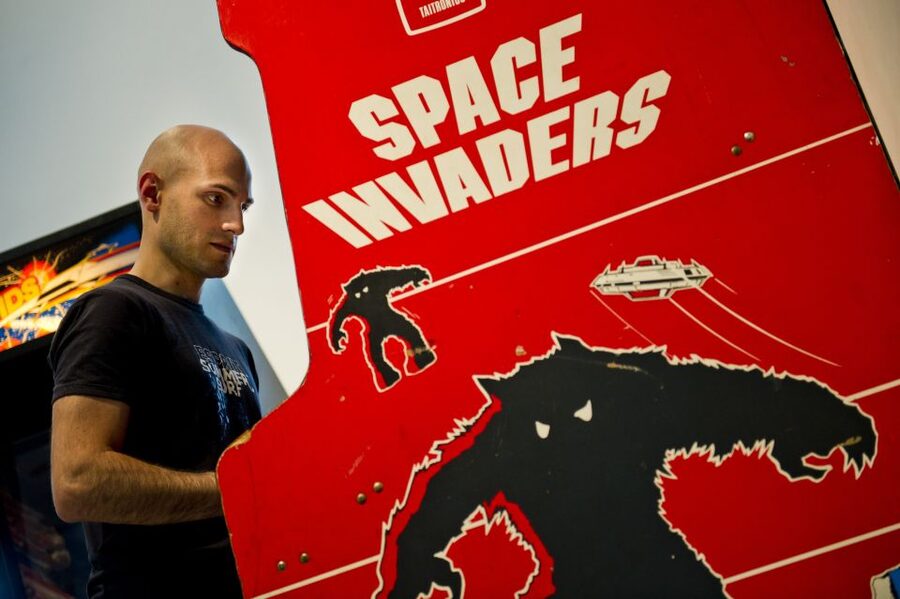
The small amusement arcade is where the visit starts to resemble a retro gaming night out. You can encounter coin-operated machines such as Donkey Kong and Space Invaders. The museum’s layout makes this easy to treat as a break, not a “must plan” destination.
The key practical point is that this arcade area can be popular and busy. More than one review hints at crowds, long lines, or kids excitedly grabbing hands-on moments. If you care about playing specific cabinets, give yourself margin. Come earlier in the day if you can, and do not schedule a tight Berlin day around it.
What I think works well here is using the arcade as your pacing tool. If you find yourself reading too much, switch to coin-op play for 30 minutes. Then come back to the timeline. That rhythm keeps the museum from feeling like homework.
More museum halls between train times:




3D games and the handheld 3DS: how to make that tech matter
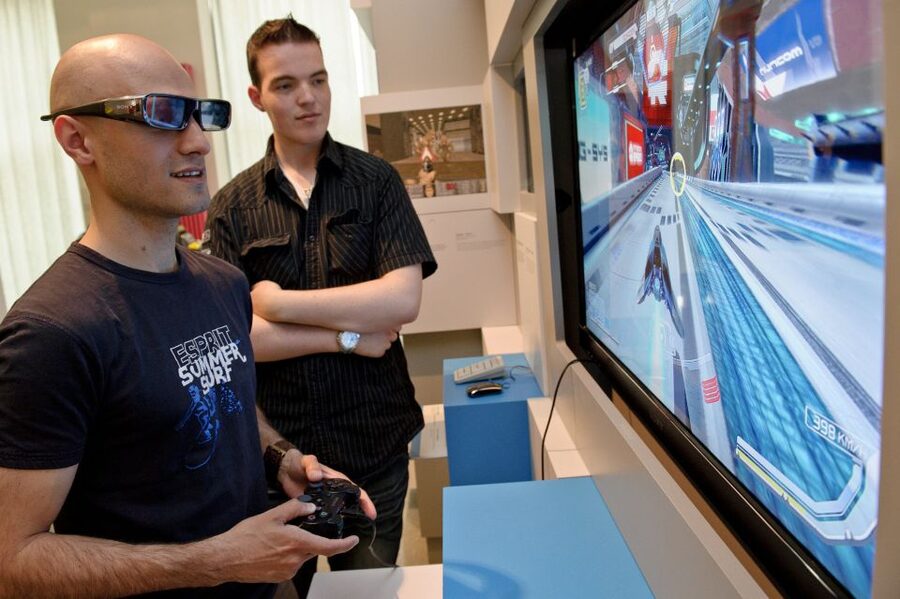
A major feature is the museum’s coverage of 3D gaming. You can experience 3D games on a 3D television and with a handheld 3DS. This is a smart contrast to the retro machines, because it shows how the jump from flat to 3D changed what developers had to think about.
In practical terms, I recommend approaching 3D demos with the mindset of short try-and-learn. You are not likely to spend the whole day mastering a system. Instead, treat it like a quick lab. Try a station, watch how controls connect to motion and depth, then move on.
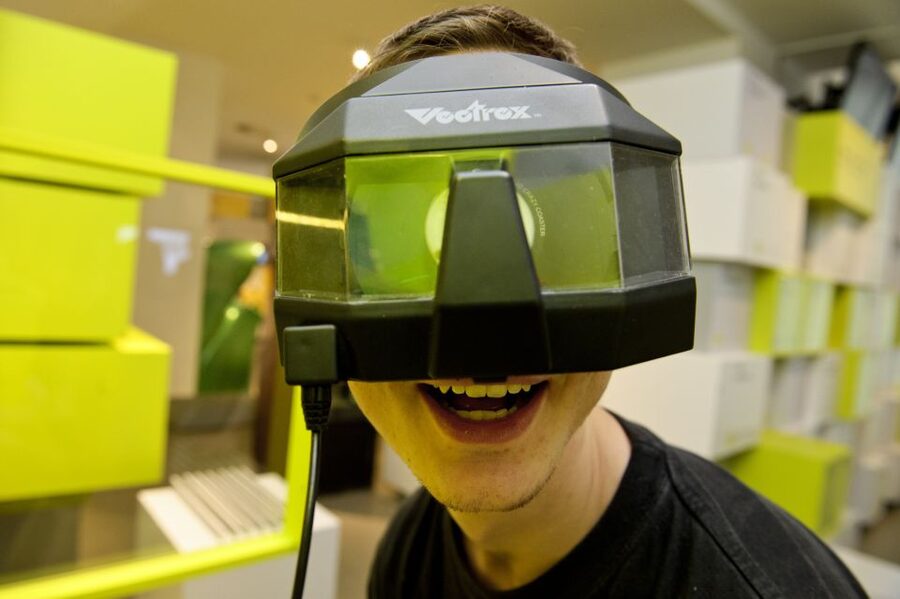
There is also mention of VR-style demos in reviews, including a note that you may get a timed ticket from reception for a demo. That means the VR moment is not necessarily guaranteed at every time slot, so if you see it mentioned on-site, ask reception what is available that day.
“How long should I budget?” A realistic one-day game plan
This is a one-day ticket. For many people, that ends up being about a half-day to full-day depending on how hands-on you go. One review says a quick visit can feel short, while others mention spending several hours inside. The difference comes down to how much you prioritize playing versus walking and reading.
Here is a practical strategy that fits the museum layout and the way the exhibits are described:
- Start with hardware and timeline basics so you understand what you are seeing.
- Then move into interactive challenges like Pong-type stations and named games such as PainStation.
- Take a longer break in the coin-op arcade if you want classic cabinets.
- Finish by spending more time in 3D gaming and the special exhibition, since those areas add variety after the retro-heavy rooms.
If you are coming with kids, this pacing matters even more. Older games can feel slow, so the day needs frequent switches between reading and playing, plus enough breaks that nobody gets cranky in front of an exhibit that looks exciting but is not fun for them.
Which visitors get the most from this museum
This museum is built for a wide range, but it shines hardest when you match the right expectations.
Best fit:
- You grew up with arcade cabinets, consoles, or handhelds and want that personal memory hit.
- You like tech history, especially how hardware shaped game design.
- You enjoy hands-on learning. This is not a sit-and-watch museum.
You might like it less if:
- You only care about the newest games and modern esports style play. The museum focus is stronger on earlier and classic eras.
- You get easily frustrated by crowds or waiting. The small arcade area can be busy.
For mixed groups, it is still a good choice. Adults can do the “name that console” joy thing, while kids get hands-on playing right away. Just be ready for the occasional excited noise level, especially near playable consoles.
Practical details that save time (and prevent stress)
Meeting point is straightforward: Computer Games Museum Berlin, Karl-Marx-Allee 93a, 10243 Berlin. Go in with a plan for how you will spend your energy. You will not want to run across rooms like it is a speed tour, but you also do not want to get stuck in one favorite machine for too long.
Since the ticket is valid for one day and starting times can vary, check availability for the time slot you want. Then aim to arrive early enough to get your first big interactions without immediately hitting the crowd wave.
Also keep in mind that a guide is not included. If you want a deeper story, consider adding a guided tour separately. Reviews highlight that guided tours can provide a lot of information for an extra cost.
Is $22 worth it for Berlin? The value case
For $22 per person, you are paying for a full day that includes both permanent and special exhibitions, plus repeated opportunities to play. That combination is what makes the deal feel strong. Many museums charge you to look. Here, a big portion of the experience is you doing something.
The other value angle is originality. A lot of exhibits are framed around old machines and recognizable game milestones, so the visit has a sense of physical authenticity. Even when games feel simple by today’s standards, seeing the hardware and interacting with it is part of the point.
If you are unsure, think about your play style. If you love trying machines and chasing high scores, you will likely feel the value quickly. If you prefer quiet reading time and minimal noise, you may still enjoy the history, but your enjoyment will depend on how crowded the play zones feel when you visit.
Should you book the Computer Games Museum ticket?
Yes, book it if you want a day in Berlin that is active, nostalgic, and genuinely interactive. The ticket price makes sense because it covers both permanent and special exhibitions, and the museum is designed around hands-on play rather than passive viewing.
Skip or reconsider if you are only interested in the newest games, or if you hate crowds and waiting. The museum’s interactive arcade areas can be busy, and some classic games can feel basic if your expectations are modern.
If you are bringing kids, this is one of the better options in the city for getting everyone to focus on the same place, since adults can enjoy the tech and kids get immediate playtime.
FAQ
Where is the Computer Games Museum Berlin meeting point?
The meeting point is Computer Games Museum Berlin, Karl-Marx-Allee 93a, 10243 Berlin.
How long is the ticket valid?
The ticket is valid for 1 day. You can check availability to see starting times.
What is included with the $22 ticket?
Your ticket includes entry to the permanent exhibition and the special exhibitions.
Is a guide included?
No. A guide is not included with this ticket.
Are transfers included?
No. Transfers are not included.
Is the museum wheelchair accessible?
Yes, the museum is wheelchair accessible.
Can I cancel for a refund?
Yes. Free cancellation is available up to 24 hours in advance for a full refund.
Fresh on the arrivals board for Berlin





Museum Tours in Berlin, compared.

Skip-the-Line: Berlin Wall Museum at Checkpoint Charlie
Read our review →

“Pergamonmuseum. The Panorama” Exhibition Tickets
Read our review →
East Side Gallery Spree Cruise in a Solar Catamaran
Read our review →
Cold War, Berlin Wall, Spies and the East Side Gallery
Read our review →Browse the lists this tour appears in