
Reviewed · MUSEUM TOURS IN BERLIN
Berlin: Ticket for Photography Exhibitions at C/O Berlin
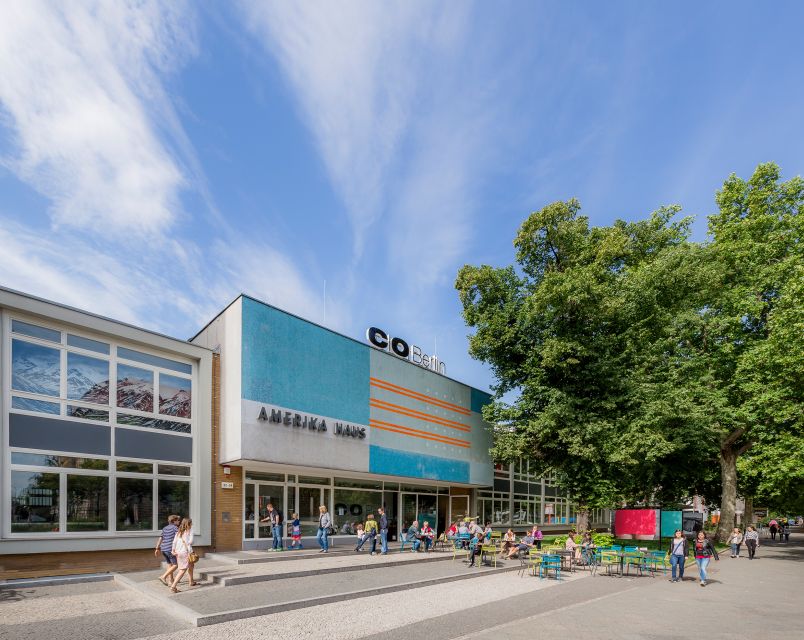
Photography in Berlin, minus the museum boredom. With a C/O Berlin admission ticket, you can walk through rotating photography exhibitions inside the historic Amerika Haus, where the program keeps shifting so the medium stays fresh. I like the way the museum frames photography not just as images, but as ideas and debates you can actually follow.
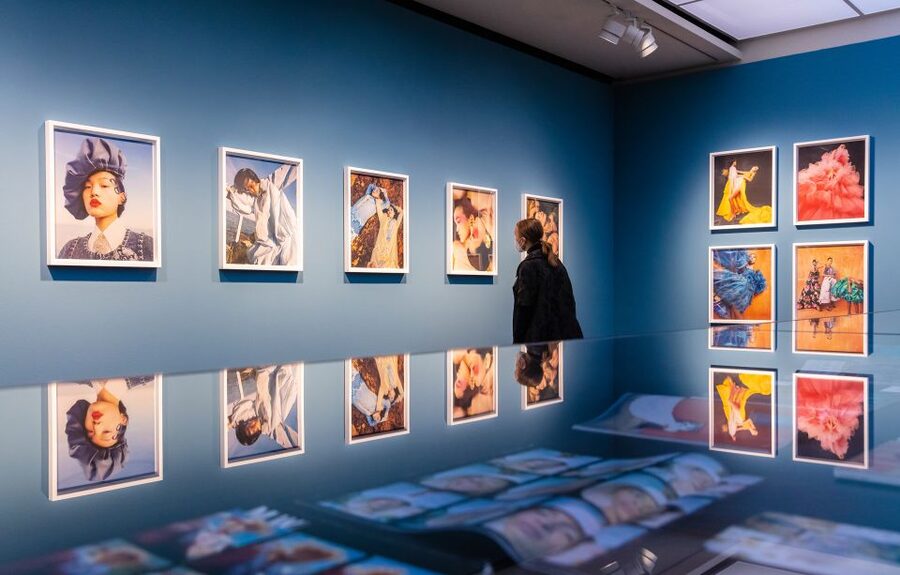
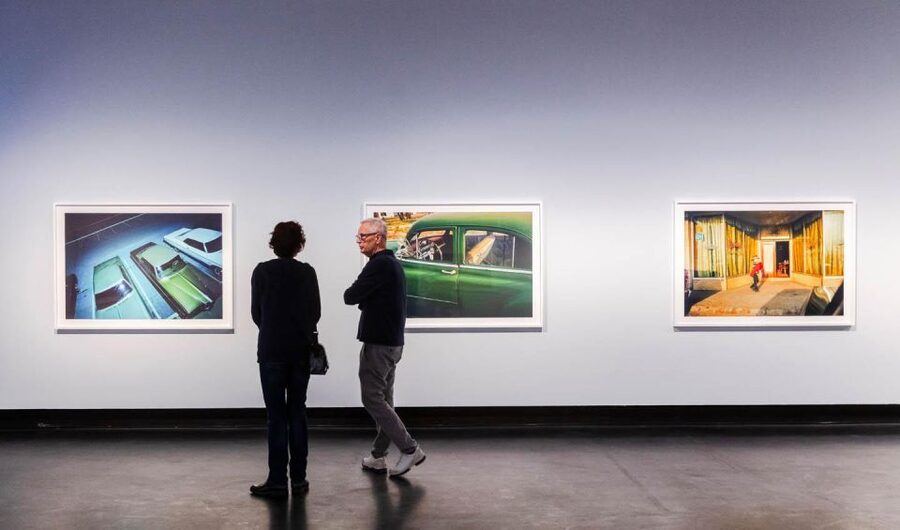
What I really like is the range. One moment you may be looking at masters of photo history such as William Eggleston, Daidō Moriyama, Irving Penn, Mary Ellen Mark, and Annie Leibovitz, and the next you can run into emerging artists like Karolina Wojtas, Anna Ehrenstein, and Stephanie Moshammer.
One possible consideration: there is no guided tour included with the ticket, so if a show feels vague, you will need to rely on the wall text and your own curiosity to piece together the story.
In This Review
- Key things to notice before you go
- What your $14 ticket really gets you at C/O Berlin
- Amerika Haus: why the setting adds something to the photographs
- One day navigation: how to get value from changing exhibitions
- If you catch the classics: masters like Eggleston, Penn, and Leibovitz
- The newer generation: Wojtas, Ehrenstein, and Moshammer in the mix
- Photography debates you can actually follow: bodies, places, and meaning
- Cafe C/O Berlin x Barkin’ Kitchen: artistic interventions beyond photography
- Price and value: why this ticket is a smart buy for one day
- Who this works best for (and who might want something else)
- Practical tips that make the visit smoother
- Should you book this C/O Berlin photography ticket?
- FAQ
- What is included in the C/O Berlin ticket?
- Is a guided tour included?
- Where do I show my voucher?
- How long is the ticket valid?
- How much does the ticket cost?
- Is the venue wheelchair accessible?
- Can I reserve and pay later?
- Can I cancel for a refund?
- Is there a set meeting time for the experience?
Key things to notice before you go
- Rotating solo and group exhibitions means you are not stuck with one theme, even if you return later
- Big-name photography alongside newer voices helps you compare styles and visual arguments side by side
- Photography as discourse is central, so expect themes, questions, and context rather than only aesthetics
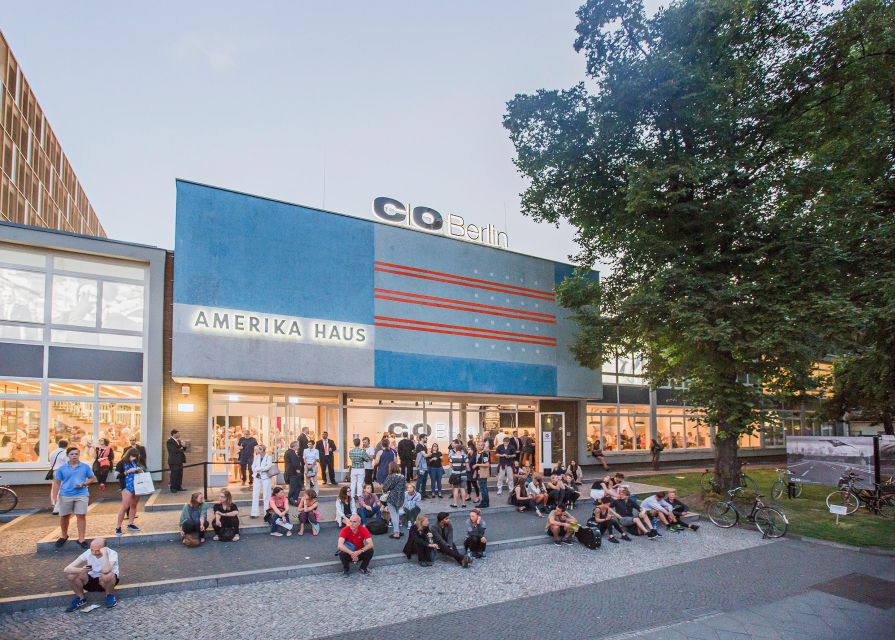
- Amerika Haus setting gives the museum a sense of place and gravitas beyond the galleries
- Café artistic interventions at Café C/O Berlin x Barkin’ Kitchen can add experimental work that goes past straight photography
- Ask about locker help since staff have offered practical support like a locker coin in at least one visit
What your $14 ticket really gets you at C/O Berlin
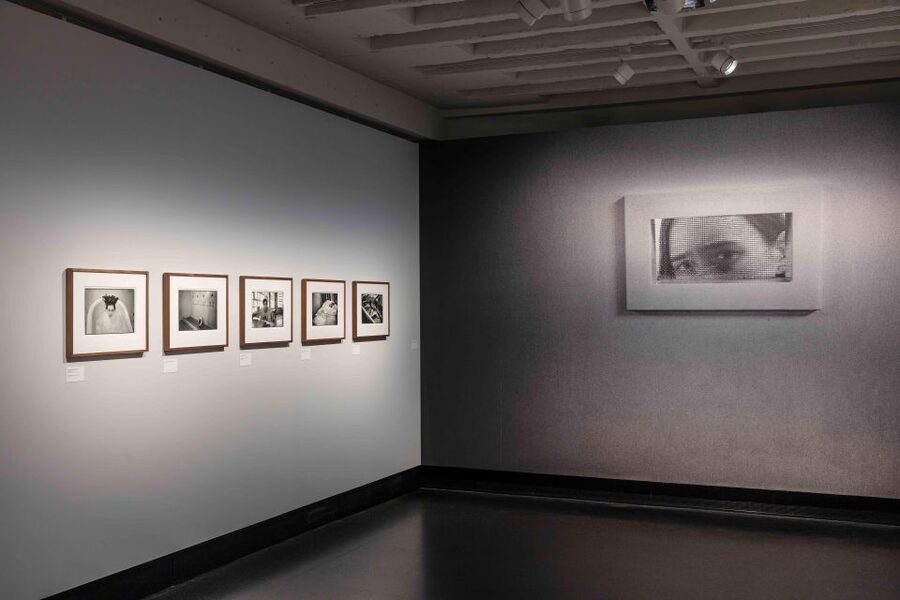
At about $14 per person for 1 day, this is an affordable way to get into one of Berlin’s photography-focused spaces without committing to a longer tour. Your ticket is simply admission, so you should plan to explore on your own at whatever starting time is available for that day.
That self-guided format is a plus if you like to move at your own pace. You can slow down for an image that grabs you, skip the stuff that does not, and come back when something clicks. It is also why you want to carve out real attention time, because some shows can be concept-heavy.
The “not included” part is important: there is no guided component. If you want a lecturer-style walkthrough, you will have to find that outside this ticket. For most people, though, the gallery labels and the show design do a lot of the work.
More Museum Tours in Berlin
- Berlin: DDR Museum Tickets
★ 4.3 · 3,443 reviews - Berlin: Natural History Museum Entrance Ticket
★ 4.6 · 3,382 reviews - Berlin: Museum Island Multiple Museum Entry Ticket
★ 4.4 · 2,861 reviews
Amerika Haus: why the setting adds something to the photographs
C/O Berlin is located in the historic Amerika Haus, and that location matters more than it sounds. You are not in a generic white box where the building feels invisible. The venue gives the experience a grounded, real-world feel, especially in a city where Berlin history and visual culture constantly overlap.
This helps when you are looking at photography that tackles serious subjects or specific places. The museum’s setting quietly reinforces that these images are connected to lived realities, not just studio productions.
If you like atmospheres, you will probably appreciate the contrast between the formal gallery environment and the museum’s ongoing focus on contemporary visual media.
One day navigation: how to get value from changing exhibitions
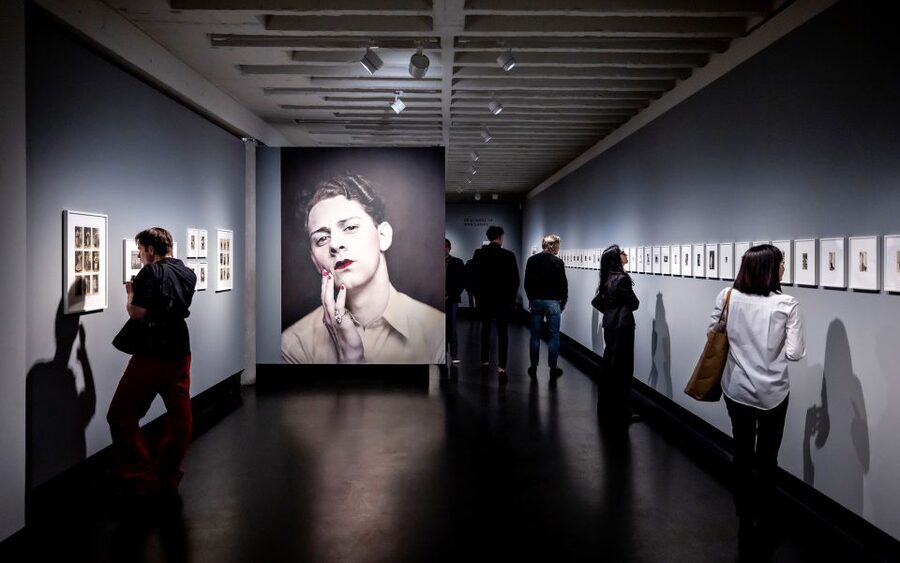
Because the exhibitions rotate and can be solo or group shows, your goal for the day should be quality over quantity. You do not need to sprint. Pick two or three areas or themes that genuinely interest you, then let the rest be bonus.
Here is a simple game plan:
- Start with the main exhibition(s) first, because that is where the program’s “photography talk” lives.
- Spend extra time in any section that introduces context, since that’s usually where the show explains its questions.
- Come back for a second pass on one room, especially if you felt unsure the first time.
A key detail that shows up in one of the experiences people described is that structure can vary. One person felt a show was not well structured and missed the artist’s story. That is your cue to slow down on labels and look for the curatorial threads, not just the images.
If you are the type who likes to understand the “why,” give yourself more time than you think you need. If you are more of a pure visual browser, you can still enjoy it, but you will want to mentally track what each room is trying to argue.
If you catch the classics: masters like Eggleston, Penn, and Leibovitz
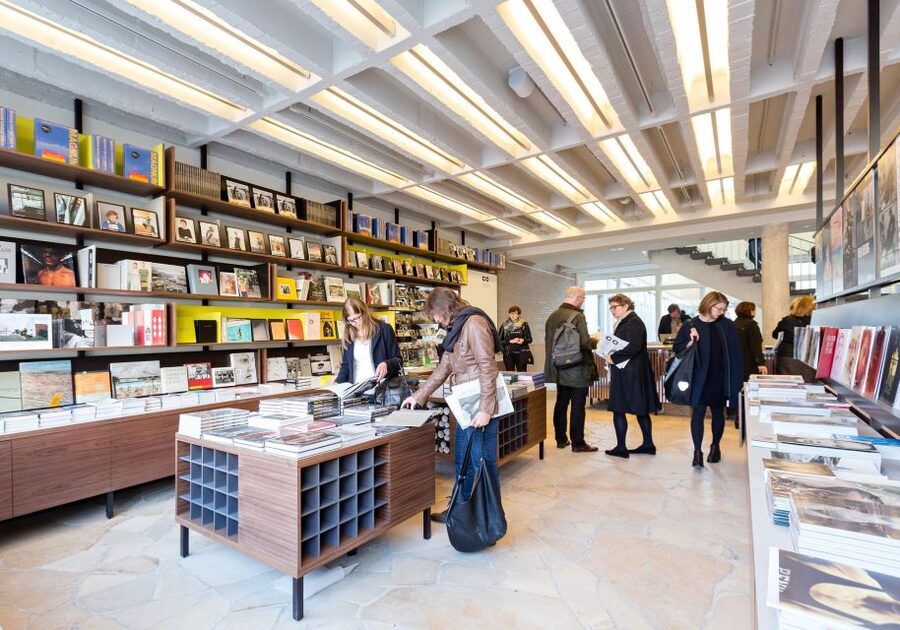
C/O Berlin’s strength is that it can place photography masters into a contemporary conversation. Depending on what is on during your day, you may encounter works tied to photographers such as William Eggleston, Daidō Moriyama, Irving Penn, Mary Ellen Mark, and Annie Leibovitz.
Seeing these names in a rotating exhibition format can be eye-opening. Instead of “here is a timeline,” you often get “here is a specific lens,” which can make well-known work feel newly sharp. Even if you have seen reproductions before, the physical scale and the room pacing can change how the images land.
If you are a fan of photographic history, this is also a good way to understand how different kinds of photography speak to each other. For example, the contrast between fashion-adjacent portrait work, documentary approaches, and more expressive street or experimental styles can make you notice themes like gaze, staging, and storytelling.
The newer generation: Wojtas, Ehrenstein, and Moshammer in the mix
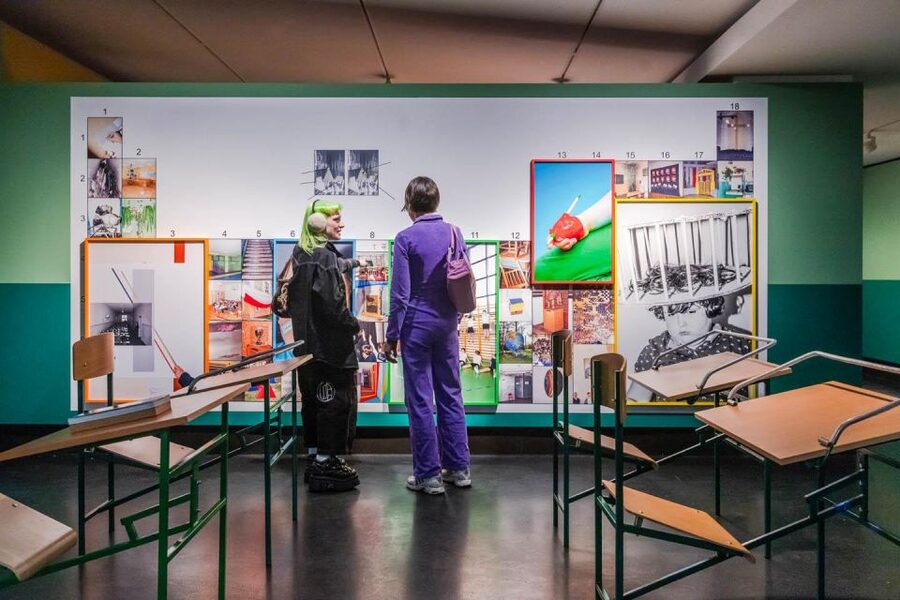
The emerging artists side is not an afterthought. Artists such as Karolina Wojtas, Anna Ehrenstein, and Stephanie Moshammer represent the forward motion of the medium, and the museum program is designed to let those voices sit alongside the masters.
What I like about this setup is that it teaches you to read photography as ongoing debate. You can start to notice what changes over time: subject matter, visual language, ethics of representation, and even how images claim authority.
One of the most praised experiences described a show that expanded perspective on places that might feel distant at first, including Papua New Guinea, Lebanon, Ukraine and Russia, and Egypt. Another theme people highlighted was how a show explored bodily presence and its facets, including a question about why people seek out prostitution and who goes for what reasons.
Even if the specific content during your visit is different, this is the kind of thinking C/O Berlin supports: you are meant to ask questions, not only admire craft.
More museum halls between train times:
Photography debates you can actually follow: bodies, places, and meaning

C/O Berlin presents “discourses on photography and visual media,” which is museum speak for: the exhibitions tend to have points of view. If you pay attention to the framing, you can follow the logic even when the subject matter is complex.
Here is how to spot those threads in the galleries:
- Look for repeated phrases or recurring visual motifs that tie rooms together.
- Notice if the exhibition moves from depiction to interpretation, meaning it starts by showing and then starts explaining how to read.
- Pay attention to whether the show challenges who a viewer is supposed to be.
A small warning based on what someone felt during a visit: if you go in expecting a simple story about an artist’s life, you might miss it. Some shows are designed more like arguments than biographies. That does not mean the exhibition is bad. It just means you may need a different viewing style.
If you want the quickest path to understanding, spend a little extra time at the start of each room, then let your eye catch up.
Cafe C/O Berlin x Barkin’ Kitchen: artistic interventions beyond photography
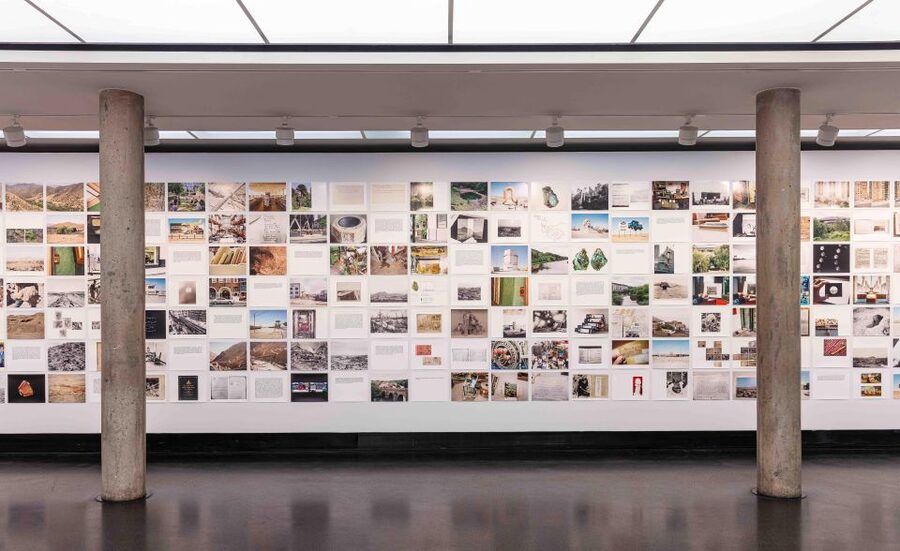
A fun part of the day is what happens outside the main photo rooms. The museum also features changing artistic interventions in the Café C/O Berlin x Barkin’ Kitchen space.
These interventions can include work by artists such as Christine Sun Kim, Julia Benz, or Christian Jankowski, and the creative range may include painting, sculpture, and experimental formats. This is not just “waiting for your coffee.” It’s a way to see how photography gets questioned and reframed by other media.
I like using the café space as a reset moment. After you spend time absorbing image-heavy galleries, the shift to three-dimensional or experimental work makes your brain loosen up. It can also help you spot connections across mediums, which is exactly the point of an institution that treats visual culture as one conversation.
Price and value: why this ticket is a smart buy for one day
For around $14, this ticket is strong value if your priority is access to quality photography programming at a serious institution. You are getting entry to a rotating set of exhibitions, not a single static show.
The “value” depends on your viewing style:
- If you like self-guided gallery time, this is an efficient way to see a lot without paying for narration.
- If you want a structured explanation, you may feel the ticket is less helpful since guided tours are not included.
Still, even in that case, you can adjust. Spend more time reading the exhibition cues, and give yourself permission to think in circles. Photography shows often reward slow rereading.
Who this works best for (and who might want something else)
This ticket suits you if you:
- Want photography that includes concept and context, not only pretty images
- Like comparing big names with newer artists
- Enjoy short museum stops where you can choose your pace
It might not be the best fit if you strongly prefer a guided lecture format, because this is admission only. It can also be a mixed experience if you need clear artist biographies in order to connect. Some shows may be easier to follow than others.
Practical tips that make the visit smoother
- Plan for a real “slow room.” Even in one day, pick one exhibition to see carefully twice.
- Watch for how the museum connects images to themes. If the show feels abstract, the labels are where the meaning usually shows up.
- If you have a bag, it can help to ask staff about locker options. One visit included staff offering a free coin for the locker, so it is worth checking on arrival.
If you are coming at a busy time, giving yourself a little extra buffer for entry and orientation can make your experience calmer.
Should you book this C/O Berlin photography ticket?
Yes, you should book it if you want a focused, budget-friendly way to experience Berlin photography culture in a real museum setting. The biggest selling point is the mix of photography masters (Eggleston, Moriyama, Penn, Mary Ellen Mark, Leibovitz) with emerging names (Wojtas, Ehrenstein, Moshammer), all wrapped in rotating exhibitions that tackle bigger questions.
Skip it only if you know you will be disappointed by a self-guided visit. Since there is no guided tour included, you will want to enjoy reading wall text and letting the show’s visual argument do the work.
If you like thoughtful photography and you want your one day in Berlin to include a place that treats images as ideas, this ticket is a strong pick.
FAQ
What is included in the C/O Berlin ticket?
The ticket includes admission to the photography exhibitions.
Is a guided tour included?
No, a guided tour is not included.
Where do I show my voucher?
Show your voucher at the ticket counter.
How long is the ticket valid?
The ticket is valid for 1 day. Check availability to see starting times.
How much does the ticket cost?
The price is $14 per person.
Is the venue wheelchair accessible?
Yes, wheelchair access is available.
Can I reserve and pay later?
Yes, you can reserve now and pay later.
Can I cancel for a refund?
Yes. You can cancel up to 24 hours in advance for a full refund.
Is there a set meeting time for the experience?
You’ll be able to use the admission during the available starting times for that day.
More Photography Sessions in Berlin
- Berlin: Fotografiska Photography Exhibition Ticket
★ 4.6 · 168 reviews - Berlin Essentials: Private Photoshoot at Berlin’s top sites
★ 4.8 · 75 reviews - 5hours: Guide, Chauffeur & Photographer in Berlin private Tour
★ 5.0 · 66 reviews - Berlin: Private Photo Session with Professional Photographer
★ 4.9 · 52 reviews
Fresh on the arrivals board for Berlin


Museum Tours in Berlin, compared.
Skip-the-Line: Berlin Wall Museum at Checkpoint Charlie
Read our review →
“Pergamonmuseum. The Panorama” Exhibition Tickets
Read our review →
East Side Gallery Spree Cruise in a Solar Catamaran
Read our review →
Cold War, Berlin Wall, Spies and the East Side Gallery
Read our review →Browse the lists this tour appears in