
Reviewed · GUIDED WALKS IN BERLIN
Berlin: Third Reich & Cold War Walking Tour
Berlin’s past is close enough to touch. This private 2-hour walk helps you connect the Third Reich and Cold War in a straight line of famous places and hard truths, starting near the Hotel Adlon area and ending at Checkpoint Charlie.
What I like most is how the tour stays private and customizable, so you can steer your questions without feeling rushed. I also like that you get a guide who can explain what you’re seeing and then offer practical ideas for the rest of your Berlin days. The only drawback to consider is that two hours goes fast, and the stops cover very heavy material, so come with what you most want to understand.
In This Review
- Key highlights worth planning for
- A Private 2-Hour Route With Real Storytelling
- Meeting at Wellendorff Berlin, Hotel Adlon Area, Then Getting Oriented Fast
- Brandenburg Gate and the Reichstag: German Unity Meets Political Ruin
- Memorial to the Murdered Jews of Europe: A Visit With Purpose
- Hitler’s Bunker Site: Understanding the Last Days Without Sensationalism
- Topography of Terror on the Former Gestapo and SS Ground
- Berlin Wall Stories: 1961 Construction and Escape Attempts
- Checkpoint Charlie: The 1961 Standoff and 1989 Fall
- Price, Pace, and What $35 Buys You
- Who This Tour Fits Best (And Who Might Want a Different Style)
- Should You Book This Berlin Third Reich and Cold War Tour?
- FAQ
- What is the duration of the Berlin Third Reich and Cold War walking tour?
- How much does the tour cost?
- Is this tour private?
- Where do we meet?
- Where does the tour end?
- Which sites are included in the route?
- What languages are available for the live guide?
- Is food or drink included?
- Is the tour wheelchair accessible?
- Is free cancellation available, and can I reserve without paying yet?
Key highlights worth planning for
- Private by default: no other people in your group, so your pace and questions stay yours
- From Brandenburg Gate to Checkpoint Charlie: a clear, walkable storyline across eras
- On-the-ground context: you visit key locations tied to the Nazi period, the Holocaust, and the Cold War
- Emphasis on memory sites: the route includes the Memorial to the Murdered Jews of Europe and Topography of Terror
- Cold War details, not vague slogans: Berlin Wall construction in 1961, escapes, and the 1961 standoff at Checkpoint Charlie
- Guides who answer, and then recommend: past French-speaking and local guides like Eugen and Carlo have been praised for being helpful, didactic, and friendly, including city advice
A Private 2-Hour Route With Real Storytelling
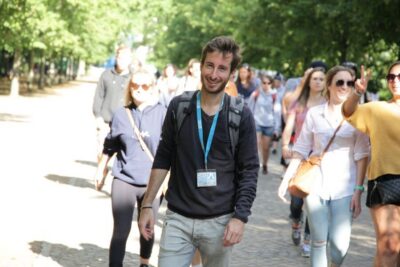
This tour is built for people who want more than postcard landmarks. You’re not just hopping between points on a map. You’re following a timeline, with the guide tying each stop to what happened there and why it still matters in Berlin today.
The route is also smart in how it balances big symbols with specific sites. You start near Unter den Linden and move through the core historical area, finishing at Checkpoint Charlie, a place most people know, even if they do not know the context behind it.
Because it is private, you can ask follow-up questions as you go, like why certain places are remembered the way they are. That matters a lot with this kind of history, where the details can change your understanding quickly.
More Guided Walks in Berlin
- Discover Berlin Half-Day Walking Tour
★ 5.0 · 9,624 reviews - Berlin City walk Government District and Places of Democracy
★ 4.7 · 8,467 reviews - Berlin: Third Reich & Cold War Guided Walking Tour
★ 4.9 · 8,378 reviews
Meeting at Wellendorff Berlin, Hotel Adlon Area, Then Getting Oriented Fast
Your meeting point is in front of Wellendorff Berlin, at the Hotel Adlon area, located at Unter den Linden 77. This is a great starting choice because it puts you right where Berlin’s major sights start to cluster.
I like how this kind of start helps you get your bearings fast. Even if you’ve been in Berlin for a day or two, it helps to walk in the middle of the city with someone who knows the streets and the layout. It also helps you prepare mentally for what comes next, since the tour shifts from national symbols to personal and collective tragedy to Cold War confrontation.
Practical tip: wear comfortable shoes. This is a walking tour, and the itinerary packs multiple major stops into a two-hour window.
Brandenburg Gate and the Reichstag: German Unity Meets Political Ruin
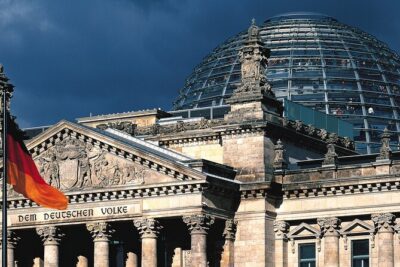
Brandenburg Gate is the opening “big name” stop, and it works because the guide frames it as a symbol of German unity. From there, the story tightens as you head to the Reichstag, the German house of Parliament.
At the Reichstag, you learn about its role during the Nazi dictatorship. That’s an important shift. The tour is not pretending history was just a sequence of events. It shows how political power can hijack institutions meant to represent the public.
One advantage of doing these two stops back-to-back is that your brain can compare them. Unity as a symbol, then the way a democratic seat can become entangled in dictatorship. It is the kind of contrast that helps you understand why postwar Germany deals with the past so directly.
Memorial to the Murdered Jews of Europe: A Visit With Purpose
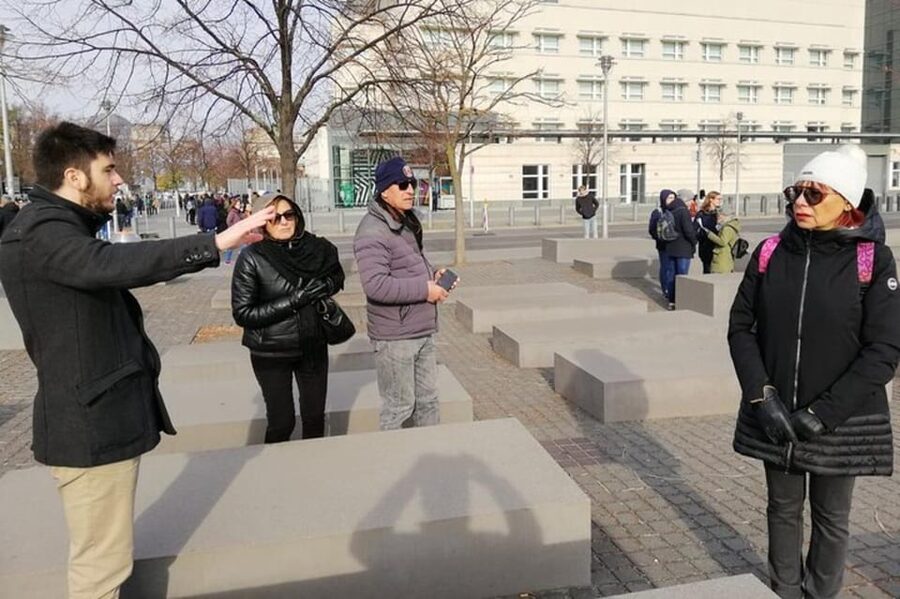
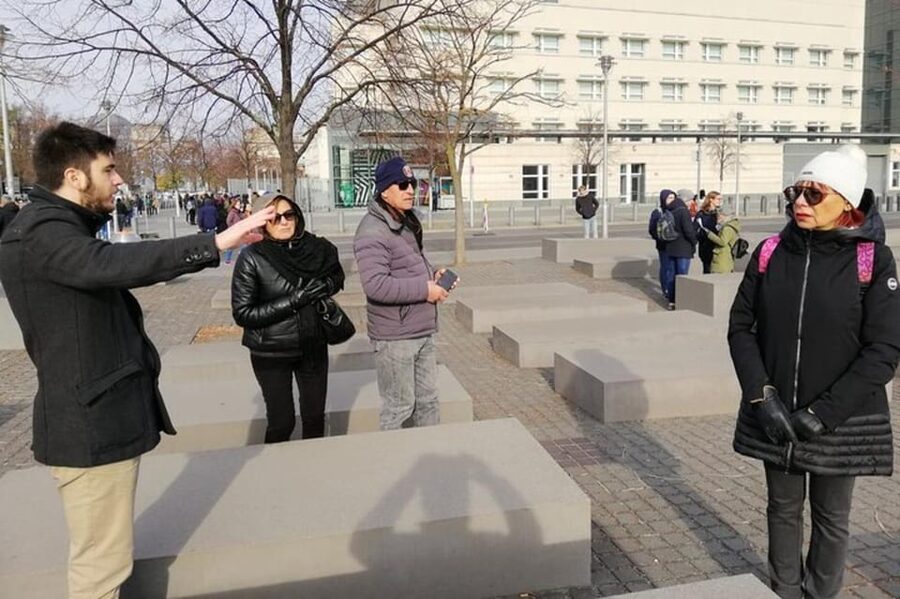
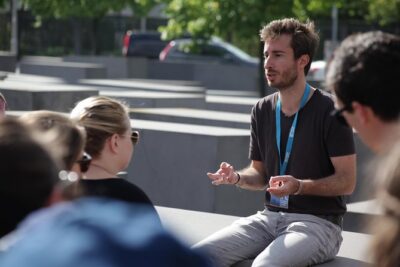
Next comes the Memorial to the Murdered Jews of Europe, a poignant tribute to the Jewish victims of the Holocaust. This stop is often where the tour’s tone changes. It asks you to slow down and let the space do some of the work.
What I appreciate is that this is not treated as a quick photo stop. The guide’s job here is to help you understand what you are seeing and why it is central to Berlin’s memory culture. Even without extra theatrics, a good guide can make the difference between visiting and really understanding.
Practical advice: bring a quiet mindset. You do not need to be solemn all day, but this is the kind of site where you’ll probably want a moment to collect yourself before moving on.
Hitler’s Bunker Site: Understanding the Last Days Without Sensationalism
The tour then moves to the site of Hitler’s Bunker. You’ll learn about the last days of World War II and Hitler’s suicide.
This is one of the most sensitive stops on the route. The value of having a guide is that the conversation stays anchored to meaning, not spectacle. You’re learning what happened and why it fits into the end of the war in Berlin, not chasing gossip.
A small consideration: the content can feel intense. If you are the type of person who prefers lighter sightseeing when traveling, this is a signal to manage your expectations. The tour is designed for people who want to face the real history of the places they visit.
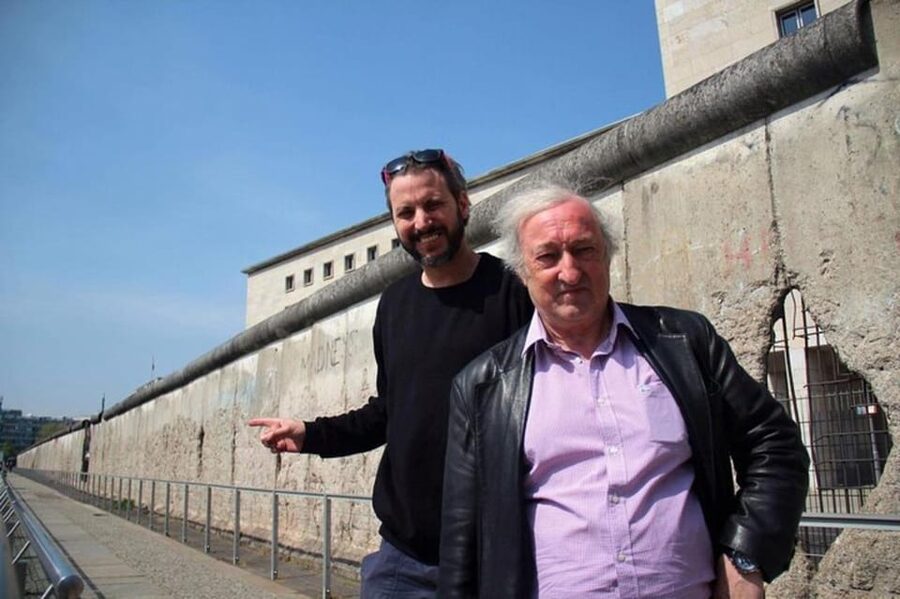
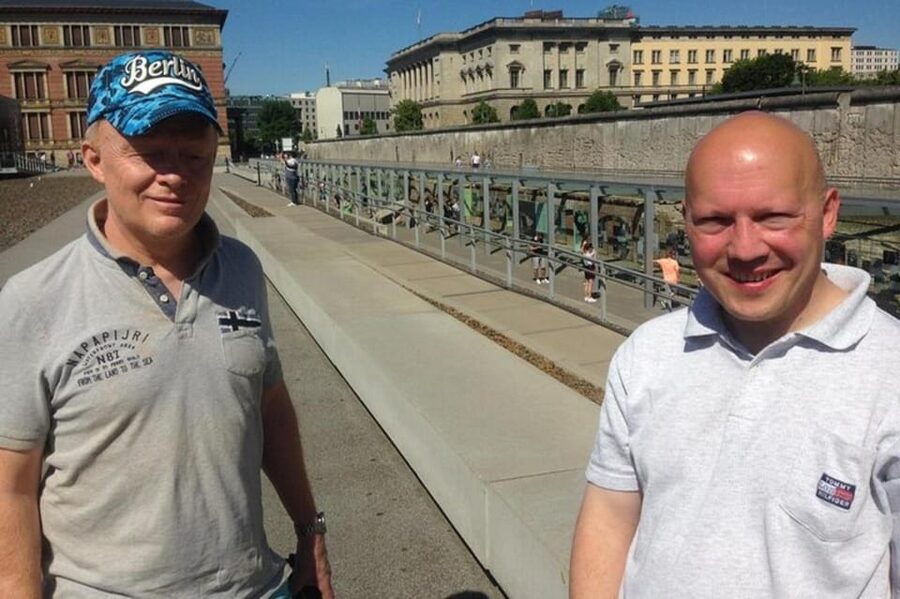
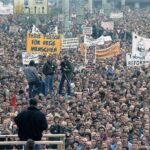
More traces of the Wall through Berlin:
Topography of Terror on the Former Gestapo and SS Ground
After the bunker site, you’ll visit the Topography of Terror exhibition, located on the site of the former Gestapo and SS headquarters. This is where the tour turns from final moments to the machinery of repression.
The key point you’ll hear is what crimes were committed during World War II. That framing matters. It prevents the story from becoming only about famous names and instead shows how systems worked, how harm was organized, and how Berlin became a place tied to that violence.
If you’re the kind of person who likes to connect facts to geography, this stop is worth it. The location itself reinforces the message. You’re not reading history in the abstract. You are standing on the ground tied to those actions.
Tip for your own pacing: keep notes in your phone if you like. Even a few keywords like the groups involved, the idea of headquarters, and what the exhibition emphasizes can help you remember the main lessons later when you’re back at your hotel.
Berlin Wall Stories: 1961 Construction and Escape Attempts

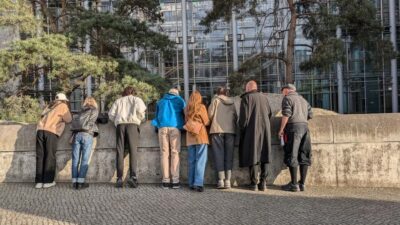
A big part of the Cold War portion is about the Berlin Wall. You’ll hear stories about its construction in 1961 and daring escapes over the Wall.
Even if you are not spending time looking at the Wall itself at every second, the guide’s storytelling gives you something important: a human scale for what otherwise sounds like a political timeline. You start to see how borders became daily reality, and why the Wall became one of the clearest symbols of division during the Cold War.
This is also a moment where a private guide really pays off. If something resonates, you can ask specific questions, like how escape attempts are understood today or how Berlin’s identity formed around coming to terms with separation and reunification.
Checkpoint Charlie: The 1961 Standoff and 1989 Fall
The tour ends at Checkpoint Charlie, described as the most famous checkpoint of the Berlin Wall. This is a fitting closer because it’s both symbolic and widely recognizable.
At Checkpoint Charlie, you learn about the standoff between Soviet and American forces in 1961. Then you connect that to the fall of the Berlin Wall in 1989, and what that meant for German unity.
I like that the ending brings you full circle. You start with a symbol of German unity at Brandenburg Gate, then you work through the Nazi period and the mechanisms of terror, then you shift into Cold War confrontation. Ending with 1989 gives you a sense of why Berlin talks about unity the way it does today.
Also, this endpoint is practical. Checkpoint Charlie sits in a part of central Berlin that makes it easy to continue your day after the tour, whether you want a museum visit, a meal, or a longer walk.
Price, Pace, and What $35 Buys You
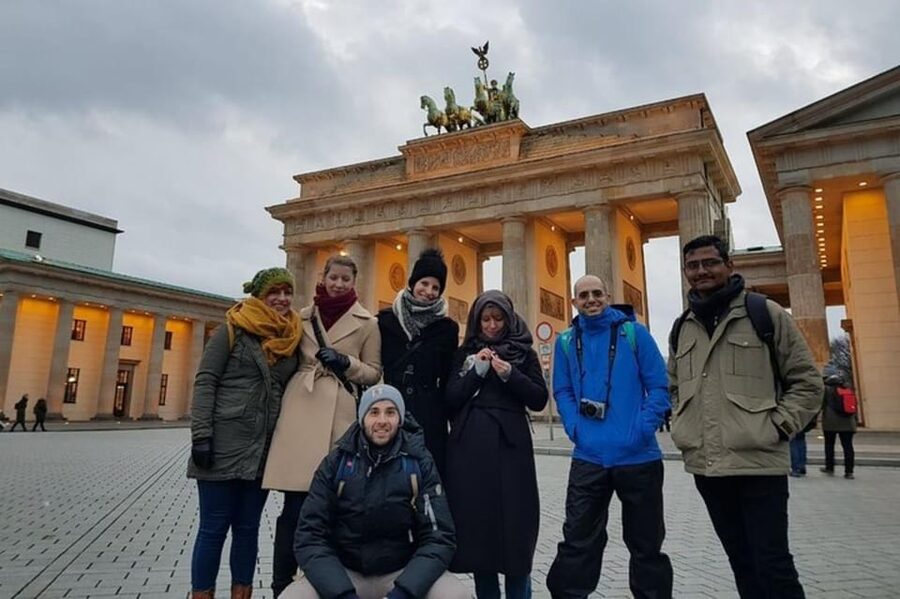
At $35 per person for a 2-hour private walking tour, the value is the combination of time, personalization, and coverage. You’re paying for a local guide to connect multiple major sites into a coherent story, instead of just paying for access to landmarks.
In many cities, a private guide for two hours costs noticeably more, so the price here stands out as fair for what you get: private format, customizable focus, and guidance plus advice. The guide can also help you book tickets for desired visits, which saves time and avoids the stress of figuring out logistics on your own.
One thing to plan around is the tight timing. Two hours means you’ll likely move at a steady pace. If there is one stop you care about most, tell your guide early so you can spend your attention where it counts.
Who This Tour Fits Best (And Who Might Want a Different Style)
This is ideal for you if you want:
- A structured route through major Third Reich and Cold War sites
- A guide who can answer questions while you walk, not after the fact
- City advice for what to do next, beyond the tour route
You’ll probably also like it if you enjoy strong interpretive guidance at memory sites, not just background facts. The memorial and the exhibition stops are the kinds of places where context can change what the visit means.
On the other hand, if you want a more relaxed sightseeing vibe, or if you feel overwhelmed by heavy topics, you might prefer a lighter themed tour. This one is direct about dark history and division.
Should You Book This Berlin Third Reich and Cold War Tour?
I’d book it if you want a private, time-efficient way to understand how Berlin went from dictatorship and terror to Holocaust memory, then to Cold War division and reunification. For $35, the mix of major stops, guide-led explanations, and personalized question time is a solid deal.
I’d skip or rethink it if two hours feels too short for what you need, or if you know you want a day that avoids heavy subjects. But if you come ready for serious history and you value having someone guide your understanding, this tour gives you a clear, focused path that ends at one of Berlin’s most famous checkpoints.
FAQ
What is the duration of the Berlin Third Reich and Cold War walking tour?
The tour lasts 2 hours.
How much does the tour cost?
The price is $35 per person.
Is this tour private?
Yes. It is a private and exclusive walking tour, with no one else in your group.
Where do we meet?
You meet your guide in front of Wellendorff Berlin (Hotel Adlon). The starting location is Unter den Linden 77.
Where does the tour end?
The tour ends at Checkpoint Charlie.
Which sites are included in the route?
The tour includes Brandenburg Gate, the Reichstag, the Memorial to the Murdered Jews of Europe, the site of Hitler’s Bunker, the Topography of Terror exhibition, and it ends at Checkpoint Charlie.
What languages are available for the live guide?
The guide is available in English, French, and Spanish.
Is food or drink included?
No. Drink or food is not included.
Is the tour wheelchair accessible?
Yes, the tour is wheelchair accessible.
Is free cancellation available, and can I reserve without paying yet?
Free cancellation is available up to 24 hours in advance for a full refund. You can also reserve now and pay later.
Cities at Walking Speed
- Berlin: Discover Berlin Walking Tour
★ 4.9 · 5,998 reviews - Berlin: Hidden Backyards Guided Walking Tour
★ 4.8 · 5,360 reviews - Berlin: Alternative Berlin Walking Tour
★ 4.6 · 1,204 reviews - Berlin: City Street Art Guided Walking Tour
★ 4.8 · 1,051 reviews
Third Reich & Wartime History
- Third Reich Berlin: Hitler and WWII Walking Tour
★ 5.0 · 3,301 reviews - Berlin: Third Reich, Hitler, and WWII Walking Tour
★ 4.9 · 1,757 reviews - Berlin Third Reich Sites: Half-Day Walking Tour
★ 5.0 · 835 reviews - Berlin: History of the Third Reich Guided Walking Tour
★ 4.7 · 791 reviews
Fresh on the arrivals board for Berlin



Guided Walks in Berlin, compared.
Berlin City walk Government District and Places of Democracy
Read our review →
Berlin’s Best: 2 Hour Walking Tour Third Reich and the Cold War
Read our review →
Third Reich Berlin: Hitler and WWII Walking Tour
Read our review →
Browse the lists this tour appears in