
Reviewed · GUIDED WALKS IN BERLIN
Berlin Third Reich & Cold War Walking Tour With A Guide
Concrete slabs and big views, in one walk. This 2-hour route is interesting because you move from Germany’s postwar symbol to some of Berlin’s heaviest Nazi landmarks, all with clear guide-led explanations and outside-first stops. I like how the pacing is tight and fact-based, and how guides like Carlo keep the story moving without drowning you in jargon. One possible drawback: the subject matter is intense, and since it is mainly a walking city tour, you should be ready for steady walking and outdoor time.
You are paying $42.06 for a guided walkthrough, not just a photo stop. I like that the tour offers a mobile ticket, runs in multiple languages, and includes help to book tickets for any visits you choose. If you want a lot of indoor time inside major museums, you may feel slightly limited because this is more of a street-level history walk than a deep museum day.
Plan on meeting at Unter den Linden 77 (10117 Berlin) and ending back there. The tour is offered by Guydeez, is near public transportation, and works for most travelers, with a group option that needs at least 2 people.
In This Review
- Key points to know before you go
- Why This Berlin Walk Works: a tight timeline you can actually follow
- Brandenburg Gate: the unity symbol and the turning point
- Reichstag Building and the glass dome views
- Holocaust Memorial: walking the 2,711 slabs with respect
- Berlin Story Bunker: a marked site tied to Hitler’s last days
- Topography of Terror: where Nazi power becomes visible in exhibits
- What the guide really adds (and why Carlo comes up)
- Price and value: $42.06 for a guided timeline, not a museum day
- Logistics that make the walk smoother
- Who should book this tour, and who might want a different format
- Final call: should you book?
- FAQ
- How long is the Berlin Third Reich and Cold War walking tour?
- What does the tour cost?
- What languages are offered for the guide?
- Where do I meet for the tour, and where does it end?
- Is this tour private or shared?
- What is included, and is food provided?
- Is monument or museum entry included?
- Is free cancellation available?
Key points to know before you go
- A focused 2-hour sweep across Third Reich to Cold War themes, with all stops close enough for a real walking tour pace
- Top-level on-site context, including the Holocaust Memorial and sites tied to Gestapo and SS power
- Reichstag viewpoints via the modern glass dome concept, so you get city orientation, not just names on plaques
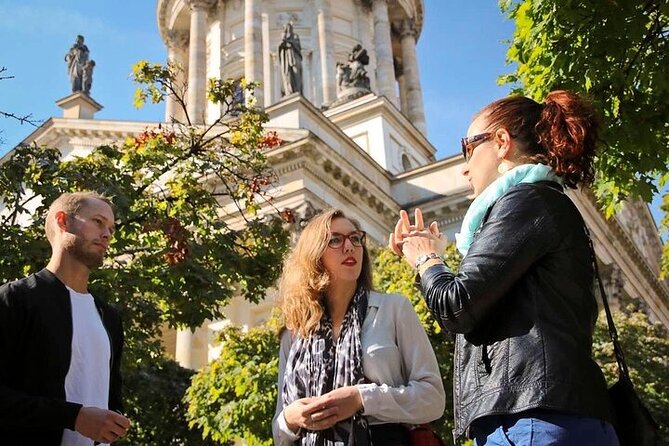
- Guides that explain well, with strong praise for being prepared, precise, and engaging
- City-tour style format, with no long “inside-only” monument plan so it stays efficient
Why This Berlin Walk Works: a tight timeline you can actually follow
Berlin can feel like a million monuments spread across a huge city. This tour helps you organize the story fast, without turning it into a lecture marathon. In about 2 hours, you get a guided path that connects symbols of German unity, the institutions of Nazi rule, and the aftermath that shaped Cold War Berlin.
What makes this format practical is the way it blends perspective points with sobering memorial sites. You start at a place most people already recognize, then you move toward locations that force you to slow down and think. Your guide keeps the sequence understandable, including why each spot matters and what to notice as you stand there.
You also get real value from the group setup. Even when it is a walking tour, having a prepared guide matters because the details are not obvious at street level. A good guide turns a row of buildings and memorial shapes into a clear timeline you can remember later.
More Guided Walks in Berlin
- Discover Berlin Half-Day Walking Tour
★ 5.0 · 9,624 reviews - Berlin City walk Government District and Places of Democracy
★ 4.7 · 8,467 reviews - Berlin: Third Reich & Cold War Guided Walking Tour
★ 4.9 · 8,378 reviews
Brandenburg Gate: the unity symbol and the turning point
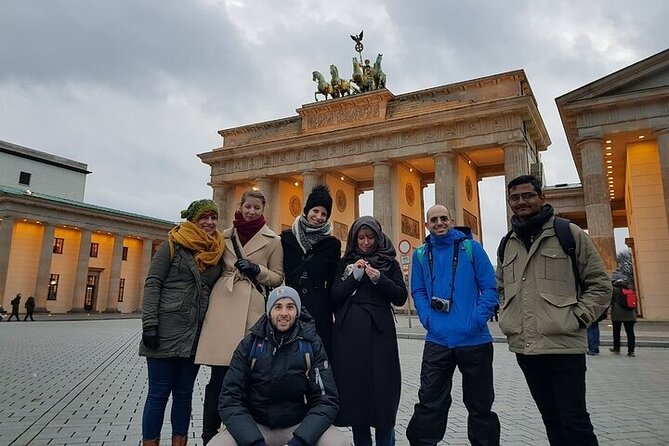
You begin at the Brandenburg Gate, a neoclassical landmark that represents unity and peace in Germany. It is also tied to major turning points, including the fall of the Berlin Wall. That combination is why it works as a first stop. You get an immediate anchor point, then the guide can explain how the same street can hold wildly different eras.
What I like about starting here is how it gives you bearings. Even if you have not studied Berlin before, this location helps you orient your mental map. You can look around and feel how central the area is, which makes the later sites hit harder because you understand the geography of power and collapse.
Practical note: the tour time per stop is short, about 24 minutes listed for each area. So you should treat this as a guided “what to look for” moment rather than a long sightseeing session. If you want extra time here for photos, plan to return later on your own.
Reichstag Building and the glass dome views
Next comes the Reichstag Building, home to Germany’s parliament. The contrast is the point. You are moving from a national symbol tied to peace and reunification to a seat of modern democratic government, while the guide explains what this location represents in the larger political story.
The modern glass dome is part of what makes this stop feel functional, not just scenic. It offers panoramic views, so you can get a sense of Berlin’s layout and how the city looks from a high, central vantage. Even if you are not focused on architecture, a viewpoint helps you connect later memories to real space.
One consideration: the tour is described as a city walk and not an inside-the-monuments plan. So you should think of the Reichstag stop as a guided look at both historic significance and the visual takeaway of the area, rather than a full ticketed architectural visit.
Holocaust Memorial: walking the 2,711 slabs with respect
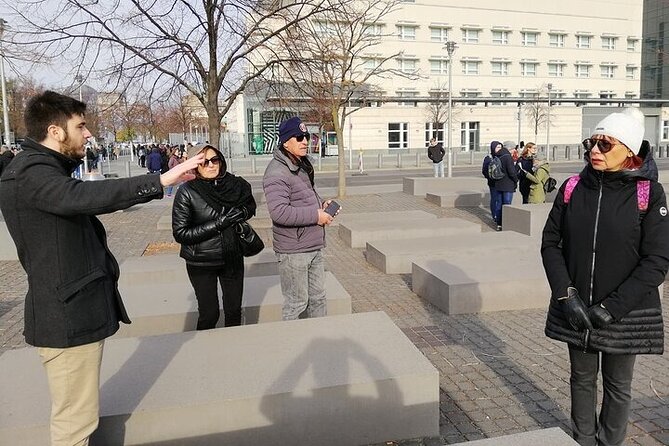
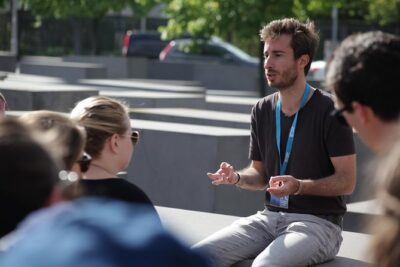
Then you head to the Memorial to the Murdered Jews of Europe, known for its 2,711 concrete slabs. This is not a “fast photo” stop. It is a place where you naturally slow down, partly because the layout pulls you into a quiet walking rhythm.
What the slabs do, when you are there, is make the space feel structured but unsettling. Your guide’s job is to connect what you are seeing to why it matters: the lives lost and the history behind the memorial. The short guided time works here because the memorial is designed to be experienced on foot. You get enough direction to understand it, then you can sit with it in your own way.
Practical tip: wear comfortable shoes. The design may not look like a big-distance walk, but the experience tends to keep you moving as you find your path. Also, keep your phone light-use here. You want your attention on the space, not on the screen.
Berlin Story Bunker: a marked site tied to Hitler’s last days
After the memorial, the tour heads to the Berlin Story Bunker site, associated with Hitler’s bunker location. It is now marked with an information board, and your guide explains the final days of WWII and the fall of the Third Reich.
This is the kind of stop that benefits from a guide. The ground does not carry visible “stage props,” but the context is crucial. Without explanation, it is easy to treat it as just another plaque. With a prepared guide, it becomes a timeline moment: how collapse happened quickly, what the end of the regime looked like from the ground, and why the story matters in how Germany remembers that period.
A drawback to consider: since this is an information-board style stop, you should not expect a big indoor exhibit here as part of the walking tour. If you want deeper bunker-related material, you can always add it later, but on this tour, your focus is on a guided historical orientation.
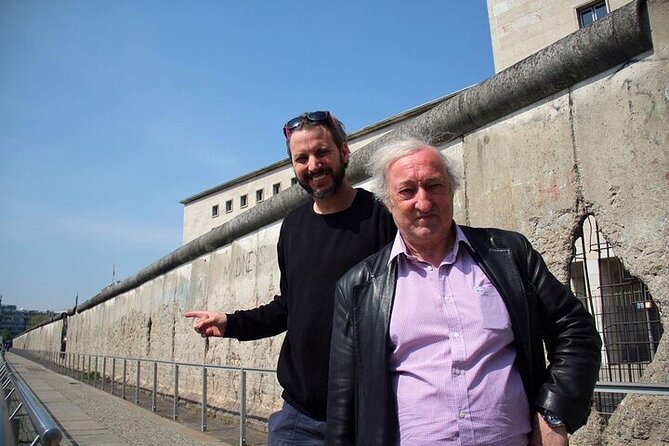
More traces of the Wall through Berlin:


Topography of Terror: where Nazi power becomes visible in exhibits
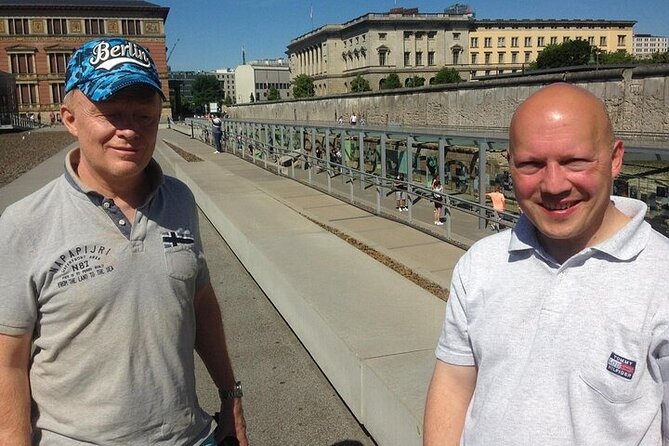
You end at Topography of Terror, located on the former site of the Gestapo and SS headquarters. This is where the tour’s tone intensifies in a more museum-like way because the area includes outdoor and indoor exhibits.
This stop is valuable because it ties the ideas from earlier stops to the actual machinery of the regime. You will see exhibits detailing the atrocities committed during the Nazi era and the history of the Gestapo. Even with a limited time slot, the location makes the story feel grounded. You are not just hearing about power, you are standing in a place that was built for it.
If you are someone who learns best through visuals and documents, this is likely your favorite stop. It is also a good ending point because museums tend to work better when you are done with the hardest walking. You can slow down, read, and absorb at your own rhythm while still benefiting from the guide’s framing.
What the guide really adds (and why Carlo comes up)

The reviews strongly emphasize how engaged and prepared the guides are. Names like Carlo come up in feedback about being very engaging, precise, and detailed. That matters more than it sounds, especially with topics like WWII and Nazi institutions where misinformation is easy to encounter if you are self-guiding.
A good guide does three things on this kind of tour:
- Keeps your timeline straight, so you do not mix up dates and places
- Explains what you are looking at, not just the big headline facts
- Adjusts energy to the group, including families, so kids can stay interested without the story losing its seriousness
I also like that the tour offers customization. You can often ask for extra clarification on what you personally want more of, like the Cold War angle versus the Nazi-era sites, as long as it stays within the walking tour plan.
If you are nervous about heavy history, this kind of guide-led structure tends to make the experience feel more manageable. The aim is not to shock you. It is to help you understand.
Price and value: $42.06 for a guided timeline, not a museum day
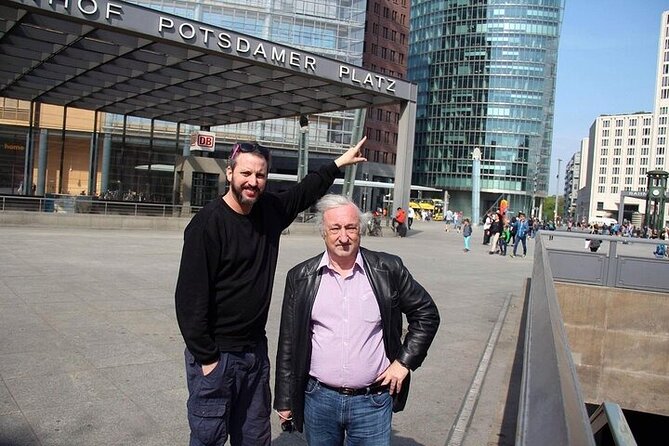
At $42.06 per person for about 2 hours, the price is basically paying for expertise and a structured route. You are not just renting someone to walk with you. You are getting a prepared guide plus help related to bookings.
Here is what the pricing value looks like in real terms:
- Included: walking tour, a guide in multiple languages, private or small group options, and customization
- Included support: help from the team to book tickets for desired visits
- Not included: drink or food, tips, and entry to monuments and museums (even though the itinerary lists admission ticket free for the stops)
That last point is the one to treat carefully. The itinerary shows admission ticket free for each listed stop, which suggests you can visit and see a lot without paying. Still, the tour terms say entry to monuments and museums is not included. So if you want anything beyond outside viewing or anything ticketed inside, you should confirm what is covered when you book.
If you want a value check: this tour is best when you want a guided historical path with a clear sequence and you are okay with a city-tour style day, rather than paying extra for long museum time.
Logistics that make the walk smoother
This tour ends back at the meeting point, so you are not dealing with a complicated “get to the next site on your own” puzzle. That is a big deal when you are juggling limited vacation time.
A few practical points that help:
- Meeting point: Unter den Linden 77, 10117 Berlin
- Near public transportation, so you can easily connect from anywhere
- Mobile ticket, so you do not need to hunt for a printout
- Most travelers can participate, and the tour is recommended for everyone
One more thing: if you choose the group option, a minimum of 2 participants is required. If you want predictability, the private setup usually feels simpler, since only your group participates.
And since it is a 2-hour walk, think about your day planning. This is a good morning or early afternoon activity, then you can add a longer museum visit later if you feel like it.
Who should book this tour, and who might want a different format
I think this works especially well for:
- First-time visitors to Berlin who want a clear Third Reich to Cold War connection
- People who like guided context more than reading plaques alone
- Families who want a serious history walk with an engaging guide, as reflected by praise for guide ability to connect with kids
- Anyone who wants an efficient route that avoids wasting time figuring out what to see next
It might not be the best fit if:
- You specifically want long, ticketed museum time at each stop
- You are extremely sensitive to historical content and prefer lighter sightseeing today
- You want transport included, since transportation is listed as not included
For most people, though, it is a strong first-history step. It gives you a storyline you can build on later.
Final call: should you book?
Yes, I would book it if you want a guided Berlin timeline that pairs familiar landmarks with the places that shaped the darkest chapters of the 20th century. The route stays efficient, and the guide quality is a key selling point, with strong feedback about being engaging, precise, and rich in details.
If you are going in with the right expectations, you will feel like you gained a framework. You will know where you are standing, why it matters, and what to remember after you leave the last exhibit.
FAQ
How long is the Berlin Third Reich and Cold War walking tour?
It runs for about 2 hours.
What does the tour cost?
The price is $42.06 per person.
What languages are offered for the guide?
The tour offers guides in English, Spanish, French, German, and Italian.
Where do I meet for the tour, and where does it end?
You meet at Unter den Linden 77, 10117 Berlin, Germany, and the tour ends back at the meeting point.
Is this tour private or shared?
It can be private, and it is also available as a private or small group tour. For the group option, a minimum of 2 participants is required.
What is included, and is food provided?
The tour includes the walking tour and an in-person speaking guide, plus customization and help to book tickets. Drink or food is not included, and tips are optional.
Is monument or museum entry included?
Entry to monuments and museums is not included. The itinerary lists admission ticket free for the stops, but if anything requires entry beyond that, you would need to handle it separately.
Is free cancellation available?
Yes. You can cancel up to 24 hours in advance for a full refund. If you cancel less than 24 hours before the start time, the amount paid is not refunded.
Cities at Walking Speed
- Berlin: Discover Berlin Walking Tour
★ 4.9 · 5,998 reviews - Berlin: Hidden Backyards Guided Walking Tour
★ 4.8 · 5,360 reviews - Berlin: Alternative Berlin Walking Tour
★ 4.6 · 1,204 reviews - Berlin: City Street Art Guided Walking Tour
★ 4.8 · 1,051 reviews
Third Reich & Wartime History
- Third Reich Berlin: Hitler and WWII Walking Tour
★ 5.0 · 3,301 reviews - Berlin: Third Reich, Hitler, and WWII Walking Tour
★ 4.9 · 1,757 reviews - Berlin Third Reich Sites: Half-Day Walking Tour
★ 5.0 · 835 reviews - Berlin: History of the Third Reich Guided Walking Tour
★ 4.7 · 791 reviews
Fresh on the arrivals board for Berlin
Guided Walks in Berlin, compared.
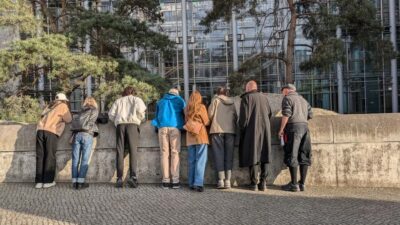
Berlin City walk Government District and Places of Democracy
Read our review →
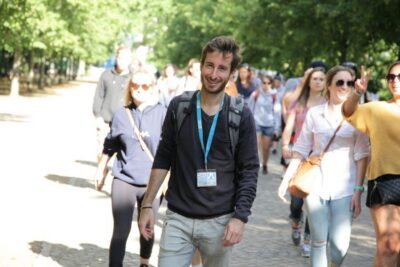

Berlin’s Best: 2 Hour Walking Tour Third Reich and the Cold War
Read our review →
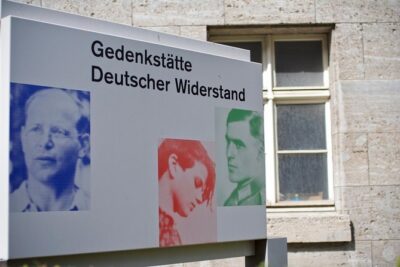
Third Reich Berlin: Hitler and WWII Walking Tour
Read our review →
Browse the lists this tour appears in