
Reviewed · THIRD REICH & WORLD WAR II TOURS
Berlin: Third Reich and World War II Private Guided Tour
Berlin keeps score in stone and steel. This private guided tour strings together the Third Reich and World War II sites you keep seeing on maps, and your private guide makes the stories click stop by stop, with photo-friendly landmarks along the way.
The main tradeoff is the heavy walking in about 3 hours, and some of what you see and hear is emotionally difficult, so go in with comfy shoes and a steady pace.
In This Review
- Key things to look forward to
- Where the tour starts near Hotel Adlon
- Brandenburg Gate to Reichstag: why the route feels logical
- Reichstag guided time: getting meaning, not just landmarks
- Soviet War Memorial Tiergarten: a different WWII lens
- Holocaust Memorial: how to stay respectful and still learn
- Hitler’s Bunker: separating locations from propaganda
- Topography of Terror: why the guided stop is the value
- Finish at Wall Museum and Checkpoint Charlie
- Price and time: what $224 per person really buys
- What to pack, plus the small rules that matter
- Who this tour is best for, and who should reconsider
- Should you book this Berlin WWII private guided tour?
Key things to look forward to
- A private group format means your guide can steer the pace and answer your questions instead of herding people along.
- Big-name Berlin WWII stops like the Reichstag, Holocaust Memorial, and Hitler’s Bunker, all in one route.
- Guided context at every major pause, so you are not just taking photos, you are understanding what you are looking at.
- A professional multilingual guide, with English and several other options if you want your history explained in your comfort language.
- A strong finish at Checkpoint Charlie, tying the WWII story to Berlin’s later Cold War symbolism.
- Clear rules for photos, including no flash inside certain landmarks, so you can plan your camera shots without hassle.
Where the tour starts near Hotel Adlon
Your tour begins next to the Hotel Adlon Kempinski Berlin, a handy meeting spot if you are already planning to spend time around Brandenburg Gate and central Mitte. Starting at that end of the city makes sense because you ease into the story right away, rather than starting with a single museum and then trying to connect the dots.
From the first stop, you will be walking through Berlin as a kind of timeline. That matters, because WWII in Berlin is not one building or one event. It is geography, propaganda, violence, and aftermath, all layered into a city layout that still feels modern.
If you want the best experience, show up on time, grab water, and settle into the “walking and listening” rhythm. This is not a sit-down tour. Expect a steady pace, and plan your camera use so you are not constantly stopping short.
Further Third Reich and wartime history tours:
- Berlin: Third Reich & Cold War Guided Walking Tour
★ 4.9 · 8,378 reviews - Berlin’s Best: 2 Hour Walking Tour Third Reich and the Cold War
★ 5.0 · 5,486 reviews - Third Reich Berlin: Hitler and WWII Walking Tour
★ 5.0 · 3,301 reviews
Brandenburg Gate to Reichstag: why the route feels logical
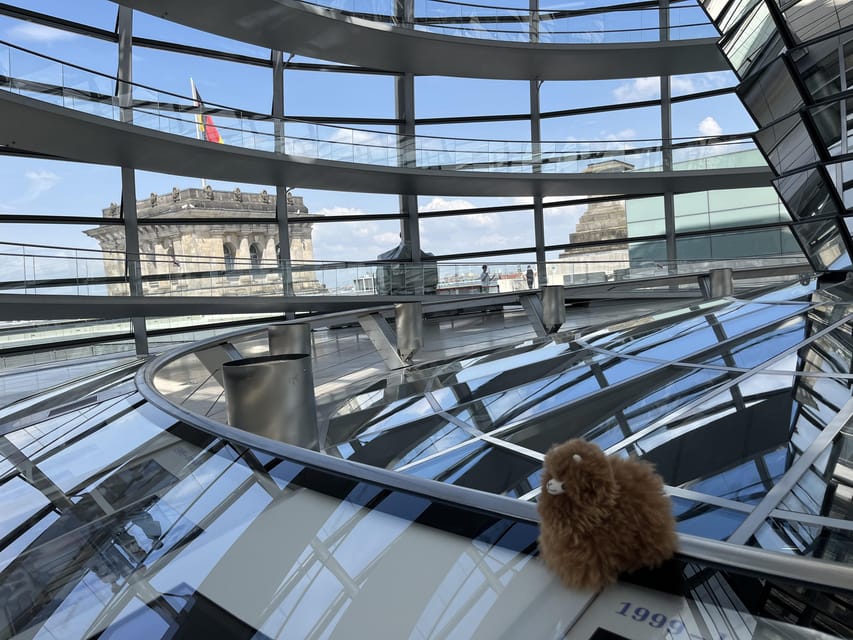
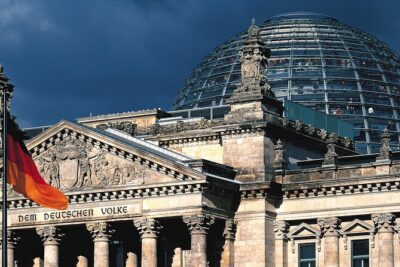
You start at Brandenburg Gate, and then you move to the Reichstag with a guided tour. Even if you have seen both places before in photos, the guided angle is what changes the trip. Your guide can help you see how Germany’s political power and its destruction tied into the same buildings, the same streets, and the same ideas.
The Reichstag stop is also where you usually get your first strong photo opportunities of the day. You will want to bring your camera, and you will also want to remember the tour allows photography but forbids flash inside certain landmarks. That means you can shoot, just not with the bright distraction that ruins it for the people who are trying to look and read.
What I like about this part is that it sets expectations. You learn that symbols matter in Berlin. You see how the Nazi era used public space, then you understand how that era collapsed, and how the city reinterpreted power afterward.
Potential consideration: this section can feel like a “photo first, facts next” mix unless your guide keeps steering the focus. If you care about the historical meaning more than the Instagram angles, tell your guide early and ask them to keep pulling you back to interpretation.
Reichstag guided time: getting meaning, not just landmarks
At the Reichstag, the value is in the pacing and explanation. A private guide can tailor the story to what you already know, which helps a lot when WWII history feels broad and confusing. In a time frame of only 3 hours, the guide’s job is to turn broad events into a sequence you can remember.
One detail that stands out from guide feedback is the emphasis on clarity and professionalism. Sven is a name you might hear connected with punctual, professional guiding, and that kind of reliability matters here, because the whole day is built as one connected walk. If your guide is on time and prepared, you spend more time understanding and less time waiting.
You can also treat this stop as your “brain warm-up.” Use the Reichstag guided time to build a simple mental framework: how the Third Reich rose, how it operated in Berlin, and how the war transformed the city. Your later stops will click faster if you have that framework in place.
Soviet War Memorial Tiergarten: a different WWII lens
Next up is the Soviet War Memorial Tiergarten, also with guided time. This stop helps balance the story, because Berlin’s WWII narrative includes multiple sides and multiple kinds of suffering. A guided visit at this memorial gives you context without turning the experience into a checklist of facts.
In practical terms, this is also a useful breathing point. The tour moves quickly between heavy sites, so the memorial can help you pause and absorb what the city remembers. Look slowly, and let the guide do the connecting work. If you rush here, you lose the value.
If you are the kind of person who likes to take photos, you can still do that, but keep one eye on the guide’s narrative. Memorial sites often reward attention to details like layout and placement, rather than just wide views.
Holocaust Memorial: how to stay respectful and still learn
The Holocaust Memorial stop is one of the emotionally hardest parts of the route, and it should be handled that way. You will have guided time, which is a big advantage because this is not a simple monument with a single plaque you read and move on. It is designed to make you experience discomfort and reflection, and a guide can help you understand why that design matters.
I strongly recommend going slower here than you do at more upbeat sights. You will be walking among the memorial’s elements, and your guide may point out how the space affects perception. If you want photos, take them thoughtfully, and avoid flash since the rules forbid flash inside certain landmarks.
The best way to get value from this stop is to ask yourself what you came to learn. Do you want the political story of the Third Reich, or do you want the human outcome and the reasons it is remembered? A good guide can point you toward both, but your questions help them focus.
Also holding a platform in Berlin



Hitler’s Bunker: separating locations from propaganda
Then you reach Hitler’s Bunker, again with guided time. Even when the word bunker sounds like a movie set, the purpose here is understanding. This stop is about where Nazi leadership operated, what it meant for Berlin during the war, and how the war’s end played out for the people in and around the city.
This is also a stop where a private guide pays off. Public-history sites can turn into trivia dumps if you do not have someone steering you. With a professional guide, you can connect what you see to the bigger story, including how the Third Reich’s decisions shaped the war and how Berlin endured the consequences.
Photo note: you might find plenty of outside views to shoot, but stay aware that flash may be restricted inside certain areas. Also keep your camera out when the guide is speaking. It is tempting to keep shooting, but the guide’s explanation is the point.
Topography of Terror: why the guided stop is the value
After Hitler’s Bunker, you visit the Topography of Terror with guided time. The name basically tells you the theme: terror, state power, and how Nazi violence was organized and sustained. This is where the tour helps you connect the dots from leadership and ideology to how violence became systematic.
This stop is also a good place to test your own understanding. After Reichstag and the bunker, you might think you have the story. Then Topography of Terror can reframe it by showing you what terror looked like on the ground, and how Berlin served as a stage for those policies.
If you have a history background, you will still benefit, because the guide can connect big concepts to specific places in Berlin that you might otherwise overlook. If you do not have a history background, you will benefit even more, because someone trained can explain without assuming you already know the characters in the narrative.
Finish at Wall Museum and Checkpoint Charlie
The tour finishes at Wall Museum – Checkpoint Charlie. That ending is not random. It is a way to bring Berlin’s 20th century story forward, so WWII does not feel like an isolated chapter. Checkpoint Charlie symbolizes division, control, and Cold War pressure, and landing here helps you see how the world kept changing after the war.
Even if you already know the general idea behind Checkpoint Charlie, the guided context can help you understand why it is such a strong closing image for a Third Reich and WWII walk. You are ending in a spot that people often treat as a quick photo stop, but after the earlier stops, it tends to land with more meaning.
If you are trying to keep your photos consistent, plan a final camera sweep here, but do not ignore the interpretive side. The guided framing matters most at the end, because it is where you can summarize what you learned in a single glance.
Price and time: what $224 per person really buys
At $224 per person for about 3 hours, you are paying for two things: a guide who can explain complex material in a tight time slot, and a private group that avoids the usual shuffle.
Because entrance fees are not included, your final cost could depend on what you need to pay once you arrive at specific landmarks. Still, the value is the guided structure. In 3 hours, you would struggle to piece together the same sequence on your own without either losing context or spending too much time looking things up while you are walking.
This is also why the private format is worth considering. With a standard group tour, you might not get answers to your questions, and you might feel rushed. With a private group, your guide can slow down at the stops you care about most.
Practical note: transportation to and from the activity is not included. Build your day so you can walk comfortably between meeting point and finish. The tour also does not include meals or drinks, and food and drinks are not allowed during the tour. That means you should plan a snack before you start, and bring water for the walk.
What to pack, plus the small rules that matter
Bring comfortable shoes first. You will cover a significant amount of walking, and the tour is only 3 hours, so there is not a lot of time to recover your legs. Add a camera so you can take advantage of the iconic stops, and bring water since meals and drinks are not included.
Weather planning matters too. The tour runs outdoors between landmarks, and you should dress for the forecast. If the day is cold or wet, your comfort will decide how much you remember.
Photo rules are simple but important: photography is allowed, but flash photography is not permitted inside certain landmarks. Keep that in mind if you like night-style shots or indoor monument lighting. In practice, it means you can still photograph, you just need to use regular ambient light and be respectful.
Finally, consider bags. Large bags or luggage may not be suitable for this tour due to the walking involved. Travel light, or you will feel it.
Who this tour is best for, and who should reconsider
This tour is best for adults and older kids, since it is not suitable for children under 10. If your child is older and can handle serious topics for the length of time, a private guide could still be a good fit, but the under-10 limit is clear.
It may also be a mixed fit for mobility needs. The information says wheelchair accessible, but it also says the tour is not suitable for people with mobility impairments and wheelchair users. Because that conflict matters, treat it as a sign to confirm route practicality with the provider before you book, especially if you rely on a wheelchair.
Emotionally, this tour is heavy. It covers Hitler’s Bunker and the Holocaust Memorial. If you know you handle difficult subject matter well, you will likely get more from the guided explanations. If you prefer a lighter history day, you might find this too intense.
Should you book this Berlin WWII private guided tour?
I would book it if you want the essentials of Berlin’s Third Reich and World War II story, explained in sequence, with a private, professional guide and major landmarks packed into 3 hours. The route makes it easier to understand how political power and violence shaped the city, and ending at Checkpoint Charlie gives you a strong closing image.
I would hesitate if you cannot handle a lot of walking, or if you are not comfortable with Holocaust-related sites and the gravity around them. Also, because one booking outcome involved a guide not showing up and an expectation of a full refund, it is smart to be ready to contact the operator immediately if anything seems off on the day.
If you do book, you will get the most value by asking your guide to focus on meaning, not just names, and by slowing down at the Holocaust Memorial and the terror-themed stop. That is where the guided storytelling earns its keep.
Fresh on the arrivals board for Berlin
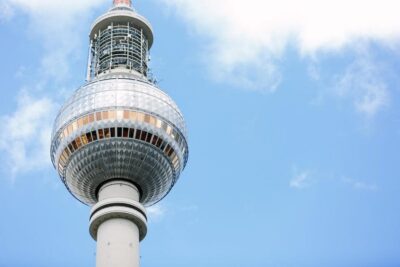
Third Reich & World War II Tours, compared.

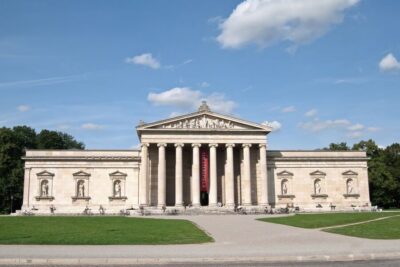
Berlin’s Best: 2 Hour Walking Tour Third Reich and the Cold War
Read our review →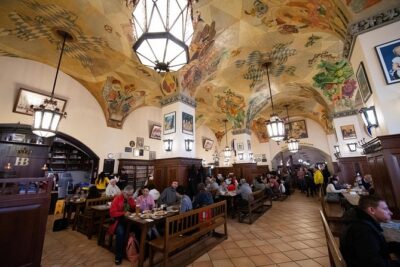
Third Reich Berlin: Hitler and WWII Walking Tour
Read our review →
Walking Tour of Former Nazi Party Rally Grounds
Read our review →
Browse the lists this tour appears in