
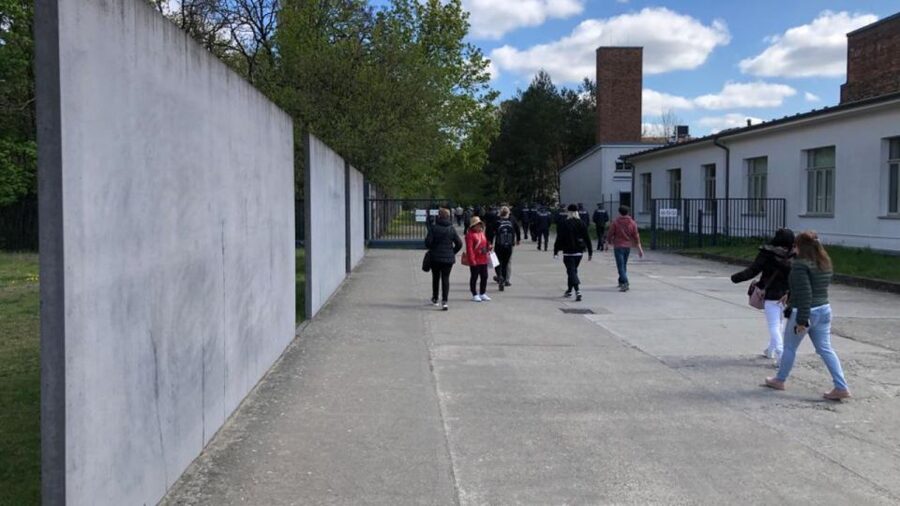
Reviewed · SACHSENHAUSEN MEMORIAL VISITS FROM BERLIN
Berlin: Sachsenhausen Concentration Camp Guided Tour
History hits hard at Sachsenhausen. This 5-hour Berlin-area tour lays out how the Nazi concentration camp system worked, then follows what happened after the Soviets took over, too, with a small-group feel and a tight route from Alexanderplatz.
I especially like how the guide keeps the focus on the human details: daily routines like roll call, the shoe-testing track, and the way people were sorted and controlled. I also like the structure, the way you move from key zones such as the SS administration area and the Jewish sector, to evidence displayed on site, and then to the post-war story.
The main tradeoff is time. If you want to linger in indoor exhibits for a long read, 5 hours can feel a bit short, and you may have to skim more than you hoped.
In This Review
- Key highlights worth marking on your mental map
- Berlin to Sachsenhausen: how the day starts (and why it matters)
- Tracing the camp system: from SS oversight to Sachsenhausen as a model
- Tower A, roll call, and the daily routine you should understand
- Jewish sector barracks: living conditions, overcrowding, and what daily struggle looked like
- Cell block and the special-prisoner story: power, secrecy, and brutal mistreatment
- A short break in the kitchen and time with camp items and drawings
- After 1945: Special Camp no.7 and the Soviet post-war chapter
- Station Z: execution site, gas chamber, and crematorium
- The infirmary: medical experiments and the abuse of science
- Transportation, timing, and what a 5-hour format means for you
- Who will enjoy this tour the most
- Price and value: what $115 buys in real terms
- Practical prep: what to bring and what to avoid
- Should you book the Sachsenhausen guided tour?
- FAQ
- Where does the tour meet in Berlin?
- How long is the Sachsenhausen guided tour?
- What is the price per person?
- Is the tour conducted in English?
- Is it a small group?
- Does the tour include pickup and drop-off?
- Are tickets handled for you so you can skip the ticket line?
- Is the tour wheelchair accessible?
- What should I bring?
- What is not allowed on the tour?
Key highlights worth marking on your mental map
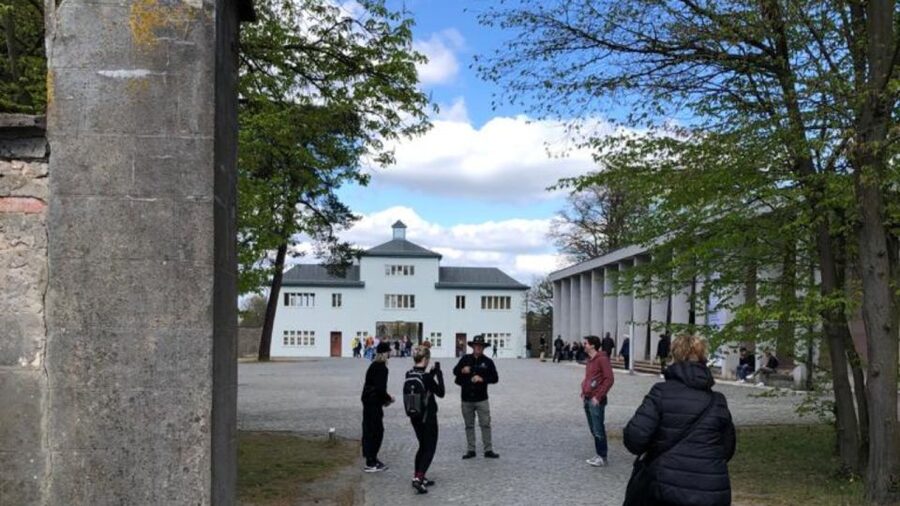
- Tower A and the camp entrance: pass through the main gate and under the words Arbeit macht frei as the guide sets the context for how the system functioned.
- The daily machine of control: hear about morning roll call and the shoe-testing track, not just the big dates.
- Jewish sector and living conditions: see cramped barracks and learn what daily struggle meant in practice.
- Cell block and special prisoners: walk through areas tied to cruel mistreatment, including British POWs and special inmates.
- Post-war Soviet chapter, Special Camp no.7: learn how the site was reused after World War II and held about 60,000 prisoners.
- Station Z, execution and extermination sites: visit the execution area, gas chamber, and crematorium with a guide who keeps the tone respectful.
Berlin to Sachsenhausen: how the day starts (and why it matters)
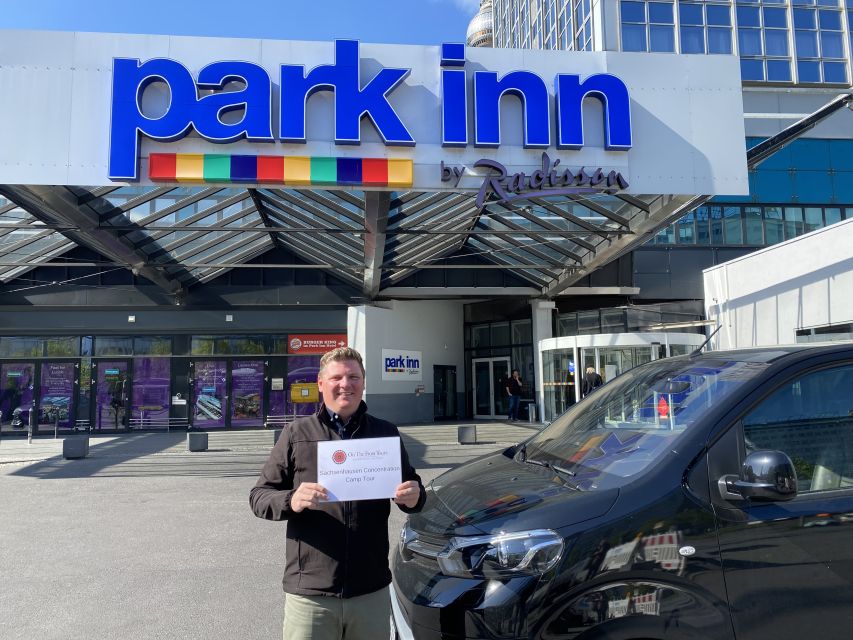
You meet at the Park Inn by Radisson Berlin Alexanderplatz, at the main entrance near the taxi pickup and drop-off point. The convenience is real: you do not have to figure out trains or transfers on a day where the schedule already feels heavy.
A van ride takes about 30 minutes each way. That brief travel time also gives the guide space to explain the Nazi camp system methodology before you arrive at the memorial, so you land with context instead of confusion.
This is also a small-group setup, limited to 7 participants. That size helps in two ways: you can ask questions without a shouting match, and the guide can slow down if the group needs a breather.
Other visits to the Sachsenhausen memorial:
- Berlin: Sachsenhausen Concentration Camp Tour in English
★ 5.0 · 5,711 reviews - Berlin: Sachsenhausen Concentration Camp Memorial Tour
★ 4.7 · 3,716 reviews - Sachsenhausen Concentration Camp Bus Tour in English from Berlin
★ 5.0 · 1,962 reviews
Tracing the camp system: from SS oversight to Sachsenhausen as a model
Before you even step into the grounds, you get an orientation stretch on the way over. The guide introduces the Nazi concentration camp system approach and explains why Sachsenhausen became a model camp for later facilities.
Once at the memorial, you move through the SS Concentration Camps Inspectorate area. This part is important because it shifts your view from isolated brutality to a system with managers, rules, and procedures.
You then approach the main entrance and pass through Tower A. Seeing the camp’s gate and the words Arbeit macht frei is uncomfortable, but the guide’s job here is to pin it to what it meant at the time, not to let it sit as a random piece of propaganda.
Tower A, roll call, and the daily routine you should understand
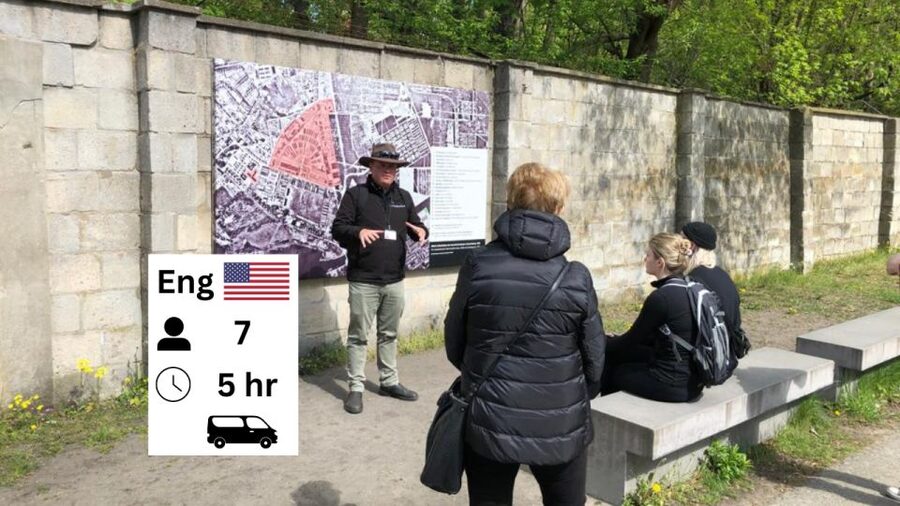
The tour’s early walking sections focus on the mechanics of daily control. You’ll hear about morning roll call, the strict timing, and the way the camp used routine to break people down.
Then comes one of the stark details that sticks with many visitors: the shoe testing track. The guide explains this type of process in a way that connects “routine” to “abuse,” so you understand it as part of enforcement, not as background noise.
This is where the guide quality really shows. Some groups are led by guides such as Matt, Tom, or Jorg, and they’re consistently described as careful and respectful while still keeping the explanations clear and grounded.
Jewish sector barracks: living conditions, overcrowding, and what daily struggle looked like
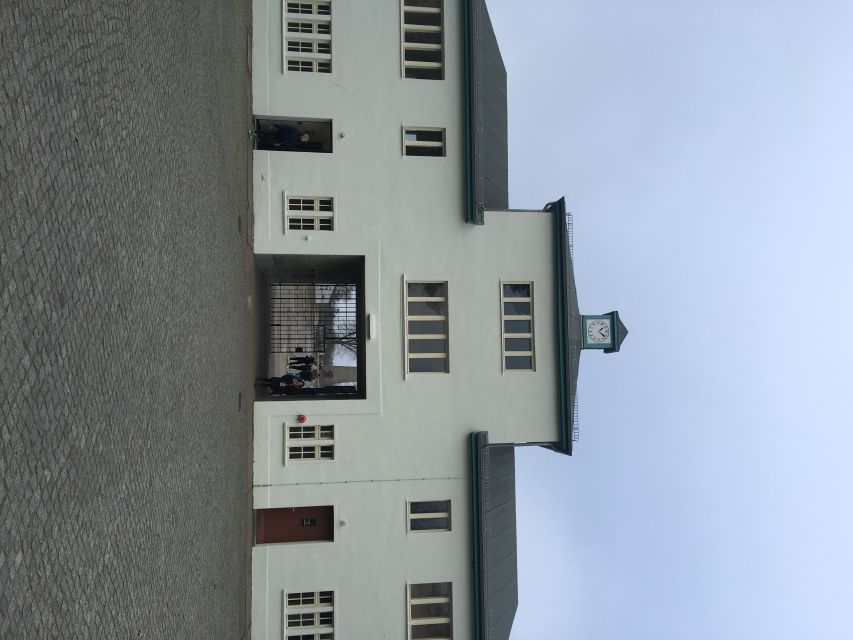
Next, you enter the Jewish sector. The tour gives you a chance to walk through areas tied to overcrowded barracks so you can see how space, confinement, and scarcity shaped everyday life.
It is not just a visual stop. The guide walks you through what prisoners faced, including the constant pressure of the camp’s rules and the physical cost of survival.
I like that this segment is built into the route rather than treated as an add-on. It helps you hold the full picture, Nazi policy turning into lived reality, day after day.
Cell block and the special-prisoner story: power, secrecy, and brutal mistreatment
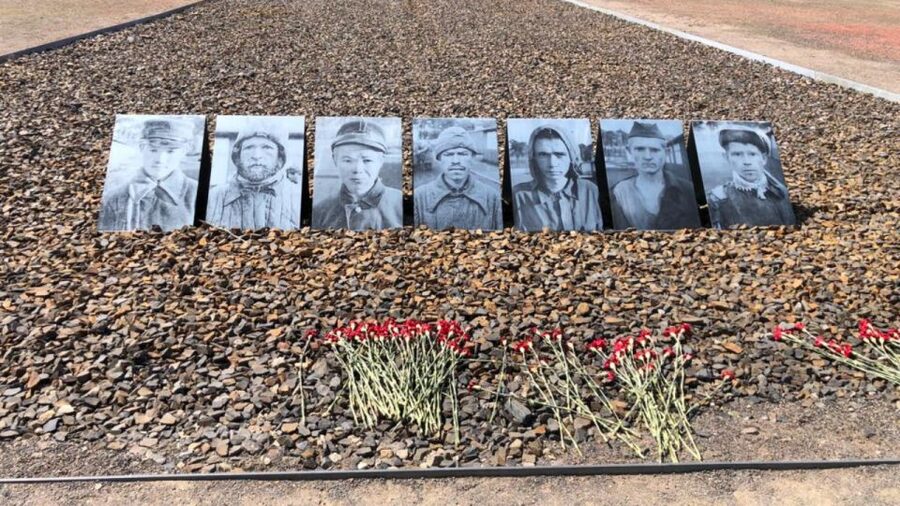
After the Jewish sector, the route continues through the camp cell block area. This is one of the most difficult parts of the tour, since it centers on secrecy and cruel mistreatment.
Here you also learn about categories of prisoners held in these sections, including British POWs and special inmates. The tour details that this included someone described as Stalin’s son, which is a jarring reminder that the camp system targeted more than one group.
The emotional tone matters in this part. You should expect a serious pace and a guide who keeps language sensitive while still giving historical context.
Also holding a platform in Berlin



A short break in the kitchen and time with camp items and drawings
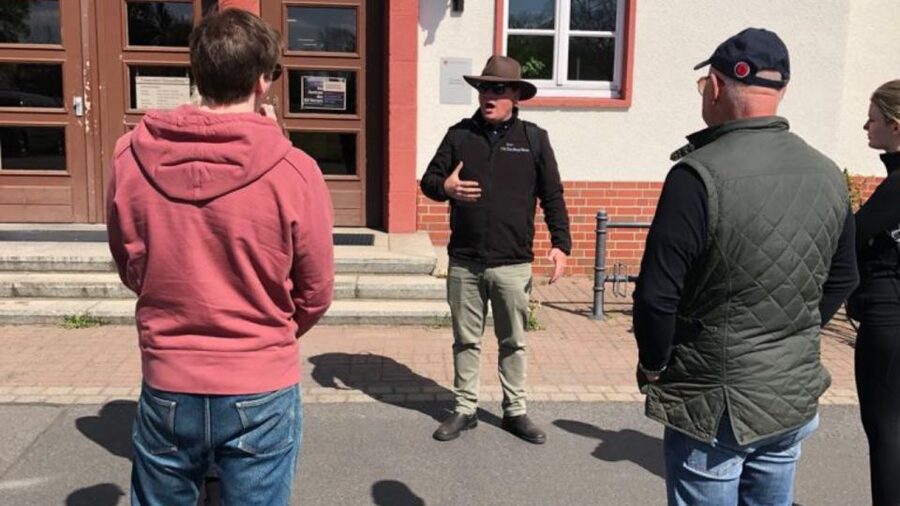
Around the middle of the tour you reach the camp kitchen. It’s not a sightseeing detour, it is a functional pause point, with time to use restrooms and take a short break.
You can also explore an exhibition of camp items, including prisoner drawings that are still visible on the walls. Even though this is a small section compared with the walking zones, it hits an important note: people tried to communicate and record their world, even in impossible conditions.
If you think you’ll want extra time reading exhibits, plan your expectations for a 5-hour format. One common request is that the indoor viewing could be longer, and that feedback makes sense if you like to slow down and absorb text.
After 1945: Special Camp no.7 and the Soviet post-war chapter
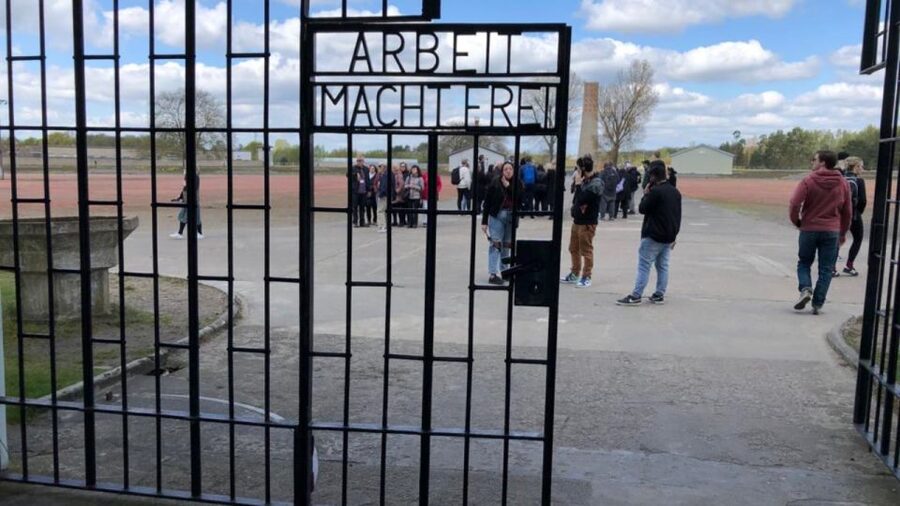
One of the most valuable parts of the experience for me is how it does not stop at Nazi Germany. The tour explains the camp’s post-war use by the Soviet Union as Special Camp no.7.
You learn that it remained in use and held about 60,000 prisoners, including German POWs, convicted war criminals, and political prisoners. This segment adds context for why the site still mattered after the war ended, and why memory and documentation are complex.
The guide also discusses post-war conservation efforts and the impact on modern Germany. That connects history to today without turning it into politics for its own sake.
Station Z: execution site, gas chamber, and crematorium
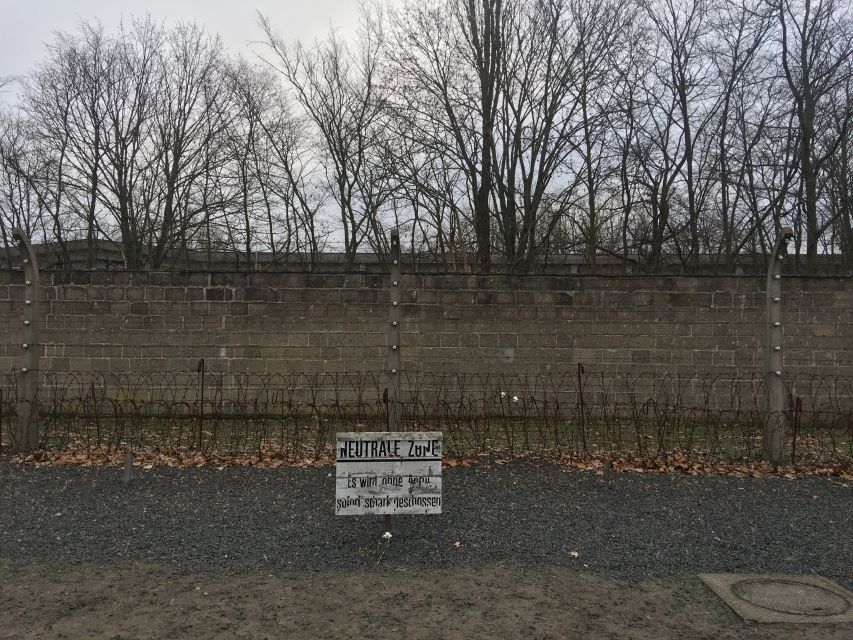
Then the tour reaches Station Z, which includes the execution area, the gas chamber, and the crematorium. This part is heavy, and the guide’s role is to keep the focus on what happened and why remembering matters.
The tour frames this as part of the Nazi Final Solution, the systematic murder of prison inmates. You may feel your pace slow here because there is a lot to process, and you will likely be standing where people once suffered and died.
In a day like this, the small-group format helps again. You can take your time when needed and ask questions without being rushed by a crowd.
The infirmary: medical experiments and the abuse of science
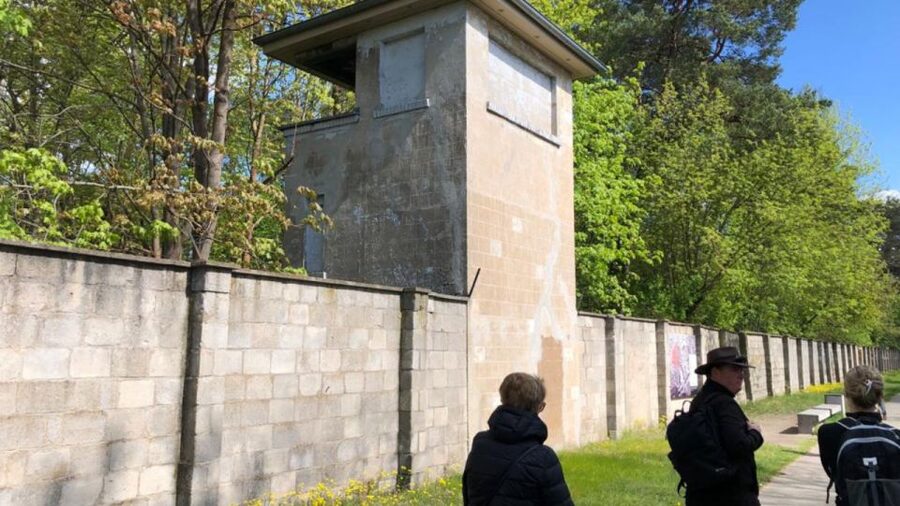
Before leaving, you pass through the camp infirmary area. The guide discusses medical experiments carried out on prisoners.
This stop is especially important because it shows a different face of the system: coercion framed as study, and human bodies treated as tools. It also helps you understand how far ideology could travel, even into places that sounded medical on paper.
Transportation, timing, and what a 5-hour format means for you
This is designed as a half-day experience, with a total duration of about 5 hours. The van rides and guided walking both fit into that block, so the tour has a steady rhythm rather than long sit-down segments.
If you like structure and clarity, you’ll likely appreciate it. If you prefer to spend extra time reading each display, you may find yourself wishing for more minutes in the exhibitions.
The tour runs rain or shine. That means you should dress for wet weather and colder conditions around Berlin, because the walking includes outdoor paths at the memorial.
Who will enjoy this tour the most
This tour suits you if you want a guided path through Sachsenhausen that includes both Nazi-era function and the Soviet-era post-war chapter. It’s also a good fit if you care about how the camp system worked day to day, not only the largest historical labels.
It’s less ideal if you want a quick photo stop. The content is serious, and the route covers execution and extermination sites, which you should treat as a memory and learning experience, not a casual attraction.
It can also work well for people who like asking questions. The small group of up to 7 participants gives you more chances to clarify details with the guide.
Price and value: what $115 buys in real terms
At $115 per person for about 5 hours, the price can look steep at first glance. But here’s what you actually get bundled in:
- Pickup and drop-off from central Berlin at Alexanderplatz
- A live English guide for the full guided portion
- A bottle of water
- Skip the ticket line
- A meaningful contribution included with your ticket toward the memorial’s work
For a site like Sachsenhausen, that combination matters. You are paying for interpretation and time with a guide, not just access to grounds. And since you do not have to manage transport logistics yourself, your day stays focused.
One additional value point: the guide’s explanations connect spaces like SS oversight areas and Station Z into one coherent story. That kind of stitching is hard to replicate with a self-guided visit unless you come with a lot of background already.
Practical prep: what to bring and what to avoid
Wear comfortable shoes. This tour is walking heavy, and the memorial grounds include areas that are not ideal for flimsy footwear.
Bring snacks. The tour includes a kitchen stop, with a chance to use restrooms, but you should not count on a long meal break.
A few do nots are clearly stated:
- No drones
- No alcohol or drugs
- No alcohol in the vehicle
- No bare feet
Also, you should know it is wheelchair accessible. That said, you still might face uneven paths in outdoor areas, so comfortable planning matters.
If you tend to get cold quickly, dress in layers. Since it runs rain or shine, a rain jacket can keep the walking part more manageable.
Should you book the Sachsenhausen guided tour?
I think you should book if you want a guided, respectful route that explains how Sachsenhausen functioned, then follows what happened afterward under Special Camp no.7. The small-group size, the tight transport from Alexanderplatz, and the focus on daily routines like roll call make it more than a general overview.
I’d hesitate only if you know you need extra time in indoor exhibits to read slowly. The 5-hour format can feel rushed for people who like long stays in museums.
If you’re choosing between going on your own and going with a guide, pick the guided option. For a place this serious, having a person connect the dots between gate, barracks, execution sites, and post-war history is what makes the day land.
FAQ
Where does the tour meet in Berlin?
You meet at the Park Inn by Radisson Berlin Alexanderplatz, at the main entrance near the taxi pickup and drop-off point.
How long is the Sachsenhausen guided tour?
The total duration is 5 hours, including the time for van transport to and from the memorial.
What is the price per person?
The price is $115 per person.
Is the tour conducted in English?
Yes, the live guide provides the tour in English.
Is it a small group?
Yes. The group size is limited to 7 participants.
Does the tour include pickup and drop-off?
Yes. Pickup and drop-off are included from the central meeting location.
Are tickets handled for you so you can skip the ticket line?
Yes, the tour includes skipping the ticket line.
Is the tour wheelchair accessible?
Yes, the tour is wheelchair accessible.
What should I bring?
Bring comfortable shoes and snacks.
What is not allowed on the tour?
Drones are not allowed. Alcohol and drugs are not allowed, and alcoholic drinks in the vehicle are not allowed. Bare feet are also not allowed.
Fresh on the arrivals board for Berlin


Sachsenhausen Memorial Visits from Berlin, compared.
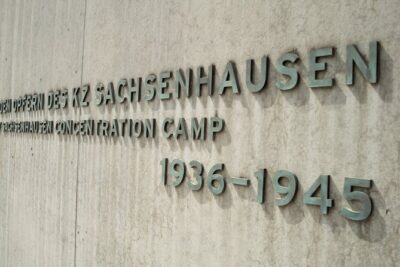
Sachsenhausen Concentration Camp Tour in English
Read our review →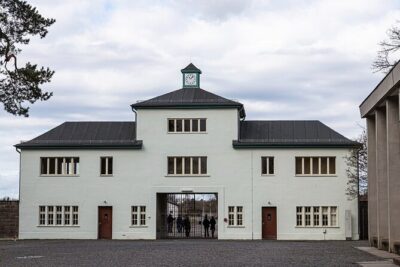
Sachsenhausen Concentration Camp Memorial Tour
Read our review →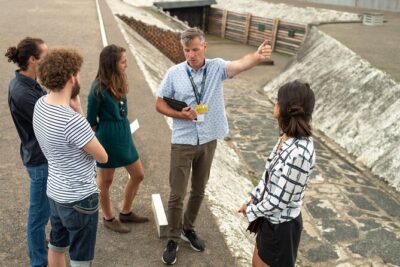
Sachsenhausen Concentration Camp Bus Tour in English from Berlin
Read our review →Sachsenhausen Concentration Camp Tour in English
Read our review →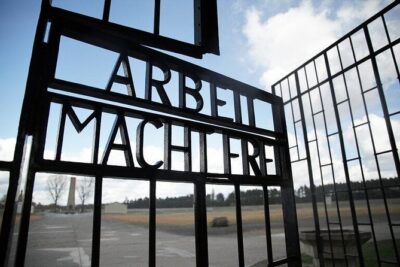
Sachsenhausen Concentration Camp Memorial Tour (Max. 15 Guests)
Read our review →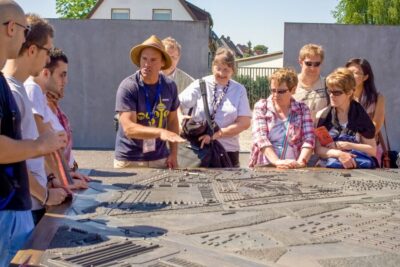
English Bus Tour to Sachsenhausen Concentration Camp
Read our review →
Sachsenhausen Concentration Camp and Potsdam Tour
Read our review →
Sachsenhausen Concentration Camp Memorial Tour
Read our review →Browse the lists this tour appears in