
Reviewed · MUSEUM TOURS IN BERLIN
Berlin: Jewish Museum Highlights Tour
A visit to the Jewish Museum Berlin starts with a building that talks back. In this 90-minute guided highlights tour, you move through the museum’s core exhibition with selected objects and stations, looking at how Jewish life in Germany has been shaped by belonging and exclusion.
Two things I really like: the way the guide connects symbolic architecture to what you’re seeing inside, and the museum’s thoughtful storytelling across time, from the Middle Ages to today. One thing to consider, the subject matter is heavy, and the tour is an overview, so you may want extra time afterward if you want to linger.
You meet in the museum’s old building, in the glass courtyard, then you get a guided first look at the new core exhibition built around five historical chapters and eight rooms on art and culture. You’ll cover especially the Nazi era and the years after 1945, but the pace stays focused and human, with multiple perspectives that can feel complicated in the best way.
In This Review
- Key highlights worth your attention
- A 90-minute orientation that actually helps you see the museum
- Where you meet, and the one extra step that matters
- Symbolic architecture, and why it sets your mindset
- How the guide shapes your route through five historical chapters
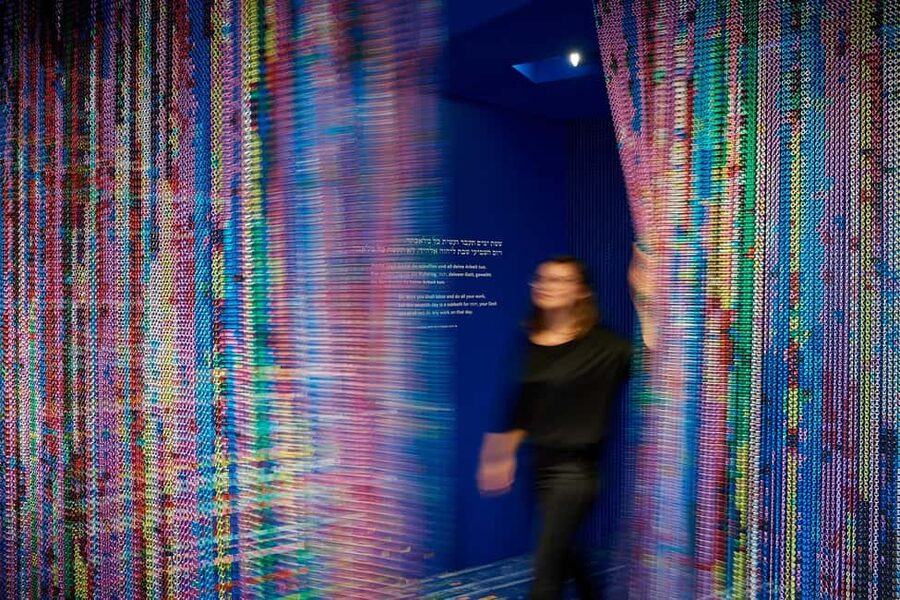
- Eight rooms on art and culture: identity as a lived question
- The Nazi era, and the years after 1945, handled with context
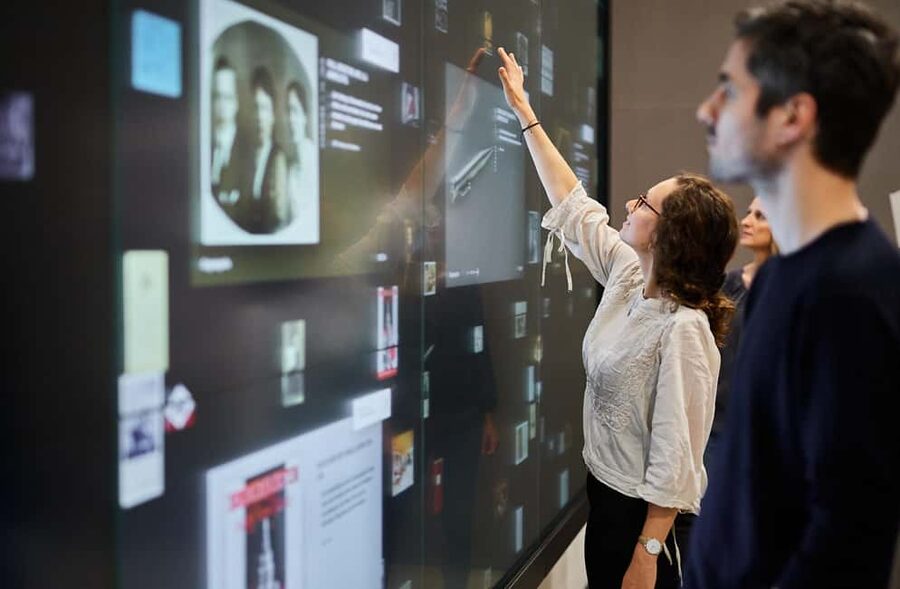
- Objects, media stations, and video installations you can actually follow
- What you’ll likely remember after 1.5 hours
- Price and value: why $7 is unusually good here
- Who this tour is best for
- Should you book this Berlin Jewish Museum Highlights Tour?
Key highlights worth your attention
- Symbolic architecture explained in plain language, so the building is not just a backdrop
- Five historical chapters in 90 minutes, with a Jewish perspective that frames the material
- Eight rooms devoted to art and culture, linking identity to exclusion and belonging
- A polyphonic approach, where voices and viewpoints sometimes clash instead of smoothing everything out
- Lots of hands-on storytelling, including historical objects, media stations, and video installations
- Entry and a live English guide included, plus an English audio guide for extra context
A 90-minute orientation that actually helps you see the museum
This tour is designed for people who want real context fast. It lasts about 1.5 hours, and it’s not trying to make you a scholar. Instead, I like that you get guided wayfinding through the core exhibition, with selected stations and objects that build a clear sense of what the exhibition is doing.
What makes it more than just a quick “look and go” is the exhibition approach. The museum’s new core exhibition tells Jewish past and present in Germany through five historical chapters and eight rooms focused on art and culture. As you move through, you’ll notice the themes are not presented as neat answers. They’re presented as questions you can sit with.
More Museum Tours in Berlin
- Berlin: DDR Museum Tickets
★ 4.3 · 3,443 reviews - Berlin: Natural History Museum Entrance Ticket
★ 4.6 · 3,382 reviews - Berlin: Museum Island Multiple Museum Entry Ticket
★ 4.4 · 2,861 reviews
Where you meet, and the one extra step that matters
Meeting point is straightforward: meet your guide in the old building on the ground level in the glass courtyard. That matters because Berlin’s museums can be big and confusing, and the tour starts you off in the right place.
One practical thing: you should plan to get a free ticket for the core exhibition at the ticket desk at the museum entrance. The guided tour includes entry, but the core exhibition itself still needs that free ticket picked up on site. It takes a little time, so I suggest arriving a bit early so you don’t feel rushed.
The tour also says it skips the ticket line. In practice, that usually means you spend less time waiting at the entry area, which is exactly what you want when your visit is only 90 minutes.
Symbolic architecture, and why it sets your mindset
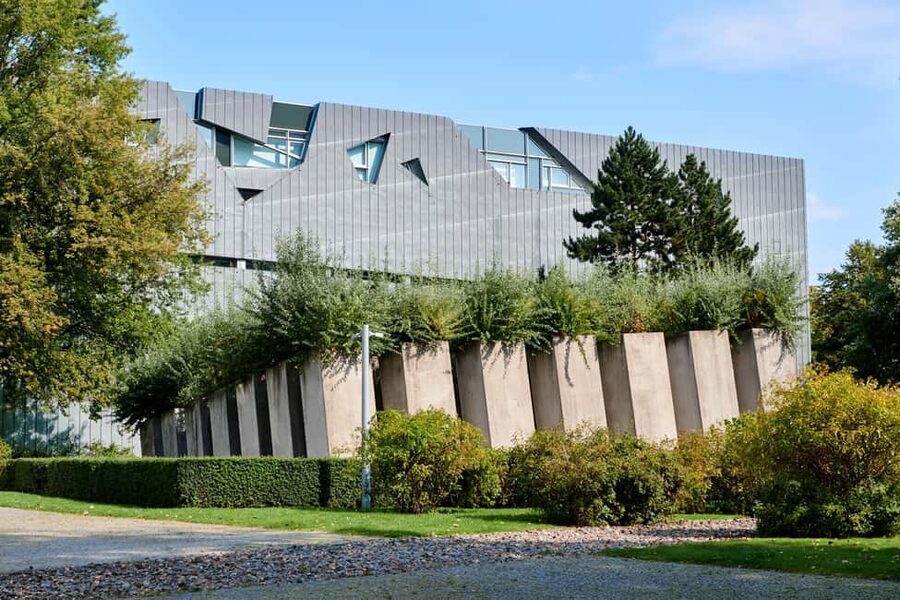
The Jewish Museum Berlin is known for symbolic architecture, and this tour treats that as part of the story, not decoration. The guide explains how the design relates to meaning, so when you look at the building and then step into the exhibition, you feel less like you’re walking through rooms and more like you’re entering a conversation.
This is one of the reasons the experience gets strong praise. People often leave talking about the building because the explanation helps you “read” it. If you’ve ever walked into a striking museum and felt like you missed the point, this format helps. You’re given a key, and suddenly the architecture starts working with the content.
How the guide shapes your route through five historical chapters
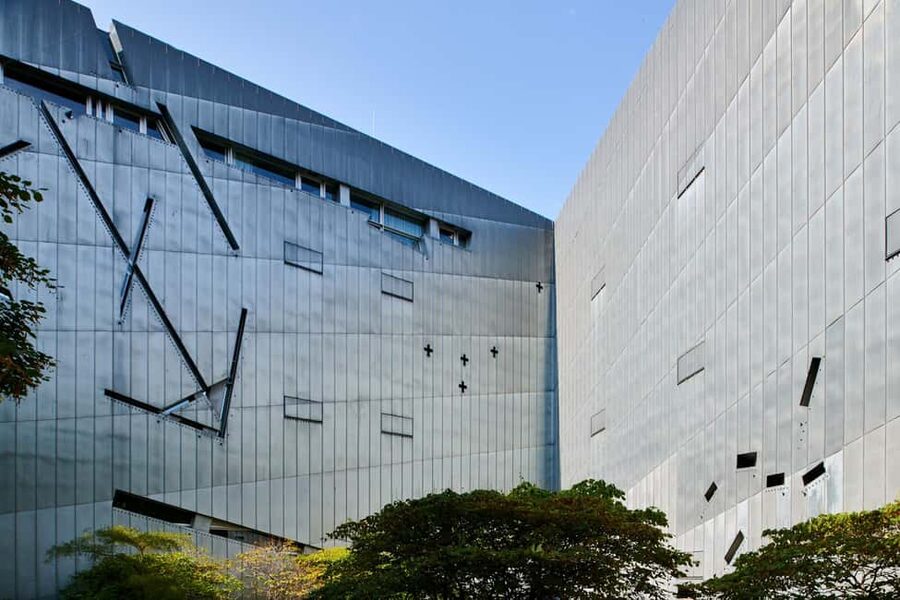
The tour gives you a first overview of the permanent core exhibition. The guide uses selected stations and objects, so you’re not trying to scan everything on your own. That’s a big advantage when you’re visiting for a limited time.
Here’s what you should expect, in a way that matches the exhibition’s structure:
- You move through the exhibition’s timeline, starting with the Middle Ages and then moving toward more recent periods up to the present day.
- You repeatedly come back to the tense relationship between belonging and exclusion.
- The guide emphasizes the Nazi era and the years after 1945, because those sections are central to understanding how Jewish life in Germany changed.
- You’ll encounter the exhibition as a set of historical chapters, not just a list of dates.
A smart note in the tour description is that the exhibition positions are polyphonic, sometimes contradictory. You might see how different materials, perspectives, and voices don’t always line up neatly. That can feel unsettling at first. But it’s also more honest than a straight-line narrative that tries to smooth out reality.
Eight rooms on art and culture: identity as a lived question
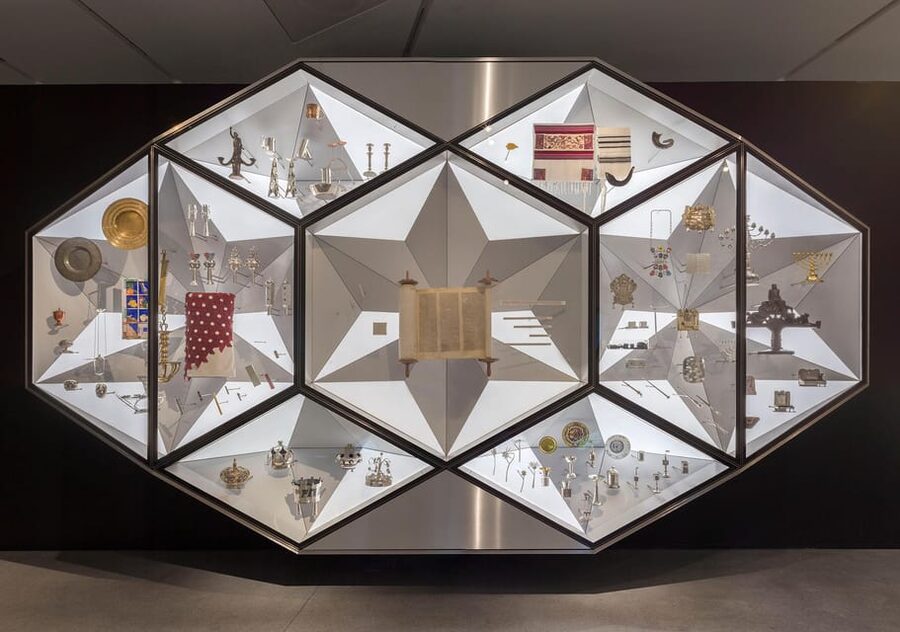
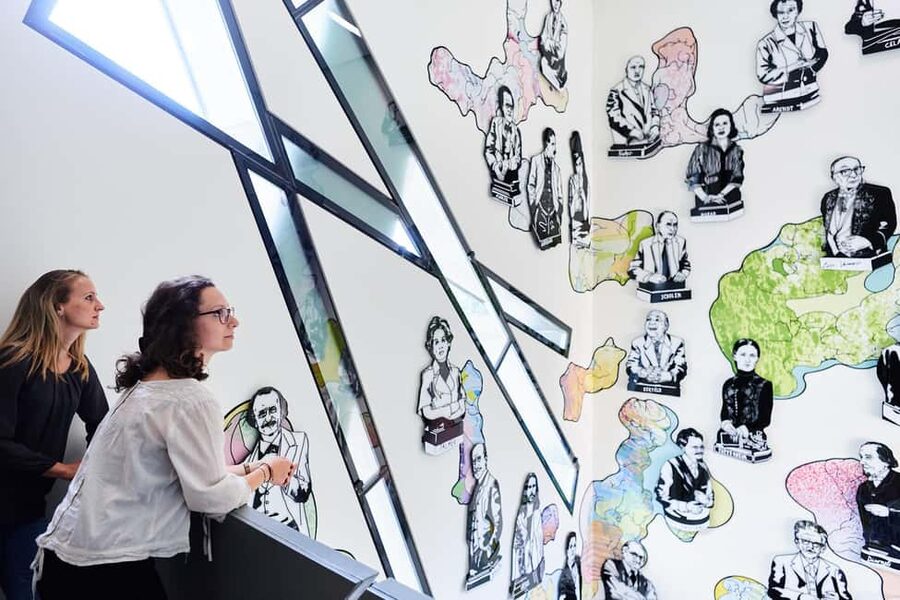
The tour highlights not only historical facts but also cultural expression. The core exhibition includes eight rooms on art and culture, and those spaces tackle belonging and exclusion through creativity, imagery, and interpretation.
What I like about this structure is that it changes how you process the museum. You’re not only looking at timelines and documents. You’re also seeing how people make meaning through art, how culture carries memory, and how identity can be expressed in ways that resist simple labels.
For you as a visitor, this matters because museums on difficult history often become overwhelming. When the exhibition shifts into art and culture, it gives your brain a new way to understand what you’re seeing. It also helps you connect the historical material to the present, since the tour is explicitly about Jewish past and present in Germany.
More museum halls between train times:

The Nazi era, and the years after 1945, handled with context
This tour doesn’t treat the Nazi era as a standalone tragedy. It frames it within a longer story about belonging and exclusion, then brings you forward into the period after 1945. That arc is important, because it shows how history isn’t only about what happened. It’s also about what came next, how people rebuilt, and how Jewish life in Germany continued and transformed.
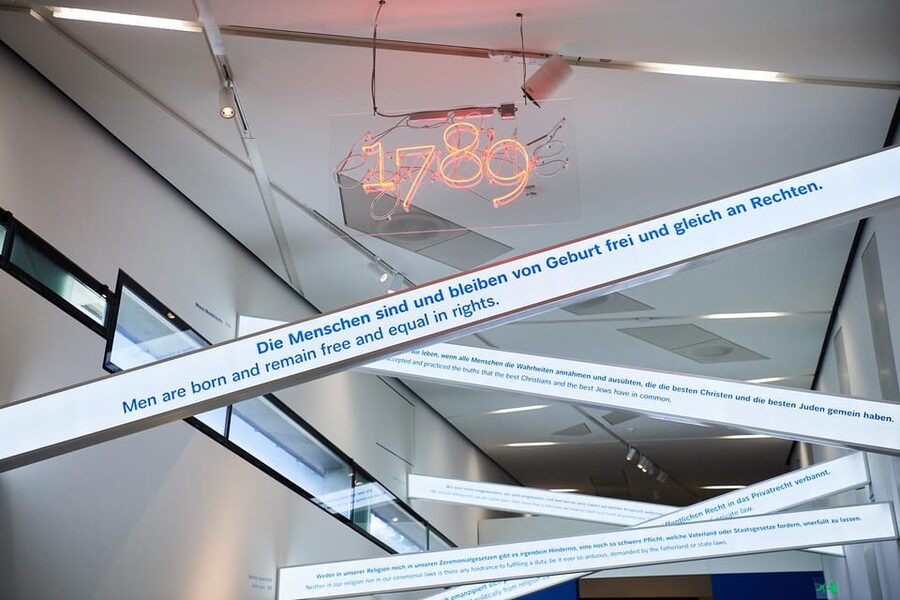
The way the tour describes the exhibition storytelling includes selected objects, media stations, and works of art from the museum collection. That combination helps you see the Nazi era not only through images of destruction, but through the exhibition’s broader question: what does it mean to be Jewish today in Germany, after everything?
Keep your expectations realistic. This is a highlights tour. You’ll get the core understanding and emotional grounding, but you won’t read every label or follow every side thread. If you want the kind of visit where you sit with one artifact for a long time, plan to return later with more time.
Objects, media stations, and video installations you can actually follow
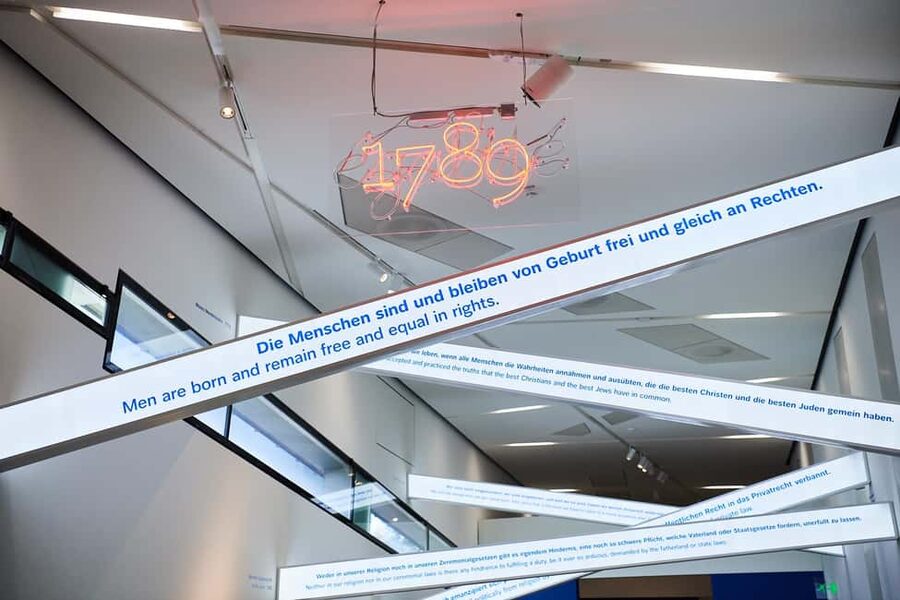
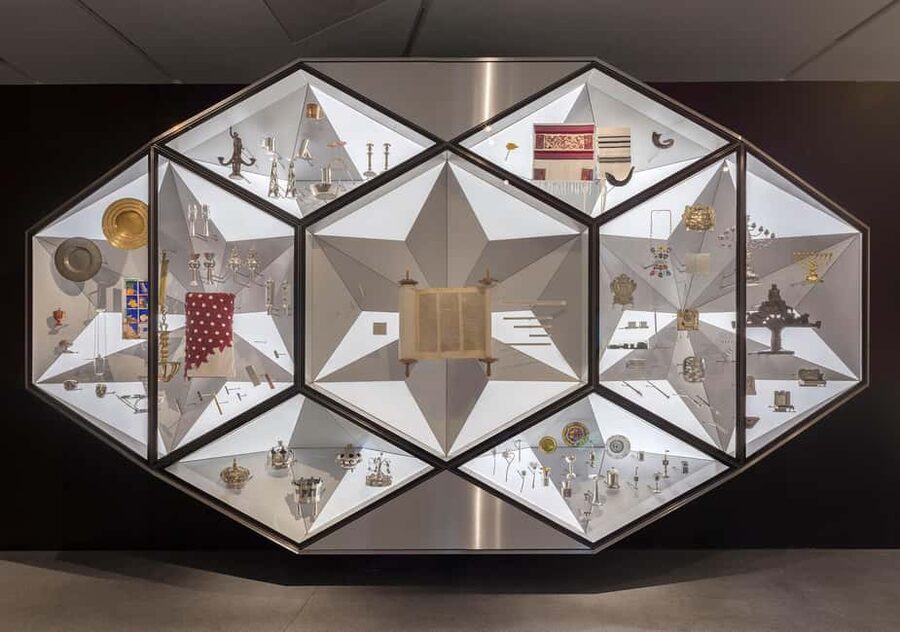
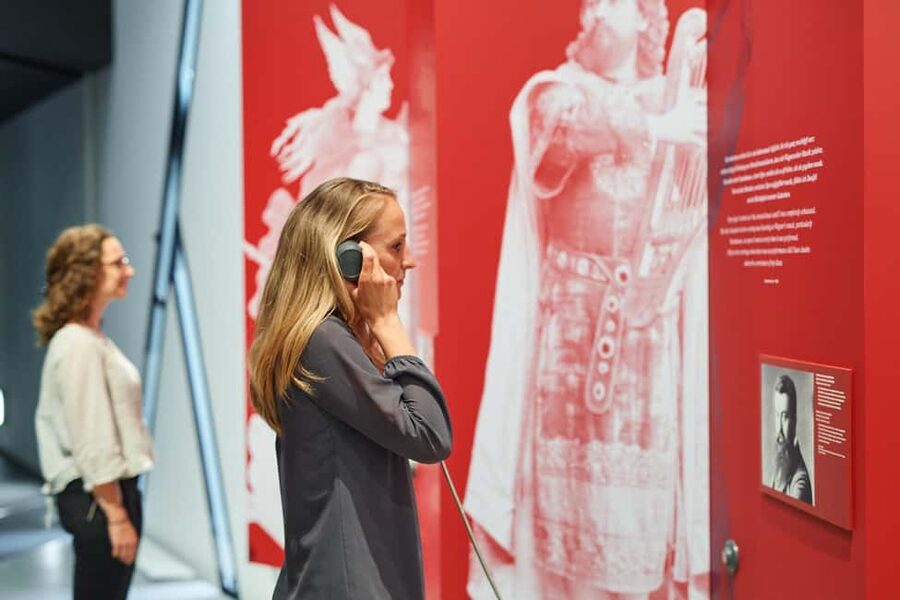
One thing that makes the tour feel “real” is the range of formats you’ll encounter. The exhibition uses historical objects, media stations, video installations, and works of art from the museum collection. That mix prevents the tour from becoming a lecture.
I also like that the tour gives you both a live English guide and an English audio guide. When you move from room to room, it can be hard to keep every point in your head. The audio support gives you a second chance to catch details you might miss when you’re listening and looking at the same time.
Use the audio guide as your safety net. If the guide’s explanation of an object or station hits quickly, let the audio help you slow down and connect it to the larger theme. This is especially helpful in a museum where the story spans centuries and the themes can overlap.
What you’ll likely remember after 1.5 hours
Because this is a highlights tour, it’s built to leave you with a mental map. Here’s what you’ll probably walk away with:
- A clear sense that the exhibition is structured around chapters and rooms, not just isolated displays
- An understanding of the exhibition’s central tension: belonging vs. exclusion
- A stronger grasp of why the Nazi era and years after 1945 are focal points
- A feeling that you were shown more than facts, you were shown perspectives, including ones that can conflict
- A renewed appreciation for how architecture can shape interpretation, not just aesthetics
Those are not small outcomes. They make your later self-guided museum time easier, because you’ll know what to look for.
Price and value: why $7 is unusually good here
At $7 per person, this is one of those “why is this so cheap?” deals, especially because it includes entry and a guided tour. You’re also getting an English audio guide included, so you’re not paying extra for interpretive support.
The only potential cost surprise is time, not money. You have to pick up the free core exhibition ticket at the ticket desk. That’s not expensive, but it is an on-site step. If you’re visiting with a tight schedule, build in a little buffer so the free ticket part doesn’t steal time from your tour itself.
Food and drinks are not included. That’s normal for museums, but it changes how you plan your day. If you’re visiting at a peak time, consider eating before or after your museum block, so you can focus while you’re inside.
Who this tour is best for
This is a strong match if you want:
- A guided first look at the permanent core exhibition without spending your whole day
- A focus on themes like belonging and exclusion, not just dates
- English interpretation with live guiding plus an audio guide safety net
- A museum visit where the building itself is explained, including the symbolic design
If you’re sensitive to heavy historical material, go in knowing it will address the Nazi era and its aftermath. You’re not going to get a sugarcoated experience, and that’s part of the value. If you want only lighter cultural stops, this probably won’t fit.
If you have mobility needs, the tour is listed as wheelchair accessible. That’s worth checking in detail at the museum level when you arrive, but it’s a good sign that the experience is designed to be usable.
Should you book this Berlin Jewish Museum Highlights Tour?
Yes, I’d book it if you have about 1.5 hours and you want a guided orientation you can build on. The combination of live English guiding, entry, English audio support, and a route through the exhibition’s five chapters and eight art-and-culture rooms makes the experience feel focused and worth the time.
I’d think twice only if you want a slow, self-paced reading marathon, because this is a highlights format. If your goal is context and emotional clarity fast, this tour is a smart use of your day.
Fresh on the arrivals board for Berlin

Museum Tours in Berlin, compared.

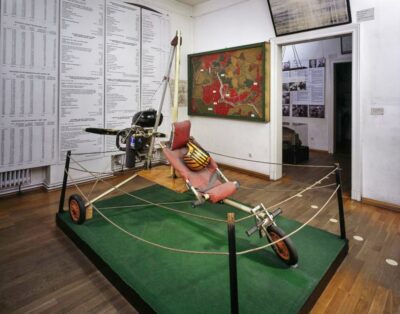
Skip-the-Line: Berlin Wall Museum at Checkpoint Charlie
Read our review →
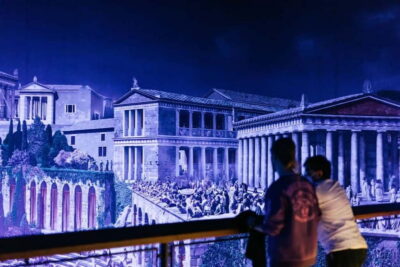
“Pergamonmuseum. The Panorama” Exhibition Tickets
Read our review →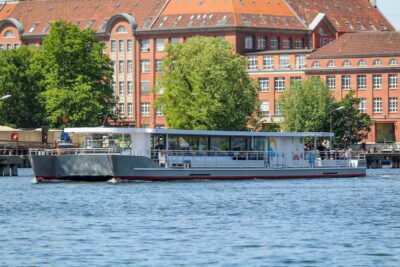
East Side Gallery Spree Cruise in a Solar Catamaran
Read our review →
Cold War, Berlin Wall, Spies and the East Side Gallery
Read our review →Browse the lists this tour appears in