
Reviewed · BERLIN WALL TOURS
Berlin: Graffiti Workshop at the Berlin Wall
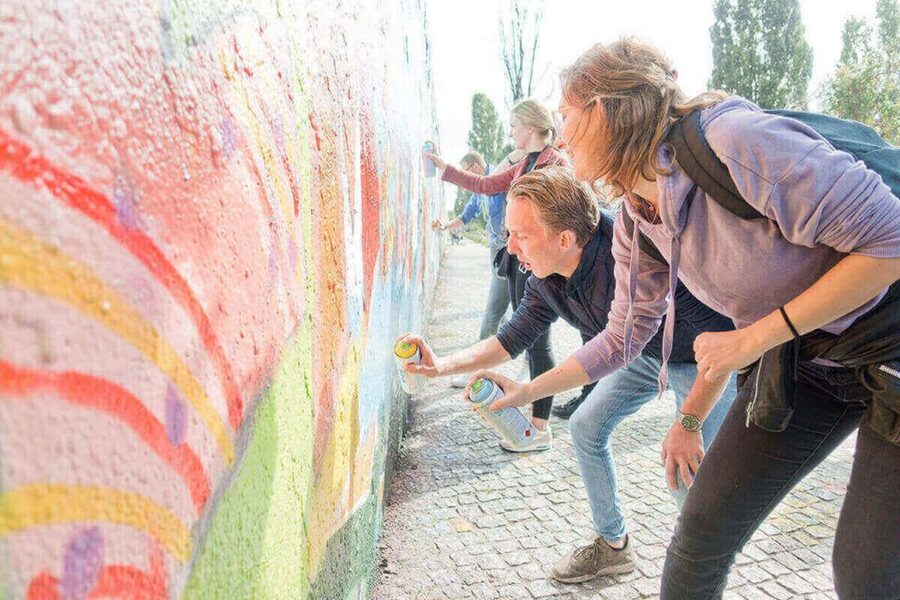
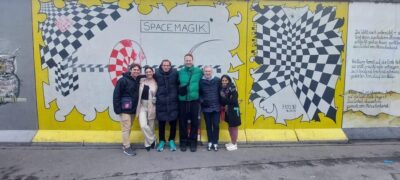
You paint your own tag on the Wall. In this Berlin Wall graffiti workshop, you learn spray-paint technique and then apply it to a real, remaining stretch of the Wall. I love the fact that it is hands-on and legal, plus the professional photos that capture your finished piece. One thing to consider is that the session is mostly making, so if you want a long graffiti-culture lecture, you may find it more focused on getting your letters right.
My favorite part is how the instructors teach without treating you like a customer. People have raved about teachers like Sylvain, Casko, and Dominik, especially their patience in cold weather and their step-by-step feedback. Even when the day is icy, you still get time to create, learn techniques, and end up with pictures you actually want to keep.
This is also a very practical activity. You meet your guide in front of the wall, you get gloves and shoe protection, and you can concentrate on painting instead of chasing camera angles. If you have a simple word or symbol idea ready before you arrive, your 90 minutes will feel even smoother.
In This Review
- Key things I’d pay attention to
- Painting on the Berlin Wall: What You’re Actually Doing
- Meeting Your Instructor at the Wall, and How the Teaching Works
- Getting Your Design Ready: Letters, Symbols, and That First Plan
- Spray-Paint Technique Coaching That Actually Changes Your Results
- The Photo Moment: Why Professional Shots Matter Here
- Timing in 90 Minutes: How the Session Feels in Real Life
- Pricing and Value: Does $135 Make Sense for a Wall Workshop?
- Who This Workshop Suits Best (and Who Might Not Love It)
- Practical Tips I’d Use Before You Go
- Should You Book This Berlin Wall Graffiti Workshop?
Key things I’d pay attention to
- You paint on a remaining Berlin Wall section, not a street-art prop
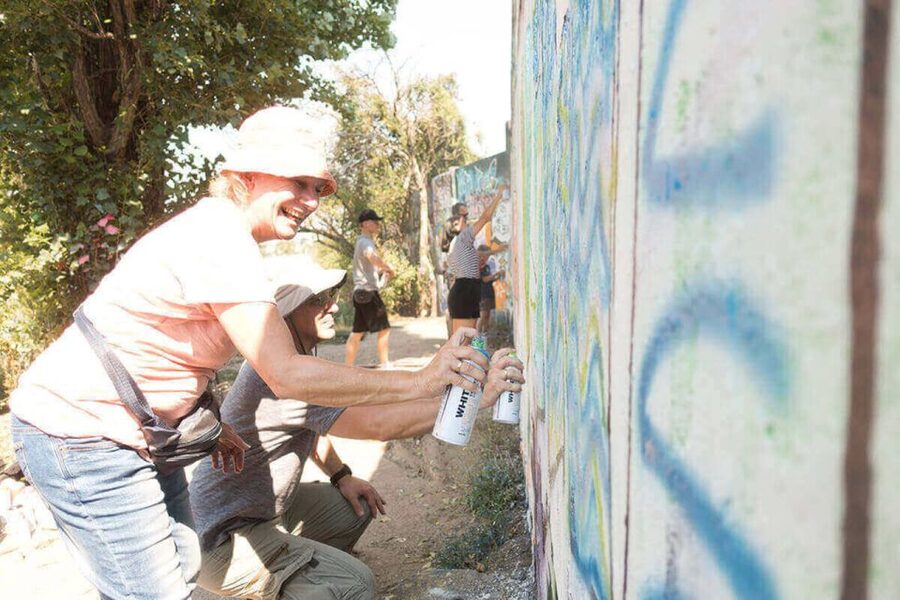
- Spray-paint basics are taught step by step, even for first-timers
- Pro photos document the whole process, so you are free to paint
- Instructors balance guidance with independence, letting your piece look like you
- Planning helps, and some sessions keep words short for clean lettering
- Weather is not a deal-breaker, since the workshop has been run in harsh winter conditions
Painting on the Berlin Wall: What You’re Actually Doing
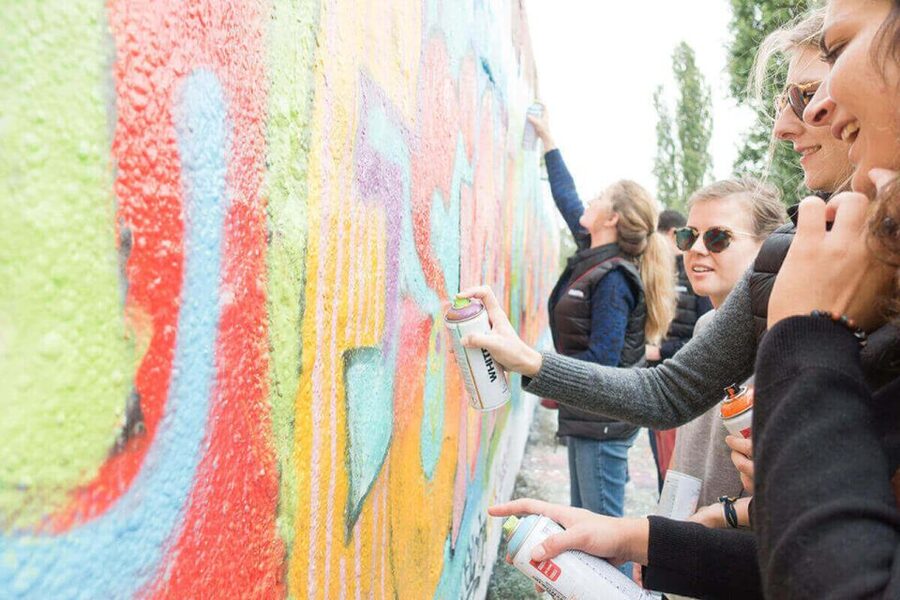
This workshop is not about watching art. You are the one holding the can.
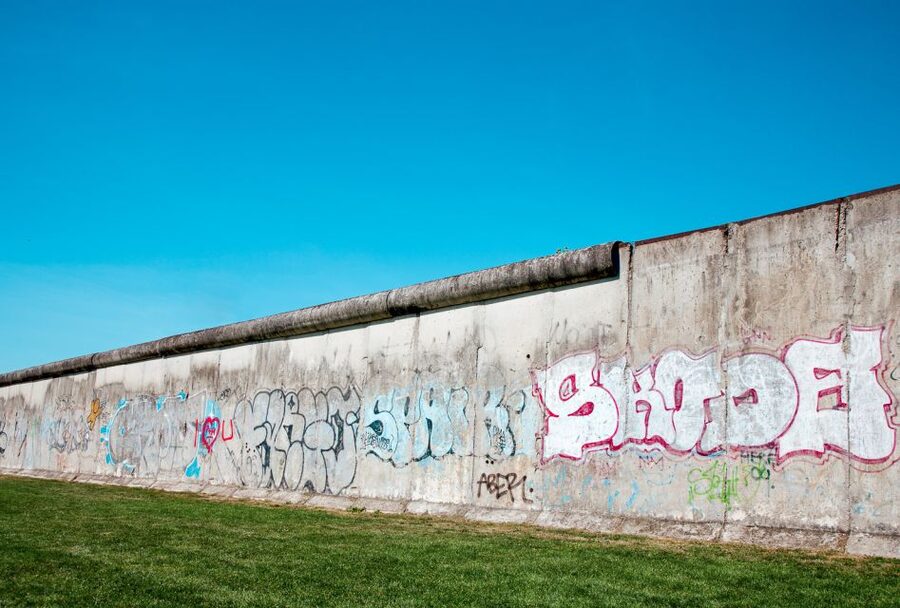
You will create your own graffiti design on a specific, remaining stretch of the Berlin Wall. That detail changes the whole vibe. Graffiti is usually linked to spontaneity and anonymity, but here you are making something personal in a place that carries enormous meaning. You are not just learning style, you are adding your name, symbol, or slogan to a historic surface.
The best part is that you are guided to make something legible. Several experiences mention learning how to form letters smoothly, then add details so it reads like real street art rather than random lines. When you finish, you get photos of the process and the final piece, which helps you remember what you actually did, not only what you thought you did.
More traces of the Wall through Berlin:
- Berlin: Third Reich & Cold War Guided Walking Tour
★ 4.9 · 8,378 reviews - Berlin’s Best: 2 Hour Walking Tour Third Reich and the Cold War
★ 5.0 · 5,486 reviews - Skip-the-Line: Berlin Wall Museum at Checkpoint Charlie
★ 4.1 · 2,041 reviews
Meeting Your Instructor at the Wall, and How the Teaching Works
You meet your guide right in front of the wall. That sounds simple, but it matters because you start learning immediately in the real space where the painting will happen. There is no long walk to a studio, no waiting around for set-up.
Instruction is offered in English, German, and French. And based on the experiences shared, the teachers tend to be real artists first, teachers second. That shows up in how they correct you when needed, while still giving you room to make choices. People specifically praised Sylvain for encouraging beginners while still teaching technique, and praised Casko for being informative and engaging without taking over the design.
A small, underrated detail: you get the protective basics on-site. You receive gloves, and there is also shoe protection, which helps because paint tends to find its way onto whatever it can. Most people also recommend wearing old clothes since spray mishaps happen, even when your teacher is on it.
Getting Your Design Ready: Letters, Symbols, and That First Plan
You will collaborate with your instructor to design your graffiti. The most common approaches are:
- using your name
- writing a bold slogan
- adding a symbol or visual mark that feels like you
This is where your prep helps. If you already know what you want to paint, the session can move faster into technique. One review notes that the guide may keep wording short, with a limit like no more than four letters, which is a smart constraint when you are working quickly and aiming for clean, readable shapes.
So do this before you go. Pick one short word or one symbol. Think about whether you want:
- blocky letters (often easier to keep crisp)
- simple curves (cool when taught well, but easy to wobble)
- a mix of one main color plus accents
If you are unsure, do not worry. The instructors help you construct the piece, and people described their guides as patient and supportive. Still, arriving with at least a rough idea means you spend more of your 90 minutes practicing spray control instead of debating what to write.
Spray-Paint Technique Coaching That Actually Changes Your Results
The workshop is hands-on from the start. You learn by doing, guided by someone who focuses on the mechanics of spray-painting.
Across experiences, a few technique lessons come up again and again:
- how to make smooth lines
- how to build letters so they look intentional
- how to use colors to make the piece pop
- how to add outlines or black-and-white definition so it looks finished
One person described tips about cool and warm colors, and another mentioned learning how to give graffiti definition using black and white. That kind of instruction is valuable because beginners often think color alone makes a piece look good. In reality, contrast, spacing, and clear outlines do a lot of the heavy lifting.
Also, technique is not taught as rules you cannot break. It is taught as options. Several reviews praise instructors for encouraging your choices while still nudging you toward better results. In plain terms: you get enough direction to avoid the most common mistakes, but you are not pushed into copying someone else’s style.
And yes, it can feel “addictive.” One review called it addictive to do, which makes sense. Once you see how quickly your line quality improves, you start wanting to adjust, refine, and try the next pass.
The Photo Moment: Why Professional Shots Matter Here
A lot of experiences fail because you end up spending half your time photographing instead of creating. Here, a professional photographer documents the workshop, including shots of you spraying and your finished graffiti.
That matters because graffiti is fast and physical. Your best work often happens while you are focused, not while you are posing. With the photos handled, you can stay in the process, then review the outcome later.
Multiple experiences specifically mention that photos were sent afterward, so you can concentrate on painting during the session instead of worrying about your phone. People also described the photo quality as excellent, and one review notes that their guide was also a videographer, which can explain why the visuals can feel more cinematic than typical “tour snapshot” pictures.
One practical advantage: you get both the creation journey and the final piece. That means you have proof of what you did, plus a finished keepsake you can show friends and family.
Also holding a platform in Berlin




Timing in 90 Minutes: How the Session Feels in Real Life
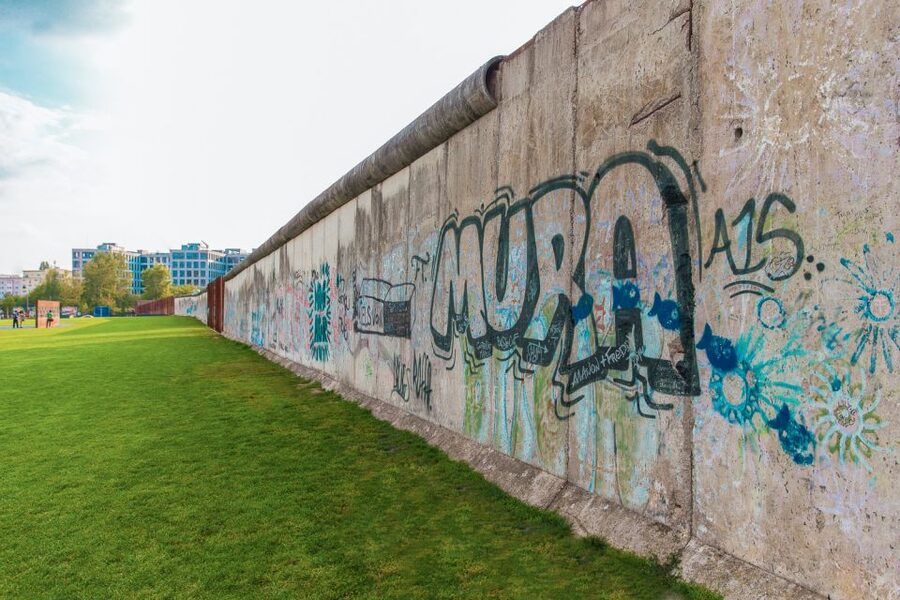
Ninety minutes is long enough to learn basics and still finish a piece you can be proud of. It is also short enough that you will not get lost in theory.
You will move through stages like:
1) meeting the guide at the wall
2) getting set up with protective gear and supplies
3) planning your design with guidance
4) practicing spray techniques for letters and details
5) finishing your graffiti
6) being photographed through the process
Since you are painting directly onto the Wall section, you are also working with real constraints: pace, space, and surface behavior. That is why having a simple plan helps. If your idea is complicated, you might spend too much time figuring it out and not enough time practicing clean lines.
Weather is also part of the reality in Berlin. One review mentions Sylvain continuing with the workshop in cold, icy winter, and another described “awful weather” but still getting an enjoyable experience and photos at the end. So plan for the fact that you might paint in real outdoor conditions. Dress for cold, and keep your focus on steady spray control rather than rushing.
Pricing and Value: Does $135 Make Sense for a Wall Workshop?
At $135 per person for a 90-minute session, you should think of this as a materials plus instruction plus photography experience, not just a craft class.
Here is why the value can be strong:
- Spray paint is provided, along with gloves and shoe protection
- An instructor is there the whole time, focused on helping you get your letters right
- You get professional photos, which you would otherwise pay for with a separate photographer
- The location is rare, because you are painting on a remaining section of the Berlin Wall
One more pricing factor: the larger the group, the lower the price per person. That can change the math a lot. If you are traveling as a couple, small family, or group of friends, the workshop may feel like better value than booking solo.
If you do book as a solo participant, it can still be worth it. One experience described getting a lot of one-on-one attention when only one person was scheduled. But your overall cost might feel higher compared to sharing the cost in a larger group. Either way, you are not just paying for paint. You are paying for guided technique and a documented result you can keep.
Who This Workshop Suits Best (and Who Might Not Love It)
This is a great match if you want an experience that is both Berlin-specific and hands-on.
It is especially good for:
- families looking for a non-museum activity
- teens who want something more active than walking tours
- couples or friends who like creative, collaborative experiences
- beginners who want a teacher who stays patient and encouraging
One review even highlighted a 14-year-old enjoying it a lot, and another described a family with young adult children having a great time. People also repeatedly mention that they started as graffiti “virgins” and still ended with a piece that looked solid by beginner standards.
It might be less ideal if:
- you mainly want a long, classroom-style history and theory talk
- you prefer very private, quiet activities
- you expect a lot of time for redoing your design from scratch
One person noted that the introduction to graffiti culture advertised in the listing did not feel as lengthy as expected. That does not mean you get no context, but it does suggest the workshop is built around making, not sitting and listening.
Practical Tips I’d Use Before You Go
If you want your first graffiti piece to look better and your day to go smoother, focus on these practical steps.
- Pick your word or symbol first. Short ideas are easier to execute cleanly.
- Wear old clothes. Even with gloves and protection, paint can land on you.
- Show up ready to paint. If you arrive unprepared, you might spend time deciding instead of practicing.
- Be open to corrections. Many instructors will adjust your technique so the letters look crisp.
- Ask about line control and color contrast. That is where beginners usually gain the most.
Also, remember you are working with spray paint outdoors. Your goal is not to make a perfect mural that would hang in a gallery. Your goal is to make something readable, confident, and yours, on a real Wall surface.
Should You Book This Berlin Wall Graffiti Workshop?
Yes, if you want a hands-on Berlin experience with a clear payoff. Painting on the remaining Berlin Wall is a bucket-list detail, and the workshop is structured around making your own design with real technique coaching. The professional photos turn the activity into a keepsake, which is what you want after 90 minutes outdoors.
I would book it especially if you are:
- coming to Berlin for experiences beyond famous viewpoints
- okay getting a little messy
- excited to learn spray-paint basics in a friendly, guided way
I would hesitate if you are the type who expects a long lecture first, or if you really hate outdoor weather. But if you can treat this as creative practice and enjoy the process, you should walk away with a personal piece and photos you will actually want to keep.
Fresh on the arrivals board for Berlin




Berlin Wall Tours, compared.


Berlin’s Best: 2 Hour Walking Tour Third Reich and the Cold War
Read our review →
Skip-the-Line: Berlin Wall Museum at Checkpoint Charlie
Read our review →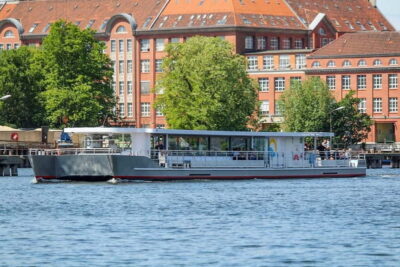
East Side Gallery Spree Cruise in a Solar Catamaran
Read our review →
Cold War, Berlin Wall, Spies and the East Side Gallery
Read our review →
Cold War & Berlin Wall History Guided Bike Tour
Read our review →
Browse the lists this tour appears in