
Reviewed · MUSEUM TOURS IN BERLIN
Berlin: German Spy Museum Flexible Entry Ticket
Spy museum time in Berlin feels surprisingly practical. The German Spy Museum turns 3,000 square meters into a real-world look at how secret services operate, with modern tech and hands-on stations, including the laser maze that tests your spy skills.
I especially love the museum’s mix of interactive learning and physical artifacts. You get a lot of info without it turning into a pure lecture, and the Berlin Spy Map helps you connect what you read to actual places around the city.
One thing to plan for is crowding, especially around the most popular interactive areas. If the layout feels a bit text-heavy in spots, you may want to pace yourself and focus on the hands-on exhibits first.
In This Review
- Key things to know before you go
- Flexible Entry to the German Spy Museum, what that freedom gets you
- Inside the exhibition: how 3,000 square meters keeps moving
- The Berlin Spy Map: putting espionage on real city streets
- Laser maze and interactive stations: the best way to learn spycraft
- Artefacts, exhibits, and storytelling that make history feel close
- Timing your visit: how long to go and when it feels best
- Value for money at about $27 per person
- Who should book, and who might not love it
- Should you book the German Spy Museum flexible entry ticket?
- FAQ
- Where is the meeting point for this experience?
- How long is the experience?
- What are the opening hours?
- Is this ticket flexible for different days?
- What is included in the price?
- What should I bring with me?
- Is the museum wheelchair accessible?
- Can I cancel, and what is the refund policy?
- Can I reserve now and pay later?
- How much does it cost?
Key things to know before you go
- Flexible entry means you can visit any day during opening hours, not just one locked-in slot.
- Laser maze challenge is a highlight and a fun break from reading.
- 3,000-square-meter exhibition gives you enough space to move at your own pace.
- Berlin Spy Map helps you translate espionage stories into real locations.
- Interactive stations for all ages keep the museum from feeling one-note.
- Crowds can build around the most popular activities, so timing matters.
Flexible Entry to the German Spy Museum, what that freedom gets you
A flexible ticket is more than convenience here. With a 1-day ticket that’s valid from first activation, you can choose the day that best fits your Berlin rhythm, whether that’s right after a big sightseeing day or on a slower morning.
The museum is open every day, Monday through Sunday, from 10:00 AM to 8:00 PM. That long window matters because it lets you pick the time you’re most likely to enjoy interactive areas without fighting the busiest rush.
This is also a museum where “how long should I stay?” depends on your style. If you like hands-on challenges and quick learning, a couple hours can cover a lot. If you prefer reading and taking your time with exhibits, you’ll likely want more, especially in the busiest zones.
More Museum Tours in Berlin
- Berlin: DDR Museum Tickets
★ 4.3 · 3,443 reviews - Berlin: Natural History Museum Entrance Ticket
★ 4.6 · 3,382 reviews - Berlin: Museum Island Multiple Museum Entry Ticket
★ 4.4 · 2,861 reviews
Inside the exhibition: how 3,000 square meters keeps moving
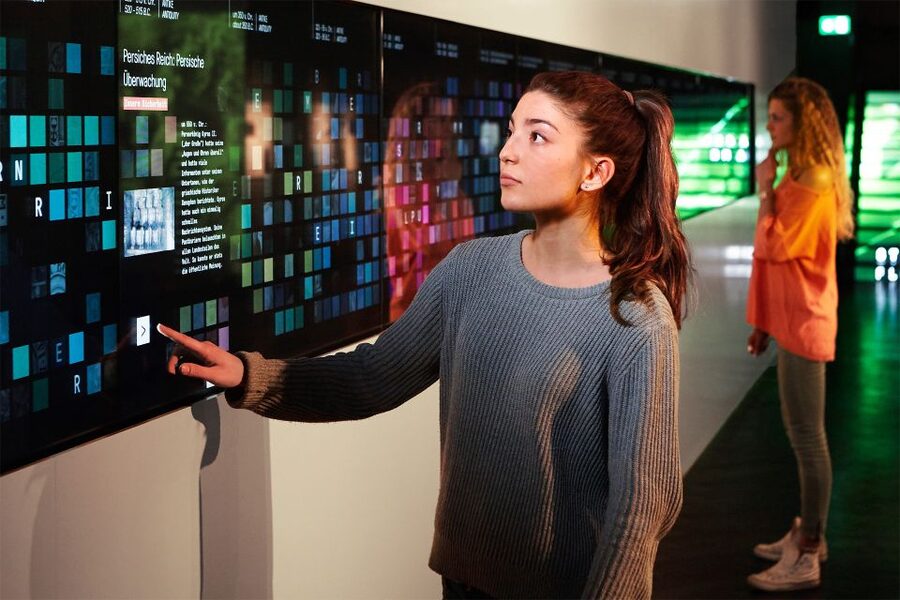
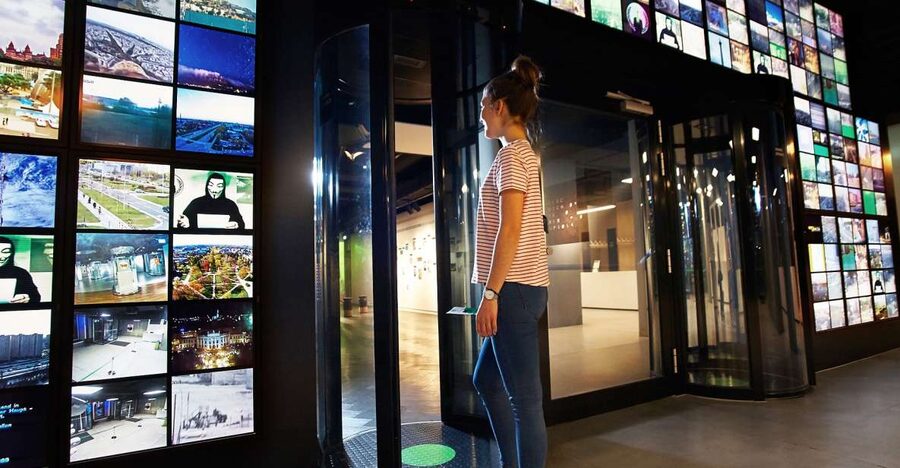
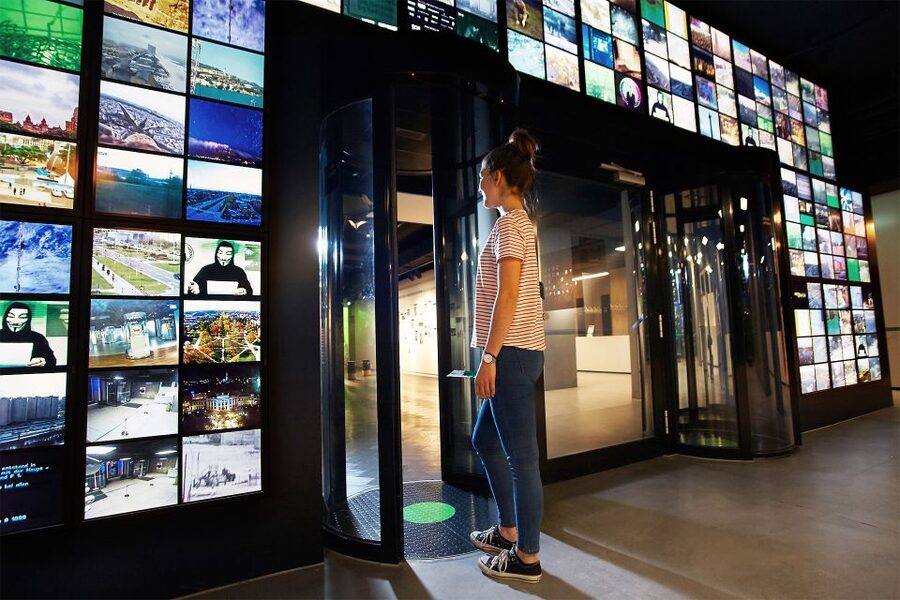
The German Spy Museum spreads out across about 3,000 square meters, so you’re not stuck in one hallway of the same mood. The exhibition uses modern technology plus interactive stations, which is the key to why this place works well for mixed groups.
Expect a flow that mixes story, equipment, and do-something moments. That balance is what turns spy history from a dusty theme into something you can actually follow. You’re not just looking at displays, you’re performing small tasks that make the concepts stick.
I like that the museum doesn’t try to be one long, straight line. You can bounce between sections, and the overall space helps you do that without feeling trapped. Still, if you hit the room with heavy text at peak crowd times, your pace may slow down.
A practical note for your visit: the museum asks you to bring a passport or ID card. If you’re a student, bring your student card too. It’s the kind of small step that takes zero effort if you’re prepared, and costs time if you’re not.
The Berlin Spy Map: putting espionage on real city streets
One standout feature is the Berlin Spy Map, which helps you connect spy stories to actual places. That matters because espionage can sound abstract until you see that it played out in geography, routes, and real neighborhoods.
I think this is where many visitors get that “oh wow” moment. The museum isn’t just saying spies existed, it’s showing how the city can become part of the plot. Even if you only skim, the map gives you a mental framework for what you’re seeing elsewhere in the exhibition.
If you’re the type who enjoys pairing museum knowledge with walking routes later, this map sets you up well. You’ll leave with a few ideas worth watching for when you’re back outside on Berlin streets.
Laser maze and interactive stations: the best way to learn spycraft
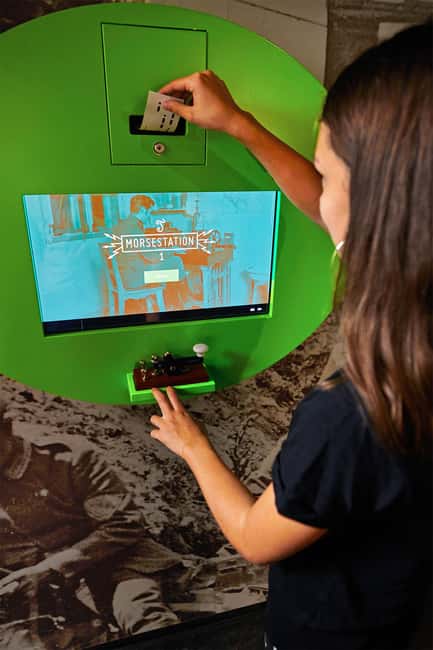
The laser maze is a clear favorite, and it’s easy to see why. It’s a physical skills test that turns “spy gear” into something you can attempt, fail at, and improve. That kind of learning is usually faster than reading.
Alongside the laser experience, the museum offers a range of interactive stations. The best part is that these activities break up the exhibit so you’re not stuck in one mode. One moment you’re absorbing information, and the next you’re doing something with your hands and attention.
There’s a balance to watch for, though. Some visitors note that certain areas can feel more about reading from walls than hands-on play. My advice is to prioritize the interactive parts first, then go back to the heavier-text areas when you can focus.
Crowds are also real. If you arrive when it’s packed, the interactive zones can become less fun and more like a waiting game. You don’t need to avoid the museum entirely, just plan your timing so you can actually enjoy the activities that are the whole point.
Artefacts, exhibits, and storytelling that make history feel close
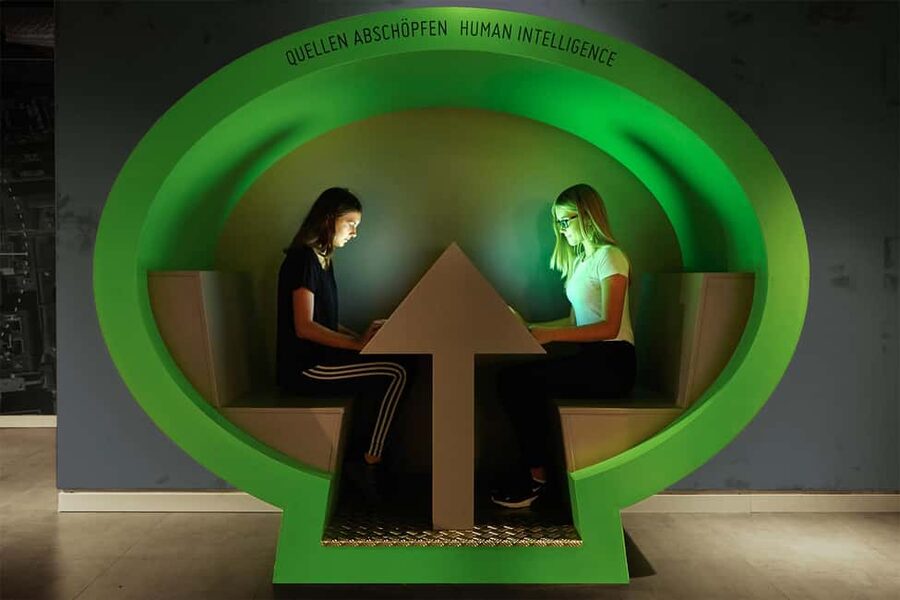
The museum’s reputation leans toward its information and artifacts. People describe the history and espionage artifacts as astounding, and I get the appeal. Spy museums can sometimes feel like gadgets with no meaning. Here, the learning is tied to context and how operations work.
You’ll also find that the museum tries to make the subject readable and human. One name that came up in feedback is Peter, credited with bringing the history to life using amusing anecdotes along with facts and context. That storytelling approach is exactly what helps you remember details later.
If you’re worried this will be all theory, don’t be. The way the exhibition mixes tech, displays, and action stations makes it easier to stay interested. You’re not just “learning about spies,” you’re running small scenarios that explain why certain spy tactics matter.
And yes, some visitors wish there were more very modern tech examples like drones. That’s a fair wish, but it shouldn’t derail your plan. This museum’s strength is connecting spy history to real methods, not trying to be a sci-fi ride.
More museum halls between train times:




Timing your visit: how long to go and when it feels best
You’ve got a full day window, but the smart move is to treat it like a high-quality museum block. A practical target is to plan for about a couple hours if you want to cover a lot without rushing. That’s long enough to hit the interactive highlights and still see the main exhibition areas.
If you love details and you’re the “read everything” type, give yourself more time. The museum is open until 8:00 PM, so you can slow down and still finish comfortably.
About crowds: the museum can get busy, and that can reduce your enjoyment of interactive elements. If your goal is the laser maze and hands-on stations, aim for earlier hours when possible. If you arrive later, be ready to shift your strategy toward exhibits where you can still take your time.
Also, don’t forget the museum is wheelchair accessible. If you need it, you’ll still have a good experience, but I suggest checking your route when you arrive so you can avoid backtracking in busy areas.
Value for money at about $27 per person

For $27 per person, you’re paying for a full, self-paced museum experience with a flexible ticket, a major exhibition space, and multiple interactive components. That price makes sense if you actually use what you’re paying for, meaning you spend enough time to experience the laser maze and several interactive stations.
If you only want one quick look and you’re not interested in hands-on learning, the cost can feel like a bit much. This museum is at its best when you engage, not when you just skim a few rooms.
The flexible aspect is part of the value too. You can match your visit to your day, which matters in Berlin where plans shift. That reduces stress, and it often leads to a better experience, because you’re not squeezed into a time slot that makes you rush the parts you care about.
Who should book, and who might not love it
This museum is a strong fit if you enjoy interactive learning, spy history, or family-friendly activities that still feel meaningful. People also say it works well for all ages, with lots of things to do for young and old.
It’s also a good stop if you like museums that give you a practical payoff. The Berlin Spy Map plus the hands-on stations can leave you with ideas you can connect to what you see outside later.
It may be less ideal if you dislike museums where you spend lots of time reading. Some sections can feel text-forward, and if you’re sensitive to crowding, you might not enjoy the interactive areas as much if you hit a busy time.
If you want only the newest spy gadgets, you might feel the museum is more focused on the broader story and methods than the latest tech. It’s still fun, just not a pure futuristic show.
Should you book the German Spy Museum flexible entry ticket?
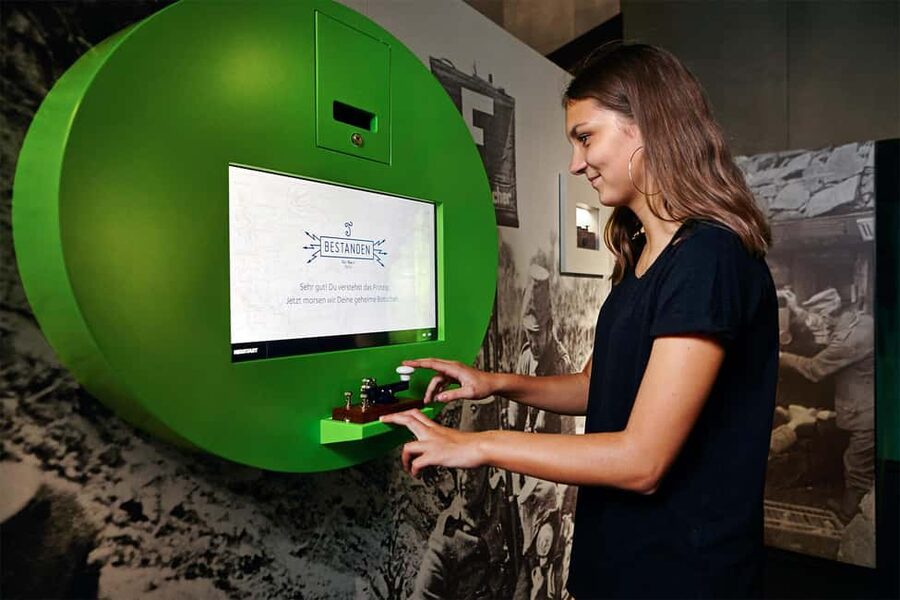
I’d book it if you want a Berlin museum that feels active, not passive. The combination of a large exhibition area, interactive spy stations, and the laser maze makes it a good value at $27 when you give it a real block of time.
Skip it or reconsider if your main museum preference is quiet, low-crowd spaces with minimal waiting, or if you strongly dislike reading-heavy exhibits. In that case, you could still go, but pick your time carefully and focus on the hands-on parts first.
If you can handle a bit of crowd energy and you’re open to learning through play, this flexible ticket is an easy yes for a fun day in Berlin.
FAQ
Where is the meeting point for this experience?
You begin at the German Spy Museum.
How long is the experience?
The ticket is valid for 1 day, from your first activation.
What are the opening hours?
The museum is open Monday to Sunday, 10:00 AM to 8:00 PM.
Is this ticket flexible for different days?
Yes. With the flexible entry ticket, you can visit during opening hours on any day of the week.
What is included in the price?
You get the German Spy Museum flex ticket.
What should I bring with me?
Bring a passport or ID card. If you’re a student, bring your student card.
Is the museum wheelchair accessible?
Yes, the activity is listed as wheelchair accessible.
Can I cancel, and what is the refund policy?
You can cancel up to 24 hours in advance for a full refund.
Can I reserve now and pay later?
Yes. The offer includes a reserve now and pay later option, where you pay nothing today.
How much does it cost?
The price is $27 per person.
Fresh on the arrivals board for Berlin






Museum Tours in Berlin, compared.


Skip-the-Line: Berlin Wall Museum at Checkpoint Charlie
Read our review →

“Pergamonmuseum. The Panorama” Exhibition Tickets
Read our review →
East Side Gallery Spree Cruise in a Solar Catamaran
Read our review →
Cold War, Berlin Wall, Spies and the East Side Gallery
Read our review →Browse the lists this tour appears in