
Reviewed · MUSEUM TOURS IN BERLIN
Berlin: Digital Dimensions 3D Exhibition
Digital art can feel like a science lab, but calmer. Berlin’s Digital Dimensions 3D Exhibition is a ticketed walk through eight audiovisual worlds in a catacomb setting, built from 3D animations and sound.
I like the way the show starts with soothing visual logic and then rewards you with hypnotic detail. Two highlights for me are Physic-Flow Art, plus the Liquid Universes sections with high-resolution macro views of interacting liquids.
One drawback to consider: it is designed to keep your attention in a dark, focused space for about 90 minutes, so it is not the best choice if you’re looking for lots of outdoor sights or fast, between-attractions sightseeing.
In This Review
- Quick reasons this show is worth your time
- A 90-minute circuit through 8 digital worlds in Berlin
- Price and what $16 really covers
- Entering the catacombs: how the show’s setting shapes your visit
- Eight themes, one changing mood
- 1) Physic-Flow Art, the digital reincarnation of nature
- 2) Visual calm for a noisy world
- 3) Liquid Universes, high-resolution macro shots of interacting liquids
- 4) Rhythmic Math Art and Sonic Geometry
- 5) The art of radical deceleration, from chaos to choreographed elegance
- 6) Beyond physics, where reality reaches its limits
- 7) The evolution of form, rough virtual stone to liquid chrome
- 8) Stripped down to the essentials, timeless monochrome art
- Sound quality and why the audio matters here
- Is this “AI art”? What you should know before you go
- Who should book this experience?
- Should you book Digital Dimensions 3D Exhibition in Berlin?
- FAQ
- How long is the Berlin Digital Dimensions 3D Exhibition?
- What is the price for this experience?
- How many rooms and artworks are included?
- What themes will I experience in the exhibition?
- Is the exhibition wheelchair accessible?
- What does the ticket include?
- FAQ
- Is free cancellation available?
- What languages should I expect?
Quick reasons this show is worth your time
- Physic-Flow Art: digital reincarnation of nature, built for calm viewing
- Liquid Universes: sharp, macro-scale visuals of liquids interacting
- Rhythmic Math Art / Sonic Geometry: geometry turned into sound patterns
- Big art output: 300+ artworks across 8 themes and 8 rooms
- A place to slow down: you can linger comfortably, even with a drink
A 90-minute circuit through 8 digital worlds in Berlin
Digital Dimensions is built like an art walk, but the art is moving. You move through eight rooms that each focus on a different theme, from visual calm to controlled chaos. The pace is steady, and the full visit is typically about 90 minutes.
What makes it feel special is the combo of visuals, sound quality, and the building’s atmosphere. Catacomb-style rooms add a “you are in here with the art” feeling. The result is the kind of experience where you stop thinking about your day outside and start noticing patterns.
This is also one of Berlin’s best-rated digital art experiences, and it has drawn over 30,000 visitors. That matters because it suggests the show works for different personalities, not just for hardcore tech fans.
More Museum Tours in Berlin
- Berlin: DDR Museum Tickets
★ 4.3 · 3,443 reviews - Berlin: Natural History Museum Entrance Ticket
★ 4.6 · 3,382 reviews - Berlin: Museum Island Multiple Museum Entry Ticket
★ 4.4 · 2,861 reviews
Price and what $16 really covers
At $16 per person for a 1-day visit, you’re buying more than a single video or a quick installation. The show is designed around 300+ artworks created by 40 artists, grouped into 8 themes. In plain terms, the value comes from time on site and the number of distinct “worlds” you get to experience.
If you like art that rewards attention, it can feel like good value because you’re not repeating the same visual idea eight times. You’re getting different visual rules each time, plus audio that matches the theme. If you prefer art you can skim in a few minutes, you might feel the time cost more, because the exhibition is meant for sustained focus.
The ticket includes entrance only, so you’re not paying extra for entry into subparts. For a show this structured, that simple setup usually keeps things stress-free.
Entering the catacombs: how the show’s setting shapes your visit
The exhibition takes place in impressive catacomb-style spaces, which changes your experience right away. In a normal gallery, your eyes wander to the edges. Here, the environment pushes you to look forward and let the rooms do their thing.
You should also know that some content is shown in its original language. That does not automatically mean it will be a problem, because a lot of what you’re seeing is visual and audio-led. Still, if you read every label, plan for mixed-language presentation.
Another practical note: the exhibition is wheelchair accessible, which is a big deal for a 3D show where the “where you stand” factor can matter. The format is also set up so you can take your time without feeling like you must sprint through.
Eight themes, one changing mood
Digital Dimensions works because each room changes the emotional “temperature.” Think of it less like one theme stretched out and more like eight mini-experiences with their own rules. The art is designed to keep you curious, then relax you, then challenge you again.
Here’s what to expect as you move through the eight topics and what each one is doing for your brain.
1) Physic-Flow Art, the digital reincarnation of nature
Physic-Flow Art is the starting point for a reason. The theme focuses on motion that feels natural, but it is controlled by digital systems. If you like the idea that science can produce beauty, this room gives you that satisfaction without making you do homework.
The visuals are designed to feel “alive,” but not chaotic. You’ll likely find yourself watching how forms shift and settle, then shift again. It’s the kind of opening that sets expectations: you’re not just looking at images, you’re watching behavior.
If you tend to feel overstimulated by modern art, this is a gentle entry. The goal is visual calm for a noisy world, and that goal shows in the way the sequences are paced.
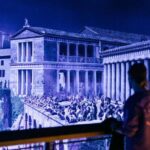
More museum halls between train times:



2) Visual calm for a noisy world
This second theme is basically a design philosophy you can feel. The show uses satisfying art qualities, meaning the visuals tend to resolve in ways that feel clean. There’s enough repetition to let your eyes relax, but enough variation to keep your brain engaged.
I like rooms like this because they reset your attention. When you leave, you often realize you were breathing differently. If Berlin’s streets have you in constant go-mode, this part offers a real pause.
One practical tip: give yourself permission not to rush. This segment works best when you let the patterns land.
3) Liquid Universes, high-resolution macro shots of interacting liquids
This is where the exhibition turns into close-up theater. Liquid Universes is built around high-resolution macro views of interacting liquids. The result is mesmerizing because liquids do what they do, but on a scale that makes their behavior feel new.
You’ll likely notice how the art treats surface, flow, and reaction like characters in a scene. One liquid meets another, forms shift, and the motion keeps telling you “watch this closely.”
If you love details, this room tends to be a standout. It also connects back to the show’s bigger idea: turning real physical behavior into digital art you can study.
4) Rhythmic Math Art and Sonic Geometry
Now you get the marriage of shape and sound. Rhythmic Math Art / Sonic Geometry translates geometric logic into immersive audio patterns. The point is not math as a subject, it’s math as a rhythm.
When it works, you feel like you can hear the shapes. Lines and structure turn into sound relationships, so your eyes and ears start tracking the same ideas. This is also a good room to visit if you learn better through more than one sense.
If you usually skip “sound-based” art because you worry it will be distracting, this is worth trying. The sound quality is part of what makes the experience feel well put together.
5) The art of radical deceleration, from chaos to choreographed elegance
This theme is about speed and control. It starts with chaos energy, then shifts into choreographed elegance. The transformation is the message: disorder can become organized when the rules are right.
You may recognize a common human feeling here. When life gets messy, we want structure. This room gives structure through art, using motion as the bridge.
If you like “transformation” stories, this is one of the rooms that makes the overall show feel like a journey, not a series of unrelated screens.
6) Beyond physics, where reality reaches its limits
Here the exhibition plays with the idea that CGI is free from some physical limits. Beyond physics is for people who enjoy the “how is this possible” thrill. It is not trying to replicate the real world exactly. It tries to push what digital visuals can do.
This room tends to broaden your sense of what you’re watching. Earlier rooms use visual behavior that feels familiar. This one changes the rules on purpose, so your brain keeps re-evaluating what counts as possible.
If you’re a creative person, you’ll likely appreciate how the show treats CGI as a tool for invention, not just polish.
7) The evolution of form, rough virtual stone to liquid chrome
The evolution of form moves through textures and materials that look like they should belong to different worlds. Feel the roughness of virtual stone, then the smoothness of liquid chrome. That texture shift matters because it changes how your eyes read the same kinds of motion.
You’re basically watching the show experiment with “material identity.” A surface can feel rough or slick even when it is digital. When the transition is convincing, the art feels more physical than you expected.
This theme also gives your visit a satisfying middle-to-late energy. It keeps things visually rich without turning into random overload.
8) Stripped down to the essentials, timeless monochrome art
The final theme brings the show back to basics with timeless monochrome art. Stripping color reduces distractions, so you can focus on shapes, movement, and contrast.
This ending can feel like a palate cleanser. After all the motion variety, monochrome leaves you with the underlying structure of the experience. It’s also a good finale for people who want art to stick in their mind after they leave.
If you’ve been taking your time, this last room is a nice place to slow down and let the show’s themes settle.
Sound quality and why the audio matters here
Sound quality keeps showing up as a real strength, not a background detail. In a show built on geometry, rhythm, and liquid behavior, audio is how the exhibition connects patterns over time. You don’t just watch changes, you sense the timing.
In other words, the audio is part of the storytelling system. It also helps different types of visitors connect, even if you don’t read every label. If the sound design is well matched, the rooms feel intentional rather than random.
One small but telling detail: you can enjoy the exhibition comfortably while having a drink. That suggests the space is designed for lingering, not forced-speed viewing. If you like to take breaks without leaving, it’s a big plus.
Is this “AI art”? What you should know before you go
One review highlights that the show does not include AI art. While I can’t verify individual artwork processes from general details alone, the overall tone of the exhibition is about crafted digital animation and audiovisual design. The focus is on physics-inspired visuals, math-to-sound structures, and theme-driven installations.
If you care about that distinction, it’s reasonable to ask before your visit or check the show’s description if it’s updated closer to your date. For many people, the big question is whether the experience feels designed by artists, not generated in a generic way, and this exhibition is built like a curated set of themes and artworks.
Who should book this experience?
This is a strong match if you enjoy one or more of these:
- digital art that looks carefully engineered, not just flashy
- audio-and-visual experiences where sound quality matters
- physics-inspired visuals, liquids, and pattern-based design
- a calm day activity where you slow down and let the art do the work
It might be less ideal if you want mostly outdoor sightseeing or you prefer art that you can skim quickly. Even at about 90 minutes, this show asks you to settle in.
Should you book Digital Dimensions 3D Exhibition in Berlin?
If you’re deciding between a quick photo stop and an experience that uses your attention well, I’d lean yes. For $16 you get a structured journey through 8 rooms, with 300+ artworks and 40 artists, plus sound design that plays a real role. The strongest selling point is the variety, especially Physic-Flow Art, liquid macro visuals, and the rhythmic geometry sections.
Book it if you want a day-plan that’s different from museums full of quiet paintings. Skip it if your ideal Berlin day is all street walking and big landmarks, because this one asks you to stay in the dark, focused spaces and let the visuals and audio carry you.
FAQ
How long is the Berlin Digital Dimensions 3D Exhibition?
The visit is about 90 minutes.
What is the price for this experience?
The price is $16 per person.
How many rooms and artworks are included?
You’ll see 8 rooms and more than 300 artworks.
What themes will I experience in the exhibition?
The exhibition features 8 themes, including Physic-Flow Art, Liquid Universes, Rhythmic Math Art and Sonic Geometry, and monochrome art.
Is the exhibition wheelchair accessible?
Yes, it is wheelchair accessible.
What does the ticket include?
The ticket includes the entrance.
FAQ
Is free cancellation available?
Yes, you can cancel up to 24 hours in advance for a full refund.
What languages should I expect?
Some content is shown in its original language.
Fresh on the arrivals board for Berlin

Museum Tours in Berlin, compared.

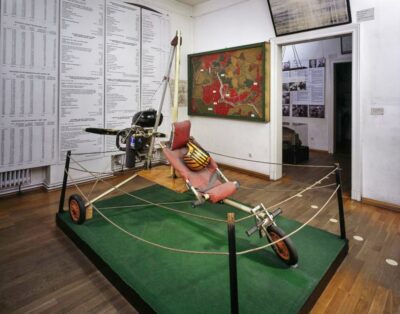
Skip-the-Line: Berlin Wall Museum at Checkpoint Charlie
Read our review →
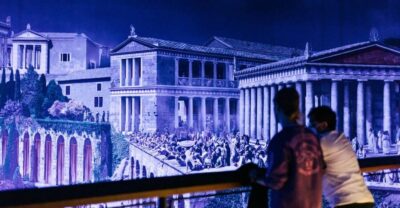
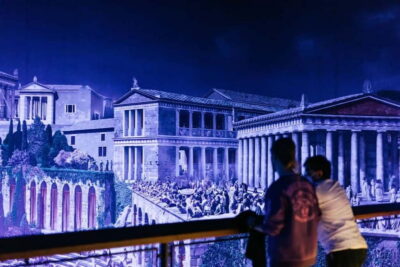
“Pergamonmuseum. The Panorama” Exhibition Tickets
Read our review →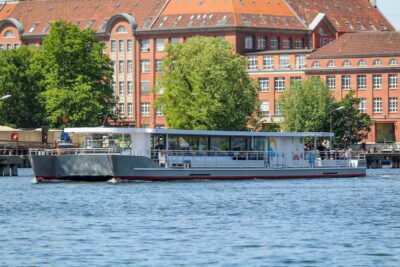
East Side Gallery Spree Cruise in a Solar Catamaran
Read our review →
Cold War, Berlin Wall, Spies and the East Side Gallery
Read our review →Browse the lists this tour appears in