
Reviewed · MUSEUM TOURS IN BERLIN
Berlin: Bode Museum Ticket
Berlin does art right. A single ticket can carry you from sculpture to Byzantine mosaics to ancient coins. This Bode Museum visit is interesting because it’s housed in a famous building that opened in 1904 as the Kaiser Friedrich Museum, and it has been open to the public since 2006. I like the way the museum mixes big, famous names like Bernini and Canova with hands-on material like coins, and I like having an included audio guide in English and German to keep you moving at your pace. One thing to plan for: the museum opens at 10:00 with some rooms, and additional rooms open at 11:00, so late starts can cut your wishlist.
What you’ll actually see is the Sculpture Collection, the Museum of Byzantine Art, plus the Münzkabinett coin collection that stretches from ancient times through the Middle Ages and up to modern examples. The highlights you’ll want to keep an eye out for include Bernini’s Satyr with Panther and Canova’s Dancer, along with mosaic icons. If you care about seeing more than one art world in a day, this ticket does that without feeling scattered.
For $16 per person, the value is mostly about focus. You’re paying for admission to the Bode Museum and special exhibitions, not the whole Museum Island circuit, so it makes best sense if you want one museum day done well. The overall rating is 4.5 based on 214 reviews, and at least one verified booking called the exhibitions very interesting, which matches the mix of sculpture, Byzantine art, and coins.
In This Review
- Key things to know before you go
- Bode Museum ticket, what you get for $16
- The Kaiser Friedrich building, and why it changes your visit
- Sculpture Collection highlights, from Bernini to Canova
- Byzantine art and mosaic icons, a visual change of pace
- Münzkabinett coin cabinet, where your attention gets rewarded
- Timing your one-day visit, 10:00 parts and 11:00 rooms
- What to bring, what not to bring, and how to move smarter
- Is it worth booking? My take on the value
- Should you book this Bode Museum ticket?
- FAQ
- What time does the Bode Museum open?
- What is included with this ticket?
- Where do I meet for the Bode Museum?
- Is the museum wheelchair accessible?
- Are backpacks allowed inside?
- Is this activity refundable?
Key things to know before you go
- Museum Island location in the historic Kaiser Friedrich Museum building, open to the public since 2006
- Sculpture plus Byzantine art under one roof so you can switch visual gears without extra tickets
- Münzkabinett coin focus spanning ancient times, the Middle Ages, and up to modern coins
- Audio guide included (English, German) to help you get more from what you’re looking at
- Standout works to watch for like Bernini’s Satyr with Panther and Canova’s Dancer
- Plan your timing for 10:00 and 11:00 openings to avoid missing rooms
Bode Museum ticket, what you get for $16
This is a 1-day ticket to the Bode Museum on Museum Island. It includes admission to the museum and special exhibitions, and you also get an audio guide with English and German options. The meeting point is the entrance to the Bode Museum, Am Kupfergraben, 10117 Berlin.
Price matters, because Berlin can turn “one more museum” into a budget leak fast. At about $16 per person, this ticket is a strong choice if you want a concentrated museum day centered on sculpture, Byzantine art, and coins, and you do not need to hop around to other Museum Island museums. Transfers are not included, and admissions to other Museum Island museums are also not included, so you’ll need separate plans if you want to add more.
Also note the practical stuff: discounted tickets require a valid ID, and the museum does not allow backpacks. Wheelchair access is handled well, since the entire building is wheelchair-accessible.
More Museum Tours in Berlin
- Berlin: DDR Museum Tickets
★ 4.3 · 3,443 reviews - Berlin: Natural History Museum Entrance Ticket
★ 4.6 · 3,382 reviews - Berlin: Museum Island Multiple Museum Entry Ticket
★ 4.4 · 2,861 reviews
The Kaiser Friedrich building, and why it changes your visit
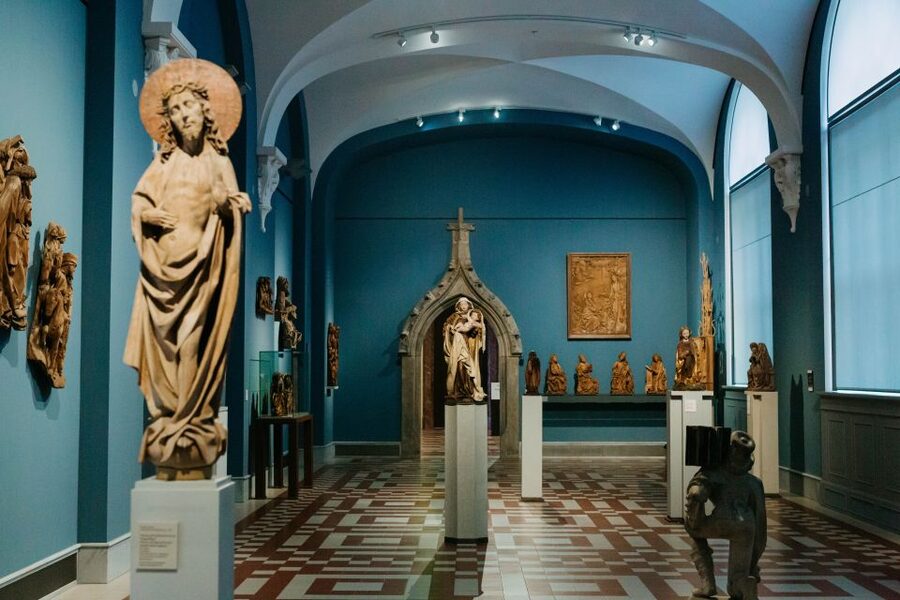
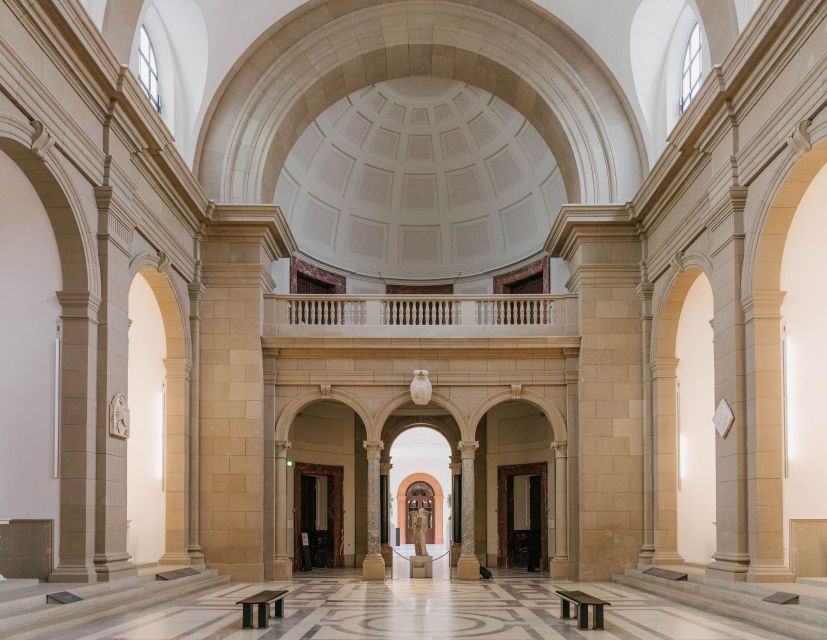
The Bode Museum experience is tied to its setting. The building opened in 1904 as the Kaiser Friedrich Museum and was designed to present paintings and sculptures together for the first time. Today, that original plan has shifted. The same building now houses the Sculpture Collection and the Museum of Byzantine Art, and it has been open to the public since 2006.
For you as a visitor, that history matters because it affects how the galleries feel. You get a museum that still carries the grand “institution” vibe, but the content you see is focused and practical: sculpture in one direction, Byzantine art in another, plus a coin cabinet that can hold your attention longer than you’d expect. If you like museums where the building and the collections are in dialogue, this one fits.
It also helps with planning. When you enter and start moving room to room, you’re not just jumping between unrelated exhibits. You’re walking through a coherent museum identity that has been refined into these three main strengths: sculpture, Byzantine art, and coins.
Sculpture Collection highlights, from Bernini to Canova
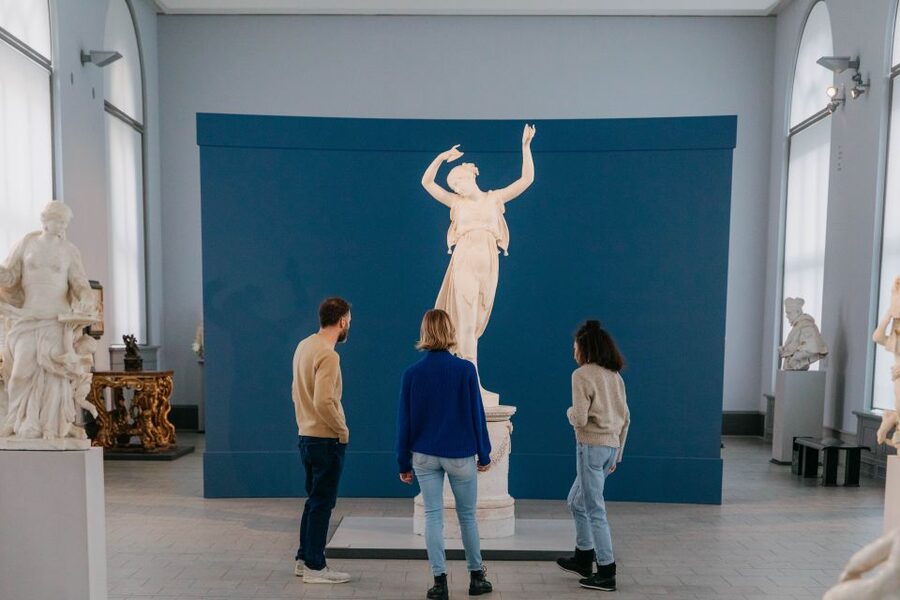
The Sculpture Collection is one of the main reasons people carve out time for the Bode Museum. The ticket gives you access to the sculpture displays, and two specific works are called out as highlights: Bernini’s Satyr with Panther and Canova’s Dancer.
Here’s what I like about this type of lineup. Bernini and Canova bring different sculptural moods, so you can compare motion and mood in a single stop. Even without getting technical, you’ll feel the contrast: Bernini’s subject energy is physical and theatrical, while Canova’s Dancer is more graceful and controlled in the way it reads. If you’re the kind of person who gets lost in details, the included audio guide helps you connect what you see with context, without turning your visit into homework.
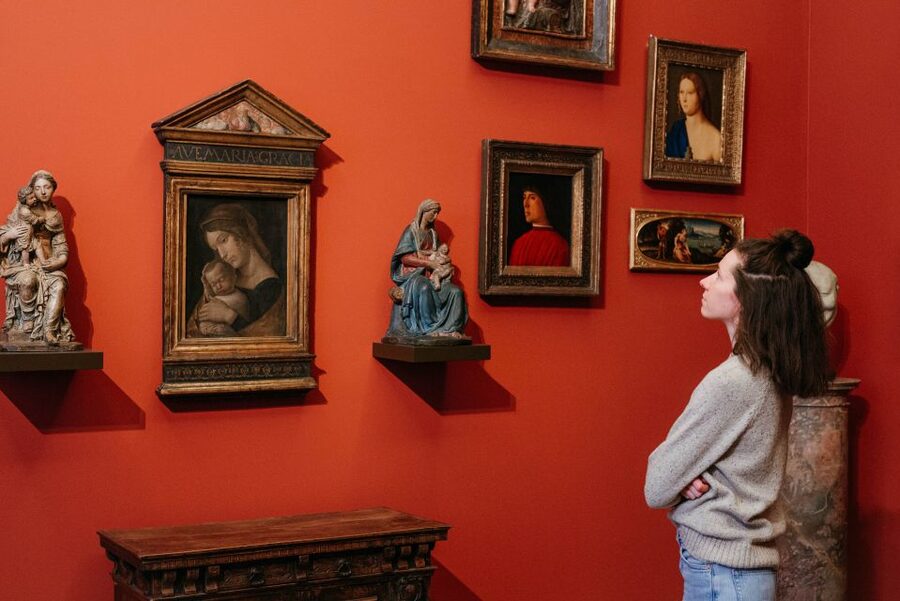
In addition to the sculpture focus, you may also encounter many works tied to the Gemäldegalerie and the Münzkabinett. The ticket notes access to nearly 150 works in these areas, which is a big reason the experience can feel “worth it” even if you only have one day. You can spend 30 minutes on sculpture you came for, then extend your day into smaller, detailed rooms where coins and other art add depth.
Practical tip: if you want to spend time with major sculptures, arrive close to opening. The museum opens parts at 10:00, and you do not want to rush past the rooms that open later at 11:00 if your schedule is tight.
Byzantine art and mosaic icons, a visual change of pace
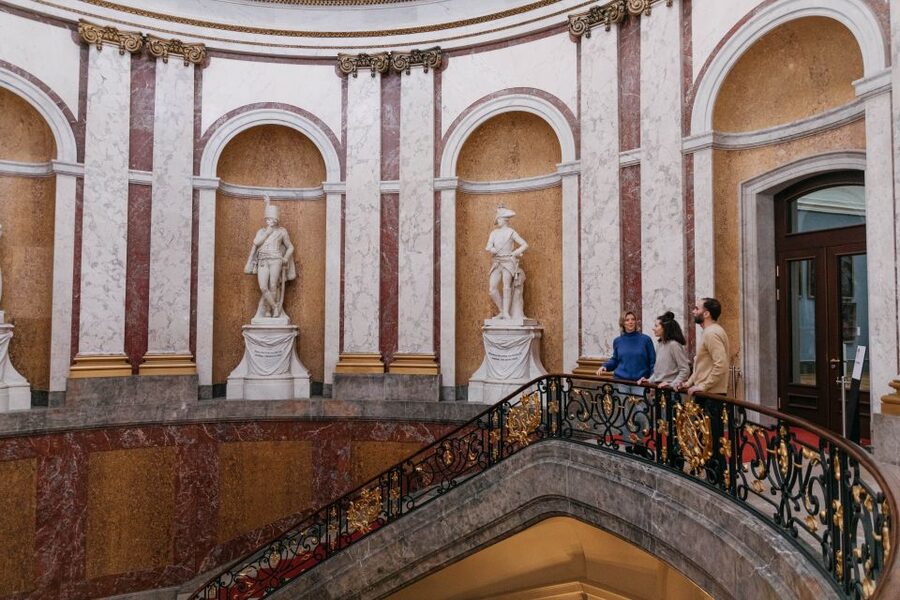
After sculpture, the Museum of Byzantine Art shifts the visual language. You’ll find mosaic icons and Byzantine works that feel different in texture, light, and symbolism. It’s not the kind of exhibit where you can just glance and move on. The mosaics reward slow looking, especially if you use the audio guide to understand what you’re seeing.
This is where your ticket’s structure shines. Some museum days feel like a checklist. This one feels more like a guided storyline across art forms. You start with sculpted bodies and famous names, then you move into an art tradition that emphasizes patterns, iconography, and meaning through material and style.
You’ll also benefit from that included audio guide because it supports both English and German. When the labels are short or the subject is unfamiliar, you can still follow the thread and understand why the works matter in context.
If Byzantine art is already your thing, this is a satisfying portion of your day. If it’s new to you, it’s still a good introduction because the ticket gives you both the big sculptures and these mosaic icons, rather than sending you to one specialty only.
Münzkabinett coin cabinet, where your attention gets rewarded
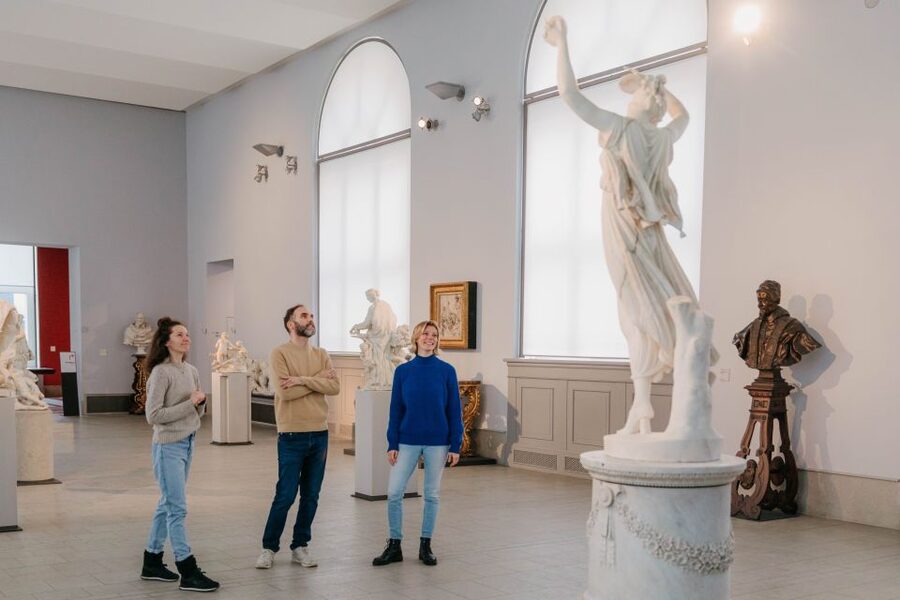
The Münzkabinett is the section that can surprise you. It’s easy to think coins are a “quick stop” area, but the ticket’s highlight is the museum’s extensive coin collection. You’re looking at coins from ancient times through the Middle Ages and up to modern times.
The reason this works for visitors is the span. You’re not just seeing old money. You’re watching change over time. Coins reflect power, trade, and everyday life, and they often look more different than you expect once you’re in front of them. Even if you do not read everything, you’ll notice patterns: changes in material, imagery, and design choices across eras.
The ticket also ties coins to the broader collection access, including nearly 150 works across the Gemäldegalerie and Münzkabinett areas. That means you can structure your visit like this:
- Start with a sculpture highlight to anchor the day
- Use Byzantine art to shift your brain into visual symbolism
- End with coins when you want details and “museum snackable” looking
If you like collecting facts, the audio guide can help you get more from what you see in the coin cabinet. If you prefer a calmer vibe, you can linger in the coin rooms without needing a guided tour format. Either way, the Münzkabinett is a good payoff for anyone who enjoys objects that bring history down to hand size.
More museum halls between train times:


Timing your one-day visit, 10:00 parts and 11:00 rooms
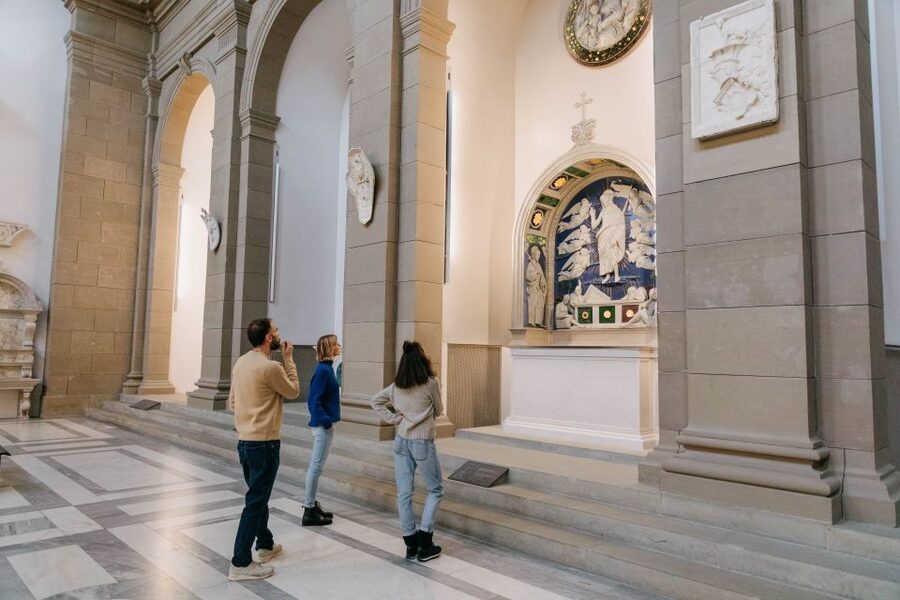
Your day is only one day, but timing matters. The museum opens at 10:00 AM with parts of the exhibition, and additional rooms open at 11:00 AM. That means you have two good strategies:
If your schedule allows it, enter early so you do not lose the chance to see the rooms that open later. If you can only arrive after 11:00, it’s still doable, but you should expect that your total “things you can comfortably see” will shrink unless you skip some sections.
Because this ticket is museum admission rather than a timed guided route, you’ll control the flow. But coins and mosaics both reward time, and sculpture can take time too, especially if you’re really looking. For most people, this is a “one strong museum visit” day, not a “do everything on Museum Island” day.
Also keep an eye on what you have room for. The ticket includes special exhibitions, but it does not include admissions to other Museum Island museums. If you have big plans for multiple museums, your best move is to pick which one you want to treat as the main event, and keep the rest as optional.
What to bring, what not to bring, and how to move smarter
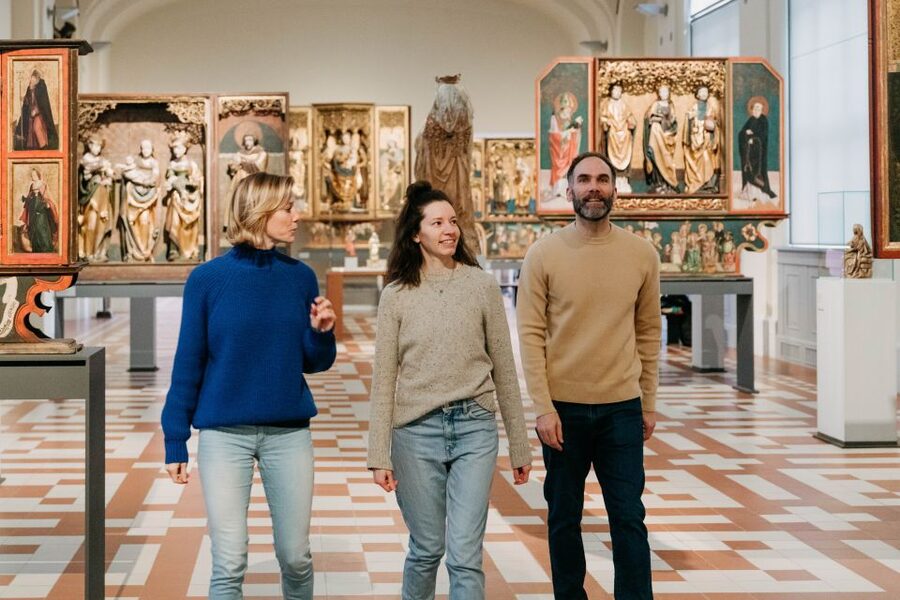
The rules are simple and easy to respect. Backpacks are not allowed, so travel light. If you’re doing Berlin museums, consider wearing a smaller crossbody bag or keeping essentials in something you can carry comfortably.
Wheelchair accessibility is a plus. The entire building is wheelchair-accessible, so mobility limitations should not turn into a “skip the museum” situation.
Discounted tickets need a valid ID, so do not leave that pouch at home. And the languages are English and German for both the audio guide options. If you speak one of those, you can go deeper without depending on someone else.
One more practical note: since the ticket is valid for 1 day, check available starting times when you book. You do not want to assume you can show up any time and get in without planning for entry windows.
Is it worth booking? My take on the value
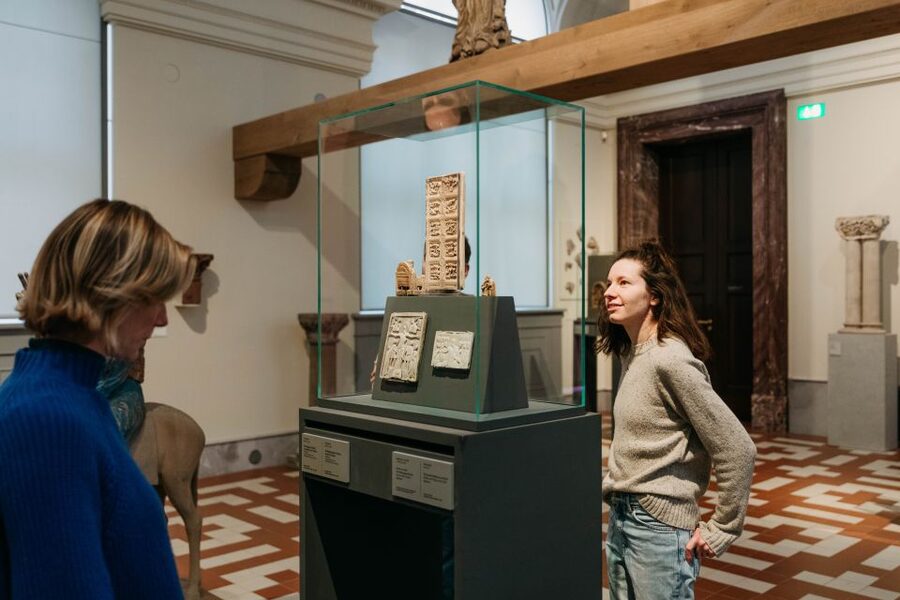
At $16 per person, this ticket is best viewed as a solid “art variety package” for one museum day. You get admission to the Bode Museum plus special exhibitions, and you get an audio guide in English and German. That makes the experience easier to manage, especially if you do not want to spend extra time and money on a separate guided format.
The tradeoff is also clear. Transfers are not included, and you will not be automatically covered for other Museum Island museums. So if your dream day includes several different museum buildings, this ticket might feel like a piece of the puzzle rather than the whole plan.
But if you want sculpture, Byzantine art, and the Münzkabinett coin cabinet, in one coherent outing, it’s a strong use of time. The museum’s mix also makes it forgiving. If one section takes less time than you thought, the other two can fill the gap.
Should you book this Bode Museum ticket?
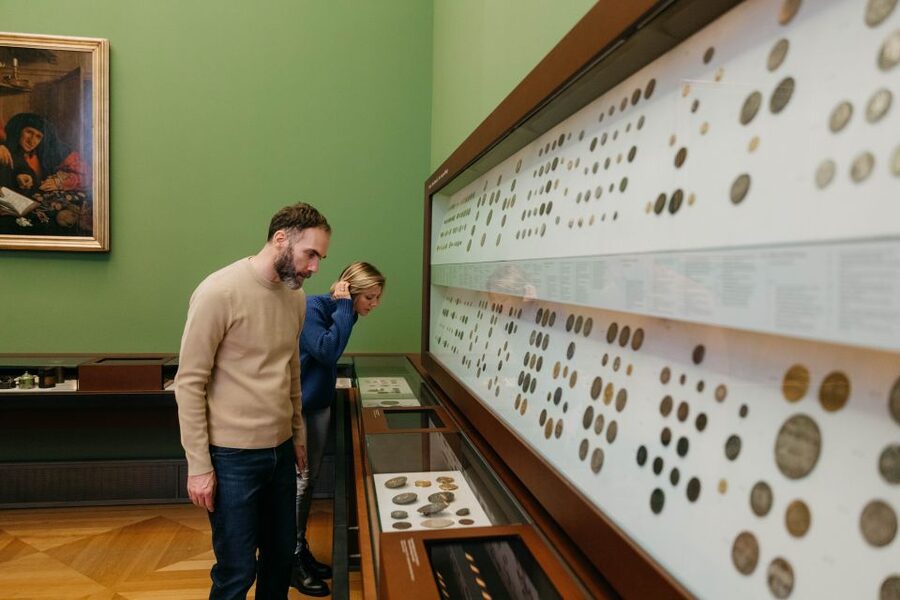
Book it if you want one museum that covers sculpture, Byzantine mosaics, and a major coin collection all in the same visit window. It’s also a good fit if you like learning at your own speed, because the audio guide is included in English and German.
Skip or reconsider if you’re only interested in one of those lanes. If coins do not interest you at all, or Byzantine art is not your thing, you may feel like the ticket is too broad for your preferences. Still, even then, the listed highlights like Bernini’s Satyr with Panther and Canova’s Dancer can be worth it if you’re a sculpture fan.
Bottom line: for a focused one-day museum plan around Museum Island, this ticket is good value and a smart way to see three different art worlds without overcomplicating your schedule.
FAQ
What time does the Bode Museum open?
The museum opens at 10:00 AM, with parts of the exhibition. Additional rooms open at 11:00 AM.
What is included with this ticket?
Your ticket includes admission to the Bode Museum and special exhibitions. An audio guide is also included, with English and German options.
Where do I meet for the Bode Museum?
Meet at the entrance to the Bode Museum, Am Kupfergraben, 10117 Berlin.
Is the museum wheelchair accessible?
Yes. The entire building is wheelchair-accessible.
Are backpacks allowed inside?
No. Backpacks are not allowed.
Is this activity refundable?
No. This activity is non-refundable.
Fresh on the arrivals board for Berlin





Museum Tours in Berlin, compared.

Skip-the-Line: Berlin Wall Museum at Checkpoint Charlie
Read our review →
“Pergamonmuseum. The Panorama” Exhibition Tickets
Read our review →
East Side Gallery Spree Cruise in a Solar Catamaran
Read our review →
Cold War, Berlin Wall, Spies and the East Side Gallery
Read our review →Browse the lists this tour appears in