
Reviewed · BERLIN WALL TOURS
Berlin: Berlin Wall Tour Berlin East West
This is one of those Berlin experiences where history stays in your head, not just on a sign. I like that you get real stories of escape attempts and family dramas, not a dry lecture. I also like that you stand in authentic places along the former border, including the death strip and a watchtower viewpoint.
One thing to factor in: it is a mostly outdoors, walking focused tour. If you are sensitive to cold or rain, bring layers, and plan for a bit of standing.
In This Review
- Key points to know before you go
- Why the Berlin Wall East West story still works in 2026
- How the 75 minute Wall walk really unfolds
- 1) Start with the border logic, not just dates
- 2) Walk into a famous Wall street section
- 3) Move from the city view to the border mechanics
- 4) Reach the death strip and watchtower viewpoint
- What you learn beyond the wall itself
- Escape attempts, told with human scale
- Family dramas and the cost of separation
- The brutal absurdities at the border
- Visiting the most famous Wall street section: what to watch for
- Understanding the death strip and watchtower viewpoint
- The death strip: why the phrase matters
- The watchtower: the border as an eye
- Guide matters: what “lively and clear” looks like in practice
- Price and value: what $223 per group gets you
- Who this tour suits best in Berlin
- You’ll love it if
- You might reconsider if
- Real world tips to make the most of it
- Should you book the Berlin Wall East West tour?
Key points to know before you go
- Escape attempts and family drama, told in a way that makes everyday life feel close
- A local Berliner style of storytelling, shared by a live guide who can explain the why, not just the what
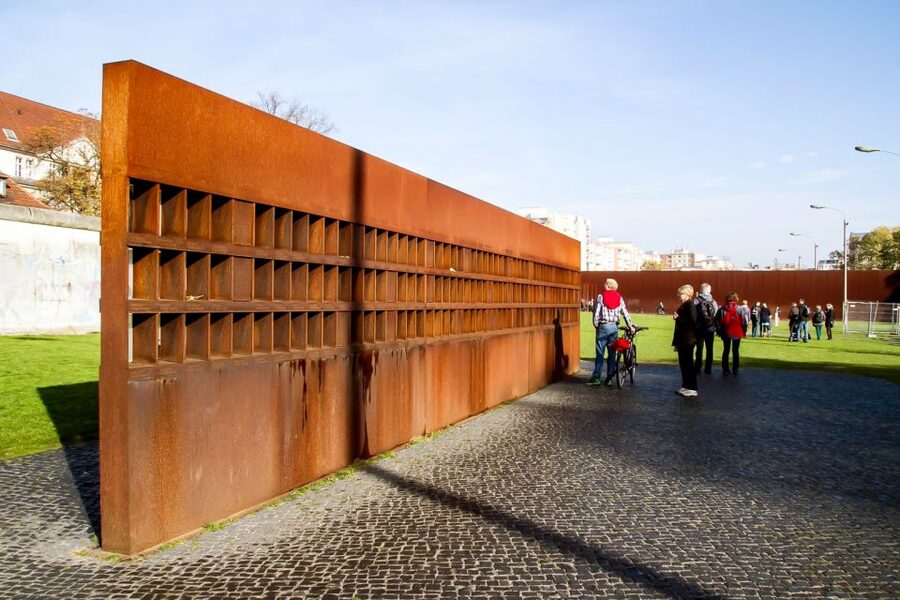
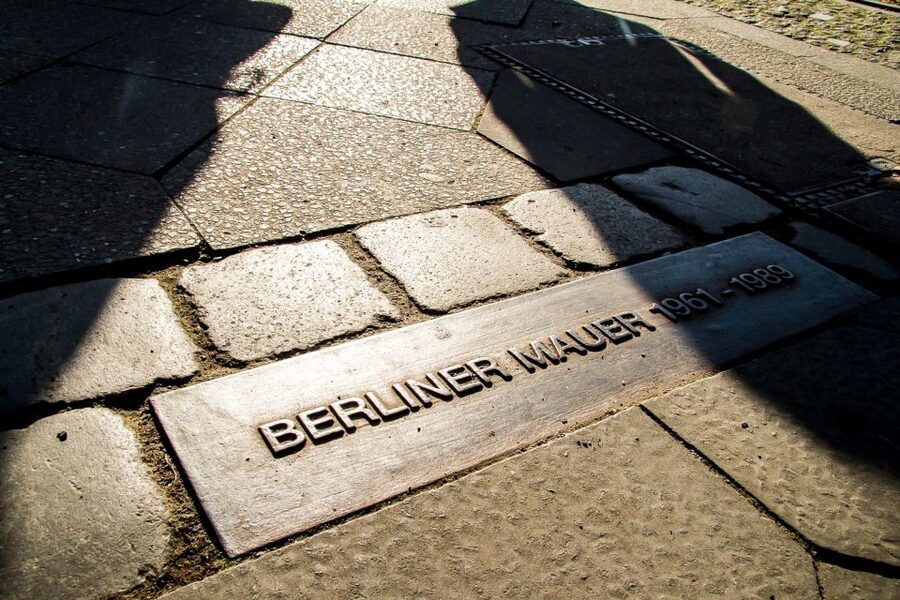
- The most famous street section of the Wall, where you see how it cut through city life
- Death strip and watchtower views, helping you understand how the border actually worked on the ground
- English or German guide options, with private group availability if you want a quieter pace
- 75 minutes to 1.5 hours, long enough to learn, short enough to fit a busy Berlin day
Why the Berlin Wall East West story still works in 2026
Berlin’s border story is not abstract. It is about choices people made in real time, and what happened when those choices collided with barbed wire, concrete, and rules. A good Berlin Wall tour gives you the emotional map, then the physical one. You walk the lines, and suddenly you can picture the fear, the absurdity, and the small daily routines that kept running anyway.
What makes this particular Wall experience especially satisfying is the balance between big moments and small human scenes. You are not only hearing about barriers. You are also learning about how daily life changed on both sides, where families suffered, and where escape attempts turned into complicated, heartbreaking events. That mix matters because the Wall was not just a structure. It was a system.
And the best part is the guide. A live guide can react to your questions, point out what you might otherwise miss, and connect the dots fast. In past tours, guides like Tonio have been praised for explaining clearly and bringing the story to life in a way that even younger people can follow. That is exactly what you want, because the Wall can feel overwhelming if it is delivered like a textbook.
More traces of the Wall through Berlin:
- Berlin: Third Reich & Cold War Guided Walking Tour
★ 4.9 · 8,378 reviews - Berlin’s Best: 2 Hour Walking Tour Third Reich and the Cold War
★ 5.0 · 5,486 reviews - Skip-the-Line: Berlin Wall Museum at Checkpoint Charlie
★ 4.1 · 2,041 reviews
How the 75 minute Wall walk really unfolds
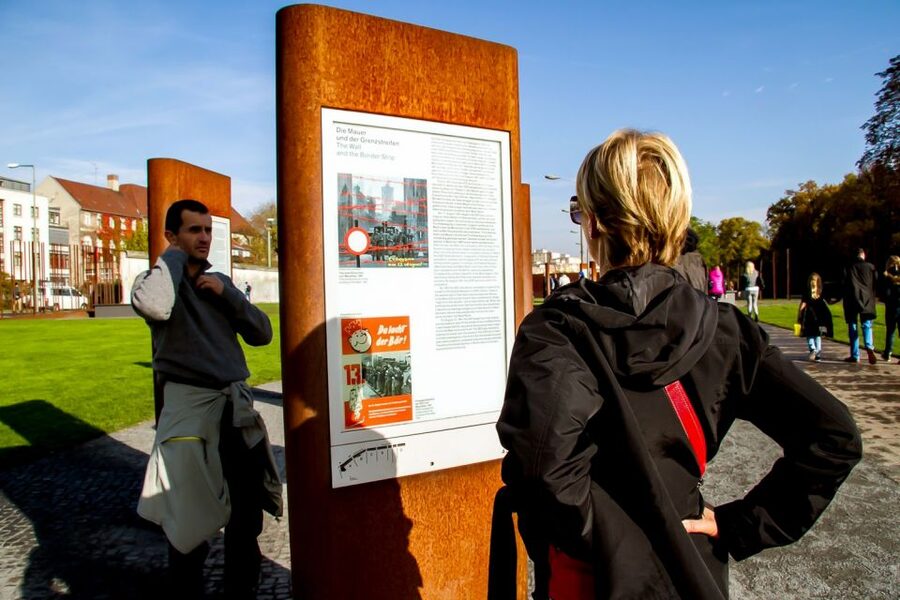
This tour runs about 75 minutes to 1.5 hours. That time window is practical. You do not need half a day to start understanding what the border meant. At the same time, you will not feel rushed in a way that destroys the story. You can actually absorb it.
Here is how the experience typically moves, in the order that makes the most sense for your understanding:
1) Start with the border logic, not just dates
At the beginning, the guide sets the scene: what the East West divide meant day-to-day, how controls shaped movement, and why the border was engineered for detection and deterrence. You’ll usually hear about escape attempts and the family drama around them because those are the stories that reveal the system’s impact.
This matters for you because the Wall is not one moment. It changed. The meaning of the border changed. So you want a framework early, so later details do not feel like random facts.
2) Walk into a famous Wall street section
Then you move through one of the most famous street areas associated with the Berlin Wall. Even if you have seen photos, this is different in person. At street level, you feel how narrow the space is, and how a border can slice a city without asking permission.
The guide helps you see what those surroundings imply: where people would have stood, where they could have looked, and why certain spots became symbolic. If you love street level history, this part is where your photos stop being just pictures and start becoming evidence.
A possible drawback here is simple: it is a Wall walk. Expect to spend time on your feet in an urban setting. Comfortable shoes are not optional.
3) Move from the city view to the border mechanics
As the tour progresses, you shift from the city-facing side to the operational side. That is where the story gets more intense. You start hearing about the brutal absurdities of border life, and how people had to live knowing the rules were designed to catch you.
For you, the value is clarity. You can watch how the guide explains the difference between what you would see from the outside and what was happening behind the lines.
Also holding a platform in Berlin



4) Reach the death strip and watchtower viewpoint
The highlight portion is when you see the death strip and a watchtower. Even if you know the term from history class, it lands differently when you are standing where the border system was built to control sightlines and movement.
This is not just a dramatic stop. It is the place where the tour answers the big question you are probably carrying: how did the border function in practical terms?
If you get motion sickness or feel uncomfortable standing in one place for a while, this is where you should tell the guide. Most guides can adjust how you view the area without breaking the flow.
What you learn beyond the wall itself
A Wall tour can either teach you facts or teach you context. The best versions do both. This experience leans hard into everyday life. That is what makes it stick.
Escape attempts, told with human scale
Escape attempts are part of the story because they show the border’s stakes. But the goal is not sensationalism. You are meant to understand the desperate planning, the near misses, and the tragic outcomes that shaped families on both sides.
Even if escape stories are the thing you came for, you still come away learning about the environment around those attempts. You begin to understand why certain routes were attempted and why certain risks were fatal. That is why the tour is more than a walk. It is an explanation of cause and effect.
Family dramas and the cost of separation
You also hear about family dramas. This is where the tour becomes emotionally sharp. It stops being about a political symbol and becomes about people waiting, hoping, and suffering under a system that separated lives.
This is valuable because it changes how you interpret everything else you see in Berlin. A Wall memorial makes more sense when you understand the pressure it came from.
The brutal absurdities at the border
Another strong element is the guide’s focus on the brutal absurdities of border life. The details you hear are often the kind that make you shake your head: the way the border forced people into impossible situations, and how bureaucracy and surveillance turned normal movement into a threat.
You will likely notice that the guide does not only list events. He or she explains the logic, so the absurd parts do not feel random.
Visiting the most famous Wall street section: what to watch for
This is the part many people remember because it hits the senses. You are in a built environment shaped by the border, and your brain starts translating that space into what it used to mean.
When you are in the street section tied to the Wall’s most famous imagery, look for three things as your guide speaks:
- Transitions in the street layout, where barriers and paths change how people could move
- Sightlines, the way distance and angles matter for surveillance and control
- Where the city resumes, because the Wall did not stop Berlin from existing, it forced Berlin to exist around it
This stop is also where you can ask smart questions. If you want to understand more than the basics, ask how everyday routines changed in the area, or how the border affected where people worked, traveled, or shopped. A good guide can connect those dots without turning it into a history seminar.
If your group includes kids or teens, this is often the easiest place for the guide to keep attention, since the street-level view turns abstract history into something tangible.
Understanding the death strip and watchtower viewpoint
The death strip and watchtower are the tour’s emotional and practical core. They help you understand that this border was built for observation and punishment.
The death strip: why the phrase matters
You might have heard the term before, but you probably have not pictured the mechanics. Standing near the relevant viewpoints helps you grasp why an area like this was created. It is about visibility, movement, and the illusion that escape was possible when the system was designed to prevent it.
This matters because it changes how you read the Wall. It becomes less about a line and more about a layered machine.
The watchtower: the border as an eye
A watchtower is one of the most chilling symbols of the border. It represents monitoring at scale, and it shows you that control was not only local. It was coordinated.
When you see a watchtower from a viewpoint explained by your guide, you start to understand what it meant to be seen, and how fast a situation could become deadly.
Practical tip: if you are photographing, pause and then listen. The urge to shoot can make you miss the key interpretation moment.
Guide matters: what “lively and clear” looks like in practice
A Wall tour can succeed or fail based on the guide’s ability to teach without boring you. This experience leans on live guidance, with options in English or German, and private tours available in German and English.
In real terms, here is what you want from the guide:
- Clear storytelling that explains the why, not just the what
- Enough background to make details click
- A way of speaking that keeps pace with a walking schedule
- The confidence to handle questions, especially from families
Past tour experiences tied to this operator have highlighted guides who could make history feel alive and keep different ages engaged. If you prefer a guide who can translate complicated border life into something you can picture quickly, you’ll likely enjoy this tour.
Also note the language details: public tour in German, and private tours in German and English. If you are booking a private group and want English, make that clear when you specify your language.
Price and value: what $223 per group gets you
The price is $223 per group up to 6, for about 75 minutes to 1.5 hours with a live guide. That sounds simple, but value depends on who is in your group.
Here is the quick way to think about it:
- If you are the only adult, you will likely end up paying per seat cost you might compare to larger group tours.
- If you have a group near the max, the cost per person becomes much more reasonable because the price is per group, not per person.
What also boosts value is that this is a Wall-focused experience that includes key border elements like the death strip and a watchtower viewpoint, plus the storytelling component that you cannot replicate from a phone app. You are paying for interpretation and guidance, not just access to a spot.
If you travel with family, a private group can also help you move at the pace you want, especially when kids need breaks.
Who this tour suits best in Berlin
This tour works well if you want a middle ground between quick sights and deep academic history.
You’ll love it if
- You care about how political systems shape daily life
- You like walking tours with a story focus
- You want an East West perspective, not only one side of the border narrative
- You prefer a guide who can keep the mood readable, even when the subject gets heavy
You might reconsider if
- You hate standing and walking for about an hour
- You expect lots of indoor time
- You want food included, because the tour lists no food and drink
Real world tips to make the most of it
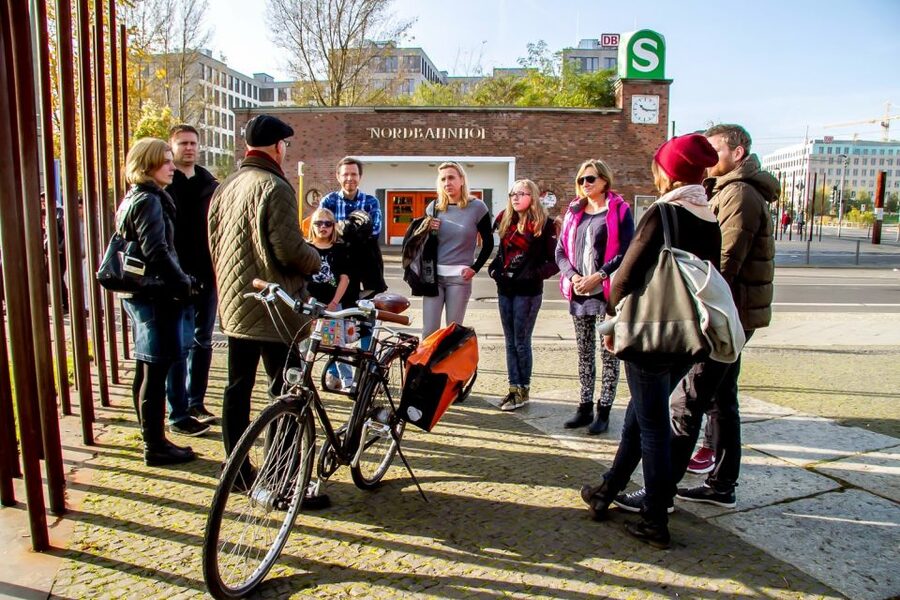
Berlin Wall history is meaningful, so it is tempting to treat it like a museum and rush through. Slow down a bit. Let the guide’s explanations land before you move on.
Here are a few practical things that will help you enjoy it:
- Wear comfortable shoes. You will walk and stand.
- Bring layers. Even in good weather, Berlin can shift fast.
- If you’re traveling with kids, ask the guide to explain in a way that connects to how families lived and feared separation.
- Keep your questions simple and direct. Good guides answer with examples, and examples are what you remember later.
If you are wheelchair using, the tour is listed as wheelchair accessible, which is a big plus. Still, because the meeting point can vary by option booked, check with the organizer about the most suitable route and exact start area for your day.
Should you book the Berlin Wall East West tour?
If you want a guided Wall experience that explains the border as lived reality, I think you should book it. The standout parts are the storytelling about escape attempts and family dramas, and the chance to see the death strip and watchtower in the same walking arc. That combination helps you understand the Wall as both a symbol and a system.
Book it especially if:
- You value a live guide who can keep things understandable
- You travel in a group up to 6 and want solid value
- You want English or German interpretation in a private setup
Skip it if your ideal history trip is short, indoor, and low walking. Otherwise, grab comfy shoes, show up ready to listen, and let the border line become a clear picture in your mind.
Fresh on the arrivals board for Berlin





Berlin Wall Tours, compared.


Berlin’s Best: 2 Hour Walking Tour Third Reich and the Cold War
Read our review →
Skip-the-Line: Berlin Wall Museum at Checkpoint Charlie
Read our review →
East Side Gallery Spree Cruise in a Solar Catamaran
Read our review →
Cold War, Berlin Wall, Spies and the East Side Gallery
Read our review →
Cold War & Berlin Wall History Guided Bike Tour
Read our review →
Browse the lists this tour appears in