
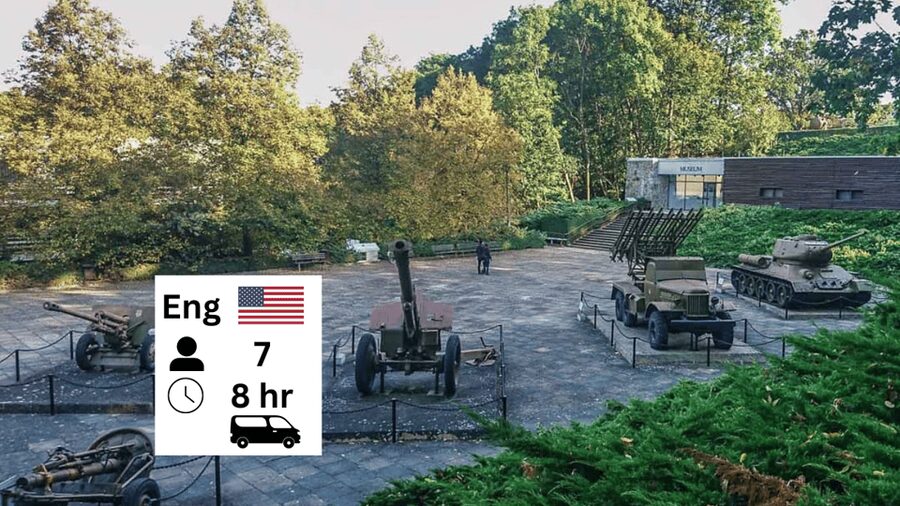
Reviewed · THIRD REICH & WORLD WAR II TOURS
Berlin: Battle for Seelow Heights WW2 tour -Clash of Titans
A single day trip out of Berlin can feel bigger than the city itself. This Seelow Heights tour turns World War II into something you can see and place on the map, with a museum stop and time at real German trench positions. I especially like the Seelow Heights War Museum focus on maps and artifacts, and the chance to stand where soldiers dug in at the German trench positions.
One thing to plan around: this is not a good fit if you need step-free access or mobility-friendly routes. You should also expect to walk on outdoor ground and to carry what you need, since food is not included.
The good news is the format is built for clarity. You ride out with a small group of up to 8, and you get an English live guide plus a warm, practical setup like air-conditioned and heated transport, water, and rain ponchos when the weather turns.
In This Review
- Key moments you will not forget
- Getting to Seelow Heights from Berlin, without turning it into a slog
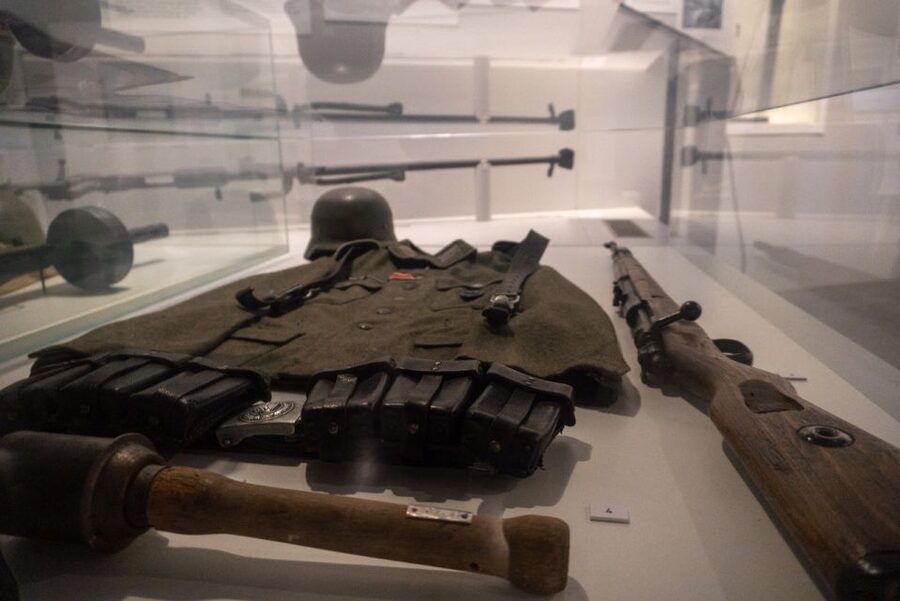
- Seelower Höhen War Museum: turn the numbers into something you can picture
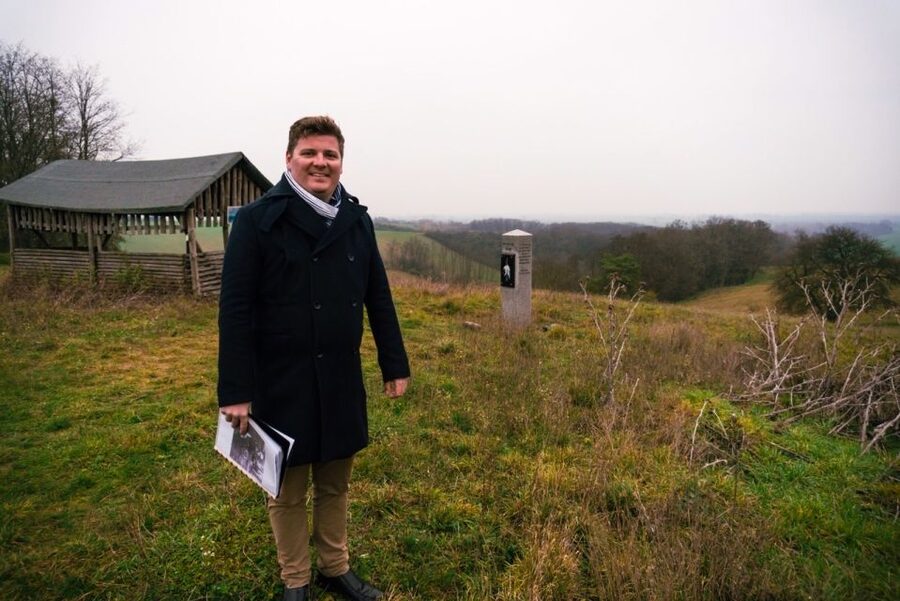
- Standing in German trench positions: where the battlefield stops being theory
- Tank obstacles and the anti-tank reality check
- Reitwein, Dolgelin, and Jahnsfelde: how the route builds a picture
- What the guide teaches: infantry tactics and combined arms, made usable
- Visualizing the scale with panoramic terrain views
- Price and value: what $152 buys you, and what to plan for
- Who should book, and who may want to think twice
- Should you book the Battle for Seelow Heights tour?
- FAQ
- How long is the Seelow Heights WW2 tour?
- Where do I meet for the tour in Berlin?
- Is the tour guided, and what language is it in?
- What’s included in the price?
- Is food or snacks included?
- Does the tour run in bad weather?
- How big is the group?
- Is the tour suitable for people with mobility impairments?
Key moments you will not forget
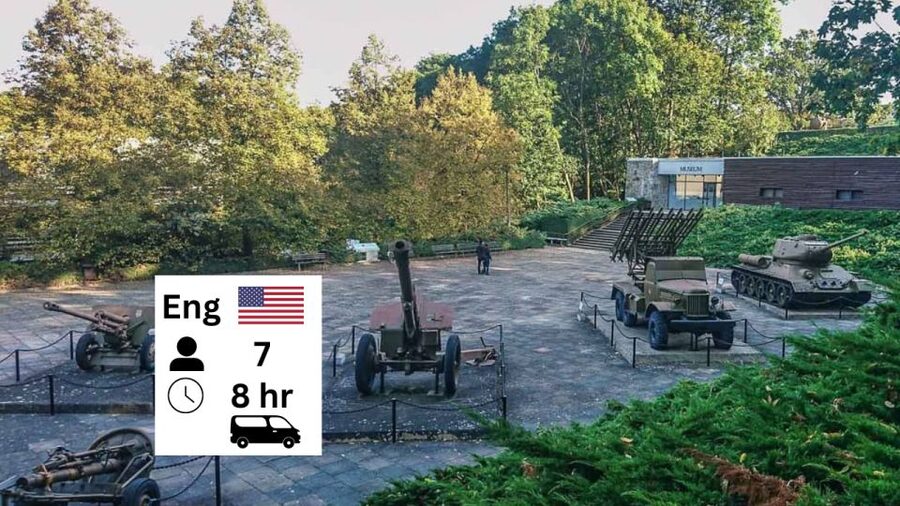
- Museum maps and battle artifacts that give you the who, where, and why before you step onto the ground
- German trench positions you can physically compare to the tactics you are taught
- Remnants of tank obstacles that make anti-tank defenses feel real, not abstract
- Panoramic terrain views that help you understand the scale of the Seelow fighting
- Tactical lessons on infantry, combined arms, and defensive and offensive operations in plain language
Getting to Seelow Heights from Berlin, without turning it into a slog
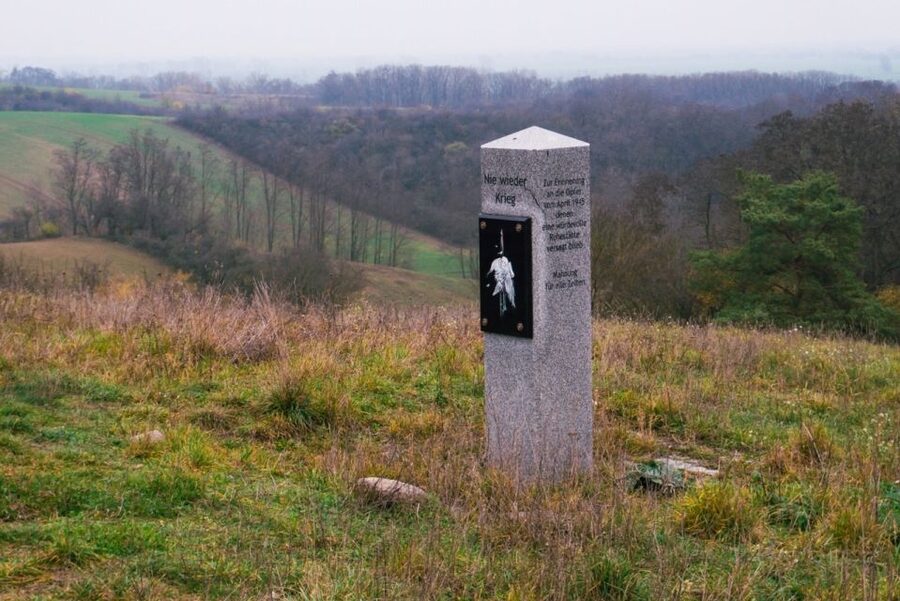
This is an 8-hour day built around one simple goal: get you out to Seelow Heights and back with enough time on-site to actually understand what happened. You meet at the Park Inn by Radisson Berlin Alexanderplatz Hotel, at the main vehicle entrance opposite Burger King, and you should arrive 15 minutes early so you can get checked in and settled.
From Berlin, the drive is about 1.5 hours to the Seelow area, then you get a structured sequence of visits and walks. The tour includes a return drive of about 1 hour back to the same starting point, so you are not stuck spending your whole day in transit.
Transport is comfortable and practical. You ride in an air-conditioned and heated vehicle, and you even get WiFi access inside the van, plus a small bottle of water. If you tend to travel with minimal gear, this is a nice safety net. If you like to snack on the go, bring your own, because food is not included.
One more practical note: this tour runs rain or shine. You will get rain ponchos if the weather is bad, but comfortable shoes matter more than a fancy outfit here.
Further Third Reich and wartime history tours:
- Berlin: Third Reich & Cold War Guided Walking Tour
★ 4.9 · 8,378 reviews - Berlin’s Best: 2 Hour Walking Tour Third Reich and the Cold War
★ 5.0 · 5,486 reviews - Third Reich Berlin: Hitler and WWII Walking Tour
★ 5.0 · 3,301 reviews
Seelower Höhen War Museum: turn the numbers into something you can picture
The day’s first major anchor is the Seelower Höhen museum site. It is where you get the overview before you start walking trench lines and reading the terrain like a battlefield diagram. The museum visit is guided and takes about 1.5 hours, with a bit of free time for you to look at details at your own pace.
What makes the museum stop valuable is the way it connects evidence to explanation. You do not just hear a story. You see artifacts and maps that help you place the battle in real geography. The battle being covered is the Seelow Heights fight, one of the Eastern Front’s deadliest engagements that often gets less attention than other famous WW2 chapters.
This is also where the scale gets laid out clearly. You are guided through figures like 768,000 Soviet troops, plus more than 22,000 tanks, artillery, and aircraft, set against about 150,000 German defenders. Those numbers can sound like pure statistics, but the museum is where you start to understand what that scale likely meant on the ground.
If you want a small extra comfort, it is worth noting that some guides have arranged for people to get a hot beverage and a biscuit snack during the first stop. It is not listed as a guaranteed inclusion, but it shows you the tour can be attentive to making the day feel humane.
Standing in German trench positions: where the battlefield stops being theory
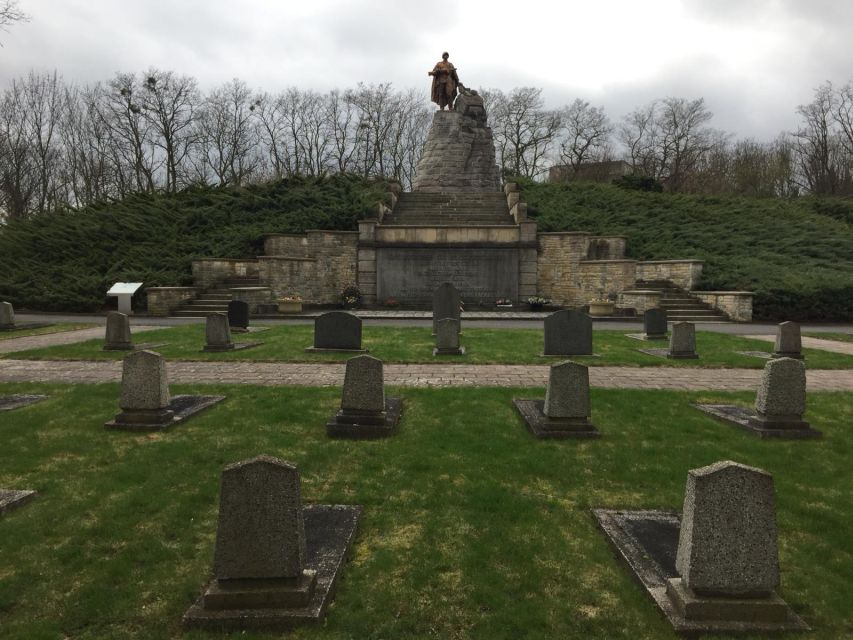
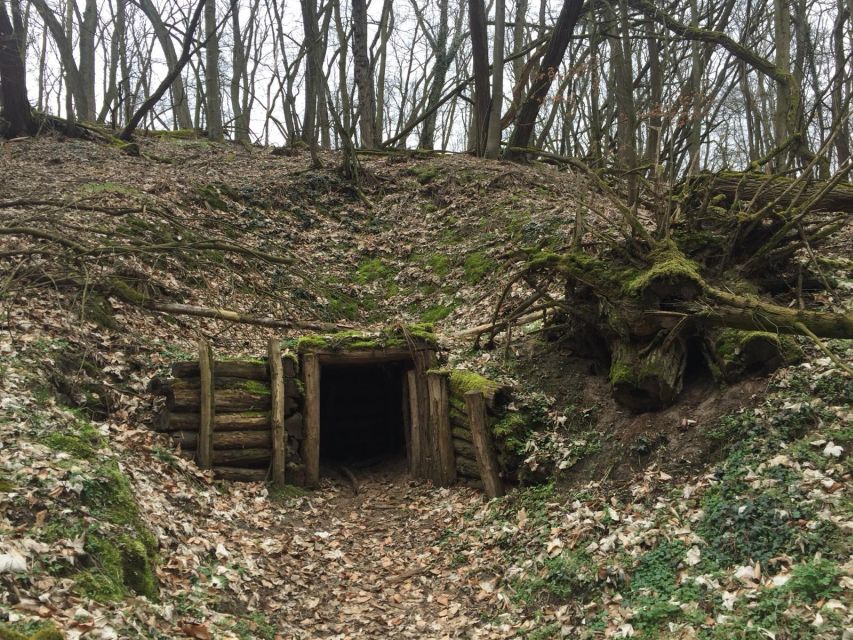
After the museum context, the tone changes fast. You spend time at the actual German trench positions, and this is one of the tour’s core attractions. Standing where soldiers dug in gives you a new kind of perspective, because you can compare the terrain to the tactical story your guide is telling.
This is where I like the tour’s approach to learning. You are not just taking photos. You are using what you see to understand why certain moves made sense and others did not. A trench line is not a line on paper, it is a lived-in defensive space with visibility limits, cover needs, and constraints shaped by the land.
Your guide also helps you connect that ground-level view to how the battle played out. Expect explanations focused on infantry tactics and combined arms thinking, so you can see how defenders tried to slow and shape assaults, while attackers coordinated multiple types of firepower and movement.
To get the most out of this part, wear shoes you can trust on uneven ground. Keep your eyes up as well as down. On a battlefield day, the best lessons often come from spotting sight lines, natural cover, and how small changes in elevation can change what a soldier could see.
Tank obstacles and the anti-tank reality check
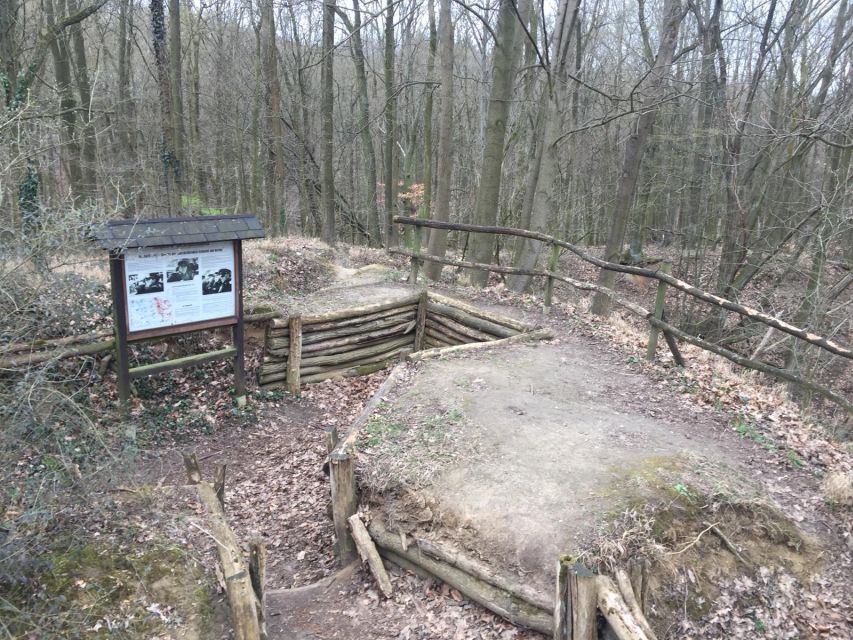
One of the best moments in the whole experience is seeing the remnants of tank obstacles. These are the physical features that tell you how defenders tried to channel, stop, or break armored momentum.
On many WW2 tours, tanks stay in the background as a “concept.” Here, the obstacles help bring that concept down to earth. You can look at the shape and placement and start to imagine how a vehicle commander would have reacted, and how defenders would have planned around likely routes.
This part pairs well with the tactical lessons you get later, because it shows the defensive side of the equation. The tour includes instruction on offensive and defensive operations, and tank obstacles are a practical bridge between those ideas and what you can literally stand near.
If you are the type who loves details, you will likely enjoy the way the guide uses maps and supporting materials to keep these features grounded in the larger battle plan. One of the recurring strengths described for this tour is that the guide brings extra context materials to help connect facts to the terrain.
Reitwein, Dolgelin, and Jahnsfelde: how the route builds a picture
The day continues with several shorter stops that add up to a strong “battlefield in sections” understanding. You visit Reitwein (about 20 minutes), Dolgelin (about 45 minutes), and Jahnsfelde (about 1 hour), each with guided context plus sightseeing and short walks.
These stops matter because they break the battle into connected pieces. Instead of treating Seelow Heights like one isolated hotspot, the tour helps you understand how smaller locations around the front connect to movement, defense, and the wider struggle for control.
In practical terms, these are the moments where you often learn the most from pauses. A short walk plus a guided explanation can help you spot how terrain funnels movement, where defenders likely placed themselves, and why attackers would have pushed where they did.
Because the time at each stop is limited, you should stay alert for what your guide highlights. If something specific is pointed out, it is usually the kind of detail that makes later explanations click.
If you are a first-timer to Eastern Front history, this routing style is especially helpful. It gives you a timeline feeling without needing to memorize every unit and date.
Also holding a platform in Berlin



What the guide teaches: infantry tactics and combined arms, made usable
A big reason this tour works is the way it frames the battle as a set of decisions and tactics, not just a tragedy list. The learning focus includes infantry tactics, combined arms, and offensive and defensive operations. You also get historical context and personal stories, plus help with “battles within the battle,” meaning you get multiple layers of what was happening at once.
That matters for you because it changes how you process what you see. When you are standing somewhere a trench once ran, it is natural to wonder: what would a soldier do next? How would an assault be coordinated? Where would the defenders try to slow things down?
The guide style described for this experience is active and engaging, with dynamic presentation and supporting materials used to put facts into context. People mention that the communication is spot on for different levels of prior WW2 knowledge, so you do not need to come in an expert to follow along.
Also, the best tactical teaching is not about big words. It is about cause and effect. Watch for how your guide explains the “why” behind attacks and defenses, then look back at the terrain cues you noticed earlier.
If you tend to enjoy military history beyond battleships and big cities, this is a strong match. It gives you a way to think about what you see with structure.
Visualizing the scale with panoramic terrain views
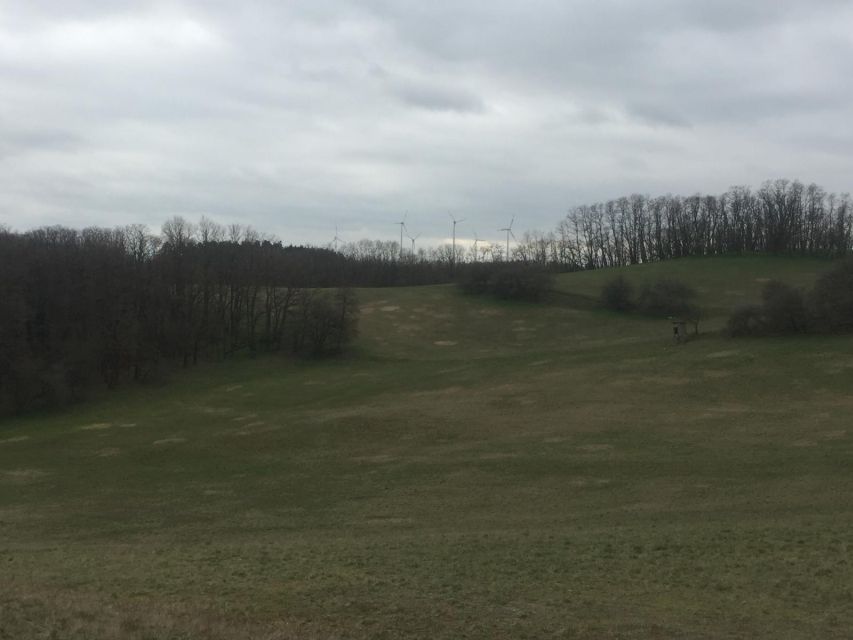
One of the most compelling parts is the panoramic view of the battlefield terrain. This is where the tour helps you understand the scale without forcing you to do math in your head.
When you have a wide view, a few things get clearer quickly. You can see how long lines and fields might look from key positions. You can understand why cover and elevation mattered. You can also grasp why a battle could become “second deadliest” in impact, because the physical space for operations is huge.
It is also emotionally easier to process history here. Museums give you facts, trenches give you lived-in reality, and panoramic viewpoints help you connect those facts to geography. The result is a mental model that sticks.
If you take photos, do it after you listen. The terrain view gets better when you know what you are trying to see, which is why the tour builds the lesson in order.
Price and value: what $152 buys you, and what to plan for
At $152 per person for an 8-hour day, the value depends on what you want most: access, coaching, or convenience. Here you get all three.
Included items that reduce your own planning load:
- Air-conditioned and heated transport
- Entrance to the Seelow Heights War Museum
- A small bottle of water
- WiFi access inside the vehicle
- Rain ponchos if needed
- English live guide
- Skip the ticket line
The small group size is also part of the value. Limited to 8 participants, it tends to mean your guide can keep questions moving and you spend less time watching from the back of a crowd.
The one clear cost you need to plan for is food. Since food and snacks are not included, bring something simple, or plan to buy during any free time on your own. A day with outdoor walking adds up fast, and hunger can blunt your attention span.
Considering the drive time from Berlin, the museum entry, and the guide time, this price feels fair if you are genuinely interested in WW2 history that is less “headline-famous.” If you only want iconic sights and easy light walking, you might prefer a more general WW2 program. But if you want the Eastern Front and tactical ground truth, this is a solid spend.
Who should book, and who may want to think twice
This tour is a strong fit if you:
- Care about the Eastern Front and want a battle that is often overshadowed
- Like learning tactics, not just dates
- Enjoy museums that include maps and artifacts, then want to test those ideas outside
- Want a small-group day trip from Berlin instead of a big bus tour
It is not a great fit if you have mobility impairments. The format includes outdoor walking and standing at trench positions, and the tour is explicitly not suitable for that.
If you are traveling with kids, it can work only if they genuinely handle historical sites and walking. One family-friendly angle that stands out from the experience description is that the guide can make the day understandable even when you know little at the start. Still, comfortable shoes and patience matter.
And if you already did the main Berlin WW2 highlights, this is a nice change of pace. It takes you away from the biggest city sites and into a less crowded, more focused story.
Should you book the Battle for Seelow Heights tour?
Yes, if you want WW2 history that you can walk through and reason about. The combination of museum context, trench-position time, and tank-obstacle viewing, plus tactical teaching in English, is what makes this day feel like more than sightseeing.
Book it now if you like small groups and you value practical comfort like heated transport and rain ponchos, and you are willing to bring your own snacks. Skip it if mobility is an issue, or if you prefer a low-walking, low-effort historical day.
If you are a WW2 history fan, or you want to level up your understanding of how infantry and combined arms shaped real outcomes, this is the kind of tour you remember long after the photos fade.
FAQ
How long is the Seelow Heights WW2 tour?
It runs for 8 hours.
Where do I meet for the tour in Berlin?
You meet at the Park Inn by Radisson Berlin Alexanderplatz Hotel, at the main vehicle entrance opposite Burger King.
Is the tour guided, and what language is it in?
Yes, it has a live English-speaking guide.
What’s included in the price?
Included are air-conditioned and heated vehicle transport, a small bottle of water, entrance to the Seelow Heights War Museum, and WiFi access inside the vehicle, plus rain ponchos if it rains.
Is food or snacks included?
No, food and snacks are not included.
Does the tour run in bad weather?
Yes, the tour runs rain or shine, and you receive rain ponchos if needed.
How big is the group?
It is limited to 8 participants.
Is the tour suitable for people with mobility impairments?
No, it is not suitable for people with mobility impairments.
Fresh on the arrivals board for Berlin



Third Reich & World War II Tours, compared.



Berlin’s Best: 2 Hour Walking Tour Third Reich and the Cold War
Read our review →
Third Reich Berlin: Hitler and WWII Walking Tour
Read our review →
Walking Tour of Former Nazi Party Rally Grounds
Read our review →
Browse the lists this tour appears in