
Reviewed · BERLIN WALL TOURS
2 hour Private Walking Tour: The Berlin Wall & the Cold War
Walking the Wall ground makes history physical. This private 2-hour Berlin Wall and Cold War walk takes you through the places where the Iron Curtain became real, from escape attempts along Bernauer Strasse to the border-crossing stories around Bornholmer Strasse, finishing near Alexanderplatz.
What I liked most was the way your guide ties each street corner to the bigger Cold War picture. I also love the focus on human detail, including how people tried to get out and what it felt like living under a tightly controlled GDR system.
One consideration: since it is a private walk, you are paying for guide time and a tighter route. If you want a slow, museum-style visit with lots of wandering on your own, you might prefer adding a standalone stop after the tour.
In This Review
- Key highlights worth noting
- Cold War Berlin you can actually walk through in 2 hours
- Your private historian guide, and why the guide matters here
- Getting oriented at the Berlin Wall Memorial on Bernauer Strasse
- Walking the “death strip” concept without losing the plot
- Gethsemane Church in Prenzlauer Berg and the late 1980s pressure
- Bornholmer Strasse and what a border crossing really meant
- East Side Gallery remnants, and how memory sticks to walls
- Alexanderplatz: ending in a major transport hub where Berlin moves on
- Price and value for a $142.97 private 2-hour walk
- What kind of traveler should book this?
- Should you book this Berlin Wall and Cold War private walking tour?
- FAQ
- How long is the private walking tour?
- Is this a private tour or a group tour?
- Where does the tour start and where does it end?
- Is the tour in English?
- Is admission included?
- Is a mobile ticket used?
- Are service animals allowed?
- What is the cancellation policy?
Key highlights worth noting

- Bernauer Strasse Wall Memorial where you walk the divided ground, including the preserved Wall section and the watchtower view
- Escape attempts explained with concrete stories about families, risk, and the way the death strip worked
- Gethsemane Church, Prenzlauer Berg and the civil rights gatherings that helped build pressure in the late 1980s
- Bornholmer Strasse border crossing to understand why crossings mattered and how the GDR enforced control
- Alexanderplatz as the wrap-up point in today’s Mitte, so the Cold War story lands in a real transport hub
Cold War Berlin you can actually walk through in 2 hours
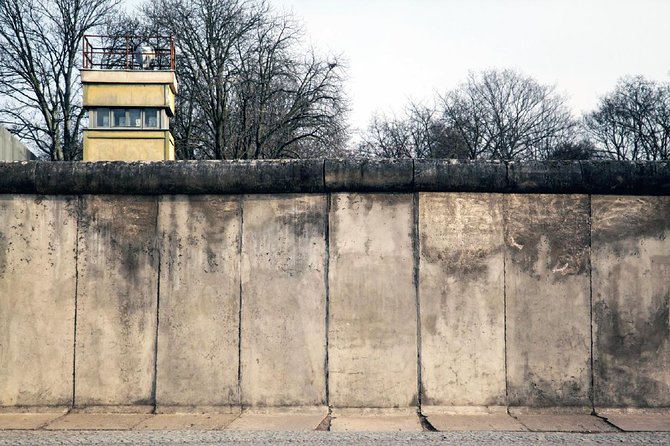
Berlin’s Cold War story is often told with big names and big dates. This tour helps you connect those headlines to real streets, real buildings, and real barriers. Even if you have read about the Berlin Wall before, the effect is different when you are standing on the same ground where people planned escapes and where authorities tried to prevent them.
The pacing is built for a half-day experience. You get enough time to grasp the logic of the system, not just memorize dates. And because it is private, you can ask your guide to explain what you are seeing, not just hear a scripted talk.
If you are traveling with kids, or you want something more story-driven than a textbook, this kind of street-level history usually works better than you expect. Just wear comfy shoes, because the best way to understand the Wall is on foot.
More traces of the Wall through Berlin:
- Berlin: Third Reich & Cold War Guided Walking Tour
★ 4.9 · 8,378 reviews - Berlin’s Best: 2 Hour Walking Tour Third Reich and the Cold War
★ 5.0 · 5,486 reviews - Skip-the-Line: Berlin Wall Museum at Checkpoint Charlie
★ 4.1 · 2,041 reviews
Your private historian guide, and why the guide matters here
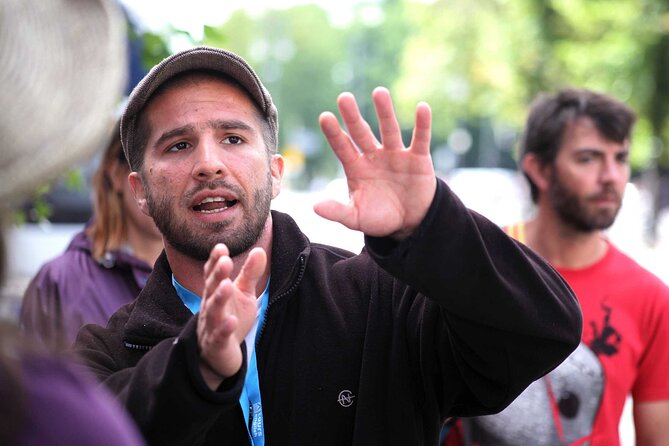
The tour is designed around an expert historian guide, and that is not just marketing fluff. Cold War Berlin is full of propaganda, slogans, and competing narratives. A good guide helps you sort what matters and why it mattered, without turning the walk into a debate club.
I found the guide factor especially important because the tour covers both sides of the Berlin Wall story. You are not only looking at what happened in the East, you are also seeing how the division shaped the whole city and the Cold War collision between superpowers.
One small but real win: the guides connected the story to what you can still see today. For example, in past outings, guides such as Rachel Wells and Alex were praised for explaining DDR era and reunification context through the actual sites you walk past. That is exactly what you want from a guided walk, because the streets are your classroom.
And yes, it is in English, so you should feel comfortable keeping the conversation going.
Getting oriented at the Berlin Wall Memorial on Bernauer Strasse
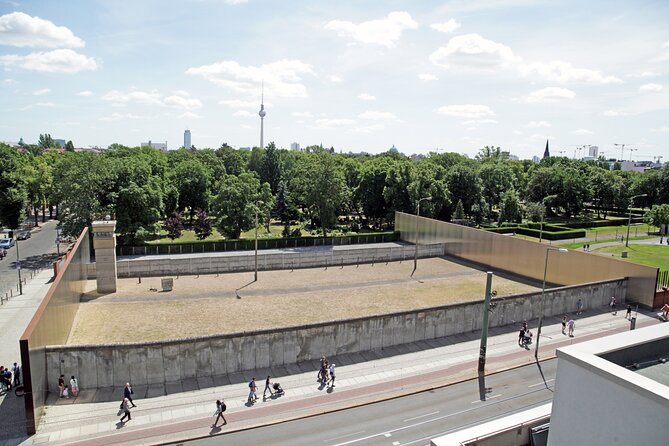
The heart of the experience starts at the Berlin Wall Memorial at Bernauer Strasse. This area is one of the most powerful spots in Berlin for understanding what the Wall meant, because it forces you to picture the separation as more than a line on a map.
From here, your guide walks you through several layers at once:
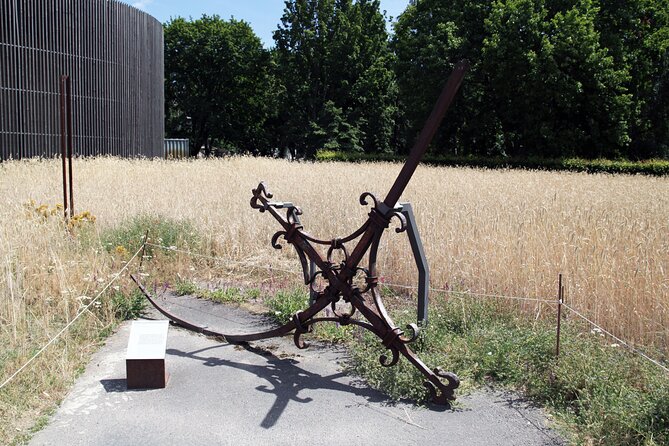
- the physical design of division, including preserved Wall sections
- the watchtower and why surveillance was part of daily life
- the human consequences, from escape attempts to divided families
- how the political system shaped behavior on the ground
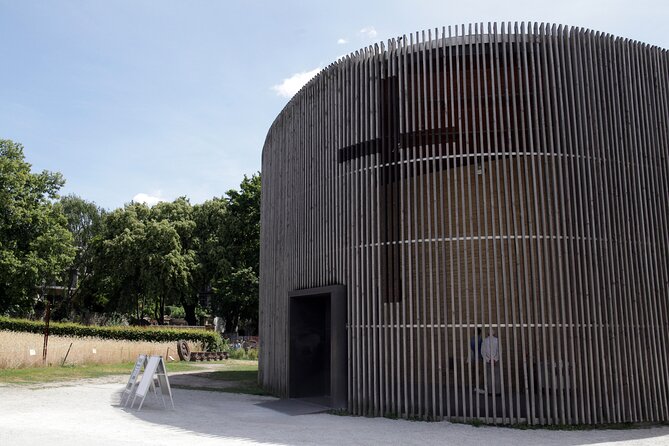
You are also taken through the memorial areas, including a memorial chapel honoring those who lost their lives trying to cross to freedom. The tone is understandably emotional here, but the value is also practical. You leave with a clearer idea of how the border worked and why so many attempts were so risky.
One practical tip I would give you: bring your curiosity. Questions like How did people get near the Wall? or What did the authorities do to stop them? will get you the most out of this stop. The guide’s job is to translate those questions into what you can see in front of you.
Walking the “death strip” concept without losing the plot
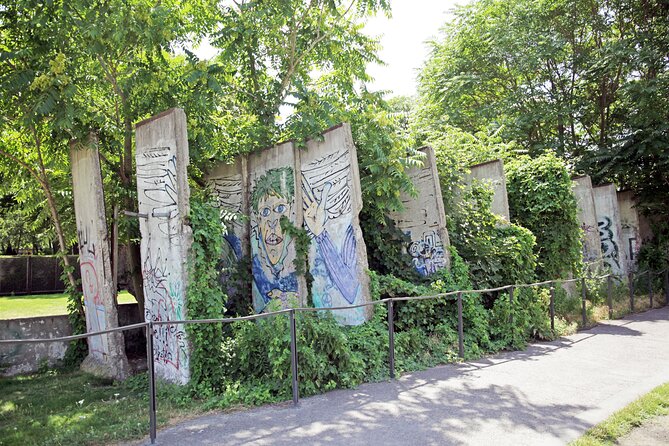
A big theme in this tour is retracing the trail associated with the death strip. That is the kind of term you hear in history classes, but it often stays abstract.
On this walk, the idea becomes tangible. You are guided along the preserved grounds and nearby segments tied to escape attempts, so you start understanding the sequence: approach, exposure, barriers, and the constant pressure of being watched.
This is where a private setup helps. If you are the type who likes to connect events, you can ask your guide to explain how the cold facts of security influenced the hopes and decisions of ordinary people. If you prefer less intensity, you can keep the questions lighter and focus more on how Berlin’s map changed.
Either way, your guide keeps the explanation centered on the Cold War context, from after World War II onward, all the way toward the collapse of the Wall. That arc matters, because the Wall is not only a structure, it is a timeline.
Gethsemane Church in Prenzlauer Berg and the late 1980s pressure
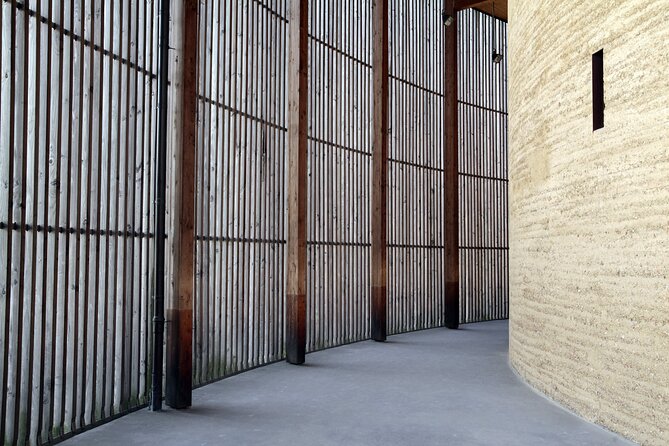
After the Wall Memorial, you move toward the neighborhoods and landmarks that show how civic life pushed against the system. One key stop is Gethsemane Church in Prenzlauer Berg, described as the best-known church in the locality.
This is a meaningful change of pace. The church connects the Cold War story to the civil rights movement, especially in the late 1980s when activists gathered there to protest. Seeing that setting helps you understand that pressure did not come only from dramatic escape attempts. It also came from people organizing, speaking up, and building momentum.
Even if you already know the general timeline of the late 1980s, it helps to place those protests in a specific location. The physical setting makes the movement feel more real and less like a headline.
Bornholmer Strasse and what a border crossing really meant
Then comes a key geography lesson: Bornholmer Strasse, one of the border crossings between East and West Berlin.
This stop is valuable because it clarifies why border crossings were not only about getting from point A to point B. They were about control, rules, and the power imbalance between the sides. Your guide explains what it meant to live in the GDR as one of the Eastern Bloc’s most heavily policed states, and you connect that explanation to what border crossings represented day to day.
In your mind, the Cold War often becomes two superpowers trading threats. This stop helps you remember the local reality: rules you could not casually break, movement you had to earn, and a system that treated borders as a major tool of power.
East Side Gallery remnants, and how memory sticks to walls
The walk also includes stops connected to the Wall beyond the memorial zone, including the area associated with the East Side Gallery. The idea is simple but powerful: the Wall is gone, but its presence is still visible through remaining segments and how artists and memory-makers reinterpret the past.
This part of the experience works well because it prevents history from turning into pure tragedy. You still respect what happened, but you also see Berlin wrestle with the Wall’s meaning after the collapse.
If you like photo stops, this is one of those sections. If you prefer learning, your guide will help you interpret what you are seeing, not just where to stand for a good picture.
Alexanderplatz: ending in a major transport hub where Berlin moves on
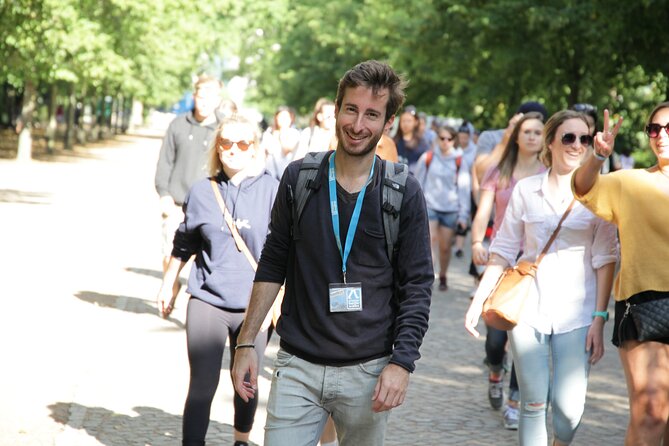
The tour ends at Alexanderplatz, a large public square and transport hub in the Mitte district. That is a smart choice of ending point because it shows you Berlin continuing forward.
You get to hold two thoughts at once:
1) the Cold War division was permanent in its own way
2) the city has also rebuilt itself and moved on
Ending near a place where people commute and meet makes the history feel less like a sealed exhibit. It becomes part of the city you are actually traveling through.
If you are planning the rest of your day, Alexanderplatz is convenient for transit connections and nearby sights. Just give yourself a little time buffer afterward, since the tour can leave you wanting to look at the streets again with fresh eyes.
Price and value for a $142.97 private 2-hour walk
At about $142.97 per person for a private 2-hour walking tour, the price lands in the category where you should ask one question: am I buying clarity and context, or just a basic sightseeing loop?
In this case, you are paying for:
- a historian guide who connects sites to the Cold War arc
- a private format, meaning your group is the only group participating
- a route built around major Wall-related locations, not random sightseeing
- an admission ticket included for the memorial stop (listed as included for the first stop)
That is the value argument. If you are the kind of traveler who learns best from explanation and street-level interpretation, this is likely worth it. If you mainly want background music while you wander, you can probably do the sites on your own for less.
Also, the tour is commonly booked fairly far in advance, which is another signal. Popular Berlin experiences tend to sell out, especially the ones people like for the guide. If you want a specific time window, plan ahead.
What kind of traveler should book this?
This tour fits you if:
- you want a structured walking experience without committing to full-day museum plans
- you care about the Cold War story and how it played out in Berlin’s daily geography
- you like hearing why sites matter, not only what they are called
- you value a private, flexible format where your questions can steer small parts of the walk
It may be less ideal if you want long, self-guided time at memorials and galleries. This is built to be efficient and focused, not to replace independent exploration.
A quick comfort note: it is a walking tour, so you should be ready for steady pavement time. If your schedule is tight, it is still a good fit because it is only around two hours.
Should you book this Berlin Wall and Cold War private walking tour?
If you want Berlin’s Cold War story in a form you can feel under your feet, I think you should book it. The best reason is the combination of key sites and clear historical storytelling in a compact format.
Pick this tour especially if you care about the human side, the escape attempts, and how activism in places like Prenzlauer Berg helped push the system toward collapse. And if you are picky about guides, you can feel confident from the strong track record, including praise for guides like Rachel Wells and Alex for turning facts into something you understand on the spot.
If you are unsure, do this small reality check: you are paying for explanation. If you will actually use that while you walk, this is a smart purchase. If you prefer to read signs yourself and move at your own pace, save your money and build a DIY route.
FAQ
How long is the private walking tour?
The tour is about 2 hours.
Is this a private tour or a group tour?
It is a private tour, and only your group participates.
Where does the tour start and where does it end?
It starts at Gartenstraße 85, 10115 Berlin. The experience includes the Berlin Wall Memorial area on Bernauer Str. 111, and it is described to end at Alexanderplatz in Mitte.
Is the tour in English?
Yes, it is offered in English.
Is admission included?
Admission is included for the memorial ticket at the first stop.
Is a mobile ticket used?
Yes, it uses a mobile ticket.
Are service animals allowed?
Service animals are allowed.
What is the cancellation policy?
You can cancel for a full refund up to 24 hours in advance of the experience start time. If you cancel less than 24 hours before, the amount paid is not refunded.
Cities at Walking Speed
- Discover Berlin Half-Day Walking Tour
★ 5.0 · 9,624 reviews - Berlin City walk Government District and Places of Democracy
★ 4.7 · 8,467 reviews - Munich: Third Reich & WWII Walking Tour
★ 4.6 · 6,181 reviews - Berlin: Discover Berlin Walking Tour
★ 4.9 · 5,998 reviews
Fresh on the arrivals board for Germany

Berlin Wall Tours, compared.
Berlin’s Best: 2 Hour Walking Tour Third Reich and the Cold War
Read our review →
Skip-the-Line: Berlin Wall Museum at Checkpoint Charlie
Read our review →
East Side Gallery Spree Cruise in a Solar Catamaran
Read our review →
Cold War, Berlin Wall, Spies and the East Side Gallery
Read our review →
Cold War & Berlin Wall History Guided Bike Tour
Read our review →
Browse the lists this tour appears in