
Reviewed · WALKING TOURS
Rüdesheim: Private Guided Walking Tour
Rüdesheim has small-town charm and big-screen trivia. This private guided walking tour mixes half-timbered streets, Roman wine roots, and a vineyard cable car ride with views tied to the Niederwald Monument and Elvis lore. I especially like how it threads history into places you can actually see, not just stand near. One possible drawback: entrance fees are not included, so a museum stop may cost extra.
You’re in Rheingau on the right bank of the Rhine, the classic gateway area for the Lorelei Valley. I love that the tour focuses on what makes Rüdesheim feel lived-in, including winegrowing right in town-center lanes instead of off in some distant hillside photo spot.
The tour is only 2 hours, and you get a local guide with your group only, speaking English or German. That short format is great if you want standout highlights without burning a whole day, and it can also be adjusted on the spot if you tell your guide what you care about most.
In This Review
- Key things to know before you go
- Rüdesheim’s compact charm: why 2 hours feels like the right amount
- Meeting at the cable car fountain: where the walk starts
- Half-timbered lanes and Drosselgasse: the Rhine’s wine street at full volume
- Roman wine-making roots you can spot without a textbook
- The cable car ride: the panorama and what to look for
- Niederwald Monument and the Elvis story: where film trivia meets local meaning
- Market Square fountain and the wine-drinking figure: small symbols, clear story
- Klunkhards Estate and curved half-timbered architecture: details you’ll want to remember
- Brömserburg Castle and bishops of Mainz: why fortresses sit where they do
- Siegfried’s Mechanical Music Cabinet at Brömserhof: when history sounds like a machine
- Torture Museum and the witch-hunting context: the darker side of medieval justice
- The Romantic Rhine fortress storyline: turning buildings into a map
- Value and price: is $280 per group up to 15 worth your time?
- What makes the guides here a standout (and how to get more from them)
- Who this tour suits best
- Should you book this Rüdesheim private guided walking tour?
- FAQ
- FAQ
- How long is the Rüdesheim private guided walking tour?
- What is the group size for this private tour?
- Where do we meet the guide?
- What languages are available for the tour?
- What is included in the tour price?
- Are entrance fees included?
- How much does the tour cost?
- Can the tour be customized during the experience?
- Is there free cancellation, and can I pay later?
Key things to know before you go
- Half-timbered old town, built for walking: narrow streets, courtyard restaurants, and the feel of old Rhine trading routes
- Cable car views over vines, Rhine, and Niederwald: you get the panorama the region is known for
- Elvis-linked Niederwald Monument stories: plus a small secret tied to the famous film connection
- Old Town wine culture in Drosselgasse: a long strip of tavern life, built for boat owners
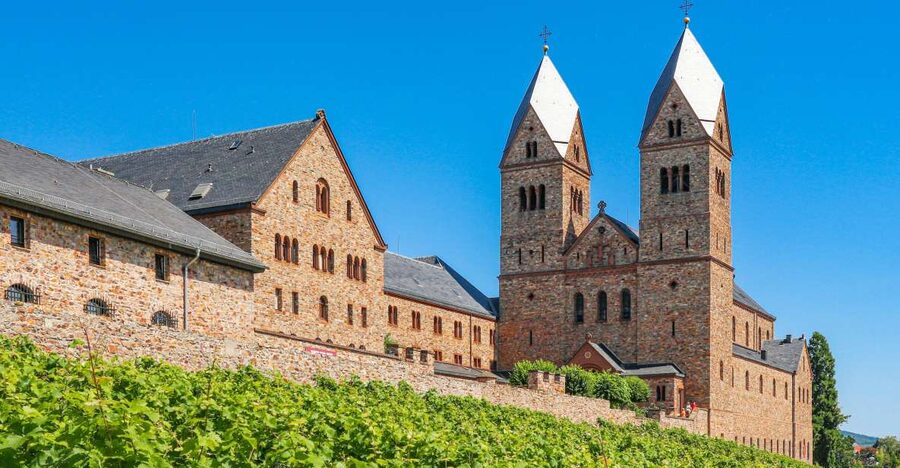
- Medieval fortress context along the Romantic Rhine: you learn why castles sit where they do
- A darker stop at the Torture Museum: medieval punishment and witch-hunting in Germany, framed by history
Rüdesheim’s compact charm: why 2 hours feels like the right amount
Rüdesheim is the kind of Rhine town that can trick you. From afar, it looks like a sightseeing stop. Up close, it feels like a real place with working wine culture, old houses, and streets that still move at a human pace.
A 2-hour tour hits the sweet spot because it’s long enough to connect the dots, but short enough that you stay flexible. You’ll be able to keep walking afterward on your own, or add a meal stop in the areas your guide points out.
I also like that this is a private group format with a guide who stays with you the whole time. That matters in old towns, where the best stuff is often the small details: a doorway carved in wood, a building curve, or a monument view that only makes sense with a story attached.
More German cities at walking speed:
- 1,5 Hour Private Guided Walking Tour: Cathedral and Old Mainz
★ 5.0 · 25 reviews - Mainz Highlights, private walking tour
★ 4.9 · 15 reviews - Mainz Old Town: A Self-Guided Walking Tour
★ 5.0 · 10 reviews
Meeting at the cable car fountain: where the walk starts
You’ll meet at the fountain in front of the Rüdesheim Cable Car entrance, Oberstraße 37, 65385 Rüdesheim am Rhein. It’s a handy start because it anchors you right in the action, near the landmark that gives you the best viewpoint over the vines and river.
If you’re arriving from elsewhere in the Rhine valley, this is also an easy reference point. You don’t need guesswork about where to regroup, and you can orient fast before you start moving.
Since the tour is timed and compact, I recommend showing up a few minutes early. In towns like this, streets can look similar, and you do not want to spend your first five minutes checking signs instead of looking up at the half-timbered facades.
Half-timbered lanes and Drosselgasse: the Rhine’s wine street at full volume
One of the first streets you’ll hit is Drosselgasse, the Old Town heart where the vibe is instantly recognizable. This lane is famous for its taverns and courtyard restaurants, and it’s part of how Rüdesheim became a social stop for centuries of visitors and wine lovers.
You’ll also learn why the street has the layout it does. Drosselgasse was built so boat owners could settle into town, which is a useful lens. Suddenly the busy wine storefronts and gathering spots feel less like a theme park and more like a practical riverside life that grew into tradition.
As you walk, pay attention to the way half-timbered buildings frame the narrow space. It makes the town feel like it’s drawn in ink, and it also affects sound, so the street’s energy is more noticeable than you’d expect from the sidewalk.
Roman wine-making roots you can spot without a textbook
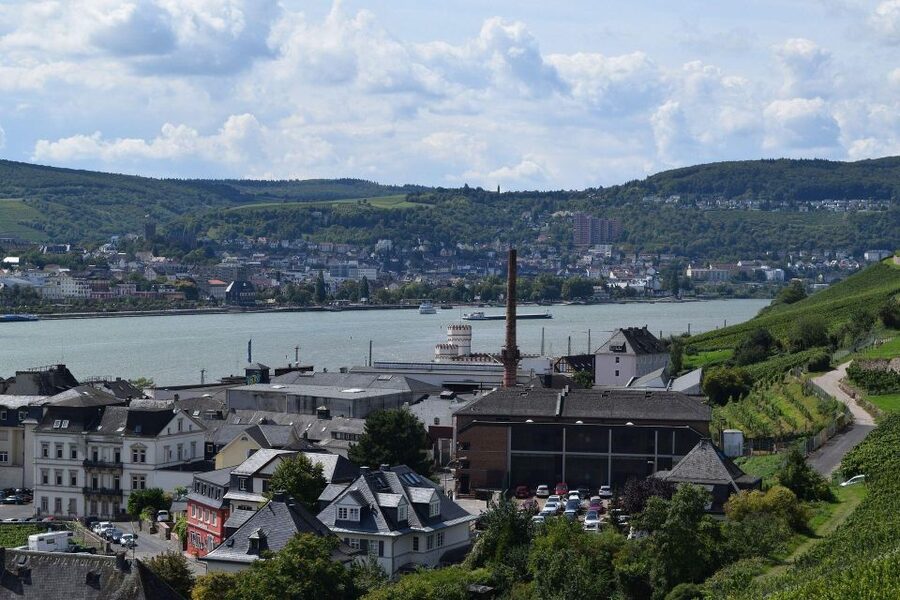
Rüdesheim’s wine-making tradition is rooted in Roman influence, and this tour brings that idea down to street level. Some vineyards are actually right in the middle of the town, which explains why Rüdesheim doesn’t feel separated into “historic core” and “wine countryside.”
For me, that’s the big value here. If you love wine culture but you hate generic winery shopping, this gives you context by showing how wine fits into everyday architecture and daily life.
Even if you don’t drink much, you’ll likely notice the pattern: buildings positioned to face the river and streets that make sense for people who moved goods by boat and cart. Wine is not an add-on in Rüdesheim. It’s part of the urban plan.
The cable car ride: the panorama and what to look for
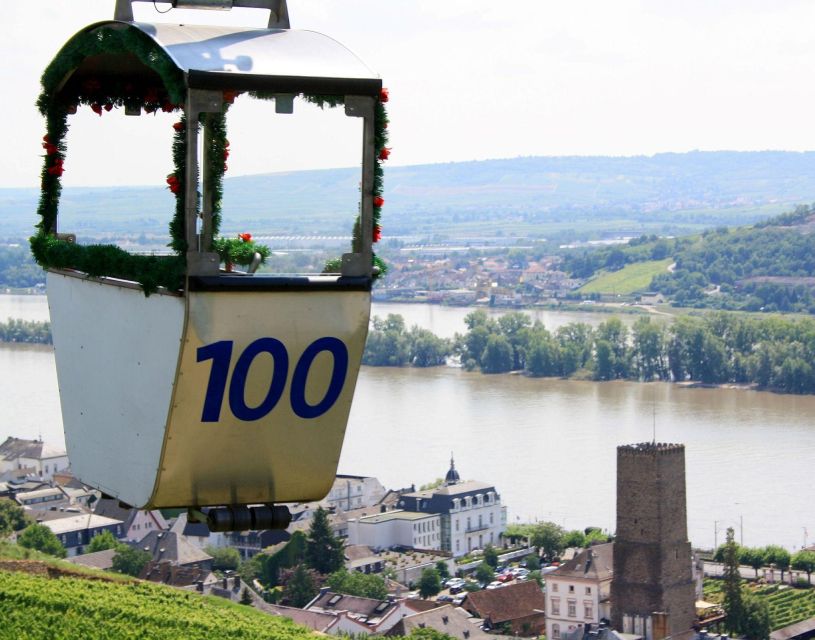
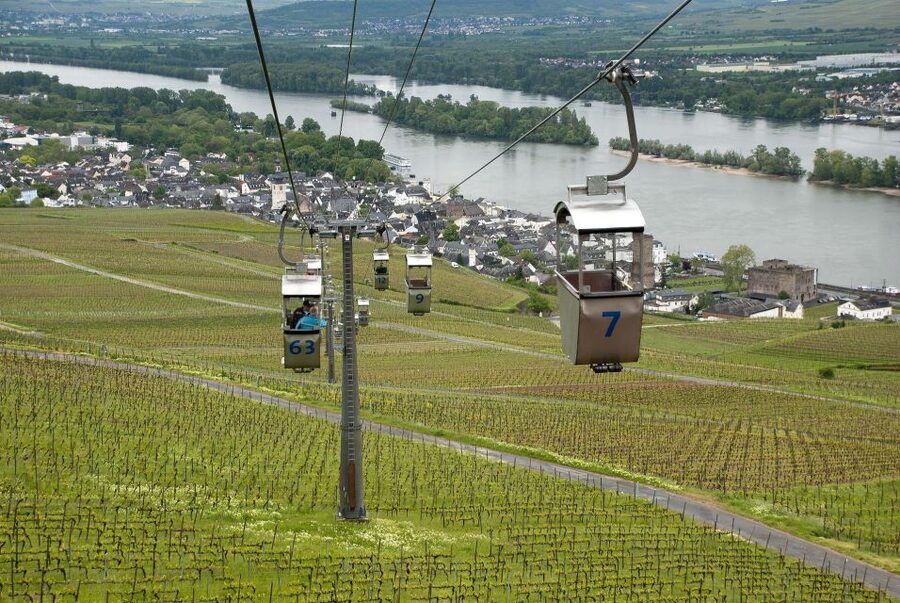
The tour includes a cable car ride to some of the best views over the vines and the Rhine. From above, the region’s geography clicks into place, and you can connect the town’s wine slopes to the river corridor.
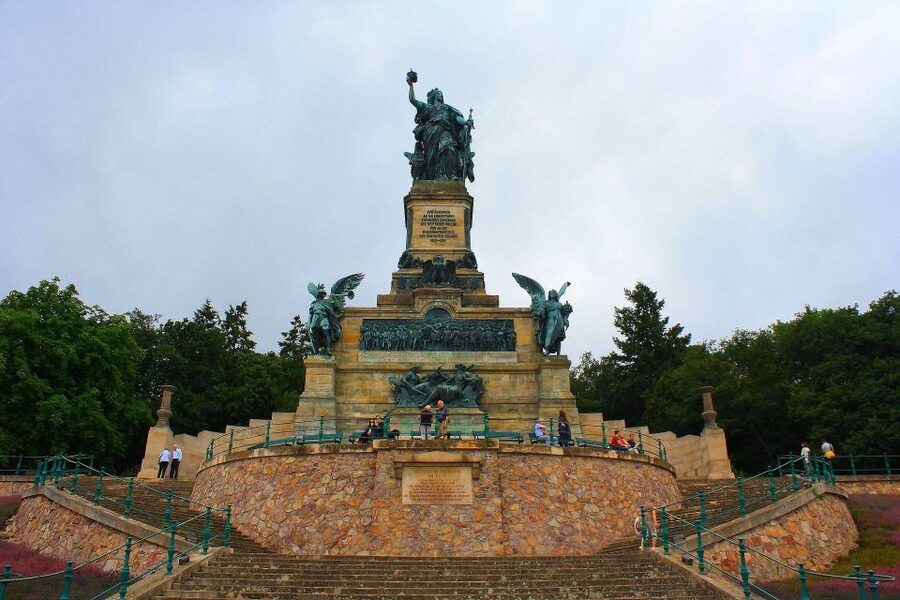
From the viewpoint, you’ll be able to see the Niederwald Monument and its main figure, Germania. That’s where the tour gets extra fun, because the monument has a Hollywood connection through the film G.I. Blues, starring Elvis Presley.
This is one of those rare moments where pop culture becomes a practical navigation tool. With your guide’s explanation, you stop seeing the monument as just another landmark on the hill, and start recognizing why it’s so visually tied to the Rhine view.
Also holding a platform in the Rhine Valley



Niederwald Monument and the Elvis story: where film trivia meets local meaning
The Niederwald Monument is the centerpiece of the upper view, and your guide will connect the historical context with the modern pop culture pull. You’ll learn the monument’s significance and the role of Germania in its imagery.
And yes, you’ll also hear about the Elvis connection. The film made the site famous for Elvis lovers worldwide, and your guide shares a small secret about it and Elvis himself.
I like this part because it avoids turning the tour into a pure trivia hunt. The point is to understand why the monument is meaningful in the first place, then appreciate how film made it travel across the globe as a recognizable icon.
If you’re an Elvis fan, keep your eyes up while you ride. The view matters here, and the monument only really lands when you’ve seen the town and river layout from above.
Market Square fountain and the wine-drinking figure: small symbols, clear story
Back down at street level, you’ll stop at Market Square. The highlight here is the fountain decorated with a statue of a wine-drinking man.
This sounds minor until your guide puts it into context. Symbol fountains like this often reflect local pride in wine culture and community identity, and it’s a quick way to read the town’s character without needing tickets or long explanations.
Also, fountains are natural “pause points” during a walking tour. You can rest your legs, take a few photos, and make sure you’re still with your group before the next stretch.
Klunkhards Estate and curved half-timbered architecture: details you’ll want to remember
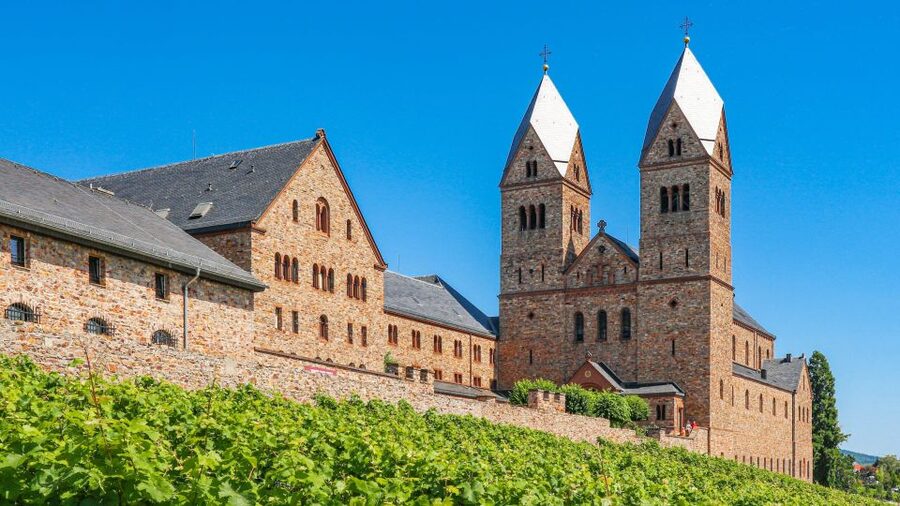
Another standout stop is the Klunkhards Estate, described as an architectural pearl with a 16th-century slightly curved half-timbered design. Curved timber framing is not something you see every day, so it’s a practical reminder that the town’s builders had flair as well as function.
Buildings like this reward close looking. From a few steps away it’s picturesque. From inches away, you notice how the framing interacts with the street and how the curve changes the feel of the facade.
If you’re the type who likes architecture photos, this is where you’ll get them without the hard work of hunting for angles alone. Your guide helps you orient, then you can spend a few quiet minutes soaking it in.
Brömserburg Castle and bishops of Mainz: why fortresses sit where they do
The tour includes Brömserburg Castle, originally the residence-stronghold of the bishops of Mainz. It dates back to the 10th century, and it’s tied directly to the power structure that shaped this stretch of the Rhine.
I love fortress stops when the guide explains placement. Castles on the Romantic Rhine were not random scenic props. They were strategic control points over river movement, trade, and protection, and your tour frames that idea as you walk.
You’ll also see aristocratic half-timbered residences in the same area, including the 16th-century Brömserhof. This blend matters because it shows how “fortress power” and “everyday elite life” coexisted.
Siegfried’s Mechanical Music Cabinet at Brömserhof: when history sounds like a machine
At Brömserhof, the tour points to Siegfried’s Mechanical Music Cabinet, a large collection of musical instruments dating back roughly three centuries. Even if you do not plan to enter (entrance fees may apply), the stop is still meaningful because it connects Renaissance-era building style to cultural collecting.
Mechanical music collections are the kind of quirky history that stick with you. It’s a reminder that Rhine towns weren’t only about wine and politics. They were also about leisure, craftsmanship, and entertainment technologies.
If you do have time and the site is open, it’s worth considering since this is exactly the sort of indoor “weather-proof” interest that makes a short tour feel more complete.
Torture Museum and the witch-hunting context: the darker side of medieval justice
On Oberstraße, the “upper street,” you’ll find the Medieval Torture Museum. This stop illustrates punishment and torture in the Middle Ages and also covers witch-hunting in Germany.
This is not a fun-and-fluffy theme. It’s heavy subject matter, and a good guide matters because the tour keeps it tied to historical context rather than sensational shock value.
If you are sensitive to disturbing topics, you can still use this stop strategically. The value is understanding how societies justified fear and control, and how that shaped real legal processes. Your guide’s framing helps you keep it factual and historical.
Also, because entrance fees are not included, check what costs are involved if your guide plans for you to enter the museum. If you prefer to view only what you can see from outside, you can still appreciate the broader story of why this part of town was set up the way it was.
The Romantic Rhine fortress storyline: turning buildings into a map
One of the tour’s best skills is connecting separate sights into a single story about fortresses along the Romantic Rhine. You’ll learn why medieval fortresses became signature features here and what they guarded.
That turns your photos into something more useful. Instead of random castles on hills, you start seeing them as a coordinated system of influence along a river highway.
This is exactly why a guided format is worth it for a short stay. Without the story, you’d know you visited “castle area, old town, monument.” With the story, you understand what those places were doing.
Value and price: is $280 per group up to 15 worth your time?
The price is $280 per group, for up to 15 people, and the experience lasts 2 hours. That’s the main value math: you’re paying for a private guide for a limited block of time, not per person in a big crowd.
For couples or small friend groups, the private format can feel like a splurge. But if you split it between a few people, the cost per head becomes much more reasonable, especially compared with paying for multiple attractions on your own.
Also, the guide adds real value by tailoring the walk on the spot. When your guide can adjust based on your interests, you avoid wasting time on stops you do not care about.
My rule of thumb: if you like history but do not want the burden of planning a route and interpreting everything yourself, this price makes sense. If you prefer to wander without a plan at all, you might do just fine without a guide, since Rüdesheim is walkable.
What makes the guides here a standout (and how to get more from them)
The strongest theme in the guide feedback is that people feel welcomed, treated kindly, and guided well. Ludwig is one example mentioned as friendly and prepared, and that preparation shows in how smoothly the stops connect.
You can get extra value by asking one question early. For example: What is the most practical next stop after we finish today, based on what I care about, wine, views, architecture, or darker history?
The best part about a tour like this is the momentum. You’ll leave with a mental map of the town, plus a short list of places you can safely chase on your own afterward.
If you want to squeeze maximum value from the 2 hours, come with one priority. Elvis film connection, Roman wine roots, fortress history, or the torture museum context. Your guide can then steer you toward the angle you’ll enjoy most.
Who this tour suits best
This is a great fit if you:
- Want a short, structured introduction to Rüdesheim
- Care about wine culture, but prefer context over a hard sell
- Like your history explained in plain language while you walk
- Enjoy viewpoint moments, especially the cable car panorama
It might be less ideal if you:
- Want a fully self-guided day with no guided storytelling
- Are not interested in fortress history or medieval justice topics
- Need every stop to be fully ticketed and covered, since entrance fees are not included
Should you book this Rüdesheim private guided walking tour?
If you’re spending a short amount of time in the Rhine valley and want a concentrated hit of Rüdesheim’s best themes, I think booking is a smart move. The combination of half-timbered streets, vineyards with a cable car view, Niederwald Monument context, and fortress storytelling is a strong package for a 2-hour window.
Book it when you value guidance. Not just directions, but interpretation that helps you notice what you’d otherwise miss.
Skip it if you’re the type who enjoys wandering with zero structure and you already know exactly which sights you want, because the town is scenic enough to enjoy independently. But if you want a plan that feels human, with a friendly guide and clear payoff, this one is easy to recommend.
FAQ
FAQ
How long is the Rüdesheim private guided walking tour?
The tour lasts 2 hours.
What is the group size for this private tour?
It is a private group, and the price is set per group for up to 15 people.
Where do we meet the guide?
Meet at the fountain in front of the Rüdesheim Cable Car entrance, Rüdesheimer Seilbahngesellschaft, Oberstraße 37, 65385 Rüdesheim am Rhein, Germany.
What languages are available for the tour?
The live guide offers English and German.
What is included in the tour price?
A local professional guide is included, and the guide stays with your group only. Customizing on the spot is also possible.
Are entrance fees included?
No. Entrance fees are not included.
How much does the tour cost?
The price is $280 per group (up to 15 people).
Can the tour be customized during the experience?
Yes, you can customize the tour on the spot with your local guide.
Is there free cancellation, and can I pay later?
Free cancellation is available up to 24 hours in advance for a full refund, and you can reserve now and pay later.
Fresh on the arrivals board for the Rhine Valley

Walking Tours, compared.

Berlin City walk Government District and Places of Democracy
Read our review →
Berlin’s Best: 2 Hour Walking Tour Third Reich and the Cold War
Read our review →
Browse the lists this tour appears in