
Reviewed · LGBTQ-FRIENDLY
Queer Berlin Tour: Birthplace of LGBTQ+ Movements
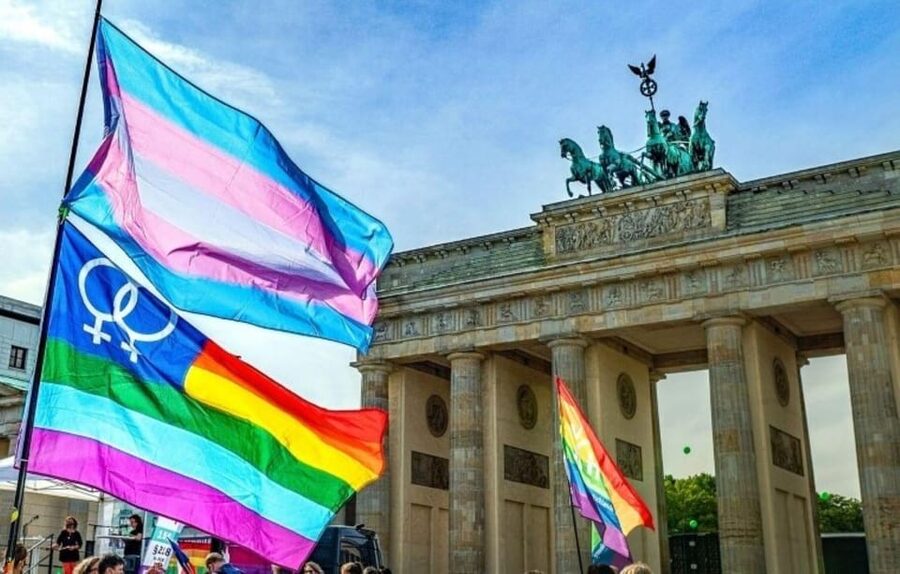
Berlin has a second queer map.
This Queer Berlin Tour traces LGBTQ+ movements through streets, memorials, and nightlife, using real people and real places, from Schöneberg to Cold War Berlin. Two things I especially like are how the stories connect science, activism, and popular culture, and how you see the city change over time instead of treating queer history like a single museum exhibit.
One thing to consider: it’s a 3-hour walking tour, so comfortable shoes and a steady pace matter. Also, the subject matter moves from celebration to persecution, so go in with the right mindset.
In This Review
- Key moments you will talk about and remember
- Why Schöneberg still feels like the center of the story
- Nollendorfplatz and the memorial that forces the truth
- Tiergarten’s Gay Emancipation Monument and Hirschfeld’s big idea
- Unter den Linden and Berlin’s secret life of famous names
- Real de Catorce and the pull of night, danger, and community
- Weimar cabaret, Christopher Isherwood, and El Dorado’s shadow
- Post-war Schöneberg and the rebirth of a queer heart
- Chez Romy Haag, Bowie, and the 1970s love story you did not expect
- Alexanderplatz and what life cost behind the Iron Curtain
- Price and value: what you are really paying for
- Logistics that matter for a smooth experience
- Should you book the Queer Berlin Tour?
- FAQ
- How long is the Queer Berlin Tour?
- How much does it cost per person?
- Where does the tour start and where do you end?
- What languages are available for the live tour guide?
- Is this tour a walking experience?
- What is included in the tour price?
- Is metro fare included?
- Is it available as a small-group or private tour?
Key moments you will talk about and remember
- Schöneberg as the world’s first gay ghetto, including the bar culture that made it famous
- Magnus Hirschfeld and the Institute for Sexual Science, plus what the Nazis destroyed in 1933
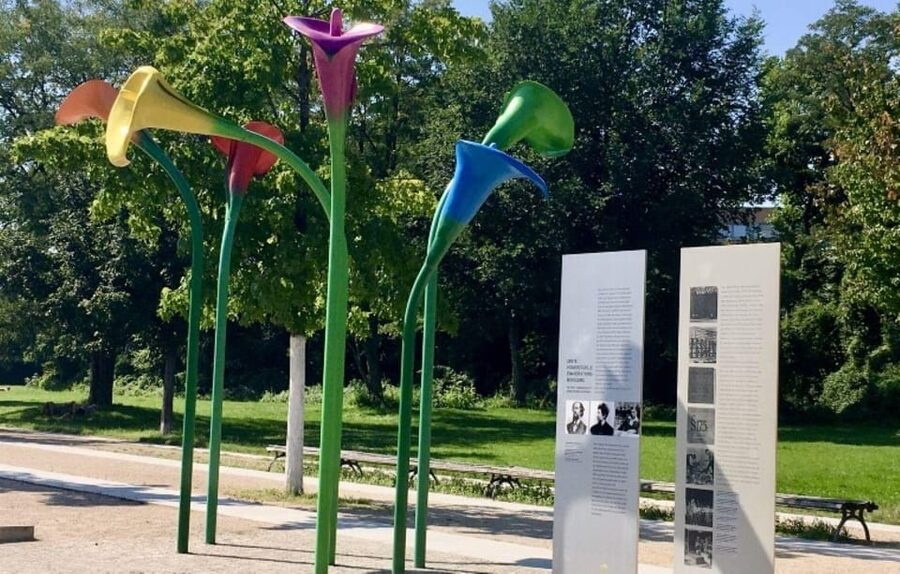
- Tiergarten’s Gay Emancipation Movement monument, a colorful marker tied to legal and social progress
- Christopher Isherwood and Cabaret, where Weimar-era experiences fed global pop culture
- Ernst Röhm and the Nazi “moral purge”, including why Night of the Long Knives mattered
- Alexanderplatz in East Berlin, where being queer meant living with Cold War fear and control
Why Schöneberg still feels like the center of the story
Schöneberg is where this tour starts focusing hard, and for good reason. The neighborhood is often described as the world’s first gay ghetto, and the streets make that idea feel concrete. You are not just hearing that queer culture existed here, you are walking through the kind of city blocks where bars, cruising, community, and politics all overlapped.
I like the way the tour treats Schöneberg as more than a historical label. It is portrayed as a place where social life helped people survive and where visibility came with risk, especially as Germany hurtled toward Nazism. This matters because it reframes “queer history” from one long timeline of oppression into a pattern of community building, backlash, and rebuilding.
You will also get a sense of the neighborhood’s rhythm through references to clubs, cabaret culture, and the kinds of people who could live openly for a moment and then have that moment taken away. That mix of joy and danger is what makes Schöneberg stick in your mind.
Also holding a platform in Berlin
- Berlin: Reichstag, Dome and Government District Guided Tour
★ 4.7 · 18,288 reviews - Berlin: 1-Hour City Tour by Boat with Guaranteed Seating
★ 4.3 · 16,993 reviews - Berlin: TV Tower Standard Entrance Ticket
★ 4.4 · 15,883 reviews
Nollendorfplatz and the memorial that forces the truth
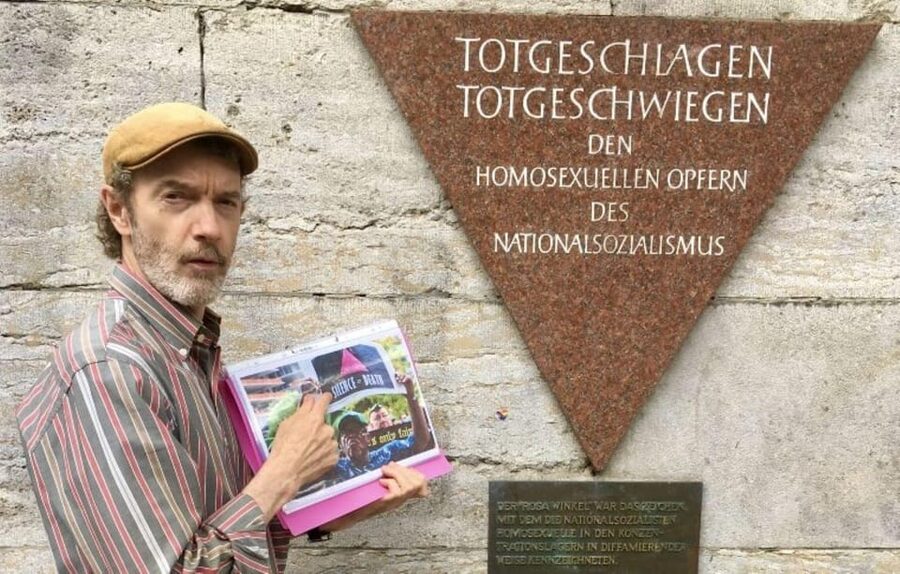
At Nollendorfplatz, you are grounded fast. This is where Berlin’s queer history meets Berlin’s violence head-on through a memorial to homosexual victims persecuted under Nazism. The tour’s approach here is practical, not vague. You are given the why and the how behind the persecution, and you get the sense that the city is still dealing with its own past in public.
I appreciate that this is not treated like a stop-and-snap photo moment. The memorial functions like a checkpoint. It tells you what happened, then the tour keeps going so you can see how people responded in the years after and how queer communities tried to carry on.
A potential downside is emotional. If you know you get worked up by topics like genocide and state persecution, plan to pace yourself and take breaks when you need them.
Tiergarten’s Gay Emancipation Monument and Hirschfeld’s big idea
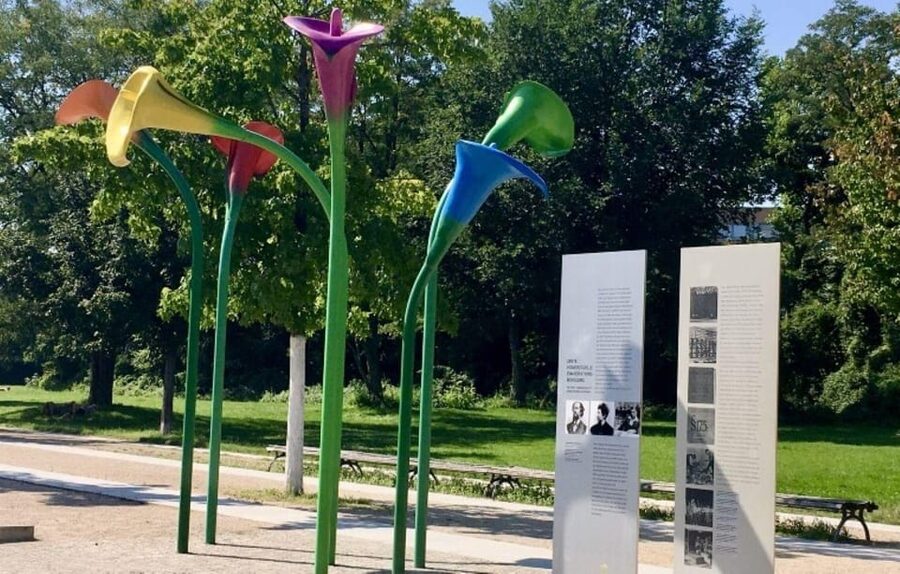
The Tiergarten monument for the Gay Emancipation Movement is one of the tour’s “this is why it matters” stops. It is colorful, which can make it easy to underestimate how serious the story is. The tour corrects that quickly by linking the artwork to the legal and social push for equality.
This is also where Magnus Hirschfeld becomes more than a name. You learn about the Institute for Sexual Science founded on this spot, and about his role in pioneering gay rights and introducing the term transsexualism. You also hear a detail that really lands, because it shows how early pro-queer media was tied to activism: Hirschfeld co-authored Anders als die Andern (Different from the Others) in 1919.
Then the tour pivots to catastrophe. The Nazis closed the Institute in 1933 and burned its library. That sequence is key for understanding Berlin. It shows that progress was real, institutions existed, and culture can be erased when a government chooses brutality. If you remember only one lesson from the science-and-activism part, let it be this: the Nazis did not just persecute individuals, they attacked knowledge itself.
Unter den Linden and Berlin’s secret life of famous names
On Unter den Linden, the tour shifts tone from activists and scientists to historical figures and the coded ways sexuality could exist in public life. You are guided past the idea that even famous names had reasons to hide and reasons to adapt.
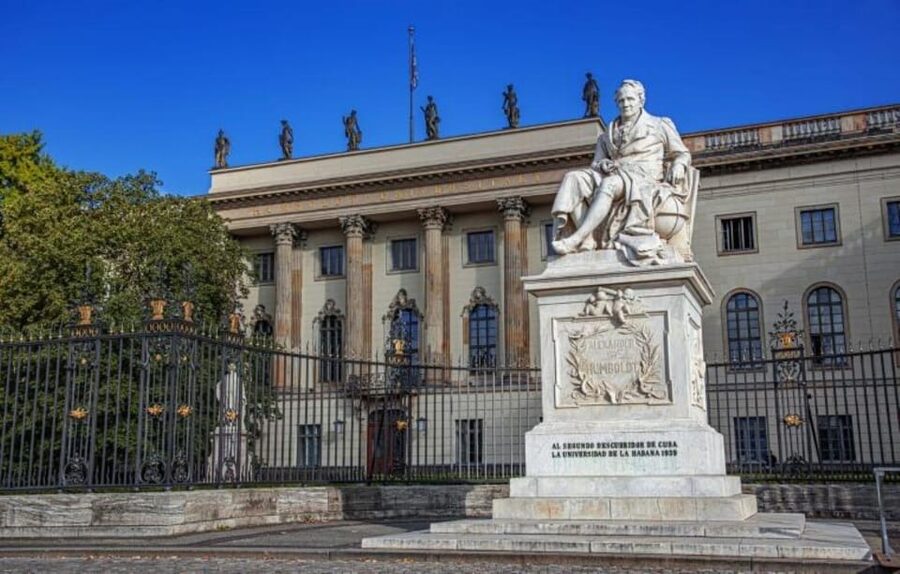
What you learn here is specific and grounded: you hear about early gay Berliners like Prussian King Frederick the Great and explorer Alexander von Humboldt, with a focus on how people “disguised” their sexuality in a time when being open meant real danger. The boulevard setting matters, too, because it makes the contradictions visible. Grand buildings and public fame did not automatically mean safety or freedom.
This section is especially useful if you like your history to feel human. The tour uses big names, but it keeps pulling the story back to behavior, risk, and choices people made to keep going.
Real de Catorce and the pull of night, danger, and community
A stop at Real de Catorce brings the tour closer to the nightlife layer of queer Berlin. The emphasis is on the way social spaces helped people find each other, even when law and society pushed them underground. You also get references to legendary nightlife scenes and how some spots stayed queer-run for a long time.
From a practical standpoint, this is one of the most interesting parts to read as a map. Berlin’s nightlife is a huge part of the city’s reputation today, but this tour shows you that modern energy grew out of earlier patterns: bars as meeting points, clubs as protection through community, and cruising as another kind of social infrastructure.
One caution: if you are sensitive to frank descriptions of sex work or cruising culture, be aware the tour includes that kind of context when discussing the rent-boy dive that remains gay-run.
Onward connections from Berlin:

Weimar cabaret, Christopher Isherwood, and El Dorado’s shadow
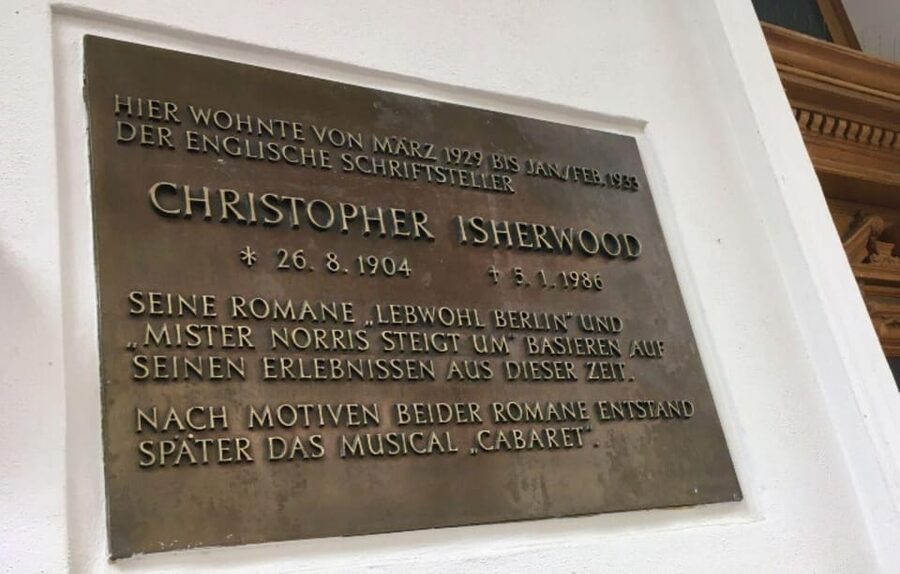
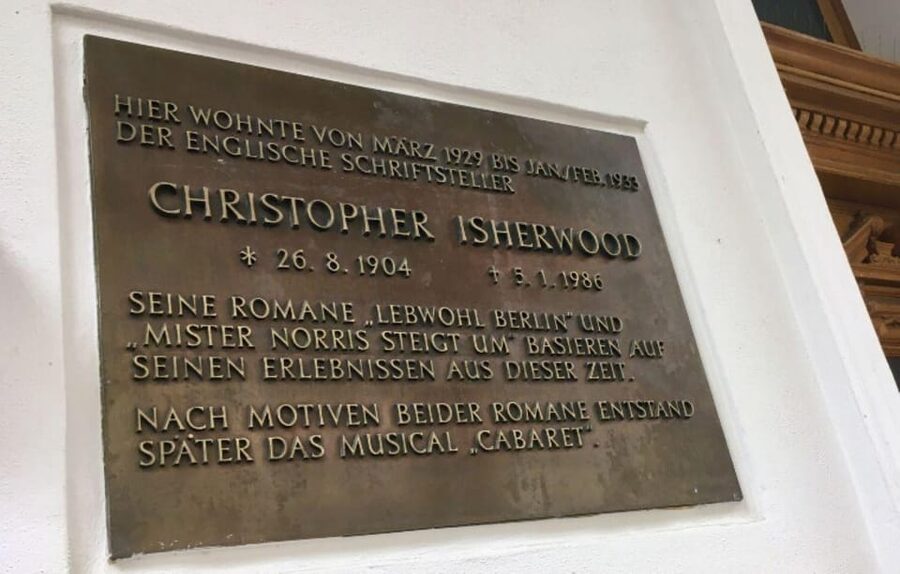
The story then turns sharply toward the Weimar era, where queer life and celebrity culture intersected with politics that were getting uglier by the year. You hear how Christopher Isherwood’s experiences in Berlin inspired Cabaret. That connection is powerful because it bridges literature, songwriting, and politics. You get why “Cabaret” is not just entertainment, it is a window into a specific kind of Berlin tension.
This section also includes the former El Dorado Cabaret, tied to Marlene Dietrich’s performances. Dietrich’s presence is a reminder that queer-coded culture, performance, and gender variance were not only underground phenomena. They were part of mainstream artistic life, which is exactly why the backlash felt so personal and so public.
And then comes the hard political overlay. The tour references notable regulars such as Ernst Röhm, the openly gay head of the Sturmabteilung, the Nazi Brown Shirts. That detail can be shocking if you only know German history in clean textbook chunks. Here, it gets explained in context, including Röhm’s execution in the 1934 moral purge, also known as Night of the Long Knives.
This is one of those parts where the tour does a good job of refusing easy answers. It does not say “it was all chaotic chaos” or “everyone was secretly the same.” Instead it shows the way power, ideology, and personal identity collide, and how quickly any safe space could turn lethal.
Post-war Schöneberg and the rebirth of a queer heart
After the Nazi years, the tour keeps moving forward instead of circling one trauma forever. You get the story of post-WWII rebirth of Schöneberg as the gay heart of the city, and you see why that mattered in practical terms. Rebuilding community is not abstract. It means finding places where people can meet, where culture continues, and where new generations learn that survival and joy can both be real.
This is also where small-group energy helps. In private or small group settings, you usually have more room for questions, and that makes the post-war and contemporary bridges easier to understand. Reviews for this tour often emphasize the intimate group size, which makes sense given the heavy storytelling.
If you love Berlin for its modern scene, this part answers the question of where the “today” comes from.
Chez Romy Haag, Bowie, and the 1970s love story you did not expect
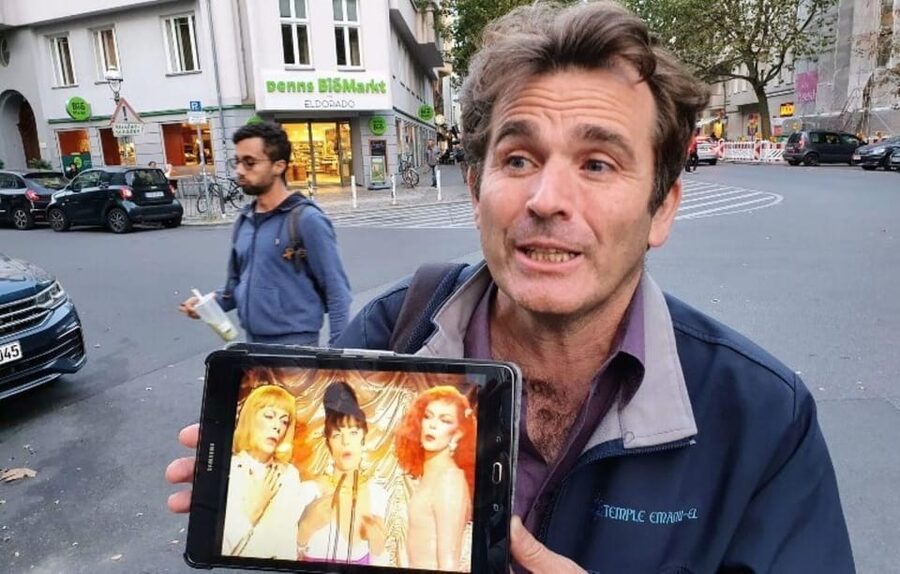
The tour’s most pop-culture-heavy stop is Chez Romy Haag, the iconic 1970s nightclub connection. You learn about Romy Haag, a transgender actress, singer, and dancer, and the affair she began with David Bowie. That relationship is tied to Bowie’s iconic song Heroes.
I like this stop because it shows a different kind of queer history than the one centered only on law and persecution. It highlights creativity and visibility in performance spaces, and it also shows that queer culture can leave footprints in global art long before it gets written into textbooks.
Also, it gives you a tangible “walkable origin” for something many people already know as a song title. You are not just told the trivia, you are taken to the place where the atmosphere was part of the story.
Alexanderplatz and what life cost behind the Iron Curtain
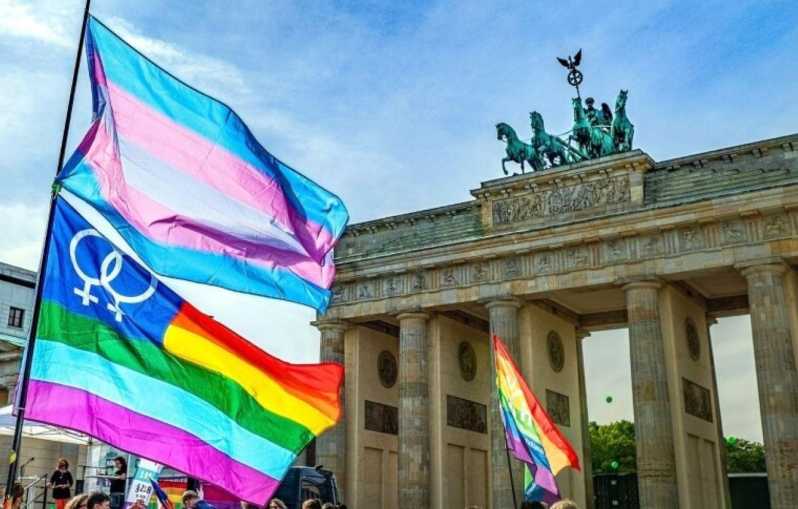
The final major emotional shift lands at Alexanderplatz, the heart of Cold War East Berlin. Here, you hear about suffering endured by gays and lesbians under the Iron Curtain. The point is not just tragedy for tragedy’s sake. It is to explain how a political system can control who gets to exist freely, and how fear shapes daily life.
Alexanderplatz is a huge place, and that scale matters. It helps you feel the weight of the state, because this is where modern life and state power both show up loudly. The tour frames the East Berlin period as a continuation of the same central question: what happens when society stops tolerating difference?
By the time you reach the end, the tour is meant to connect past to present. It aims to help you recognize today’s Queer Berlin as something that was fought for, rebuilt, and carried forward.
Price and value: what you are really paying for
At $153 per person for a 3-hour guided walk, this is not a budget sightseeing deal. But it is also not just a route with talking points. You are paying for an expert-led narrative that stitches together science, activism, memorial sites, and nightlife culture, with specific historical stops like the Hirschfeld Institute site, Christopher Isherwood references, and the El Dorado Cabaret connection.
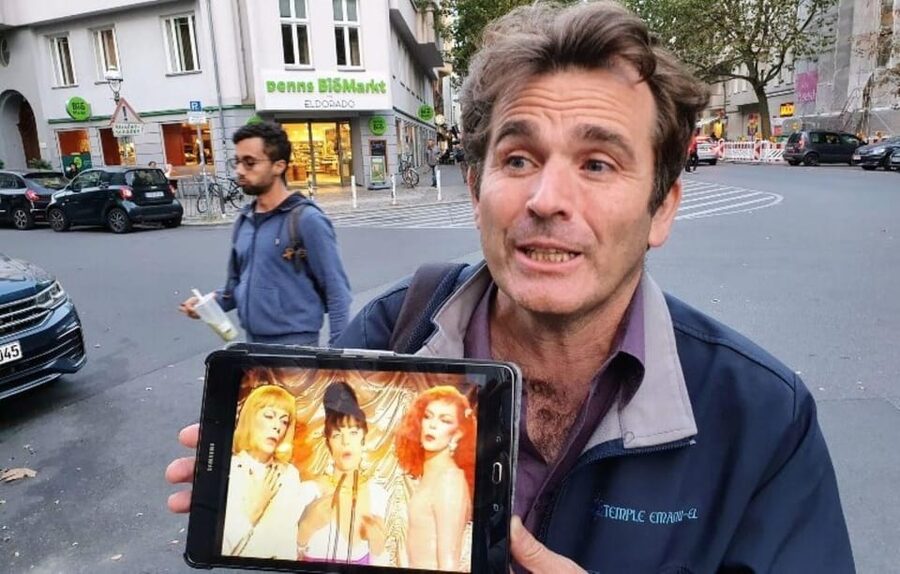
You also get added value from the way guides bring the story alive. One guide named Justin is described as having a personal love for Berlin and the kind of perspective that can compare American and Berlin history. Another guide named Dan is praised for story-specific music and images that add energy without turning the subject into a gimmick. That kind of delivery matters when the material is dense and emotionally heavy.
The tour is also offered in German and English, with private or small groups available. That flexibility can improve value if you want a calmer pace or more direct interaction.
Logistics that matter for a smooth experience
This is a walking tour, and the length is set at 3 hours. If you are planning your day, I strongly suggest you treat it like a real appointment, not an optional stroll. Berlin can be hop-on-hop-off easy, but this experience needs sustained attention.
Metro fare is not included, so you may want to have a transit plan ready before you meet up. Starting and pickup location depends on your selected option, and the tour ends with drop-off locations in Berlin, including Impala Coffeeshop.
One more practical note: if you have mobility issues, contact the operator, because the format is walking.
Should you book the Queer Berlin Tour?
Book it if you want LGBTQ+ Berlin history that goes beyond generic “sites and dates.” This tour is best for people who like their stories with names, institutions, and cultural context, from Hirschfeld’s scientific activism to Cabaret-era storytelling and Cold War realities at Alexanderplatz.
I would skip or switch to a different pace if you prefer lighter topics, because the tour moves through persecution under Nazism and suffering behind the Iron Curtain. If you are okay with serious history, you will likely leave with a sharper understanding of why Berlin’s queer identity is not just a vibe, it is a long, complicated fight.
FAQ
How long is the Queer Berlin Tour?
The tour lasts 3 hours.
How much does it cost per person?
The price is $153 per person.
Where does the tour start and where do you end?
The starting and pickup location depends on the selected option. There are 2 drop-off locations, including Berlin at Impala Coffeeshop.
What languages are available for the live tour guide?
The live tour guide is available in German and English.
Is this tour a walking experience?
Yes, it is a walking tour.
What is included in the tour price?
Included: a 3-hour guided walking tour with insights into LGBTQ+ history and culture, visits to key historical sites (including Schöneberg, the monument to the Gay Emancipation Movement, the Institute for Sexual Science site, Christopher Isherwood’s former flat, and the former El Dorado Cabaret), and stories about queer pioneers, activists, scientists, and artists.
Is metro fare included?
No, metro fare is not included.
Is it available as a small-group or private tour?
Yes, private or small groups are available.
Fresh on the arrivals board for Berlin
LGBTQ-Friendly, compared.
Berlin’s Gay, Lesbian, and Queer Scene Small-Group Walking Tour
Read our review →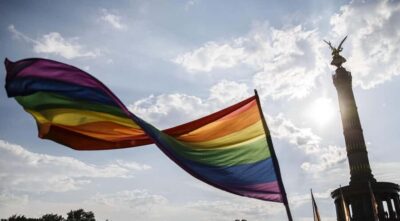
Historyof the Trans, Queer & Gay communities of Berlin tour
Read our review →Browse the lists this tour appears in