

Reviewed · LGBTQ-FRIENDLY
Historyof the Trans, Queer & Gay communities of Berlin tour
Berlin has layers, and this tour reads them. You get a light, colorful route through areas most people skip, tied to Trans, Queer & Gay history instead of generic sightseeing. I especially like the personal touch from guide Gali Jaffe and the focus on Nollendorf, the long-time heart of LGBTQIA+ life in Schöneberg. One possible drawback: the tour is for ages 16 and up, and you’ll need a Berlin public transport ticket to keep moving between stops.
You’ll start near the Reichstag area, then move toward the Spree River for a powerful starting point connected to Dr. Magnus Hirschfeld and his Institute for the Science of Sexuality. From there, you head into Schöneberg, where the neighborhood story is tied to real people, real places, and some important sights you likely won’t find on a quick self-guided walk.
In This Review
- Key highlights at a glance
- Why this 2-hour Trans, Queer & Gay route hits differently
- Meeting at the Reichstag and getting oriented fast
- Spree River start: Hirschfeld’s Institute and a striking beginning
- Schöneberg and Nollendorf: the LGBTQIA+ center for over a century
- Urban Nation for street art: optional, but worth your attention
- The final Schöneberg walk: sights, details, and a satisfying ending
- Price and logistics: what $58 buys you in real terms
- Who this tour is best for
- A simple checklist before you go
- Should you book this Berlin Trans, Queer & Gay tour?
- FAQ
- How long is the tour?
- How much does the tour cost?
- Where does the tour start and where does it end?
- Do I need a public transport ticket?
- Is Urban Nation included?
- What languages is the tour available in?
- Is the tour suitable for children?
- Can I get a refund if I cancel?
Key highlights at a glance
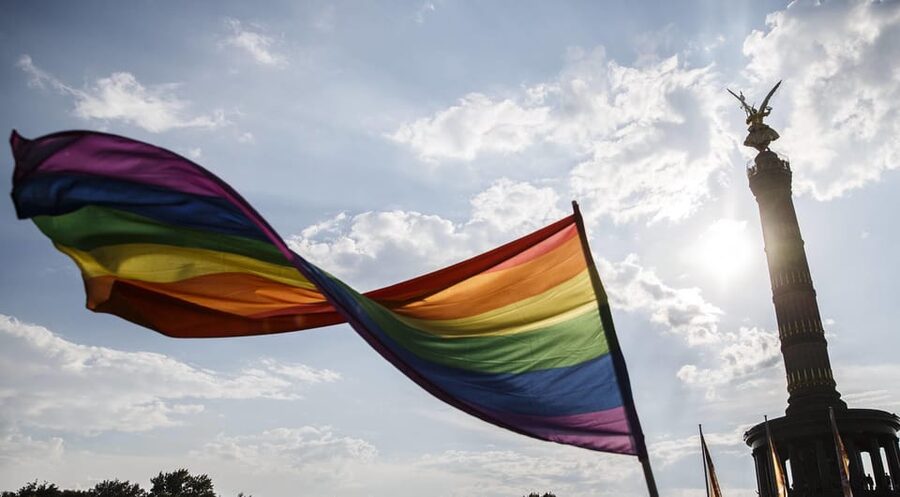
- Expert Trans woman guide, Gali Jaffe
- Schöneberg and Nollendorfplatz, LGBTQIA+ center for over 100 years
- Spree River start linked to Hirschfeld’s Institute for the Science of Sexuality
- Smaller group size, limited to 10 participants
- Optional Urban Nation stop for street art and free time
- A free Berlin Gay Map plus unique locations
Why this 2-hour Trans, Queer & Gay route hits differently
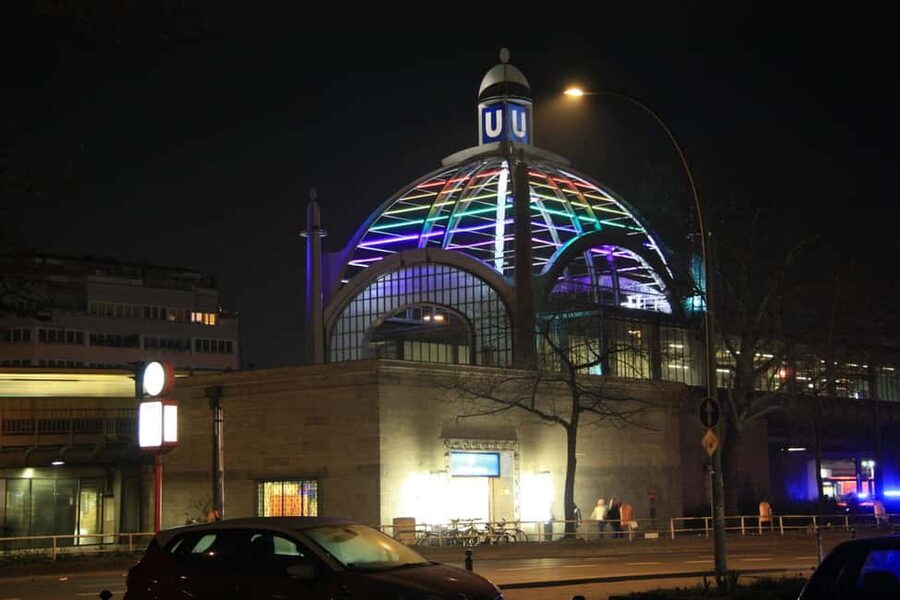
This isn’t a “check these sights off” tour. It’s built like a story you can walk through, and that matters in Berlin because so many LGBTQIA+ landmarks are scattered across neighborhoods. Here, the route puts you where the meaning is, first with a starting point tied to Hirschfeld, then with a Schöneberg walk that connects past to present.
The other thing I like is the guide style. Reviews point to Gali being warm, engaging, and able to tailor the tour to the group’s interests. That means if your curiosity leans more art, or more community history, you’re more likely to get the version that fits you.
Finally, the tour is short enough to fit into a jammed schedule. At 2 hours, it’s a useful add-on when you want a deeper look without committing to half a day.
Also holding a platform in Berlin
- Berlin: Reichstag, Dome and Government District Guided Tour
★ 4.7 · 18,288 reviews - Berlin: 1-Hour City Tour by Boat with Guaranteed Seating
★ 4.3 · 16,993 reviews - Berlin: TV Tower Standard Entrance Ticket
★ 4.4 · 15,883 reviews
Meeting at the Reichstag and getting oriented fast
The tour begins at the Reichstag area, specifically next to the white entrance buildings. That’s a smart start because it puts you in a central zone where you can easily connect to public transport and meet up without drama.
From there, the itinerary quickly gets you moving. There’s a short public transport segment early on, about 5 minutes, which keeps the tour from feeling like one long slog. It also makes sense for the theme: this is a “Berlin by neighborhood” experience, and public transit is part of how locals actually move around the city.
Practical tip: bring your Berlin public transport ticket. The tour requires a valid ticket, and the short transit hop is baked into the pacing.
Spree River start: Hirschfeld’s Institute and a striking beginning
The first big moment happens near the Spree River, where the famous Dr. Magnus Hirschfeld built his world famous and first of a kind Institute for the Science of Sexuality. Starting here gives you immediate context. You’re not just learning names and dates, you’re standing where a landmark idea in sexuality science was physically rooted.
This opening is also emotionally efficient. It sets a tone that carries through the rest of the tour. You go from an early institutional push for sexual science into a later story of neighborhoods, community spaces, and visible life.
Even if your background is basic, this starting point works because the tour keeps it light and colorful, not heavy lecture mode. You’re set up to understand why the later Schöneberg focus matters so much.
Schöneberg and Nollendorf: the LGBTQIA+ center for over a century
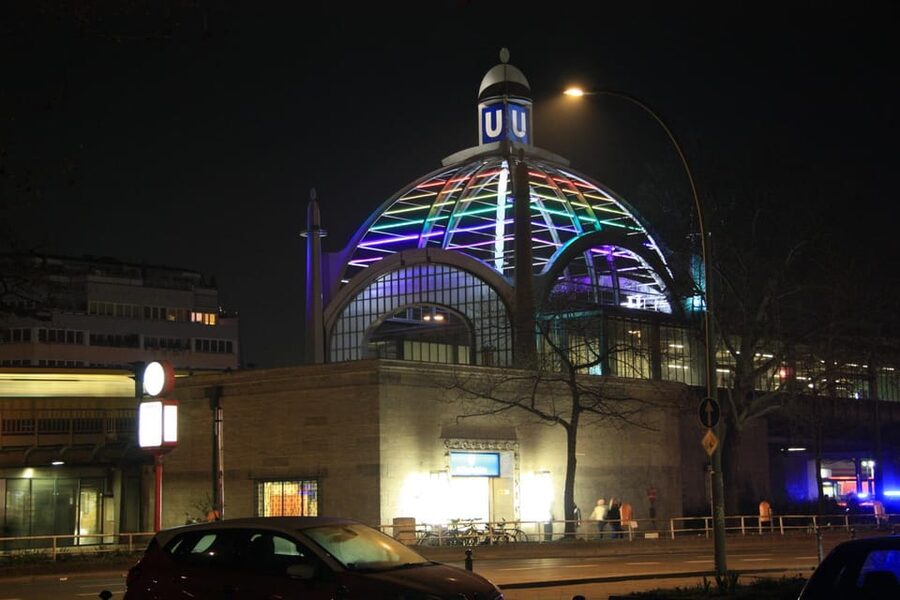
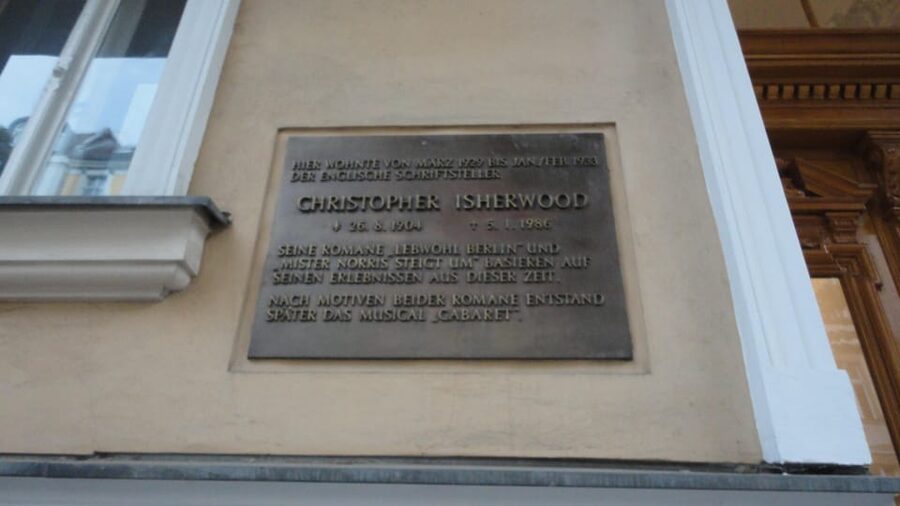
Next comes the short bus ride into the Nollendorf neighborhood area, described as the heart of LGBTQIA+ activity in Berlin for over 100 years. If you only visit Berlin’s “poster sites,” you miss how communities actually form and endure, block by block. This area is where that story lives.
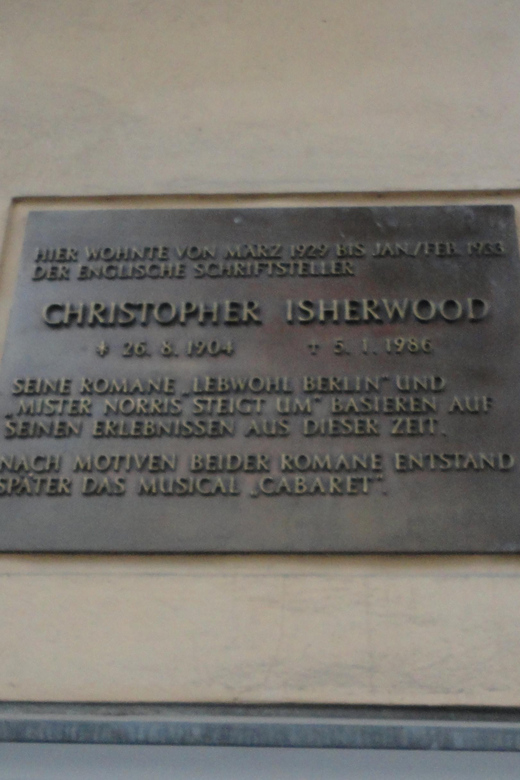
The guided walk here is around 40 minutes, and it’s the core of the tour. You’ll hear about the neighborhood’s history and how it shaped LGBTQIA+ community life over time. The tour also points out famous figures who lived there and important spots connected to the neighborhood’s past.
What I find valuable as a reader is the way this structure turns abstract history into street-level meaning. Instead of memorizing facts, you get a map of what to notice: where community culture shows up, how certain locations gained importance, and why Nollendorf kept its role for decades.
A small, real-life note: the tour includes both walking time and short transit, so you’ll want comfortable shoes. Berlin sidewalks can be uneven, and the route is paced to keep things moving.
Urban Nation for street art: optional, but worth your attention
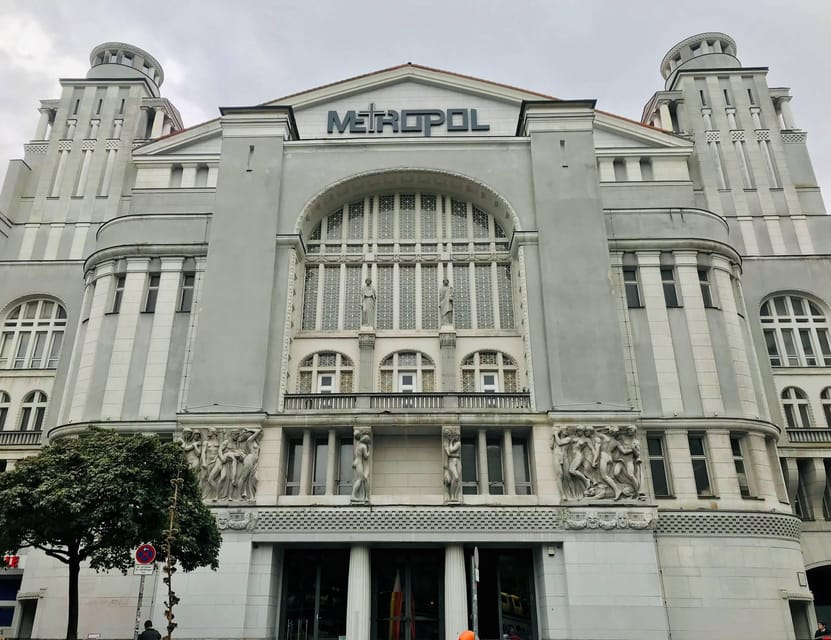
There’s an optional stop at Urban Nation Gallery for street art, with guided time plus about 20 minutes of free time. This is where the tour connects community identity to visible modern culture.
The street art angle matters because LGBTQIA+ history is not only in archives and plaques. It also shows up as public expression, reclaiming space with color and messages. Even if street art is not your main interest, the optional stop can be a fun way to break the walking with something more visual.
The free time is useful too. It gives you a moment to slow down, look around, and decide what details you want to read more closely. If you’re the type who likes to linger, this portion gives you permission to do so.
If you skip Urban Nation, you still get a complete Schöneberg story through the remaining guided walk.
Onward connections from Berlin:



The final Schöneberg walk: sights, details, and a satisfying ending

After the Urban Nation moment, you re-enter Schöneberg for sightseeing and a guided walk of about 30 minutes. This is the wrap-up section, and it’s where you start tying the earlier story together.
You’ll keep seeing important points linked to the neighborhood’s LGBTQIA+ history, and the guide can connect the dots based on what you asked and what your group cares about. That personalization shows up in the reviews, where people highlight how Gali adapts and keeps the tour engaging.
The tour ends at Wittenbergpl., in Berlin Bezirk Tempelhof-Schöneberg. That finish is convenient because it’s a recognizable central area. Practically, it makes it easier to continue your day with food or further exploring without feeling stuck at the edge of nowhere.
Price and logistics: what $58 buys you in real terms
At $58 per person for a 2-hour experience, you’re paying for three things that add up fast in Berlin: a focused route, an expert guide, and a small group size.
The small group limit, capped at 10 participants, is a meaningful value driver. It’s not just about comfort. Smaller groups make it easier for the guide to answer questions and tailor the flow. Multiple reviews mention that Gali personalizes the experience, which only works well with a limited headcount.
You also get practical extras included: a free Berlin Gay Map, plus attention to unique locations and street art. In Berlin, maps can be useful, but a curated pocket guide tied to lived community spaces is better than a generic tourist sheet.
One more logistics consideration: the tour requires a valid Berlin public transport ticket. If you forget it, you can lose momentum in a plan that uses short transit segments to keep the 2 hours moving.
Also, this tour is not suitable for children under 16. If you’re traveling as a family, you’ll need to find a different option or plan separate activities.
Who this tour is best for
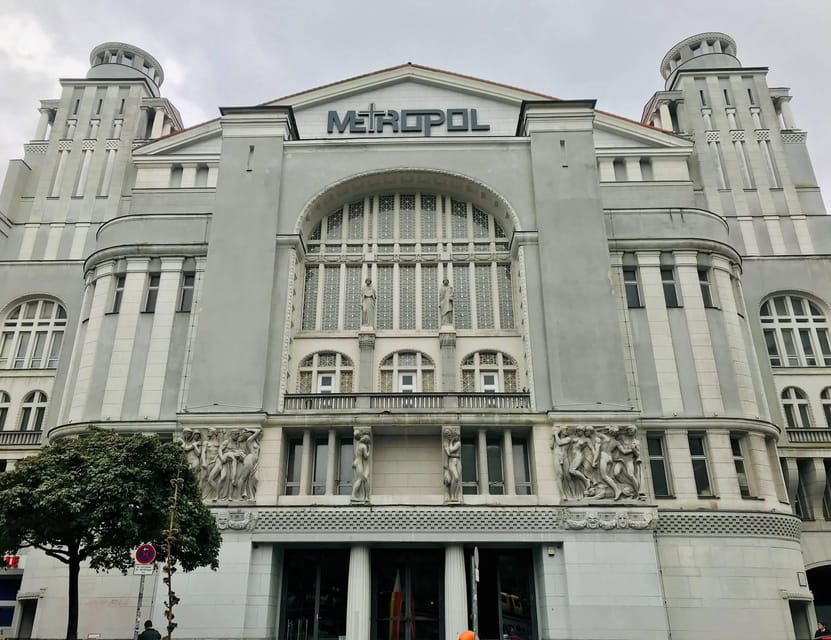
This experience is a good fit if you want more than surface-level Berlin sightseeing. It’s especially ideal for you if:
- you care about Trans, Queer, and Gay history connected to real neighborhoods
- you like a guided walk but don’t want a marathon
- you enjoy street art as part of cultural storytelling
- you want a smaller-group setting where questions feel welcome
It’s also a solid choice if your time is tight. Two hours can be the difference between “I saw Berlin once” and “I understood a Berlin neighborhood.”
From the reviews, you can expect the guide to be warm and responsive, and the tour to feel engaging even if history details are new to you. If you’re someone who asks questions while walking, this structure should work well because the pace includes guided segments and short transitions.
A simple checklist before you go
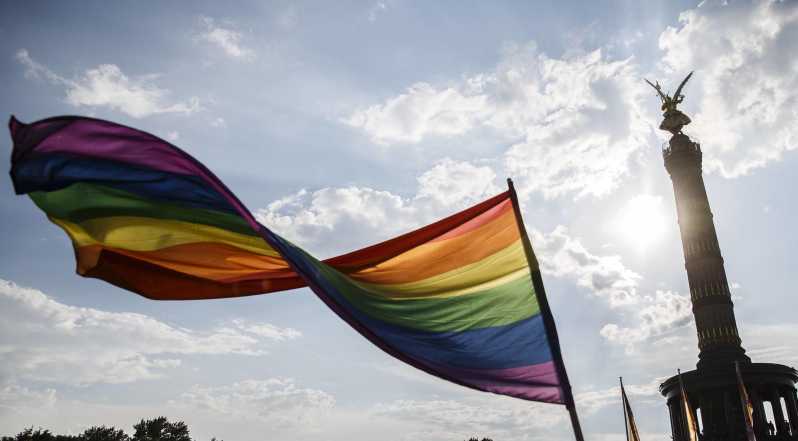
Bring your Berlin public transport ticket. Wear comfortable shoes for walking in Schöneberg. Plan for a route that includes bus plus walking, and expect the schedule to move at a city-friendly pace.
If you’re interested in street art, decide ahead of time whether you want the optional Urban Nation stop. The 20 minutes of free time is part of the appeal, especially if you like to look longer than the group pace allows.
Should you book this Berlin Trans, Queer & Gay tour?
Yes, I think you should book it if you want a focused, neighborhood-centered look at LGBTQIA+ and Trans history without turning your day into museum homework. The value shows up in the combination of a small group, the guide experience, and the route choices that connect Hirschfeld at the Spree River to Schöneberg and Nollendorfplace. Add the optional street art, and you get a nice blend of history and present-day expression.
Skip it only if you’re traveling with kids under 16, or if you strongly dislike public transit segments in the middle of a walking tour. Otherwise, this is a smart way to get your bearings in Berlin from a community perspective, not just from monuments.
FAQ
How long is the tour?
The tour lasts 2 hours.
How much does the tour cost?
The price is $58 per person.
Where does the tour start and where does it end?
It starts next to the white entrance buildings to the Reichstag, and it finishes at Wittenbergpl. in Berlin, Bezirk Tempelhof-Schöneberg.
Do I need a public transport ticket?
Yes. A valid Berlin public transport ticket is required for the tour.
Is Urban Nation included?
Urban Nation is an optional stop. If included, you get a guided visit plus free time of about 20 minutes.
What languages is the tour available in?
The tour is available in English & Hebrew.
Is the tour suitable for children?
No, it is not suitable for children under 16.
Can I get a refund if I cancel?
You can cancel up to 24 hours in advance for a full refund.
Fresh on the arrivals board for Berlin
LGBTQ-Friendly, compared.
Berlin’s Gay, Lesbian, and Queer Scene Small-Group Walking Tour
Read our review →
Queer Berlin Tour: Birthplace of LGBTQ+ Movements
Read our review →Browse the lists this tour appears in