
Reviewed · CYCLING TOURS IN BERLIN
Private Highlights of Berlin Bike Tour
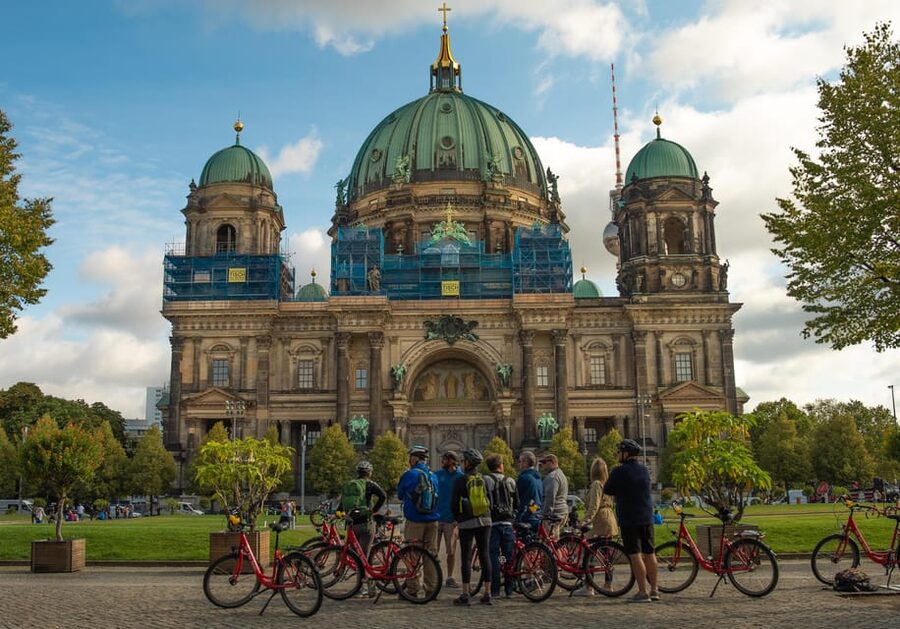
Berlin’s Cold War history comes with handlebars. In a private, English-speaking ride through key downtown sites, you get close to places tied to the Wall, escape attempts, and the city’s leftover traces of Nazi-era architecture. It is a smart way to see a lot without feeling rushed.
I especially like the stop-and-photo rhythm. You are not just cycling past sights, you get narration at the important moments, plus time to grab pictures at the stops. Another big win is the overall pace and feel: guides keep the ride comfortable, safe, and easy to follow, which matters in a city that can be hectic.
One thing to consider: you need to be able to ride on your own (no bike provided to under 18 without an adult), and the tour runs rain or shine. If your must-see list includes East Side Gallery, confirm it is on the day’s route because it may not always be included.
In This Review
- Key tour takeaways before you pedal off
- From Alexanderplatz TV Tower to your Berlin bike story
- Checkpoint Charlie and the Berlin Wall remnant you can still see
- Bebelplatz, Prussian Berlin, and the layers you do not see walking
- Escape-attempt stories that make the Cold War feel real
- Nazi-era architecture in modern Berlin streets
- Riding time, photo stops, and how the 3-hour format works
- Price and value: what $353 per group really means
- Who this private Berlin bike tour suits best
- What to bring so the tour feels easy
- Should you book this private Highlights of Berlin bike tour?
- FAQ
- How long is the private highlights Berlin bike tour?
- Where do we meet?
- What is included in the tour price?
- Can I cancel, and how flexible is booking?
- What should I bring with me?
- Do all riders need to be able to bike?
Key tour takeaways before you pedal off
- Checkpoint Charlie plus a remaining Berlin Wall stretch so you see what is left, not just what you read
- Bebelplatz and the Prussian core for context on older Berlin layers beneath the Cold War story
- A guide’s escape-attempt stories that explain how people tried to get across and what that meant in practice
- Nazi-era architecture still visible downtown to understand how different regimes shaped the same streets
- A private setup for up to 4 with a steady pace and lots of questions along the way
- A 3-hour window that fits short trips while still covering major highlights
From Alexanderplatz TV Tower to your Berlin bike story
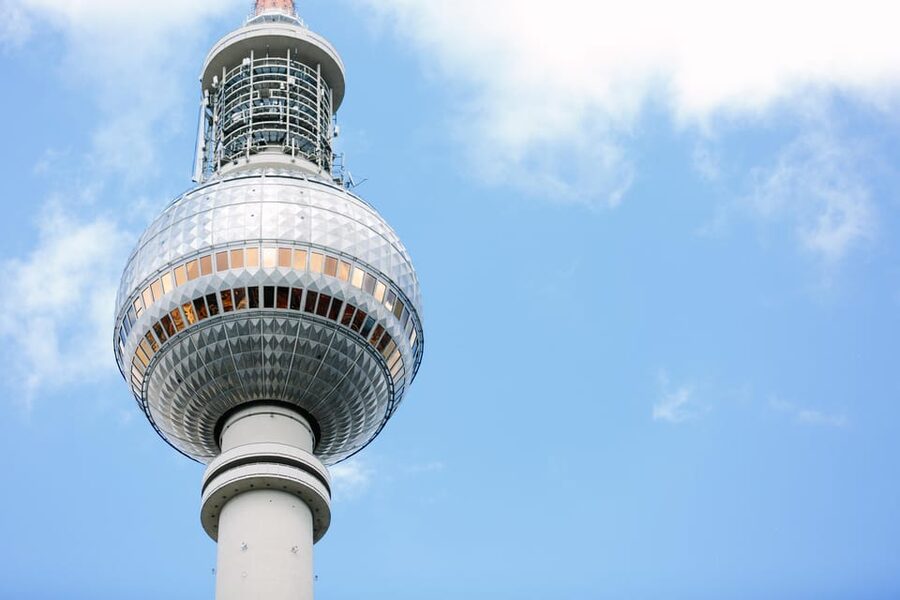
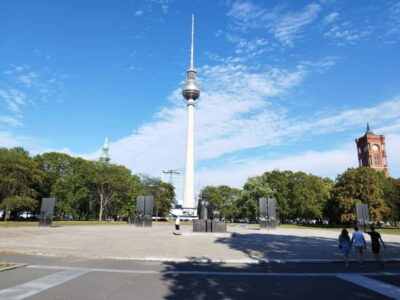
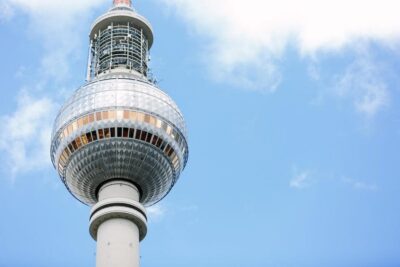
You start at the base of the TV Tower in Alexanderplatz. It is one of the easiest places in Berlin to orient yourself, and it sets the tone: this tour is built for people who want big-picture history without spending their day hopping trains or hunting for meeting points.
Once you meet your guide, you get a comfortable city cruiser-style bike. That is a practical choice here. Berlin is full of bike-friendly stretches, but you are still mixing riding with traffic and turns. A cruiser bike makes it simpler to stay relaxed while listening, spotting landmarks, and rolling into photos without feeling like you are fighting the bike.
Helmet use is optional since one is provided. My advice: if you are not used to riding in a busy city, grab the helmet. It can calm nerves, and you will still focus on the stories and streets rather than your balance.
More Cycling Tours in Berlin
- Berlin: Sights and Highlights Bike Tour with a Local Guide
★ 4.8 · 2,698 reviews - Berlin Highlights 3-Hour Bike Tour
★ 5.0 · 948 reviews - Berlin City Bike Tour with Beer Garden Stop
★ 5.0 · 917 reviews
Checkpoint Charlie and the Berlin Wall remnant you can still see
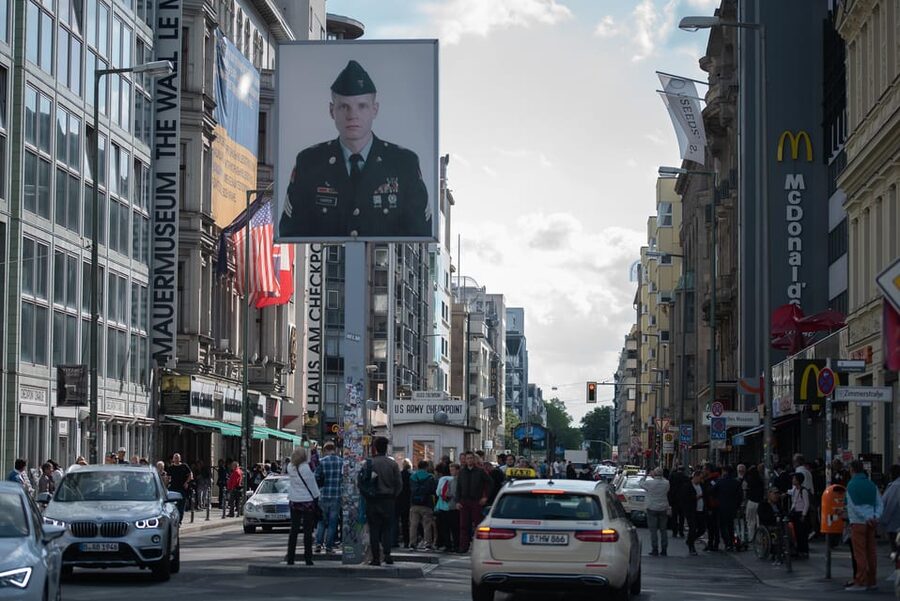
Checkpoint Charlie is the headline stop for a reason. It is one of the places most strongly linked to the Cold War face-off, and it works well on a bike because you can approach it, pause, and take it in from multiple angles. You are not stuck staring at a single spot like you would with only walking.
What makes this stop more meaningful is the second part: you also visit a remaining stretch of the Berlin Wall. Seeing the Wall in motion, with the city around it, hits differently than looking at photos. The guide’s narration and the physical scale together help you understand how the border functioned as a real barrier, not a distant political concept.
A highlight here is the way your guide connects the Wall to the human side. You hear anecdotes of escape attempts and the techniques people tried. Even without getting too technical, those stories give you a clearer picture of what residents risked, how plans were shaped by the environment, and why certain locations mattered.
Photo time matters at these stops. You will want a clear shot, but you also want to stand back for a second and take in what surrounds the Wall remnant now. Berlin has changed a lot, and that contrast is part of the lesson.
Tip: bring your phone charging comfort. Battery drain can be real when you keep switching between riding mode and stopping for photos.
Bebelplatz, Prussian Berlin, and the layers you do not see walking
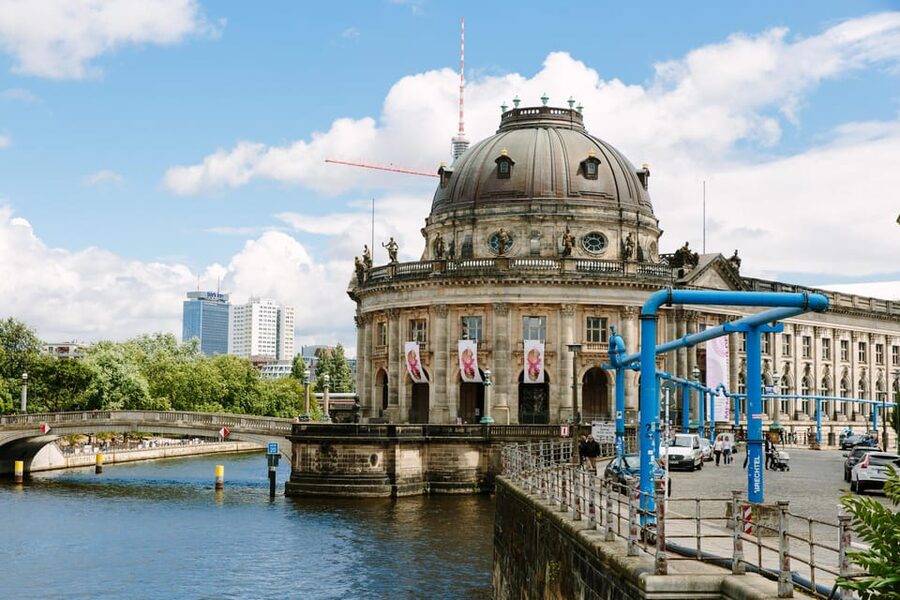
After the Cold War landmarks, the tour shifts to Bebelplatz, described as the center of Prussian Berlin. This is a smart move for people who think Berlin history begins in 1945. Prussian-era power and planning shaped much of the city’s core, and when you understand that foundation, the later 20th century makes more sense.
Bebelplatz gives you a different kind of historical texture. It is less about border crossings and more about how older Berlin institutions took shape. On a bike, you glide into the area and get quick bearings, then your guide points out details you might otherwise miss if you were just passing through on your own.
This is also where your guide’s pacing helps. The narration is not all lectures. It tends to connect: what you see in the street today, what it used to mean, and why the story changes depending on what era you are looking at.
If you like history that feels grounded in real places, this stop is a good payoff. You walk away with a sense that Berlin is not one story. It is overlapping eras stacked into the same blocks.
Escape-attempt stories that make the Cold War feel real
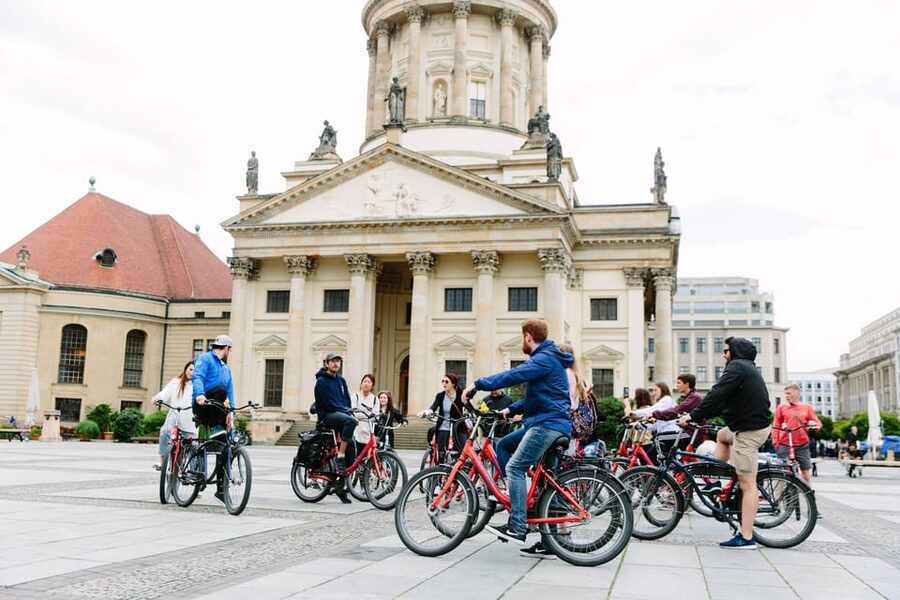
The tour’s strongest thread is the storytelling around escape attempts and techniques. This is not just dramatic trivia. It is the kind of information that turns abstract Cold War headlines into something you can picture in your mind.
When you hear how people tried to get out, you start noticing practical things while you ride. Where would someone hide? How would routes work? What would a border patrol notice first? The guide’s anecdotes give you a framework, so the city stops being a blur of buildings and becomes a set of clues.
I also like that this storytelling is delivered at a rider-friendly pace. The stops are frequent enough to absorb the information, but the ride stays smooth enough that you are not exhausted halfway through the tour. That is a big deal if you have kids, teens, or anyone who prefers steady movement over long museum-style sitting.
If you are traveling with teenagers, this sort of story-driven structure often works better than a list of dates. It keeps attention on human decisions and cause-and-effect, which is exactly what you need for a 3-hour experience.
Nazi-era architecture in modern Berlin streets
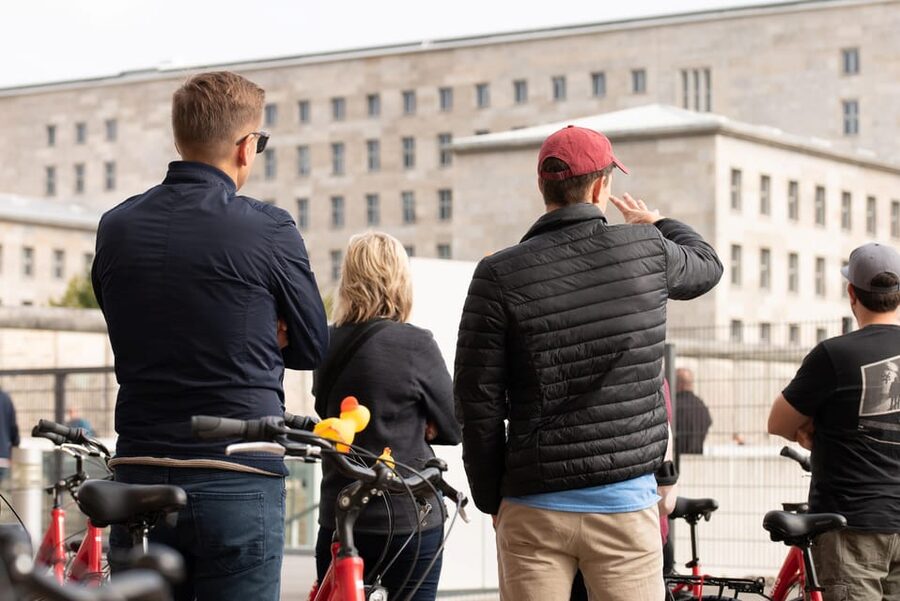
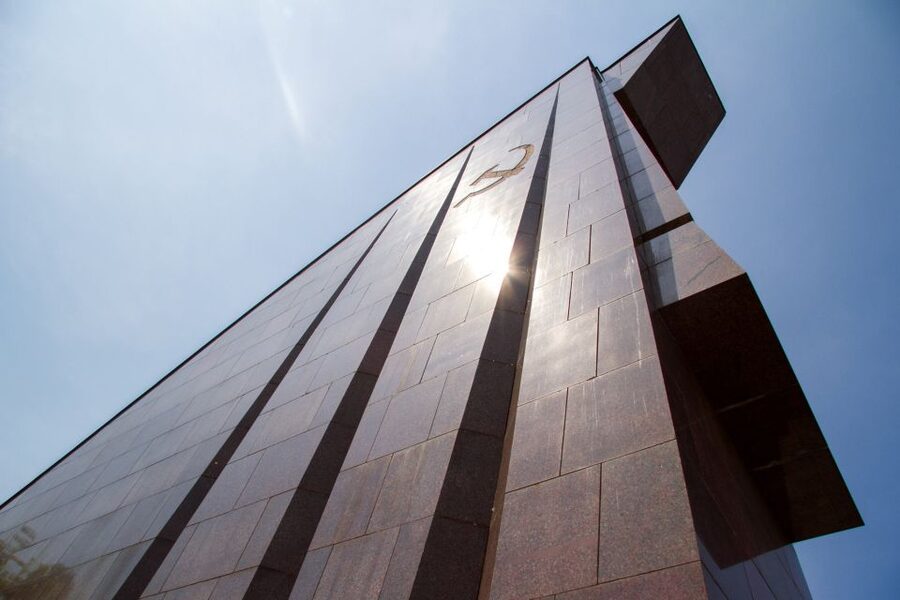
One of the tour highlights is seeing some of the only Nazi architecture left in the city. That phrasing matters. You are not promised a guided tour of every oppressive symbol. You are shown a limited set of structures that still exist, which helps you understand the lasting physical footprint while avoiding the idea that the era is everywhere.
On a bike, these stops can feel oddly stark because you are in contemporary Berlin around them. You might pass cafes, apartments, and everyday life, then the guide points to details tied to that regime’s design choices. The contrast makes it easier to remember what you are seeing and why it is historically significant.
This part of the tour is also a reminder that history is not just in buildings labeled as history. Sometimes you learn by recognizing what is already in your view. Your guide ties the architecture to context, so the stop feels like interpretation, not sightseeing.
Consideration: if you prefer a strictly upbeat or purely celebratory style of touring, this segment may feel heavy. It is handled in the context of Berlin’s full story, but it is still focused on oppressive history.
More flat kilometres by bike:


Riding time, photo stops, and how the 3-hour format works
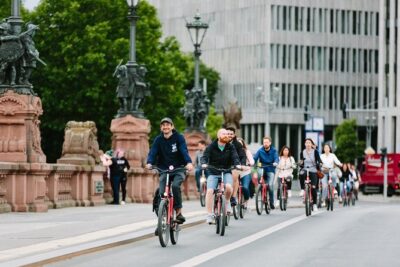
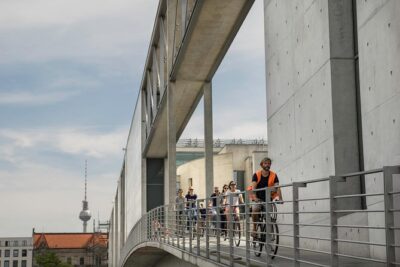
This is a 3-hour private bike tour, and that time box shapes everything. You can cover enough ground to hit major highlights, yet you still have time for guided stops without feeling like you are sprinting from one photo op to another.
A private group keeps the experience flexible. If someone needs a slower cadence, it can happen. If you want extra time at a stop, you can ask. If you have questions, you are not competing with a large crowd.
The tour is also family-friendly in structure. There are options for young children, including double trailers for toddlers and tag-a-long attachments or kid seats for younger riders at the children’s rate. That said, the rules are clear: no guest under 18 gets a bike without an adult over 18 present.
If you are bringing kids or teens, plan for the practical reality of biking in Berlin. Even on cruiser bikes, you want comfortable shoes, light layers, and a willingness to slow down when you stop for photos or narration.
Price and value: what $353 per group really means
The price is listed as $353 per group up to 4. In practice, that can be a strong value when you compare it to the cost of multiple individual guided tours or paying for separate transport plus guides.
Here is the quick way to think about it:
- If you ride as 2 people, the cost per person is moderate.
- If you ride as 3 or 4, it becomes noticeably more budget-friendly.
- You are paying for a private guide’s time, a bike setup, and guided stops that are hard to replicate with just a self-guided app.
The included bike and optional helmet reduce the hassle. The real value is the guide’s stop planning and narration at key points like Checkpoint Charlie and Bebelplatz. You would be able to find some of these places on your own, but you likely would not get the same explanation of escape attempts and techniques, or the connections between era layers, without a guide.
Also, your time is protected. Three hours in Berlin can vanish fast if you are constantly repositioning. A route built around must-sees plus smart pauses is what turns this from a nice ride into an efficient history outing.
Who this private Berlin bike tour suits best
This tour is a strong fit if you want:
- A guided Cold War focused Berlin highlight route without a full day commitment
- A private setting for couples, friend groups, or small families
- History explanations tied to real locations, not just a map with dots
It also works well if you want a more active sightseeing style. Biking lets you cover distance efficiently, and it keeps you outside, so the tour can feel less like sitting through a lecture.
On the other hand, it may not be your best choice if:
- You want only one or two sites and do not care about the rest
- You have concerns about riding on your own in city traffic
- East Side Gallery is the one non-negotiable item on your list, since the day’s route can vary
What to bring so the tour feels easy
Berlin weather can be unpredictable, and the tour runs rain or shine. That means your comfort matters more than trying to dress for perfect conditions.
At minimum, bring:
- Your passport or ID card
- A credit card
- Weather-appropriate clothing
If it is cold, wear layers you can ride in. If it is rainy, think about gear that does not trap sweat. You will likely be stopping for photos, so something that keeps you comfortable for short breaks is useful.
Should you book this private Highlights of Berlin bike tour?
I think this tour is worth booking if you want an efficient, guided way to see major Berlin landmarks tied to the Wall and Cold War, plus extra context at Bebelplatz. The private format is a major advantage, especially if you are traveling with family or you like asking questions. You also get a practical history approach through escape-attempt storytelling and architecture stops, which makes the city feel more connected and understandable in a short window.
I would skip or at least confirm details first if your main goal is a specific Berlin Wall-related site not included on your preferred route, since the programming can vary. Also be honest about your comfort riding in a city environment, because the tour assumes you can bike on your own.
If you want a history-and-sightseeing hybrid that stays moving and stays human, this is a great way to spend 3 hours in Berlin.
FAQ
How long is the private highlights Berlin bike tour?
The tour duration is 3 hours.
Where do we meet?
You meet at the base of the TV Tower in Alexanderplatz.
What is included in the tour price?
You get a comfortable city cruiser-style bike, a helmet (optional), and a private, experienced English-speaking guide.
Can I cancel, and how flexible is booking?
You can cancel up to 24 hours in advance for a full refund, and you can reserve now and pay later.
What should I bring with me?
Bring your passport or ID card and a credit card, plus weather-appropriate clothing.
Do all riders need to be able to bike?
Yes. All guests must be able to ride a bicycle on their own unless riding on children’s attachments. Double trailers for toddlers, tag-a-long attachments, or kid seats are available at the children’s rate, and no guest under 18 will be given a bike without an adult over 18 present.
Fresh on the arrivals board for Berlin
Cycling Tours in Berlin, compared.
Sights and Highlights Bike Tour with a Local Guide
Read our review →
Berlin Highlights Sightseeing Bike Tour in Small Groups
Read our review →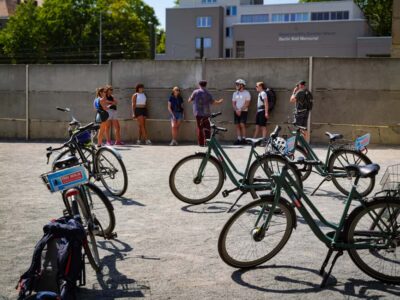
Alternative Bike Tour of Kreuzberg & Friedrichshain
Read our review →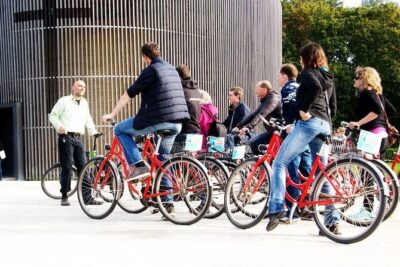
Browse the lists this tour appears in