
Reviewed · NUREMBERG TOURS & ACTIVITIES
Nürnberg: Mörder, Fälscher, Messerstecher
Crime had an address in Nuremberg. This walking tour connects the city’s most infamous justice stories to real corners you can still stand on.
I really like how the route is built around specific places you can recognize fast, starting at the Henkerhaus Museum. I also like the storytelling style of the guides, who explain ideas clearly and stay on top of questions.
One thing to plan for: it is German only, and the tour does not include entry to the Henkerhaus, town hall, or the medieval dungeons.
In This Review
- Key highlights worth aiming for
- A two hour History of Crime walk through Nuremberg’s key sites
- Henkerhaus Museum and Franz Schmidt, the hangman story that anchors the route
- Weinmarkt and the witch hunts story in a place you can picture
- Old City Hall, the medieval justice system made tangible
- Lochgefängnisse medieval dungeons, what prison was for
- Hauptmarkt and Christkindlesmarkt, death penalty themes in the main square
- Fleischbrücke and corporal punishment, how punishment affected bodies
- Findelgasse and Peter Henlein, crime meets crafts and innovation
- Schuldturm ending, purpose and inmates behind the tower
- Price and value: $15 for a two hour guided story walk
- Pacing, comfort, and what to bring for Nuremberg’s streets
- Who should book this tour
- Should you book Nürnberg: Mörder, Fälscher, Messerstecher?
- FAQ
- How long is the tour?
- How much does it cost?
- Where do I meet the guide?
- Where does the tour end?
- What is included in the price?
- Are museum or attraction entries included?
- What language is the tour in?
- Is the tour suitable for people with mobility impairments?
- What should I bring?
Key highlights worth aiming for
- Franz Schmidt at the Henkerhaus: you hear why the hangman mattered, not just the execution part.
- Witch hunts at the Weinmarkt: you connect fear and law to an everyday city space.
- Old Town Hall stop: you get context on the medieval justice system from a landmark you already see in photos.
- Lochgefängnisse prison tour: learn what a medieval dungeon was for and what conditions were like.
- Hauptmarkt and Christkindlesmarkt season: you connect the market square to death penalty themes.
- Schuldturm and inmates: the ending brings the story back to custody and punishment.
A two hour History of Crime walk through Nuremberg’s key sites
This is a focused walking tour of Nuremberg’s Old Town built around punishment, interrogation, and fear as part of daily life. You cover classic landmarks, but the bigger value is how the guide uses them to explain how crime and justice were handled in medieval times.
The pacing is manageable for most people: it is a steady on-foot route with short stretches between stops. You end up seeing a lot of Nuremberg in just two hours, and you do it without needing to read a museum guidebook first.
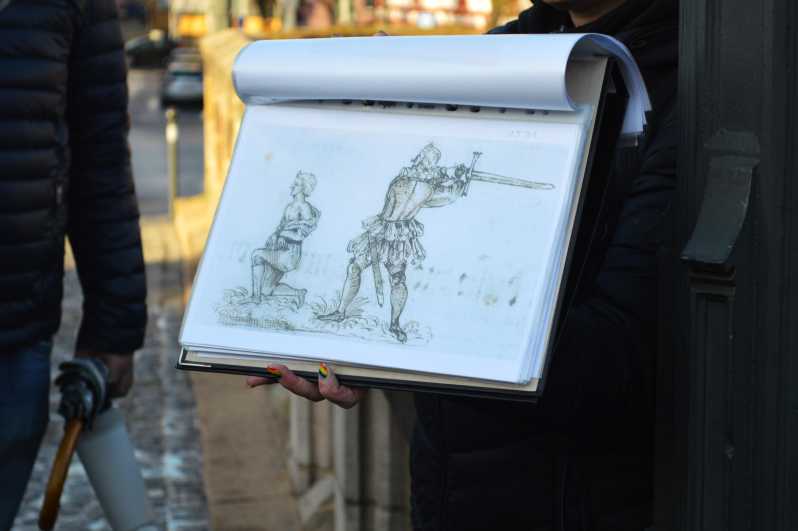
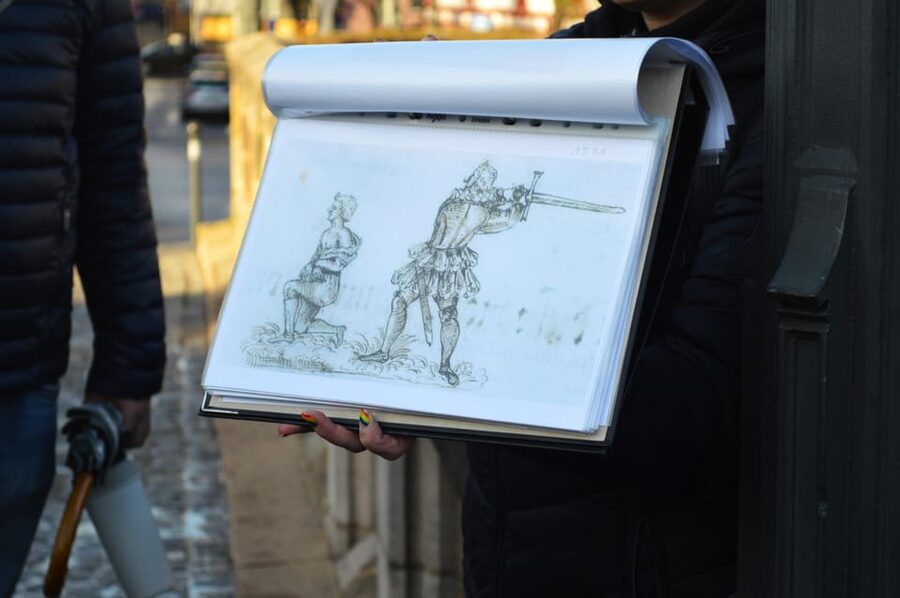
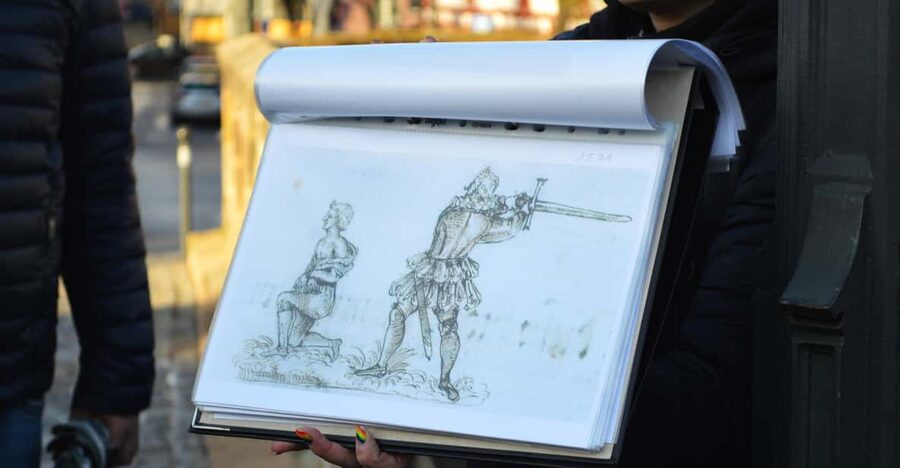
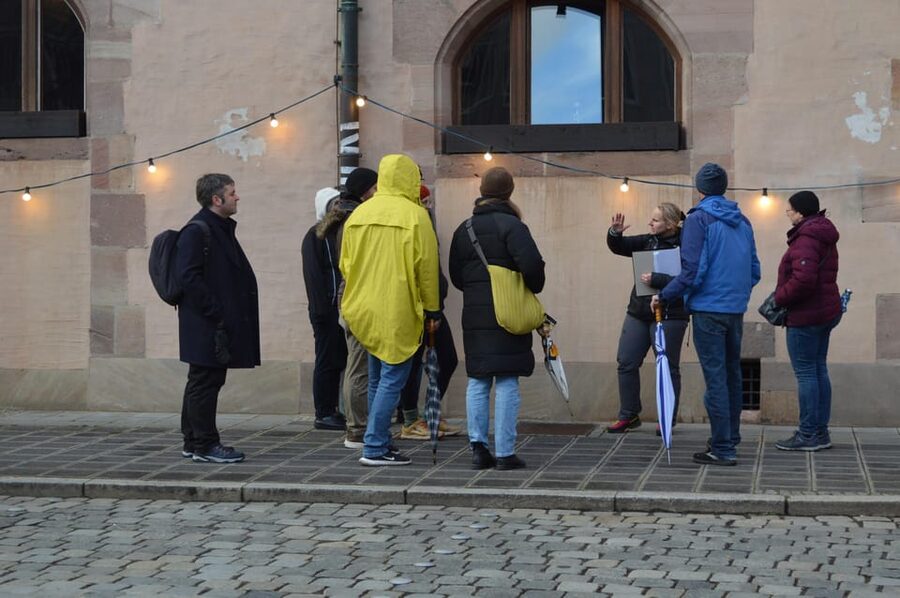
The practical setup helps, too. You meet at the entrance of the Henkerhaus, and the guide carries a picture folder and a green name tag that says Geschichte Für Alle. That makes it easy to spot them quickly, even if you arrive a little late.
Also holding a platform in Nuremberg
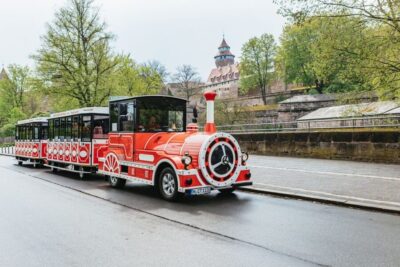
- Nuremberg: City Tour with the Bimmelbahn Train
★ 4.4 · 2,475 reviews - Nuremberg: Old Town Guided Walking Tour
★ 4.6 · 2,416 reviews - Nuremberg: Tunnels and Secret Passages in the City Wall Tour
★ 4.8 · 2,334 reviews
Henkerhaus Museum and Franz Schmidt, the hangman story that anchors the route
Your tour starts at the Henkerhaus Museum, in front of the entrance. This is the best opening choice because it forces the topic into a real person and real job, not just vague medieval violence.
The key character here is Franz Schmidt, the most famous hangman tied to the story the tour tells. The point is not shock value. It is understanding what authority looked like, and how a city organized punishment so everyone could recognize it.
Important detail: entry to the Henkerhaus is not included. You will still get the historical explanation and the way the hangman’s role fits into Nuremberg’s justice system, but if you want to go inside, you will need separate admission planning.
Weinmarkt and the witch hunts story in a place you can picture
From the hangman, you walk toward the Weinmarkt, where the tour shifts into witch hunts in Nuremberg. The value here is timing and location. You are not reading about fear in a vacuum. You are hearing how accusation and legal process played out in spaces people used.
This stop also helps you see the pattern the tour is building. It moves from public punishment to public belief, and it shows that law did not only punish wrongdoing. It also targeted what authorities believed was dangerous, including people who did not fit the accepted story.
If you like history that connects social fear to actual streets and squares, you will enjoy this part. It gives you a mental map: where stories were discussed, where decisions were made, and how quickly rumor could become a case.
Old City Hall, the medieval justice system made tangible
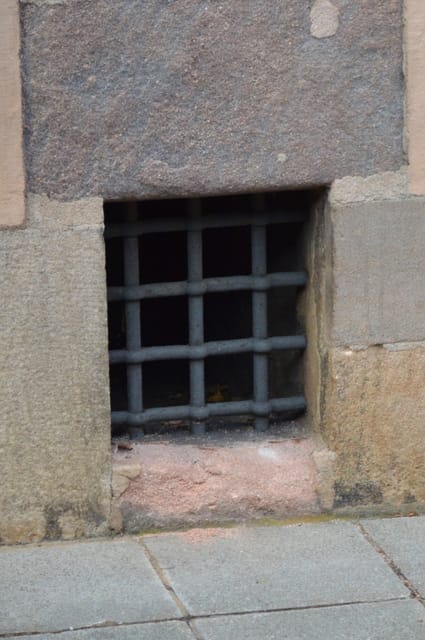
Next up is the Old City Hall. This is one of those landmarks you likely walk past even on a normal sightseeing day, but the tour gives it a different job. Instead of only being impressive architecture, it becomes a clue to how decisions were administered.
The theme here is the medieval justice system, and how it worked in practice. You are not just getting a list of facts. You are learning how authority, punishment, and legal procedure shaped life in the city.
Another practical note: entry to the town hall is not included. You will still learn why this building matters for the story, but you might want to plan a separate visit if you want to go inside on your own.
Lochgefängnisse medieval dungeons, what prison was for
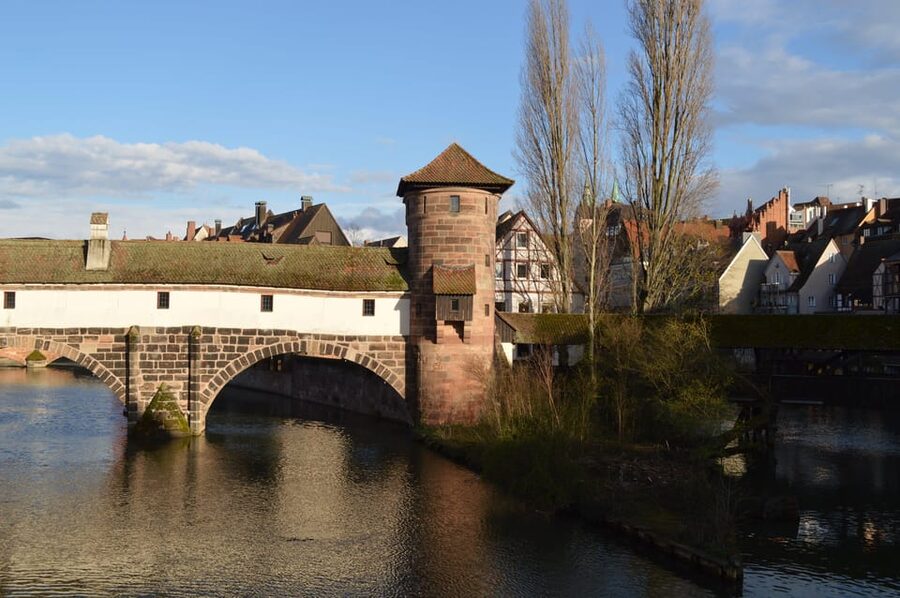
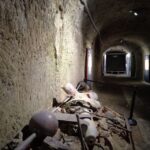
Then comes one of the most memorable stops: the medieval prison called Lochgefängnisse. You learn the purpose of the dungeons and how conditions were shaped for confinement and punishment.
This is where the tour can feel heavy, in a controlled way. The guide focuses on what the system was trying to do: detain people, control information, and enforce the consequences of conviction. The goal is clarity, not sensationalism.
Entry to the medieval dungeons is not included, so you will get the context through the guided experience rather than through an on-site ticketed visit. Still, the stop is designed to help you visualize why these spaces were built and used the way they were.
If you tend to like history that explains daily realities, not just famous events, you will probably rate this part highly. It turns an abstract topic into something you can picture.
Onward connections from Nuremberg:

Hauptmarkt and Christkindlesmarkt, death penalty themes in the main square
After the prison segment, the tour reaches the Hauptmarkt, the famous central market square. This is the spot where the annual Christkindlesmarkt takes place in December, and it creates an interesting contrast.
The tour explores the relation of the Hauptmarkt to everyday crime and death penalty. That contrast matters. A market square is where people buy food, gossip, and go about normal routines. Hearing how that same open space connected to punishment gives you a new way to look at the square.
If you are visiting in December, this is a particularly good time to book, even though the tour is about crime and justice rather than holiday shopping. If you are visiting outside December, you still get the same core idea, just with a different seasonal vibe in the background.
Fleischbrücke and corporal punishment, how punishment affected bodies
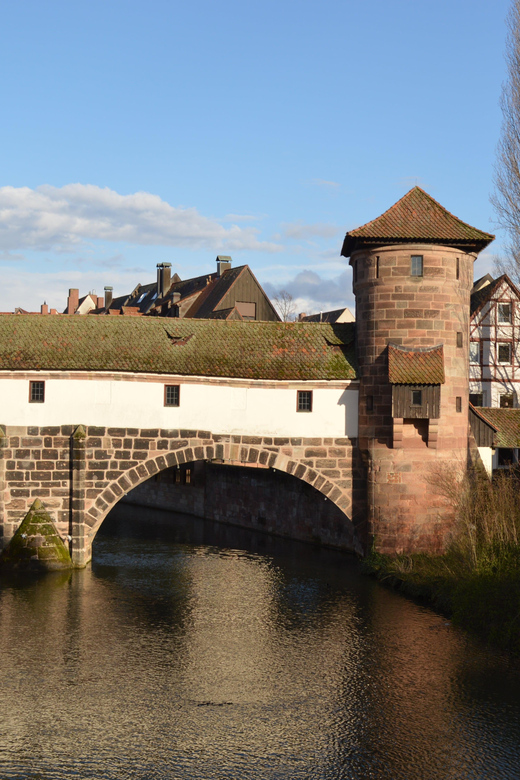
The walk then takes you to the Fleischbrücke. Here, the tour focuses on corporal punishment in the Middle Ages and how it was used as a tool of discipline.
This is one of those topics where the location helps. A bridge is a passage point, a place that connects sides of town. Hearing about punishment here reinforces that the city’s justice system was not hidden away. It was part of the physical flow of everyday life.
This stop works well if you like learning through specific city objects. The guide uses the bridge and its setting to explain the logic of public punishment, in the same way earlier stops used museums and squares.
Findelgasse and Peter Henlein, crime meets crafts and innovation
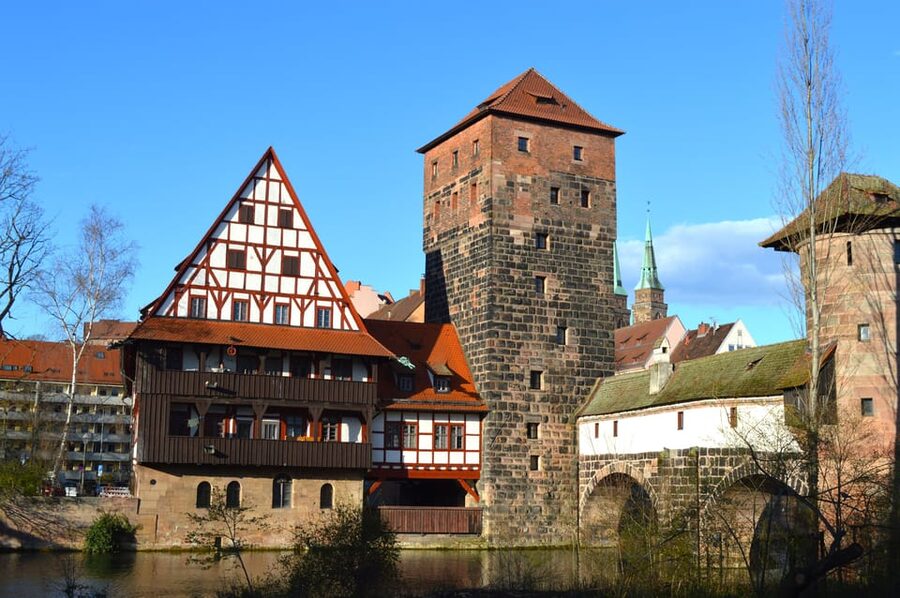
At the Findelgasse, you listen to the story of the famous watchmaker Peter Henlein. This is a smart pivot because it stops the tour from staying only in grim scenes.
The point is not that watchmaking is related to crime in a direct way. It is that you are in Nuremberg, where different kinds of stories share the same streets. Henlein’s presence in the tour helps you remember that the city was more than a stage for punishment.
If you want your history walk to have human texture, this segment helps. It gives you a mental reset and a reminder that the city produced skilled people, ideas, and technology, not only court cases.
Schuldturm ending, purpose and inmates behind the tower
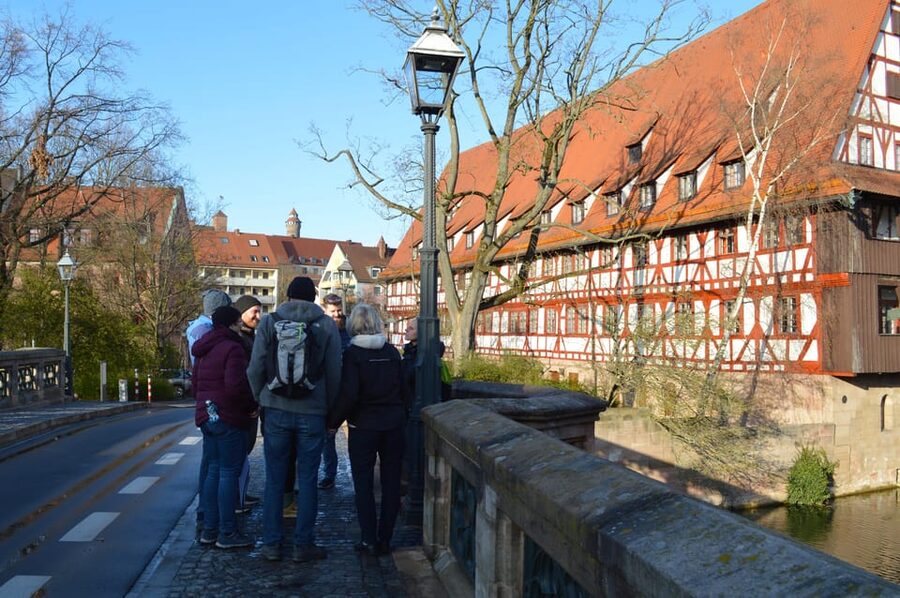
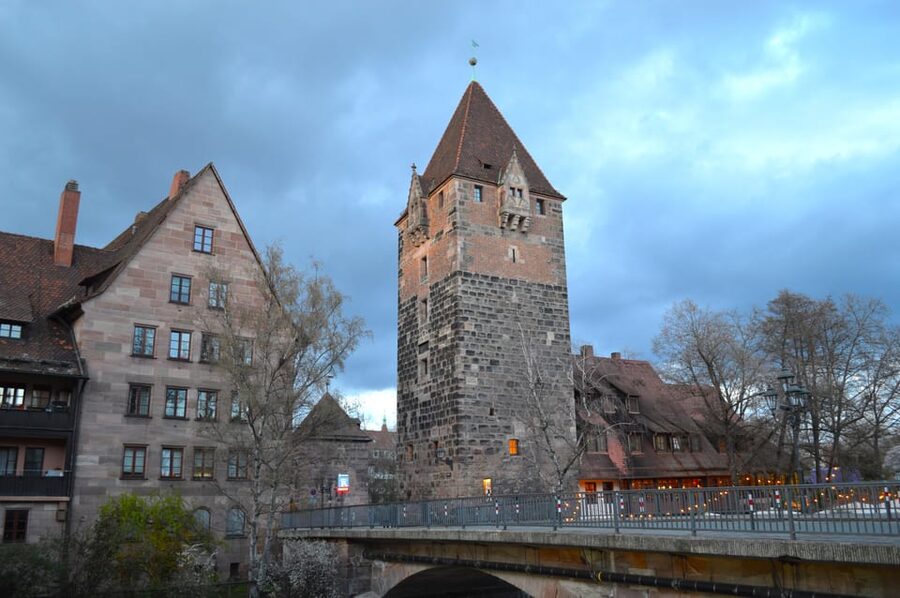
Your final stop is in front of the Schuldturm. The tour explains its purpose and tells you about its inmates, closing the loop on custody and confinement.
This ending matters because it brings your tour from causes and accusations into what happened after a person was processed through the system. You are no longer hearing about how justice was discussed. You are hearing what the city did to people after the verdict.
The direction is clear: you finish in the area of Vordere Insel Schütt, Nürnberg-Mitte. It is a good exit point for continuing your own walking day afterward, especially if you want to pair this tour with regular Old Town sightseeing.
Price and value: $15 for a two hour guided story walk
At about $15 per person for a two hour guided walk, this tour is good value if you like your history explained through real places. You are paying for guided interpretation, not for multiple museum admissions.
That also explains who should book. If you want a museum-heavy day where every stop includes ticketed entry, you might feel limited, because entry to the Henkerhaus, the town hall, and the Lochgefängnisse is not included. If, however, you like learning from a guide who ties landmarks to a theme, the structure makes sense.
Language matters for value, too. The tour is live and in German. If you do not read German comfortably, you may lose nuance. The experience seems designed for people who can follow a guided narrative without translation support.
Pacing, comfort, and what to bring for Nuremberg’s streets
You will be on foot for the full experience, so comfortable shoes are non negotiable. Nuremberg’s Old Town streets can feel uneven, and even if the distances between stops are short, you do not want sore feet cutting your attention.
Bring weather appropriate clothing. Several guides clearly run this tour in less than perfect weather conditions, and the story only works when you can stay focused.
Mobility note: the tour is not suitable for people with mobility impairments. That is worth taking seriously when you compare it to other Nuremberg options that may have more flexible pacing or vehicle transfers.
Who should book this tour
Book it if you want a clear, themed walk through Nuremberg focused on justice, punishment, and fear. This is a great choice if you enjoy stories that connect people, law, and place, like Franz Schmidt at the Henkerhaus and the Lochgefängnisse prison segment.
It is also a strong pick if you like Q and A. The experience is known for guides who share knowledge in an interesting way and answer questions carefully. Even the way the tour stays engaging when it is dark or rainy is a plus, so you are not relying on perfect conditions to get value.
If you prefer light, family friendly sightseeing with minimal grim content, you might choose a different style of tour. This one is built for crime and punishment as its core theme.
Should you book Nürnberg: Mörder, Fälscher, Messerstecher?
Yes, if you want a two hour, story driven walking tour that turns Nuremberg’s main sights into a coherent History of Crime narrative. The best reason to book is the payoff per minute: recognizable landmarks plus guided explanations that keep the theme connected from the Henkerhaus through Hauptmarkt, Fleischbrücke, Findelgasse, and ending at Schuldturm.
Skip it or rethink if you need an English tour, or if you specifically want ticketed museum entry at every stop. Also skip if mobility is a concern, since the tour is not suitable for mobility impairments.
If you like your history grounded in places you can point to on a map, this tour will give you exactly that.
FAQ
How long is the tour?
The tour lasts about two hours.
How much does it cost?
The price is listed as $15 per person.
Where do I meet the guide?
Meet the guide in front of the entrance of the Henkerhaus Museum. The guide carries a picture folder and a green name tag that says Geschichte Für Alle.
Where does the tour end?
The tour ends at Vordere Insel Schütt, 90403 Nürnberg-Mitte, Germany.
What is included in the price?
The included items are the walking tour and a qualified tour guide.
Are museum or attraction entries included?
No. Entry to the Henkerhaus, entry to the town hall, and entry to the medieval dungeons are not included.
What language is the tour in?
The live tour guide speaks German.
Is the tour suitable for people with mobility impairments?
No, it is not suitable for people with mobility impairments.
What should I bring?
Bring comfortable shoes and weather appropriate clothing.
If you want, tell me when you plan to go and whether you speak German, and I’ll help you decide if this fits your Nuremberg day plan.
Fresh on the arrivals board for Nuremberg
Nuremberg Tours & Activities, compared.
Tunnels and Secret Passages in the City Wall Tour
Read our review →
Walking Tour of Former Nazi Party Rally Grounds
Read our review →
Browse the lists this tour appears in