
Reviewed · NUREMBERG TOURS & ACTIVITIES
Nuremberg: Medieval Time Travel for Kids
Medieval Nuremberg can be fun and factual. This guided walk turns the Old Town into a hands-on lesson, with medieval daily life topics like what kids ate and played with, plus games that keep attention from wandering.
I particularly like how it connects everyday topics to real places, from water in medieval times at the Pegnitz to a church-focused stop at St. Sebaldus. One thing to consider: it is a mostly walking-based experience, and it is not suitable for children under 6 or for people with mobility impairments.
In This Review
- Key highlights you should know before you go
- Two hours in Nuremberg, starting at the Henkerhaus
- Pegnitz river water, and why it mattered for kids
- Trödelmarkt stop: the market square mindset
- Liebesinsel and the Fleischhauerbrunnen: history you can stand next to
- Hauptmarkt Nürnberg: the big square and its Christmas Market pull
- St. Sebaldus Church relief: the church as a daily-life force
- Weinmarkt and Weißgerbergasse: finishing in the craft-street atmosphere
- Historical games and a sacred ritual staging, done kid-first
- Medieval kids, work, nutrition, and leisure, explained without making it weird
- Price and value: why about $11 for 2 hours is fair
- Who should book this tour, and who might not love it
- Booking tips that will make the day smoother
- Should you book Nuremberg: Medieval Time Travel for Kids?
- FAQ
- Where do I meet the guide?
- How long is the tour?
- How much does it cost?
- What language is the tour in?
- Is it suitable for young children?
- What should I wear?
- Where does the tour go?
- What activities are included besides walking and sightseeing?
- What is the cancellation and payment situation?
Key highlights you should know before you go
- Start at Henkerhaus Museum so the medieval theme hits right away
- Pegnitz water lesson explains how water shaped daily life
- Hauptmarkt Nürnberg stop ties into the city’s big Christmas Market setting
- Sebaldus Church relief focus explores the church’s role in everyday life
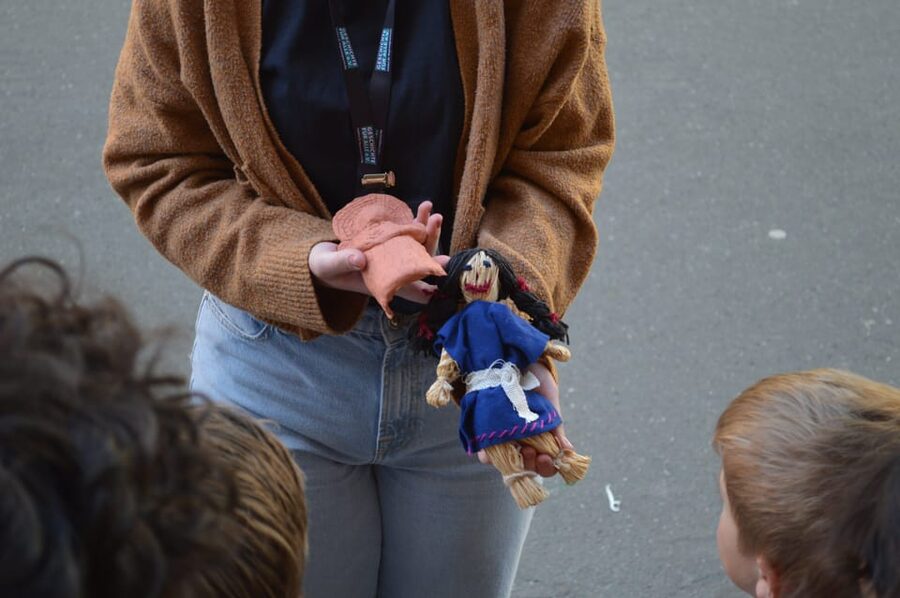
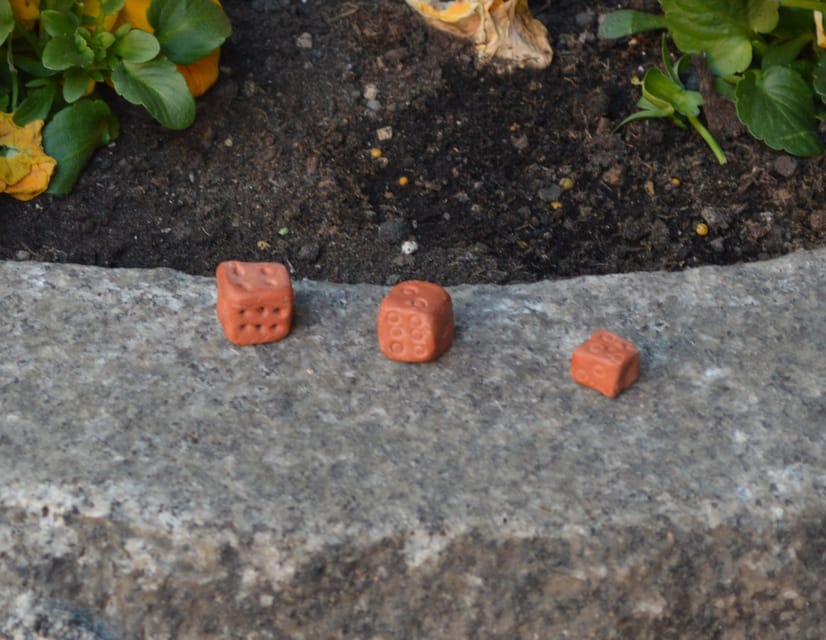
- Historical games and sacred ritual staging give kids a chance to participate, not just listen
- Multiple medieval professions come up as the guide moves from one landmark to the next
Two hours in Nuremberg, starting at the Henkerhaus
You meet the guide at the Henkerhaus Museum area, in front of the Hangman’s House by the Trödelmarkt. The guide stands there with a green name badge and a folder labeled Geschichte Für Alle, so you are not left playing guess-the-correct-person.
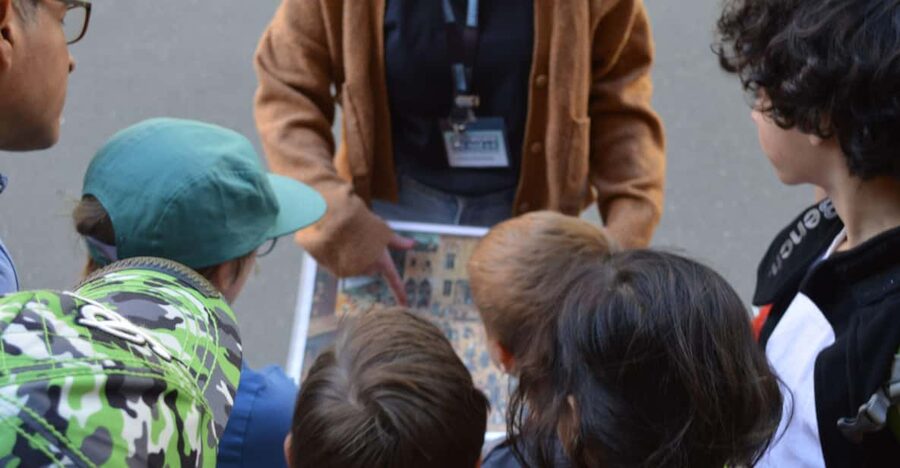
The format is simple: you walk, you stop, and you do things. The tour lasts 2 hours, and it is designed for children, not just adults who happen to bring kids. That matters, because medieval tours often turn into lectures. Here, the pacing is built around short segments and active breaks through the Old Town.
Another practical point: the tour is conducted in German. If your group includes kids who understand some German, you will likely feel the flow well. If not, you might still follow the visuals and participation, but plan on less narration in your own language.
Also holding a platform in Nuremberg
- Nuremberg: City Tour with the Bimmelbahn Train
★ 4.4 · 2,475 reviews - Nuremberg: Old Town Guided Walking Tour
★ 4.6 · 2,416 reviews - Nuremberg: Tunnels and Secret Passages in the City Wall Tour
★ 4.8 · 2,334 reviews
Pegnitz river water, and why it mattered for kids
One of my favorite parts is the way the tour uses the Pegnitz river as a teaching tool. You do not just see the water, you learn how people used it in medieval times. That is the kind of detail that instantly makes the past feel real, because it links a landmark you can see to daily needs like work, cleanliness, and basic survival.
For kids, water is also an easy hook. They already relate to it from modern life, so the guide can connect the dots without making it sound like a totally different planet. You get the sense that the city was built around practical systems, not just impressive buildings.
And this is a smart strategy for adults too. Even if you have visited Nuremberg before, learning how water shaped routines is a fresh lens on the same streets.
Trödelmarkt stop: the market square mindset
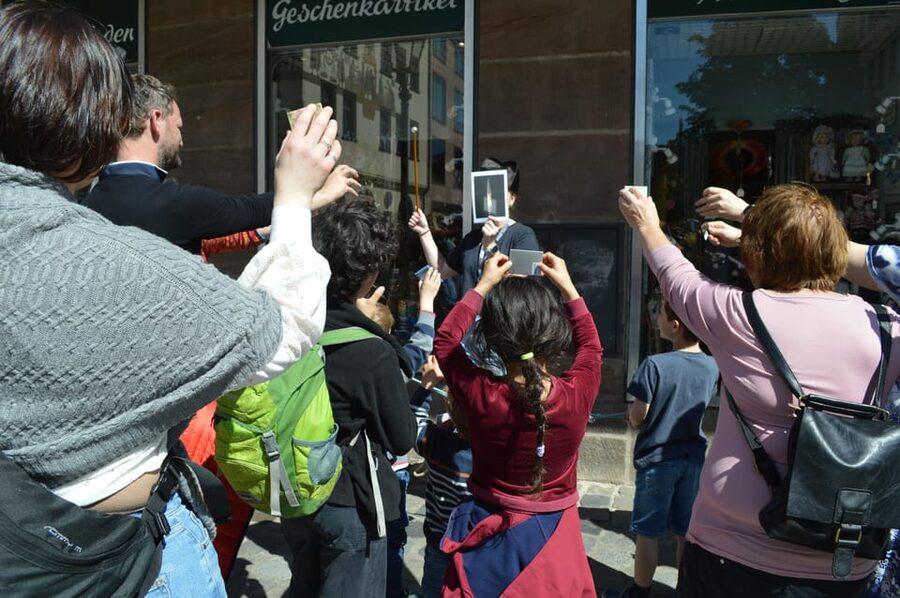
After starting at Henkerhaus, the tour moves to the Trödelmarkt. This is one of those Old Town nodes where the guide can talk about trading and everyday objects, the stuff that kept medieval neighborhoods functioning.
There is also a nice rhythm to this stop in the overall experience. Early on, the guide sets expectations and gets kids involved. That means when you reach the bigger landmarks later, the group is already warmed up and ready to participate.
One thing to keep in mind: you will be spending time around market areas, which means it can feel busy if you go during peak periods. The tour is structured, so you are not wandering randomly, but plan your patience if you are traveling with younger kids who get distracted by crowds.
Liebesinsel and the Fleischhauerbrunnen: history you can stand next to
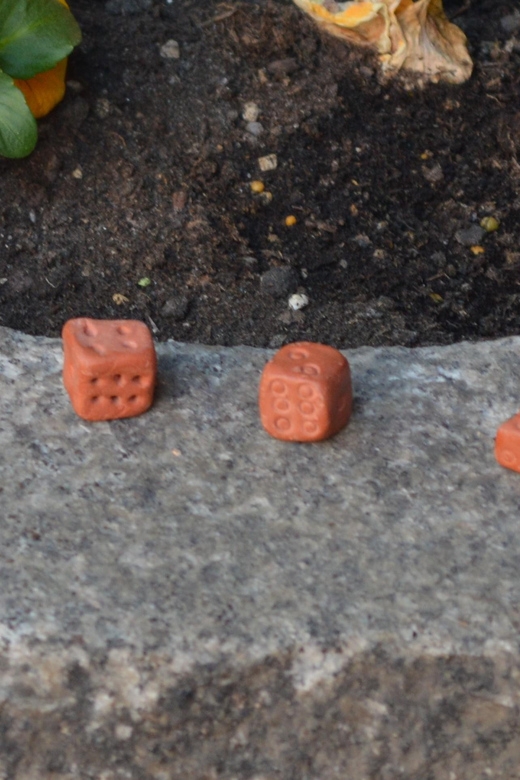
The itinerary includes guided stops at Liebesinsel and the Fleischhauerbrunnen, both close enough that you are walking only a few minutes between them.
At these stops, the value is not just the facts. It is the way the guide uses short pauses to connect the stone and symbols to human behavior. For example, a fountain or a river island is never only a pretty backdrop in this tour. It becomes a place where the guide talks about how people lived and worked, and what that meant for children.
You also get a feel for Nuremberg’s craft and trade identity through the profession angle. The tour specifically aims to show different medieval professions, and fountain areas and water-adjacent spots are ideal for that kind of storytelling.
For families, these segments are helpful because they keep the tour moving while still giving kids chances to “reset” mentally between more information-heavy moments.
Hauptmarkt Nürnberg: the big square and its Christmas Market pull
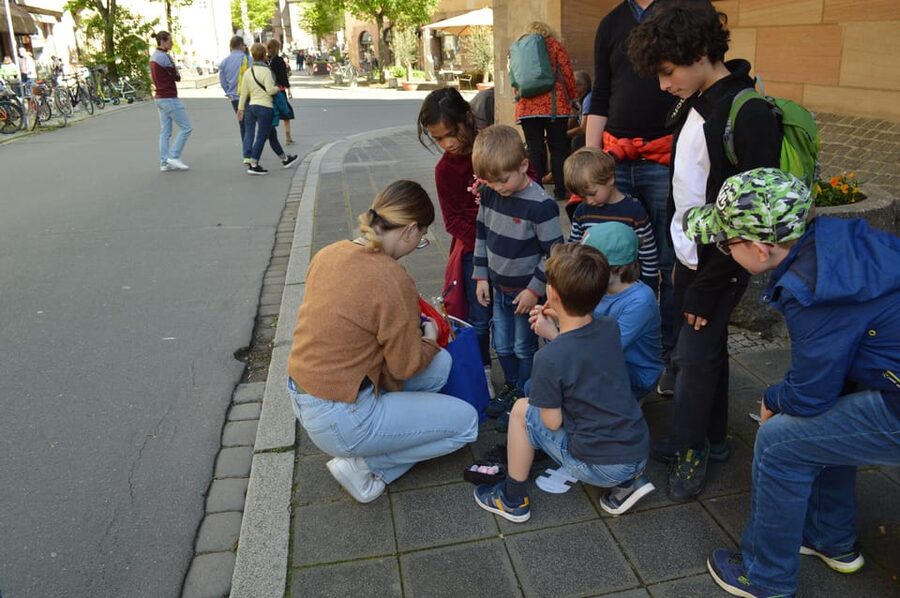
Next comes Hauptmarkt Nürnberg, a major Old Town square. This is the stop tied to the annual Christmas Market vibe, so even if you visit outside the holiday season, you are still standing in the space where that seasonal culture takes over.
Why this stop matters for your child’s experience: big squares are where public life happens. In medieval towns, that means more than shopping. It is where people gathered, announcements spread, and ceremonies took place. The tour uses the atmosphere of a central square to help kids understand how community life worked before modern communication.
This is also where the tour’s blend of fact and play comes into focus. You should expect historical games during the walk, and the timing of stops helps those activities land at moments when kids need a break.
Onward connections from Nuremberg:
St. Sebaldus Church relief: the church as a daily-life force
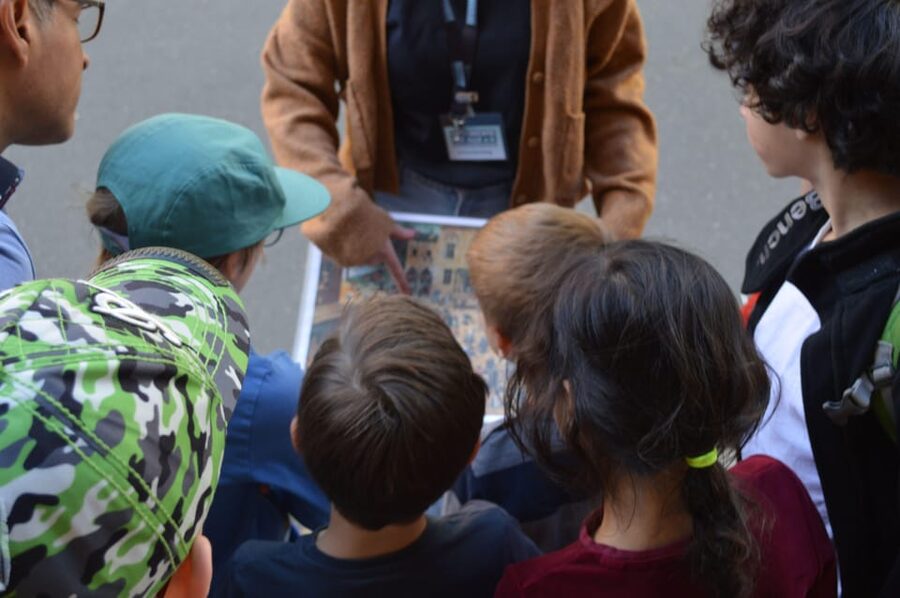
St. Sebaldus Church is another key landmark on the route, and the tour includes a stop at a relief outside the church. The focus here is not architecture for its own sake. It is the role of the church in everyday life, and how faith shaped what people did, believed, and expected from society.
This is a great idea for a kids tour, because it reframes church from “a building you look at” into something connected to rules, rituals, and community structure. The guide can explain how people related to the church beyond big holidays, which helps kids understand that medieval life was organized differently than ours.
From an adult perspective, I like that the tour does not treat religion like a side note. It makes it part of the explanation for why daily routines looked the way they did.
Weinmarkt and Weißgerbergasse: finishing in the craft-street atmosphere
After St. Sebaldus Church, the route continues to the Weinmarkt, then finishes at Weißgerbergasse. The walking time between stops is short throughout the tour, including a brief segment toward Weinmarkt and then the final approach to Weißgerbergasse.
Even without turning this into a food or wine tour, the Weinmarkt stop works as a clue about medieval commerce. Names like that hint at how specific trades and goods shaped the city’s identity. Weißgerbergasse, as a finishing area, also supports the tour’s theme of professions and working life. It is a satisfying end point because it feels like you are still in the zone where people would have worked, traded, and lived close to their livelihoods.
Historical games and a sacred ritual staging, done kid-first
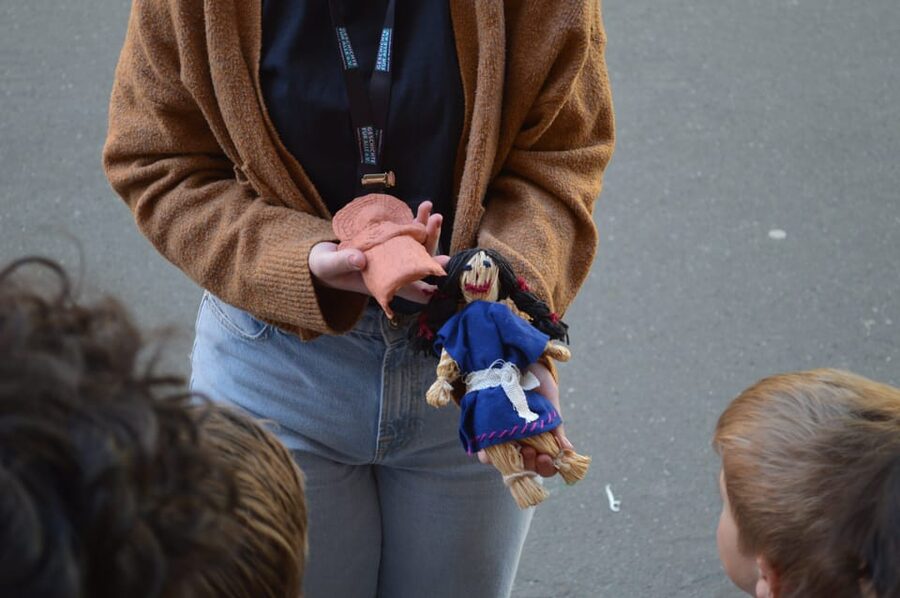
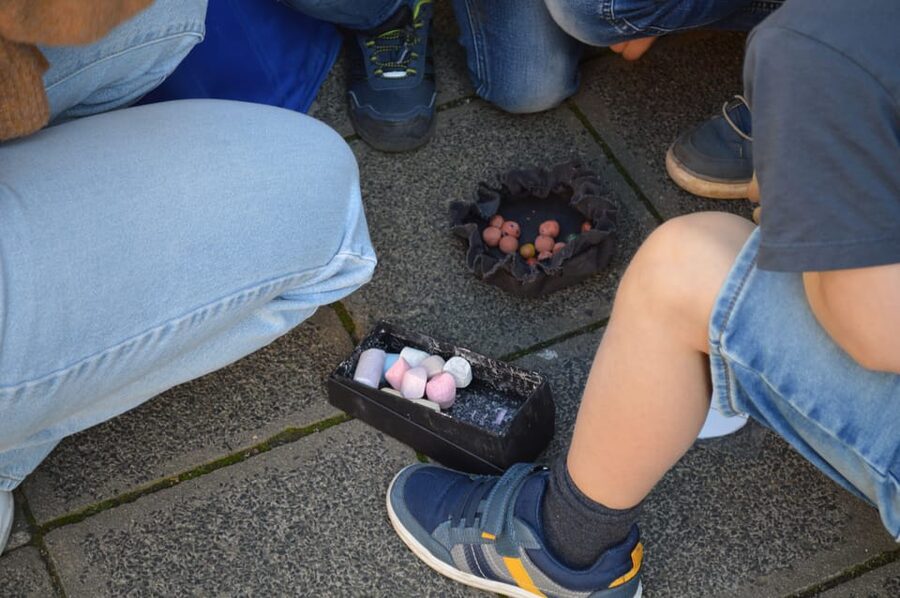
A standout feature is the active portion of the experience. The tour includes historical games, and it also includes a joint staging of a sacred ritual.
This is where the tour earns its family-friendly reputation. Instead of asking children to sit still through long explanations, it gives them a role in the learning moment. That helps kids process what they hear, and it helps them remember it later because they did something, not just listened.
A small but important consideration: you will likely be asked to participate alongside other participants as part of the staging. If your child is shy, you can still usually encourage them to join in with a role that feels comfortable. The tour structure is built to include participation, not spectator-only watching.
Medieval kids, work, nutrition, and leisure, explained without making it weird
The tour theme is daily life for children in the Middle Ages. You get guided lessons on what children ate, what they played with, and whether there really were knights and princesses in the city.
That last question is especially useful, because it gives you a reality check. Kids often hear fairy-tale versions of the Middle Ages. This tour leans into the myth-versus-reality angle in a way that keeps things fun while still teaching.
You will also learn about working life and leisure time, plus the roles church and society played in shaping routines. That combination is a strong approach because it paints daily life as a whole system: food, work, play, and beliefs all connect.
Price and value: why about $11 for 2 hours is fair
At $11 per person for a 2-hour guided walk, this is good value for families. You are paying for a live guide, multiple landmark stops across the Old Town, and the extra work that goes into games and staged participation.
The value gets even better when you consider what you avoid. Instead of piecing together separate activities for each kid, you get one structured experience that mixes learning with movement. For many families, that kind of “one ticket, many stops” setup is what makes a day plan actually work.
Keep in mind though that the tour is in German and is limited by age and mobility requirements. If language is a barrier or if your child needs more accessibility support, the price may not feel like a bargain compared to an activity that matches your needs more closely.
Who should book this tour, and who might not love it
I think this fits best if you are traveling with children around the minimum age limit and up, and you want a tour that treats kids as participants. The experience is also a good match if you want your family to learn medieval life in a way that feels real, through places like the Pegnitz river area, Hauptmarkt Nürnberg, and St. Sebaldus Church.
It might not be the right choice if:
- your child is under 6
- someone in your group needs an accessibility-friendly route, since the tour is not suitable for people with mobility impairments
- you strongly need the narration in a language other than German
Booking tips that will make the day smoother
Bring comfortable shoes. Even though the walking segments between stops are short, this is still an Old Town walk and you will be on your feet the whole time.
Also wear weather-appropriate clothing. A 2-hour schedule means you are outdoors for a good chunk of the experience. If you are visiting in cool or rainy months, plan for layers.
One more practical note: the tour is family-focused, so the best attitude is to treat it like a participation game. When you lean into the play parts, the learning lands better for kids and for you.
Should you book Nuremberg: Medieval Time Travel for Kids?
If you want a family tour that stays lively while covering real medieval themes, I would book it. The best reason is the balance: you get landmark stops that make sense in context, plus active games and even a joint staging that turns history into something your kids can actually do.
I would skip it if you need an accessible route or if your group is not comfortable with a German-only guided experience. If those points fit, this tour is an efficient, value-priced way to see Nuremberg’s Old Town through kids’ eyes, with the Pegnitz, the market square energy, and the church’s role in daily life all tied together in one smooth 2-hour package.
FAQ
Where do I meet the guide?
You meet at the Henkerhaus Museum area, in front of the Hangman’s House by the Trödelmarkt. The guide stands there with a green name badge and a folder that says Geschichte Für Alle.
How long is the tour?
The tour lasts 2 hours.
How much does it cost?
The price is $11 per person.
What language is the tour in?
The tour is guided live in German.
Is it suitable for young children?
No. It is not suitable for children under 6.
What should I wear?
Wear comfortable shoes and weather-appropriate clothing.
Where does the tour go?
It includes stops around Nuremberg’s Old Town, including Trödelmarkt, Liebesinsel, Fleischhauerbrunnen, Hauptmarkt Nürnberg, St. Sebaldus Church, Weinmarkt, and it finishes at Weißgerbergasse.
What activities are included besides walking and sightseeing?
You can expect historical games and a joint staging of a sacred ritual, plus learning activities about medieval childhood and professions.
What is the cancellation and payment situation?
You get free cancellation up to 24 hours in advance for a full refund. The booking also offers reserve now & pay later, and the booking confirmation serves as proof of payment.
Fresh on the arrivals board for Nuremberg

Nuremberg Tours & Activities, compared.
Tunnels and Secret Passages in the City Wall Tour
Read our review →
Walking Tour of Former Nazi Party Rally Grounds
Read our review →
Browse the lists this tour appears in