
Reviewed · 1-DAY TOURS
Nuremberg: 1-day ticket Germanisches Nationalmuseum
A day here can feel like flipping through centuries. The Germanisches Nationalmuseum mixes old masterworks with standout modern design, and you get a full day to wander at your own pace. I especially love seeing the UNESCO globe and getting lost in the museum’s beautiful inner courtyards.
One possible drawback: it is a large museum, so without a plan you may feel rushed or miss the special exhibitions.
In This Review
- Key highlights you will notice right away
- A 1-day ticket that turns Nuremberg into a time machine
- Entering through the oldest globe in the world
- Architectural history you feel as you move through the museum
- Art highlights: Dürer, Rembrandt, and Hannah Höch without the fuss
- Courtyards in the middle of the museum
- Café Arte breaks, plus a realistic way to manage food rules
- Special exhibitions that can change what your day is about
- The 3:00 pm guided tour: use it or skip it wisely
- What is included for a full-day visit, and what costs extra
- Museum rules that affect how you plan your day
- Price and value: why $11 can feel like a lot more
- Who this one-day museum ticket suits best
- Should you book this 1-day Germanisches Nationalmuseum ticket?
- FAQ
- How long is the Germanisches Nationalmuseum visit with this ticket?
- What is the price of the ticket?
- What is included with the ticket?
- Is the audio guide included?
- Is the 3:00 pm guided tour included?
- Is the museum wheelchair accessible?
- Are pets allowed in the museum?
- Is there a place to buy coffee or lunch?
Key highlights you will notice right away

- The UNESCO globe that turns “world history” into something you can actually stand in front of
- Big-name artists across eras, from Albrecht Dürer and Rembrandt to Hannah Höch
- Architecture you walk through, so the building itself becomes part of the story
- Nuremberg-style courtyards inside the museum, perfect for a breather
- Changing special exhibitions that keep the visit feeling fresh, not repetitive
A 1-day ticket that turns Nuremberg into a time machine
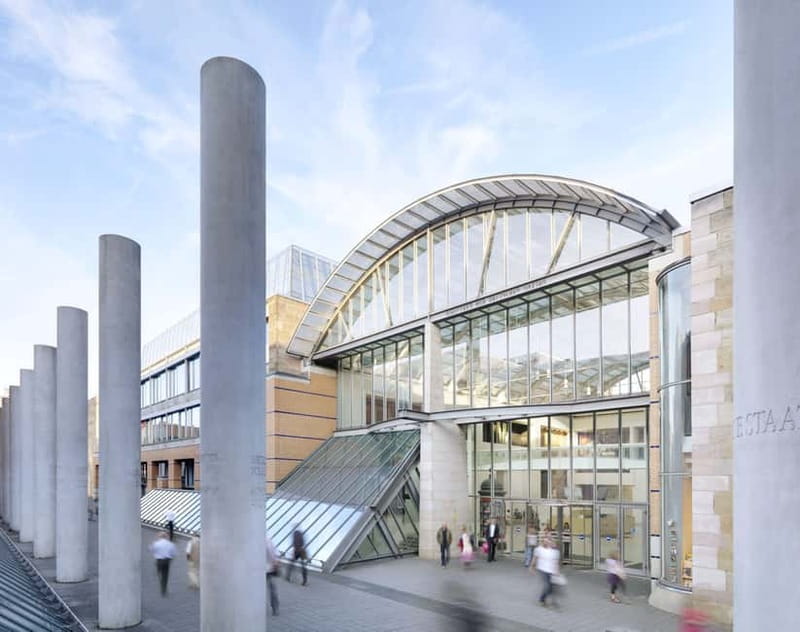
If you only have one day in Nuremberg, this ticket is a smart use of time. For about $11 per person, you get admission for a full day into both the permanent collection and the changing special exhibitions. That matters because it lets you pace your day based on your interests, not a fixed tour schedule.
You can also take breaks without guilt. The museum has a Café Arte for coffee and lunch, plus inner courtyards that are meant for lingering. The vibe is not “museum sprint,” it is “pick your threads and follow them.”
The one thing to plan for is scale. A “very large exhibition” is exactly what this museum can feel like, so you will want to decide what you care most about before you start wandering.
Also holding a platform in Nuremberg
- Nuremberg: City Tour with the Bimmelbahn Train
★ 4.4 · 2,475 reviews - Nuremberg: Old Town Guided Walking Tour
★ 4.6 · 2,416 reviews - Nuremberg: Tunnels and Secret Passages in the City Wall Tour
★ 4.8 · 2,334 reviews
Entering through the oldest globe in the world
The first big wow is the oldest globe in the world, and it is also a UNESCO World Heritage Site. Instead of treating it like a random display object, the museum sets you up to see it as a window into how people pictured the world at the time.
Even if you are not a map person, this stops you cold because you can look closely at something that shaped real decisions: travel, trade, exploration, and imagination. It also anchors the broader theme of the museum, cultural history stretching back a very long time.
If you are coming in right on time, give yourself a few extra minutes there. It is the kind of highlight you will want to revisit, even after you move deeper into the galleries.
Architectural history you feel as you move through the museum
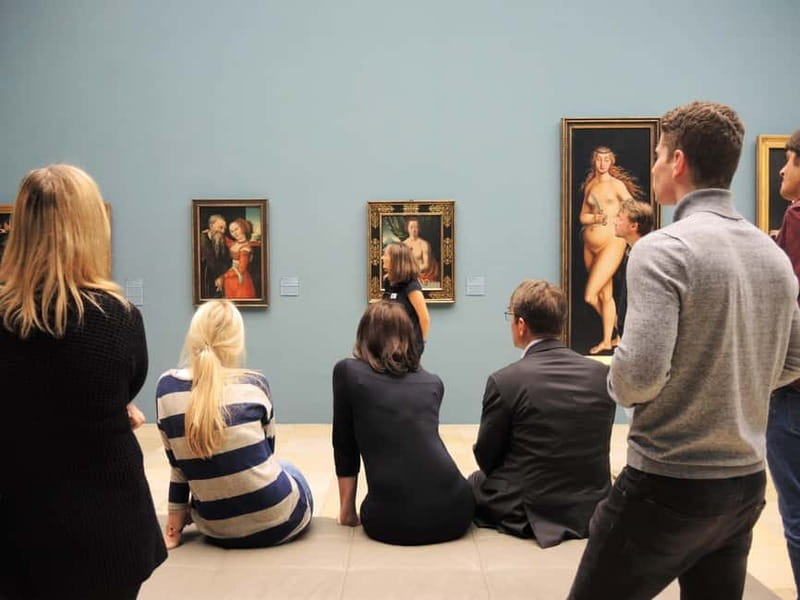
One of the most underrated parts is that you are not just looking at history, you are walking through it. The museum is described as combining historical and modern architecture, and that creates a useful rhythm: you step from one kind of space into another, and the building helps explain how museum thinking has changed over time.
This is also where you can make your visit more comfortable. When the galleries start feeling long, a quick circuit through different architectural areas can reset your brain. It is easier to stay focused when the environment keeps shifting.
If you love “how things were made” more than “what year it is,” this section is built for you. The museum’s layout and architecture turn the day into a journey, not just a checklist.
Art highlights: Dürer, Rembrandt, and Hannah Höch without the fuss
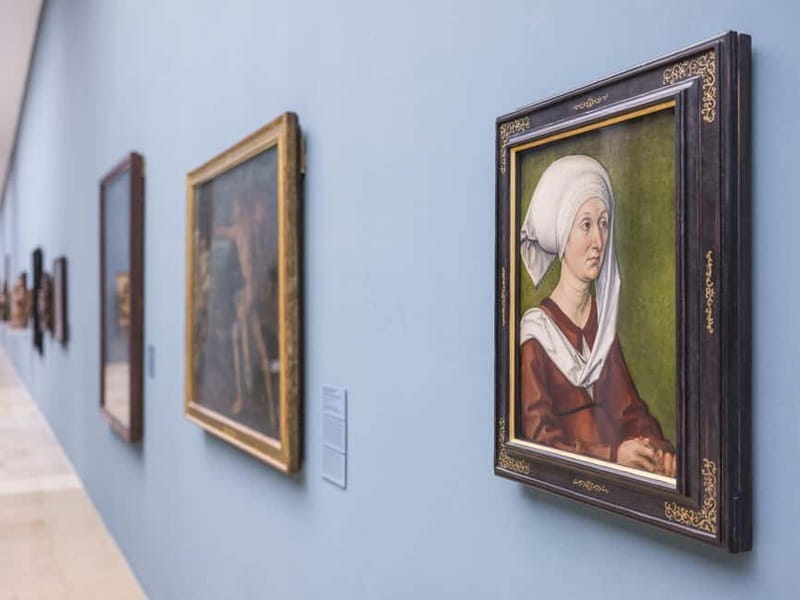
This is where the museum earns its reputation. You get masterful works tied to major names like Albrecht Dürer and Rembrandt, plus modern art such as Hannah Höch. That mix is useful because it stops the visit from being one-note. You can compare how different periods understood realism, portraiture, and design, even when the media changes.
What I like about this setup is that it is not only about famous names. The museum places artwork inside a wider cultural context, so you can see style as part of a larger conversation. You are not just staring at paintings, you are tracking ideas.
Here is a practical tip: when you find one artist you love, use that as your filter for nearby rooms. If you start with Dürer, for example, you will likely notice more carefully how later artists react or break from earlier approaches. If you start with modern pieces, the older material can suddenly look less distant, more like the start of a chain rather than a separate world.
Courtyards in the middle of the museum
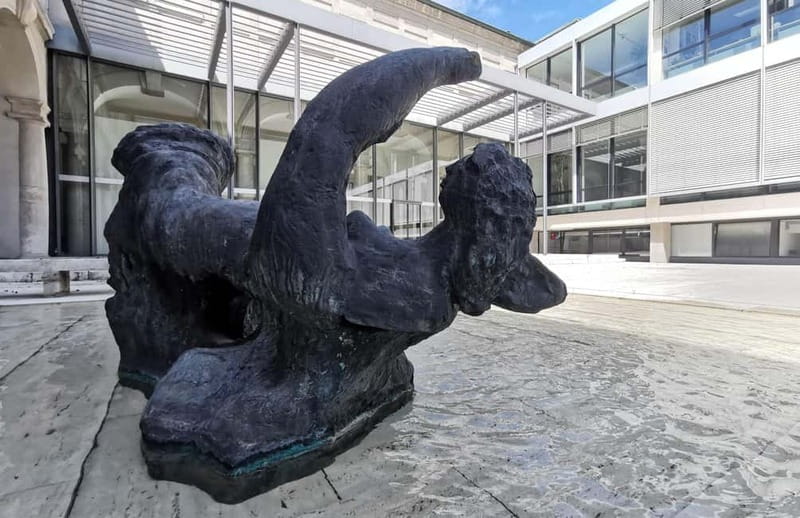
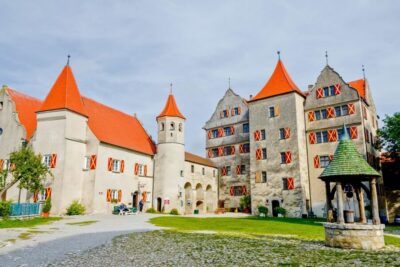
The museum’s inner courtyards are often the best “breather” you can build into a one-day visit. You get fresh air and a pause from indoor walls, which is more important than it sounds in a big museum.
These courtyards also help you process what you just saw. After a dense room of art or design, stepping into an open space gives your eyes and mind a reset. You will come back with better attention.
If you plan your day around them, do it like this: after every major cluster of galleries, take 10 to 15 minutes outside. You will not lose time, you will use it better.
Onward connections from Nuremberg:

Café Arte breaks, plus a realistic way to manage food rules
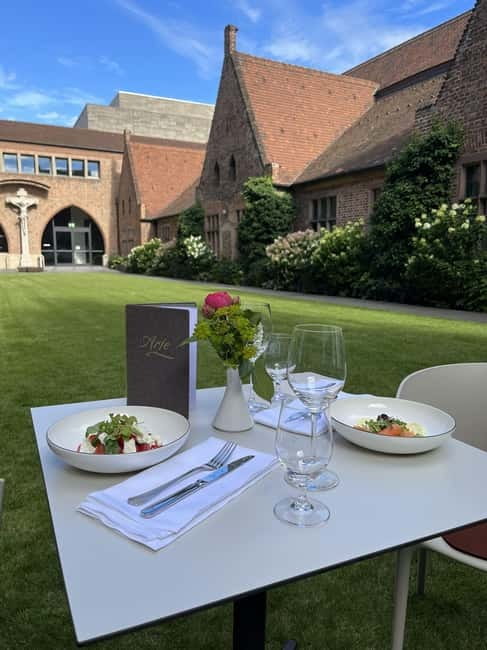
Yes, there is Café Arte, and it is where you can relax with coffee or grab lunch. That is great for a long day because it gives you a reliable option when you start getting tired.
But do note the museum’s rules: food and drinks are not allowed inside. That does not mean you are out of luck. It means you should plan to eat in the café rather than bringing your own.
A good strategy is to schedule lunch after you complete one major section. This keeps you from wandering hungry and makes your second half of the day feel smoother.
If you are the type who hates waiting in line, bring a little patience. In a large museum, café time can be busy, especially mid-day.
Special exhibitions that can change what your day is about
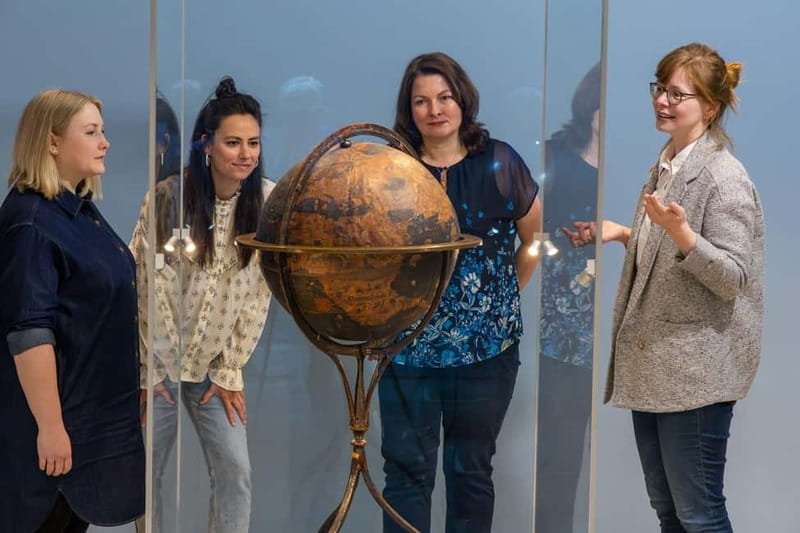
Special exhibitions are included with your ticket, so you should treat them as part of the “main event,” not an afterthought. The museum can surprise you with exciting themes, and since these shows rotate, they help make each visit different.
Because special exhibitions are included, you should check what is running when you go and decide how much time it deserves. If one topic hooks you, you may want to spend longer there and shorten a less interesting room. Your ticket gives you freedom, so spend your energy where your curiosity actually goes.
A practical approach is to do one pass through your must-see highlights first, then return later for the special exhibition deep look. That way, you do not end up distracted early and lose the thread.
The 3:00 pm guided tour: use it or skip it wisely
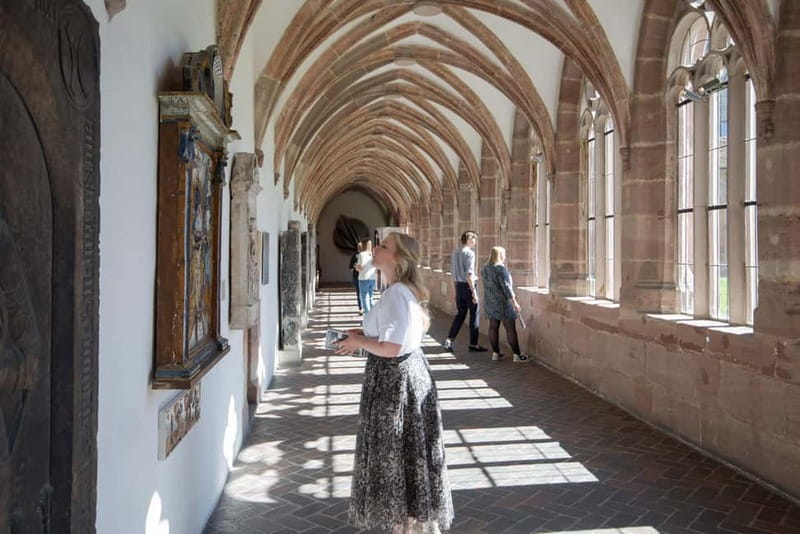
There is a daily guided tour to get to know the GNM, held Tue to Sun at 3:00 pm. It is described as part of the museum experience, but participation in guided tours and events is not included with the ticket, and an audio guide is not included either.
So what does that mean for you? If you want structure, the guided tour time can be a useful backbone. You can plan your self-guided wandering around the 3:00 pm session, using it as a way to orient yourself quickly.
If you prefer to go at your own pace, you can skip it. You will still have admission and detailed information material, including an orientation map. That map is your fallback plan for finding your way without paying extra for an audio guide.
Either way, the key is timing. In a big museum, orientation early can save you from doubling back later.
What is included for a full-day visit, and what costs extra
Your ticket covers admission to the permanent exhibition and the changing special exhibitions. You also get detailed information material and an orientation map, which is handy if you do not want to rely on your phone all day.
Two things are not included:
- An audio guide costs 3 EUR
- Participation in the guided tour and events is not included
From a value perspective, this still makes sense. The museum is already offering two major “tracks” with your ticket, permanent and special. The extra options are there if you want them, not required for a good visit.
If you are budgeting tightly, put your money into time, not gadgets. Use the orientation map, pick a few priorities, and focus on the highlights that you can see without extra payment.
Museum rules that affect how you plan your day
The museum has a clear set of restrictions, and knowing them ahead of time saves stress.
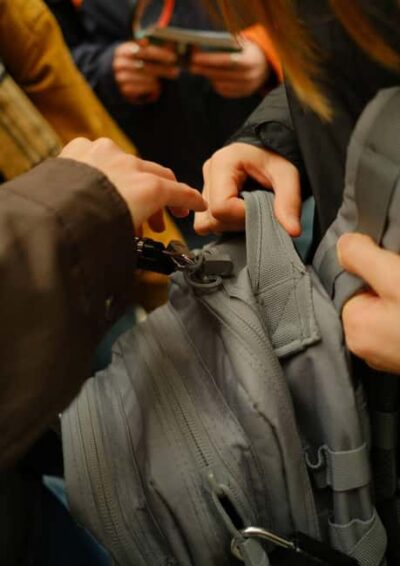
Pets are not allowed. Food and drinks are not allowed in the museum. Luggage or large bags are not allowed, and backpacks are not allowed. Smoking indoors is not allowed, and you also cannot use a flashlight or touch exhibits.
This affects everyday choices:
- Wear a small, easy-to-manage bag.
- Keep hands to yourself near displays.
- If you are tempted to snack, plan for Café Arte instead.
It is a normal museum policy set, but in a day-long visit it can be a big deal. A backpack you expected to use may become a hassle at the door. Keep it light.
Price and value: why $11 can feel like a lot more
At about $11 per person, you are paying for a full day in a major institution with both permanent and special exhibitions. That is an excellent value model, because it gives you two kinds of content in one ticket price. If you only saw permanent galleries, the ticket would still be reasonable. With special exhibitions added, it becomes a stronger deal.
The museum also includes practical extras like an orientation map and information materials. Those reduce the “cost” of your time because you spend less energy figuring out where to go.
If you are the type who likes to compare eras, the mix of Albrecht Dürer, Rembrandt, and modern work by Hannah Höch can justify the price by itself. You are not just consuming culture, you are building a sense of how German and European visual thinking shifts across time.
Who this one-day museum ticket suits best
This is a great pick for you if you want a lot packed into one day, but still want control. The full-day ticket structure is ideal when your energy might change. Start strong, take breaks in the courtyards, and slow down when the galleries feel long.
You will also enjoy it if you like:
- Art history that spans old and modern periods
- Architectural spaces that add meaning to the collection
- A museum day with natural reset points (courtyards and Café Arte)
You might think twice if you hate large museums or you want a tightly guided, step-by-step itinerary. With this ticket, you do have structure from the museum’s materials, but your pacing is still your responsibility.
Should you book this 1-day Germanisches Nationalmuseum ticket?
Book it if you want big value and wide range in a single day. The UNESCO globe is a major draw, the art lineup hits both classic and modern names, and the courtyards plus Café Arte make it easier to sustain a long visit. For $11, the included combination of permanent and special exhibitions is hard to beat.
Skip or reconsider if you only want one specific type of content and you prefer very focused, short experiences. This is a museum where you will get the best results by choosing priorities and using the orientation map to guide your route.
If you do book, go in with a simple plan: pick one must-see highlight, decide how much time you want for special exhibitions, then build in courtyard breaks. That approach keeps the day enjoyable, not overwhelming.
FAQ
How long is the Germanisches Nationalmuseum visit with this ticket?
The ticket is valid for one day, so you can spend the whole day in the museum at your leisure.
What is the price of the ticket?
The price is listed as $11 per person.
What is included with the ticket?
Admission includes the permanent exhibition and the changing special exhibitions, plus detailed information material and an orientation map of the museum.
Is the audio guide included?
No. The audio guide is not included and costs 3 EUR.
Is the 3:00 pm guided tour included?
Participation in guided tours and events is not included. The museum has a daily guided tour Tue to Sun at 3:00 pm, but you would need to check the participation details.
Is the museum wheelchair accessible?
Yes, the museum is listed as wheelchair accessible.
Are pets allowed in the museum?
No, pets are not allowed.
Is there a place to buy coffee or lunch?
Yes. The museum has Café Arte, where you can relax with coffee or enjoy lunch. Food and drinks are not allowed to be brought into the museum.
Fresh on the arrivals board for Nuremberg
1-Day Tours, compared.

Neuschwanstein & Linderhof Castle Full-Day Trip
Read our review →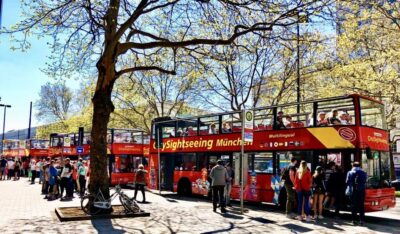
Munich Hop-On Hop-Off Tour: 1-Day or 2-Day Ticket
Read our review →

Salzburg Sightseeing Day Trip from Munich by Rail
Read our review →


Neuschwanstein Castle and Linderhof Palace Day Trip from Munich
Read our review →Browse the lists this tour appears in