
Reviewed · THIRD REICH & WORLD WAR II TOURS
National Socialism WWII with licensed guide – private tour
Munich can feel too orderly, until you learn why. This 2-hour private walk through major Nazi-era locations in Bavaria is a focused way to understand how National Socialism took root, grew, and turned daily life into machinery. I especially liked the photo-based evidence and the clear, chronological explanations that make the story easier to hold in your head. I also really valued the respectful tone, plus the fact that the guide is Wolfgang Brehm, a professional with long experience. One drawback to consider: this is not a casual sightseeing loop, so you should expect heavy subject matter and serious discussion.
You’ll move on foot between big, symbol-heavy sites, but the tour keeps returning to meaning, not just monuments. I liked how you get both the public face of the regime, from famous buildings and squares, and the counter-story of resistance in Munich, including the White Rose. If you want a purely historical lecture with no walking, this one may feel a bit active, because it’s built as a walking tour with multiple stops and short guided sections.
In This Review
- Key highlights you should care about
- A Munich Walk Through Nazi Power, Propaganda, and Resistance
- Meeting Point to Finish: How the Tour Flows on Foot
- Wolfgang Brehm and the Photo-Based Method That Makes It Click
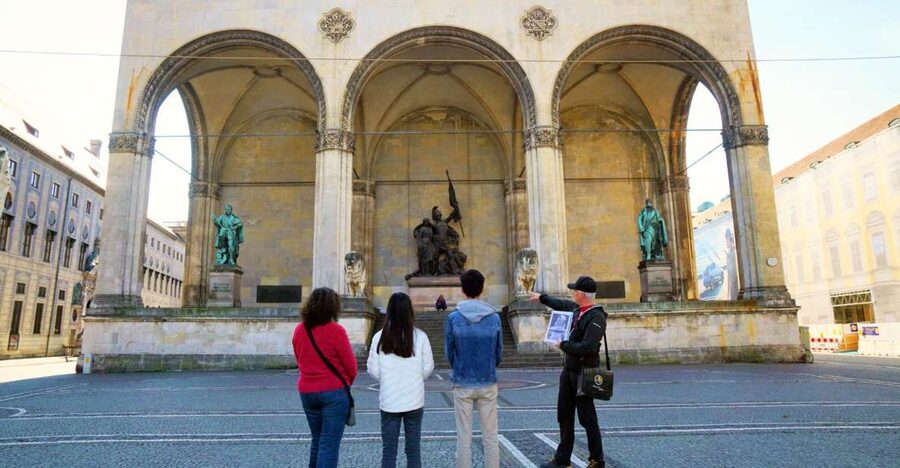
- Odeonsplatz and Feldherrnhalle: Where the Putsch Gets a Monument
- House of German Art and Munich Residenz: Nazi Control of Culture
- Square for the Victims of National Socialism: The Names Behind the Stones
- LMU and the White Rose: Resistance You Can Actually Picture
- Art, Sponsors, and the Push for a Total Regime
- Führerbau, Brown House, and Königsplatz: The Power Center at the End
- NS Documentation Centre: Use It Like a Follow-Up Museum
- Price and Value for a 2-Hour Private Group up to 30
- Who Should Book This Tour, and Who Might Skip It
- Should You Book It
- FAQ
- How long is the National Socialism WWII private tour in Munich?
- What is the price for this tour?
- Where does the tour start and where does it end?
- Which languages are offered?
- Is admission to the NS Documentation Centre included?
- What sites are included on the route?
- Is the tour wheelchair accessible?
- Is the tour private?
Key highlights you should care about
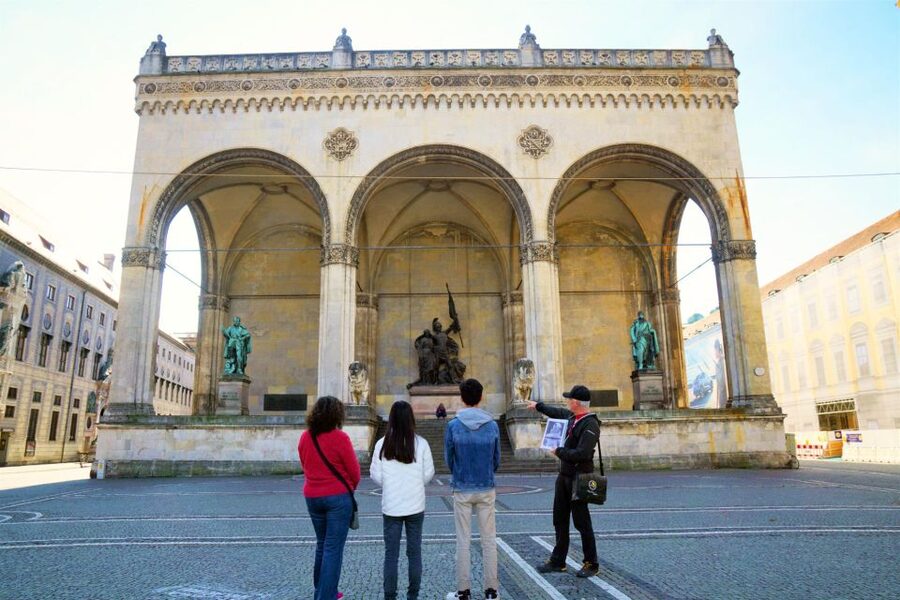
- Wolfgang Brehm leads the tour, with a guided style that keeps things clear and moving
- Propaganda in the street: you’ll see Third Reich sites and how they were meant to persuade
- Resistance is part of the route, including the White Rose and the story of flyer-making and punishment
- Extensive photo material is used during the walk to connect scenes to what the regime did
- NS-era art and censorship show up in stops tied to major culture targets like Degenerate Art
- NS Documentation Centre visit at the end of the guided portion, with the option to add time using separate admission
A Munich Walk Through Nazi Power, Propaganda, and Resistance
This isn’t a “dark history” tour in the vague, spooky sense. It’s practical. It’s about locations, yes, but also about cause and effect. In about two hours, you connect why Adolf Hitler came to Munich, how he lived and worked there, how the NSDAP got going, and how the famous 1920s coup attempt shaped later politics.
What I liked is that you don’t just stare at buildings. You’re taught to read them. You learn what those places were designed to do, and what people were expected to feel while standing there. That matters, because the Nazi regime was not only about laws and violence. It was also about performance, symbols, and control of public meaning.
You also get the other side of the story. Munich was a cradle of National Socialism, but it also hosted resistance. The tour builds you toward that pivot, so you end with more than just the regime’s self-image. This is a good fit if you like your history grounded in places you can point to, and if you want a guide who can explain without turning it into either propaganda or a lecture that loses the human scale.
Further Third Reich and wartime history tours:
- Munich: Third Reich & WWII Walking Tour
★ 4.6 · 6,181 reviews - Third Reich Walking Tour Munich
★ 4.5 · 4,291 reviews - Munich: Birthplace of the Third Reich Guided Walking Tour
★ 4.6 · 771 reviews
Meeting Point to Finish: How the Tour Flows on Foot
The tour starts at the steps at the Feldherrnhalle at Odeonsplatz, then works through a set of key locations tied to the rise of the Nazis, their cultural agenda, and their power base. The walk ends at Königsplatz 1, which is the right place to finish because it’s the heart of the party-area complex and the cluster of government-style buildings that made the regime feel permanent.
It helps that this is a private group. That usually means the guide can pace the stops for your group and explain at the level you need. It also makes it easier to ask questions, especially if you are visiting Munich for school-level history, museum interests, or general understanding.
You should plan for a steady walking pace, since the route includes multiple short guided segments. The timing is structured but not rushed. Expect small blocks of guided stops rather than one long stop-and-go lecture. That style tends to keep your attention from drifting, which is a big deal with heavy material.
Wolfgang Brehm and the Photo-Based Method That Makes It Click
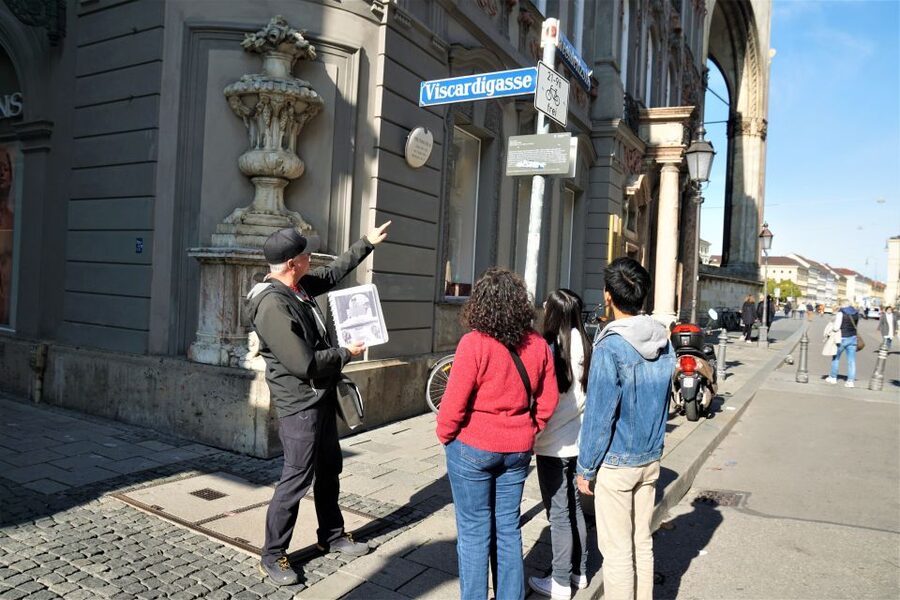
A major strength here is the guide. The experience is provided by schwarzgold.info, with Wolfgang Brehm as the licensed guide. The reviews praise his competence and how clearly he presents the material. More importantly for you as a reader, it sounds like the explanations are built to be understandable, not intimidating.
The tour also uses extensive photo material. That’s not a gimmick. It helps because many of these sites are still standing, and your brain may otherwise fill in gaps with modern assumptions. Photos let you see what the Nazi regime wanted people to notice, what parades and gatherings looked like, and how propaganda framed the public world.
If you’re the kind of traveler who likes to connect “then” and “now,” this photo approach is a real advantage. It turns the walk into a visual timeline. And if you have a student in your group, this structure can work well for learning goals too, because the explanations are organized enough to be useful even for a school-history mindset.
Odeonsplatz and Feldherrnhalle: Where the Putsch Gets a Monument
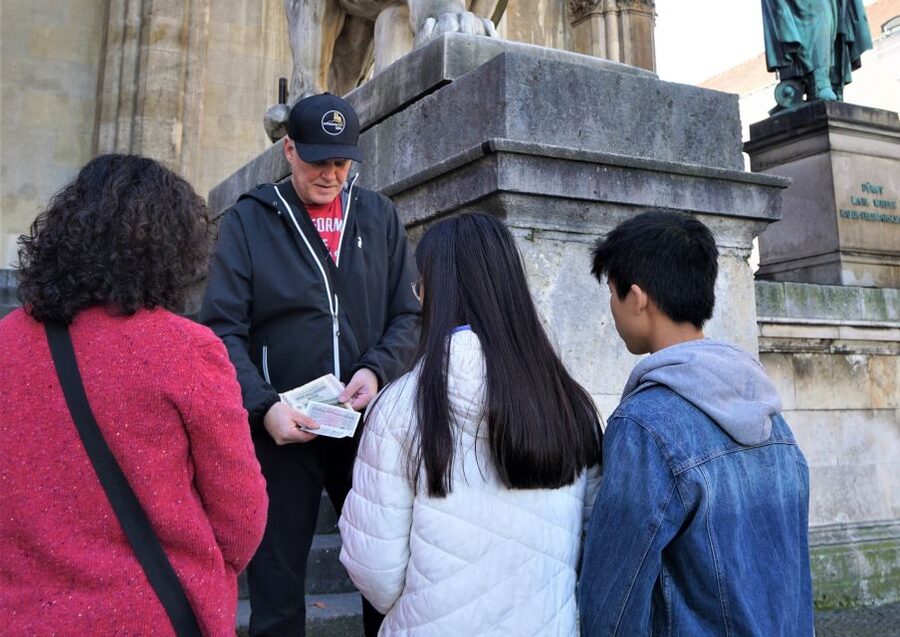
Your first stop in the Nazi story is Feldherrnhalle at Odeonsplatz. This place is not just a location. It’s a stage set in stone, tied to the infamous Hitler coup. The guide walks you through where the putsch ended and points out the former monument erected for the deceased putschists.
This matters because it shows you how regimes write history into physical space. A coup attempt fails, but the story can be repackaged. That repackaging then becomes a tool for recruitment and political legitimacy later on. Standing here, you can start to understand why the Nazis cared so much about symbols, not only policy.
A quick consideration: if you have limited time in Munich and you mostly want “pretty landmarks,” this stop may feel like stepping into a memorial with a hard lesson. But that’s the point. You’re meant to see the machinery behind the emotion.
House of German Art and Munich Residenz: Nazi Control of Culture
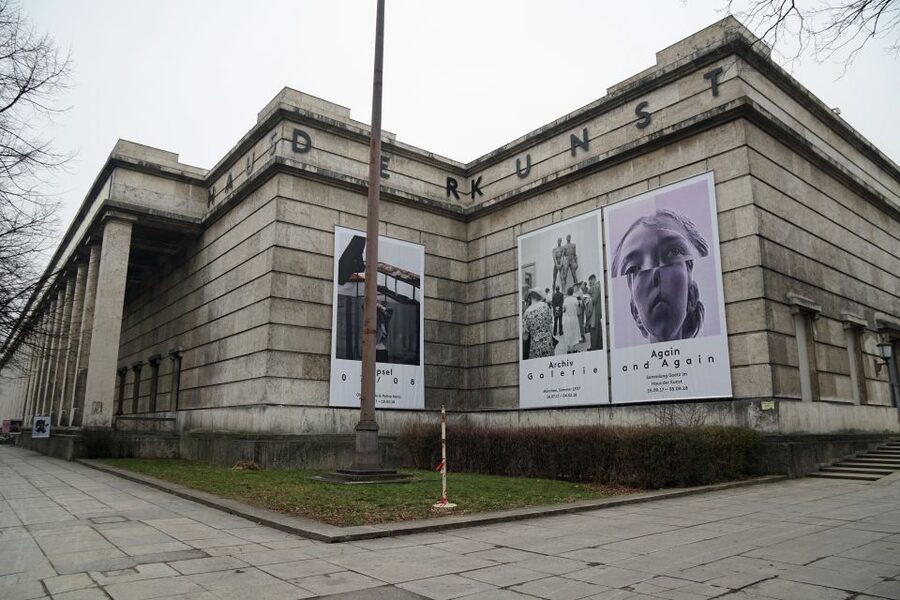
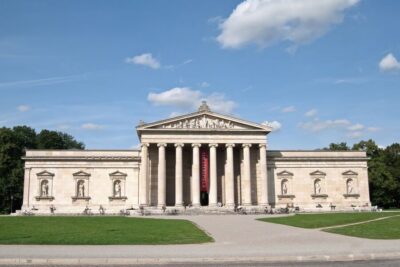
The tour moves into the cultural side of the regime, including a stop at Haus der Kunst. This is where you learn how the Nazis influenced art, not just by banning people, but by shaping what audiences were told to admire. The guide also brings you to Galeriestraße, where you can still see where the exhibition Degenerate Art took place.
This is valuable because culture is a quieter form of power. You might expect censorship to show up as obvious persecution, but art control also works through taste, education, and the social pressure of what is considered acceptable. You’ll understand how the regime used exhibitions to label certain styles and groups as inferior or dangerous, then used approved art to project an idealized version of society.
The Munich Residenz appears in the route as well, giving you a contrast between older prestige and the later political takeover of public meaning. Even when you are not a museum person, this kind of architectural comparison helps. It reminds you that power often borrows from the past, then rewrites it for its own story.
Also holding a platform in Munich

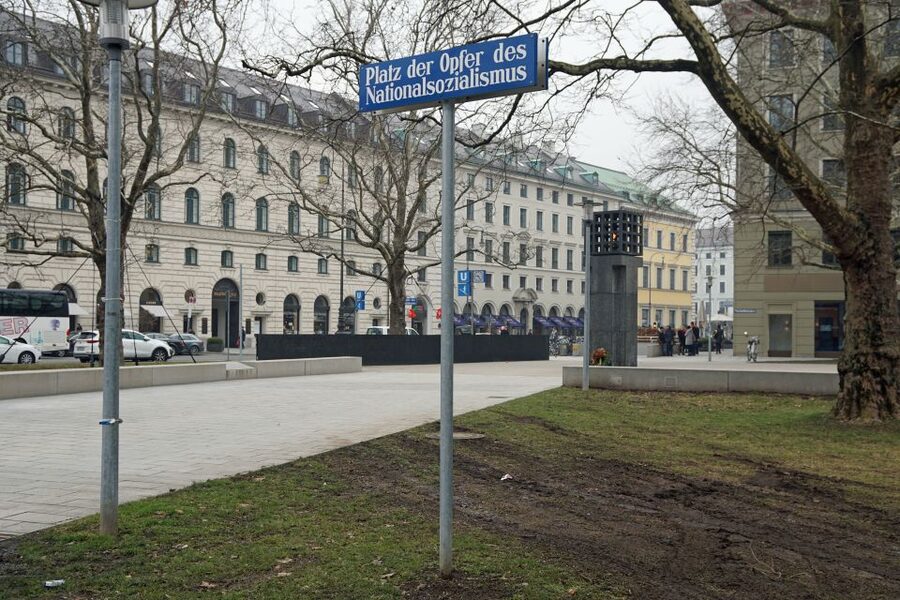
Square for the Victims of National Socialism: The Names Behind the Stones
After the propaganda and power stops, the tour takes you to the Square for the Victims of National Socialism. Here you learn exactly who the victims were. That is not a generic “remember them” moment. It’s tied to identifying those who were targeted and harmed.
For you, this section can be emotionally heavy, but it’s also grounding. Propaganda can feel like a wall of symbols, and your brain may try to turn it into something abstract. A stop focused on the victims brings the story back to real people and real consequences.
One practical note: if you prefer to emotionally pace your day, consider placing this tour earlier rather than right before dinner. You’ll likely want a quiet minute afterward to reset your thoughts before you go back to normal travel life.
LMU and the White Rose: Resistance You Can Actually Picture
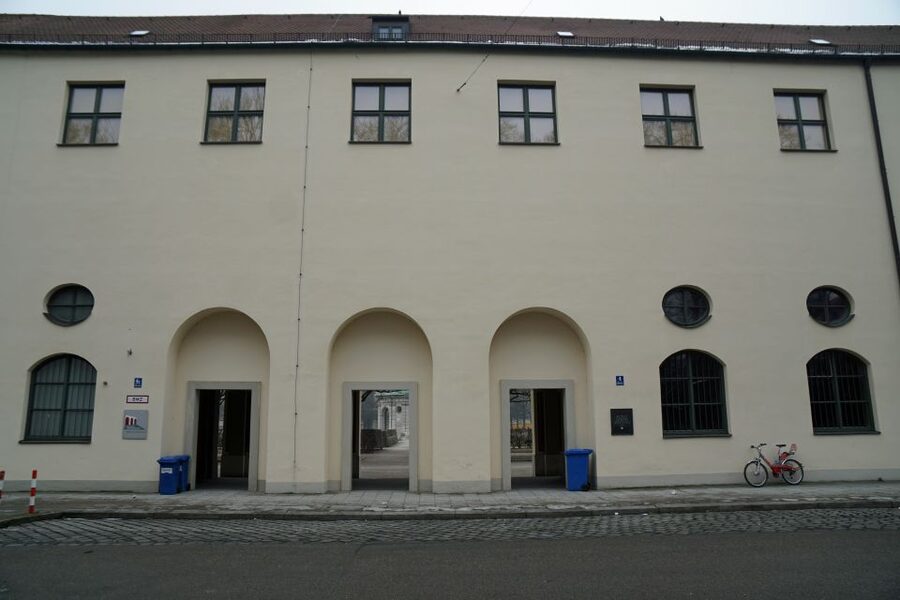
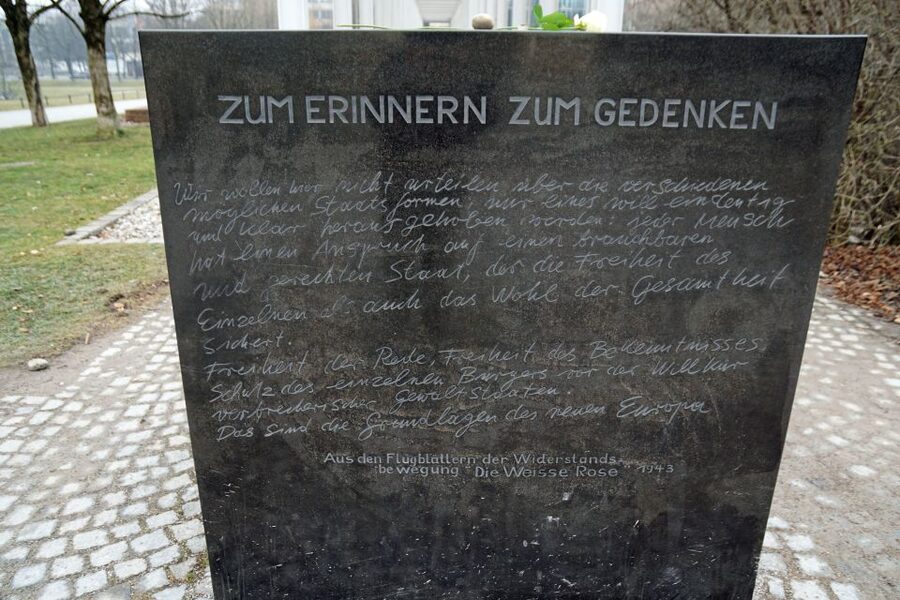
One of the strongest parts of the route is the segment connected to the LMU area and the resistance group the White Rose. You hear how the group created flyers and what happened at the end, including the fact that its members were beheaded.
This is where the tour balances the narrative. You’re not only learning how the regime imposed control. You also see how people resisted it, even when the odds were grim. The guide also covers resistance in Munich, including a monument erected for resistance fighters, plus time spent walking through the court garden where that memory is anchored.
What makes this section especially useful is that it turns a textbook story into a walkable map. You can connect the group’s activities with real spaces in the city. Even if you already know the headline version of the story, hearing it in this physical setting tends to make it feel sharper and more believable.
If you’re visiting with teenagers or a school group, this is a section that can turn “history class” into “history with location,” which is often what students need to understand why it matters.
Art, Sponsors, and the Push for a Total Regime
As the tour continues, it highlights other links that helped power spread. At Karolinenplatz, you learn about the main sponsors of the Nazis. This is one of those details that helps you see the regime as a system with support and funding, not only a charismatic leader plus a crowd.
You’ll also keep seeing how the regime worked through public messaging. By mixing propaganda sites with cultural targets and then with the political sponsor angle, the tour shows you a more complete picture. It’s not just “Hitler did X.” It’s “here were the channels,” and those channels mattered.
This portion is also a good reminder that ideology often travels through institutions. If you’re the kind of traveler who likes understanding how ideas move, you’ll probably find these connecting dots satisfying.
Führerbau, Brown House, and Königsplatz: The Power Center at the End
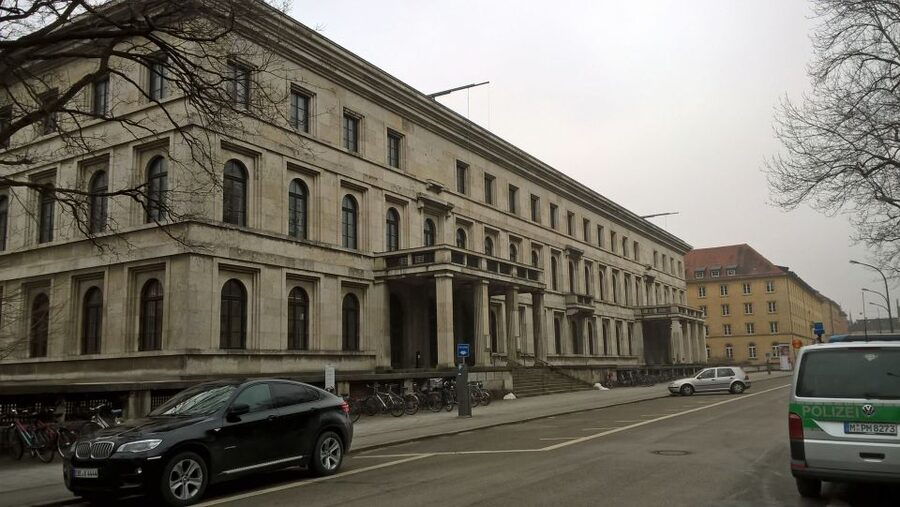
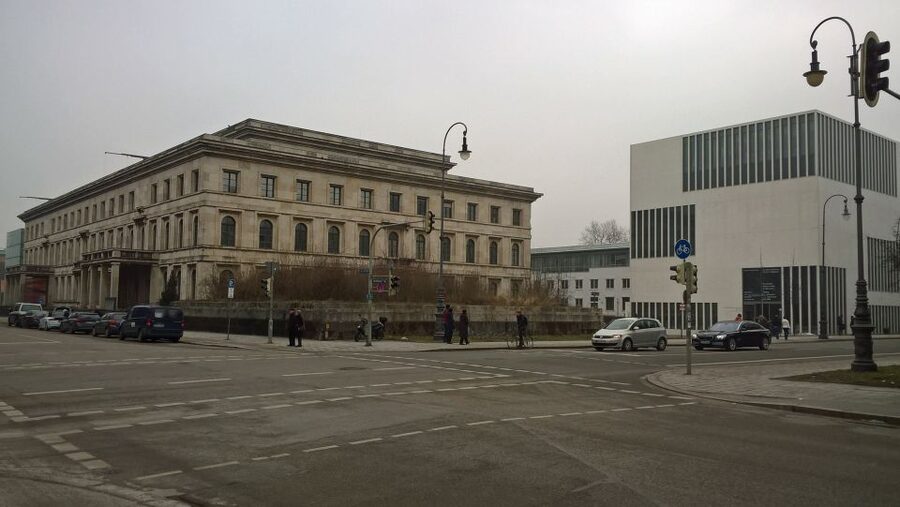
The finish area at Königsplatz is where the tour’s stakes feel the highest. You learn about the party center of the Nazis in Munich and you discover the Nazi headquarters known as the Brown House, plus the Führer building, which relates to Hitler’s office. You also see the NSDAP administration buildings in this complex.
Even if you’ve read about these places before, this stop tends to hit differently because it’s a concentrated district. The buildings weren’t chosen by accident. They were part of a physical strategy to project authority.
Then you end with the NS Documentation Centre area. The documentation center opened in 2015, and you’ll have a chance to visit it after the guided portion as well. Admission is not included, so plan for that if you want more time reading and comparing exhibits. The guided part you receive on the tour should give you a solid frame, but the extra time is where you can personalize your learning.
NS Documentation Centre: Use It Like a Follow-Up Museum
The tour includes a guided stop at the NS Documentation Centre at the end, and it also gives you the option to visit further afterward. The key practical point is that the guided window is not the same as full museum time. If you like to read slowly, take notes, and compare objects and timelines, you’ll probably want extra time on your own.
For you, this is the payoff stage. The walking tour gives you the “map and narrative.” The documentation center offers the “evidence and depth.” If you’re already comfortable with the basic story, you can use the museum to focus on what you personally want to understand more, whether that’s propaganda methods, victim stories, or how the regime built its control.
Since admission is separate, I’d suggest deciding in advance how long you want your day to stretch. If you have museum stamina, plan extra time. If not, the guided stop alone may still leave you with a meaningful sense of what the city did and how it is remembered.
Price and Value for a 2-Hour Private Group up to 30
The listed price is $259 per group, up to 30 people, for a 2-hour experience. That sounds like a “group bargain,” and the value depends on how your group breaks down.
If you’re booking with multiple people, the cost per person can turn reasonable fast, especially because this is a licensed, professional guide with more than 10 years of experience. And because it is private, you can often ask questions and get explanations targeted to your group’s pace.
If you are just two people and you’re used to buying tours that price per person, you might feel the cost more. The best move is to compare the price against what you’d pay for a standard small-group guided walking tour in Munich, then factor in the private experience and the structured route through multiple major sites in under two hours.
Either way, you’re not just paying for sightseeing stops. You’re paying for interpretation, photo-supported context, and a clear narrative arc that includes both Nazi power and Munich resistance.
Who Should Book This Tour, and Who Might Skip It
Book this tour if you want a guided walking route through key Nazi-era Munich sites that stays serious, clear, and grounded in meaning. It’s especially a good match if you like learning through visuals and structure, and if you want resistance stories included rather than tacked on.
Also, it is worth noting that the experience is not for right-wing radical or Nazi fans. The tone is meant to educate, not celebrate. If you are looking for a respectful educational perspective, this aligns.
You might consider skipping if you want a light, carefree tour, or if you get overwhelmed by heavy historical material in concentrated form. The content includes persecution, victims, and execution-related details tied to resistance. That’s not a flaw. It’s just something to be honest about when choosing your day in Munich.
Should You Book It
If your goal is to understand Munich’s role in the rise of National Socialism, this is a strong choice. The route is packed into two hours, but the guide makes it readable by using photo material and a clear walk order from Odeonsplatz and Feldherrnhalle into culture, victims, resistance, and finally the Königsplatz power district.
The deciding question is simple: do you want your history tied to real places you can revisit later with better understanding? If yes, book it. If you want something more casual and scenic, pick a lighter walk instead.
Either way, go with a plan to slow down after the tour. This kind of education sticks better when you give it a few minutes of quiet reflection instead of rushing straight into normal sightseeing.
FAQ
How long is the National Socialism WWII private tour in Munich?
The tour lasts 2 hours. It is designed as a walking experience with multiple short guided stops at key Nazi sites.
What is the price for this tour?
The price is $259 per group, up to 30 people. That group-based pricing can work out differently depending on how many people you have in your group.
Where does the tour start and where does it end?
It starts at the steps at the Feldherrnhalle at Odeonsplatz and finishes at Königsplatz 1, 80333 München, Germany.
Which languages are offered?
The live guide offers the tour in English and German.
Is admission to the NS Documentation Centre included?
Admission to the NS Documentation Centre is not included. The tour includes a guided stop there, and you have the option to visit more afterward using your own admission.
What sites are included on the route?
You will see several major locations tied to Nazi activity, including Feldherrnhalle, Haus der Kunst, the Square for the Victims of National Socialism, the NS Documentation Centre, Führerbau, and the Königsplatz area including the party headquarters context.
Is the tour wheelchair accessible?
Yes, the tour is wheelchair accessible.
Is the tour private?
Yes, it is a private group experience.
Fresh on the arrivals board for Munich

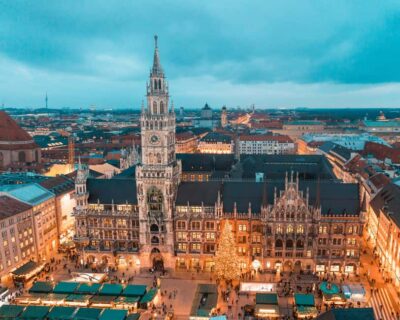

Third Reich & World War II Tours, compared.

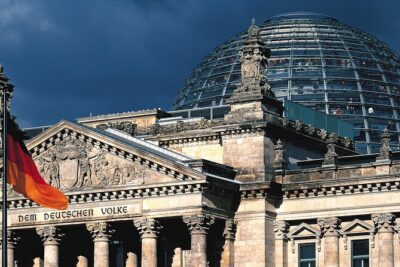
Berlin’s Best: 2 Hour Walking Tour Third Reich and the Cold War
Read our review →
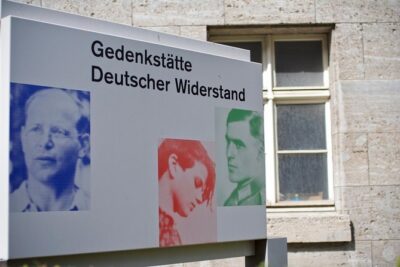
Third Reich Berlin: Hitler and WWII Walking Tour
Read our review →
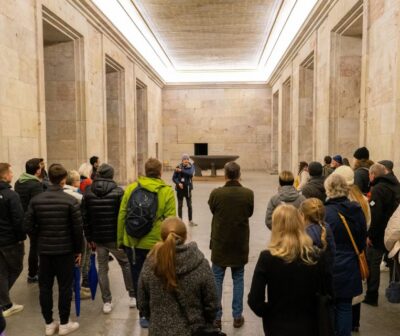
Walking Tour of Former Nazi Party Rally Grounds
Read our review →
Browse the lists this tour appears in