
Reviewed · NUREMBERG TOURS & ACTIVITIES
Medieval Nuremberg: Old Town Tour with a Local Guide
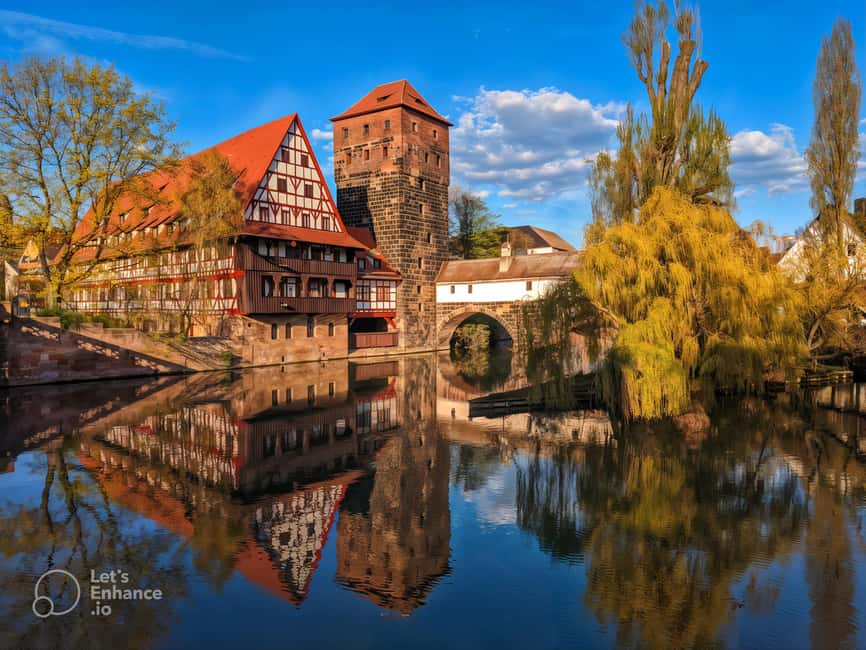
Nuremberg can feel like a photo-op city, until you get a guide. This 2-hour private old town tour turns the medieval streets into a clear timeline, with stories that actually connect the buildings you see.
I really like how the route is structured for learning without feeling like a lecture. You spend about 90 minutes walking through the core sites, so you still have time to wander on your own after.
One possible drawback: the tour focuses on the streets and key exteriors, so if you want lots of museum interior time, you’ll likely need to add that separately because admissions aren’t included.
In This Review
- Why this guide-style works so well
- Key takeaways before you book
- Meeting at Handwerkerhof, right by Nuremberg Central Station
- St. Lorenz Church and the medieval skyline in under two hours
- Holy Spirit Hospital and Hauptmarkt, where city life actually happened
- Old Town Hall to St. Sebaldus, power and religion side by side
- Weissgerbergasse and Tiergärtnertorplatz, trade and defense history
- Imperial Castle of Nuremberg, the view and the meaning
- Dürer stops and the extra time you might plan
- Flexible route planning that matches your day
- Small group value: $159 per group up to 10
- Who should book this medieval Nuremberg walk
- Tips to get more out of the walk
- Should you book? My honest take
- FAQ
- Where does the tour meet?
- How long is the tour?
- Is this a private tour?
- What languages are available?
- What does the tour cover during the walk?
- Are museum tickets or admissions included?
- Are food and drinks included?
- Is route planning flexible?
- Is hotel pickup available?
- What’s the cancellation and payment option?
Why this guide-style works so well
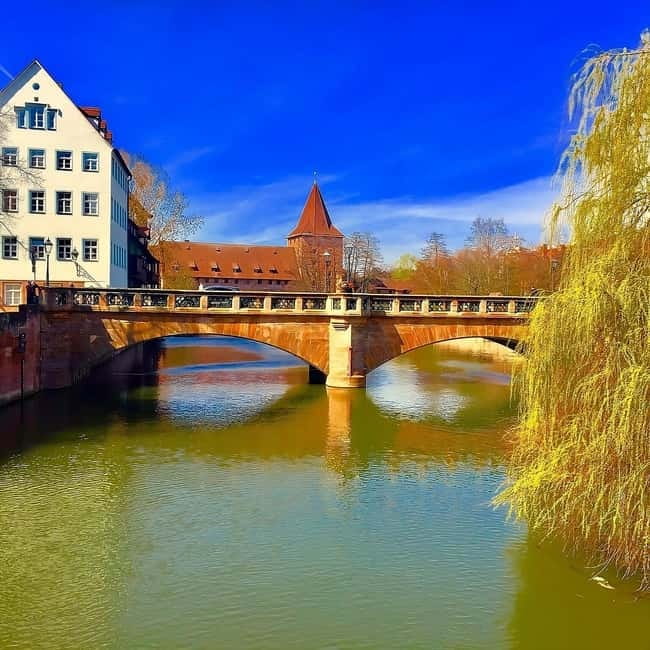
The guide is Hermann Weisheim, and that matters. He teaches history in a lively, organized way, and he adapts the walking plan to your interests, instead of forcing a rigid script.
I also like the personal touches, like recommendations for restaurants and cozy cafés at the end. That’s the part that helps your day keep going, not just ends when the tour does.
If you’re expecting a slow, sit-down kind of experience, you might find the pace brisk since it’s a compact old town loop with multiple stops.
Key takeaways before you book
Local guide with teaching focus: Hermann uses a chronological, history-and-culture approach that stays easy to follow.
Private group up to 10: Small group feel, with room to ask questions and adjust the route.
90 minutes of core sights: You get an efficient old town orientation, plus off-the-route photo and interest stops.
Food and museum pointers: End with practical suggestions for what to eat and what to look into next.
Admissions excluded: Exteriors and guided explanations are covered, but interiors may cost extra.
Also holding a platform in Nuremberg
- Nuremberg: City Tour with the Bimmelbahn Train
★ 4.4 · 2,475 reviews - Nuremberg: Old Town Guided Walking Tour
★ 4.6 · 2,416 reviews - Nuremberg: Tunnels and Secret Passages in the City Wall Tour
★ 4.8 · 2,334 reviews
Meeting at Handwerkerhof, right by Nuremberg Central Station
You’ll start at the Info Point in the Handwerkerhof, directly across from Nuremberg Central Station on Königstraße 82. It’s an easy meet-up point, and there are benches to wait comfortably if you’re early.
Look for the guide at the entrance. Hermann is easy to spot because the tour is set up so you can quickly confirm you’re in the right place and then get moving.
This start location is convenient for planning. You can take the train in, do the old town orientation, and still have the rest of the day open for museums, a meal, or a longer self-guided stroll.
St. Lorenz Church and the medieval skyline in under two hours
The tour kicks off at St. Lorenz Church, one of the big Gothic anchors of Nuremberg. You don’t just get a date and a name, you get context for why it mattered in how the city formed and presented itself.
Right nearby, you’ll see an older residential tower house dating to the 11th century. That contrast, sacred big church plus early private architecture, is a strong way to start because it shows how different kinds of buildings shaped daily life.
What I like here is that the guide connects the skyline to the city’s long story, nearly a thousand years. It gives you a mental map quickly, so later stops feel less random and more like a chain.
Practical note: the tour is a walking experience, and church areas can mean more uneven pavement. Wear shoes you’d be comfortable with on an all-day stroll.
Holy Spirit Hospital and Hauptmarkt, where city life actually happened
From the church area, you move to the Holy Spirit Hospital. This is the kind of stop that makes the Middle Ages feel less abstract, because it highlights how care and community support worked in the past.
Then you head into Hauptmarkt Nürnberg, the main market square that functioned as the city’s living room. Expect to talk about trade, festivals, and the constant flow of people and commerce, not just architecture.
This is also where you’ll see the Frauenkirche and take in the dramatic square setting. The key takeaway is how power, wealth, and everyday routines mixed in one central location.
If you’ve ever walked a market square and thought, okay, pretty buildings, you’ll likely feel differently after this stop. The guide explains how people used the space, so you can look at the same views and read them like a story.
Old Town Hall to St. Sebaldus, power and religion side by side
Next up is the Old Town Hall, known for its Renaissance architecture. The guide uses it to explain municipal self-government and independence, which is a big deal in understanding why Nuremberg mattered politically.
Then the route connects into the church-and-street rhythm again, including St. Sebaldus Church. You get a sense of how multiple religious sites shaped both civic identity and the city’s visual language.
These stops work well together because you see two forms of influence: one tied to governance and city rules, the other tied to faith and public life. I like how the guide keeps it chronological, so you’re not just memorizing landmarks.
A small caution: churches often have areas where you might not be able to linger as long as you want, depending on foot traffic and what’s open. The good news is the guide gives you enough interpretation to make the exterior views meaningful.
Onward connections from Nuremberg:

Weissgerbergasse and Tiergärtnertorplatz, trade and defense history
One of the more memorable segments is the walk through Weissgerbergasse. The guide uses the setting to talk about trades and how specialized work shaped parts of the city.
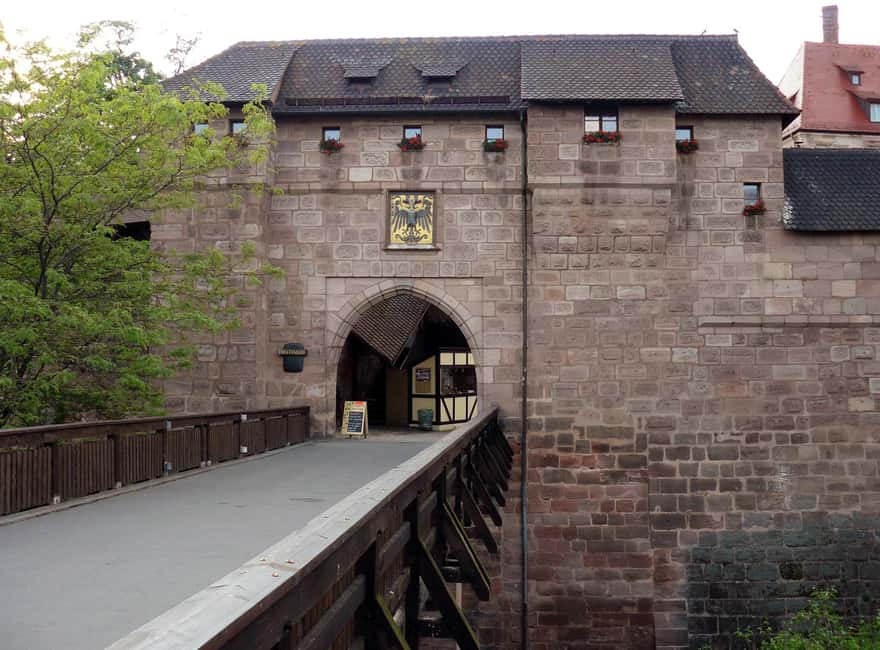
After that, you’ll reach Tiergärtnertorplatz, a square built around defense history. This is where you start seeing Nuremberg as a walled, strategic city rather than just an attractive old town.
You’ll also pass by the area where Albrecht Dürer’s House is located, so the famous artist becomes part of the urban story, not a random name on a museum ticket. Even if you don’t go inside, you’ll get a clearer sense of why his place fits into the city’s personality.
Then there are views toward the tower of Tiergärtnertor. This is the moment where the city walls and towers stop being background and start reading like protection and political leverage.
Imperial Castle of Nuremberg, the view and the meaning
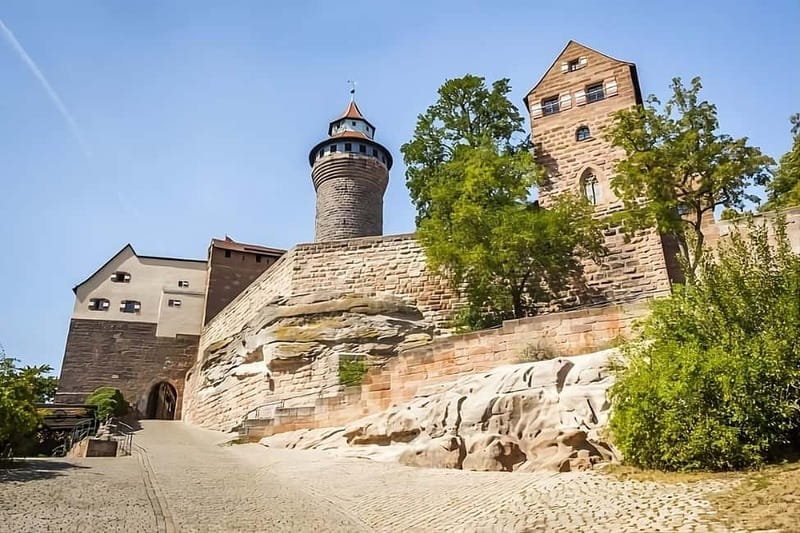
The walk ends with the climb toward the Imperial Castle of Nuremberg, the landmark that shaped the political and cultural center of the region. The best part is how the guide frames the castle not as a standalone monument, but as the engine behind a larger regional story.
From here, the castle area gives you the payoff for all the “why” you heard earlier. Once you look out across the old town and recognize what it looks like from the higher ground, the defensive and political logic makes more sense.
This is also a good point to take photos, because the castle views help you connect the earlier squares, churches, and street corridors into one mental map.
One more practical reminder: the tour includes guided exploration on foot, but the interiors of certain sights may require separate admission fees. If you want to go into specific buildings, plan time for that on your own after the tour.
Dürer stops and the extra time you might plan
You’ll encounter spots connected to Albrecht Dürer’s House and nearby historic structures like Handwerkerhäuschen. The tour gives context that helps you understand what you’re looking at, even when you’re mostly seeing the outside.
If Dürer is a priority for you, you’ll want to treat this tour as the warm-up. You’ll get enough background to make a later interior visit much more rewarding, because you’ll know what to look for and why it matters.
This is also where the guide’s museum and hidden-spot tips come in. Hermann’s training as a museum guide shows in how he points out what’s worth your limited time, instead of sending you on a wild goose chase.
Flexible route planning that matches your day
A nice detail is that the order of stops can be adjusted based on your wishes. That means if you want more focus on art history, church architecture, or defense and walls, you can steer the experience a bit.
This matters because old towns are full of good choices, and not every group wants the same mix. A private group format (up to 10 people) makes that flexibility realistic, not just a promise.
It also helps if you have timing constraints. For example, if you’re trying to fit the tour before dinner or right after arriving from the station, the guide can shape the path to keep you on track.
Small group value: $159 per group up to 10
The price is $159 per group up to 10, for about 2 hours total. That’s not priced like a per-person walking tour, so it can be a smart value if you’re traveling with friends or family.
Here’s how I think about it: you’re paying for a guided interpretation of multiple key sites plus practical recommendations. If you already know you’ll spend time wandering anyway, hiring a guide for the “first pass” through the old town can save you from guesswork and help you decide what to do next.
The tour also includes:
- A live guide with history and cultural education
- Personal recommendations for restaurants, cafés, and museums
- Tips for photo spots off the regular path
- Time for questions and exchanges during the walk
What’s not included is admissions. That means the guide experience is strong, but you still need to budget for any museum tickets you choose to add later.
Who should book this medieval Nuremberg walk
This is a great fit if you want:
- A fast, clear orientation through the old town
- A guided explanation of how Nuremberg grew from a medieval royal palace into a powerful free imperial city
- A mix of architecture, social history, and practical next-step tips
It’s especially helpful if you’re short on time. Two hours is long enough to connect several major sites, but short enough that you’re not stuck on a day-long tour.
If you’re traveling with kids, keep in mind it’s an organized walk with history talk. You might need to adjust expectations for attention span, but the private group format makes it easier to keep engagement high.
Tips to get more out of the walk
I suggest going in with one small goal. Pick a theme like city power, defense and walls, art connections like Dürer, or daily life and trade. Then ask Hermann questions through the walk when those themes show up.
Wear shoes for cobblestones and occasional climbs, especially as the route heads toward the Imperial Castle area. Bring a jacket too, because Bavaria weather can change quickly, even when the day looks calm.
Finally, treat the restaurant and café recommendations as part of the value. When a guide tells you where locals go, it often saves you from the tourist-trap roulette. Ask what to order and what time to go.
Should you book? My honest take
I’d book this tour if you want a clear, efficient medieval-to-imperial timeline in the old town, guided by Hermann Weisheim. The combination of structured storytelling, flexibility, and end-of-tour practical tips makes it more than a list of stops.
Skip it or plan differently if you know you mainly want museum interiors. Since admissions aren’t included, you’ll get the story and context, then you can choose separate ticketed experiences later if they matter to you.
If you’re arriving hungry for context and want your next Nuremberg steps to feel smart, this is a strong place to start.
FAQ
Where does the tour meet?
The meeting point is the Info Point in the Handwerkerhof (Königstraße 82, 90402 Nürnberg), directly opposite Nuremberg Central Station.
How long is the tour?
The tour is about 2 hours total, including a 90-minute guided city tour through the historic center.
Is this a private tour?
Yes, it’s described as a private group tour, with small group atmosphere and a group up to 10.
What languages are available?
The live guide offers English and German.
What does the tour cover during the walk?
It covers medieval and historical highlights across the old town, including stops such as St. Lorenz Church, Holy Spirit Hospital, Hauptmarkt, Old Town Hall, St. Sebaldus Church, Weissgerbergasse, Tiergärtnertorplatz, Albrecht Dürer’s House, and the Imperial Castle of Nuremberg.
Are museum tickets or admissions included?
No. Admission fees (for museums or places like Dürerhaus and interiors of Kaiserburg) are not included.
Are food and drinks included?
No. Food and drinks are not included.
Is route planning flexible?
Yes. The order of stops can be flexibly adjusted based on the group’s interests and wishes.
Is hotel pickup available?
Optional hotel pickup is offered by arrangement and location.
What’s the cancellation and payment option?
The activity offers free cancellation up to 24 hours in advance for a full refund, and it also supports reserve now & pay later.
Fresh on the arrivals board for Nuremberg


Nuremberg Tours & Activities, compared.
Tunnels and Secret Passages in the City Wall Tour
Read our review →
Walking Tour of Former Nazi Party Rally Grounds
Read our review →
Browse the lists this tour appears in