
Reviewed · WALKING TOURS
Lübeck: Express Walk with a Local
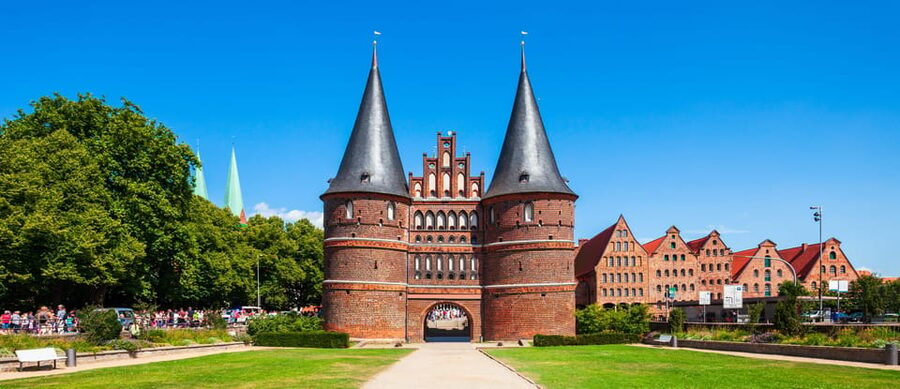
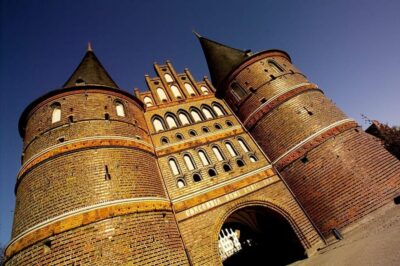
Medieval gates and city alleyways, all in one short walk. This Lübeck Express Walk with a Local is built for fast clarity, starting at the iconic Holstentor and turning it into a guided lesson you can actually use. I especially like the small group size and the way the guide pairs landmarks with everyday local life, so the city feels less like a photo stop and more like a place you could live in.
You do need to be comfortable on foot for a compact route, because this walk is not designed for people with mobility impairments. Also, it is a short experience, so if you want long museum time, you will still need to plan extra hours after the walk.
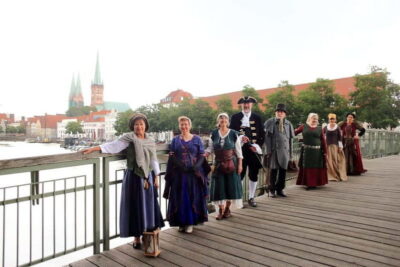
In practical terms, you meet at the Holstentor and get about 1 to 2 hours of live English or German guiding, with the route adjusting to your interests and pace. You’ll cover big defining sights like St. Mary’s Church, plus the small street details that make Lübeck feel different from other Hanseatic cities.
In This Review
- Key things I’d zero in on
- Starting at Holstentor: fast orientation with real context
- Museum Holstentor: more than a gate stop
- Lübeck’s streets and the Gänge: seeing the city’s in-between spaces
- St. Mary’s Church: learning the landmark by looking closely
- Local food and nightlife picks: where the guide earns their fee
- How the route adapts in 60 minutes (and why that’s a plus)
- Price and value: why $88 can be worth it
- Practical planning: what to bring and how to enjoy the walk
- Who this tour suits best in Lübeck
- Should you book? My honest take
- FAQ
- Where does the tour start?
- How long is the Lübeck express walk?
- How big is the group?
- What languages are the guides?
- Is this tour good for visitors who want history and landmarks?
- What is included in the ticket price?
- What should I bring with me?
- Are museum or monument entry tickets included?
- Is the tour refundable if plans change?
Key things I’d zero in on
- Holstentor as your starting point: you get context first, then you walk with meaning instead of just moving between photos.
- Up to 8 people max: the pace stays human, and questions actually get answered.
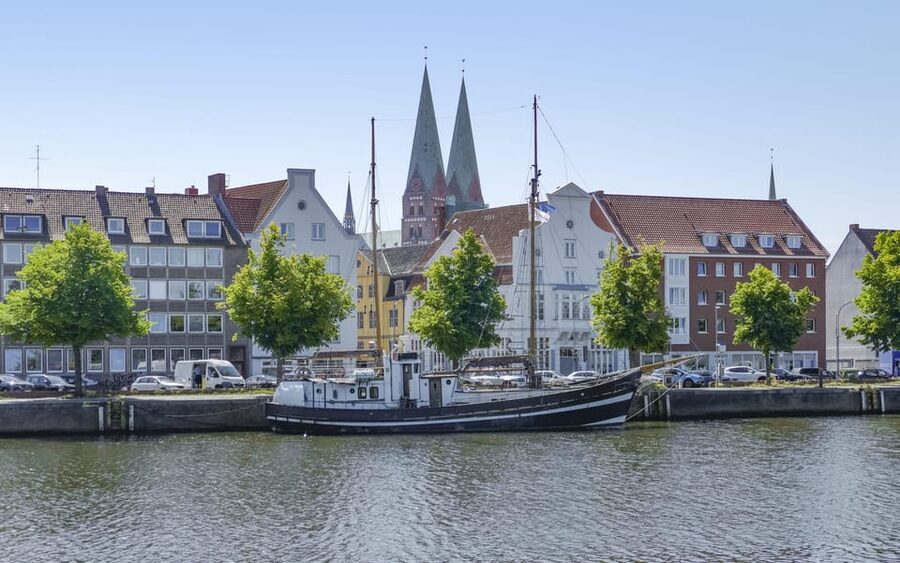
- St. Mary’s Church on the route: a clear landmark stop that helps you understand the city’s scale and priorities.
- Stories tied to everyday life: you get local picks for bars, cafes, and restaurants, not generic sightseeing talk.
- A walk that adapts: weather and interest shape what you see, so you are not forced through a rigid script.
- Practical guide energy: multiple guides are praised for being friendly, detail-minded, and responsive, including English that is easy to follow.
Starting at Holstentor: fast orientation with real context

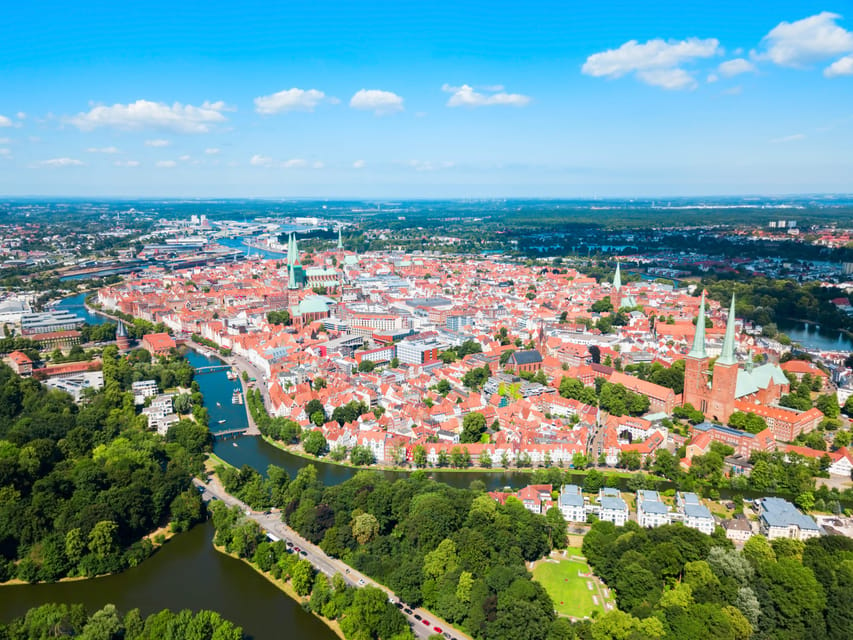
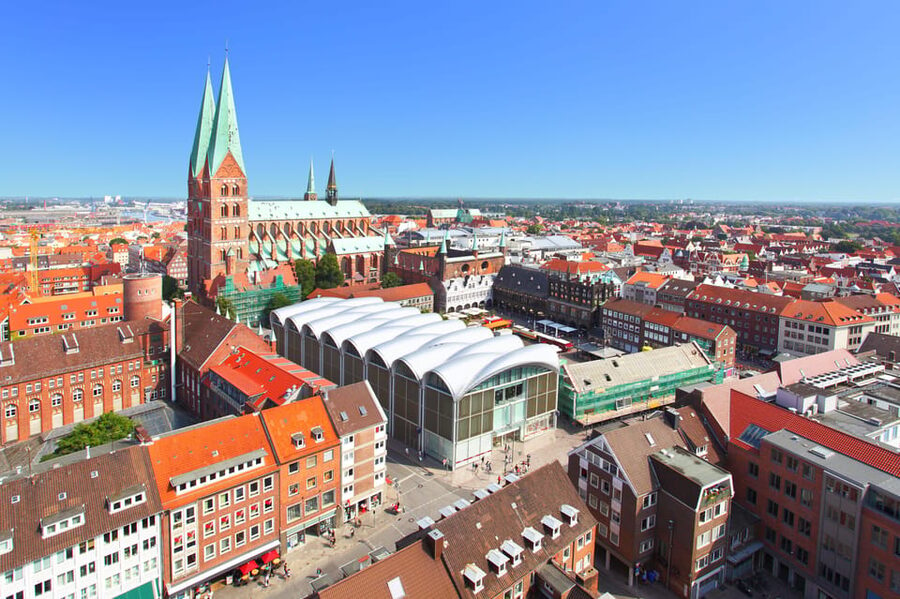
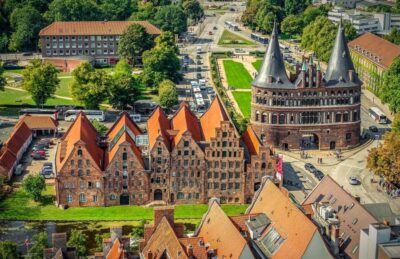
Lübeck is one of those cities where it helps to know what you are looking at before you wander too far. This tour does that well by beginning right at the Holstentor, so the first minutes set the tone: trading power, medieval defenses, and the kind of prosperity that still shows in the street plan.
I like that the guide doesn’t treat Holstentor as a standalone photo. Instead, you get the key facts and stories early, then you carry that context with you as you walk. It makes later sights easier to read, especially if you are visiting for a short stay.
The group is also small, so you are not lost in a crowd. With up to 8 travelers, you can ask questions without waiting for the guide to shout over everyone, and the route can bend a little around your pace.
More German cities at walking speed:
- Lübeck: Hanseatic League History Walking Tour
★ 4.9 · 57 reviews - Lübeck: Private Historical and Architectural Walking Tour
★ 4.5 · 6 reviews - Discover Berlin Half-Day Walking Tour
★ 5.0 · 9,624 reviews
Museum Holstentor: more than a gate stop
Holstentor is the obvious draw, but the payoff is what the guide helps you notice around it. You’ll spend time at Museum Holstentor and get the defining background that connects the gate to Lübeck’s medieval role and building style.
What I found useful is the way this kind of landmark explanation changes your walking mindset. You stop scanning for the next picture and start noticing details like scale, street alignment, and why certain places mattered to the people living here. If you tend to get impatient with long explanations, this is also a good fit because it stays tied to what you can see immediately.
Weather can affect what you focus on during the walk, and stops may vary. That said, Holstentor anchors the start, so even if your route shifts a bit, you still leave with a strong understanding of why Lübeck became Lübeck.
Lübeck’s streets and the Gänge: seeing the city’s in-between spaces
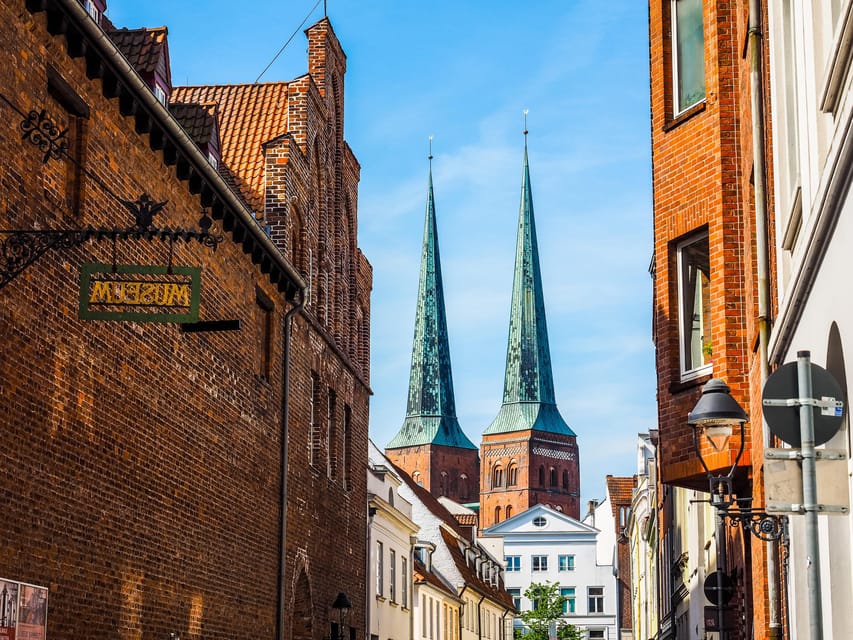
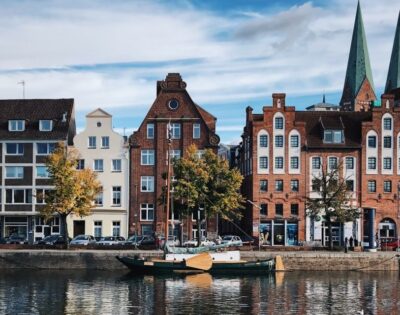
One of Lübeck’s signatures is what happens in the gaps between the bigger buildings. In real life, that means narrow lanes and passageways people use and enjoy, often referred to as Gänge. On this kind of short walk, those details matter because they help you understand how the city functions beyond the postcard views.
You will likely get “street-level” insights into the design and construction style as the guide walks you through these in-between areas. A good sign here is that some guides are specifically praised for sharing details about the Gänge and the building approach, not just the headline history.
This is where the local perspective pays off most. A self-guided wander can help you find the streets, but it does not explain why they are there or how locals think about moving through them. A local guide can also point you toward the kinds of spots you would otherwise miss, like small corners that feel lived-in rather than staged.
St. Mary’s Church: learning the landmark by looking closely
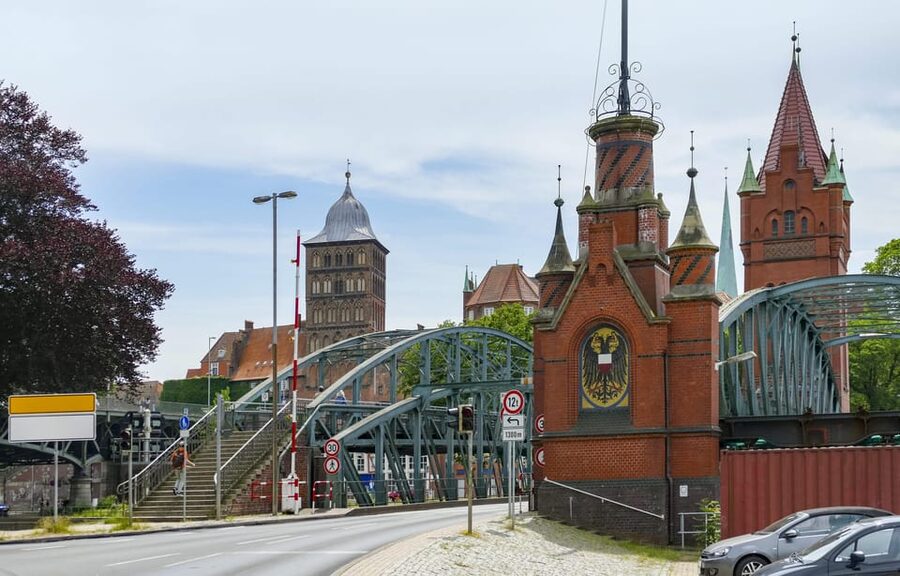
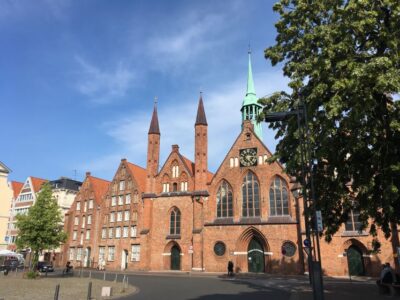
St. Mary’s Church is one of the defining sights on the route, and it’s a smart pick for an express walk. Big churches can feel overwhelming if you only know the basics, but with a guide, you can connect features you notice to the story behind them.
Even with limited time, you benefit from having the guide point out what matters. You’ll get the key facts tied to the church, plus the sense of how it fits into the city’s overall medieval priorities. That combination makes St. Mary’s Church more than a stop to tick off.
A practical note: because the tour is compact, you’ll want to keep an eye on your footing and your pace here too. It is not a slow promenade, and the guide may adjust timing based on weather and group needs. Bring comfortable shoes, and you’ll enjoy this segment more.
Local food and nightlife picks: where the guide earns their fee
This is not just a history walk. A big part of the experience is practical, what to do next after you finish the route.
Your guide will point you toward best bar and cafe options and share recommendations for local cuisine. What makes this valuable is that the suggestions come from someone who knows how Lübeck people actually spend time. The tour guide is also equipped with stories and personal experiences, and that personal angle often turns into better food choices than generic lists.
I also like that the tour stays honest about being a walk. There are no long transfers included, and the experience is designed to fit into any itinerary. After the walk, you should be able to immediately act on what you heard, whether that means a casual cafe stop or an evening drink in a lively spot.
If you get a guide like Christel or Renate (names that show up in guide feedback), you can expect a friendly style and a lot of detail. One guide was even noted as speaking English very clearly after having lived in the UK for around 20 years, which is a nice comfort factor if you want smooth communication and quick answers.
Also holding a platform in Lubeck



How the route adapts in 60 minutes (and why that’s a plus)
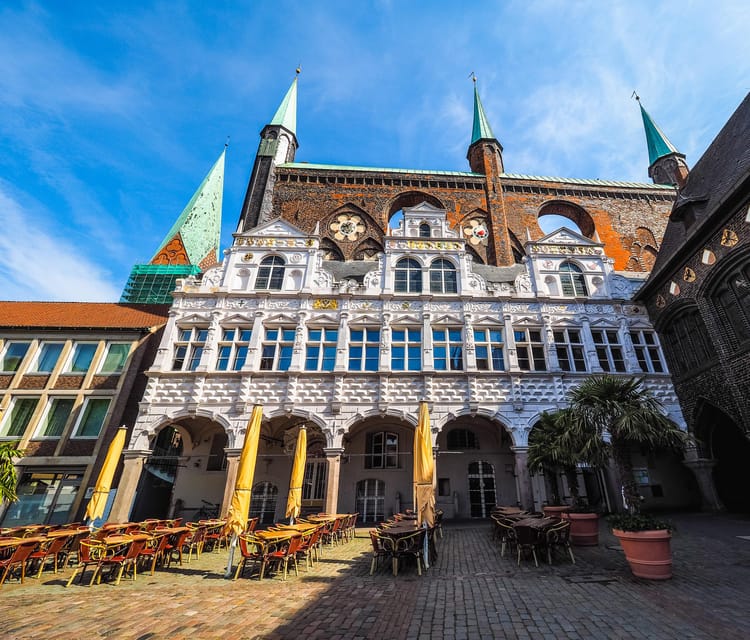
This tour is built for time efficiency. With a duration of 1 to 2 hours, you are getting a concentrated taste of Lübeck, not a full-day plan. The good news is that the guide adapts the itinerary to your interests and walking pace.
Stops may vary depending on weather, which is realistic in Northern Germany. Instead of canceling your day or forcing the exact same route no matter what, the guide can shift focus so you still get a coherent experience. For example, if it’s rainy, you may spend more time on the key landmark storytelling parts and less on longer stretches.
For you, the practical benefit is less stress. You do not have to micro-plan every turn. You just show up at the Holstentor meeting point, wear your comfortable shoes, and let the guide do the ordering of the city for your short timeframe.
Price and value: why $88 can be worth it
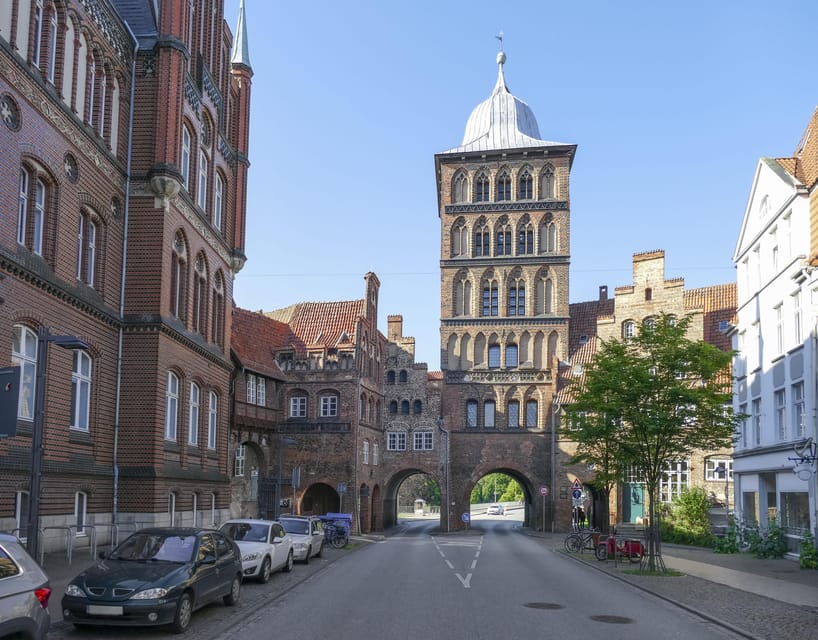
At $88 per person, you are paying for three things: a live guide, small-group time, and personalized recommendations. It is not cheap, but it also isn’t trying to be a long museum crawl.
Here is why it can still feel like good value. First, the group limit to a maximum of 8 means you get more direct attention per person than large group tours. Second, personalized recommendations matter when you only have a day or two in town, because the fastest way to waste time in a new city is eating somewhere that is fine but not right for your tastes.
The tour also excludes entry tickets for transportation, museums, and monuments. That means the $88 is more about guidance and local direction than paid admissions. If you already planned to see key sights without needing additional ticket-heavy stops, that works in your favor.
If you are on a tight schedule, this kind of express orientation walk can save you hours later. You understand what you are seeing on your own after the guide steps out of the picture, and you spend your remaining time where it matters to you.
Practical planning: what to bring and how to enjoy the walk
This is a walking tour, so your list is simple but important.
Bring:
- Comfortable shoes
- Water
- Weather-appropriate clothing
- A charged smartphone
The smartphone part is underrated. Even if you are not buying tickets on your device during the walk, it helps for navigation and quick note-taking when the guide shares details. Your guide is also speaking English and German, so if you want to ask follow-up questions, you’ll get more out of the experience if you can communicate clearly.
One more thing to consider is mobility. This tour is not suitable for people with mobility impairments. If mobility is a factor, you will need to look for a different format or a route designed with accessibility in mind.
Who this tour suits best in Lübeck
This express walk is a strong match if you:
- Have limited time and want a guided overview fast
- Like history explained through places you can see right away
- Want practical local recommendations for where to eat and drink
- Prefer a small group that does not feel like a cattle line
It is also a good fit if you like being able to ask questions. Guides are praised for answering questions and sharing personal experiences, which is exactly what you want when you’re trying to understand a city’s habits, not just its monuments.
On the other hand, it may not be your best choice if you want a long, ticket-based museum day. This is compact by design. You will likely still want to schedule extra time for the sights you love most after the walk.
Should you book? My honest take
If you want the quickest path to understanding Lübeck, I think this is worth booking. For $88, you get a guided, landmark-focused walk anchored at Holstentor, plus a guide who can steer you toward local bars, cafes, and food. The small group size up to 8 is a real quality factor, because it keeps the experience personal.
I would book it if your priority is getting your bearings and leaving with a short list of where to spend your next hour or evening. I would also book it if you enjoy detail, because some guides are specifically praised for explaining the city’s passageways like the Gänge and discussing construction and history in a way that clicks.
If you have mobility limitations or you are determined to build your day around long indoor visits, you might want a different style of tour. But for most visitors, an express walk with local guidance is one of the most efficient ways to start a Lübeck trip without wasting time figuring things out on your own.
FAQ
Where does the tour start?
You meet at the Holstentor, then you start your city tour of Lübeck from there.
How long is the Lübeck express walk?
The duration is 1 to 2 hours, depending on availability and the flow of the walk.
How big is the group?
It is a small group experience with a maximum of 8 travellers.
What languages are the guides?
The live tour guide offers English and German.
Is this tour good for visitors who want history and landmarks?
Yes. The walk is designed to cover defining landmarks such as Museum Holstentor and St. Mary’s Church, with local facts and stories along the way.
What is included in the ticket price?
Included are a knowledgeable local guide, a small group experience, and personalised recommendations.
What should I bring with me?
Wear comfortable shoes and bring water, weather-appropriate clothing, and a charged smartphone.
Are museum or monument entry tickets included?
No. Entry tickets for transportation, museums, and monuments are excluded.
Is the tour refundable if plans change?
You can cancel up to 24 hours in advance for a full refund.
Fresh on the arrivals board for Lubeck
Walking Tours, compared.

Berlin City walk Government District and Places of Democracy
Read our review →

Berlin’s Best: 2 Hour Walking Tour Third Reich and the Cold War
Read our review →
Browse the lists this tour appears in