
Reviewed · HISTORICAL TOURS
Lübeck: Private Historical and Architectural Walking Tour
Brick by brick, Lübeck tells its story. This private 90-minute walking tour is a smart way to understand why Lübeck is known as the Gateway to the North, with a guide who ties Baltic Sea trade to the city’s brick architecture. I like that it is paced for real learning, not just quick photo stops.
Two highlights I really appreciate are the marzipan tasting (and the story behind why Lübeck is famous for it) and the cultural trail at Buddenbrook House, where you follow in the footsteps of Thomas Mann and Heinrich Mann. You get stops that connect food, religion, economics, and literature into one walkable timeline.
One consideration: this is a walking route on old streets, so it is not suitable for people with mobility impairments or wheelchair users. Also, entry tickets are not included, so plan for any paid entries you might want on your own.
In This Review
- Key Highlights You Will Actually Notice
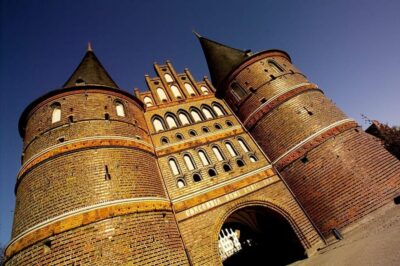
- Starting at Holsten Gate, the Brick Gothic “Front Door”
- Why this first stop works
- Walking Lübeck’s Old Center Like a Local, Not a Photo Hunter
- The merchant angle you will remember
- Stopping at the Mann Trail, Buddenbrook House
- What makes the Buddenbrook stop valuable
- St. Mary’s Church and the Little Devil Outside
- Pairing the church with the Merchants’ Quarter
- The Marzipan Bakery Stop, Sweet Learning You Can Taste
- Practical advice for the marzipan moment
- Ending at Lübeck Town Hall, Beauty With a Purpose
- Why the final stop lands
- Price and Value: When $265 Per Group Makes Sense
- Who will feel the best value
- The Real-World Logistics That Matter
- Is This Tour for You?
- Should You Book This Private Lübeck Walking Tour?
- FAQ
- How long is the Lübeck private historical and architectural walking tour?
- How much does the tour cost?
- Where do we meet the guide?
- What is included in the price?
- What is not included?
- Which languages are offered?
- What main stops are part of the tour?
- Is the tour free to cancel?
- What should I bring or wear?
- Is this tour suitable for wheelchair users?
Key Highlights You Will Actually Notice
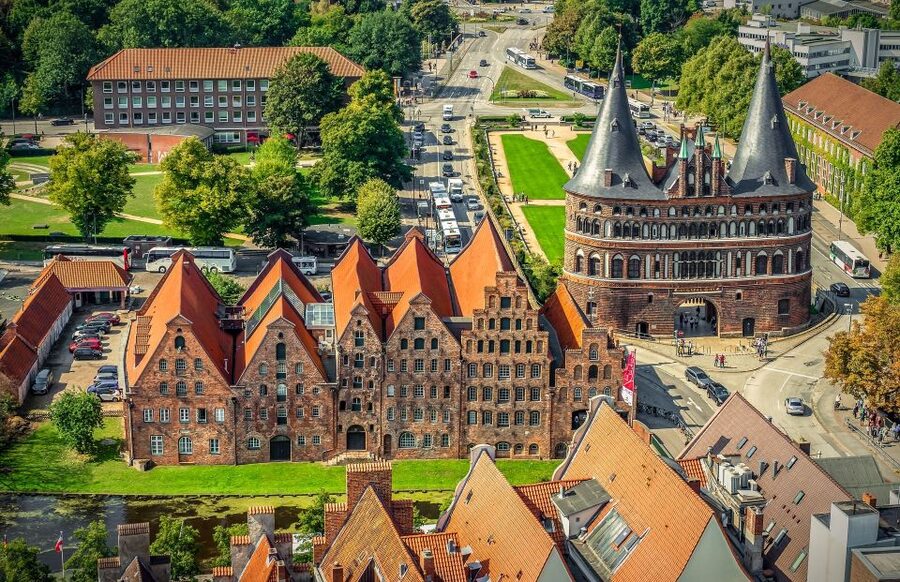
- Holsten Gate, built in the late 1400s, tied to the idea of freedom and Lübeck’s medieval city defenses
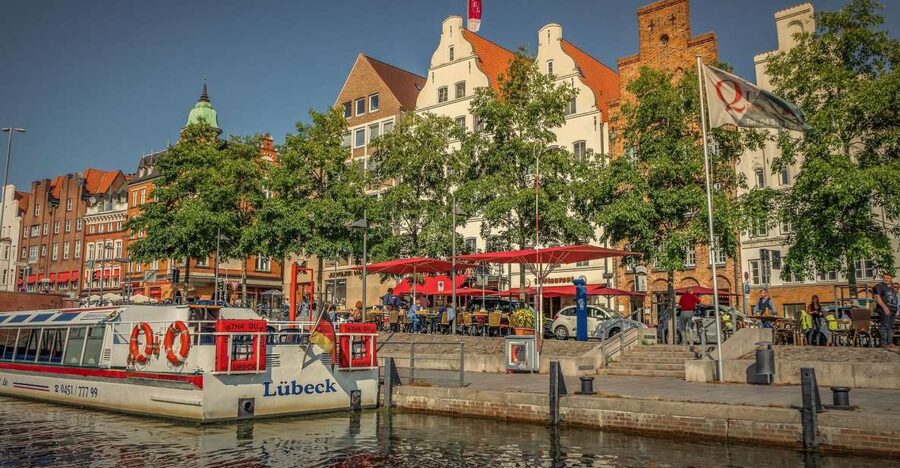
- City of Seven Spires views, plus churches, salt storehouses, and merchant-built brick homes
- Buddenbrook House and the Mann brothers, a literary angle that makes the architecture feel personal
- St. Mary’s Church and the little devil story, outside details that make the church easier to remember
- A traditional marzipan bakery stop, with a taste-test of different varieties
- Lübeck Town Hall, one of Germany’s most beautiful town halls and part of a UNESCO setting
Starting at Holsten Gate, the Brick Gothic “Front Door”
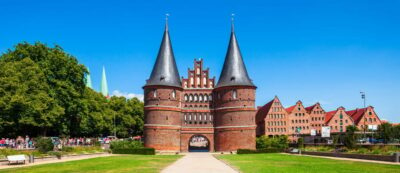
Your tour begins at Holsten Gate near Museum Holstentor. This is not a random landmark. It is a real piece of Lübeck’s medieval city fortifications, built in 1464 and presented as one of the last remaining Gothic relics of the old defenses, plus one of only two surviving city gates.
Standing in front of it, you quickly understand the style. Lübeck is a brick city, and brick does not just mean material. It becomes identity, power, and practicality. A private guide makes this click by pointing out what to look for and then explaining why it mattered to a trading city that needed walls, storage, and credibility.
More German cities at walking speed:
- Lübeck: Hanseatic League History Walking Tour
★ 4.9 · 57 reviews - Lübeck: Express Walk with a Local
★ 4.9 · 10 reviews - Discover Berlin Half-Day Walking Tour
★ 5.0 · 9,624 reviews
Why this first stop works
Starting here gives you a “reading key” for the rest of the walk. If you know what Holsten Gate represents, the later scenes make more sense, from merchant wealth to religious buildings and the busy urban fabric around them.
If you want an easy tip, arrive a few minutes early at the meeting spot. One practical note I took from the overall experience is that identifying the guide can be easier if you’re on time and paying attention right at the designated spot.
Walking Lübeck’s Old Center Like a Local, Not a Photo Hunter
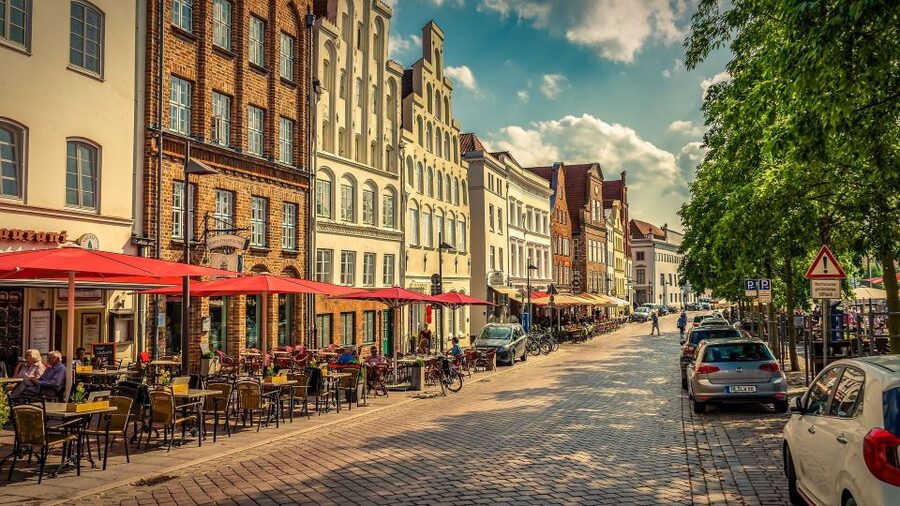
After Holsten Gate, you keep moving into the historic core, where you are guided toward panoramic views of the skyline. This is where Lübeck’s nickname, the City of Seven Spires, becomes more than a slogan. You’ll be shown five churches in view, along with salt storehouses and the brick homes built by wealthy merchants in the late 1700s.
That mix is the whole point of Lübeck. The city is not just pretty. It is an economic machine made visible in stone and brick. The guide’s explanation of merchant life helps you see why these structures exist and why they were built the way they were.
The merchant angle you will remember
You learn how trading routes connected to the Baltic Sea shaped Lübeck’s fortunes. That economic context matters because it turns architecture into cause-and-effect. Instead of asking, why is that building there?, you start asking, what did the city need most, and what did it do with its wealth?
Also, your walking pace is guided, and that helps. In 90 minutes, you want a route that has logic. This one does.
Stopping at the Mann Trail, Buddenbrook House
Next comes Buddenbrook House, a highlight for anyone who likes stories but also likes learning how stories get rooted in real places. This stop connects Lübeck to the German writers Thomas Mann and Heinrich Mann.
Even if you are not deep into their work, I like the way this kind of stop gives you a different brain mode. You are no longer only looking at buildings. You are seeing how a city becomes a setting and how writers borrow from the social atmosphere around them.
More centuries per city block:



What makes the Buddenbrook stop valuable
A walking tour can sometimes treat literature like a side note. Here it is part of the architectural and civic story. You are understanding how city life shaped the ideas people later wrote about, and that is a meaningful way to experience a UNESCO setting without getting lost in facts.
If you care about culture, this is the stop that turns the walk into something you can talk about at dinner.
St. Mary’s Church and the Little Devil Outside
Then you head to St. Mary’s Church, described as the third largest brick Gothic church in Germany. It is the kind of place where scale can feel abstract from the street, until someone gives you a simple framework for what makes it Gothic, why brick matters here, and why the surrounding area developed the way it did.
You also get a memorable story tied to the church: a little devil that resides outside. It is a small detail, but it is exactly the kind of detail that sticks. When you leave, you will not just remember a church. You will remember a specific scene.
Pairing the church with the Merchants’ Quarter
Nearby, your guide connects what you see around the church to the Merchants’ Quarter and how the two sides of medieval life interacted. That matters because Lübeck’s identity was shaped by commerce, guilds, and the wealth that came through trade. A religious landmark was not separate from that world. It was part of the same city system.
The Marzipan Bakery Stop, Sweet Learning You Can Taste
At some point, you get to the most fun part: a traditional marzipan bakery where you do a taste-test of different varieties. This is not just a treat. It is also a way to learn how local food becomes local pride.
You also hear the mouthwatering history of marzipan, which gives you context for why Lübeck keeps talking about it and why it is often one of the first things people associate with the city. When you taste multiple varieties, the stories stop being abstract. You can actually connect explanation to flavor.
Practical advice for the marzipan moment
Come hungry, but not so hungry that you rush. Give yourself time to compare flavors and textures. If you are traveling with someone who is picky about sweets, the taste-test format can make it easier to agree on what you like best.
And if you are buying something to take home, this is the stop where you will make your choice.
Ending at Lübeck Town Hall, Beauty With a Purpose
Before your tour wraps up, you stop by Lübeck’s Town Hall. It is often described as one of the most beautiful town halls in Germany, and it sits in a UNESCO World Heritage context.
This is a fitting ending. Town halls are not just pretty civic backdrops. They represent governance, trade regulation, merchant power, and public identity. In other words, it is the political face of the same economy that brought Lübeck wealth in earlier centuries.
Why the final stop lands
Earlier you focused on defenses, churches, and homes. Finishing at the town hall helps you see the full loop: the city protected itself, traded hard, built brick wealth, expressed faith in brick, and organized itself through civic power.
If you have energy left after the tour, this ending point is also the kind of place where you can keep wandering on your own, using your new mental map.
Price and Value: When $265 Per Group Makes Sense
The price is $265 per group, up to 15 people, and the tour lasts 90 minutes. That structure matters for value. If you have a small group, you will pay more per person than if you book with a larger party, but it still can be a good deal for a private guide because you are paying for group-level access, not per-person tour scripts.
To make the math practical:
- If you fill the group with 15 people, it works out to about $17.67 per person.
- If you book as 2 or 3 people, it becomes much more per person, and at that point you are mostly buying personalized storytelling and a paced route.
Who will feel the best value
This tour tends to feel most worth it when you have:
- A group of friends or family who like guided context
- Anyone who wants a guided “starter kit” for a UNESCO city without spending hours piecing things together
- People who enjoy architecture explanations and small memorable stories (like the little devil)
The Real-World Logistics That Matter
This is a walking tour, and your time on your feet is the main limiter. Bring comfortable shoes and wear comfortable clothes, especially if the weather is cool or damp.
The tour runs with a live guide in German or English, so you can match language comfort. Also, entry tickets are not included, so if you want to go into specific places beyond what is covered as stops, you will need to plan separately.
The route is not listed as suitable for wheelchair users or people with mobility impairments. If that’s you, it is worth looking for a more accessible Lübeck option before you book.
Is This Tour for You?
I think this tour is a great fit if you want a tight loop through Lübeck’s core highlights with explanations that connect the dots. It is especially good for people who like:
- Brick Gothic architecture and city design
- Stories that mix religion, commerce, and literature
- Learning local food history through a real taste-test
It is less ideal if you dislike walking on older cobbled streets, or if you need step-free access. And if you expect a long, sit-down museum-style experience, the 90-minute pace might feel quick.
Should You Book This Private Lübeck Walking Tour?
If you want a guided way to understand Lübeck quickly, I would book it. The stops are concentrated and meaningful: Holsten Gate, St. Mary’s Church, Buddenbrook House, a marzipan bakery taste-test, and a finish at Lübeck Town Hall.
What makes me recommend it is the way the tour connects things you might otherwise experience separately. Instead of seeing a church, a gate, and a house as isolated sights, you get the story of how trade, brick architecture, civic power, and even literature all belong to the same city puzzle.
If you can handle a short walking route and you’re okay with entry tickets not being included, this is a strong value private tour and a satisfying way to start exploring Lübeck.
FAQ
How long is the Lübeck private historical and architectural walking tour?
It lasts 90 minutes.
How much does the tour cost?
The price is $265 per group, up to 15 people.
Where do we meet the guide?
Meet in front of Holsten Gate near Museum Holstentor.
What is included in the price?
A private guide and the tour are included.
What is not included?
Entry tickets are not included.
Which languages are offered?
The guide offers live narration in German and English.
What main stops are part of the tour?
You’ll see Holsten Gate, St. Mary’s Church, Buddenbrook House, a traditional marzipan bakery, and Lübeck’s Town Hall, with time to learn about the Merchants’ Quarter and nearby areas.
Is the tour free to cancel?
Yes. You can cancel up to 24 hours in advance for a full refund.
What should I bring or wear?
Wear comfortable shoes and comfortable clothes.
Is this tour suitable for wheelchair users?
No. It is not suitable for people with mobility impairments or wheelchair users.
Fresh on the arrivals board for Lubeck
Historical Tours, compared.
City History Canal Sightseeing Tour on a Motorboat
Read our review →

Browse the lists this tour appears in