
Reviewed · MUSEUMS
Frankfurt: Museum of Communication Exhibitions
A museum about communication can sound dry, then it gets weird, in a good way. In Frankfurt, the Museum of Communication lets you trace how people sent messages from ancient writing to modern screens, with hands-on exhibits and real historical devices. I like the broad time span, and I especially like how the displays connect technology to everyday choices like speed, power, and participation. One thing to plan for: the museum can feel loud in the lobby areas, so if you need quiet, aim for a calmer day.
You will spend your day in a museum building on Schaumainkai, using the permanent exhibition to follow the big story, then checking the temporary climate-focused show. I love the practical way the exhibits frame communication as a system, not just gadgets, plus the chance to reset on the Main River terrace with coffee and a view. If you plan to stop for a snack or drink, be aware the café may not take Mastercard or Visa, so bring cash or another option you can rely on.
In This Review
- Key things to know before you go
- Museum of Communication on Schaumainkai: what this day trip really delivers
- Getting oriented fast: Schaumainkai, entrances, and how to plan your flow
- Mediengeschichte|n neu erzählt: the permanent exhibition’s big story
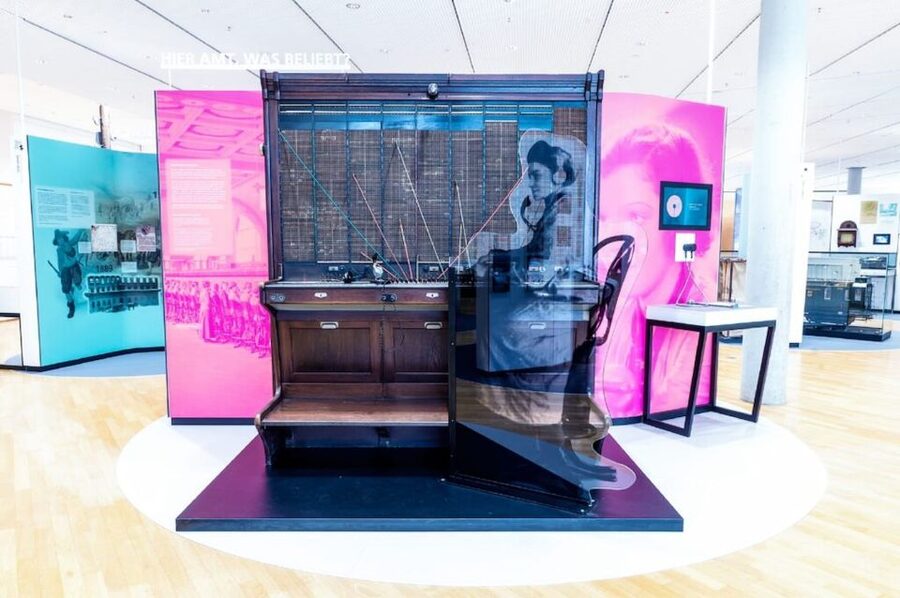
- Old telegraphs, phones, fax machines, radios, and TV sets
- KLIMA_X: the temporary exhibit on climate change actions
- The Main River terrace café break: where you regain your senses
- Price and value: why $10 can feel like more
- Who should go, and who should rethink it
- Should you book the Museum für Kommunikation Frankfurt?
- FAQ
- How long is the Museum of Communication Frankfurt experience valid?
- How much does it cost?
- What do I get with the ticket?
- Is food or a tour guide included?
- Where should I go to start?
- Does the museum skip the ticket line?
- Is the museum wheelchair accessible?
- Is the museum open on public holidays?
Key things to know before you go
- A single museum visit covers past, present, and future of communication, not just old phones in a glass case
- Permanent exhibition spans 2,500 square meters, so you will have room to follow your interests at your own pace
- You’ll see lots of classic devices, including telegraphs, phones, fax machines, radios, and TV sets
- Temporary exhibit KLIMA_X focuses on climate change actions you can take now
- Four big themes guide the story: acceleration, networks, control, participation
- Terrace break on the Main River is a smart way to end your visit without rushing
Museum of Communication on Schaumainkai: what this day trip really delivers
Frankfurt’s Museum of Communication is the kind of place that turns you from “I use my phone” into “Wait, how did this all happen?” You are not just looking at artifacts. You are walking through the logic of message making, from the earliest tools to what we do today with networks and media.
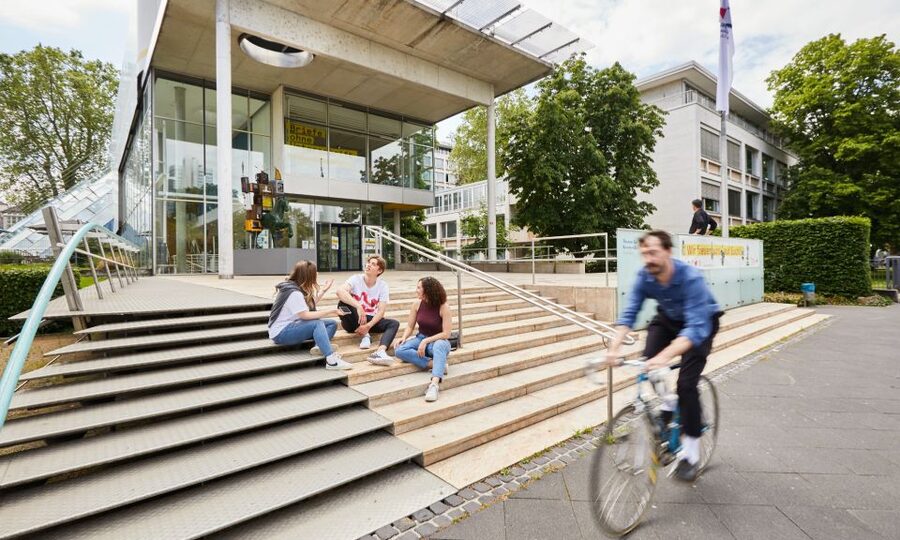
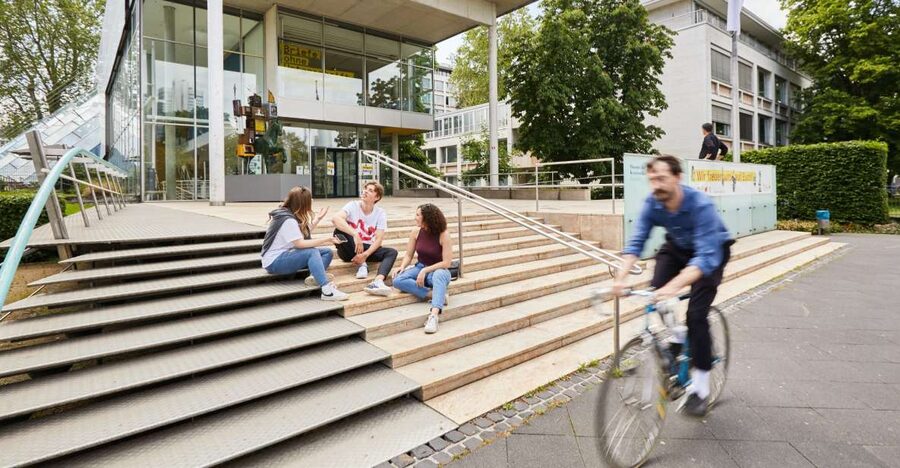
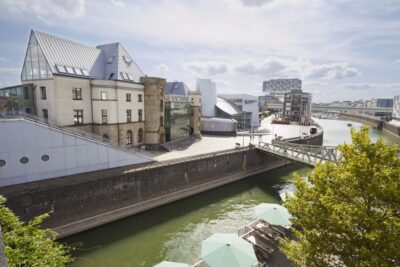
The museum sits on Schaumainkai, right where you can step out and get that riverside sense of place. Indoors, the experience is designed around big patterns. The museum frames media history through four major phenomena: acceleration, networks, control, and participation. That is a useful way to think. It helps you notice how every new communication tool changes who connects, who benefits, and how much agency people actually get.
For the price, you are getting a lot of space and a lot of range. At $10 per person, this is a value-focused museum stop for a one-day Frankfurt itinerary. You also skip the ticket line, which matters because museums can slow down right at the door.
More museum halls between train times:
- from Frankfurt: Heidelberg, Mercedes Museum / Schwetzinger Schloß
★ 5.0 · 35 reviews - Berlin: Jewish Museum Berlin Entrance Ticket
★ 4.5 · 8,393 reviews - Berlin: DDR Museum Tickets
★ 4.3 · 3,443 reviews
Getting oriented fast: Schaumainkai, entrances, and how to plan your flow
Your meeting point is straightforward: head directly to the Museum für Kommunikation Frankfurt. Once you are in, think of your visit as two parts. First, tackle the permanent exhibition that does the heavy storytelling. Then, slot in the temporary show, KLIMA_X, before you cool down outside at the terrace.
Because the museum uses interactive displays, you do not want to treat it like a quick walkthrough. Plan to pause. Go back to what catches your eye. Some exhibits are designed for short bursts, but others reward time. If you are the type who likes to read the context and then test the interactive part, you will get more out of it than if you speed past everything.
Practical note: this is an easy museum to access. It is wheelchair accessible, so mobility issues are not supposed to block your route.
Mediengeschichte|n neu erzählt: the permanent exhibition’s big story
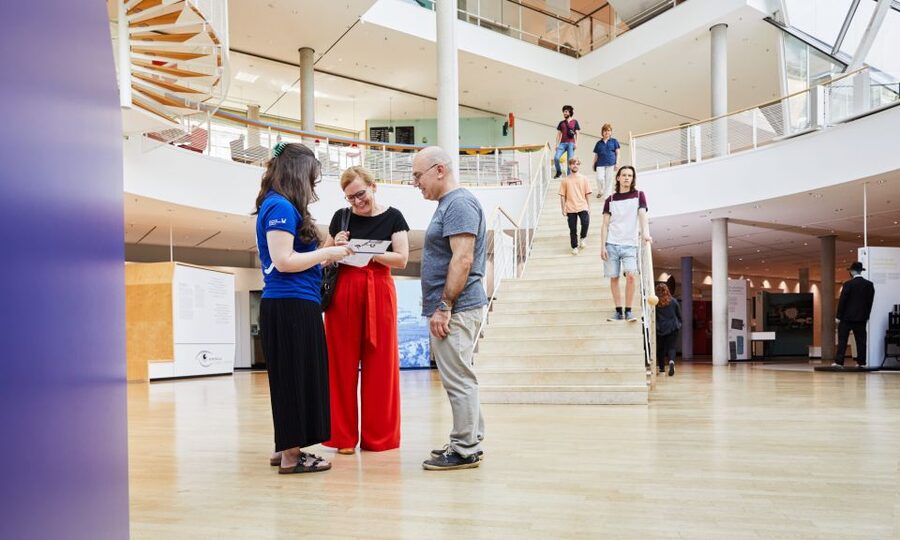
The permanent exhibition is called Mediengeschichte|n neu erzählt! and it covers 2,500 square meters. That scale matters. It keeps the museum from feeling cramped, and it lets the staff build the story in a way that is less like hopping between disconnected rooms.
The museum spans a clear arc, from cuneiform tablets to data glasses. That range is more than a flex. It pushes you to notice that communication is not one invention. It is a chain of tools, rules, and social habits.
Here is the four-phenomena framework in plain terms, and why it is worth your attention:
- Acceleration: communication gets faster, and that changes expectations. When messages move quicker, decisions speed up too.
- Networks: tools only matter when they connect people and institutions. This is about reach, not just the device.
- Control: every communication system has gatekeepers and constraints, even when it feels open.
- Participation: users are not only receivers. Over time, people gain ways to contribute, react, and shape what gets sent.
If you like museums that explain the “why” behind the objects, this structure is a win. It turns the tech timeline into a usable lens for understanding media today.
Tip for your pacing: start with the earliest section that frames the opening of the story, then move forward without forcing it. If something feels too slow, keep moving. If a specific display catches your curiosity, give it time. The exhibition layout supports that, since the museum is built to handle different browsing styles.
Old telegraphs, phones, fax machines, radios, and TV sets
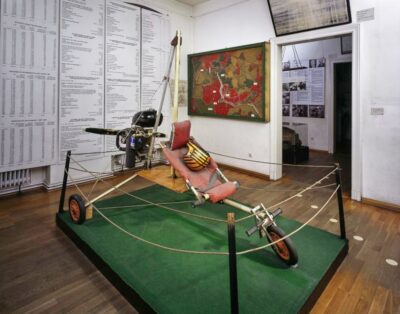
One reason people enjoy this museum is that it gives you variety, and it shows how communication tech changes in recognizable steps. You can see old telegraphs, phones, fax machines, radios, and TV sets. Even if you think you know these categories, the museum’s approach matters.
It does not treat each device as an isolated relic. Instead, you get context that helps you compare how each medium handled a core question: how do you send a message, how do you deliver it, and how do you make it meaningful to someone else?
Look for the interactive parts alongside the classic equipment. The interaction is key because it turns history into a set of cause and effect moments. You can better feel what it meant to communicate under older constraints, like limited channels, slower transmission, or strict formatting rules.
Also, keep an eye out for the way the museum connects technology to human behavior. Communication tools do not just carry information. They also shape attention and influence who gets heard.
KLIMA_X: the temporary exhibit on climate change actions
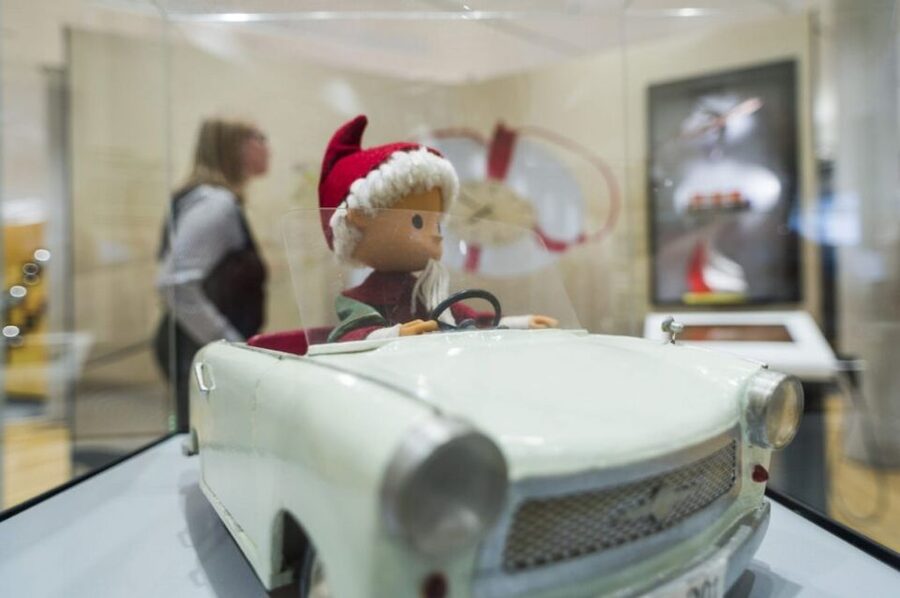
The temporary exhibition is called KLIMA_X. It has a specific purpose: to help you explore climate change and think about how you can help change the world for the better.
What I like about a temporary exhibit like this is that it is not only about facts. The museum frames it as a prompt for action. You are invited to explore ideas around what you can do, and you are reminded of simple methods you can implement to improve the current climate crisis. Then you are asked to reflect on the issues around it.
Even if you are not a climate expert, you will likely appreciate the museum’s focus on communication as a lever. Climate action depends on sharing information that motivates people, coordinating efforts, and building participation rather than just spreading fear.
Practical tip: since this exhibit can be more idea-driven, give it a little mental space. If you are racing through because you feel behind, you might miss the point of the reflection elements.
Also holding a platform in Frankfurt


The Main River terrace café break: where you regain your senses
After the exhibits, you can take a break on the café terrace with a view of the Main River. This is more than a perk. Museums like this can be mentally busy, especially if you spend time on interactive displays and read the explanatory panels. The terrace gives you a reset without having to plan extra transportation.
Try to time your break so you do not rush through the exhibits just to reach it. A good flow is: permanent exhibition first, KLIMA_X second, then terrace. That sequence keeps the climate exhibit from being your last stop when you are tired.
One warning to plan around: the café does not accept Mastercard or Visa based on recent feedback. I would bring cash or another payment method you know works, so your museum day does not get interrupted by a payment hiccup.
Price and value: why $10 can feel like more
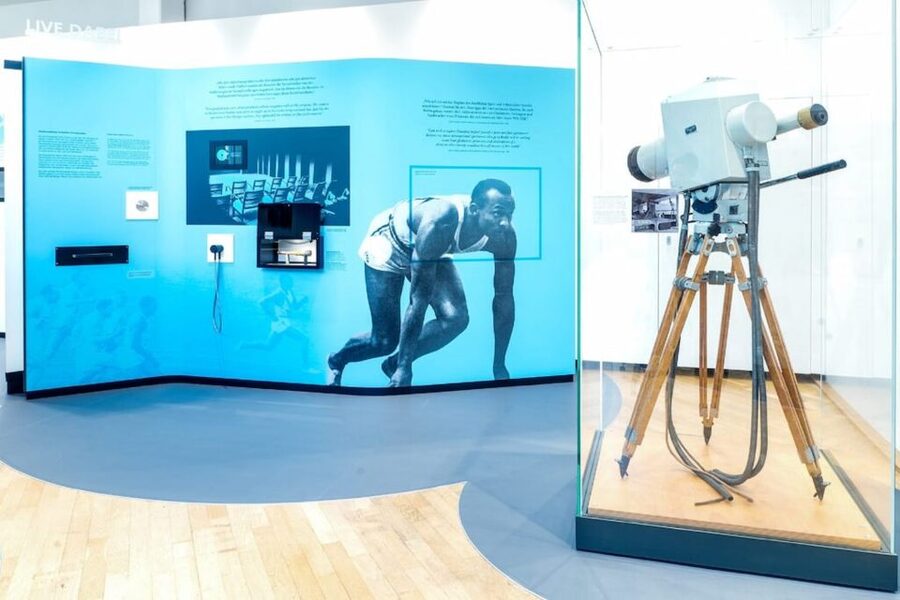
At $10 per person, the museum is priced like a smart local-style attraction, not a high-end “big ticket” experience. The value comes from three things:
- Scale: the permanent exhibition covers 2,500 square meters.
- Breadth: you get historical devices plus interactive experiences tied to the themes of acceleration, networks, control, and participation.
- Variety in one day: you can see both the permanent story and a temporary exhibit focused on climate change.
Also, you skip the ticket line. That sounds minor, but in practice it saves you time when your day in Frankfurt is already packed.
What is not included is simple: food and drinks are extra, and there is no tour guide included. That last point matters if you love guided narration. In this museum, you get the most from reading signs closely and using the interactive areas yourself.
Who should go, and who should rethink it
This is a strong fit for you if you enjoy hands-on museums, like media history, or want a different kind of Frankfurt experience beyond churches and galleries. It also works well for curious travelers who like to connect technology to human behavior.
It can be less ideal if you need total quiet. Based on recent experience reports, the museum can be extremely loud in lobby areas, especially when families are around. If you know you will feel distracted by noise, pick a weekday and enter with a calm plan.
This place also suits families, but families tend to bring the volume. If you are traveling with kids, that is not automatically a problem. It just changes your expectations about where you will get the best focus.
Should you book the Museum für Kommunikation Frankfurt?
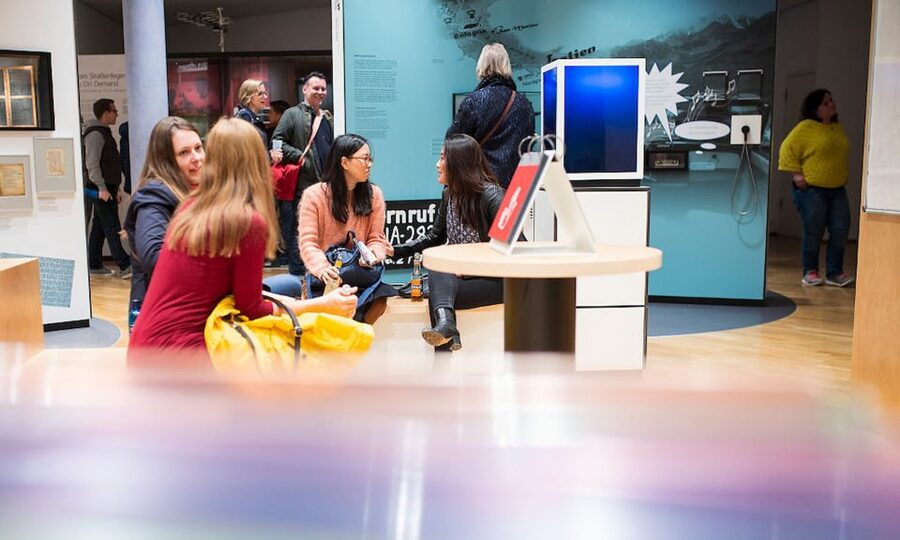
If you want a one-day museum that feels practical and thought-provoking, I say yes. For $10, you get a large exhibition space, a clear framework for understanding media history, and a temporary climate exhibit that pushes beyond passive viewing. Add the terrace view of the Main River, and the day has a natural ending point.
I would book if:
- you want interactive communication history, not just objects
- you plan to read and pause, at least some of the time
- you like museums that explain systems, like networks and control
I would hesitate if:
- quiet is non-negotiable for you
- you need a guided tour, because no tour guide is included
- you rely on Mastercard or Visa for café purchases, since the café may not accept them
FAQ
How long is the Museum of Communication Frankfurt experience valid?
The ticket is valid for 1 day. You can check availability to see starting times.
How much does it cost?
The price is $10 per person.
What do I get with the ticket?
Your ticket includes entry to the Museum of Communication exhibits.
Is food or a tour guide included?
No. Food and drinks are not included, and there is no tour guide included.
Where should I go to start?
Head directly to the Museum für Kommunikation Frankfurt.
Does the museum skip the ticket line?
Yes, skip-the-ticket-line is included.
Is the museum wheelchair accessible?
Yes, it is wheelchair accessible.
Is the museum open on public holidays?
On public holidays, it is open from 10:00 AM to 6:00 PM.
Fresh on the arrivals board for Frankfurt


Museums, compared.


Skip-the-Line: Berlin Wall Museum at Checkpoint Charlie
Read our review →Browse the lists this tour appears in