
Reviewed · GUIDED WALKS IN BERLIN
Berlin: Nazi History Walking Tour
Berlin reads like a warning sign. I love the 2-hour pace and how the walk links big buildings, like the Reich Chancellery, to the way the Nazi system actually worked. One consideration: the tour is in German, so you will want enough language comfort to catch the key points.
You start near the Brandenburg Gate area, with the meeting point by Hotel Adlon and the British Embassy corner. The route keeps you moving along the city’s political spine, and the guide style matters here, with a name like Stefan coming up for strong delivery and lots of context.
At $21 per person, this is good value if you want the headline sites without spending half a day stitching museums together. The topic is heavy, so think of this as a focused history lesson, not a casual sightseeing stroll.
In This Review
- Key things you’ll notice on this Berlin tour
- Why this 2-hour Nazi history walk makes sense in Berlin center
- Meeting near Hotel Adlon and getting oriented fast by the Brandenburg Gate
- Wilhelmstrasse, the government spine, and the Reich Chancellery moment
- From Reichstag days to the Nazi “world capital” idea
- Goebbels’ Ministry of Propaganda, and why messaging was machinery
- The former Nazi-violence HQ sites and Hitler-related stop
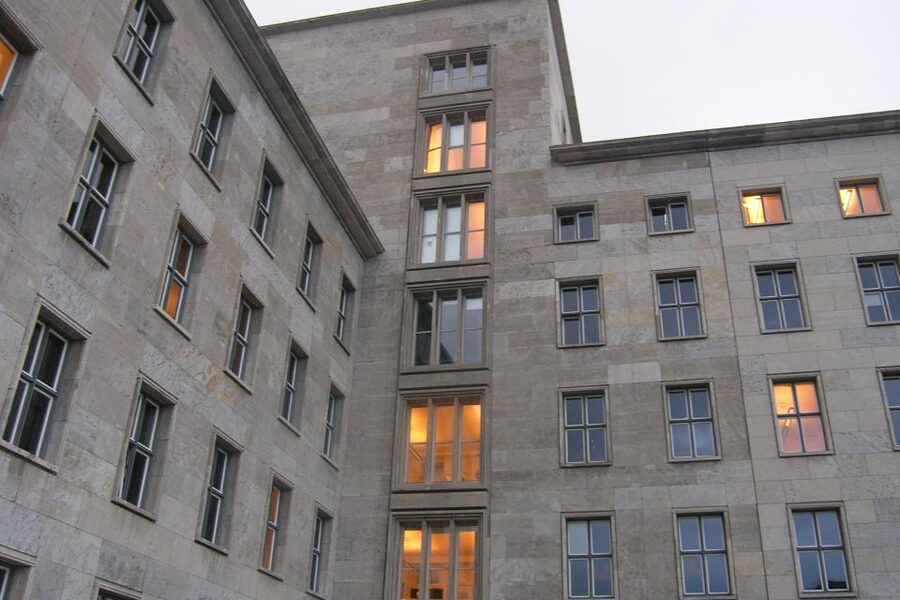
- The former Ministry of Aviation and the logic of expansion
- Ending at Topographie des Terrors and how to use it well
- Guide quality, German language, and getting real value out of $21
- Should you book the Berlin Nazi History Walking Tour?
- FAQ
- Where is the meeting point for the Berlin Nazi History Walking Tour?
- What is the duration of the tour?
- How much does it cost?
- What is included in the ticket price?
- What is not included?
- What language is the tour guide speaking?
- Where does the tour start?
- Where does the tour end?
- Is there free cancellation?
- Can I reserve without paying right away?
Key things you’ll notice on this Berlin tour
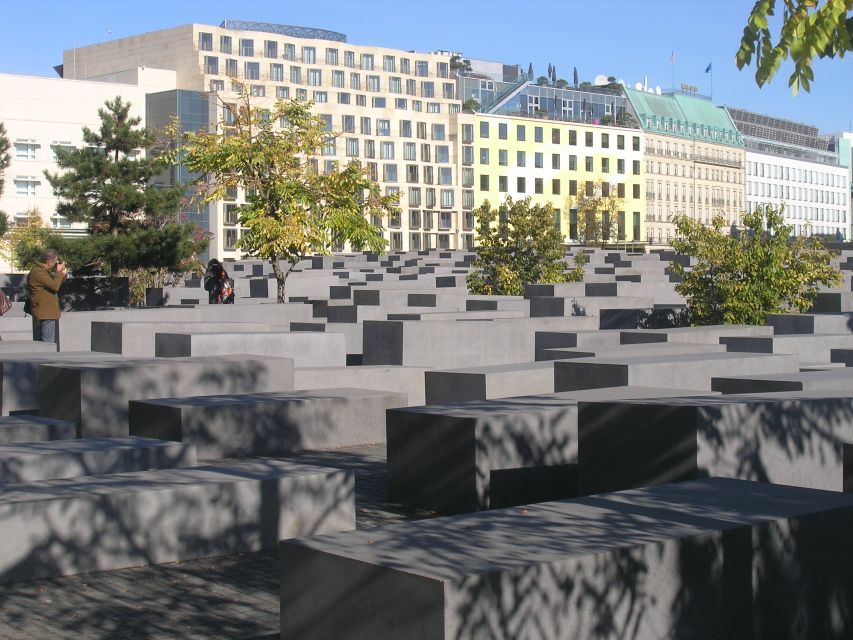
- Reich Chancellery on Wilhelmstrasse, explained as the administrative center of Nazi power
- Goebbels’ Ministry of Propaganda, and how messaging turned into control
- The “world capital” plan for Berlin, so you understand Nazi ambitions beyond ideology
- The Reichstag fire and the last days of the first German Republic, placed in timeline order
- The former Nazi-violence headquarters area, with a clear line to what followed
- Topographie des Terrors to extend the story with exhibits at the end
Why this 2-hour Nazi history walk makes sense in Berlin center
Berlin can feel like a choose-your-own-adventure city. But when you are chasing Nazi-era power and propaganda, you need structure. This tour gives you a tight, two-hour spine through the central government district, with explanations that connect politics to buildings you can actually see.
I like that it is built around purpose, not just landmarks. You do not simply pass a dramatic façade and move on. You get background on how Hitler’s Reich developed, then you see where decisions were made, where propaganda was produced, and where intimidation and violence were organized. That connection is what turns the walk from “photos and facts” into a coherent story.
Another plus: the ending at Topographie des Terrors means you leave with a place to keep learning right away. You can use the exhibition to slow down after the walking portion. That matters because Nazi history is not a one-pass subject, and the tour is short on purpose.
The only real drawback is what you already saw in the first paragraph: it is German. If your German is shaky, you may miss the nuance. If your language skills are solid, you will likely come away with a clearer sense of the timeline and the roles of different institutions.
More Guided Walks in Berlin
- Discover Berlin Half-Day Walking Tour
★ 5.0 · 9,624 reviews - Berlin City walk Government District and Places of Democracy
★ 4.7 · 8,467 reviews - Berlin: Third Reich & Cold War Guided Walking Tour
★ 4.9 · 8,378 reviews
Meeting near Hotel Adlon and getting oriented fast by the Brandenburg Gate
You meet near Hotel Adlon, in front of a jeweler, at the corner where the British Embassy is located. From there, the tour begins around Paris Square next to the Brandenburg Gate area. This is a smart choice for first-timers because it puts you at a natural visual anchor point in Berlin’s center.
Here is the practical benefit: the guide can start with the political setup before you start walking into the government core. Berlin’s Nazi sites are spread out, and people often wander in random order. This format keeps your bearings early, so you understand why you are walking down Wilhelmstrasse and why those buildings matter.
Bring a calm mindset. Even if you have visited Berlin before, this part of the city is used differently now than it was then. The guide’s job is to give you the “what happened here” context so you can interpret what you see, instead of guessing.
If you want to get the most out of the language portion, arrive a few minutes early. In a two-hour tour, you do not have a lot of time to settle in after everyone has gathered.
Wilhelmstrasse, the government spine, and the Reich Chancellery moment
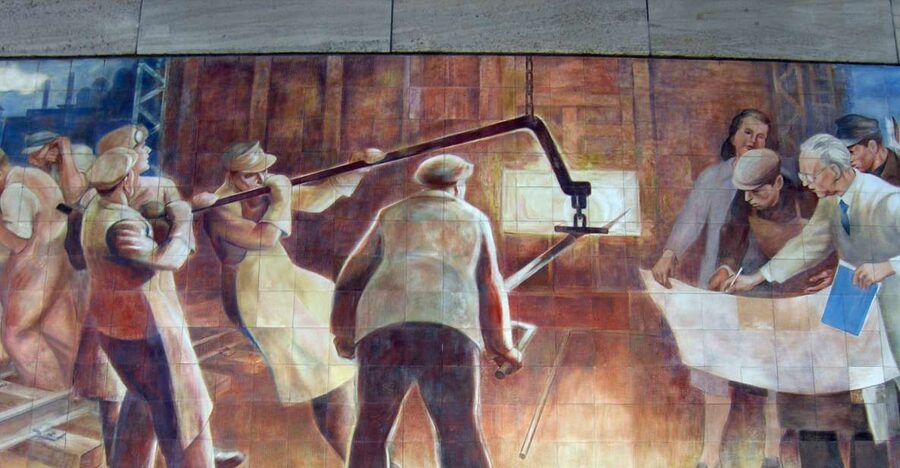
Once you head onto Wilhelmstrasse, the walk feels like you are threading through the Nazi administrative heart. The guide explains how the regime was set up politically, then you hit the kind of landmarks that symbolize real authority: offices, ministries, and decision-making hubs.
A big highlight is the Reichskanzlei, also known as the Reich Chancellery. The tour treats it as more than a historical photo op. You learn why this building was the main office of Nazi government, and how that administrative power translated into dictatorship.
What I like here is the way the tour uses architecture as evidence. You do not need to imagine the system from a textbook. You stand in the urban corridor where power was concentrated, and the guide tells you what was being planned and carried out.
You also pass and discuss the Auswaertiges Amt, the former foreign office. This is useful because Nazi policy did not live only in propaganda posters. It also involved foreign-direction strategy. Even in a short walk, getting this outside view helps you understand the regime as an international actor.
Another key stop is the palace of the German President. The tour uses it to frame the political transition and the end of democratic structures in Germany, which keeps you from treating the Nazi era as if it appeared out of nowhere.
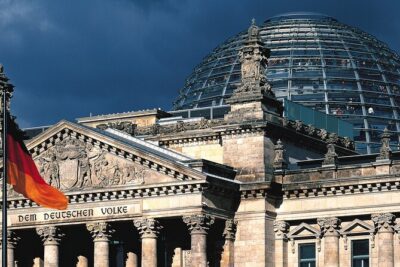
And yes, you will hear about the fire in the Reichstag and the last days of the first German Republic. That timeline piece is crucial. If you grasp that sequence, the rest of the Nazi story makes more sense.
From Reichstag days to the Nazi “world capital” idea
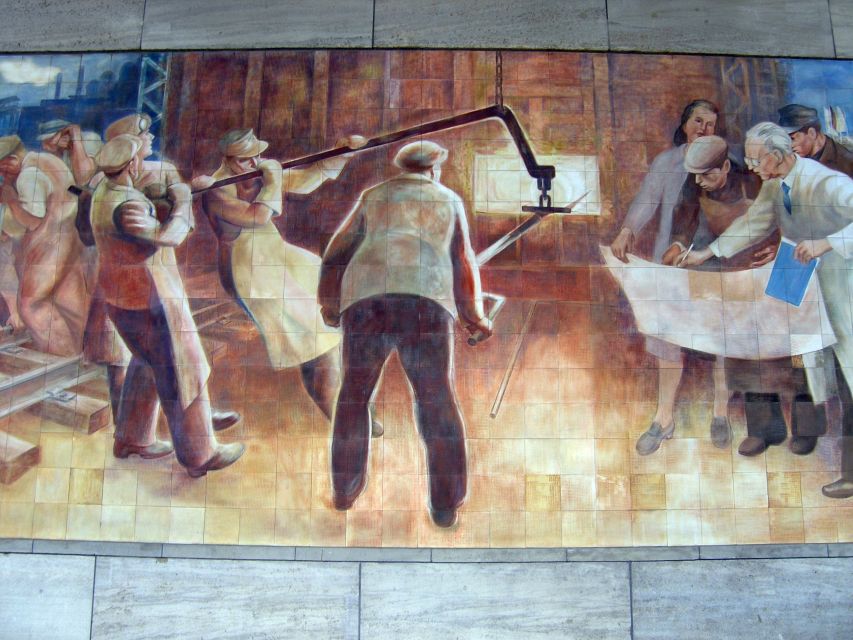
Nazi ideology was not only about domination through force. It was also about vision. One of the tour’s most interesting threads is the idea of turning Berlin into a world capital.
Why it matters: cities are not just backdrops. When a regime talks about remaking a capital, it signals long-term ambition, control over urban planning, and the kind of future it intends to impose. This is where Nazi propaganda starts to feel practical, not abstract.
The guide connects those ambitions to what you are seeing around you. As you walk, you get explanations that place the regime’s goals alongside the institutions that supported them.
In other words, you are not just learning names like Goebbels, Wilhelmstrasse, and ministries. You are learning how a dictatorship built legitimacy, pushed ideology, and set the stage for escalation.
It is heavy material, but the structure helps you keep your footing. You are not trying to memorize everything at once. The guide builds the story step by step.
Goebbels’ Ministry of Propaganda, and why messaging was machinery
If you have ever wondered how a regime convinced people to go along, you are in the right place. A central focus is Goebbels’ Ministry of Propaganda.
The tour does something smart here: it treats propaganda as infrastructure. Not as background noise, but as a system that shaped public perception and helped organize compliance. When the guide explains it in relation to the Nazi government core, propaganda stops being “just media” and becomes part of how power functioned.
This is also a good point in the tour to pay attention to details you might otherwise ignore. Even simple street-level observations become meaningful when you know the role that institutions played. The guide’s explanations help you connect the dots between words, images, and the coercive reality that followed.
A slight practical note: because this section is concept-heavy, it can feel like the tour momentarily slows down mentally even if you are still walking. If you tend to zone out on theory, lean in anyway. This part is one of the reasons the tour earns its high marks.
Further Third Reich and wartime history tours:
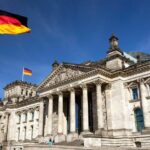
The former Nazi-violence HQ sites and Hitler-related stop
The tour includes visits to places tied to the former headquarters of Nazi violence in Berlin and the site where Hitler died. These are not optional details in the overall story. They bring the narrative from “government offices” into “what happened to people,” including the endgame of the regime.
When you stand near these locations, the guide’s role becomes essential. You need a framework to interpret what you see today. Many of these areas have layered meanings in modern Berlin, and without context you can miss the historical weight.
One thing I value in this tour format is that it does not treat the Nazi era like a set of disconnected highlights. It gives you a through-line from political development to propaganda to violence, with the locations reinforcing that logic.
If you are the type of person who likes to understand causation, not just chronology, you will probably find this section satisfying. If you want only the broad strokes, it may feel intense. But that is also the point: Nazi power was built on systems, and the tour keeps you focused on those systems.
The former Ministry of Aviation and the logic of expansion
You will also see the former Ministry of Aviation. That stop may feel unexpected at first compared to propaganda or government offices, but it fits the broader Nazi ambition.
Aviation is not just technology. It signals militarization and long-range planning. When the guide places it in the regime’s overall goals, it helps you understand how political authority translated into operational capability.
This is a good moment to consider how the Nazi regime thought: grand plans, institutional coordination, and the conversion of ideology into action. Berlin’s central district sites help show you that the system was engineered, not improvised.
If you are interested in how regimes prepare for war and how ministries work together, this stop adds a layer beyond the most famous names.
Ending at Topographie des Terrors and how to use it well
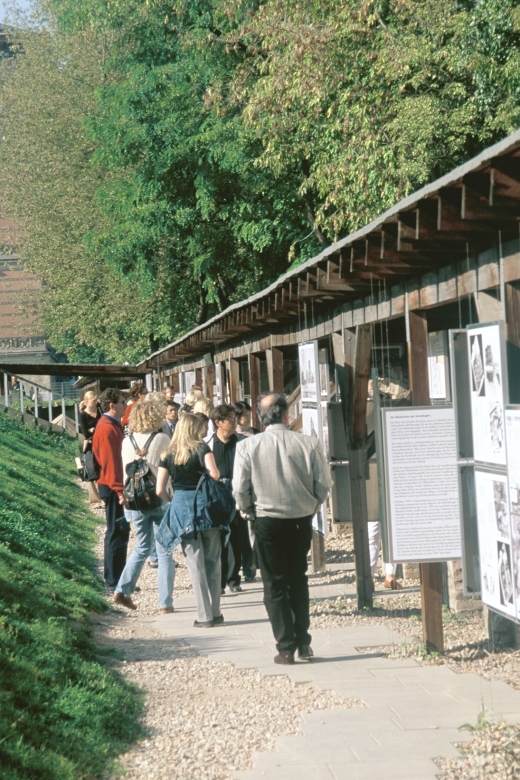
The tour finishes at Topographie des Terrors (Topography of Terror). This is where you can continue reading the story at your own pace.
I like the design of this ending because it matches how learning actually works. Two hours of walking and talking gives you the map. Then the exhibition gives you depth. You can spend more time on the parts that grabbed you most during the walk.
Practical tip: go in with at least one question in mind. For example, are you most curious about propaganda, institutional power, or the mechanics of violence? That question will guide which panels and exhibits you choose first.
Also, give yourself time to slow down. Many people rush the end section because they already feel “done” after the guided walk. But here, slowing down helps everything you heard on the street sink in.
Guide quality, German language, and getting real value out of $21
You get a live guide, and the tour language is German. That is the biggest factor in whether this feels easy or frustrating.
Here is how to make it work for you:
- If you read German or listen comfortably, you will likely get the full payoff from the timeline and the institutional explanations.
- If you are not strong in German, come prepared with the key names and topics in advance, like Goebbels, Reich Chancellery, and Topography of Terror. That way, you can follow the story even if every sentence is not perfect.
What about value? At $21 for 2 hours, you are paying for focused interpretation at major sites you would otherwise have to line up yourself. Since the tour includes only the guide, you are still responsible for getting there on your own and for food, but you are not paying extra for the storytelling. For short, high-impact history in central Berlin, the price feels fair.
A final reality check: this is not a light, fun walk. It deals with Nazi planning, propaganda, and violence. If you want cheerful sightseeing energy, pick something else. If you want clarity and structure, this tour hits the mark.
Should you book the Berlin Nazi History Walking Tour?
Book it if you want a tight, guided route through the Nazi government core, with clear connections between political development, propaganda, and violence. The 2-hour format is ideal for first-timers who want the headline institutions without getting lost in Berlin on their own. The ending at Topographie des Terrors is also a strong bonus for anyone who wants to continue learning.
Skip it, or at least reconsider, if German is a barrier for you. Since the tour is in German, you may spend part of the time playing catch-up instead of absorbing the story. Also consider your comfort level with hard subject matter. This is history with real cruelty attached.
If you match those two conditions, you are likely to feel the value quickly. You walk away with a mental map of how the Nazi system worked, not just a handful of impressive buildings.
FAQ
Where is the meeting point for the Berlin Nazi History Walking Tour?
You meet near Hotel Adlon, in front of the jeweler, at the corner where the British Embassy is located.
What is the duration of the tour?
The tour lasts 2 hours.
How much does it cost?
It costs $21 per person.
What is included in the ticket price?
The included item is a guide.
What is not included?
Food and drinks are not included, and there is no hotel pickup and drop-off.
What language is the tour guide speaking?
The live tour guide speaks German.
Where does the tour start?
The tour starts at Paris square next to the Brandenburg gate.
Where does the tour end?
The tour finishes at the exhibition Topographie des Terrors (Topography of Terror).
Is there free cancellation?
Yes. You can cancel up to 24 hours in advance for a full refund.
Can I reserve without paying right away?
Yes. The option is reserve now and pay later.
Centuries Per Block
- Berlin: Natural History Museum Entrance Ticket
★ 4.6 · 3,382 reviews - Berlin: 3-Hour World Heritage Cruise to Potsdam
★ 4.5 · 1,569 reviews - Berlin: History of the Third Reich Guided Walking Tour
★ 4.7 · 791 reviews - Berlin: Berlin Charité Guided History Tour
★ 4.4 · 660 reviews
Cities at Walking Speed
- Berlin: Discover Berlin Walking Tour
★ 4.9 · 5,998 reviews - Berlin: Hidden Backyards Guided Walking Tour
★ 4.8 · 5,360 reviews - Berlin: Alternative Berlin Walking Tour
★ 4.6 · 1,204 reviews - Berlin: City Street Art Guided Walking Tour
★ 4.8 · 1,051 reviews
Fresh on the arrivals board for Berlin
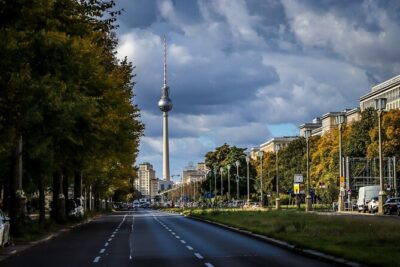


Guided Walks in Berlin, compared.
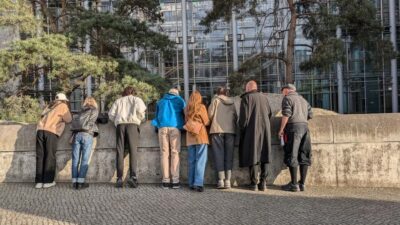
Berlin City walk Government District and Places of Democracy
Read our review →
Berlin’s Best: 2 Hour Walking Tour Third Reich and the Cold War
Read our review →
Third Reich Berlin: Hitler and WWII Walking Tour
Read our review →
Browse the lists this tour appears in