
Reviewed · GUIDED WALKS IN BERLIN
Berlin: Historic Center Walking Tour with a Real Berliner
Berlin makes sense when you walk it. This small-group historic center tour turns scattered sights into one clear story, from Prussian power to reunified Germany. It is led by a real Berliner in German, English, or Italian, so you are not just looking at buildings, you are learning how Berlin became Berlin.
I love two things most. First, the tour’s focus on the city’s big shifts, not just one war or one era, including how Berlin changed from a small trading village into a cultural metropolis. Second, it packs major landmarks into a tight loop, so you get real orientation without spending a day in transit.
One consideration: it is a walking tour in all weather and on public holidays. If you hate standing and moving for two hours outdoors, plan to wear good shoes and dress for the day.
In This Review
- Key highlights worth your attention
- Why Mitte is the smartest place to start
- Starting outside Nikolaikirche Museum, and why that first stop matters
- Nikolaiviertel: where Berlin’s “trading village” story feels real
- Along the Spree to Museum Island, Berlin’s cultural power corridor
- Humboldt Forum and the reconstructed Berlin City Palace
- Schlossbrücke and the royal-era center you can actually walk through
- Unter den Linden: Frederick the Great to St. Hedwig’s Cathedral in one boulevard
- Brandenburg Gate at reunification crossroads
- Price, pacing, and what makes this value-add at $43
- Who should book this Berlin historic-center walk
- Should you book Berlin: Historic Center Walking Tour with a Real Berliner?
- FAQ
- Where is the meeting point for the tour?
- How long is the tour?
- What languages are available?
- What is included in the price?
- What should I bring?
- Does the tour run in bad weather?
Key highlights worth your attention
- Small group size (up to 10) keeps the pace friendly and questions easy
- Multilingual guide (German, English, Italian) means you can keep up without a scramble
- Mitte focus gives you the real “why” behind the landmarks, not random photo stops
- Museum Island, Humboldt Forum, and the cathedral area connect Berlin’s cultural ambitions to its politics
- Unter den Linden in one pass lines up Frederick the Great, opera, the university, and St. Hedwig’s Cathedral
- Brandenburg Gate with reunification context (1990) helps you understand what you are seeing
Why Mitte is the smartest place to start
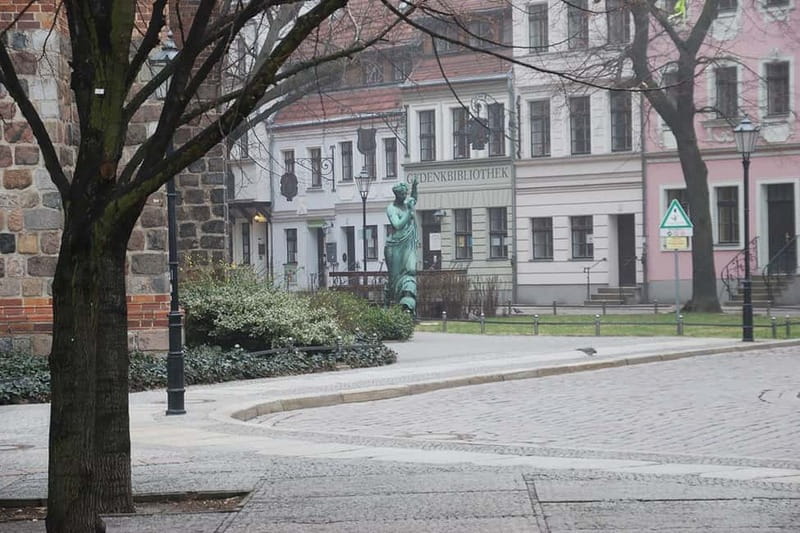
Mitte is where Berlin stacks its eras on top of each other. You see royal-era streets close to the symbolic scars of the 20th century, and you also see what was rebuilt, what was replaced, and what was repurposed for modern life.
This tour works because it is not trying to cover every corner of Berlin. It aims for the emotional and political spine of the city, with a walking route that links the Spree riverfront, Museum Island, the grand boulevard of Unter den Linden, and the reunification symbol at Brandenburg Gate. For a first trip, it is a fast way to understand the city’s logic.
And since the guide is local, you get explanations that sound like they belong to Berlin, not a textbook. That matters when you want to make sense of names, buildings, and street layouts on the ground.
More Guided Walks in Berlin
- Discover Berlin Half-Day Walking Tour
★ 5.0 · 9,624 reviews - Berlin City walk Government District and Places of Democracy
★ 4.7 · 8,467 reviews - Berlin: Third Reich & Cold War Guided Walking Tour
★ 4.9 · 8,378 reviews
Starting outside Nikolaikirche Museum, and why that first stop matters
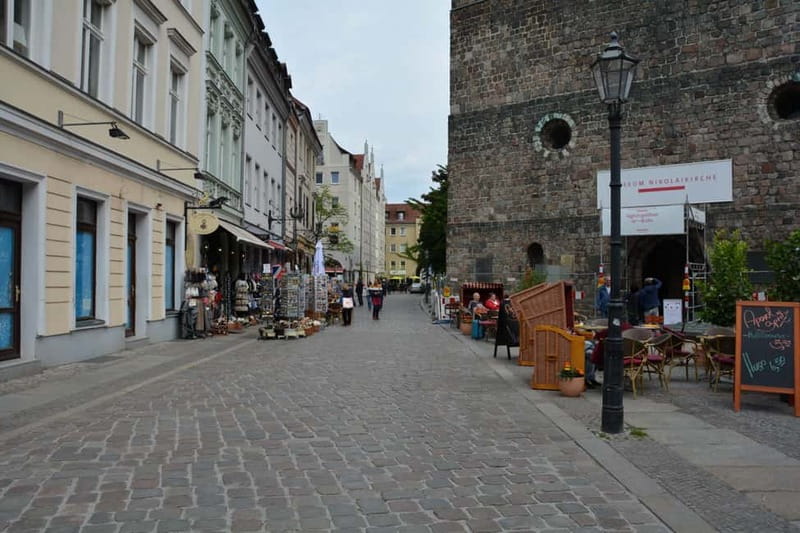
The walk begins at the Nikolaikirche Museum, outside the main entrance of St. Nicholas’ Church Museum. That is a smart start point, because the area ties directly to Berlin’s older roots, not just its modern image.
From the beginning, your guide sets the timeline: Berlin moving from a residence city in the Kingdom of Prussia to becoming the capital of a reunited Germany. You start hearing why certain areas became important, and why other areas changed roles as power shifted.
If you like city history that connects to places you can actually see, this opening helps. It also gives you a mental checklist early on, so later stops feel less like separate attractions and more like chapters.
Nikolaiviertel: where Berlin’s “trading village” story feels real
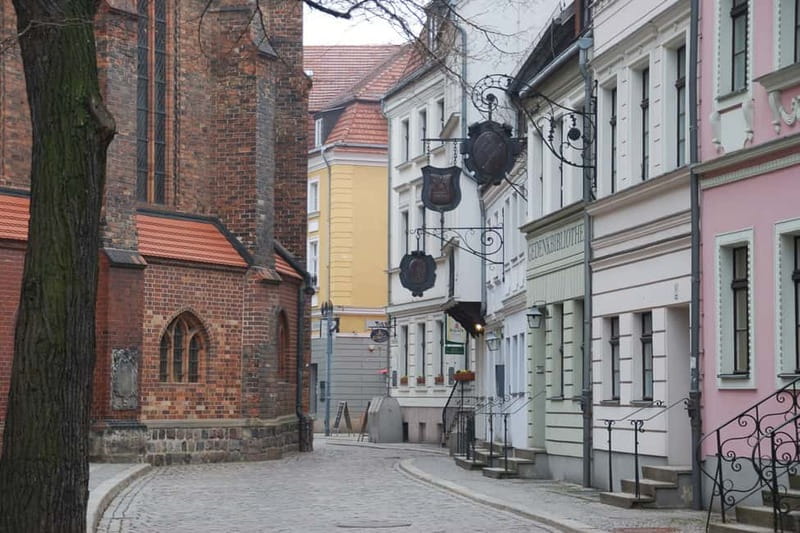
After the start, you spend time in Nikolaiviertel. This part of the route is where the tour’s origin story gains weight, because you are walking in an area associated with the earliest development of Berlin.
The guide explains how Berlin grew from a small trading village into a city that kept gaining influence. That sounds broad, but on the ground it turns into something practical: you begin noticing how riverside geography and the city’s central position supported growth.
A good walking tour does not just name sites. It helps you read the city. This is where that starts to click, especially if you ask your guide to connect the past to what you see today.
Along the Spree to Museum Island, Berlin’s cultural power corridor
Next, the route heads toward the Spree and the Museum Island area. This section is one of the most satisfying in the whole walk because you get both views and context.
You will see the Berlin Cathedral area, the Old Museum, and the Humboldt Forum on Museum Island. You will also learn what made this part of Berlin a cultural center, and how that ambition evolved alongside political change. In other words, the story is not only about rulers. It is also about institutions and identity.
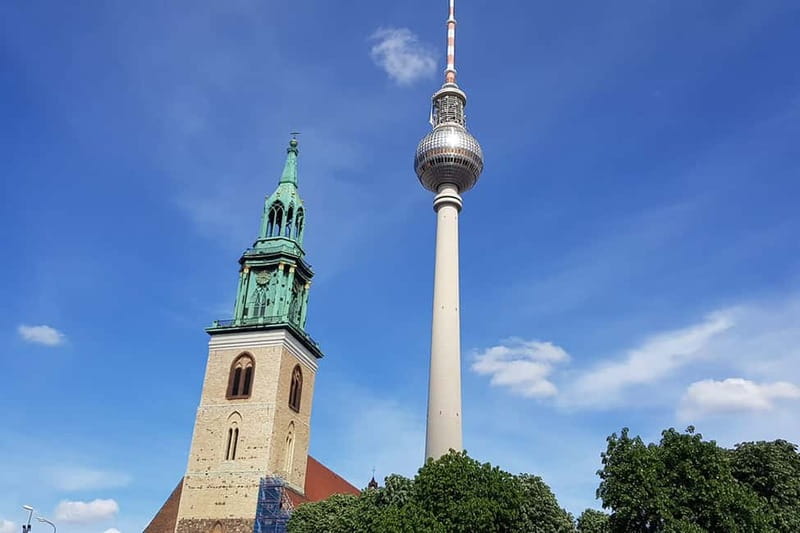
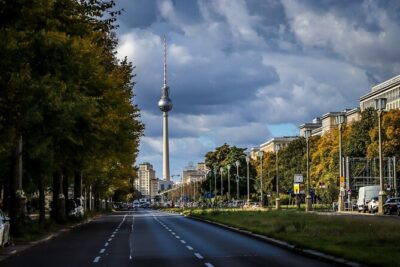
You also get a key visual marker on the way, the Television Tower. The tour specifically frames it as Berlin’s highest building, which is a useful way to anchor what you see in a simple, memorable fact.
The downside here is simple: this is where you may spend more time looking outward and standing on walkways. If you have a long commute day behind you, take a quick posture break when the group pauses.
Humboldt Forum and the reconstructed Berlin City Palace
The route brings you to the Humboldt Forum, and then you head to the area where the reconstructed Berlin City Palace can be admired. This is a powerful pairing because it raises an inevitable question: what does reconstruction mean in a city that lived through major political fractures?
Your guide places the palace story in the larger sweep of Berlin’s development, including how the city center reflects shifting eras of kings and emperors. Seeing the rebuilt palace in context makes it less about nostalgia and more about how Berlin chose what to restore and what to reframe.
One practical tip: if you want the best experience here, slow down your photos. Look first, then take pictures. Museum Island and the Palace area are built for views, and the guide’s explanation lands better when you are not constantly turning away from the place.
More German cities at walking speed:


Schlossbrücke and the royal-era center you can actually walk through
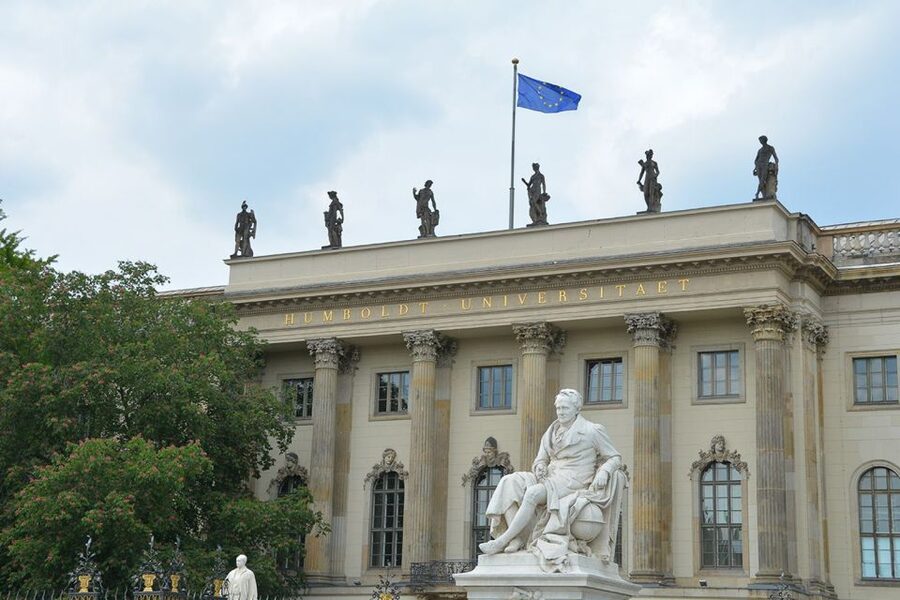
Crossing the Palace Bridge, Schlossbrücke, is a neat transition from the museum-focused riverfront to Berlin’s historical center. The tour uses this moment to point out buildings connected to times of kings and emperors.
This is the section that helps you understand Berlin’s “center” as an idea, not just a point on a map. The streets feel grand, the sightlines are longer, and the architecture reads like power made visible. That becomes clearer when the guide frames it as an ongoing city conversation, not a one-time historical event.
If you are visiting in a busy season, you may share sidewalks with other pedestrians. Still, the small group size keeps your movement smooth, and the guide can steer you to the most meaningful viewpoints.
Unter den Linden: Frederick the Great to St. Hedwig’s Cathedral in one boulevard
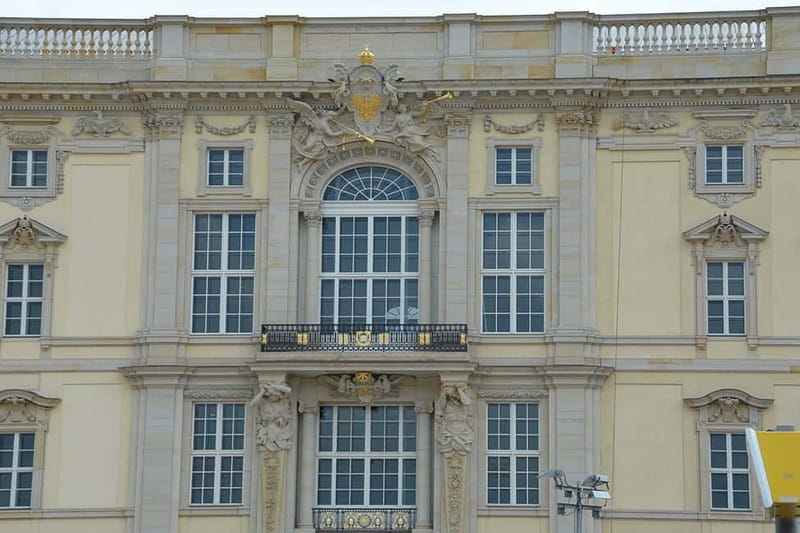
Then you hit Unter den Linden, described as the oldest boulevard in the city. This is the classic Berlin promenade section, and it is where the tour turns into a guided picture of government, culture, and learning stacked in one straight line.
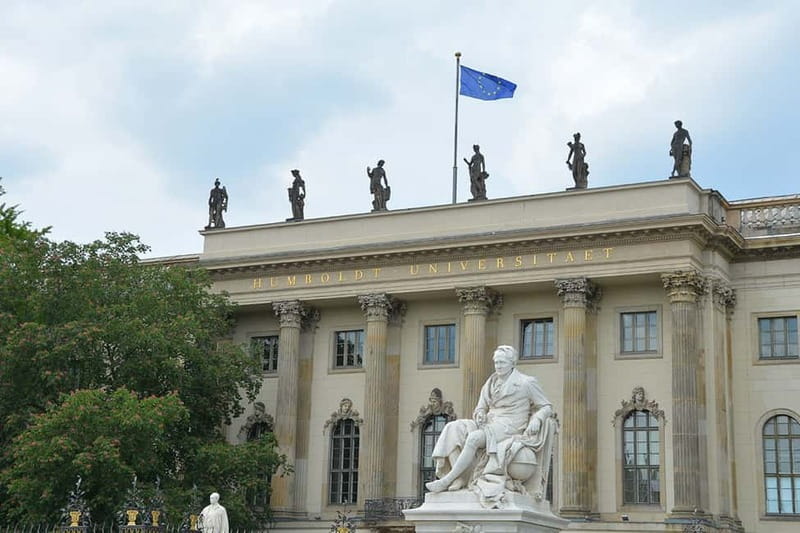
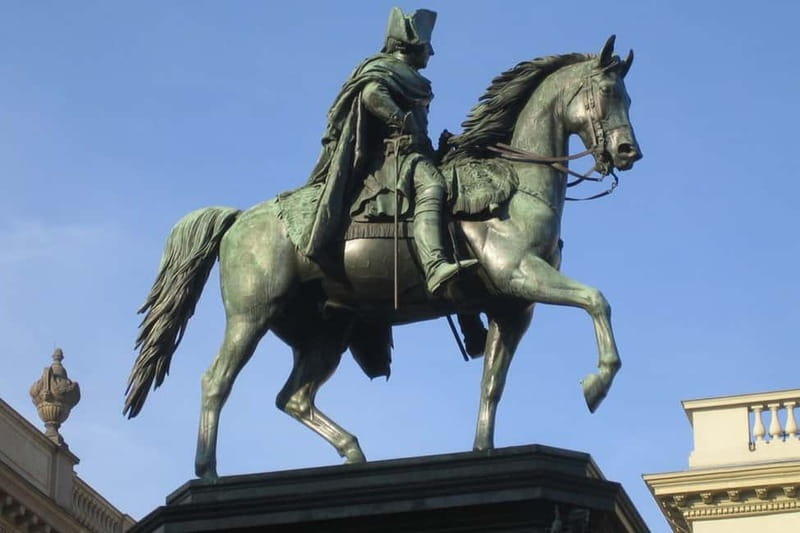
Along the way you will see the Equestrian Statue of Frederick the Great, the State Opera, Humboldt University of Berlin, and St. Hedwig’s Cathedral. Even if you are not a big architecture person, this stop sequence works because each landmark signals a different kind of power.
- The statue anchors the era of monarchy.
- The opera signals public culture and prestige.
- Humboldt University connects to education and modern intellectual life.
- St. Hedwig’s Cathedral adds a religious and historical layer that makes the boulevard feel complete.
This is a great moment to ask questions. If something feels like it is about one topic but you suspect it is actually about politics, culture, and identity, your guide can usually connect the dots quickly. You will appreciate that the tour is built to explain why the boulevard matters, not only to name it.
Brandenburg Gate at reunification crossroads
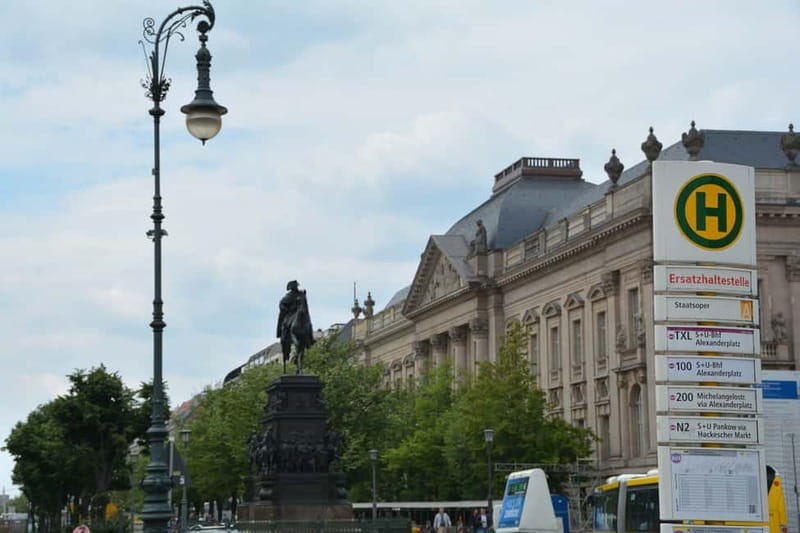
The tour ends at Brandenburg Gate, which the experience highlights as Berlin’s famous symbol and a focal point for reunification in 1990. This is the emotionally charged stop, and it is not treated like a simple landmark checklist.
You hear the moving story of the gate before, during, and after Berlin’s division. That framing changes how you experience the area. It is no longer only a photo spot. It becomes a place where Berlin’s modern identity is visibly tied to 20th century history.
Go in with two mindsets. First, let the guide’s timeline do its job. Second, stand still for a minute before the crowd pulls you forward. Brandenburg Gate is one of those places where your brain needs a moment to catch up with what your eyes see.
Price, pacing, and what makes this value-add at $43
At $43 per person for a two-hour walk, this is positioned as a practical “first Berlin” option. You are paying for a professional guide, not for entry tickets or a long museum day. That means your money goes directly into understanding what you are seeing.
The value gets better because the group is limited to 10 participants. Smaller groups usually mean less waiting, more back-and-forth, and a higher chance your guide can adjust the pace. You also get the option of German, English, or Italian, which matters if you want the history in your comfort language.
The pacing is steady. You are walking between major stops in central Berlin, including riverfront areas and busy streets. Comfortable shoes are not optional here, and you should expect weather shifts since the tour takes place in all weather conditions and on public holidays.
One more thing: food and drinks are not included. Plan a snack or a proper meal before or after, especially if you are doing this on an arrival day. Two hours goes fast, and you will want energy for the rest of your Berlin evening.
Who should book this Berlin historic-center walk
This tour is a strong fit if you:
- want a clear foundation in Berlin’s story without spending all day in museums
- prefer walking routes over buses for short time in the city
- like your history explained in plain terms at the places where it happened
It is also a good choice on your first evening. If you are new to Berlin, the route gives you a sense of direction, and it helps you understand what is near what. You will feel more confident choosing your next stops afterward.
Should you book Berlin: Historic Center Walking Tour with a Real Berliner?
Yes, if you want a high-value, two-hour orientation through Mitte, with a guide who can connect major landmarks to the city’s political and cultural shifts. The route hits the big names, Museum Island, Unter den Linden, and Brandenburg Gate, but the real payoff is how the story is stitched together.
Skip it only if you dislike outdoor walking in mixed weather. Otherwise, this is a smart way to make Berlin feel understandable instead of overwhelming.
FAQ
Where is the meeting point for the tour?
You meet outside the main entrance of the Nikolaikirche Museum (St. Nicholas’ Church Museum). Look for the tour guide with the Get Your Guide flag and the You in Berlin presence.
How long is the tour?
The walking tour lasts 2 hours.
What languages are available?
The live guide offers German, English, and Italian.
What is included in the price?
The tour includes a professional city tour guide and the walking tour.
What should I bring?
Bring comfortable shoes and comfortable clothes.
Does the tour run in bad weather?
Yes. The tour takes place in all weather conditions and on all public holidays.
Centuries Per Block
- Berlin: Natural History Museum Entrance Ticket
★ 4.6 · 3,382 reviews - Berlin: 3-Hour World Heritage Cruise to Potsdam
★ 4.5 · 1,569 reviews - Berlin: History of the Third Reich Guided Walking Tour
★ 4.7 · 791 reviews - Berlin: Berlin Charité Guided History Tour
★ 4.4 · 660 reviews
Fresh on the arrivals board for Berlin


Guided Walks in Berlin, compared.
Berlin City walk Government District and Places of Democracy
Read our review →
Berlin’s Best: 2 Hour Walking Tour Third Reich and the Cold War
Read our review →
Third Reich Berlin: Hitler and WWII Walking Tour
Read our review →
Browse the lists this tour appears in