

Reviewed · GUIDED WALKS IN BERLIN
Berlin: Charité Hospital Walking Tour of Medical History
Medicine meets politics at Charité. This 2-hour walk turns the neo-gothic campus into a timeline of real medical breakthroughs and real moral failures, with names like Robert Koch and Rachel Hirsch stitched into the buildings you can see.
I also love that the tour doesn’t stop at famous men and lab science. You’ll spend time in the Veterinary Anatomy Theatre, where 18th-century Berliners studied disease in livestock and cavalry horses, and that makes the whole story feel grounded. One thing to consider: most of it is outdoors in cool weather, and you should expect limited access to certain hospital and university rooms.
In This Review
- Key highlights at a glance
- Arriving at Robert-Koch-Platz, where the story starts on purpose
- The 1710 plague house: early medicine that sounds shocking today
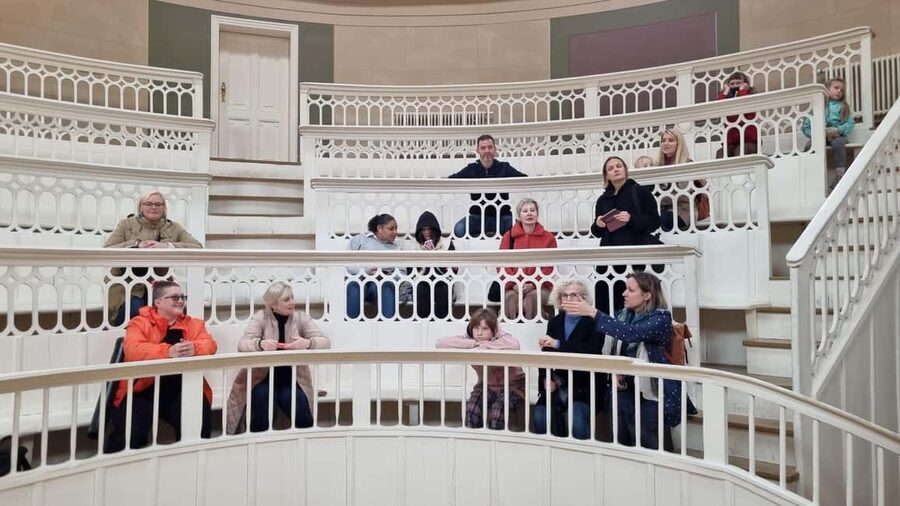
- Veterinary Anatomy Theatre: why studying animals mattered in 18th-century Berlin
- Robert Koch and Rudolf Virchow: the science you can still recognize
- Rachel Hirsch and the fight for women in Prussian medicine
- Charité under Nazi rule: when ethics were discarded
- East Germany, memory, and the bricked-up windows
- The route, timing, and where you can actually go
- Value for money: what $29 buys you in real terms
- Who should book this Charité medical history walk
- Should you book this Berlin medical history tour?
Key highlights at a glance
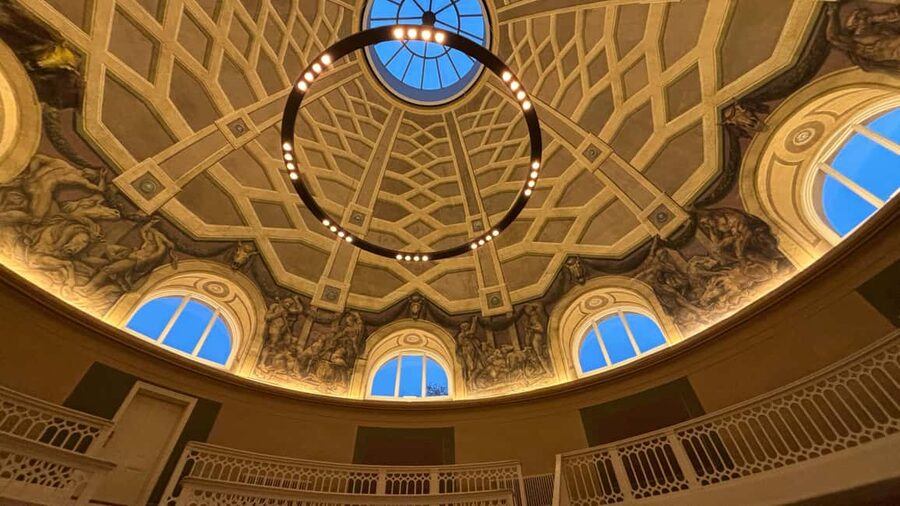
- Neo-gothic Charité campus as your outdoor classroom
- The 1710 plague-house origin story and early treatments
- Veterinary Anatomy Theatre, Berlin’s oldest academic building still standing
- Big medical names: Robert Koch and Rudolf Virchow
- Rachel Hirsch and the push for women in Prussian medicine
- A hard look at Nazi-era ethics and postwar memory
Arriving at Robert-Koch-Platz, where the story starts on purpose
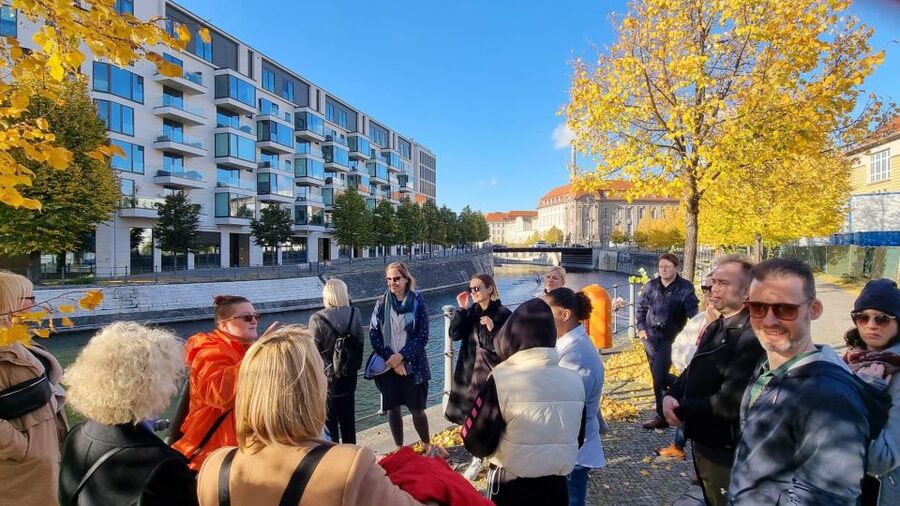
I like tours that give you a clear starting point and a clear promise, and this one does. You meet at Robert-Koch-Platz by the statue of Robert Koch, with your guide holding an orange umbrella, then you get moving right away. That matters, because the whole experience is built to connect history to place. You’re not just hearing dates. You’re reading the city’s decisions in stonework.
From the beginning, the atmosphere is part of the point. Charité’s buildings are striking, and the tour uses that beauty to contrast something darker underneath. You see impressive neo-gothic architecture, then the guide links it to how medicine actually evolved, including the era when it was less about evidence and more about survival.
If you come in expecting a soft, purely inspirational museum walk, calibrate your mindset. This is medicine as a human system. It includes brilliance, bias, politics, and consequences.
More Guided Walks in Berlin
- Discover Berlin Half-Day Walking Tour
★ 5.0 · 9,624 reviews - Berlin City walk Government District and Places of Democracy
★ 4.7 · 8,467 reviews - Berlin: Third Reich & Cold War Guided Walking Tour
★ 4.9 · 8,378 reviews
The 1710 plague house: early medicine that sounds shocking today
One of the best parts is how the guide frames Charité’s foundation. The story begins in 1710, when the hospital was first built as a simple plague house. That opening instantly makes the tour more than a campus sightseeing loop. It’s about why hospitals exist, and what happens when epidemics hit faster than knowledge does.
The early days included treatments that feel brutal by modern standards, and the guide connects them to the limitations of their time. You’ll hear about things like bloodletting, doses of mercury, and amputations. You might not agree with those choices in your head today, but as history, it lands in an honest way. Medicine was improvisation before antibiotics, and the cost of being wrong was paid in lives.
I think this section is especially valuable for you if you enjoy context. Instead of treating medical progress as a straight line, the tour shows it as messy, uneven, and shaped by fear and urgency. That tone makes later stops hit harder.
Veterinary Anatomy Theatre: why studying animals mattered in 18th-century Berlin
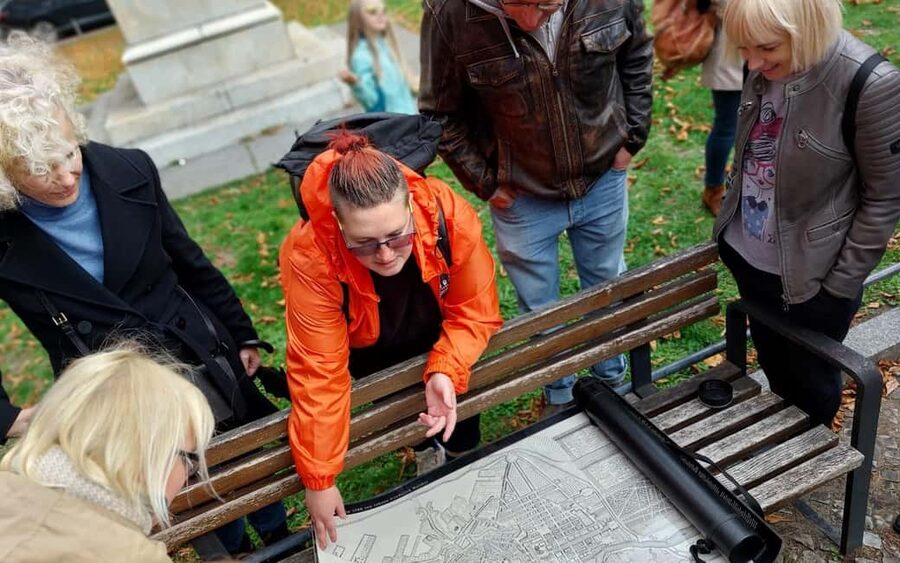
A big moment comes at the Veterinary Anatomy Theatre, where the focus shifts from human hospitals to the science of city life. The stop is short, but it’s meaningful, because it helps you understand where practical knowledge often starts.
This theatre is described as the oldest academic building still in existence in Berlin. That alone makes it worth your time. But the guide also explains what it was for: exploring ailments affecting livestock and cavalry horses in the 18th century. Berlin wasn’t just people and paperwork. It was supply chains, work animals, transportation, and public health problems that animals carried into daily life.
You’ll also appreciate the framing. When the tour connects that theatre to the wider Charité story, it shows that medicine was never only about wards and doctors. It was about systems, and those systems ran through farms, stables, and streets.
Practical note: the stop is listed as part of the experience with free admission to the theatre. On occasion, the theatre can be closed due to internal events or public holidays, so bring flexibility.
Robert Koch and Rudolf Virchow: the science you can still recognize
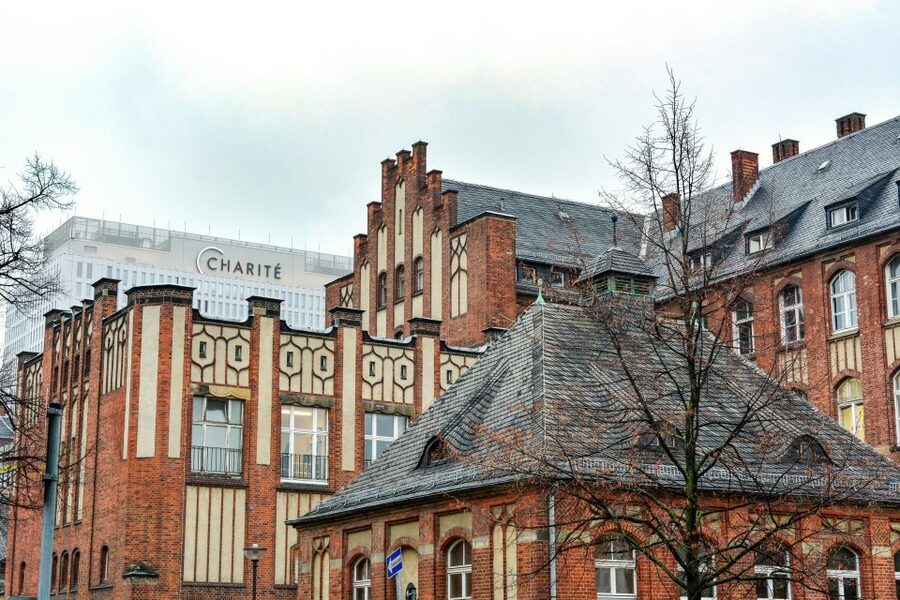
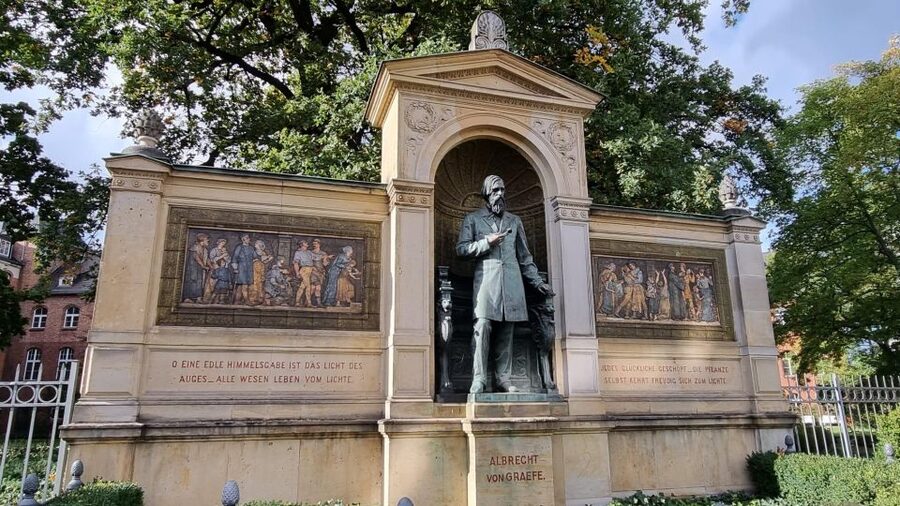
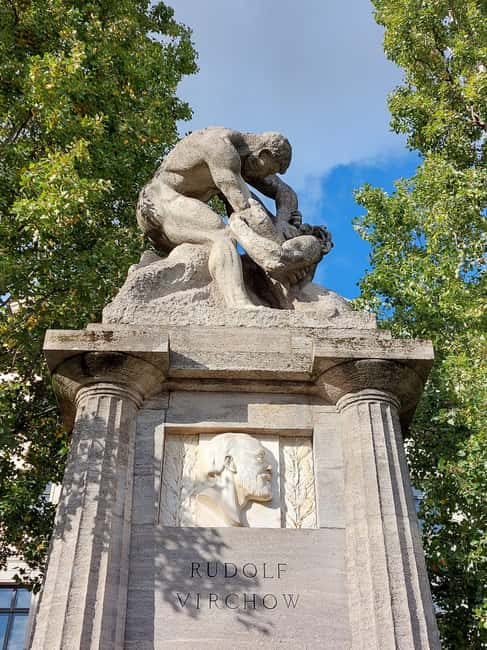
After the theatre, you move into the historical sweep of the Charité campus, and you’ll see why this place helped shape modern medical thinking. The guide points out where medical pioneers like Robert Koch and Rudolf Virchow made discoveries.
Even if you don’t memorize every detail, the tour helps you see the scale of influence. These names aren’t just trivia. They represent the shift toward scientific methods and systematic investigation. And because you’re walking the campus, the tour makes it feel real instead of distant.
What I like most here is the balance. The guide doesn’t treat breakthroughs like miracles that arrived fully formed. It connects their work to institutions, teaching, and how knowledge circulated. That’s the kind of understanding that stays with you after you leave.
Also, you’ll likely notice the walking pace is steady and accessible for most people who can stand and walk for about two hours. Comfortable shoes matter because you’re outdoors for a lot of the route.
Rachel Hirsch and the fight for women in Prussian medicine
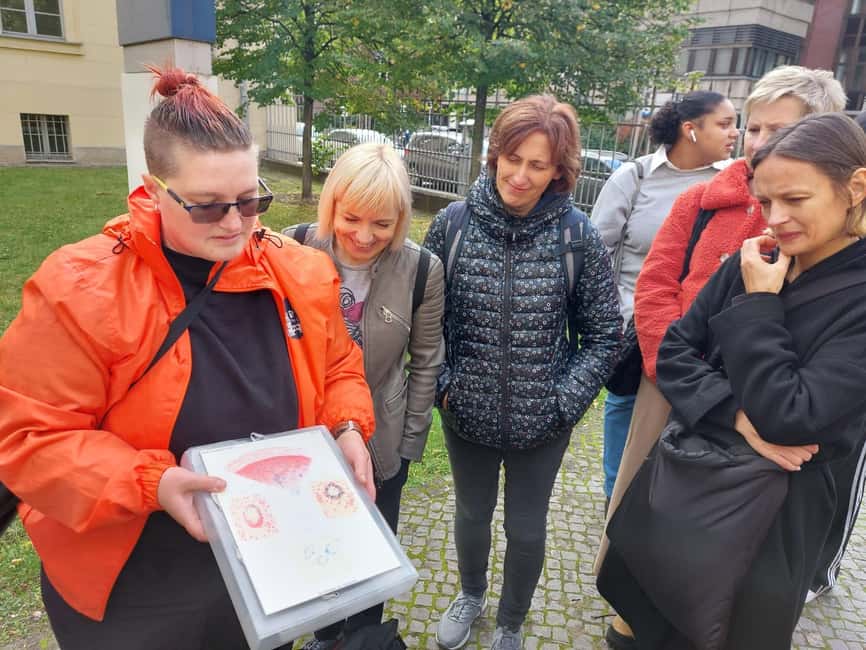
This tour takes a turn that I think many people will find both enlightening and sobering: Rachel Hirsch. You’ll hear that she became the first woman to hold a medical professorship in Prussia in 1913.
It’s a significant moment, but the tour doesn’t oversell it as a smooth progress story. It also describes resistance within the institution. That detail is important. It shows that institutional change often moves forward while pushing back at the same time.
Why this matters for you as a visitor is simple: it gives medicine a social dimension. Charité isn’t portrayed only as a place of experiments and patients. It’s a place where power, gender norms, and professional barriers were negotiated in real time.
If you’re the type who likes to see how big ideas show up in everyday structures, you’ll probably enjoy this section more than you expect.
More German cities at walking speed:




Charité under Nazi rule: when ethics were discarded
This is the hardest chapter, and the guide handles it as a moral warning, not just a historical fact.
You’ll explore how the hospital was used under the Nazi regime, where medical ethics were disregarded and ideas of racial hygiene were ruthlessly imposed. The tour also addresses that some doctors kept quiet, while others actively organized the extermination of psychiatric patients.
I recommend you come into this part ready for discomfort. Don’t expect a neutral science story. The tour uses Charité as a case study for what happens when medicine becomes an instrument of ideology. It’s not meant to shock for its own sake. It’s meant to help you understand the real-world stakes of ethical failure.
And the campus setting makes it especially stark. Neo-gothic walls and formal buildings do not prevent horror. That contrast is part of the lesson.
East Germany, memory, and the bricked-up windows
After the Nazi era, you’ll hear about how later decades in East Germany presented Charité’s achievements while also controlling the visible reminders of what happened before.
A specific detail stands out in the description: windows facing the capitalist West were bricked up. That’s a small physical change with a big message. It’s the kind of memory politics you only notice when someone points it out and gives it context.
I like that the tour doesn’t end with one regime and then move on. It follows how institutions handle the past, what they highlight, and what they try to hide.
This closing chapter makes the tour feel like more than “history on a map.” It turns the city itself into an archive, where the evidence is sometimes loud and sometimes sealed behind walls.
The route, timing, and where you can actually go
The full experience is about two hours and is designed as a walking route. You should plan to stand at stops and keep moving most of the time. It’s also wheelchair accessible, which is a big plus if you need that.
Just manage expectations on interiors. The tour is not described as a full access pass into every hospital or university space. Entry to buildings where hospital or university activities take place is not included, and some areas of the Charité campus may be restricted for guided visits. The good news is you should still be able to explore some areas independently after the tour, depending on what’s open.
You’ll also finish near the Central Station area, with the finish point listed as Alexanderufer, 10117 Berlin. That makes it a practical start or end for other sightseeing. You don’t have to fight transit decisions right after the tour.
Value for money: what $29 buys you in real terms
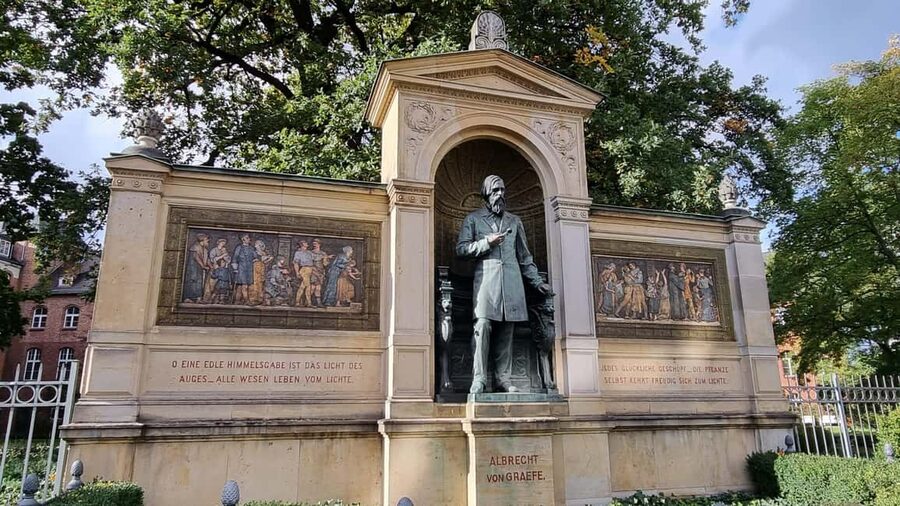
At $29 per person for around two hours, the value is tied to the guide quality and the way the tour uses the campus.
This includes:
- an expert local guide
- a stop at the Veterinary Anatomy Theatre, with free admission
What you’re really paying for is interpretation. Charité could be a beautiful campus you walk around with no deeper understanding. This tour gives you a narrative thread across centuries, from a plague-house origin to major medical names, and then into ethical and political history.
And based on repeated feedback about the guidance, the tour aims to keep the walking manageable while still covering heavy themes. One guide name you may hear is Martina, and that aligns with the idea that the guides are well trained to present the content in a way that stays clear even when the material gets serious.
If you want a science-and-society tour that respects both the achievements and the harm, the price feels fair for what you get.
Who should book this Charité medical history walk
This works best if you:
- want more than sightseeing, and you enjoy understanding context
- like medical history that includes ethics, not just breakthroughs
- are comfortable with historical topics that touch real atrocities
- can handle about two hours of standing and walking
The tour is recommended for ages 14 and up, and it is not suitable for children under 14. If you’re traveling with teenagers who are curious about history, medicine, or ethics, this can be an excellent choice.
Should you book this Berlin medical history tour?
Yes, if you want a guided walk that uses Charité as more than backdrop. The mix of neo-gothic architecture, big names like Robert Koch and Rudolf Virchow, the standout story of Rachel Hirsch, and the clear discussion of Nazi-era medical ethics makes this a strong two-hour use of your day.
Skip it or go in with extra caution if:
- you strongly dislike cold-weather walking, since most of the route is outdoors
- you need full interior access to hospital facilities, because the tour does not include entry to areas where hospital or university activities take place
- you are bringing a child under 14
If you time your day well, you’ll finish close to Central Station, which helps you keep momentum in Berlin.
If you’re aiming for a thoughtful, practical, and genuinely memorable slice of Berlin that connects science to power and consequences, this is an easy recommendation.
Centuries Per Block
- Berlin: Natural History Museum Entrance Ticket
★ 4.6 · 3,382 reviews - Berlin: 3-Hour World Heritage Cruise to Potsdam
★ 4.5 · 1,569 reviews - Berlin: History of the Third Reich Guided Walking Tour
★ 4.7 · 791 reviews - Berlin: Berlin Charité Guided History Tour
★ 4.4 · 660 reviews
Fresh on the arrivals board for Berlin





Guided Walks in Berlin, compared.

Berlin City walk Government District and Places of Democracy
Read our review →


Berlin’s Best: 2 Hour Walking Tour Third Reich and the Cold War
Read our review →
Third Reich Berlin: Hitler and WWII Walking Tour
Read our review →
Browse the lists this tour appears in