
Reviewed · CYCLING TOURS IN BERLIN
Berlin: 3-hour bike tour – A journey through time in the capital
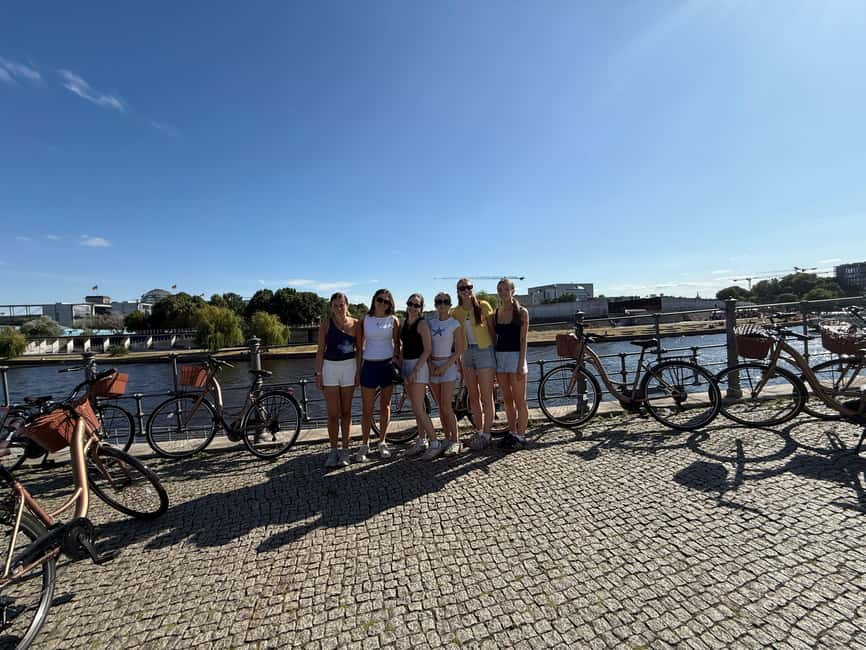
Berlin is history you can pedal through. In just 3 hours, this CityRiders bike tour strings together Berlin’s big turning points, from the Cold War sites to the icons of German unity, using a bike route that keeps you moving but not rushed. I especially like that you get insider stories from a live guide and smart photo stops, so the sights feel connected instead of like a checklist.
Two things I really like here are the balance of heavy and hopeful moments, and the fact that you’re not stuck in one theme. You cycle from the Topography of Terror and the former control center of the Nazi regime toward the Holocaust Memorial, then you shift to breezier green time in Tiergarten before returning to grand landmarks like the Victory Column and Reichstag area. You also have a guide who can explain what you’re seeing in plain language, with multilingual options like English, German, Spanish, and Portuguese, and recent reviews highlight strong guiding, including guides named Gio, Dio, and Fais.
One possible drawback: this route is loaded with emotionally weighty stops (and some sites can be less obvious than the famous ones). If you prefer a lighter, strictly sightseeing tour, you might find the tone more intense than expected, even though the pace is meant to be leisurely.
In This Review
- Key highlights worth your attention
- Why this 3-hour Berlin bike loop makes sense
- Starting out near CityRiders, then building momentum fast
- The Cold War storyline: Topography of Terror and the invisible bunker site
- Holocaust Memorial: moving, clear, and guided for understanding
- Tiergarten reset: cycling through the green heart
- Victory Column and the Else statue: a classic viewpoint moment
- Bellevue Palace, the Spree, and Berlin’s shifting power centers
- Reichstag area to Museum Island: from past to curated architecture
- Gendarmenmarkt: a beautiful ending with cathedrals and concert hall
- Value for $44: what you’re really buying
- Who this tour fits best
- Guide quality matters, and the reviews point to that
- Practical tips to make your ride easier
- Should you book CityRiders’ 3-hour Berlin time travel bike tour?
- FAQ
- How long is the Berlin bike tour?
- How much does the tour cost?
- Where do I meet the tour?
- What should I bring or wear?
- Is a helmet provided?
- Does the tour include food and drinks?
- Is a stop for a break included?
- What languages are available for the live guide?
- Are there photo stops built into the route?
- What is recommended about cash?
Key highlights worth your attention
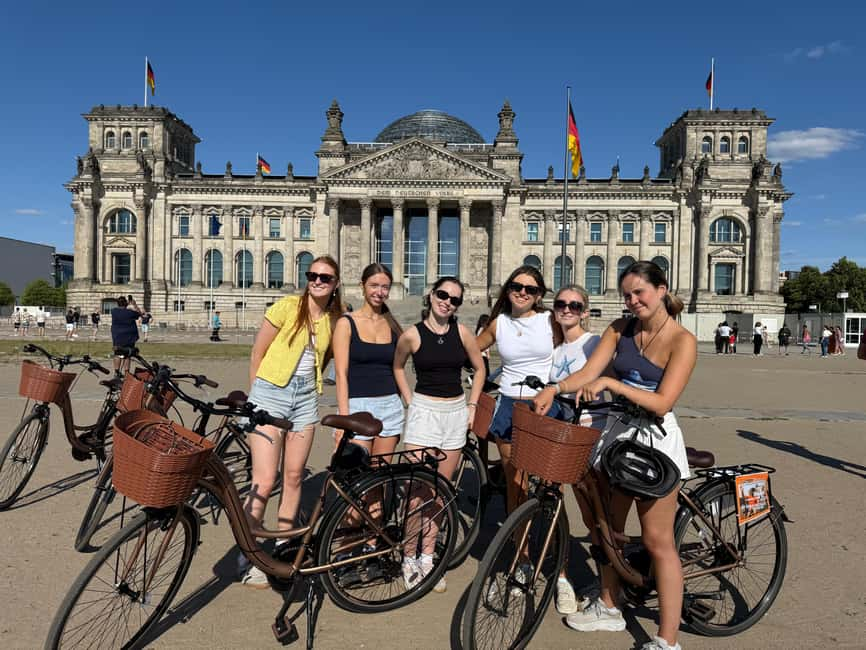
- Insider guiding with named strengths: Reviews specifically call out guides like Gio and Fais for clear, helpful storytelling and making time for photos.
- Cold War to unity, in one ride: You connect the storyline from Nazi-era remnants to memorials, then onward to Brandenburg Gate and the government district.
- Bike efficiency, human pacing: You cover major areas quickly without turning the day into a marathon.
- Photo planning without feeling rushed: You get the best photo spots called out along the route.
- Tiergarten break built in: You get about 30 minutes to reset with a drink or snack.
Why this 3-hour Berlin bike loop makes sense
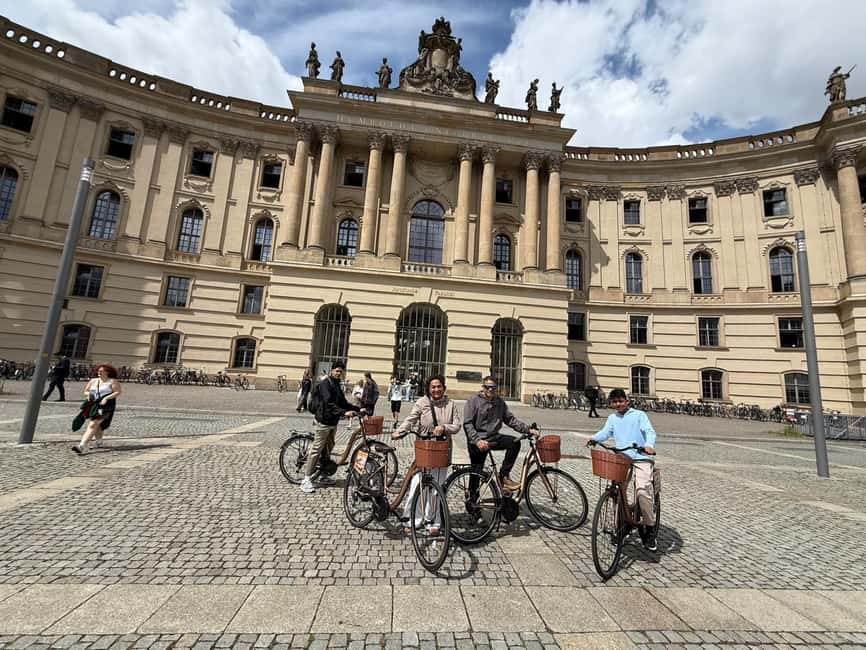
Berlin can be spread out. On foot, you can burn time just moving between neighborhoods. On public transit, you still lose the flow of “seeing” as you go. This is why I like a bike tour for a first feel of the city: it helps you stitch together distant landmarks into one coherent walk-through.
The other smart part is the pacing. The tour is built for a leisurely rhythm, which matters because Berlin’s most famous places are not just pretty backdrops. They’re tied to real events, real decisions, and real consequences. Getting enough time to absorb each site, even briefly, makes the ride work better than a fast hop-on hop-off approach.
Finally, the route isn’t just about the obvious shots. It mixes landmarks that scream for your camera with places that are almost invisible today but were once deeply important. That contrast is where Berlin’s story gets interesting, because the city’s meaning often lives in what you can notice, not only what you already know.
More Cycling Tours in Berlin
- Berlin: Sights and Highlights Bike Tour with a Local Guide
★ 4.8 · 2,698 reviews - Berlin Highlights 3-Hour Bike Tour
★ 5.0 · 948 reviews - Berlin City Bike Tour with Beer Garden Stop
★ 5.0 · 917 reviews
Starting out near CityRiders, then building momentum fast
You meet at CityRiders, and the meeting point is described as close to public transportation and easy to find. Plan to arrive about 10 minutes early, not because the tour is strict, but because that buffer gives you time to get comfortable, grab your rental bike, and settle your gear.
You’ll rent a bike included in the price, and you can add an optional helmet. On paper, that sounds like standard tour stuff, but it’s actually a big quality-of-experience factor. When everyone starts with the same type of setup and the guide has you moving smoothly from the beginning, you waste less time and you feel safer.
Language options are also a plus for comprehension. The tour runs with live guides in English, German, Spanish, and Portuguese, so you’re more likely to understand the “why” behind each stop, not just the “what.”
The Cold War storyline: Topography of Terror and the invisible bunker site
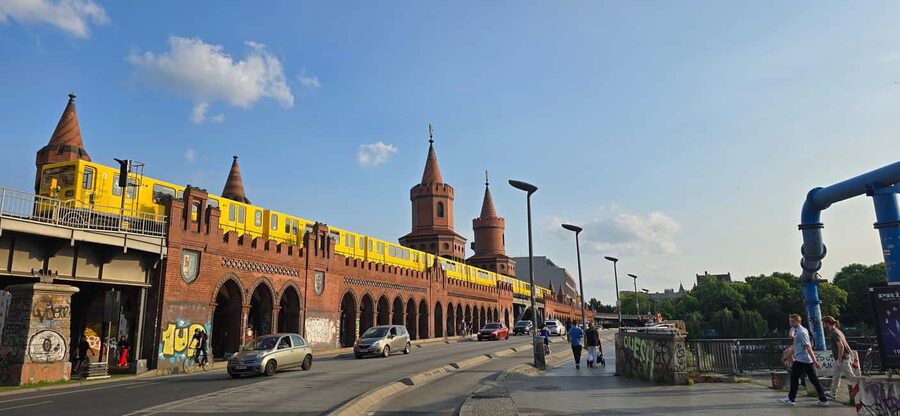
This is the part of the route where you’ll feel the tour earn its title, journey through time. The ride brings you into the Cold War era pretty early, and from there it keeps stepping backward and forward, showing you how Berlin’s political life shaped everyday space.
First up is Topography of Terror. Even if you know the headline names, this site helps you understand the scale and the machinery of repression. It gives you a glimpse into the dark history of National Socialism. The value here is interpretation: your guide explains context so the site doesn’t read like an isolated wall of facts.
A few minutes later, the tour heads toward a place that is almost invisible today, the former Führer’s bunker. That phrase matters because it reframes what you think you’re “seeing.” You’re not just visiting a museum-like object. You’re standing near a former control center whose presence has faded into the modern city. That moment can hit hard, but it also makes Berlin feel real, not staged.
If you’re the type who likes history, but you don’t want to drown in lectures, this setup is a strong fit. You get context, you get orientation, and then you move on to the next turning point instead of getting stuck.
Holocaust Memorial: moving, clear, and guided for understanding
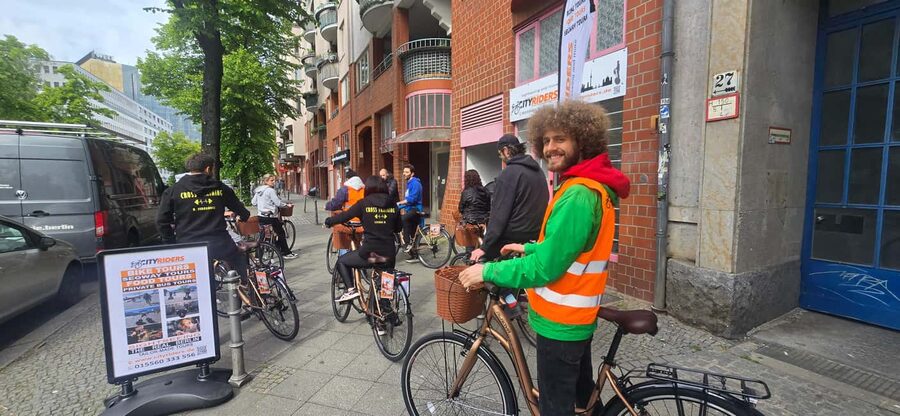
Next comes the Holocaust Memorial, described as one of the most moving places in Berlin. This is the stop where I’d expect many visitors to need extra structure, and the tour provides it through your guide’s clear insight into the memorial’s history and significance.
What I like about guided framing at memorial sites is that it helps you respect the space while still understanding what you’re looking at. Without guidance, it’s easy to either rush or freeze, especially when the design is meant to provoke reflection rather than offer simple explanations.
The key is that the tour doesn’t treat this as a quick photo stop. You’re guided through what it represents and why Berlin holds it where it does. That makes the later parts of the route feel more meaningful, because you’re not just moving from one famous building to another.
Tiergarten reset: cycling through the green heart
After the heavier moments, you shift into a different kind of Berlin. The tour heads for the Berlin Tiergarten, the city’s green heart, and it gives you a clear contrast: politics and pain on one side, breathing room on the other.
You’ll take a 30-minute break in the park, with time to refresh yourself with a drink or snack. This matters more than it sounds. A bike tour can tax your concentration, especially when the route is riding between major areas. The break lets you reset your legs and your mind so the next landmarks land with more clarity.
Also, Tiergarten is the right kind of “lessons-free” segment in the middle of a story-heavy itinerary. It lets you experience Berlin’s everyday scale, where huge landmarks exist but the city still makes space for people to wander.
More flat kilometres by bike:


Victory Column and the Else statue: a classic viewpoint moment
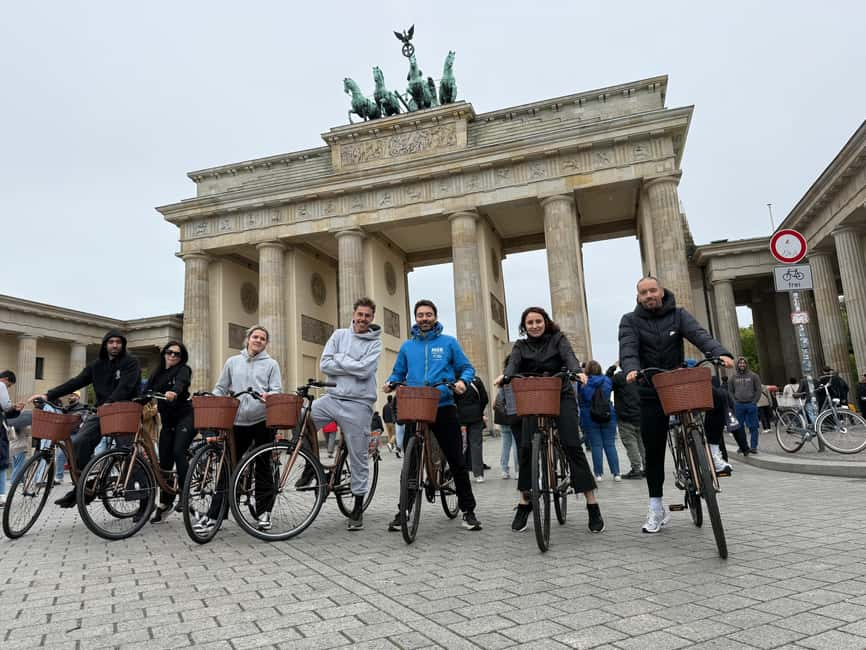
From Tiergarten, the tour continues to the Victory Column. This is one of Berlin’s most famous landmarks, and it’s a great example of how the city blends monumentality with perspective. The golden Else looks proudly over the city, and that image is exactly the kind of visual anchor that makes a short tour feel complete.
A tour like this is always juggling two jobs: teaching you and giving you the chance to look. Victory Column works well for the “look” part. Even if you only take photos from ground level, you get that sense of “this is the axis where Berlin declares itself.”
If you like skyline views or big monument photos, you’ll appreciate how this stop is placed after Tiergarten. Your eyes have a chance to relax, then the monument delivers a strong visual payoff.
Bellevue Palace, the Spree, and Berlin’s shifting power centers
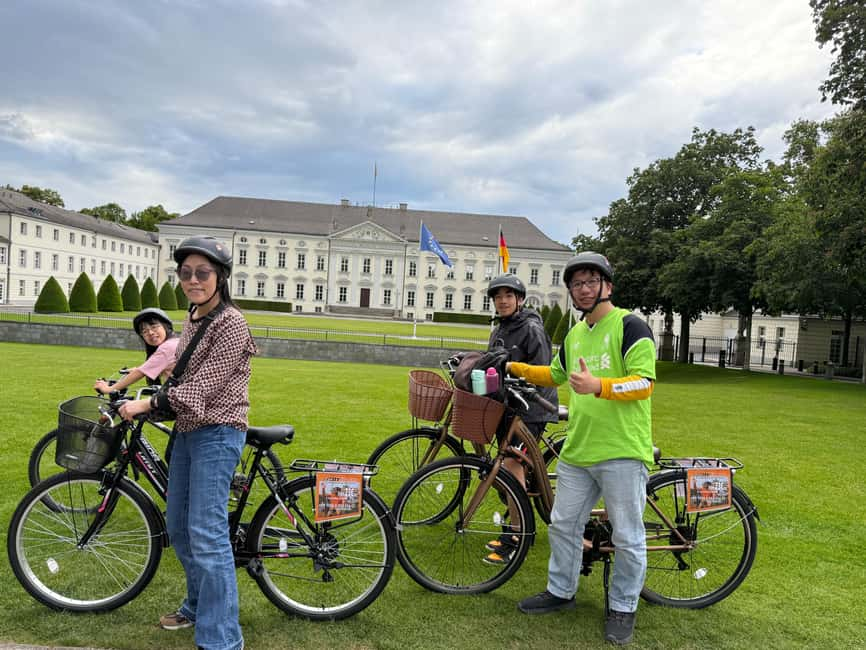
Next you cycle past Bellevue Palace, the official residence of the Federal President, which sits directly on the Spree. Even if you never set foot inside (and this kind of tour usually stays outside), the palace signals a change in tone from earlier chapters. It’s still power and governance, but framed in today’s democratic context.
Then you follow the Spree riverbank into the government district. The tour passes by the modern Chancellery with its striking architecture and continues to the historic Reichstag building. This is where the guide’s storytelling becomes the bridge between eras.
You’re told a journey through German democratic history, from the German Empire to the modern Federal Republic. That kind of arc is valuable because it doesn’t treat government buildings as isolated objects. You understand them as physical evidence of shifting systems, ambitions, and outcomes.
Practical note: the riverbank sections are great for sightlines. You get long, readable stretches of urban design. That makes it easier to connect what you see with what your guide explains.
Reichstag area to Museum Island: from past to curated architecture

The route brings you along to the Reichstag area and then onward to Brandenburg Gate, which follows immediately. The Gate is described as a symbol of unity and likely Berlin’s most famous photo spot. This is one of those moments where you take your time, because it’s the kind of place that feels different depending on where you stand and how the light hits.
After soaking in that atmosphere, the tour continues to Museum Island, a UNESCO World Heritage Site in the middle of the Spree. Five major German museums are located there, and the tour notes that you won’t go inside. Even so, you’ll get insights into the architectural history and significance of the ensemble.
I like this approach for a short tour. You still see the shell of cultural power, without pretending you have enough hours for museum tickets. If you later want to return and pick one museum, you’ll know what to prioritize.
Gendarmenmarkt: a beautiful ending with cathedrals and concert hall
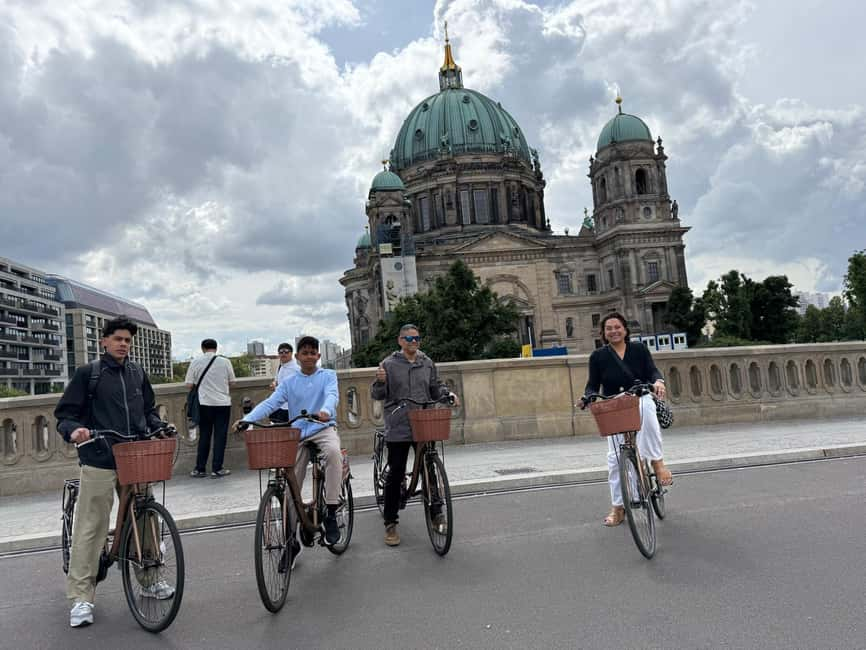
To finish, you roll on to Gendarmenmarkt, described as one of the most beautiful squares in Europe. You’ll see the German and French Cathedrals and the Concert Hall, and the square itself is the kind of place where it’s easy to let your brain switch from “what happened here” to “how people live around here.”
This ending works well because it gives you space to enjoy a classic Berlin scene without constant heavy context. It’s also a smart wrap for a bike tour, because you’re not left staring at one more major building that requires long logistics. You end with a visually satisfying public space that’s easy to re-enter on your own plans afterward.
Value for $44: what you’re really buying
The price is $44 per person for a 3-hour experience. On the surface, that looks like a straightforward rate for a guided bike tour. But the value is in the inclusions.
You get a personal local guide, a rental bike (with optional helmet), and a guided cycle route with the best photo spots. You also get optional rain ponchos and gloves for cold or wet weather. That last part sounds minor until you’re actually dealing with Berlin weather, which can turn on you fast.
Food and drinks are not included, and that’s normal for a short ride. The practical takeaway is: plan to buy snacks on your schedule, and know the Tiergarten break is timed for you to refresh.
If you like structure and you want more than just a “bike and hope” experience, this is a good match for the price. You’re paying for guidance, context, and route efficiency, not just access to wheels.
Who this tour fits best
This tour is ideal if you want a strong first look at Berlin without trying to cram the whole city into half a day. It fits especially well for:
- First-time visitors who want the Cold War story plus major unity landmarks
- People who learn well through explanations at real sites, not just in a classroom
- Travelers who prefer moving by bike to save time but still want time to stop and look
It’s less ideal if you want a purely light, relaxed photo walk with no heavy historical stops. The itinerary includes emotionally serious sites like Topography of Terror and the Holocaust Memorial, so your mood needs to be flexible.
Guide quality matters, and the reviews point to that
The rating sits at 4.8 from 24 reviews, and the comments consistently praise the guiding. Names show up in the reviews: Gio gets called out for handling photo requests and showing nice places, Fais is praised for being friendly, helpful, and knowing a lot, and Dio appears in feedback about a relaxed, informative approach.
That’s the important part. For a tour like this, the guide is the difference between “I saw the place” and “I understood what I saw.” When guides are attentive to pictures, clarity, and pacing, the tour feels smooth and you’re not left guessing.
Also, multilingual offerings help you avoid the “I sort of got it” feeling. If you’re traveling with mixed language needs, this tour design makes communication more workable.
Practical tips to make your ride easier
A bike tour can be comfortable if you set yourself up right. Here’s what I’d plan for based on the tour’s guidance.
- Wear comfortable, weather-appropriate clothing and sturdy shoes
- Arrive 10 minutes early so your rental bike and gear can be handled without stress
- Bring euros, since it’s advised to have cash in euros
- If weather looks questionable, be ready to use the optional rain ponchos and gloves
If you’re sensitive to weather or long stretches of cycling, also keep your water and snack plan in mind. Food and drinks are not included, so your best moment to grab something is the Tiergarten break.
Should you book CityRiders’ 3-hour Berlin time travel bike tour?
If you want a short, high-impact Berlin orientation that connects the dots between Cold War sites, memorials, and unity landmarks, I think this is a smart booking. The value is strong because you get a guide, a rental bike, and built-in stops that do more than look good on Instagram.
Book it if you like guided context, you want to see a lot in 3 hours without feeling rushed, and you’re comfortable with the itinerary touching serious history. Skip it if you prefer a lighter theme or you want only the “top attractions” with no memorial-focused stops.
If you’re planning a first day in Berlin, this is the kind of tour that helps you decide what to return to later, because it gives you a clear mental map and a timeline you can build on.
FAQ
How long is the Berlin bike tour?
The tour duration is 3 hours.
How much does the tour cost?
The price is listed as $44 per person.
Where do I meet the tour?
You meet at CityRiders. The meeting point is close to public transportation and described as easy to find.
What should I bring or wear?
Wear comfortable, weather-appropriate clothing and sturdy shoes for cycling. You should also be prepared for cool or wet weather.
Is a helmet provided?
A rental bike is included, and a bike helmet is optional.
Does the tour include food and drinks?
No. Food and drinks are not included.
Is a stop for a break included?
Yes. After cycling through Berlin Tiergarten, there is a 30-minute break where you can refresh with a drink or snack.
What languages are available for the live guide?
The live tour guide is available in English, German, Spanish, and Portuguese.
Are there photo stops built into the route?
Yes. The tour includes the best stops for photo spots.
What is recommended about cash?
It is advisable to have cash in euros with you.
Fresh on the arrivals board for Berlin
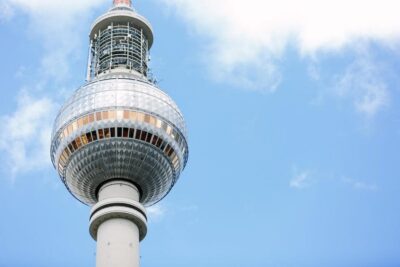
Cycling Tours in Berlin, compared.
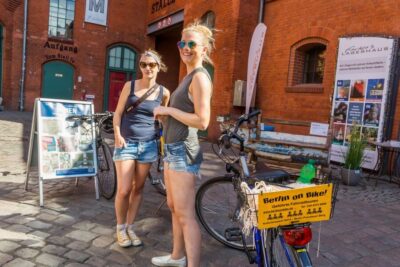
Sights and Highlights Bike Tour with a Local Guide
Read our review →
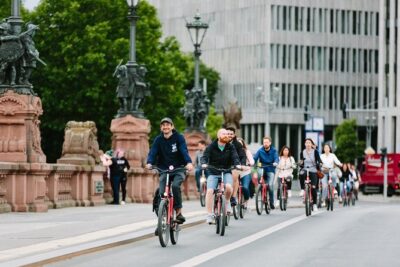
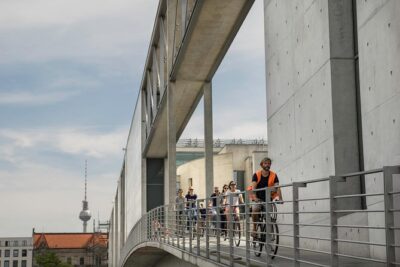
Berlin Highlights Sightseeing Bike Tour in Small Groups
Read our review →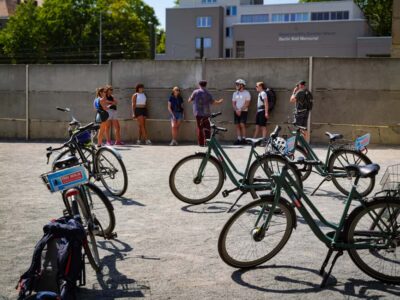
Alternative Bike Tour of Kreuzberg & Friedrichshain
Read our review →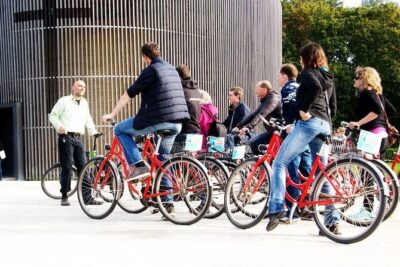
Browse the lists this tour appears in