
Reviewed · WALKING TOURS
Walking Through Dresden’s Past with Dr. Fraser Macdonald
Dresden gets way easier when someone explains it while you walk. This 2-hour English tour with Dr. Fraser Macdonald connects the city’s major church exteriors, medieval street corners, and post-rebuilding changes into one readable storyline. I love that it moves you through both Neustadt and Altstadt, so you come away with more than just a checklist of famous buildings.
What I like most is the storytelling style, which sticks to what you can actually see in front of you, not random dates you will forget. Second, the route is short and well paced, so you finish on Theaterplatz with time to keep exploring the Zwinger, Semperoper area, and nearby old town without feeling rushed.
The one drawback to consider is that the tour is mostly outside viewing. Several stops are free to look at nearby, but if you want to go inside certain buildings or climb towers, you will pay extra on the spot.
In This Review
- Key highlights you will actually feel on this walk
- Why Dresden’s past makes sense in 2 hours
- Getting there: Golden Rider start, Theaterplatz finish, easy transit links
- What to expect from the pace and walking time
- Köpckestraße on the Elbe: the first permanent Dresden footprint
- The Puppets Museum stop: monastery wealth to hunting lodge power
- Haus der Kirche and Dreikönigskirche: Baroque beauty with medieval roots
- Cross Augustus Bridge into the Altstadt mindset
- Frauenkirche Dresden: 700 years of change without stepping inside
- Holy Cross Church: a 13th-century survivor through destruction and reform
- Denkraum Sophienkirche: when a Franciscan monastery returns
- Dresden Castle and the Residenzschloss viewpoint: the city grows up
- How Dr. Fraser Macdonald makes the story stick
- Value check: does a $60.34 ticket make sense?
- Optional entrances: how to choose what to pay for
- What this tour suits best, and who should skip it
- Small practical tips that improve the day
- Should you book this Dresden walking tour?
- FAQ
- How long is the Dresden walking tour?
- What is the tour price?
- Is the tour offered in English?
- What is included in the price?
- Are entrance tickets included for the churches and Dresden Castle?
- Where do I meet the guide?
- Where does the tour end?
- Is the tour canceled if the weather is bad?
Key highlights you will actually feel on this walk
- A tight 2-hour loop that covers major Dresden landmarks plus less obvious medieval sites
- Church exteriors with context, including how Reformation and later rebuilding changed what you see
- Neustadt to Altstadt transition via Augustus Bridge, built into the flow
- Optional entrances (some free, some paid) so you can tailor the depth without slowing the group
- Small-group feel with a maximum of 30 people and a guide who answers questions
Why Dresden’s past makes sense in 2 hours
Dresden can feel layered in a confusing way at first. You see beautiful churches and grand palaces, but the “why” behind them often takes a day of research. This tour gives you that missing thread fast, by linking early settlement, Reformation-era shifts, and the city’s later rebuilding story.
The practical win is time. Two hours is long enough to understand the layout and major turning points, but short enough that you do not burn your whole day on standing in lines.
More Walking Tours in Dresden
- Dresden: City & Semperoper Guided Walking Tour
★ 4.8 · 2,397 reviews - Dresden: Guided City Walk
★ 4.6 · 2,075 reviews - Dresden: Complete Walking Tour with Frauenkirche Visit
★ 4.8 · 700 reviews
Getting there: Golden Rider start, Theaterplatz finish, easy transit links
You meet at the Golden Rider on Neustädter Markt 14, 01097 Dresden. From there, you walk through the old streets and end at Theaterplatz, where you are well positioned for tram connections and quick access to the sights right beyond the tour.
The experience uses a mobile ticket, and it is conducted in English. With a maximum of 30 travelers, it stays more like a guided walk than a slow-moving herd.
What to expect from the pace and walking time
This is a proper walking tour, not a bus loop. Expect a steady walking pace with stops long enough for photos and explanation, but you are still doing real city steps.
A simple tip: wear comfortable shoes. You will be out in the open at times, and Dresden in good weather is great for walking, while bad weather can shorten the fun quickly.
Köpckestraße on the Elbe: the first permanent Dresden footprint
The tour starts on the banks of the Elbe at Köpckestraße, where Dresden’s early permanent settlement began. The guide helps you connect the river setting to the city’s growth, language, and culture, then adds the human side with the story of displacement.
This first stop matters because it sets the tone. You are not just learning monuments, you are learning how people lived, moved, and were pushed around as the city changed.
The Puppets Museum stop: monastery wealth to hunting lodge power
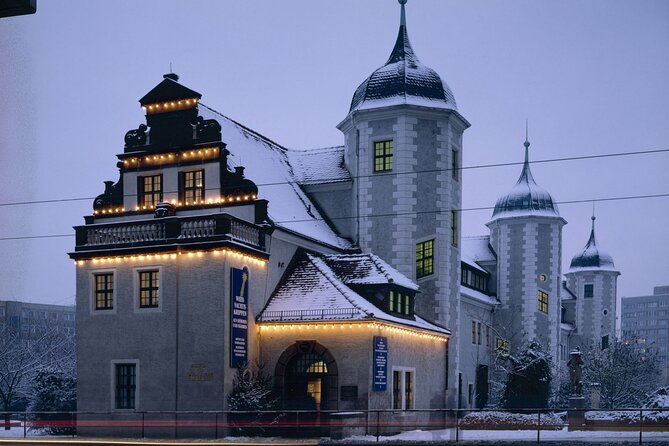
Next comes the Museum für Sächsische Volkskunst mit Puppentheatersammlung area, tied to a site with a big identity change over time. You hear how it began as a fabulously wealthy Augustinian monastery in the 15th century, then shifted after the Reformation into a royal hunting lodge in the 16th century.
Even better, you do not have to pay to get the main story on this stop. You will not be entering the building as part of the tour, but you can choose to go in at your own pace. If you do, it is not included, with ticket pricing listed on the museum site.
More German cities at walking speed:




Haus der Kirche and Dreikönigskirche: Baroque beauty with medieval roots
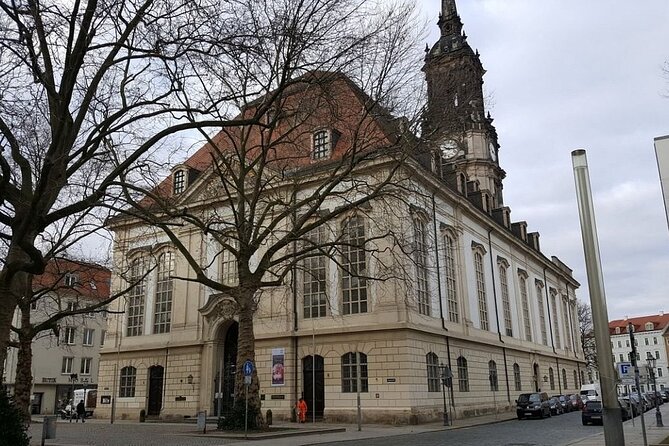
At Haus der Kirche you focus on the Dreikönigskirche, a beautiful Baroque church with a history that runs back much earlier than the current look. The tour explains the important context of the former Altendresden area, beginning in the early 15th century.
You will not enter or climb the tower with the group. Still, you can choose to go inside at your own pace, and tower climbing has its own listed fee (shown on the site for Dreikönigskirche), while entrance costs for this stop are not included.
Cross Augustus Bridge into the Altstadt mindset
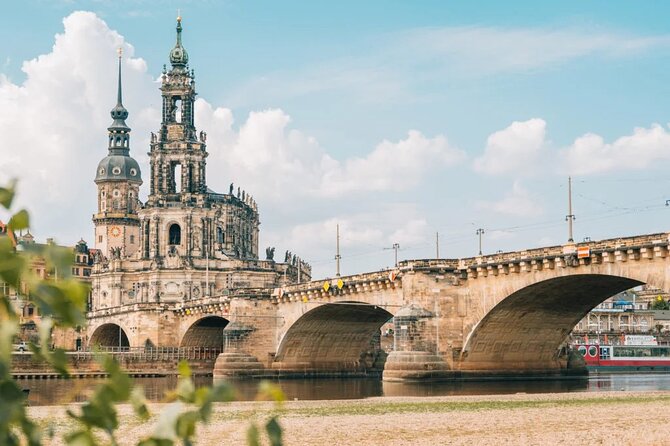
From Altendresden, you cross the Augustus Bridge to reach the Altstadt side. This is not a random walk across a nice bridge. It is a transition point that helps you understand why the “center of gravity” of Dresden history shifted where it did.
You also get a natural moment to reset your brain. One side helped you feel the early beginnings; the bridge helps you feel the medieval and later importance that followed.
Frauenkirche Dresden: 700 years of change without stepping inside
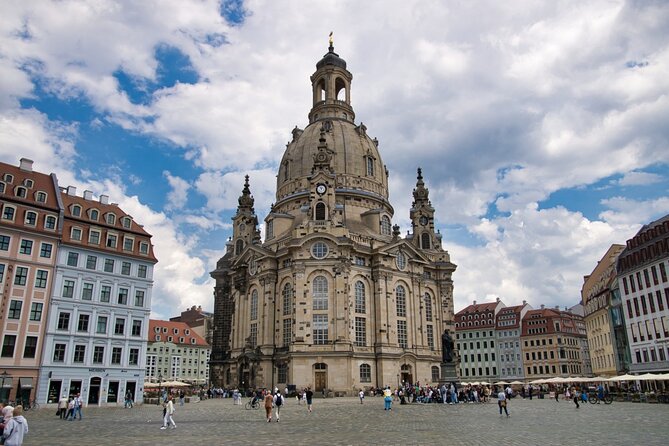
The Frauenkirche Dresden stop is built for the outside view. The guide frames it as a church with a history stretching around 700 years, while also pointing out the Baroque period construction and later structural and religious changes.
You do not enter or tour the museum during this guided stop, but the area is free to access, so you can continue exploring on your own after you regroup. This works well if you want your guided time for the story, then your free time for the details.
Holy Cross Church: a 13th-century survivor through destruction and reform
At Holy Cross Church, you hear how the site connects to the 13th century and multiple cycles of destruction. You also get the Reformation lens, with crucial moments tied to how belief and power reshaped churches.
Again, the tour is designed for you to look, listen, and understand. You are not waiting through an indoor program here, so you keep momentum while still learning what makes this place important.
Denkraum Sophienkirche: when a Franciscan monastery returns
The Denkraum Sophienkirche stop centers on the first Franciscan monastery in Dresden, originally constructed in the 13th century. You learn about its demise and later resurrection, and why this church can feel like a window into changing political and religious currents.
What I like about this stop is the way it reframes loss. Instead of treating the story as only tragedy, it shows you how physical space can carry meaning across centuries of change.
Dresden Castle and the Residenzschloss viewpoint: the city grows up
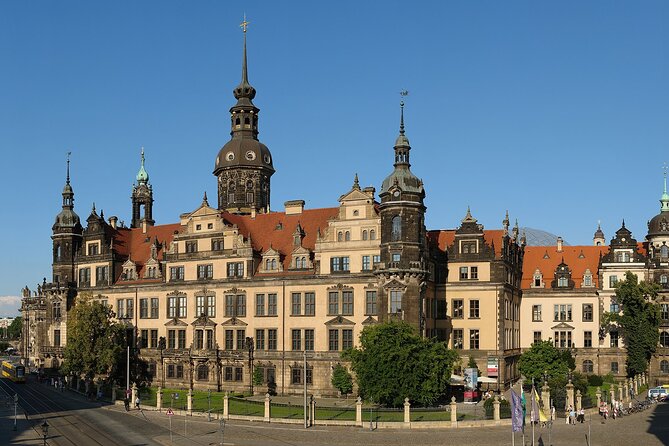
Your final stop is Dresden Castle, specifically the Residenzschloss area. Here the story shifts from churches and spiritual life to power, administration, and status, explaining how Dresden went from smaller importance to becoming significant in the Holy Roman Empire.
You do not enter or tour the palace during this guided segment, but you get the idea of why a royal residence mattered. If you want to go inside, it is not included, with entrance listed by the official museum and palace visit information, including a higher ticket price than many other stops.
How Dr. Fraser Macdonald makes the story stick
Dr. Fraser Macdonald runs this like a guided walk with a researcher’s mind and a storyteller’s timing. The standout theme is how he connects what you see to what came before, and what changed after major turning points.
It also helps that he takes questions during the walk. People come in curious, then leave with clearer answers about heavy topics, including the Dresden bombing and how later eras, such as GDR rule and reunification, show up in architecture.
You can feel the benefit of his anthropology background too. Instead of making history feel like a list of rulers, he tends to zoom in on people, language, and the lived impact of big political shifts.
Value check: does a $60.34 ticket make sense?
At $60.34 per person for about 2 hours, you are paying mainly for the guided interpretation and route planning. The tour includes the professional guided tour, and it is not trying to be an all-you-can-museum-pass.
Since some entrances are free to view and several paid items are optional, the value depends on how curious you are. If you only want the guided exterior story, you can keep costs down. If you plan to climb the Dreikönigskirche tower or enter the Residenzschloss and the Volkskunst museum area, add those extra fees, because they are not included and are listed separately.
Still, even with a couple paid add-ons, this can be one of the smarter ways to spend a half day in Dresden. You get a coherent map of the city’s timeline before you start picking museums.
Optional entrances: how to choose what to pay for
A key feature of this tour is that it does not force you indoors. You watch the outside story unfold at most stops, then you decide if you want extra depth by entering specific sites.
Here are the main paid options mentioned:
- Dreikönigskirche tower climb: listed at 5 Euro
- Museum für Sächsische Volkskunst mit Puppentheatersammlung: listed at 5 Euro
- Haus der Kirche – Dreikönigskirche entrance: listed at 5 Euro per person
- Residenzschloss (Dresden Castle palace entrance): listed at 14 Euro
If your time is limited, I would prioritize one paid interior experience rather than trying to do everything. The tour gives you the story foundation, so the paid sites work best as follow-up, not distractions.
What this tour suits best, and who should skip it
This tour fits first-time visitors who want a strong foundation quickly. It also suits history and architecture lovers who enjoy churches, medieval street settings, and the way political eras reshape physical spaces.
It is also a good choice when you want a walk that ends with easy access to more sightseeing. The finish at Theaterplatz is convenient if your next stops include the Zwinger and Semperoper area.
You might want to choose differently if you dislike walking or if you want a heavily indoor, museum-heavy day. This experience is designed for outside viewing plus smart optional add-ons, not a full day of ticketed exhibitions.
Small practical tips that improve the day
Dresden is best experienced when you can stop without rushing. Keep an eye on time at each stop, and use the free moments for photos and quick notes, so you can remember what was explained.
Also, weather matters here. The tour requires good weather, and if it is canceled for poor conditions, you will be offered a different date or a full refund.
If you travel with a service animal, note that service animals are allowed. And with public transportation nearby at the start and finish areas, you can build the rest of your day around trams.
Should you book this Dresden walking tour?
Book it if you want your time in Dresden to feel organized and meaningful. This is one of the easiest ways to understand how the city’s major buildings relate to each other, and why the same skyline can tell different stories depending on the era you focus on.
Skip it only if you already planned a full museum day with multiple paid entrances and you do not need guidance. Otherwise, the mix of major landmarks, lesser-known medieval context, and a short, well paced route makes this a strong first step.
If you do book, arrive with comfy shoes and a flexible mindset about optional entry fees. You will leave with a clear sense of where Dresden went, and what you are actually looking at when you revisit the churches and bridges later.
FAQ
How long is the Dresden walking tour?
The tour runs for about 2 hours.
What is the tour price?
The price is $60.34 per person.
Is the tour offered in English?
Yes, it is offered in English.
What is included in the price?
The price includes a professional guided tour.
Are entrance tickets included for the churches and Dresden Castle?
No. Entrance fees for certain sites are not included, and some optional paid experiences are listed (like tower climbing and palace entry). Other parts are free to view nearby.
Where do I meet the guide?
The meeting point is the Golden Rider at Neustädter Markt 14, 01097 Dresden.
Where does the tour end?
The tour ends at Theaterplatz, 01067 Dresden.
Is the tour canceled if the weather is bad?
The experience requires good weather. If it is canceled due to poor weather, you will be offered a different date or a full refund.
Fresh on the arrivals board for Dresden

Walking Tours, compared.
Berlin City walk Government District and Places of Democracy
Read our review →
Berlin’s Best: 2 Hour Walking Tour Third Reich and the Cold War
Read our review →
Browse the lists this tour appears in