
Reviewed · THIRD REICH & WORLD WAR II TOURS
Traces of World War II and Nazism in Cologne – Private tour
Cologne keeps WWII lessons in its streets. This private, 2-hour walk ties EL-DE Haus and nearby memorials to what you see today, including why the Cathedral is still standing. I love how the tour stays grounded in Cologne’s own streets and local viewpoint, and I love that it pushes you toward remembrance sites instead of vague sightseeing. One drawback to consider is that the content is heavy, so go in with comfortable shoes and a steady head.
You’ll also focus on real locations tied to the Nazi era, from the former Gestapo headquarters (now a museum and memorial center) to memorial stops for victims. With English or Spanish live guidance, it’s an efficient way to understand Cologne’s WWII scars, even if you only have a short window.
In This Review
- Key highlights
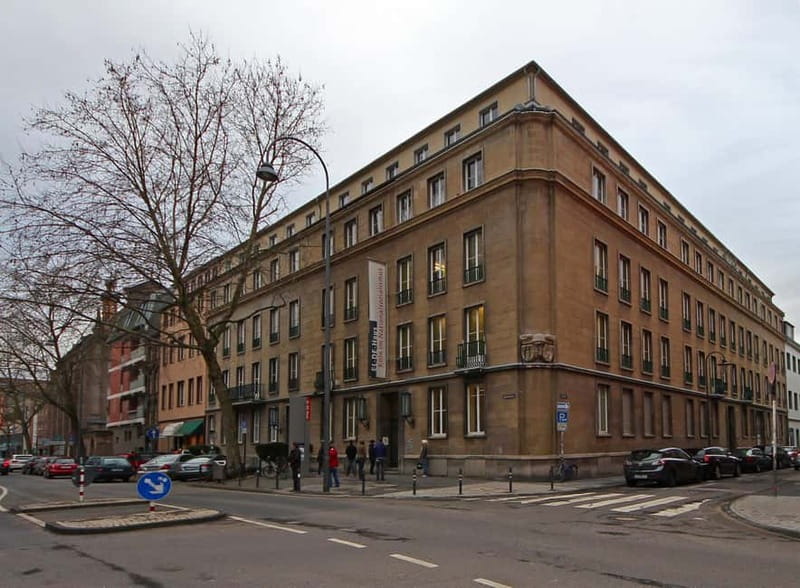
- Where EL-DE Haus and NS-Dok set the tone fast
- The former Gestapo headquarters and what a museum can teach
- Cologne’s WWII aftermath, seen on your walking route
- Memorials for Nazi victims, and how to look at remembrance properly
- Operation Millenium and deportations, taught with the city as your textbook
- Cologne Cathedral and the question of why it still stands
- Alt St. Alban Church, a quieter layer of the wartime trace
- Finishing at Plaza del Viejo Mercado, then planning your next step
- Price and value for a private WWII-focused tour in Cologne
- Who this tour suits best
- Should you book this tour?
- FAQ
- How long is the private tour?
- Where do I meet the guide?
- Is this tour private, and how many people does it fit?
- What languages are available?
- Are tickets included in the price?
- Is the tour wheelchair accessible, and what should I bring?
Key highlights
- EL-DE Haus start point: You begin in a place strongly linked to the Nazi past, setting a serious tone right away.
- Former Gestapo headquarters, repurposed for memory: You learn how a place of terror became a museum and memorial center.
- Memorials for Nazi victims: You’ll seek out multiple sites dedicated to those targeted by the regime.
- Cologne Cathedral’s wartime story: The guide explains how the Cathedral fits into the war years and why it endured.
- Local stories tied to recognizable names: You’ll hear about figures including Edith Stein and Mucki.
- A compact route with major themes: In two hours, you cover bombing aftermath, deportations, and remembrance without feeling rushed.
Where EL-DE Haus and NS-Dok set the tone fast
The tour meets outside the NS-Dok at Appellhofplatz. Look for the guide with a red umbrella, then you’ll get moving toward the heart of the story. You start with EL-DE Haus, which matters because it connects the abstract idea of the Third Reich to a specific Cologne site you can stand in front of.
What I like about this opening is how quickly you get oriented. The city has changed a lot since the war, but the guide keeps pulling you back to cause and consequence. Cologne’s city center was reportedly 90% destroyed during the bombing raids of the Second World War, and that figure hangs in the air as you walk, because you can actually compare what survived, what rebuilt, and what replaced it.
This is also a good format if you want meaning, not just facts. A private group means the guide can pace you, answer questions, and adjust the emphasis based on what you want to understand most, whether that is the Nazi machinery of control, the victims, or how the city carried on afterward.
Further Third Reich and wartime history tours:
- Cologne: WWII Sites with Optional EL-DE Haus Private Tour
★ 4.8 · 25 reviews - Berlin: Third Reich & Cold War Guided Walking Tour
★ 4.9 · 8,378 reviews - Munich: Third Reich & WWII Walking Tour
★ 4.6 · 6,181 reviews
The former Gestapo headquarters and what a museum can teach
One core stop is the former Gestapo headquarters, which is used today as a museum and memorial center. This is the part of the tour where you stop treating history like a chapter and start treating it like evidence. The guide frames the site not just as a building, but as a tool of repression, and you’ll learn how the Nazi era worked through intimidation and violence.
You’ll also get context on the consequences of Nazism in Cologne, from the local effects of the war to the way victims were singled out. The point is not to overwhelm you with names, but to help you connect the dots between policy, persecution, and daily life in the city.
If you like explanations that stay practical, you’ll appreciate the way the tour blends current city space with the historical layer beneath it. You are not only inside a museum, you’re walking through a Cologne that has been reshaped by WWII and then reshaped again by remembrance.
Cologne’s WWII aftermath, seen on your walking route
Cologne’s WWII destruction is a big theme, and the tour makes that theme visible. The city center was destroyed on a massive scale, and you’ll hear how that changed street patterns, rebuilding decisions, and the feel of neighborhoods.
In particular, I like that the guide uses comparison to help your brain catch up. One guide approach described in the experience is showing images from the war years and then helping you see the after, before your eyes. Even without having numbers thrown at you nonstop, that visual contrast makes the story stick.
This section is useful because it answers an unasked question: why does Cologne look the way it does now? You might come in thinking the city is just pretty and photogenic. After this walk, you’ll start reading the city like a map of decisions after catastrophe, including what was restored, what was rebuilt differently, and what became a memorial landscape in its own way.
Memorials for Nazi victims, and how to look at remembrance properly
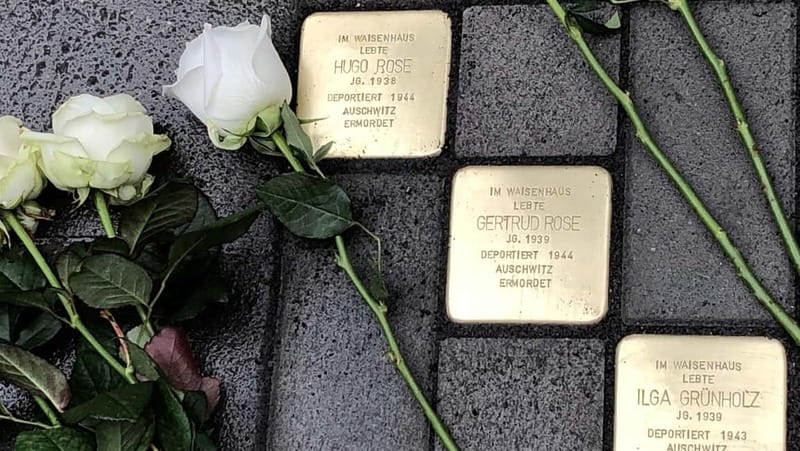
A major focus is finding different memorials to Nazi victims. This is where your guide’s local perspective pays off. Memorials can feel solemn but also easy to rush past if you do not know what you’re looking at. On this tour, you’re not handed a checklist. You’re guided through sites so you understand why they exist and what they are trying to hold in public space.
You’ll learn about the effects of Nazism and the war in Cologne from a local point of view, then connect those effects to people and events. The tour mentions specific stories tied to prominent names including Edith Stein and Mucki. Hearing those names in the context of Cologne keeps the remembrance from becoming generic.
You’ll also talk about the largest decentralised memorial in the world. The value here is in understanding the idea of remembrance spread across everyday locations rather than locked into one site. It changes the way you move through a city, because you are constantly reminded that persecution and deportation were not only historical events, they were actions carried out within real communities.
For you, that shift matters. If you are a “read the city slowly” traveler, this tour fits your style. If you want something emotional but not theatrical, this guided approach gives you context so the memorials land with weight.
Operation Millenium and deportations, taught with the city as your textbook
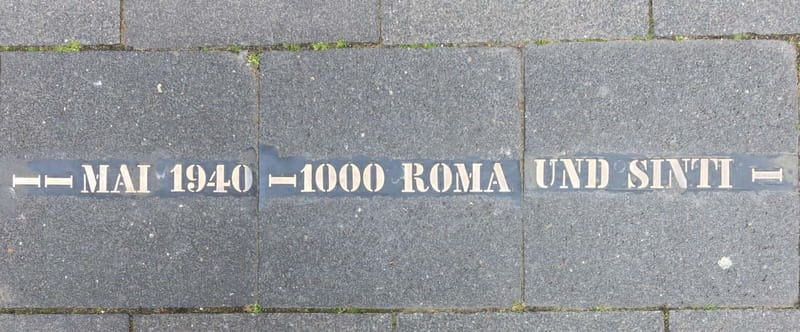
The tour also covers Operation Millenium and the first mass deportation by the Nazi regime. That sounds like timeline material, and it is, but it becomes more meaningful when your guide anchors it to place.
Here is what you should expect in practical terms: you will not just hear a list of events. You’ll connect those events to Cologne’s role in the machinery of the regime, and you’ll understand the larger pattern of how persecution escalated. In a short two-hour experience, that can be a lot. The guide’s job is to keep it intelligible, and the fact that the tour is private helps.
If you are the type who likes to ask follow-up questions, you will probably enjoy this part most. Ask how the events affected specific communities, or how local authorities and neighbors fit into the story. Even if your guide keeps details concise, the goal is to help you understand the logic behind what happened, not just memorize terms.
Also, if this is your first stop in Germany focused on WWII and Nazism, this tour works as a grounded introduction. It does not try to cover every chapter of the era. It selects key themes that explain how Cologne experienced the Nazi regime and the war.
Also holding a platform in Cologne


Cologne Cathedral and the question of why it still stands
Another standout moment is Cologne Cathedral. The tour specifically includes learning about the Cathedral’s role during the war, and understanding why it is still standing.
This is one of those questions you can see from the outside. The Cathedral is a towering symbol, so you naturally wonder what happened to it during bombing. But the guide’s advantage is that you get the story woven into the broader context of destruction and rebuilding across the city.
Even if you already know it survived, you’ll come away with a better understanding of what survival meant in Cologne. It is not only about architecture. It becomes a lens for the city’s resilience and its complicated memory, because a landmark can be both a spiritual center and a historical witness.
For you, this stop is also great for photos, but only after you listen. If you only shoot pictures, you miss the point. If you treat it like a place that carries wartime meaning, the Cathedral turns into part of the remembrance narrative rather than just a backdrop.
Alt St. Alban Church, a quieter layer of the wartime trace
You’ll also visit Alt St. Alban Church. The tour frames it as another step in understanding how the city holds traces of WWII and the Nazi era, not only through major monuments.
I appreciate this kind of stop because it adds variety. When tours stick to only the biggest headline locations, you can end up with a tour that feels like a sequence of postcards. Alt St. Alban gives you a different rhythm, a more intimate setting, which helps the story breathe.
What you should do here is listen for how the guide links this church to Cologne’s wider wartime experience. The exact angle can vary based on the guide, but the underlying value stays the same: you see how history is layered across ordinary-looking places, not only museums and memorial centers.
Finishing at Plaza del Viejo Mercado, then planning your next step
The tour ends at Plaza del Viejo Mercado. That finish is practical because it leaves you near a public square where you can keep walking, grab a snack, or use the time to reflect and re-sort what you just learned.
When I think about a two-hour WWII and Nazism tour, I like finishing with breathing space. This kind of subject takes focus, and a square finish helps you return to normal travel mode without losing the thread. If you still have energy, you can keep exploring Cologne at your own pace while holding onto the tour’s big themes, destruction, persecution, memorial, and rebuilding.
One smart move after this walk is to look at the city in two layers: the present layer and the memory layer. The guide’s explanations should make you better at spotting where remembrance has been built into daily space.
Price and value for a private WWII-focused tour in Cologne
This tour costs $153 per group up to 2 people for a 2-hour guided experience. If you split it between two travelers, that is about $76.50 per person, which is a fair deal for a private guide covering multiple major sites and heavier subject matter where the guidance really matters.
If you are traveling solo, you are paying the full group price. In that case, you should judge value on whether you want the one-on-one pacing and the ability to ask questions. For WWII and Nazism content, a private format is not just comfort, it is clarity. You can ask what you do not understand, and you can control how quickly you move past the hardest parts.
Also remember: tickets or extra expenses are not included. So you should set aside a bit of budget for any site admissions you might need beyond the guide’s time. In most cases, that is a small additional cost compared to the overall value of a private, guided route.
Who this tour suits best
This is a strong match if you want:
- A short, focused walk through WWII and Nazi traces in Cologne
- A route built around memorials and explanation, not just sightseeing
- A guide who can connect names and events to specific Cologne locations
- English or Spanish guidance in a small private group
It may feel like more than you want if you prefer upbeat, light topics. The tour deals with victims, deportations, and the machinery of repression. You do not need to be an expert to enjoy it, but you should go in ready for a serious emotional tone.
Should you book this tour?
Yes, if you want your Cologne visit to make sense beyond the postcard layer. This private 2-hour tour is built around the places where memory and history overlap, from the former Gestapo headquarters to multiple memorials, then on to Cologne Cathedral and Alt St. Alban Church.
Book it if you value guided context, because the Cathedral’s wartime story, the decentralised memorial theme, and events like Operation Millenium and mass deportations are exactly the kind of things that stick better with a human guide than with guesswork. If you are sensitive to heavy topics, just plan your pacing, bring comfortable shoes, and give yourself a quiet moment after.
FAQ
How long is the private tour?
The tour duration is 2 hours.
Where do I meet the guide?
You meet outside the NS-Dok at Appellhofplatz. The guide will have a red umbrella.
Is this tour private, and how many people does it fit?
It is a private group. The price is listed per group up to 2 people.
What languages are available?
The live tour guide offers English and Spanish.
Are tickets included in the price?
No. Tickets or extra expenses are not included.
Is the tour wheelchair accessible, and what should I bring?
Yes, the tour is wheelchair accessible. Bring comfortable shoes.
Fresh on the arrivals board for Cologne

Third Reich & World War II Tours, compared.

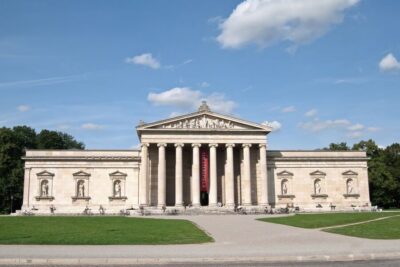
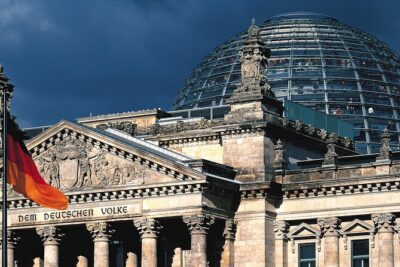
Berlin’s Best: 2 Hour Walking Tour Third Reich and the Cold War
Read our review →
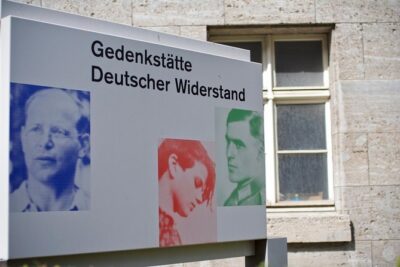
Third Reich Berlin: Hitler and WWII Walking Tour
Read our review →
Walking Tour of Former Nazi Party Rally Grounds
Read our review →
Browse the lists this tour appears in