
Reviewed · GUIDED WALKS IN BERLIN
The Real Berlin Walking Tour: Art, Food and Counterculture
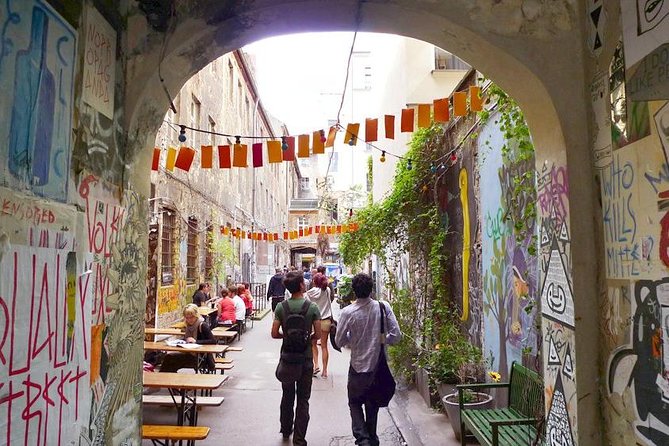
Berlin feels different when you walk its side streets. This private tour threads together art, food, and counterculture across Berlin neighborhoods, from Prenzlauer Berg and Mitte to Kreuzberg and Friedrichshain. You get a guided walk with a clear theme, and the city’s everyday layers matter as much as big history.
I especially love how the route is built around the people and subcultures that shaped modern Berlin. Two standouts for me: you get pointed stops for street art and graffiti (not just photos) and you also hear the story behind everyday hits like currywurst. One thing to consider is that this is walking heavy and the experience is shaped by what you want to see, so you should be ready with preferences for art, food, or neighborhood stops when you meet your guide.
In This Review
- Key Highlights You’ll Feel in the Streets
- What Makes This Counterculture Walking Tour Worth the Price
- Meeting by Alexanderplatz, Then Sliding Into Prenzlauer Berg
- Mitte on Foot: Art Context Without the Museum Mood
- Kreuzberg and the Turkish-Influenced Side of Berlin
- Friedrichshain Street Art Route, Guerrilla Gardens, and Markets
- Yaam Beach, Currywurst Lessons, and Prater Garten Under Chestnut Trees
- Price, Timing, and Who This Private Tour Fits Best
- Should You Book This Real Berlin Walking Tour?
- FAQ
- How long is the Real Berlin Walking Tour?
- Where do we meet and where does the tour end?
- Is food or drinks included?
- Do I need an AB public transport ticket?
- Is this tour private?
- What is the cancellation window for a full refund?
Key Highlights You’ll Feel in the Streets
- Private, small-group pace lets you ask questions and steer moments that match your interests
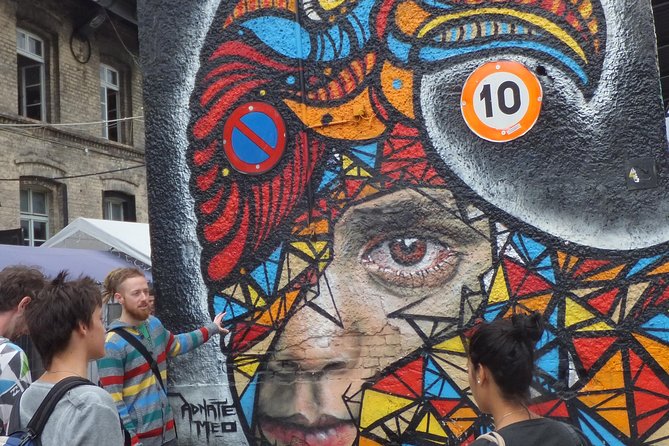
- Street art plus official and underground art spaces, so you see the spectrum, not just the loud murals
- Kreuzberg’s Turkish-influenced character paired with how Berlin counterculture evolved over time
- Yaam Beach area adds a Caribbean-style mix to Berlin’s multicultural story
- Prater Garten Berlin, the city’s oldest beer garden (open April through September) under chestnut trees since 1837
- Currywurst context, including why the fried sausage with curry-seasoned ketchup became such a go-to snack
What Makes This Counterculture Walking Tour Worth the Price
This is not a flag-collector tour. It is a neighborhood tour with a point of view, built for travelers who want Berlin as a living place, not a checklist. You start in the Alexanderplatz area and then move into districts where local culture shows up on walls, in markets, and in the food people actually eat.
The biggest value is the private format. With a price listed at $539.22 per group (up to 12), the math can work extremely well for friends or a family traveling together. If you fill the group, the per-person cost can drop a lot. If it’s just two people, it can feel pricey, but you are paying for a dedicated guide, not shared routing.
I also like the consistency in the guide experience. Recent named guides include Reese, Jack, Kalum, and Jason, and the feedback points to a mix of fun energy, strong history talk, and an interactive style. That matters because Berlin counterculture is easy to misunderstand if someone just recites dates. A good guide helps you connect what you see on the street to why the city learned to think differently.
One more practical note: you should expect some parts to require public transportation (your guide can help you get an AB ticket when needed). That is usually a good thing here, since it lets you cover neighborhoods efficiently and avoid wasting time in transit without context.
More Culinary Tours in Berlin
- Berlin Center Food Tour with 8+ Authentic Local Tastings
★ 5.0 · 1,227 reviews - Kreuzberg: Culinary Food Tour
★ 4.5 · 770 reviews - Berlin: Mitte Culinary Food Tour
★ 4.5 · 447 reviews
Meeting by Alexanderplatz, Then Sliding Into Prenzlauer Berg
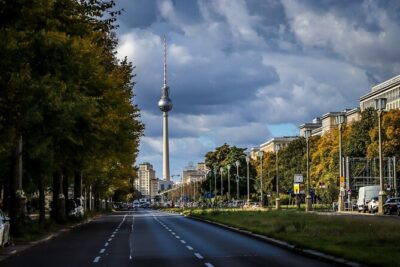
You meet near Alexanderplatz, around the Fernsehturm TV Tower area, with the listed meeting point at Vapianoam Alex, Rathausstraße 6 (in Berlin’s central zone). The point of meeting here is simple: you get your bearings fast before the tour starts shifting into smaller, more local streets.
From that first step, the tour’s theme becomes obvious. Prenzlauer Berg tends to feel more residential and polished than some other areas, and that contrast is useful. It’s one of those districts where you can notice how Berlin’s “after the chaos” story looks on everyday blocks: calmer sidewalks, neighborhood-scale design, and a strong mix of people living rather than just visiting.
Even if you are the type who usually skips the residential parts, this stop changes your perspective. Berlin’s counterculture did not only happen in one famous zone. It spread, settled, and then influenced how people live. Walking through Prenzlauer Berg with that in mind makes the later neighborhoods feel like chapters, not random stops.
What to watch for while you’re here:
- Street-level art details, since the tour focuses on contemporary and underground scenes as you go
- Small signals of local life, like how markets and side streets change the feel of a neighborhood
- Any stop your guide suggests based on your interests, since this is customized
Drawback to plan for: this is a long walk day and it starts in a central area, so it can help to arrive a bit early, comfortable shoes ready, and with an idea of what you want most (food story, street art, or counterculture history).
Mitte on Foot: Art Context Without the Museum Mood
Mitte is Berlin’s historical center, and it can easily turn into “look at the landmark, move on.” This tour avoids that trap by using Mitte as a storytelling base. You’re not just seeing famous addresses. You’re learning how Berlin’s movements and ideas show up in how the city is organized, what gets protected, and what people reinvent.
The tour includes time for art-related stops, including contemporary and underground art galleries. That pairing is smart. It gives you a sense of what’s recognized and what’s riskier, what gets funded and what thrives without official permission. Berlin has a deep relationship with art that challenges norms, so it’s useful to have a guide connect street scenes to broader cultural shifts.
A practical thing I like about this style of routing is that it keeps your attention where Berlin tends to reward it most: at eye level. You spend less time craning at grand monuments and more time noticing murals, graffiti, and the “in-between” spaces that make the city feel like it’s still in conversation with itself.
Where Mitte can be a bit of a challenge: if you are expecting a very structured, museum-style itinerary with set time checks for each indoor location, you might find it looser. This is more about the flow between neighborhoods than a rigid checklist. If you prefer strict schedules, ask your guide early how the day will balance walking versus any indoor stops.
Kreuzberg and the Turkish-Influenced Side of Berlin
Kreuzberg is one of the tour’s core emotional beats. It is the Turkish-influenced neighborhood that helped shape an alternative and counterculture reputation, and it also has a clear evolution story: from one of the poorer parts of Berlin to a place people link with cultural energy today.
You’ll feel that shift in how the streets look and how the food and everyday routines show up. Kreuzberg is famous around the world for its alternative vibe, but the tour does a better job of explaining why that vibe made sense. You connect culture to history instead of treating the scene as something that just existed.
This is where the tour’s “counterculture” theme becomes more than a label. Your guide talks through major countercultural movements in Berlin’s history, and then you test that explanation by looking at what’s around you. It’s the difference between hearing a lecture and seeing how ideas show up in public space.
Also, you’re not only looking at culture in the abstract. The day includes food context, including how currywurst became a beloved local snack. The tour frames currywurst as a story you can understand through Berlin’s everyday life, which is exactly how counterculture often spreads in real cities. It starts with people doing what feels right, then the rest of the city catches up.
If you love food, Kreuzberg is a great place to lean in on questions like what locals order, why certain flavors became popular, and how neighborhood identity shapes the menu.
If there’s a drawback here, it’s that Kreuzberg can feel busy and packed with visuals. That’s part of the point, but keep an eye on pacing. This is a walking tour, and even if you’re excited, you’ll enjoy it more if you take breaks when your guide offers them.
Friedrichshain Street Art Route, Guerrilla Gardens, and Markets
After Mitte and Kreuzberg, you shift into Friedrichshain territory, and the tour’s visual identity gets louder. This is where you’re more likely to notice street art, graffiti, murals, and the kind of creative reuse Berlin is known for. The best part is that the stops are tied back to the counterculture story, not treated like random photo opportunities.
You also get time for places connected to “community making,” including urban farms, guerilla gardens, and organic markets. Those ideas are more than trendy labels. They reflect a Berlin pattern: people carving out space for their own needs and then turning that space into a social statement. When you see a garden or market operating as a public experiment, it becomes easier to understand why Berlin’s counterculture has lasted for decades.
Another detail I really liked conceptually, based on the feedback you’re given by this tour’s fans, is that the day is designed to take you off the typical tourist spine. That means you are more likely to walk back streets and see East and West sides through a cultural lens, not just through landmark angles.
Street art works best when someone helps you see patterns. Your guide points out what’s contemporary versus what’s more underground in feel, and that helps you read the city like a conversation. Even if you do not consider yourself an art person, you can still enjoy this because it’s visual language paired with practical context.
What to plan for during this stretch:
- You’ll likely want to keep your phone charged, but don’t let photos slow you down too much.
- If you see urban farm or garden stops, take a moment and look closely. The tour is meant to teach you what to notice.
- Wear shoes you can stand in. This route is designed for walking comfort more than bus-window sightseeing.
More Guided Walks in Berlin




Yaam Beach, Currywurst Lessons, and Prater Garten Under Chestnut Trees
The tour adds surprise with Yaam, in the area associated with the Young and African Arts Market. This is where you get a Caribbean vibe layered onto Berlin’s broader multicultural character. It’s a useful counterpoint to the more edgy street art zones because it shows another kind of community space, one shaped by music, food, and cultural exchange.
Then comes the food story. You learn about currywurst, a fried pork sausage with curry-seasoned ketchup, and how it became such a popular local snack. You’re not just tasting or buying. You’re understanding how a simple street food became part of Berlin identity. That kind of explanation can change how you see the next currywurst you buy on your own.
Finally, you end with a classic Berlin pause at Prater Garten Berlin, the city’s oldest beer garden. It’s open from April through September and runs under chestnut trees since 1837. This is not the kind of ending where the guide rushes you out. It’s a proper change of pace, and it gives you a chance to talk, rest your feet, and connect the day’s neighborhoods with the city’s long-standing traditions.
A smart planning tip: if your trip falls outside April to September, you might need to ask your guide how the day adjusts around the beer garden timing. The tour data clearly notes Prater Garten’s seasonal opening, so it’s worth confirming on the day based on what month you’re going.
Price, Timing, and Who This Private Tour Fits Best
At $539.22 per group for up to 12 people, this is priced like a dedicated private experience. That can be a deal if you travel with a small crew and split the cost. It’s a higher price point if it’s just two people, but the private format can still justify it when you factor in guided routing, English-led interpretation, and the time you save from having to figure out the cultural connections on your own.
The schedule also leans toward people who plan ahead. This is booked on average about 35 days in advance, so if Berlin is in your high season window, early booking helps you lock in the date you want.
Timing wise, think of it as about a 4.5-hour walking tour. That’s long enough to move through real neighborhood changes, but short enough to still enjoy Berlin afterward. Since hotel pickup and drop-off are not included, plan to handle getting to the meeting point near Alexanderplatz yourself. The good news is you’re starting in an easy-to-reach central zone.
This tour is ideal if:
- You love street art and want context, not just photos
- You want counterculture explained through what you actually see in neighborhoods
- You want a private guide who can adjust the day based on your interests
- You’re okay with walking and using public transport for a segment or two if needed
It might not be the best fit if:
- You want a rigid, clockwork itinerary with minimal walking
- You only care about major tourist sights and prefer quick transit between them
- You’re traveling with very limited mobility and need more seating and less walking
Should You Book This Real Berlin Walking Tour?
If you want Berlin that feels lived-in, not staged, I’d book this. The strongest reasons are the private pace, the clear counterculture theme, and the way the day mixes street art, neighborhood stories, and food context. Guides like Reese, Jack, Kalum, and Jason are repeatedly described as fun and interactive, and that kind of energy matters on a walking day where you want to keep moving with purpose.
If you’re cost-sensitive and traveling solo, do the math based on your likely group size, because the $539.22 price tag is per group, not per person. If you can share it, it becomes much easier to justify. If you can’t, you’re still paying for a focused, English-led neighborhood tour that helps you understand what makes Berlin different.
FAQ
How long is the Real Berlin Walking Tour?
The walking tour is about 4.5 hours.
Where do we meet and where does the tour end?
You meet near Alexanderplatz at Vapianoam Alex, Rathausstraße 6, 10178 Berlin. The tour ends in Berlin-Friedrichshain-Kreuzberg.
Is food or drinks included?
No. Food and drinks are not included.
Do I need an AB public transport ticket?
You will need an AB public transport ticket for certain parts of the tour. Your guide can assist you with purchase if needed.
Is this tour private?
Yes. It is a private tour/activity, and only your group participates.
What is the cancellation window for a full refund?
You can cancel up to 3 days in advance for a full refund. If you cancel less than 3 full days before the start time, the amount you paid is not refunded.
More Food in Berlin
- Berlin: Guided Street Food Tour with Tastings
★ 4.8 · 310 reviews - East Berlin Food & History Tour with Eating Europe
★ 5.0 · 204 reviews - Berlin: Disgusting Food Museum Entry Ticket and Tasting
★ 4.4 · 204 reviews - Classic Bites and Culinary Trends Neighborhood Food Tour in Berlin
★ 5.0 · 191 reviews
Kitchens, Doors Open
- Berlin City Bike Tour with Beer Garden Stop
★ 5.0 · 917 reviews - Berlin: BRLO BRWHOUSE Tour and Craft Beer Tasting
★ 4.4 · 654 reviews - Berlin Craft Beer & Cultural Tour With Snack
★ 5.0 · 343 reviews - Berlin: Downtown Food Tour with 8 Authentic Local Tastings
★ 4.8 · 342 reviews
Fresh on the arrivals board for Berlin



Guided Walks in Berlin, compared.
Berlin City walk Government District and Places of Democracy
Read our review →
Berlin’s Best: 2 Hour Walking Tour Third Reich and the Cold War
Read our review →
Third Reich Berlin: Hitler and WWII Walking Tour
Read our review →
Browse the lists this tour appears in