
Reviewed · GUIDED WALKS IN BERLIN
Queer Berlin Walking Tour
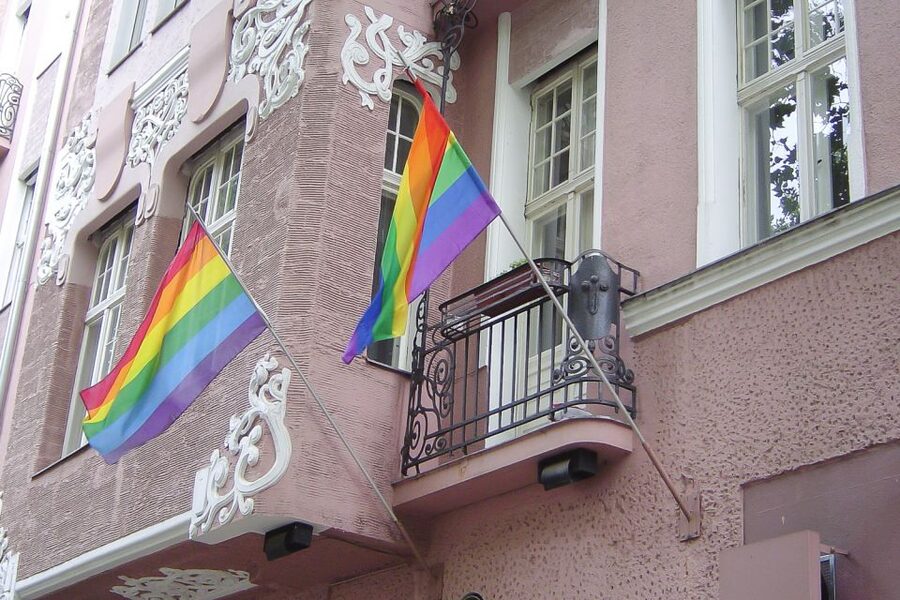
Berlin turns corners into queer stories. On this Queer Berlin Walking Tour, you walk through Schöneberg, the city’s iconic gay neighborhood, and into the Tiergarten, a long-time meeting spot shaped by the Berlin Wall and shifting laws. Expect facts, sharp context, and human details that make European queer history feel close to the street.
I love that the tour links big German history to real queer lives, from old-school nightlife to the cruelty of the Nazi era. Two things that really land are the focus on Magnus Hirschfeld’s work and the stop at the memorial for homosexual men and others persecuted under the Nazis.
One consideration: you’ll cover a lot on foot in about 3.5 hours, so plan for steady walking and bring layers for Berlin weather.
In This Review
- Key points before you go
- Schöneberg and the Tiergarten: where queer Berlin took root
- Schöneberg streets, Marlene Dietrich, and the cabaret glow
- The Eldorado story: queer and trans nightlife, Berlin-style
- Magnus Hirschfeld and the Institute for Sexual Science
- Politics across regimes: Frederick the Great to modern Berlin
- The memorial stop: why the tour changes tone
- Tiergarten under the Berlin Wall: a meeting spot with a shadow
- Who the guides are like, and why that matters
- What you can realistically expect in 3.5 hours
- Price and value: what $23 buys you in Berlin
- Who should book this queer history walk
- Should you book the Queer Berlin Walking Tour?
- FAQ
- How long is the Queer Berlin Walking Tour?
- What is the price per person?
- What languages are offered?
- Does the tour run in bad weather?
- What is included in the ticket price?
- What should I know about refunds, payment, and cancellations?
Key points before you go
- Schöneberg first, then the Tiergarten, so you see two sides of queer Berlin: community and gathering spaces
- Hirschfeld and the Institute for Sexual Science get real attention, including how Nazi book burnings destroyed knowledge
- Eldorado’s former site adds a nightlife angle, not just politics
- A guided story that links figures from Frederick the Great to modern-day leadership like Klaus Wowereit
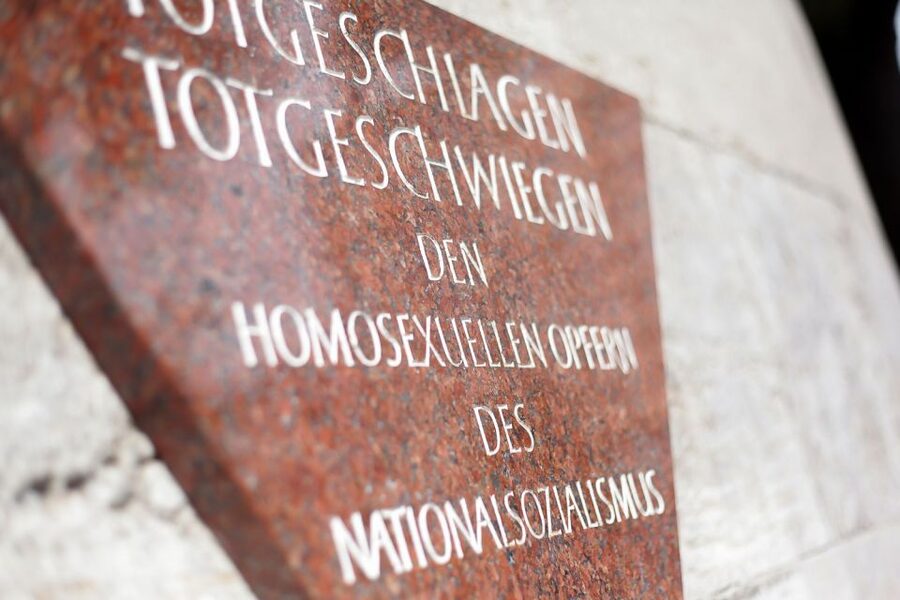
- You’ll also visit the memorial to persecuted homosexuals, which changes the tone in a necessary way
Schöneberg and the Tiergarten: where queer Berlin took root

Berlin has a reputation as a queer capital for a reason. This tour treats that title like more than a slogan. You move through neighborhoods where queer people built social life, pushed for rights, and fought back against repression, often while living under laws that targeted them.
A key thread is the way Germany’s legal system affected male homosexuality for decades after World War 2, tied to Section 175. You don’t just hear the legal label. You get the practical meaning: how criminalization changes daily life, how it forces people into coded spaces, and how communities create safety through bars, parties, and public gathering spots.
Then you shift to the Tiergarten. This is where the tour becomes geographic history, because the Tiergarten is tied to meeting and cruising culture, and it sits in the shadow of the Berlin Wall. That Wall mattered not just for politics, but for who could meet whom, where, and how freely.
More Guided Walks in Berlin
- Discover Berlin Half-Day Walking Tour
★ 5.0 · 9,624 reviews - Berlin City walk Government District and Places of Democracy
★ 4.7 · 8,467 reviews - Berlin: Third Reich & Cold War Guided Walking Tour
★ 4.9 · 8,378 reviews
Schöneberg streets, Marlene Dietrich, and the cabaret glow
Schöneberg is where the city’s queer reputation feels most legible. As you walk, you learn how the area became a recognizable center, especially through entertainment and nightlife. The tour doesn’t frame queer life as separate from the rest of Berlin. It shows queer stories woven into culture.
One stop connects to Marlene Dietrich, including where she lived and worked. That’s useful because it grounds you in the idea that queer history is not only about protests or persecution. It’s also about art, stage life, fame, and the creative circles that overlapped with queer nightlife.
You’ll also hear how Christopher Isherwood and Otto Dix chronicled Berlin’s cabaret scene. That matters because it shows how outsiders and insiders documented the city’s edge, helping create the myth and the record of Berlin as a place where nightlife and identity could be explored. Even if you know Berlin already, this angle makes you look at buildings differently.
The Eldorado story: queer and trans nightlife, Berlin-style
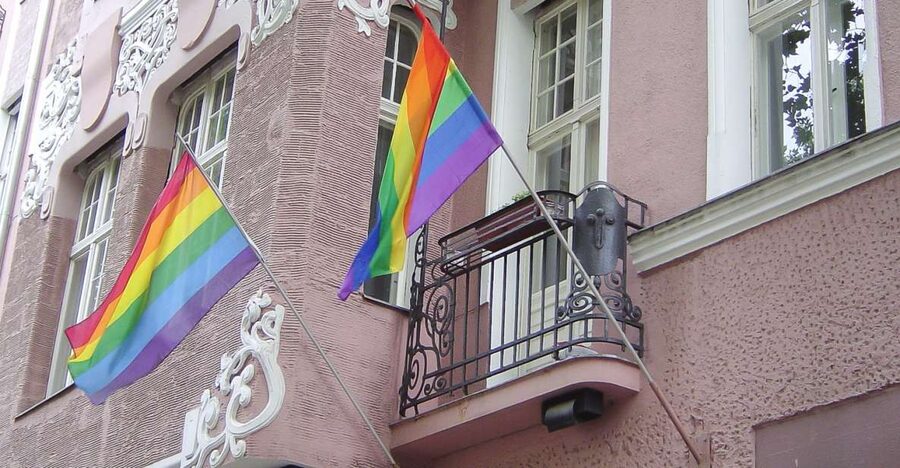
If you care about nightlife history, this is one of the most interesting parts of the tour. You’ll see the site of the former Eldorado, described as one of Berlin’s oldest queer and transvestite bars. That wording matters. It signals that the story is not only about lesbian or gay identity as the term is used today, but also about broader trans and gender-nonconforming communities that found room to exist in public.
More than nostalgia, the point is how spaces like Eldorado functioned. When laws and stigma are hostile, safe social places become infrastructure. They create a rhythm for meeting, mutual support, and community continuity. They also attract attention, which can be dangerous. The Eldorado stop gives you that two-sided feeling: glamour and community, alongside the risk that comes with visibility.
Practically, think of this as a storytelling stop. You’re not paying an entrance fee to relive a bar that no longer exists. Instead, you learn what the location represents and how queer nightlife shaped the neighborhood’s identity.
Magnus Hirschfeld and the Institute for Sexual Science
This is where the tour turns from social life to scientific activism and then to catastrophe. Magnus Hirschfeld is a name you’ll hear again and again in queer history, and this tour gives him the attention he deserves.
You learn about Hirschfeld’s ground-breaking Institute for Sexual Science, and how it was shut down in 1933. Then you get an especially painful detail: the institute’s library was destroyed during the Nazi book burnings. That’s a brutal reminder that regimes don’t just persecute people. They erase ideas, destroy archives, and attack evidence.
If you want value out of a walking tour, this is a good example of what you’re paying for. It’s not just a list of dates. The tour makes clear why the institute mattered: it was an organized attempt to understand sexuality and fight pseudoscience and legal cruelty with research.
And it also helps you connect the dots between earlier queer progress and what came next. Berlin may be famous for freedom, but the story has always been political, contested, and fragile.
Politics across regimes: Frederick the Great to modern Berlin
Berlin’s queer history does not stay in one time period. The tour spans eras to show that queer life has always interacted with power structures, even when the law was unfriendly.
You’ll hear about queer lives from Frederick the Great to an openly gay Nazi leader. That sounds like a contradiction at first, but the point is not to shock you. The point is to show how identities can be visible or complicated inside systems that are violent. Berlin’s history is full of these uncomfortable collisions, and the tour handles them in a way that keeps focus on what shaped people’s lives.
You’ll also learn how the city’s progressive identity has roots in the late 19th century, even while Section 175 loomed over male homosexuality for decades after World War 2. That long timeline helps you avoid the common mistake of thinking rights appeared out of nowhere. They were built, argued for, and defended.
Modern references make the tour feel current, not only museum-like. You hear about today’s openly gay mayor Klaus Wowereit and how queer figures have shaped Berlin’s story. It’s a good reminder that representation and political leadership matter, especially after centuries of legal and social pushback.
More German cities at walking speed:




The memorial stop: why the tour changes tone
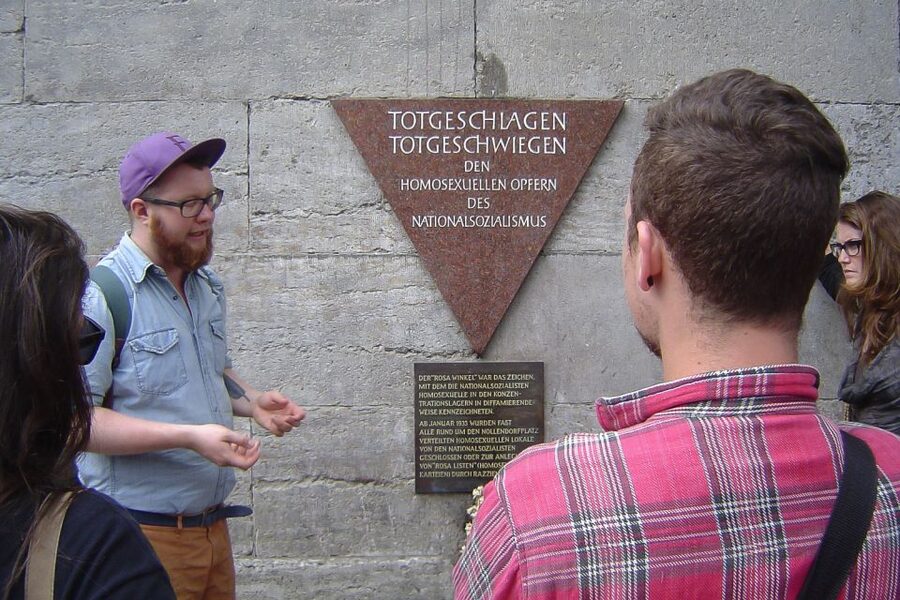
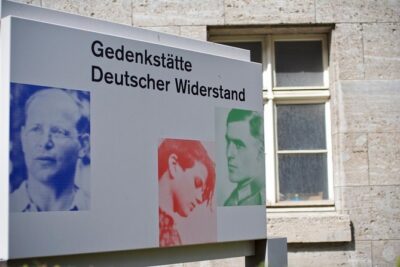
One of the most important moments on the walk is the memorial to all the homosexuals persecuted by the Nazis and sent to concentration camps. This stop is not there for extra emotion. It’s there for accuracy and context.
The tour also frames this within the broader pattern of persecution, so you understand what the memorial represents beyond the basic outline. You’re learning not only about a neighborhood identity, but about targeted violence and mass punishment. It puts pressure back onto the question of why rights and safety matter in the first place.
This is the part of the tour where I’d give yourself a second. Let the facts land, and then move on slowly. A guided walk can make history feel tidy, but this stop resists that. It keeps the tone honest.
Tiergarten under the Berlin Wall: a meeting spot with a shadow
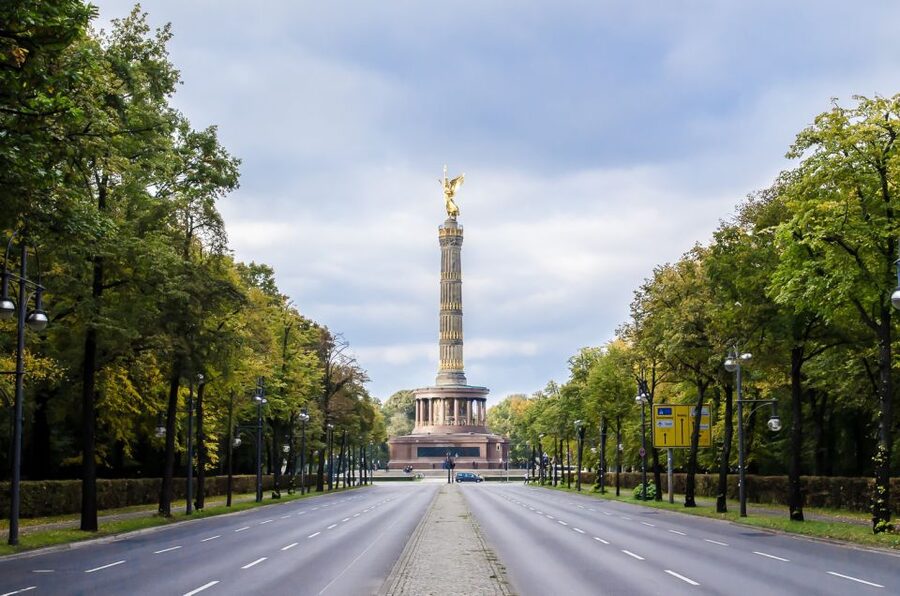
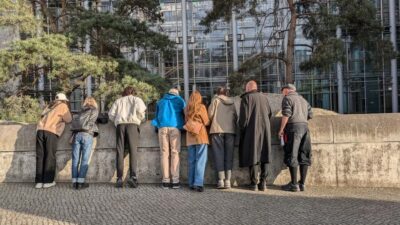
After Schöneberg’s energy, you shift into the Tiergarten, described as Berlin’s best-known gay meeting spot. Here, the stories become about public space. Where people gather changes over time, and in a divided city, public space is never neutral.
The tour ties the Tiergarten to the Berlin Wall, meaning the walk becomes a timeline you can feel under your feet. The Wall’s shadow is a reminder that movement, visibility, and safety were different on either side of the divide. Even if you already know the Berlin Wall basics, the queer perspective makes you notice things you’d otherwise pass by.
This section also reinforces a theme: communities adapt. When certain meeting spots are risky or restricted, people look for new corners, new codes, and new ways to be seen or not seen. The tour’s focus on the Tiergarten helps you understand that queer life has always been both social and strategic.
Who the guides are like, and why that matters
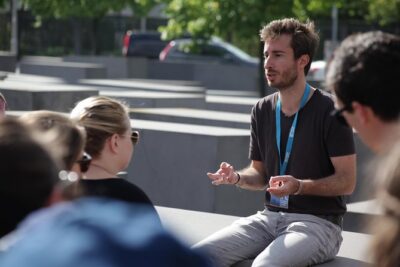
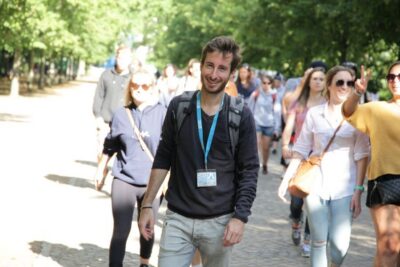
The tour is led by an English-speaking guide, with English and German options. The guide wears a blue Original Berlin Walks name badge, which makes check-in and staying with the group easy.
From past tours, guides have been described as funny, patient, and willing to answer questions. That matters because queer history often sparks personal questions. The best part of a guided walk is when you feel safe to ask without getting a vague answer. Here, the tone tends to be conversational, not lecture-heavy.
You might also find that some guides bring a lived perspective into the storytelling. That shows up in how they explain not just what happened, but what it felt like and why certain places carried meaning.
What you can realistically expect in 3.5 hours
This is a 3.5-hour walking tour, and it runs in all weathers. That means you should dress for wind and surprise rain, not for a single perfect forecast. Berlin can do that.
You’ll be moving between key areas: Schöneberg, then through the Tiergarten. Expect regular stops for context, not constant strolling without pauses. You’ll also likely get anecdotes and historical facts woven together, which helps you remember dates and still understand why they matter.
Bring practical gear:
- Comfortable shoes you can walk in for a long stretch
- A small snack and water, especially if you plan to extend the day after the tour
- Layers, since weather shifts can happen quickly
There can be a lunch break in some schedules, and if there is, it’s typically treated as part of the experience rather than a rushed detour. The takeaway for you is simple: plan your day so you’re not sprinting from stop to stop.
Price and value: what $23 buys you in Berlin
$23 per person for 3.5 hours is a straightforward price for a city walk with a specialist guide. Here’s why it can feel like good value.
First, you’re getting an intentional route through meaningful locations tied to queer life across time, not just a generic history walk. Second, the tour includes interpretive context on major figures like Magnus Hirschfeld and major themes like persecution under the Nazis. Third, the tour includes an English-speaking guide, so you’re paying for narrative quality and on-the-ground storytelling.
Also, entrance fees are not included. That can actually be a plus. You’re not forced into paid museum time to fill the hours. The walk leans on what you can see and what the guide helps you understand about it.
If you’re visiting Berlin for a short time and want one experience that combines neighborhood identity with political history, this price structure makes sense.
Who should book this queer history walk
This tour is a strong choice if you:
- Want queer history tied to places in Berlin, not only dates and names
- Like a mix of entertainment history and serious political context
- Enjoy asking questions and getting thoughtful answers from the guide
- Are visiting Schöneberg and want more than restaurant and nightlife recommendations
It’s also a good pick for allies who want a guided framework for understanding oppression and resistance without turning it into a lecture you tune out. And if you’re a first-timer in Berlin, the route gives you a map of the city’s queer story in a way that sticks.
If you dislike walking for extended periods, then this might require extra planning on your end, since it’s built as a 3.5-hour stroll.
Should you book the Queer Berlin Walking Tour?
I’d book it if you want a guided walk that treats queer Berlin as real history with real stakes. The Schöneberg route gives you the neighborhood perspective, the Eldorado site adds nightlife meaning, and the Hirschfeld segment connects queer activism to scientific and cultural progress. Then the memorial and Tiergarten stops keep the tone grounded in persecution and public space.
The biggest question for you is how you feel about walking. If you can comfortably spend a few hours on your feet and you want your Berlin day to have both context and personality, this tour is a smart use of time.
FAQ
How long is the Queer Berlin Walking Tour?
The tour lasts 3.5 hours.
What is the price per person?
The price is $23 per person.
What languages are offered?
The tour is available with live guides in English and German.
Does the tour run in bad weather?
Yes, the tour runs in all weathers.
What is included in the ticket price?
An English-speaking guide is included.
What should I know about refunds, payment, and cancellations?
You can cancel up to 24 hours in advance for a full refund, and you can reserve now and pay later.
Fresh on the arrivals board for Berlin



Guided Walks in Berlin, compared.
Berlin City walk Government District and Places of Democracy
Read our review →
Berlin’s Best: 2 Hour Walking Tour Third Reich and the Cold War
Read our review →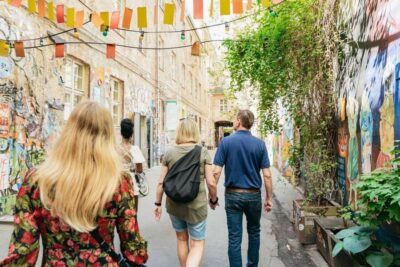
Third Reich Berlin: Hitler and WWII Walking Tour
Read our review →
Browse the lists this tour appears in