
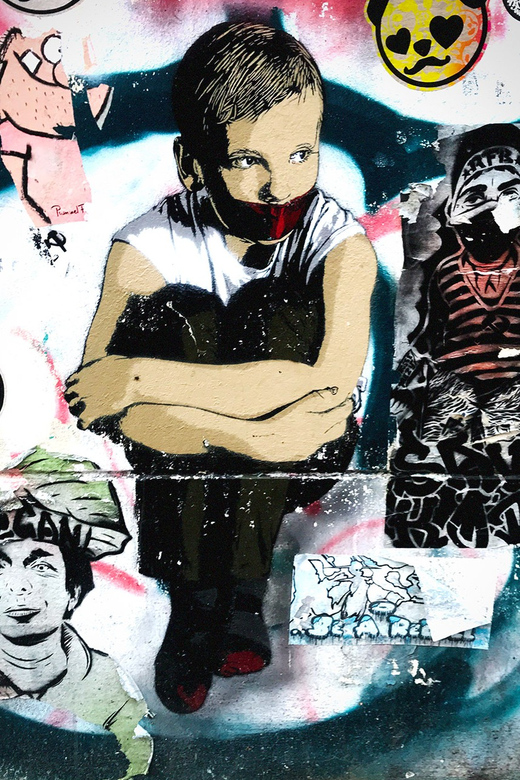
Reviewed · GUIDED WALKS IN BERLIN
Private Street Art Walking Tour in Berlin-Friedrichshain
Berlin reads in bold colors. This private street art walking tour lets you see Friedrichshain through local eyes, moving from RAW-Gelände’s post-industrial walls to the alt-and-political streets around Kino Intimes. I love the private guide setup, because you can ask questions as many times as you want. I also like how the tour tries to give context, not just point at paint, including the infamous past of RAW-Gelände. One possible drawback is that, on a tour like this, some guides can be more descriptive than interpretive, so you may want to ask specifically for history and meaning.
You start at Warschauer Straße station, then you walk at an easy pace for photos and street-life watching. It’s rain or shine, so bring a light layer, and expect a real neighborhood stroll, not a museum visit.
At $200 per group (up to 5 people) for two hours, it can feel like a bargain or a splurge depending on how many you go with. If you’re a small group that wants a guided filter through Berlin’s street art scene, the format makes sense.
In This Review
- Key things I’d watch for on this Friedrichshain street art walk
- Entering Friedrichshain, where street art is part of daily life
- Meeting at Warschauer Straße, and how to start without stress
- RAW-Gelände: post-industrial walls, and why the past matters
- Friedrichshain streets after RAW, where alt culture feels personal
- The 10-minute photo stop: how to get better pictures fast
- Finishing at Kino Intimes, and turning the walk into a full evening
- Price and value: is $200 for a group really worth it?
- Who should book this, and who might prefer another approach
- A practical checklist before you go
- Should you book this Friedrichshain street art tour?
- FAQ
- Where is the meeting point for the tour?
- How long is the tour?
- How much does it cost?
- What languages is the tour guide available in?
- Is the tour private?
- Will the tour run in bad weather?
- Are there any luggage restrictions?
Key things I’d watch for on this Friedrichshain street art walk
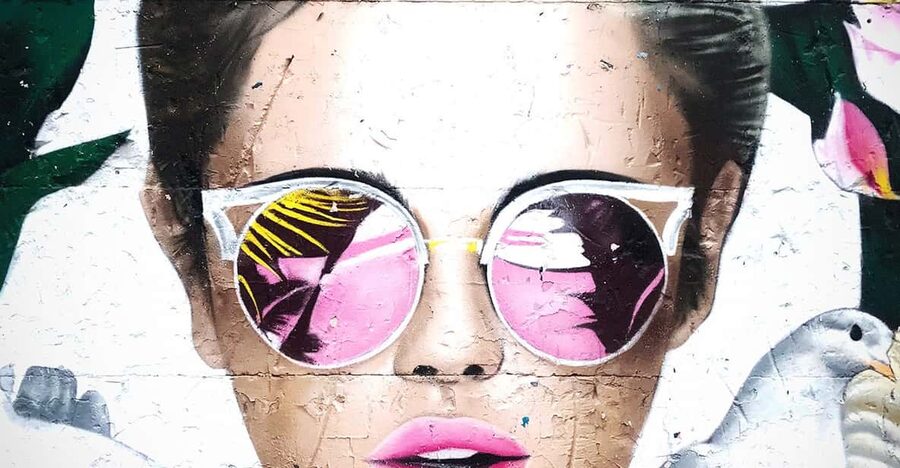
- Private pace with real Q and A: you can steer the conversation toward what you care about.
- RAW-Gelände, in daylight: a nightlife-heavy zone that becomes easier to study in the light.
- Street art as street life: you’re not just viewing murals, you’re walking where people actually eat and shop.
- A strong finish point: ending at Kino Intimes sets you up for more exploring.
- Communication and adaptation matter: one top review highlighted how well the guide matched requests and communicated clearly.
Entering Friedrichshain, where street art is part of daily life
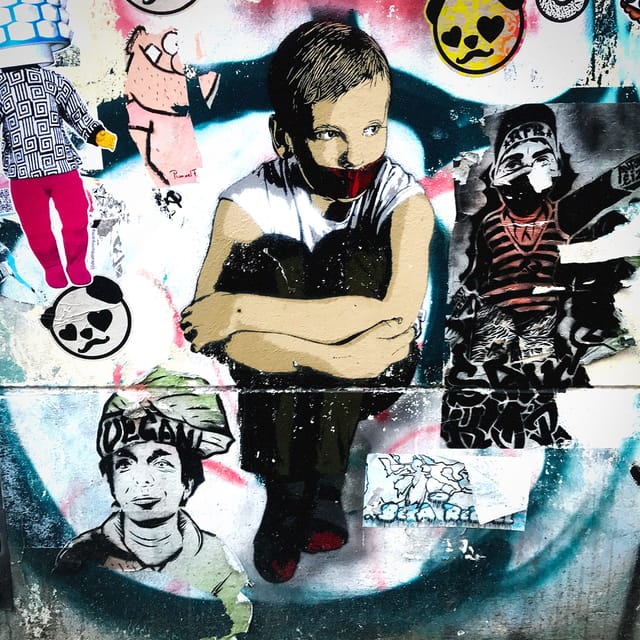
Friedrichshain is the kind of neighborhood where graffiti isn’t something you stumble on by accident. It’s woven into the streets, storefronts, and building edges, so the art feels earned by the city, not imported for tourists. A good guide helps you read it like a language, not like random decoration.
That’s why the private format matters. With a small group, you can stop whenever something catches your eye and ask why that piece exists, who it speaks to, and what the wall is saying right now. If you hate feeling rushed, this tour’s two-hour window plus a dedicated guide is a good fit.
You’ll also get a sense of Friedrichshain’s alternative side, including a leftist neighborhood vibe with tiny shops, bars, and restaurants. Even when you’re focused on art, that surrounding street life is part of the meaning.
More Guided Walks in Berlin
- Discover Berlin Half-Day Walking Tour
★ 5.0 · 9,624 reviews - Berlin City walk Government District and Places of Democracy
★ 4.7 · 8,467 reviews - Berlin: Third Reich & Cold War Guided Walking Tour
★ 4.9 · 8,378 reviews
Meeting at Warschauer Straße, and how to start without stress
You meet at the S-Bahn station Warschauer Straße, in front of Starbucks. It’s an easy, public landmark, which helps when you arrive with some Berlin nerves (we all do). You’ll also get an email with a Google Maps link, which is useful if you want to double-check the exact spot.
From the station area, the tour begins with an introduction to the bustling district. I like that the first stretch is about orientation, because it sets you up for the rest of the walk. If you’re new to Berlin street art, that first “where are we and what should I notice?” moment saves time later.
Practical tip: go light. Oversize luggage or large bags are not allowed, so keep it to a small daypack. And since it runs rain or shine, pack for quick weather changes, not just one forecast.
RAW-Gelände: post-industrial walls, and why the past matters

The heart of this tour is the RAW-Gelände stop, with a guided segment of about one hour. This is the post-industrial area where the city’s older industrial identity meets today’s street art scene. In daylight, you can see how much paint covers the space, and why people call it an open-air museum.
Here’s the key thing to understand: this isn’t only about the visuals. The tour is designed to explain the infamous past of RAW-Gelände, and that context changes how you read the walls. You start seeing street art as commentary, not just aesthetics.
During your hour here, pay attention to layers and textures. Even if you’re not an art expert, you can feel the difference between quick tags and bigger works that took more time. A strong guide will point out how the art connects to the area’s attitude, including its “old Berlin spirit” energy that shows up in the buildings and the street corners.
Also, remember the location is well known for nightlife. In the daytime, it’s easier to move, slower to photograph, and calmer for conversation. That makes it a smart time to learn, because you can actually stand back, look, and ask.
One caution based on a real drawback: not every guide explains deeply. If yours leans only on what you can already see, don’t hesitate to ask sharper questions. Try asking for a specific story behind a style, or what makes this place different from other street art spots in Berlin.
Friedrichshain streets after RAW, where alt culture feels personal
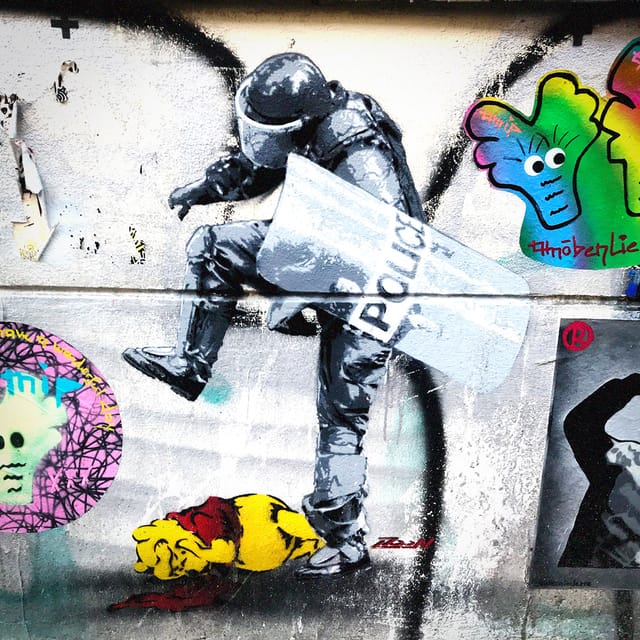
After RAW-Gelände, the tour shifts into central Friedrichshain. This is where the neighborhood personality becomes clearer: tiny shops, bars, and restaurants, plus the leftist neighborhood feel that helps shape the art and the people who live with it.
This part works well if you like walking with a purpose. Instead of spending all your time staring up at walls, you also get to notice what’s around them: what kind of businesses survive here, how people gather, and how the street art fits into everyday movement. For me, that’s where the tour starts to feel most “Berlin,” because street art isn’t floating in a vacuum. It’s part of a social scene.
You’ll also have a photo stop in Friedrichshain. Don’t treat it like a random pause. Use it to frame wide shots as well as details. For example, try to capture how murals interact with windows, doorways, signs, and street-level architecture. That context is usually what makes street art feel meaningful, not just colorful.
And again, because it’s private, you’re not stuck with one fixed route in your own head. If your group wants more focus on a type of graffiti or you want to discuss the leftist scene the guide mentioned, this is the moment to steer.
The 10-minute photo stop: how to get better pictures fast

Ten minutes doesn’t sound like much, but it’s enough if you use it strategically. For street art, the biggest mistake is wasting the first half-minute fiddling with settings while the best light is already slipping away.
Here’s what I’d do during that Friedrichshain photo stop:
- Take one wide photo to show the wall in context.
- Take 3 to 5 detail shots, moving your angle slightly for each one.
- Look for contrasts, for example bold colors next to faded paint, or newer pieces beside older ones.
If your guide is good, ask them to point out which walls have the clearest story or the most layered meaning. That turns photos into something you can remember beyond the image.
If your guide is less interpretive, you can still get value by asking one specific question: what makes this piece connect to the neighborhood, and what would someone miss if they only glanced at it?
More German cities at walking speed:

Finishing at Kino Intimes, and turning the walk into a full evening
The tour ends at Kino Intimes, a historic cinema right in the heart of Friedrichshain. This matters because it gives you an anchor point instead of wandering back on your own. From there, you’re set up to keep exploring, since the area offers plenty of nearby bar and restaurant options.
Kino Intimes is a good ending because it’s both a destination and a social hub. After two hours of walking and looking up, you’ll likely want to sit down, grab a drink, and keep discussing what you saw. Finishing at a real venue like this also helps you feel like the tour is part of the neighborhood rhythm, not a separate activity that evaporates afterward.
Practical tip: if you want to photograph at night later, you can compare the same streets in different light. The tour already gave you RAW-Gelände in daylight, so your later night walk can show you what changes when the area shifts toward nightlife.
Price and value: is $200 for a group really worth it?
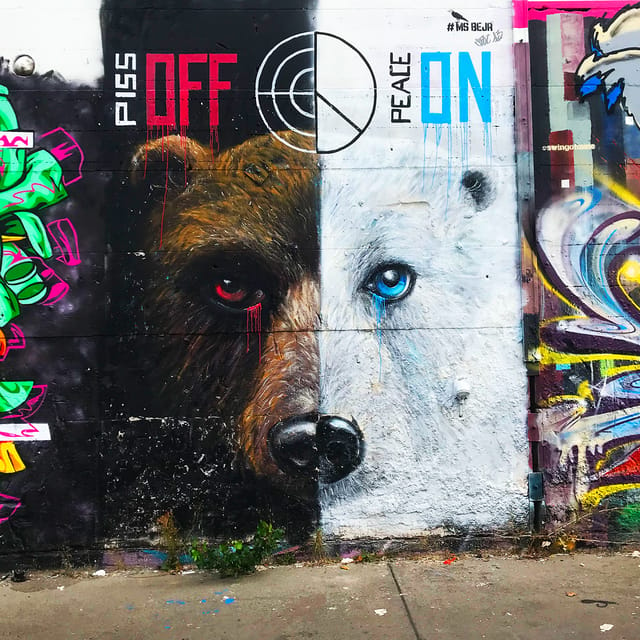
The price is $200 per group, up to 5 people, for a two-hour private tour. That’s the part where you should do a quick math check based on your group size.
- If you’re 2 people, you’re paying about $100 per person.
- If you’re 4 or 5 people, it drops to about $40 to $50 per person.
So is it good value? It often is, because you’re buying three things that group walking tours usually can’t deliver well:
- A guide you can question in real time
- Context for place-specific street art, especially RAW-Gelände
- Flexibility to slow down, take photos, and ask follow-ups
The private element matters most if you care about meaning, not just locations. One top review called out how the guide adapted to requests and communicated well. That’s what you should look for when booking, because adaptation is what turns a short walk into something personal.
The risk is the opposite, and it shows up in a low review: if the guide is prepared only at a surface level, you might feel like you could have done the walk on your own. The way to reduce that risk is simple. Go in with a few targeted questions about history, politics in the neighborhood, or why certain pieces show up where they do. In a private setting, your questions should directly improve the experience.
Who should book this, and who might prefer another approach
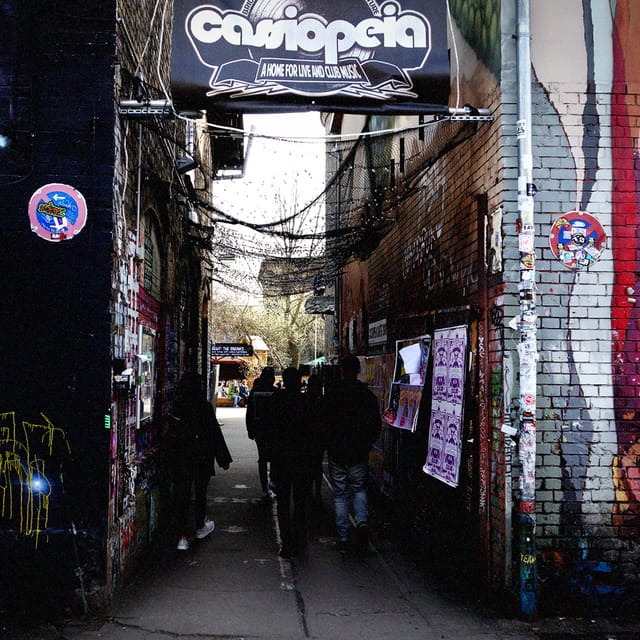
This tour is ideal if you:
- Want a guided filter through Friedrichshain instead of a random self-guided wander
- Like street art but also want the “why,” including the infamous past around RAW-Gelände
- Travel with a small group and prefer private pacing
- Enjoy asking questions and getting answers in German or English
It might be less ideal if you:
- Only want a basic sightseeing route with minimal explanation
- Expect highly detailed art-history lectures on a short two-hour walk
- Don’t want to deal with a rain or shine neighborhood walk, even if it’s manageable
Also, if you’re picky about guide depth, remember: street art lives in nuance. The best version of this tour comes from a guide who can explain meaning and not just point out what you already see.
A practical checklist before you go
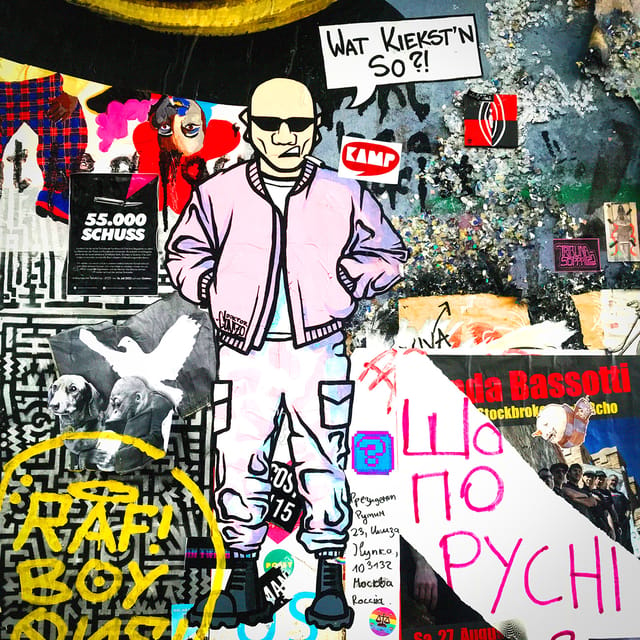
This is the type of tour where preparation affects comfort more than anything else.
- Wear shoes you trust for city sidewalks and curb edges.
- Bring a small rain layer. It runs rain or shine.
- Keep your bag small to avoid luggage issues.
- If street art is your focus, bring a phone or camera with enough battery for the RAW hour.
And mentally, arrive ready to look up, not just forward. RAW-Gelände especially rewards that shift in attention.
Should you book this Friedrichshain street art tour?
I’d book it if you want a private, two-hour way to understand Friedrichshain street art with someone who can answer questions and adapt to what your group wants. RAW-Gelände is the main draw, and the tour’s goal of explaining its infamous past is exactly what lifts the experience above a simple photo walk.
I’d think twice if you hate watered-down context or if your main goal is a fixed list of murals with no discussion. The tour can be great, but the quality depends heavily on how prepared and interpretive the guide is. If you book, make it count by asking pointed questions early, especially around what makes RAW-Gelände different.
If you’re traveling with 3 to 5 people, the cost becomes far easier to justify, because you’re spreading the private-guide fee across the group.
FAQ
Where is the meeting point for the tour?
You meet at the S-Bahn station Warschauer Straße, in front of Starbucks.
How long is the tour?
The tour lasts 2 hours.
How much does it cost?
It costs $200 per group, up to 5 people.
What languages is the tour guide available in?
The tour guide is available in German and English.
Is the tour private?
Yes, it is a private group tour.
Will the tour run in bad weather?
Yes, it takes place rain or shine.
Are there any luggage restrictions?
Oversize luggage is not allowed, and luggage or large bags are not allowed.
More Street Art in Berlin
- Berlin: City Street Art Guided Walking Tour
★ 4.8 · 1,051 reviews - Berlin: 3-Hour Street Art Tour
★ 4.7 · 778 reviews - Berlin Street Art Walking Tour – Off The Grid
★ 5.0 · 270 reviews - East Meets West: Berlin Food Culture & Street Art
★ 5.0 · 157 reviews
Fresh on the arrivals board for Berlin
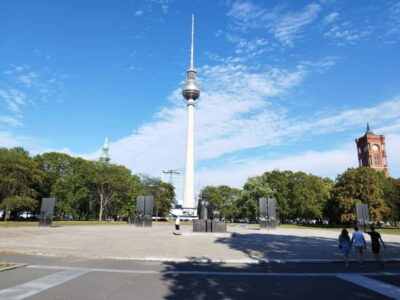
Guided Walks in Berlin, compared.
Berlin City walk Government District and Places of Democracy
Read our review →
Berlin’s Best: 2 Hour Walking Tour Third Reich and the Cold War
Read our review →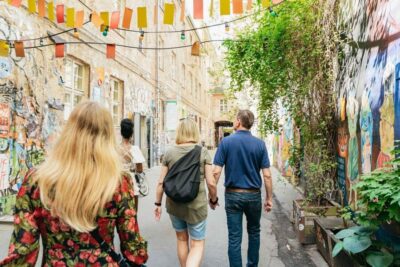
Third Reich Berlin: Hitler and WWII Walking Tour
Read our review →
Browse the lists this tour appears in