
Reviewed · TRAIN EXPERIENCES
Nuremberg: Nuclear Bunker in Main Railway Station
A train station tour that starts with a serious question. This one brings you into a World War II to Cold War nuclear bunker under Nürnberg Hauptbahnhof, then walks you through how civilian protection was imagined. I like that the message stays clear, even when the topic is heavy and scary.
What I liked most is the way you get both the big picture and the physical reality, including a computer simulation and a chance to experience the tight conditions. A good guide also adds humor and practical common sense, which helps you stay focused. One thing to consider is the setting: it is underground, close quarters, and not a fit for everyone.
In This Review
- Key Points to Know Before You Go
- Entering a Nuclear Bunker Under Nürnberg Hauptbahnhof
- Finding the Entrance, So You Do Not Waste Time
- What You Learn in 75 Minutes Underground
- Cold War Civilian Protection: More Than a WWII Relic
- The Nuclear Weapons Exhibit: First Bombs vs Modern Warheads
- A Computer Simulation That Makes the Threat Feel Real
- Life in the Bunker: The Pallet Moment
- Biological and Chemical Protection, Explained Without Guesswork
- The Guide Makes It Click, Even When It Gets Heavy
- Value for Money: Entry Plus a Guide for About $15
- Practical Stuff: What to Do Before You Enter
- Who This Tour Suits Best (and Who Should Skip It)
- A Simple Plan for Your Day in Nürnberg
- Should You Book the Nuremberg Nuclear Bunker Tour?
- FAQ
- Where is the nuclear bunker entrance located?
- How long is the tour?
- What is included in the ticket price?
- What is the tour language?
- Does the tour run in bad weather?
- Can I bring food, drinks, or large bags?
- Are pets allowed?
- Are selfie sticks allowed?
- Is entry allowed after the tour starting time?
- Is this tour suitable for children or people with claustrophobia or mobility issues?
- Can I cancel for a full refund?
- Can I reserve now and pay later?
Key Points to Know Before You Go
- Underground bunker inside the main station: You start in the public flow of Nürnberg and end below ground.
- Cold War civilian protection focus: It is not just WWII history, it is about how threats were planned for.
- Nuclear comparisons and simulation: You see how early atomic weapons relate to later warheads.
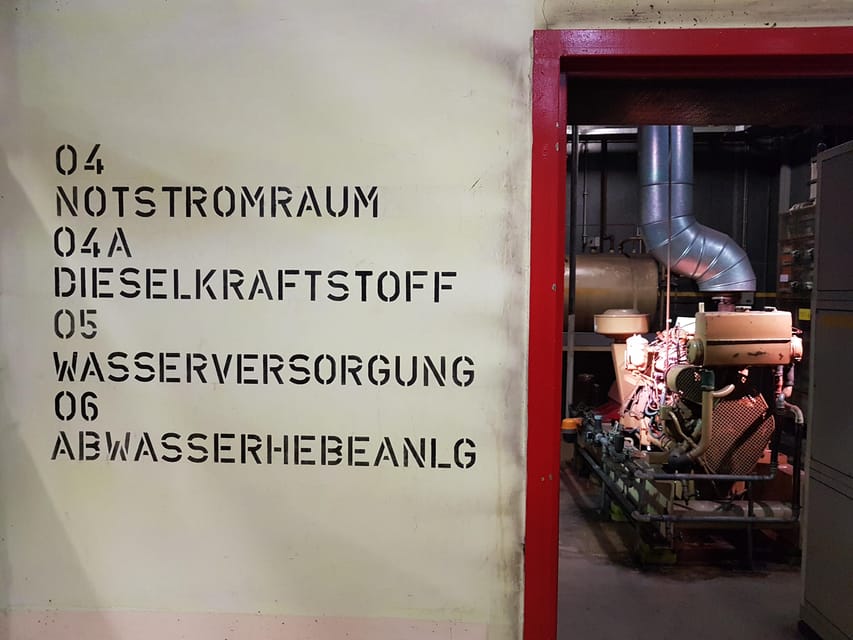
- Designed against multiple threats: The bunker concept includes protection beyond nuclear fallout, including biological and chemical attacks.
- Physical way of understanding the space: You will lie down on a pallet or sit to imagine the space and mood.
- Entrance can be easy to miss: The start point is specific, and it helps to check where it is before your tour time.
Entering a Nuclear Bunker Under Nürnberg Hauptbahnhof
Most city tours meet you on a square. This one meets you in the busiest kind of place, the main train station. That contrast is part of the point: nuclear-era planning was happening close to everyday life, not in some faraway bunker movie.
You also get a straightforward Cold War storyline. After the atomic bombings in Japan, the arms race pushed governments to think hard about civilian protection. This facility was intended to protect some people in the city, and mainly travelers from an acute threat.
I find the tone refreshingly practical. The visit does not just show objects, it asks questions like: how destructive were early bombs, and what did protection look like when the threat was unfamiliar and fast-moving?
Also holding a platform in Nuremberg
- Nuremberg: City Tour with the Bimmelbahn Train
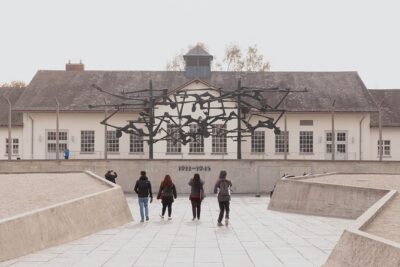
★ 4.4 · 2,475 reviews - Dachau Concentration Camp Memorial Site Tour from Munich by Train
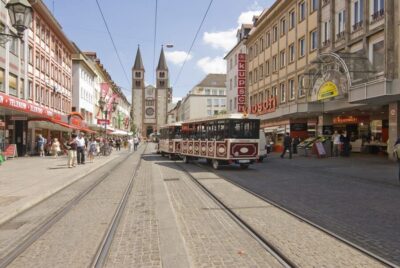
★ 4.5 · 5,637 reviews - Würzburg: City Tour with the Bimmelbahn Train
★ 4.4 · 1,322 reviews
Finding the Entrance, So You Do Not Waste Time
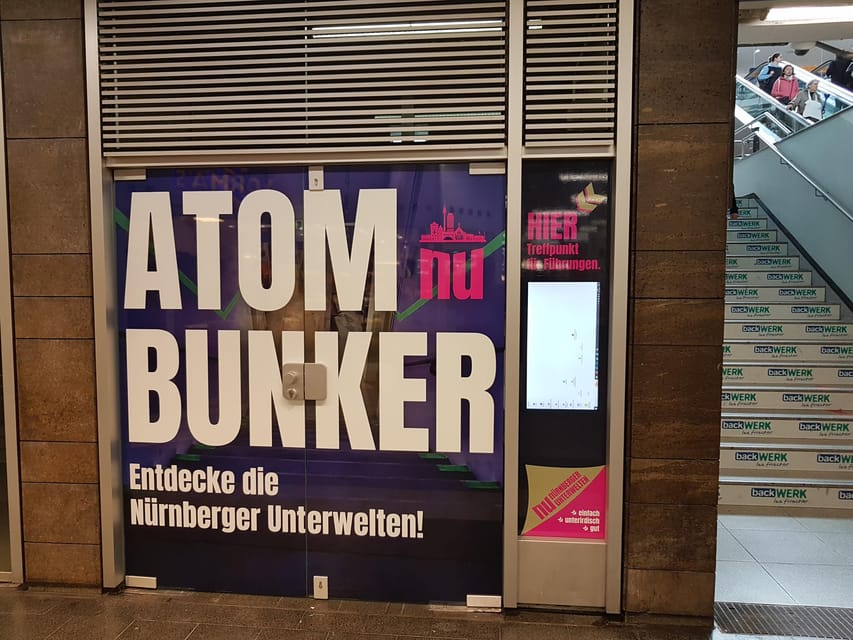
The tour meeting point is inside the station, so you do not need a separate address or bus ride. Enter through the main portal, then head to the main hall. From there, four escalators lead to the basement floors.
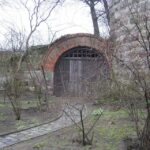
Next, choose your route based on what you see. Use the long escalator down to the shopping arcade (Königstorpassage) or take the short escalator followed by a step staircase. Immediately at the foot of those escalator stairs, turn sharply to the right to see the bunker entrance on the right wall, right next to Yorma’s restaurant.
This is also where one review tip really matters. If you are not local, check early. The entrance is a little easy to overlook when you are moving fast in a train station.
What You Learn in 75 Minutes Underground
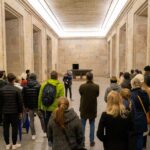
The tour runs about 75 minutes with a live guide in German. You walk, you pause, you look at exhibits, and you also do a small “how would it feel” activity. The pace is steady, not a marathon, but it is long enough to feel like more than a quick walk-through.
Your visit is built around how civilian protection ideas changed. After WWII, the focus shifted toward preparing for new types of attacks, especially the risk of nuclear warfare. The bunker is presented as one solution, and the exhibits explain the tools and thinking behind that goal.
You can expect a tour that mixes context, warning, and explanation. It does not try to scare you into panic. It gives you enough detail to understand why the plans were so intense.
Cold War Civilian Protection: More Than a WWII Relic
A key thing you should know is what this bunker represents. It is not only framed as a leftover WWII structure. It is presented as a response to Cold War thinking about how civilians could be protected.
The bunker was intended to protect “some inhabitants” and primarily travelers, and it was designed to shield against biological and chemical attacks too. That matters because it widens the story beyond nuclear fear. You are seeing how planners tried to handle a spectrum of threats, not just one headline event.
The exhibits are organized to help you connect the dots. You start with the post-war reality of atomic weapons, then move into what “civilian protection” means in a modern threat environment. Along the way, you get practical questions that the guide helps you consider, like how governments planned for people who were not soldiers.
The Nuclear Weapons Exhibit: First Bombs vs Modern Warheads

One of the strongest parts is the section that asks you to imagine scale. Nuclear weapons were first understood through early atomic bombs, and the tour helps you compare them to what came later. You are not just hearing numbers, you are learning why those comparisons matter.
It focuses on the influence of early atomic bombs compared to modern nuclear warheads, and it helps you feel the shift in threat level. The destructive force is treated as something you have to understand conceptually, because it is hard to picture from everyday life.
This is the kind of exhibit that sticks with you after you climb back upstairs. It gives you a mental benchmark for scale, which is useful when you read or watch anything about nuclear history later.
Onward connections from Nuremberg:

A Computer Simulation That Makes the Threat Feel Real
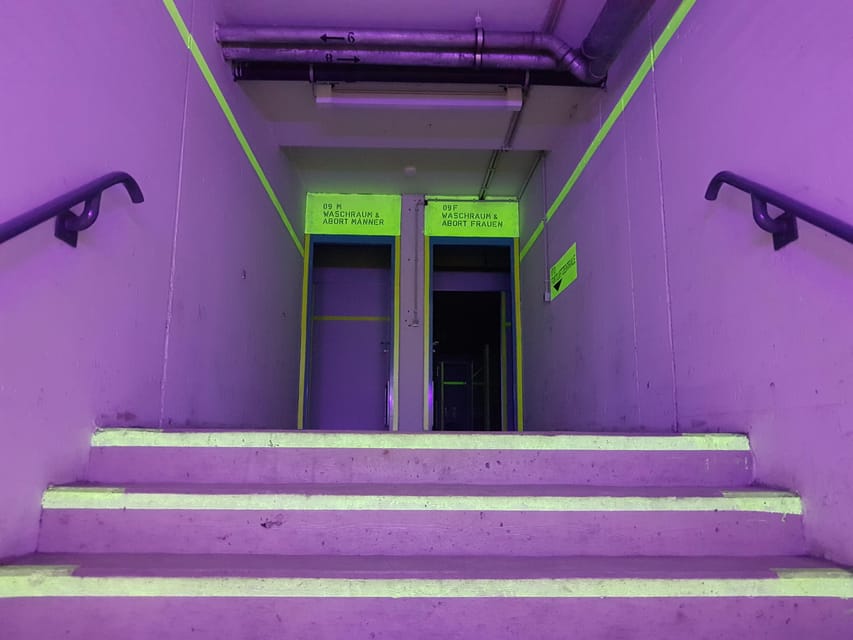
You also get a computer simulation. The goal is not to be flashy. It is to help you grasp the “ominous development” of the nuclear weapons arsenal, and to visualize what changes as technology and stockpiles evolve.
If you dislike tech displays, you might worry this will become like a video room. In practice, it feels tied to the tour message. You watch and then the guide puts it into words, linking it back to protection planning and civilian risk.
For me, this part works because it answers the question you might be thinking but cannot easily solve: how do you picture what is happening when the threat is invisible and the consequences are huge?
Life in the Bunker: The Pallet Moment
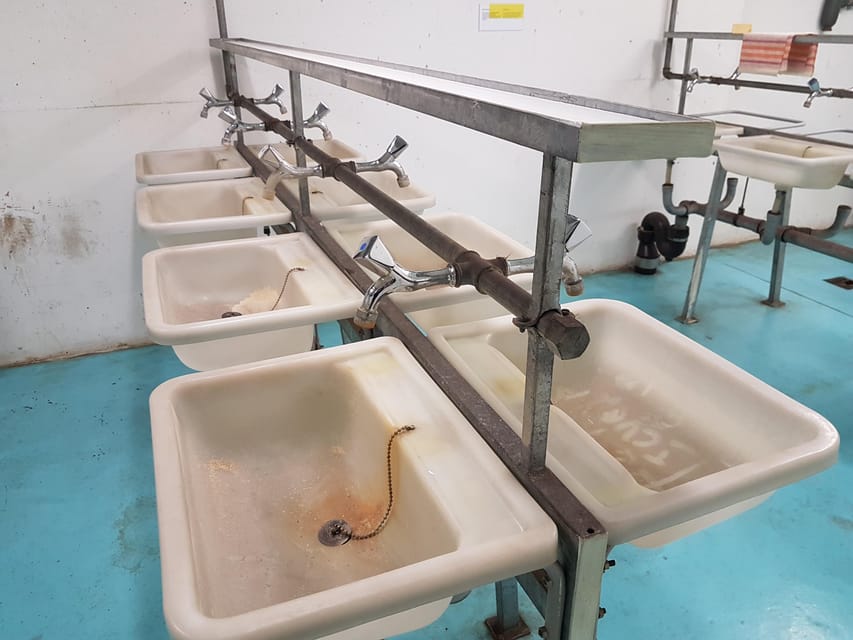
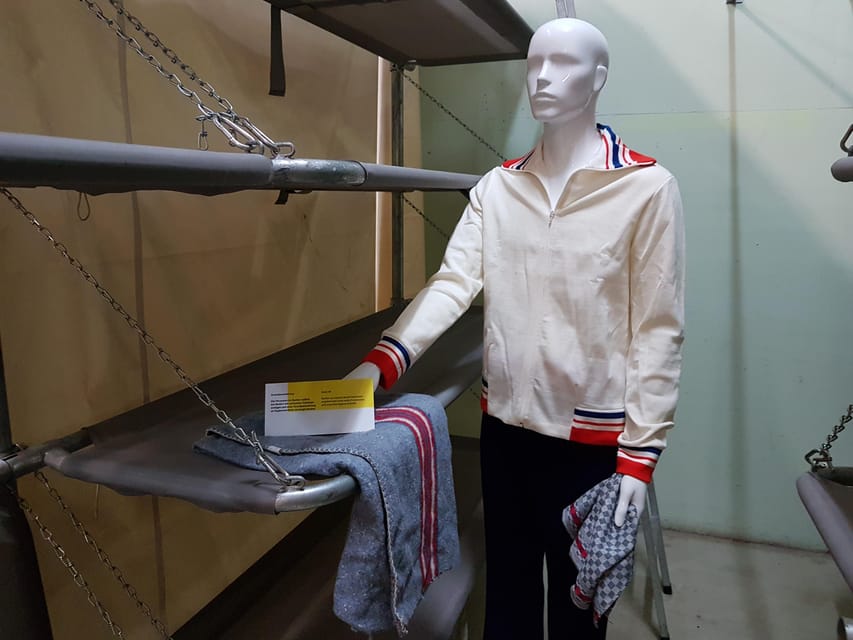
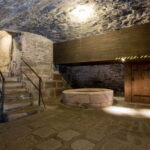
The tour does not stop at reading. It includes an activity that turns the bunker from concept into feeling. You will experience what life might have been like by lying down on a pallet or sitting, as you imagine how it would feel to be cooped up with several hundred people.
This is not meant to be theatrical. It is a reminder of what “protection” costs in comfort and privacy. Even if you never consider claustrophobic situations in daily life, this activity makes you understand why people feared being trapped underground in an emergency.
That emotional realism is what transforms the tour from facts into something memorable. It also explains why planners had to think about more than shielding, they had to think about how people could endure waiting.
Biological and Chemical Protection, Explained Without Guesswork
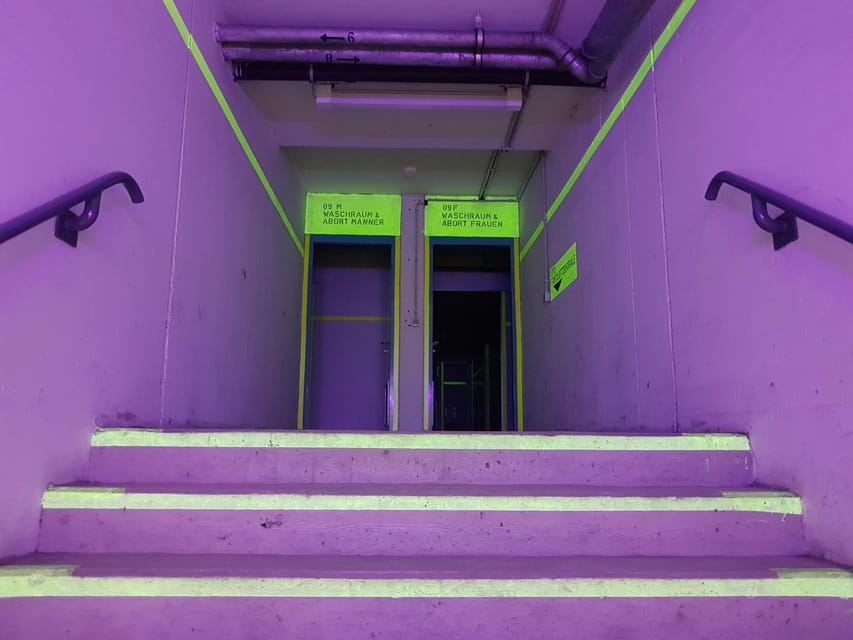
You might enter expecting nuclear talk only. Instead, the tour explains that the bunker concept included protection against biological and chemical attacks as well. That means the exhibits cover multiple threat categories, not only nuclear fallout.
This is valuable because it makes the entire story more grounded. Civil defense planning often sounds like a single-issue topic until you see the full set of risks. Here, the design intention is stated clearly: this facility was meant to protect from more than one type of attack.
If you like history that stays connected to real-world planning, this is a highlight. It shows how people tried to solve overlapping risks with the tools they had.
The Guide Makes It Click, Even When It Gets Heavy
The tour runs with a live German guide, and the delivery seems to matter a lot. One common praise is that the guide can balance the bunker’s atmosphere with humor and healthy common sense. That kind of tone is useful when the subject is intense.
You get the benefit of a guide who can explain the why, not just the what. You also get someone who can keep you oriented when you are underground, looking at exhibits, and trying to follow a complex Cold War story in a limited time.
If you speak some German, you will likely enjoy the tour more. If you do not, you can still follow the core story through the exhibit explanations and the guide’s pacing.
Value for Money: Entry Plus a Guide for About $15
At about $15 per person for roughly 75 minutes, this is a serious value, especially because the ticket includes both entry to the bunker and a guide. You are paying for guided interpretation of a specific, physical location, not just a self-guided pamphlet experience.
Also, the time is efficient. A 75-minute visit is long enough to cover nuclear threat comparisons, civilian protection concepts, and at least one interactive moment. It is also short enough that you can fit it into a day in Nürnberg without feeling like you have lost half of your vacation.
You will want to treat it as an educational stop, not a casual browse. Bring the right expectations, and the price feels fair.
Practical Stuff: What to Do Before You Enter
A few rules will shape your comfort level underground. Smoking is not allowed. Food and drinks are also not allowed inside. Luggage or large bags are off limits, so travel light.
Pets are not allowed either, but assistance dogs are allowed. And you should plan to leave selfie sticks behind. You also will not be able to touch the exhibits, which is normal for safety and preservation.
The tour takes place rain or shine. That is handy because you do not need perfect weather to add this stop to your day. You also should arrive so you can start on time, since there can be no entry after the tour starting time.
Who This Tour Suits Best (and Who Should Skip It)
This is best for adults and older kids who can handle a serious topic and a physical space underground. It is not suitable for children under 8.
It also is not a good choice if you have claustrophobia, mobility impairments, or if you use a wheelchair. The setting is underground and the route includes escalators and basement areas, which can be challenging even when everything is working.
If you like WWII and Cold War history but want more than dates and names, this works. You will appreciate how the tour ties nuclear weapons planning to civilian life, and how it explains biological and chemical protection too.
If you prefer only cheerful sightseeing, you might find the topic emotionally heavy. But if you want a real place that forces you to think about what protection means, it is hard to beat.
A Simple Plan for Your Day in Nürnberg
To make this visit feel smooth, I suggest treating it as a structured stop with a clear “before and after.” Start by getting your bearings inside the main station, then move toward the escalators with time to spare. Use the clear meeting point route, turn right at the right moment, and get settled near Yorma’s restaurant.
Because the tour is rain or shine, you can slot it into a cloudy day without losing the plan. And because it is 75 minutes, you can pair it with another nearby indoor activity in the same station area or take it as a reset before heading back out for outdoor sights.
Should You Book the Nuremberg Nuclear Bunker Tour?
Book it if you want an authentic, physical look at how people in the Cold War thought about civilian protection. The best reason to go is the mix: nuclear comparisons, a simulation, and that pallet moment that turns the space into a feeling, not just a photo.
Skip it if you cannot handle tight underground environments or you fall into the stated limits, like claustrophobia, wheelchair use, or mobility impairments. Also skip it if you want a light, casual stop, because the subject matter stays serious.
If you can handle that, you will likely find it a standout stop in Nürnberg. The guide experience also seems to matter, and the top feedback points toward a tour that stays informative while keeping the atmosphere manageable.
FAQ
Where is the nuclear bunker entrance located?
The entrance is in Nürnberg’s main railway station. Enter through the main portal, go to the main hall, take escalators down to the basement floors, then turn sharply to the right near Yorma’s restaurant to find the bunker entrance.
How long is the tour?
The tour lasts about 75 minutes.
What is included in the ticket price?
The ticket includes the nuclear bunker entry fee and a live guide.
What is the tour language?
The live tour guide is German.
Does the tour run in bad weather?
Yes, the tour takes place rain or shine.
Can I bring food, drinks, or large bags?
No. Food and drinks are not allowed, and luggage or large bags are not allowed.
Are pets allowed?
Pets are not allowed. Assistance dogs are allowed.
Are selfie sticks allowed?
No, selfie sticks are not allowed.
Is entry allowed after the tour starting time?
No. There can be no entry after the tour starting time.
Is this tour suitable for children or people with claustrophobia or mobility issues?
It is not suitable for children under 8 years, people with mobility impairments, people with claustrophobia, or wheelchair users.
Can I cancel for a full refund?
Yes. You can cancel up to 24 hours in advance for a full refund.
Can I reserve now and pay later?
Yes. You can reserve your spot and pay later to keep plans flexible.
Fresh on the arrivals board for Nuremberg

Train Experiences, compared.
Dachau Concentration Camp Memorial Site Tour from Munich by Train
Read our review →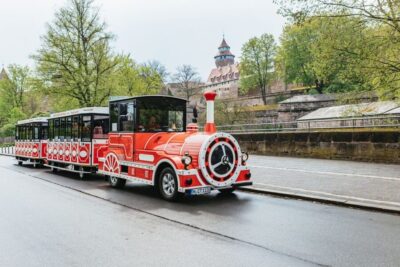
Dachau Concentration Camp Memorial Tour with Train from Munich
Read our review →
Guided Dachau Concentration Camp Memorial Site Tour with Train from Munich
Read our review →
Dachau Small-Group Half-Day Tour from Munich By Train
Read our review →
Nuremberg Guided Day Trip from Munich by Train
Read our review →Browse the lists this tour appears in